
Selecting practical self defense weapons requires understanding both operational efficacy and statutory carry laws.
In today’s unpredictable world, understanding the weapons used in self-defense is crucial. Many individuals seek ways to protect themselves while navigating the complex legal landscape surrounding self-defense tools. This guide breaks down various self-defense weapons-ranging from pepper spray to more advanced options-emphasizing their effectiveness and the legal limits that govern their use.
As you explore this essential topic, you’ll discover the balance between empowerment and responsibility. Whether you’re a newcomer seeking safety strategies or someone aiming to enhance your current knowledge, it’s vital to grasp the ethical considerations and legal ramifications of self-defense. Each weapon comes with its own set of advantages, limitations, and, importantly, the necessity of responsible ownership. Engage with us as we unravel the specifics of self-defense weapons, ensuring you are well-informed and prepared to make safe, legal choices in moments that matter.
Understanding Self-Defense Laws: Your Rights Explained
Understanding your rights concerning self-defense laws is crucial for anyone considering the use of weapons for personal protection. One key principle to grasp is that self-defense must be a proportional response to an immediate threat. This means that while you may have the right to protect yourself against an imminent danger, the level of force you use must align with the seriousness of the threat faced. For example, deploying a firearm is permissible only if you genuinely believe that your life is in danger or that you are at risk of severe bodily harm.
Self-defense laws vary significantly from state to state. Concepts such as the “castle doctrine” and “stand your ground” laws across various jurisdictions establish the legal framework within which individuals may act in self-defense. Under the “castle doctrine,” for instance, individuals have the right to use reasonable force, including deadly force, to protect themselves within their own homes. In contrast, “stand your ground” laws may permit individuals to use force in public without an obligation to retreat, provided they are in a place where they have a legal right to be. Thus, it is essential to understand the specific laws governing your state to make informed decisions about self-defense.
In any self-defense situation, it’s vital to remain mindful of the legal and moral implications of your choices. Not only do laws dictate your rights, but they also influence potential repercussions for using force. Engaging in de-escalation tactics whenever possible is not just a good practice; it can help avoid legal consequences and foster a safer environment. Ultimately, knowing when and how to respond effectively to threats can empower individuals to defend themselves while respecting the legal expectations surrounding such critical decisions.
Essential Self-Defense Weapons: Overview and Categories
In an increasingly unpredictable world, equipping oneself with the appropriate self-defense tools is essential for personal safety. Knowing the types of self-defense weapons available can empower individuals to make informed decisions. These weapons generally fall into distinct categories, each serving different needs and preferences. Understanding these can enhance your preparedness and response to potential threats.
Types of Self-Defense Weapons
Self-defense weapons can be categorized into several main types, each with varying levels of legality and effectiveness:
- Non-Lethal Weapons: These include items like pepper spray and stun guns (such as TASERs). They are designed to incapacitate an attacker temporarily without causing permanent harm. For example, pepper spray can provide distance between the user and an aggressor, allowing for escape.
- Impact Weapons: Tools such as batons or kubotans fall under this category. They can be used for striking or blocking an attack and are often legal and easily concealable. Awareness of local laws is crucial, as the legality of carrying these items can vary significantly.
- Edged Weapons: Knives are the most common type of edged weapon. While they can be effective, using knives for self-defense carries ethical and legal ramifications. Their effective use often requires training, as improper handling can also endanger the user.
- Firearms: Firearms provide the highest level of force but come with strict laws regarding ownership and use. Understanding state laws on firearm possession and self-defense is essential for responsible gun ownership.
- Personal Alarms: These tools emit loud sounds to attract attention, deterring potential threats and alerting others to your situation. While not physical weapons, they can be an effective part of a self-defense strategy.
Choosing the Right Weapon
Selecting the appropriate self-defense weapon involves evaluating your comfort level, legal constraints, and situational needs. For instance, individuals may prefer non-lethal options like pepper spray for everyday carry, as these can effectively deter threats while minimizing the risk of severe injury. In contrast, others may opt for impact weapons if they seek a balance between lethal force and personal defense.
Before carrying any weapon, it’s imperative to familiarize yourself with local laws, as legal restrictions can differ greatly by jurisdiction. Always consider your abilities and the potential consequences of using force. The goal of self-defense is to de-escalate a situation and avoid confrontation when possible.
Understanding the types of self-defense weapons available is not just about choosing what feels right; it involves recognizing the responsibilities that come with their use. Equip yourself wisely, train regularly, and approach every potential conflict with a mindset focused on resolution and safety.
Martial Arts Techniques for Self-Defense: Pros and Cons
Understanding the various martial arts techniques available for self-defense is crucial for anyone considering using physical skills to protect themselves. Each discipline offers distinct advantages and challenges, making them suitable for different scenarios and personal preferences. For instance, Brazilian Jiu-Jitsu (BJJ) emphasizes grappling and ground control, which can be highly effective against an opponent without relying on striking. Meanwhile, Krav Maga focuses on real-world situations and aims to neutralize threats quickly using aggressive, offensive techniques. Recognizing the nature of these martial arts can guide individuals on which skills to acquire based on their needs.
Pros of Martial Arts Techniques
Martial arts training equips practitioners with a variety of self-defense tools that can enhance personal safety in threatening situations. Some benefits include:
- Physical Conditioning: Regular training helps improve strength, flexibility, and endurance, which can be advantageous in any physical confrontation.
- Conflict Avoidance: Many martial arts emphasize de-escalation techniques, promoting awareness and a calm mindset, crucial for preventing violence.
- Versatility: Techniques vary across disciplines; practitioners can learn striking, grappling, and weapon defense, making them adaptable to various scenarios.
- Confidence Building: Training instills confidence, enabling individuals to react decisively in high-pressure situations.
Cons of Martial Arts Techniques
Despite the benefits, there are several limitations to consider when choosing martial arts as a self-defense method:
- Risk of Escalation: Engaging physically can escalate a situation rather than resolve it, leading to potential legal repercussions if perceived as excessive force.
- Time Commitment: Proficient martial arts techniques require consistent practice and dedication, and not everyone has the time to commit to extensive training.
- Physical Risks: Sparring and practicing involves an inherent risk of injury, which can discourage individuals from pursuing training.
- Situational Limitations: Some techniques may be less effective in real-life confrontations, especially against multiple attackers or armed individuals.
While martial arts can provide valuable self-defense skills, practitioners must approach training with a clear understanding of local laws regarding self-defense and the potential consequences of physical engagement. Ultimately, successful self-defense combines physical skill with an awareness of legal and ethical considerations, enabling individuals to protect themselves while prioritizing safety and conflict resolution.
Firearms in Self-Defense: Legal Considerations and Types
In the realm of self-defense, firearms are often at the forefront of discussions, balancing personal safety with complex legal implications. Understanding the legal landscape surrounding firearm usage in self-defense is critical for anyone considering this powerful tool. It’s vital to recognize that laws governing firearm ownership and use vary significantly across state lines, and sometimes even within local jurisdictions. Engaging with firearms in self-defense is not merely about the right to carry; it’s about understanding when and how to use them responsibly.
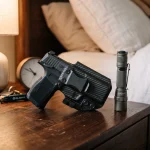
When considering firearms for self-defense, one must be clear about the types available. Handguns, shotguns, and rifles each have distinct characteristics that lend themselves to various defensive situations. Handguns, particularly compact models, are often favored for their ease of concealment and quick access in emergencies. Shotguns, with their widespread shot pattern, can be effective in close-quarter situations, providing a dramatic defensive option. However, the larger size and recoil may not be suitable for all individuals. Rifles, while offering superior accuracy and range, are typically less practical for personal defense situations and may require extensive training to handle effectively.
Legal Considerations of Firearm Use
Before opting for a firearm for self-defense, it is crucial to understand the legal implications involved. Self-defense laws often hinge on the principles of proportionality and reasonable belief. A firearm may only be employed when there is an imminent threat to life or serious physical injury. Misunderstanding these principles can lead to severe legal consequences, including criminal charges or civil liability. For example, the use of a firearm against a non-threatening individual could result in the charge of excessive force, potentially leading to criminal prosecution.
Additionally, firearm owners should familiarize themselves with their state’s specific laws regarding concealed carry, open carry, and “stand your ground” principles. Some states may require permits for carrying firearms, while others have laws allowing individuals to carry openly without a permit. Consulting local laws can prevent unintentional legal violations and ensure that one remains safe and compliant under the law.
As firearms are a serious responsibility, proper training and safe handling practices are non-negotiable. This includes understanding the weapon’s mechanics, maintenance, and the critical importance of situational awareness. Firearms should always be treated with respect, and their use should serve as a last resort in self-defense. By prioritizing education and legal compliance, individuals can empower themselves with the knowledge to protect themselves effectively while also adhering to the law.
Pepper Spray and TASERs: Non-Lethal Options and Usage
In a world where personal safety is a paramount concern, non-lethal self-defense options like pepper spray and TASERs stand out as effective tools for protection without resorting to firearms. These devices offer a significant advantage in self-defense situations-less lethal force that can incapacitate an assailant while providing the defender a chance to escape or seek help. However, understanding their proper usage and the legal landscape surrounding them is essential for anyone considering these options.
Pepper Spray: Essential Information
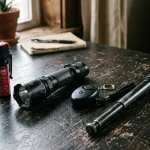
Pepper spray, often referred to as OC spray (oleoresin capsicum), is a popular self-defense weapon. It works by causing temporary blindness, intense pain, and difficulty breathing in an attacker. When selecting pepper spray, consider the following:
- Concentration: Higher concentrations (up to 18% OC) are generally more effective, but ensure that you can handle it safely.
- Range: Most pepper sprays have a range of 8 to 15 feet, allowing you to maintain distance from an aggressor.
- Size and Portability: Look for compact canisters that can easily fit in your pocket or handbag for everyday carry.
It’s crucial to familiarize yourself with how to deploy pepper spray effectively-aim for the facial area to maximize its impact. Additionally, check local laws; in some jurisdictions, restrictions may apply regarding the strength and size of the canister you can carry.
TASERs: Mechanism and Key Considerations
TASERs, which deliver an electric shock to immobilize an individual temporarily, are another viable non-lethal option. They can be more complex than pepper spray due to their operational requirements:
- Range: TASERs typically have a firing range of 15 to 30 feet, allowing defenders to engage from a safe distance.
- Effectiveness: The two prongs must make contact with the target, so accuracy is essential; practice is advisable.
- Legal Restrictions: As with pepper spray, the legality of carrying TASERs varies by state and local laws, so it’s vital to understand the regulations in your area.
When using a TASER, always remember that it should be treated as a last resort. Recognizing the ethical use of force is crucial, as the goal is not to inflict harm but to safely deter an imminent threat.
Safety and Legal Compliance
Regardless of which non-lethal weapon you choose, prioritizing safety is paramount. This includes regular training in their use, understanding the mechanics behind them, and ensuring you are well-versed in the laws that govern their use in self-defense situations. Misusing these tools can lead to legal ramifications, including charges of excessive force.
Ultimately, while pepper spray and TASERs are effective tools for self-defense, they come with the responsibility of understanding their proper usage and the potential legal implications. Empower yourself through education, and you’ll be better equipped to protect yourself responsibly.
Physical Self-Defense: Empty-Hand Techniques and Their Effectiveness
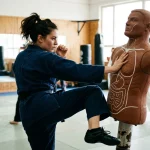
In a self-defense situation, understanding empty-hand techniques can be just as crucial as possessing a weapon. These techniques not only provide a means of protection but also empower individuals to respond appropriately, whether in lawful defense of oneself or in de-escalating a potential conflict. Mastering effective empty-hand skills allows an individual to defend against various threats while maintaining a clear legal and moral high ground.
Successful self-defense relies heavily on technique over brute strength. Basic moves, such as blocking an attack or employing joint locks, can neutralize a threat without causing unnecessary harm. These techniques can be categorized into several forms:
- Strikes: Targeted punches, kicks, or elbow strikes can create distance between you and an aggressor.
- Holds: Joint manipulation techniques can control an assailant’s movement without resorting to severe harm.
- Defensive Maneuvers: Learning to evade or deflect attacks can prevent escalation, allowing an individual to escape rather than engage.
While some styles, such as Aikido and Brazilian Jiu-Jitsu, focus on leveraging an opponent’s energy against them, others like Krav Maga emphasize aggressive techniques aimed at quickly incapacitating an assailant. Each martial art offers unique approaches, and understanding these can aid individuals in selecting a method that aligns with their personal philosophy and comfort level. It’s essential to ensure that any self-defense technique adhered to follows the principle of proportionality, meaning the response should match the level of threat faced.
Moreover, empty-hand techniques do not exist in a vacuum-legal implications surrounding their use must be carefully considered. Most jurisdictions stipulate that self-defense actions must be reasonable and necessary given the circumstances. For instance, utilizing a striking technique is more justified when facing a direct physical threat compared to an unprovoked verbal assault. Always keep in mind that the goal of employing self-defense should be to escape a conflict safely rather than to engage in retaliation.
Practical training and understanding the principles behind these techniques provide confidence, enabling individuals to respond effectively under duress. Regular practice can help ensure readiness when facing an unexpected altercation. Remember, being prepared includes not just physical readiness but also a mindful approach to using force responsibly. Familiarizing yourself with local self-defense laws enhances this readiness, allowing you to protect yourself while respecting legal boundaries.
Situational Awareness: Preventing Conflict Before It Starts
Being cognizant of your environment is not just a skill-it’s the most potent self-defense strategy available. Situational awareness enhances your ability to identify potential threats before they escalate into violent confrontations. By developing this skill, you arm yourself with the tools necessary to avoid dangerous situations or effectively respond should they arise. Studies indicate that most violent encounters can be predicted through careful observation, allowing individuals to create an escape plan or, ideally, de-escalate the situation before physical conflict becomes necessary.
To cultivate strong situational awareness, start by practicing routine scans of your surroundings. Familiarize yourself with what’s typical in various environments-home, work, or public places. This principle helps you spot anomalies that might indicate a risk. For instance, if you’re in a crowded area and notice someone behaving unusually-like pacing nervously or consuming substances unusually-the recognition of these behavioral signals gives you the head start needed for a safe exit. Situational awareness keeps your mind alert while avoiding over-analysis that could lead to panic.
Moreover, understanding the personal space and interactions of those around you can clarify when to be cautious. Recognizing the concept of proxemics-how people use space in their interactions-can reveal crucial social cues. For example, if someone invades your personal space, it could indicate aggressive intent. By maintaining a respectful distance, you can assertively signal that you are unapproachable. In high-stress situations, remaining calm and collected allows you to make better decisions regarding whether to engage or retreat. Always remember, the aim is to de-escalate situations where possible, using verbal intervention and confident body language rather than escalating tension with physical reactions.
In summary, heightened situational awareness is your first line of defense. This proactive approach involves not only noticing your surroundings but also understanding the dynamics at play, allowing for early identification of possible conflict. With practice, you can transform this awareness into a habit, one that ultimately supports your right to protect yourself while ensuring ethical and legal standards are upheld during any encounter.
When Is Force Justified? Understanding Proportional Response
In self-defense situations, understanding when and how to use force is not just crucial for your safety; it’s also a matter of legal responsibility and ethical consideration. The principle of proportional response dictates that the level of force you employ in defending yourself must be appropriate to the threat you face. For instance, striking an assailant with minimal force during a verbal altercation may be justified, whereas using a weapon could only be acceptable if you are faced with a credible and immediate threat to your safety.
Understanding Proportionality
Proportionality means that your reaction must align with the magnitude of the threat. For example, if you encounter an aggressor who is verbally threatening but does not physically assault you, responding with physical force is likely seen as excessive. Conversely, if someone attacks you with a weapon, a stronger defensive response may be legally justified. The law generally requires that defensive actions be reasonable, which means you should ask yourself: “How would an average person perceive this threat? How would they react?”
Legal and Ethical Considerations
Self-defense laws vary by state, but a common tenet is that the response must be immediate and necessary. In many jurisdictions, self-defense is legally justified when:
- The threat is imminent: The threat must be immediate; you can’t use force based on a fear of future harm.
- The response is necessary: You must believe that avoiding the confrontation is not an option.
- The force is proportional: The severity of your response should mirror the aggression you face.
If you use or brandish a weapon, the consequences multiply. For example, demonstrating or using a firearm in self-defense might be justified if an assailant approaches with physical aggression. However, firing your weapon in response to a non-violent conflict can lead to severe legal repercussions, including criminal charges.
Real-World Implications
Consider a scenario where you’re surrounded by a group that begins to escalate into a physically aggressive confrontation. If the confrontations are verbal but the situation appears to be deteriorating, using physical self-defense techniques to neutralize or create distance might be reasonable. If someone in that group brandishes a weapon, escalating your reaction proportionately with your firearm would be warranted, provided you have the legal right to carry it.
Ultimately, empowering yourself with knowledge of these principles is vital. Awareness of the legal limits and the effective use of self-defense tools can help you navigate a precarious situation while maintaining your ethical and legal responsibilities. By prioritizing de-escalation and the proportional response, you not only protect yourself but also mitigate the chances of legal complications post-incident.
State-Specific Legal Guidelines for Self-Defense
Understanding the intricacies of self-defense laws can be challenging, particularly when these laws differ significantly from one state to another. For anyone considering using self-defense weapons, it is essential to familiarize themselves not only with the types of weapons available but also with the legal framework surrounding their use. Each state has its own guidelines regarding when and how individuals can legally defend themselves. In many jurisdictions, laws fall under two primary doctrines: the “stand your ground” principle and the “duty to retreat” approach.
Stand Your Ground vs. Duty to Retreat
In states that adhere to the stand-your-ground doctrine, individuals are permitted to use force, including deadly force, without the obligation to retreat if they feel threatened. This means if someone believes they are in imminent danger, they can act to protect themselves even if they have a safe option to retreat. States like Florida are known for such laws, which can lead to varying interpretations of what constitutes a threat and appropriate response. In contrast, states that follow the duty to retreat doctrine require individuals to attempt to avoid confrontation when safely possible before resorting to force. This can mean not only physically leaving a situation but also de-escalating verbally when feasible.
Key Considerations
When considering self-defense weapons, such as firearms, pepper spray, or knives, understanding the state’s regulations on these items is critical. For example, while firearms may be legal for self-defense in many states, others impose restrictions on carrying concealed weapons or the types of firearms that can be used. Additionally, specific self-defense weapons may be classified differently, such as distinguishing between legal and illegal types of knives or non-lethal weapons like stun guns and tasers. In Louisiana, for instance, most knives, stun guns, and pepper spray are legal for personal protection, while brass knuckles are prohibited[2].
Legal Consequences of Using Force
Employing any force in self-defense can lead to complex legal consequences. If an individual uses a weapon and claims self-defense, they must demonstrate that their response was both necessary and proportional to the perceived threat. Firing a weapon in response to a non-violent conflict can lead to severe penalties, including criminal charges for assault or worse. Therefore, it’s crucial to have a firm grasp of local laws and guidelines regarding self-defense use and interpretations.
Ultimately, understanding state-specific self-defense laws and the types of weapons permitted empowers individuals to navigate potentially dangerous situations safely and responsibly. Keeping informed allows individuals to act within legal limits, prioritizing de-escalation whenever possible while knowing the rules governing their self-defense actions.
Training and Safety: Preparing for Real-Life Scenarios
Being prepared for real-life self-defense scenarios requires not just knowledge, but also practical training and a clear understanding of safety protocols. Every individual contemplating self-defense should seriously consider the psychological and physical aspects of confrontations; after all, the goal is not to engage in violence but to protect oneself and de-escalate potentially dangerous situations.
To adequately prepare, focus on training that emphasizes real-world applications of self-defense techniques. This could include regular classes in martial arts disciplines such as Krav Maga or Brazilian Jiu-Jitsu, which teach both striking and grappling techniques. Such training not only builds physical capability but also instills confidence in your ability to respond appropriately under stress. Importantly, seek training from certified instructors who emphasize the legal and ethical dimensions of self-defense. Understanding the legal implications of using force is crucial; knowing when you can and cannot use self-defense not only protects you legally but ensures you are acting responsibly.
Safety should always be your top priority. Carrying a self-defense weapon, such as pepper spray or a personal alarm, can offer an added layer of protection, but these tools must be used with care and within the bounds of the law. For instance, familiarize yourself with your state’s regulations regarding self-defense weapons, including restrictions on their carry and usage. Always have access to training sessions that teach proper handling and deployment of any self-defense weapon to minimize risks during an altercation.
Lastly, develop your situational awareness skills. Recognize that avoidance is the best strategy when it comes to personal safety. Make it a habit to assess your surroundings and identify exits in social settings-this awareness can often prevent an uncomfortable situation from escalating. Self-defense is about empowering yourself to stay safe, not merely the act of using force. Ultimately, equipping yourself with the right knowledge, skills, and tools will place you in a stronger position to handle threats should they arise, while continuously reinforcing the principle that de-escalation is the ideal outcome.
The Psychology of Self-Defense: Staying Calm Under Pressure
Remaining calm under pressure is crucial in self-defense situations, where split-second decisions can have significant consequences. Understanding the psychology behind these high-stress encounters can enhance your effectiveness in using self-defense weapons and help you respond appropriately to threats. In a moment of danger, the body often reacts with fight-or-flight responses driven by adrenaline. Recognizing and managing these physiological changes is a vital skill in self-defense training.
When faced with an aggressive encounter, you may experience increased heart rates, rapid breathing, and even tunnel vision. Strategies like controlled breathing or visualization can serve to ground you, preserving clarity in high-pressure moments. For example, practicing deep, measured breaths can lower heart rates and help you regain focus on the situation. Incorporating mindfulness exercises into your routine prepares you for the emotional turmoil that comes with self-defense scenarios.
Understanding your legal rights and responsibilities also plays a vital role in staying composed. Knowing what constitutes justifiable self-defense empowers you to make informed decisions. This preparation removes ambiguity and can mitigate panic if you must engage a self-defense weapon or physical technique. It’s essential to train with your tools-whether they are pepper spray, personal alarms, or firearms-so that you become proficient in their use, allowing you to act rather than freeze when out of options.
Ultimately, self-defense is not just about defending against physical threats; it also involves protecting your mental and emotional well-being. Reach out to trained instructors and engage in regular practice to ensure that when the time comes, you can respond effectively and ethically while keeping yourself and others safe. Remember, the goal is to de-escalate rather than escalate a situation; this mindset is the cornerstone of responsible self-defense.
Choosing the Right Self-Defense Tool for Your Needs
Selecting an appropriate self-defense tool can be daunting, especially as the variety of options available today ranges from traditional martial arts techniques to modern non-lethal weapons like pepper spray and TASERs. Understanding your personal circumstances, local laws, and the role you want your self-defense tool to play in your safety strategy is crucial. This choice should never be taken lightly, as the right tool can significantly impact your ability to protect yourself effectively and ethically in a threatening situation.
When considering a self-defense weapon, it’s essential to assess the effectiveness, legality, and ease of use. For instance, firearms provide significant stopping power but come with stringent legal regulations and require significant training for safe handling and use. In contrast, non-lethal options such as pepper spray or personal alarms can be effective deterrents and are often easier to carry and operate for those without extensive training. However, be aware of the legal restrictions surrounding these tools in your state, as regulations can vary significantly. Some places may require permits, while others may restrict the sale of certain devices altogether.
Your personal comfort level with a weapon is also paramount. If you are not comfortable using a firearm or are concerned about the potential for lethality, non-lethal alternatives might be more suitable. It’s vital to train with whatever tool you choose, ensuring that you can operate it under pressure quickly and effectively. Participating in self-defense classes can build confidence and demonstrate the best practices for using your chosen weapon ethically. Remember, the goal of carrying a self-defense tool is not to seek confrontation, but to protect yourself and de-escalate potentially dangerous situations.
Ultimately, the responsibility of choosing the right self-defense tool rests on your shoulders. It’s important to educate yourself on the different types of weapons, understand their legal implications, and practice regularly to ensure you are prepared in case of an emergency. By approaching your choice with seriousness and an open mind, you equip yourself with the knowledge needed to make informed decisions regarding your safety and well-being.
FAQ
Q: What types of weapons are considered legal for self-defense?
A: Legal self-defense weapons typically include firearms, pepper spray, TASERs, and personal alarms. However, legality varies by state. Always check local laws to ensure compliance with regulations concerning the use of specific self-defense tools, as some locations have restrictions on certain weapons.
Q: How effective are non-lethal weapons for self-defense?
A: Non-lethal weapons like pepper spray and TASERs can be highly effective for self-defense, often incapacitating an attacker without causing permanent harm. They offer a way to deter threats while minimizing legal repercussions associated with lethal force, making them a popular choice for personal protection.
Q: What is the best self-defense weapon for women?
A: The best self-defense weapon for women depends on comfort and legal restrictions. Common choices are pepper spray and personal alarms, offering ease of use and effectiveness. Firearms can also be an option if legal and if the individual is trained and comfortable using one.
Q: Are there tools for self-defense that do not require a license?
A: Yes, many self-defense tools do not require a license, such as pepper spray, personal alarms, and tactical pens. However, state laws vary significantly, so it’s crucial to confirm that your chosen device is legal in your area before carrying it.
Q: What should I consider when choosing a self-defense weapon?
A: When choosing a self-defense weapon, consider factors like legality, ease of use, effectiveness, potential for injury, personal comfort, and training needed. Each weapon has its pros and cons, so assess your needs and circumstances to find the most suitable option.
Q: How does situational awareness contribute to self-defense?
A: Situational awareness is crucial in self-defense as it helps you identify potential threats before they escalate. By staying aware of your surroundings, you can avoid dangerous situations, create escape routes, and respond more effectively if confronted. Training in this skill enhances your overall safety.
Q: What is the legal justification for using force in self-defense?
A: The legal justification for using force in self-defense typically rests on the concepts of imminent threat and proportional response. You must reasonably believe that you face an imminent threat of harm. The force used should be proportional to the threat encountered, meaning lethal force is only justified against a lethal threat.
Q: Can martial arts help me in self-defense situations?
A: Yes, martial arts can enhance your self-defense skills by improving physical fitness, confidence, and fighting techniques. Training equips you with tactics to effectively handle confrontations and react calmly under pressure. While it’s beneficial, remember that de-escalation or avoidance is often the best strategy.
In Retrospect
Understanding the legal arsenal available for self-defense is crucial for anyone looking to protect themselves. Remember, the effectiveness of each weapon and technique depends not only on your knowledge but also on your judgment in high-pressure situations. It’s essential to prioritize safety and legality in every scenario. For those eager to dive deeper, check out our guides on the effectiveness of various martial arts in self-defense and essential safety protocols.
Don’t wait for a situation to arise-knowledge is power. Subscribe to our newsletter for ongoing insights into self-defense and legal topics that matter to you. For those curious about the differences between techniques like Krav Maga and Brazilian Jiu-Jitsu, or wondering what pepper spray to choose, we have resources ready for you. Your safety is our priority, so empower yourself with the right knowledge today! Engage with us in the comments-share your thoughts or ask questions, and let’s keep this important conversation going.
Get our latest guides, news, and insights highlighted in your Google Search & AI Overviews.