
In today’s world, understanding self-defense laws is crucial, especially in Illinois, where regulations on self-defense weapons are notably strict. Are you aware of what is legally permissible when it comes to protecting yourself? This article will navigate the complexities of Illinois law, ensuring you know what self-defense tools are available to you, from pepper spray to personal protection devices. We’ll discuss the importance of legal compliance and the ethical considerations surrounding self-defense. As you explore this topic, you’ll gain insights into the balance between safeguarding yourself and adhering to the law, empowering you to make informed and responsible choices in critical situations. Stay safe and informed as we break down the essential regulations and practical applications for self-defense weapons in Illinois.
Self Defense Weapons Overview in Illinois
Understanding the legal landscape for self-defense weapons in Illinois is crucial for anyone considering personal safety options. The state upholds strict regulations, emphasizing that any defensive action must be reasonable and proportional to the threat faced. This principle forms the backbone of Illinois self-defense laws, which protect individuals from criminal charges when responding to an immediate threat. However, the laws also dictate specific limits on what constitutes permissible self-defense weapons.
In Illinois, various self-defense tools are allowed, each with its own legal stipulations. Common options include:
- Firearms: Illinois has stringent requirements for firearm ownership, which include obtaining a Firearm Owner’s Identification (FOID) card. Additionally, the use of firearms for self-defense is subject to the “castle doctrine,” permitting force in defense of your home.
- Pepper Spray: This non-lethal weapon is legal in Illinois but must meet certain size restrictions and can only be used against an imminent threat.
- Tasers and Stun Guns: These devices are generally legal in Illinois; however, some local ordinances may impose restrictions. Always check local laws to ensure compliance.
- Martial Arts techniques: Utilizing personal defense training can be highly effective. Such skills emphasize de-escalation and physical restraint rather than physical harm.
It’s vital to remain informed about both state laws and local regulations, as they can vary significantly. For instance, while a self-defense tool may be legal statewide, certain municipalities may have additional restrictions. Always seek resources and training that emphasize ethical use, instilling a balanced understanding of when and how to engage in self-defense effectively and legally. Remember, the goal of self-defense is not to escalate a situation, but to protect oneself within the confines of the law.
Understanding Illinois Self Defense Laws
Understanding the legal aspects of self-defense weapons in Illinois is essential for anyone considering their options for personal safety. Illinois law maintains a firm stance that self-defense must be both reasonable and proportional to the threat encountered. This principle safeguards individuals who employ defensive actions during immediate danger but simultaneously dictates specific limitations on the types of self-defense weapons permitted.
In Illinois, various self-defense tools are legally accessible, each with distinct regulations governing their use. For example, firearms are tightly controlled, requiring potential owners to obtain a Firearm Owner’s Identification (FOID) card. The legal framework around firearms also includes the “castle doctrine,” which permits the use of force to defend one’s home. Meanwhile, pepper spray is classified as a non-lethal weapon that is lawful to carry; however, it must comply with specific size limitations and can only be employed against an imminent threat.
Additionally, devices such as Tasers and stun guns are generally permitted, but local ordinances may impose further restrictions, making it crucial for residents to verify regulations in their municipality. Martial arts training presents another avenue for self-defense, emphasizing de-escalation tactics and physical control over escalating conflicts. Understanding not only the legal usage of these self-defense options but also the importance of ethical considerations and responsible practices in their application is vital.
In practical terms, always strive to be aware of the legal landscape that governs your chosen self-defense methods. Equip yourself with knowledge and training to ensure that you can engage effectively and ethically if faced with a threat. This dual commitment to safety and legality protects not only your well-being but also your rights under Illinois law, enabling you to respond appropriately to any potential self-defense situation.
Legal Limits on Common Self Defense Weapons
Understanding the specific regulations around self-defense weapons is crucial for anyone considering their safety in Illinois. Laws dictate not only which tools are permissible but also the contexts in which they can be legally used. Adhering to these guidelines is essential for ensuring not only personal protection but also compliance with the law.
In Illinois, firearms are among the most strictly regulated self-defense weapons. Individuals wishing to possess firearms must first obtain a Firearm Owner’s Identification (FOID) card, demonstrating legal eligibility. Beyond this, the state has detailed stipulations regarding the use of force, particularly in residential settings governed by the “castle doctrine,” which allows homeowners to use force in defense of their property. However, the application of this doctrine demands an understanding of “reasonable” versus “excessive” force, which can vary significantly based on the situation.
For non-lethal self-defense tools, such as pepper spray, legal limitations are more lenient but still present. The product must not exceed 2 ounces in volume, and it can only be used in defense against an imminent threat. Unlawful use may result in criminal charges, which can lead to serious legal consequences. Additionally, other self-defense devices like stun guns and Tasers fall into a gray area where local ordinances may impose restrictions. It is vital for residents to familiarize themselves with local laws, as regulations can differ between municipalities.
Education and proper training on the legal uses of these weapons pave the way for not only effective self-defense but also for a comprehensive understanding of the ethical considerations involved. For instance, practicing martial arts or self-defense classes can greatly enhance one’s de-escalation tactics, reducing the likelihood of physical confrontation. Ultimately, awareness of the legal landscape, coupled with hands-on training, empowers individuals to protect themselves responsibly while respecting the laws of the state.
Comparison of Non-Lethal Weapons: Effectiveness and Laws
While self-defense weapons can greatly increase your safety, understanding their effectiveness and the legal framework governing them in Illinois is crucial. Each non-lethal option has unique characteristics and legal stipulations that can significantly affect your self-defense strategy.
For instance, pepper spray is one of the most popular non-lethal self-defense tools due to its effectiveness in incapacitating an attacker temporarily. In Illinois, it must be under 2 ounces and can only be employed against imminent threats. The potential legal ramifications of unlawful use can also be severe, ranging from misdemeanor charges to criminal assault, emphasizing the need for responsible handling and understanding the situational appropriateness of its use.
Another common device is the stun gun. While it can be an effective deterrent, Illinois law requires users to be aware of local ordinances that may impose further restrictions, such as age limits or prohibitions in certain areas. It’s also worth noting that stun guns do not always guarantee compliance from a determined assailant.
In comparing these devices, consider the following:
| Weapon | Legal Restrictions | Effectiveness | Proper Usage |
|---|---|---|---|
| Pepper Spray | Max 2 oz, imminent threat only | Effective for temporary incapacitation | Spray in the face, aim for the eyes |
| Stun Gun | Local ordinances may vary | Effective in close range; may fail against determined attackers | Aim for the torso, press contact points firmly |
When selecting a self-defense option, consider how each weapon suits your comfort and training level. Every tool has its appropriate context; thus, proper training and awareness will maximize your effectiveness and ensure adherence to legal standards.
Lastly, keep in mind that de-escalation should always be a priority. Even when carrying non-lethal weapons, your first response should be to defuse a situation when possible. Investigating further resources such as self-defense classes can significantly enhance your skills and confidence while navigating these legal and ethical landscapes. Prioritize responsible ownership and training to prepare for real-life applications safely and legally.
Firearms for Self Defense: Legal Requirements in Illinois
In Illinois, the legal landscape surrounding firearms for self-defense is stringent and emphasizes personal responsibility. The first step for anyone considering a firearm as a means of self-defense is obtaining a Firearm Owner’s Identification (FOID) card, which is mandatory for purchasing and possessing firearms in the state. Applicants must be at least 21 years old or have parental consent if they are between 18 and 20 years of age. Additionally, individuals must not have any felony convictions or mental health disqualifications. This process ensures that only responsible citizens have access to firearms, aligning with the state’s public safety goals.
Once you have your FOID, you can consider purchasing a handgun or long gun for self-defense. However, it’s crucial to understand Illinois law regarding the use of firearms in self-defense scenarios. Illinois law permits the use of deadly force only when you reasonably believe it is necessary to prevent imminent death or great bodily harm to yourself or others. This includes defending yourself against an armed assailant. Misjudging a situation can lead to severe legal consequences, including criminal prosecution, even if the firearm was used for self-defense.
Storage and transportation of firearms are also strictly regulated. For instance, when transporting a firearm in a vehicle, it must be unloaded and stored in a case if it is a handgun, while long guns can be transported in a non-functioning state. Furthermore, concealed carry permits are available in Illinois, but they come with their own set of requirements, including completion of approved training courses and background checks. It’s essential to familiarize yourself with local ordinances, as they can impose additional restrictions on where firearms can be carried.
Ultimately, empowerment through education is vital. Taking self-defense classes that cover both physical tactics and legal knowledge can prepare you to make informed decisions in high-pressure situations. Understanding your rights and obligations not only ensures that you stay within legal boundaries but also fosters a sense of responsibility when it comes to owning and possibly using a firearm for self-defense.
Using Pepper Spray: Legal Considerations and Effectiveness
When it comes to self-defense, pepper spray is a popular choice due to its non-lethal nature and ease of use. In Illinois, pepper spray is legal, but it’s essential to understand the specific regulations governing its use. The law permits individuals to carry pepper spray as a means of protection, but the canister’s size is limited to 2 ounces. Moreover, using pepper spray should only occur in situations where you feel an imminent threat to your safety, aligning with the principles of proportional response and necessity in self-defense situations.
Effectiveness of Pepper Spray
The effectiveness of pepper spray as a self-defense tool is primarily tied to its active ingredient, oleoresin capsicum (OC). Upon deployment, it causes severe irritation to the eyes, throat, and skin, which can incapacitate an assailant momentarily. Proper training on usage is vital; if misused, the spray could not only fail to deter an attacker but also backfire, potentially affecting the user. Practicing with your pepper spray can help ensure accuracy during a high-pressure moment when you might need it most.
Legal Considerations
While possessing pepper spray is legal, misuse can lead to serious legal ramifications. It is crucial to deploy it solely in self-defense scenarios, as aggressive or retaliatory use may result in criminal charges, including assault. Additionally, using pepper spray against law enforcement personnel can escalate legal issues significantly. Ensuring you understand not only when to use the spray but also the circumstances surrounding its deployment can help protect your legal rights.
When carrying pepper spray, it’s also wise to adhere to the following safety protocols:
- Store it out of reach of children and in an accessible location for yourself.
- Familiarize yourself with the operation mechanism to minimize fumbling in emergencies.
- Consider attending self-defense classes that include using pepper spray, as this will boost your confidence and readiness.
Ultimately, the use of pepper spray should be part of a broader self-defense strategy that respects legal boundaries and emphasizes de-escalation whenever possible. The goal is to protect oneself in a manner that is responsible and within the bounds of Illinois law, allowing you to navigate dangerous situations with both confidence and caution.
Tactical Self Defense Tools: Legal Status and Best Practices
Tactical self-defense tools can greatly enhance personal safety, but their legal status varies across different jurisdictions, including Illinois. In this state, there are specific laws governing the types and uses of self-defense items, which necessitate a careful understanding before choosing a defensive strategy. Effective use of these tools hinges on the ability to respond appropriately to threats while adhering to legal and ethical boundaries.
One of the primary legal considerations when selecting tactical self-defense tools in Illinois is the distinction between lethal and non-lethal options. Items such as knives, pepper spray, and personal alarms fall into various categories, each with its legal implications. For example, while the law permits the use of pepper spray, its size is restricted to a maximum of 2 ounces, and it must be used solely in self-defense scenarios. On the other hand, the legality of carrying a concealed knife can depend on blade length and public carrying restrictions. Understanding these nuances is crucial to avoid potential legal pitfalls.
When using tactical tools, practitioners should always prioritize de-escalation techniques. Developing situational awareness and skills in conflict resolution can often defuse tense situations without resorting to physical measures. Training in martial arts or self-defense can empower individuals by equipping them with not only the necessary skills to control a confrontation but also the knowledge of legal repercussions associated with different actions. For instance, a well-trained individual may choose to disengage rather than escalate a potential conflict, thereby reducing the need for any defensive tools altogether.
Safety protocols play a critical role in the responsible use of tactical self-defense items. Carry tools in accessible places, practice regularly to ensure familiarity with their operation, and keep them stored securely to prevent accidental access by children. Attend local self-defense classes to gain practical experience and build confidence in using your chosen tools. These practices create a holistic approach to personal safety that respects both the law and the principles of responsible self-defense, ensuring you are prepared should a real situation arise.
Martial Arts as a Form of Self Defense
The ability to defend oneself effectively is an empowering skill, and martial arts serve as a versatile tool in this endeavor. Across Illinois, a growing number of individuals are turning to disciplines such as karate, Brazilian Jiu-Jitsu (BJJ), and Krav Maga, not only for fitness but also for personal safety. Practicing martial arts equips students with useful techniques to resolve conflicts peacefully or, if necessary, defend themselves from an attacker. Understanding the legal ramifications and responsibilities associated with these arts is crucial for those seeking to use these skills responsibly.
Legal Considerations in Illinois
While martial arts training emphasizes self-defense, it is essential to stay within legal limits when applying these techniques in real-life situations. Illinois law permits individuals to protect themselves if they reasonably believe they are in imminent danger of bodily harm. However, the force used in self-defense must be proportional; excessive force could lead to serious legal consequences. Practitioners should be familiar with these laws:
- Self-Defense Naturally: Self-defense laws allow individuals to defend against a threat but do not condone initiating violence.
- Force Proportionality: Responding with overwhelming force may lead to severe legal repercussions, reinforcing the importance of control and restraint in self-defense situations.
The Value of Martial Arts Training
Engaging in martial arts comes with numerous benefits that extend beyond mere physical defense:
- Conflict Resolution: Training teaches de-escalation and avoidance strategies, empowering individuals to diffuse situations before they turn violent.
- Situational Awareness: Martial arts cultivate a heightened sense of awareness, essential for recognizing potential threats and reacting appropriately.
- Self-Discipline and Confidence: Regular practice enhances both physical and mental strengths, building confidence that can deter possible aggressors simply through presence.
Building a Responsible Practice
As with any self-defense tool, the responsible use of martial arts requires commitment to ethical practices. It is vital to train in a controlled environment under qualified instructors, which not only instills correct techniques but also emphasizes the moral implications of defensive actions. Embracing the following practices can help ensure safety and legality:
- Practice Regularly: Maintain skills and techniques, ensuring readiness in a critical moment.
- Learn the Law: Stay informed on updated legal standards regarding self-defense and the use of force in Illinois.
- Mental Preparedness: More than just physical prowess, effective self-defense requires mental clarity and the ability to assess situations realistically.
In summary, martial arts provide formidable avenues for self-defense while enhancing personal safety and legal awareness. Empowering oneself through such training can lead to not only physical strength but also the wisdom to navigate potentially dangerous situations responsibly and legally.
Responsible Use of Self Defense Weapons
Understanding the responsible use of self-defense weapons is critical in a state like Illinois, where the laws surrounding self-defense are particularly strict. It’s essential not only to know which weapons are legal but also to comprehend the ethical and legal implications of their use. In situations where self-defense is necessary, the focus should always be on de-escalation and proportionality.
Using a weapon in self-defense comes with the acknowledgment of its serious potential consequences. Illinois law stipulates that individuals may use force to protect themselves if they reasonably believe they are in imminent danger. However, self-defense force must be proportional to the threat faced. This means that lethal force cannot be used in situations where it is unnecessary. For example, using a firearm is justified only when facing a deadly threat, whereas lesser threats may warrant non-lethal options, such as pepper spray or personal alarms, which are both effective and legally permissible in many scenarios.
Training and education play a vital role in the responsible use of self-defense weapons. Individuals should seek proper training not just to handle these weapons safely but also to understand the legal ramifications of their use. Responsible use involves practicing with the chosen weapon in a controlled environment, honing skills, and learning when to disengage or retreat rather than escalate a confrontation. Techniques from martial arts can complement weapon training by teaching individuals how to read threats and employ non-violent resolutions whenever possible.
Moreover, the decision to carry a self-defense weapon should be made with careful consideration of personal circumstances and comfort levels. Legal ownership requires understanding specific laws regulating weapon types and their use in various environments such as public places or private property. Awareness of the local regulations governing self-defense weapons ensures that individuals remain on the right side of the law and avoids unintended consequences from misuse. In Illinois, staying informed about updates to laws regarding self-defense will better prepare individuals to react appropriately in challenging situations, balancing their personal safety with legal and moral responsibilities.
Scenario-Based Legal Guidance for Defensive Actions
In high-stress situations where self-defense is necessary, understanding the legal landscape in Illinois can be crucial. Chicago’s streets and suburban neighborhoods are dynamic environments, where knowing how to respond can impact the legality of defensive actions. For example, if confronted in a dark alley, the decision to use physical force hinges not just on an immediate threat but also on the proportionality of the response. Illinois law allows individuals to use reasonable force when they believe they are in imminent danger, but it’s vital to be aware of what constitutes “reasonable” under the law.
Common Scenarios and Legal Responses
Consider a situation where an individual finds themselves cornered by an aggressive stranger. While the instincts may urge defensive actions, the law mandates that any response must fit the perceived threat. If the aggressor is unarmed and making verbal threats, using a firearm or serious physical force could lead to severe legal repercussions. In such cases, de-escalation should be the first line of defense. Techniques such as raising hands in a non-threatening manner, using calm verbal communication, or even employing a personal alarm can be effective responses that align with both safety and legal compliance.
On the other hand, if faced with an armed assailant, individuals must understand that their response may shift significantly. Illinois typically permits the use of lethal force only when one’s life is genuinely at risk. The law requires that individuals retreat if it is safe to do so, which is a critical factor in determining whether a defensive action is justified. Deciding to brandish a firearm must stem from a clear belief that inaction equates to an imminent danger to oneself or others.
Training and Scenario Preparation
Empowering oneself through training can make the difference between a feared confrontation and a controlled response. Enrolling in self-defense classes can enhance situational awareness and teach effective de-escalation techniques. It’s equally important to familiarize oneself with local laws regarding self-defense weapons, such as pepper spray or personal tasers, which are permissible under certain conditions.
Regularly practicing scenarios-how to respond verbally, which non-lethal weapons to use, and when to disengage or call for help-can condition a person’s reactions to crises. Martial arts training can be beneficial as it emphasizes escape techniques, body awareness, and conflict resolution without escalating to violence. Ultimately, ensuring that your actions are informed, measured, and within the bounds of Illinois law not only serves personal safety but also upholds the ethical standards expected in such dire situations.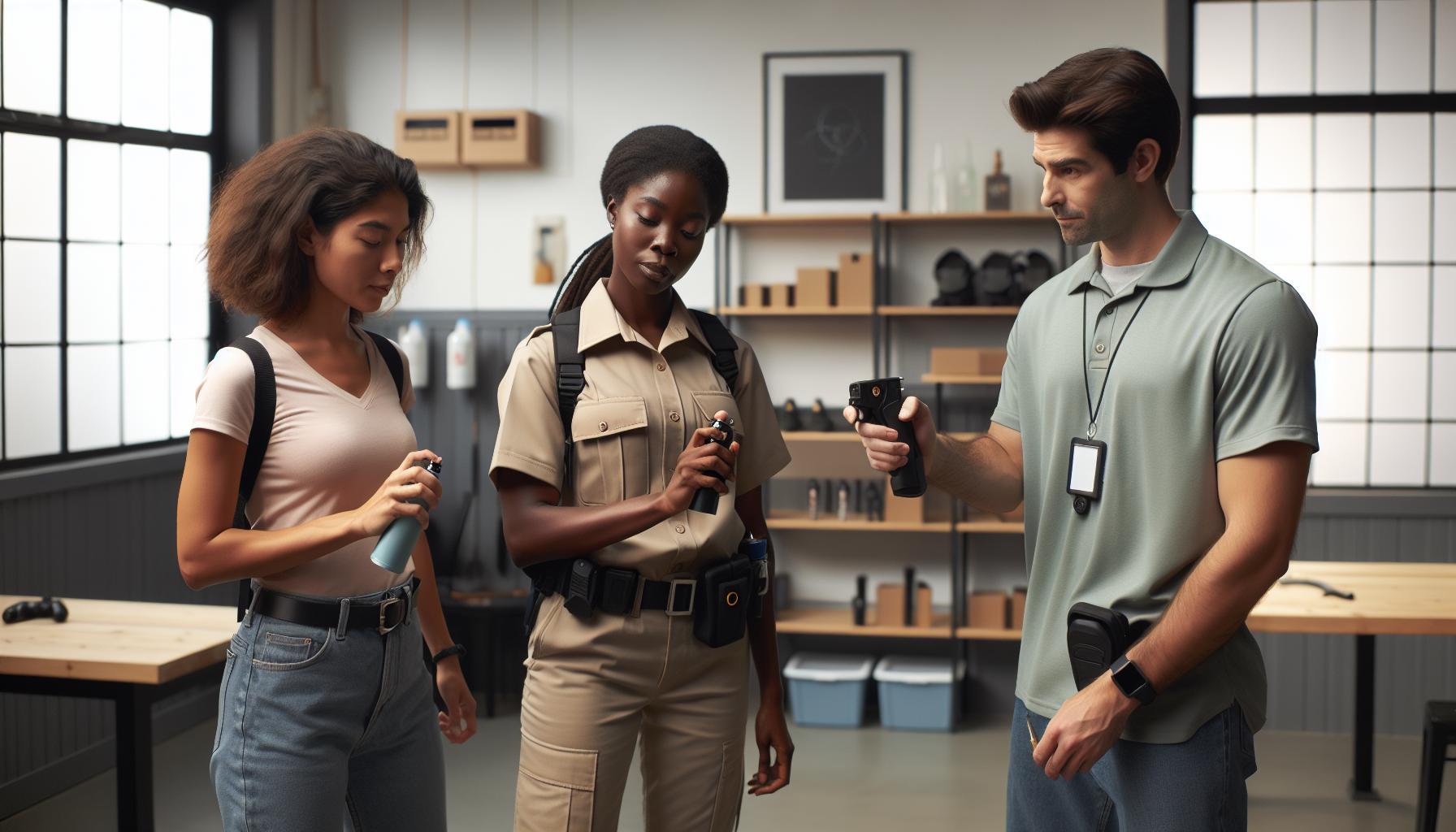
Safety Protocols When Carrying Self Defense Weapons
Carrying self-defense weapons in Illinois requires more than just ownership; it demands an acute awareness of safety protocols to ensure effectiveness while adhering to legal and ethical standards. The responsible use of self-defense tools begins with understanding the legal parameters governing them. Illinois law dictates what is permissible and requires that you maintain control over your weapons. Improper handling can lead to unintended injuries or legal consequences, which makes responsible ownership essential.
To enhance safety when carrying self-defense weapons, adhere to the following guidelines:
- Proper Training: Enroll in self-defense courses to learn effective, safe use of weapons. This includes comprehending various self-defense techniques and practicing them regularly.
- Know Your Weapon: Familiarize yourself with the specifications and operation of your self-defense weapon. For instance, if you carry pepper spray, understand its range and deployability under stress.
- Secured Storage: When not in use, weapons should be stored securely to prevent unauthorized access, particularly if children are in the vicinity.
- Stay Calm: In high-stress situations, keeping a level head is crucial. Practice techniques for calming yourself so you can assess situations clearly and make rational decisions.
- Legal Awareness: Constantly educate yourself about changes in Illinois self-defense laws. Awareness of what is legally permissible can significantly inform your actions during a confrontation.
Always remember that self-defense weapons are not a license to engage in violence; they are tools for protection when facing imminent dangers. The use of force must be proportional to the threat. For example, if confronted with an unarmed attacker, de-escalation techniques should be your first avenue. Having a weapon does not eliminate the responsibility for careful judgment under pressure. Implementing these safety protocols not only empowers you to protect yourself but also aligns your actions with the legal and moral expectations of society.
Training and Education Resources for Illinois Residents
The importance of comprehensive training and education for self-defense cannot be overstated, especially in a state like Illinois, where laws surrounding self-defense weapons are strictly enforced. It is essential to equip yourself with knowledge and skills that not only enhance your ability to protect yourself but also ensure that your actions remain within the legal framework dictated by Illinois law.
One effective way to begin your journey in self-defense training is through enrolling in classes that focus on various forms of self-defense, including martial arts such as Krav Maga or Brazilian Jiu-Jitsu (BJJ). These disciplines teach not just physical techniques but also mental preparedness and situational awareness, which are crucial in assessing when to defend yourself. Additionally, workshops and seminars are often available that emphasize de-escalation tactics, aiming to reduce the likelihood of violence altogether. Understanding how to diffuse a situation can often serve you better than physical confrontation.
Furthermore, local community centers, martial arts studios, and law enforcement agencies frequently offer courses on the legal aspects of self-defense. These programs can help clarify what constitutes reasonable force and help familiarize you with Illinois self-defense laws, which can vary significantly from neighboring states. Armed with this legal knowledge, you’ll be better prepared to make informed decisions in high-pressure situations.
Finally, pursuing education in the safe handling and maintenance of self-defense tools-whether it’s firearms, pepper spray, or other non-lethal weapons-will not only enhance your safety but also underscore your commitment to responsible ownership. Look for local programs that provide hands-on training, including supervision from qualified instructors, ensuring you understand performance under stress and correct handling protocols. Remember, the aim is not just to defend oneself but to do so with awareness and respect for the law.
Faq
Q: What self-defense weapons are legal to carry in Illinois?
A: In Illinois, legal self-defense weapons include pepper spray, stun guns, and personal alarms. However, there are specific restrictions on the size and strength of pepper spray, which cannot exceed 2 ounces. Always check local regulations for updates and specific guidelines.
Q: Are there any restrictions on using pepper spray in Illinois?
A: Yes, Illinois law restricts pepper spray to containers not exceeding 2 ounces. Additionally, it must be used solely for self-defense. Misuse or carrying larger quantities may lead to legal consequences.
Q: Can I use a knife for self-defense in Illinois?
A: Yes, knives can be used for self-defense in Illinois, but they are subject to the same laws governing weapons. It’s important to understand that using a knife in an aggressive manner may result in criminal charges.
Q: Is it legal to carry a firearm for self-defense in Illinois?
A: Yes, but you must have a valid Firearm Owner’s Identification (FOID) card to carry a firearm. Additionally, a concealed carry license is required for carrying a concealed weapon in public. Follow all state laws regarding firearm use and transport.
Q: What should I know about using non-lethal weapons for self-defense in Illinois?
A: Non-lethal weapons like stun guns and pepper spray are legal but have strict usage guidelines. It’s crucial to understand the limitations and legal implications of using such weapons during self-defense situations.
Q: Are personal alarms considered legal self-defense weapons?
A: Yes, personal alarms are legal in Illinois and can be used to deter attackers by emitting loud noises to attract attention. They are a safe option for self-defense as they do not cause harm.
Q: What are the legal consequences of misusing self-defense weapons in Illinois?
A: Misusing self-defense weapons can lead to criminal charges including assault or battery. Proper training and understanding the law are essential to avoid legal repercussions.
Q: How can I properly train for self-defense in Illinois?
A: Seeking training from certified self-defense instructors and participating in local courses is highly recommended. Understanding the legal implications and practicing appropriate responses are crucial for effective self-defense.
Key Takeaways
Understanding the legal landscape of self-defense weapons in Illinois is crucial for your safety and empowerment. As we’ve discussed, while some self-defense tools can be effective, their legality is tightly regulated. Stay informed about the specific laws governing pepper sprays, knives, and other defensive devices to ensure you’re equipped to protect yourself within legal boundaries.
If you found this information valuable, we invite you to explore our related articles on effective self-defense techniques and martial arts training options to further enhance your skills. Don’t hesitate to reach out to us for a consultation or subscribe to our newsletter for more expert insights directly in your inbox. Remember, being prepared not only means knowing which weapons are legal but also understanding how to use them responsibly.
Your safety matters-take the next step and empower yourself with knowledge today. Join the conversation below; we want to hear your thoughts and experiences regarding self-defense in Illinois!