
In the world of television, “How I Met Your Mother” cleverly intertwines humor with life lessons, and one such lesson comes from a memorable Krav Maga episode. This form of self-defense emphasizes real-world practicality, focusing on safety, situational awareness, and the legality of defense techniques. Understanding these principles can empower you to protect yourself while navigating the complexities of confrontation.
As we break down this episode, we’ll explore not just the martial arts techniques showcased, but also the important underlying messages about ethics and responsible conduct in self-defense. Whether you find yourself drawn to self-protection or simply curious about the lessons embedded in this iconic sitcom, this analysis will provide valuable insights into the balance of personal safety and ethical boundaries. Prepare to engage with the challenges of self-defense and discover how to apply these lessons to your own life.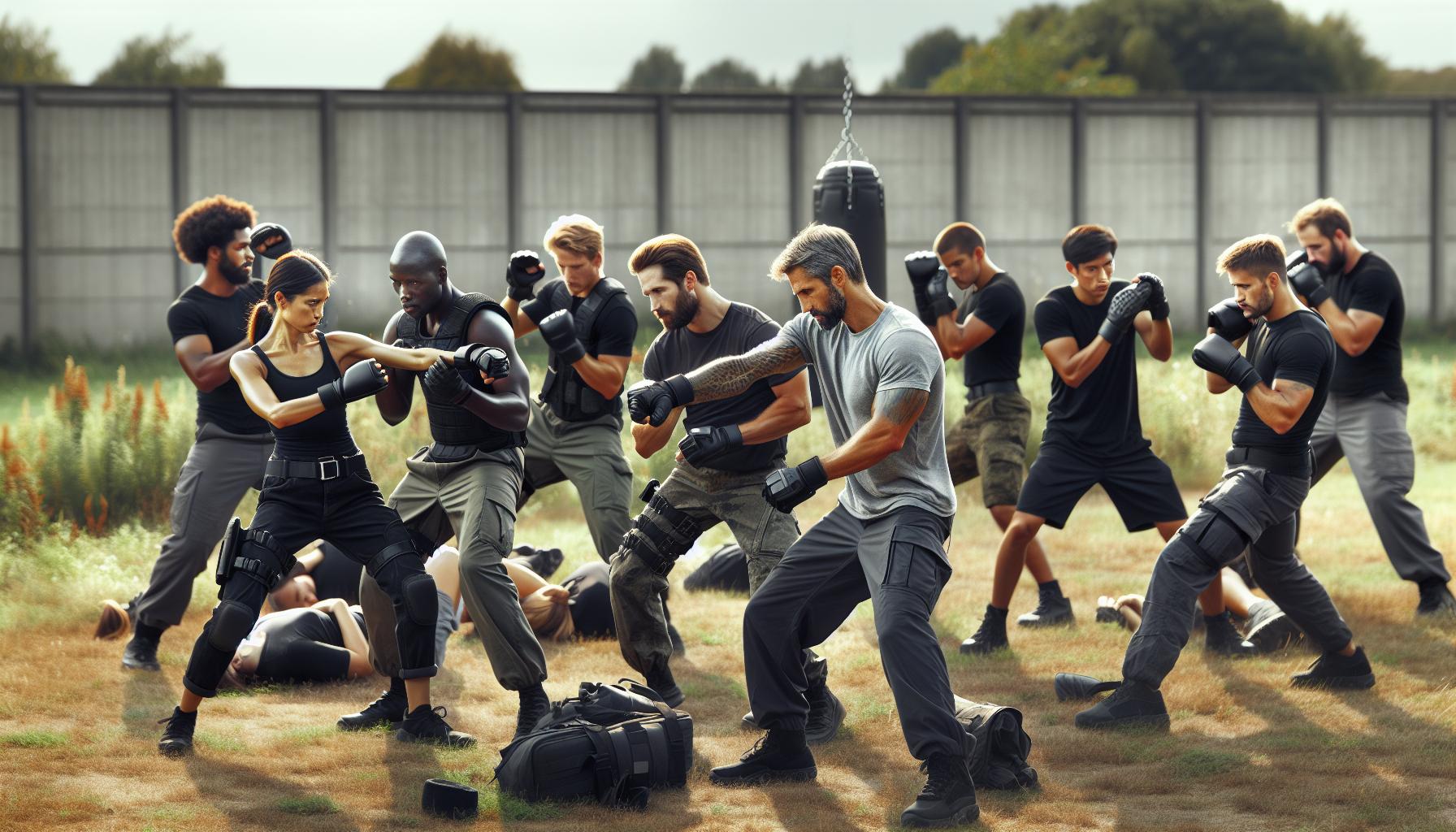
Understanding Krav Maga and Its Philosophy
Krav Maga, a self-defense system developed for the Israeli military, emphasizes practical techniques that prioritize efficiency and adaptability. The core philosophy of Krav Maga revolves around responding to real-world threats and utilizing instinctive movements derived from boxing, wrestling, judo, and street fighting. This unique approach is beneficial not only for physical confrontations but also for instilling a mindset that values awareness and de-escalation in potential conflict situations. By blending its martial roots with a practical application focused on survival, Krav Maga cultivates resilience and confidence among practitioners.
At its heart, the philosophy of Krav Maga is about empowerment. This is reflected in its teachings that encourage individuals to trust their instincts and react promptly to threats. Rather than glorifying violence, Krav Maga advocates for a measured response, aligning with legal and ethical considerations pertaining to self-defense. Techniques are designed not only for effectiveness but also for safety, ensuring that practitioners understand when and how to apply force appropriately. This balance of aggression coupled with thoughtful restraint is essential as it underscores the responsibility that comes with self-defense training.
Key Principles of Krav Maga
- Instinctive Responses: Techniques are based on natural instincts which reduce reaction time in confrontational situations.
- Real-World Application: Training scenarios closely mimic actual threats, preparing individuals for various environments and challenges.
- Focus on Safety: Emphasizes the importance of de-escalation and the legal implications of using self-defense.
- Adaptive Techniques: Continuous adaptation to new threats or challenges, ensuring relevancy and effectiveness.
The foundation of Krav Maga relies heavily on situational awareness, which is paramount for avoiding conflicts altogether. Practicing self-defense through Krav Maga fosters a mindset where conflicts can often be de-escalated without physical confrontation. This aligns well with the responsible use of force, as it encourages individuals to diffuse situations before they escalate into violence. Overall, understanding the philosophy behind Krav Maga is crucial not only for effective self-defense but also for cultivating a personal approach to safety and awareness in daily life.
Key Lessons from “How I Met Your Mother
In the world of “How I Met Your Mother,” the journey of the characters often interweaves humor and real-life lessons-some of which can be mirrored in the principles of self-defense, particularly in Krav Maga. One standout episode that highlights this connection is when Ted and his friends navigate various personal conflicts and confrontations, showcasing key elements of Krav Maga, such as awareness and de-escalation.
Throughout the series, several episodes present conflicts that escalate from benign misunderstandings to more serious situations. In these moments, the characters often employ instinctive responses fueled by emotion. This offers a poignant reminder of the importance of maintaining situational awareness-a foundational principle in Krav Maga. Practitioners learn to stay aware of their surroundings and the dynamics of interpersonal relationships, similar to how Ted and his friends must assess and address their relational tensions. Recognizing signs of conflict early can often lead to more effective, non-violent resolutions.
Moreover, another lesson is the principle of proportional response. In self-defense, de-escalation is critical; a situation can be defused through communication and understanding before it becomes physical. The characters frequently face choices that illustrate how aggressive behaviors can escalate scenarios unnecessarily. Ted’s encounters with ex-girlfriends and Marshall’s interactions highlight the consequences of not recognizing when a situation can spiral. This reflects the Krav Maga ethos of responding with restraint and understanding the appropriate level of force, if any, is necessary to protect oneself without increasing the likelihood of confrontation.
Overall, while “How I Met Your Mother” entertains, it simultaneously imparts vital life lessons that align well with self-defense philosophy. By understanding these dynamics within the show, viewers can draw parallels to the empowerment principles found in Krav Maga, reinforcing the idea that awareness and smart decision-making are keys to navigating both personal and physical challenges safely and responsibly.
Detailed Breakdown of Key Episodes
In “How I Met Your Mother,” various episodes provide rich examples of interpersonal conflict that can mirror the principles of Krav Maga, particularly in understanding self-defense and de-escalation. One notable episode is “Something Borrowed,” where the characters face emotional confrontations leading to misunderstandings. Throughout this episode, characters like Ted and Marshall navigate tense moments that illuminate the importance of awareness in relationships. Much like in Krav Maga, recognizing early signs of heightened emotions can lead to calmer resolutions rather than unnecessary escalation.
Another episode, “The Duel,” presents a classic scenario of conflict resolution that aligns with self-defense training. Barney and Robin’s misunderstandings about loyalty lead them into a duel-a comedic representation but a critical reminder in self-defense: choosing how to approach conflict can dictate its outcome. This reflects Krav Maga’s emphasis on thoughtful engagement; effective self-defense isn’t just about physical techniques, but also about recognizing when to walk away or seek a peaceful resolution.
Moreover, in “The Time Travelers,” Ted’s interactions with his future self serve as a metaphor for recognizing potential consequences of our actions. The episode teaches viewers the value of introspection and understanding situational dynamics, akin to the principles of de-escalation in Krav Maga. Practitioners learn that self-defense is often about avoiding conflict entirely, much like Ted’s realization of what he truly values.
The episode “Hopeless” showcases a moment where self-deprecation and humor offer relief to tense scenarios. Utilizing humor as a tool can effectively reduce friction in personal relationships, mirroring the de-escalation techniques taught in self-defense. Just as Ted learns to navigate his social interactions wisely, Krav Maga equips individuals with strategies to defuse dangerous situations without resorting to violence.
These episodes collectively emphasize the significant overlap between everyday conflicts and principles of self-defense, underscoring awareness, responsible decision-making, and the necessity for de-escalation. Viewers can draw vital lessons from these narratives, enhancing their understanding of both interpersonal relationships and self-defense strategies in a practical, relatable manner.
Self-Defense Techniques Showcased in Each Episode
Throughout “How I Met Your Mother,” various episodes illustrate interpersonal conflicts that can be examined through the lens of self-defense techniques reminiscent of Krav Maga principles. These moments highlight not only the importance of physical response but also the critical need for awareness, de-escalation, and resolution strategies. Each episode provides a unique perspective on how conflict can escalate and the methods to handle it effectively.
In the episode “The Duel,” a humorous yet insightful confrontation unfolds between Barney and Robin, showcasing a classic conflict resolution scenario. While their altercation is comedic in nature, it emphasizes a fundamental aspect of self-defense: the choice of how to engage in conflict. Practitioners can learn that not every situation demands a physical response; sometimes, a thoughtful retreat or an attempt to communicate can prevent escalation and lead to a better outcome. This reflects Krav Maga’s emphasis on making tactical decisions-knowing when to engage and when to disengage is crucial in both fighting and social scenarios.
Another crucial lesson appears in “Something Borrowed,” where Ted and Marshall navigate emotional confrontations. Here, the principles of situational awareness and recognizing triggers become apparent. Just as Krav Maga teaches individuals to identify and respond to threats swiftly, the characters’ experiences show the importance of recognizing the signs of rising tension in relationships. This understanding can serve as a preventive measure-offering a chance to de-escalate situations before they escalate into more significant conflict.
The episode “Time Travelers” further highlights the concept of awareness concerning potential consequences. Ted’s reflections on his past choices serve as a metaphor for anticipating and avoiding potential threats in real-life scenarios. In self-defense training, individuals are encouraged to consider the implications of their actions, reinforcing the idea that awareness and avoidance can often be more effective than physical confrontation.
Finally, the use of humor in “Hopeless” illustrates how alleviating tension can be powerful. While not a traditional self-defense technique, using lightheartedness to defuse a situation aligns closely with the de-escalation tactics taught in Krav Maga. Practitioners can learn that sometimes, a timely joke or a laugh can reset the emotional tone, allowing for a more peaceful resolution to a conflict.
Considering the lessons embedded in these episodes, it’s clear that self-defense extends beyond physical skills. Recognizing the dynamics of confrontation, understanding when to act, employing de-escalation strategies, and utilizing humor as a tool can equip individuals with a well-rounded set of skills applicable both in personal interactions and self-defense scenarios.
Real-Life Applications of Techniques Demonstrated
In the dynamic world of “How I Met Your Mother,” episodes often reflect real-life conflicts and decisions that resonate with everyday experiences. The application of Krav Maga principles-as showcased through the characters’ encounters-provides valuable lessons on handling similar situations outside of fiction. While the show presents its scenarios humorously, the underlying messages about conflict resolution and self-defense can be powerful tools for personal safety in the real world.
One notable example comes from Ted’s experiences, particularly in episodes where emotional stakes are high, exemplifying situational awareness. In real life, being aware of your surroundings and understanding the dynamics of your relationships can preemptively mitigate tensions. For instance, recognizing when a conversation is becoming heated enables one to adopt a more non-confrontational approach, reflecting Krav Maga’s strategic emphasis on avoidance when possible. Practitioners can apply this understanding in daily scenarios such as workplace disagreements or social gatherings, using lighthearted humor or a strategic retreat rather than escalating a conflict.
Moreover, conflict scenarios like those in “The Duel” between Barney and Robin underline a crucial aspect of self-defense: knowing when to walk away. This choice mirrors real-life situations where defusing tension before it escalates into aggression is not only wise but essential. Understanding personal limits and those of others can lead to a better outcome, reinforcing the importance of de-escalation. Such strategic withdrawal, as taught in Krav Maga, emphasizes avoiding physical confrontation if a peaceful resolution is achievable.
Additionally, the episode “Something Borrowed” brings to light the significance of recognizing triggers-both in fights and relationships. Characters who can identify their emotional responses to situations are better equipped to manage conflicts constructively. For example, learning to respond to rising tension with humor or by changing the subject can build resilience and awareness, vital skills for personal safety. These are not just techniques for self-defense; they are essential life skills that prepare individuals to face challenges with confidence and composure.
Ultimately, the lessons embedded within “How I Met Your Mother” illustrate that the principles of Krav Maga extend far beyond physical techniques. Emphasizing awareness, effective communication, and emotional intelligence can empower individuals in their everyday lives, ensuring they navigate conflicts safely and responsibly. Whether dealing with workplace politics or personal relationships, integrating these elements into one’s conduct can lead to more peaceful interactions and a greater sense of personal security.
Comparing Krav Maga and Traditional Martial Arts
In comparing Krav Maga with traditional martial arts, a crucial aspect to consider is their philosophy and application. Krav Maga, developed for the Israeli military, prioritizes real-world self-defense tactics that emphasize practicality and efficiency. It is less about formal martial art techniques and more focused on surviving violent encounters. This key difference places Krav Maga in a unique position among combat systems.
Traditional martial arts, such as karate, judo, or taekwondo, often involve extensive practice of forms (katas), sparring, and the development of discipline and respect. While these practices foster martial skill, they can sometimes prioritize aesthetic performance over immediate self-defense applicability. For instance, a karate demonstration might look impressive in a dojo, developing reflexes and technique-but a situation requiring quick, instinctive responses to an aggressive attack can often leave a practitioner needing to adapt those learned skills on the fly.
Krav Maga sets itself apart because it draws from various martial arts but eliminates non-essential techniques. Its methods focus on real scenarios-attacks from multiple assailants, armed threats, or being ambushed. In episodes of “How I Met Your Mother,” where characters navigate complex interpersonal conflicts, the strategic mindset of Krav Maga-addressing threats quickly and efficiently-parallels the characters’ attempts to diffuse awkward situations before they escalate. Just as the characters might learn to read the dynamics of their interactions, Krav Maga teaches practitioners to remain aware and responsive in unpredictable circumstances.
Practical Advice for Real-Life Application
For those considering self-defense training, it’s vital to understand the different focuses of these systems. While traditional martial arts build a strong foundation in technique and discipline, they may not always prepare individuals for the unpredictability of real-world violence. In contrast, Krav Maga emphasizes:
- Situational Awareness: Being aware of your surroundings to anticipate threats.
- Preemptive Strikes: Acting decisively to prevent an attack.
- Aggressive Defense: Using any available tool or option to enhance survival during an encounter.
Recommendations for Practice
For individuals unsure whether to pursue traditional martial arts or Krav Maga, consider the following:
- Evaluate Training Goals: Are you looking to develop fitness and discipline or ensure practical self-defense skills?
- Attend Classes: Participate in trial classes for both Krav Maga and traditional martial arts to gauge which style resonates with your needs.
- Consider Legal and Ethical Aspects: Understanding the legal implications of self-defense actions in your area is critical. Krav Maga provides clear guidelines on the appropriate use of force, emphasizing de-escalation tactics when feasible.
Choosing the right style can empower you, offering techniques that suit daily life scenarios, much like the character examples illustrated in “How I Met Your Mother.” Whether through humor or an assertive approach to potential conflicts, effective self-defense training can enhance both personal safety and confidence.
Legal Considerations for Self-Defense Scenarios
Understanding the legal landscape surrounding self-defense is crucial for anyone training in martial arts, especially in systems like Krav Maga, which prioritize practical responses to threats. Each state has unique laws governing self-defense, making it essential for practitioners to familiarize themselves with these regulations to avoid legal repercussions. Generally, you are legally justified in defending yourself when facing an imminent threat of physical harm; however, the level of force used must be proportional to the threat encountered.
In many jurisdictions, the principle of “reasonable force” applies, meaning that you can only use enough force to prevent an aggressor from causing you harm. Exceeding this threshold can lead to serious legal consequences. For example, if someone threatens you verbally but does not advance towards you with the intent to harm, using physical force to respond could be deemed excessive. Furthermore, many states require individuals to attempt to retreat from a situation, if safe to do so, before resorting to physical defense.
It’s crucial to understand the implications of using self-defense techniques taught in Krav Maga. For instance, if you apply a technique to incapacitate an attacker while they are retreating or are no longer a threat, you may face legal challenges. Being able to articulate the reasoning behind your actions, supported by the principles of self-defense, can significantly affect legal outcomes.
Effective self-defense training must also focus on de-escalation tactics, which can help avoid physical confrontations altogether. Recognizing potential threats early and using verbal techniques to diffuse an escalating situation can prevent the need for physical intervention. Remember, the goal of self-defense is to protect yourself and escape danger, not to seek retribution. Incorporating this mindset into your training will help build not only your confidence but also your understanding of when and how to respond appropriately to threats.
Understanding De-Escalation Tactics
In today’s world, knowing how to de-escalate a potentially dangerous situation is as critical as having physical self-defense skills. Many confrontations can be diffused without resorting to violence, and understanding the nuances of communication can significantly enhance personal safety. A major tenet of Krav Maga is to prioritize safety and effective decision-making, and part of that is knowing when and how to use words instead of fists.
De-escalation involves various techniques that can help create a more peaceful resolution. These include active listening, maintaining a calm demeanor, and using body language to project non-threat. One effective method is to acknowledge the other person’s feelings-a simple acknowledgment can reduce their agitation. For example, saying something like “I understand you’re upset” can make the other party feel heard and validated, which may lower their defensive posture. Practitioners should also aim to speak in a calm, composed voice while keeping eye contact, as this conveys confidence without appearing confrontational.
Another essential aspect of de-escalation is to set boundaries clearly. If someone’s behavior becomes aggressive, it’s vital to assertively express your discomfort while keeping your tone neutral. Phrases like “I don’t want any trouble, let’s just walk away” can signal a desire for resolution without provoking further confrontation. Remember also to be aware of your surroundings and possible escape routes; verbal de-escalation might not always work, and having an exit plan can be crucial.
Lastly, sometimes the best action is simply to walk away from an escalating situation if it feels safe to do so. Trusting your instincts is paramount; if you perceive that de-escalation isn’t effective and the situation is worsening, it’s better to disengage rather than chance physical conflict. Understand that safety comes first-both yours and that of others involved. By incorporating these de-escalation techniques into your training, particularly as modeled in scenarios from shows like “How I Met Your Mother,” you’ll be better equipped to navigate tense situations safely and effectively.
Scenario-Based Training: What We Can Learn
In the world of self-defense, scenario-based training is invaluable as it bridges the gap between theory and real-world application. When we analyze the various situations depicted in “How I Met Your Mother,” we can extract critical lessons on handling confrontations and personal safety. For instance, scenarios that involve misunderstandings or social tensions parallel many real-life situations where effective communication and self-awareness can prevent escalation.
One pivotal aspect of scenario-based training is the emphasis on practical adaptability. For example, just as Ted and Marshall navigate misunderstandings with humor and dialogue, individuals can learn to diffuse potential conflicts. Practicing role-play techniques can help practitioners create responses tailored to specific environments-be it a crowded bar or a quiet street. Engaging in mock scenarios allows individuals to experiment with verbal de-escalation tactics, asserting boundaries without resorting to aggression.
Moreover, it’s crucial to examine the legal implications surrounding self-defense scenarios. In many episodes, the characters face confrontations that could potentially escalate into physical altercations. Understanding the laws governing self-defense is paramount. Practitioners must learn to assess whether actions taken in a moment of stress align with legal standards of proportional response. Scenario-based training should incorporate discussions not only about physical responses but also the legal context of those responses-highlighting the importance of responding appropriately within the bounds of the law.
Lastly, these training scenarios should acknowledge the psychological aspect of confrontation. Learning to recognize stress signals in oneself and others prepares individuals to handle escalating situations more effectively. Just as the characters learn from their misadventures, one can gain profound insights into their emotional responses through reflective practice and scenario analysis. This holistic approach-combining legal knowledge, psychological preparedness, and practical skills-prepares individuals to navigate real-life confrontations with confidence, ensuring that they prioritize safety and ethical considerations in all interactions.
Krav Maga Techniques for Different Environments
In any self-defense training, understanding how to adapt techniques to various environments is crucial. Different settings-like a bustling bar, an open street, or even a confined space-require tailored responses to both maximize safety and ensure effective action. In “How I Met Your Mother,” situational humor often emerges from unexpected confrontations, which serves as an excellent reminder that our surroundings can drastically influence our responses during real-life dilemmas.
Krav Maga emphasizes adaptability, enabling practitioners to use their environment to their advantage. For instance, if confronted in a crowded area, leveraging nearby objects as barriers or utilizing the crowd to blend in or escape become essential techniques. Practicing in common social settings enhances this adaptability. Individuals can rehearse scenarios that mimic the dynamics found in a bar-the tight spaces, the unpredictable movement of people, and the potential for distractions. This not only builds confidence but also develops instinctual responses critical for self-defense.
Moreover, it’s imperative to recognize legal boundaries when employing defensive techniques. In any environment, the concept of proportional response remains central. For example, if an altercation heats up at a party, the aim should always be to de-escalate rather than escalate violence. Techniques taught in Krav Maga should align with the legal standards of self-defense, which can vary by location. By adapting techniques in accordance with environmental constraints and legal considerations, practitioners equip themselves with a solid foundation for real-world applications.
Understanding the limitations and advantages of different settings prepares individuals for potential confrontations while acknowledging the ethical implications of their responses. Practicing awareness and control can turn any environment into a more manageable space, equipping individuals to protect themselves effectively while emphasizing de-escalation and responsible action.
The Role of Humor in Learning Self-Defense
Incorporating humor into the learning of self-defense, particularly through the lens of a show like “How I Met Your Mother,” can significantly enhance engagement and retention of crucial concepts. This comedic approach illustrates the realities of confrontations, often demonstrating that even in tense situations, the ability to laugh can diffuse drama and promote a more relaxed atmosphere for effective learning. Humor serves as a great tool for breaking down the serious nature of self-defense, making it more approachable and less intimidating for those new to the subject.
The comical mishaps and exaggerated scenarios in the series provide valuable lessons about the importance of situational awareness and adaptability. For instance, when faced with unexpected challenges or conflicts in the show, characters often respond with wit that mirrors the instinctive nature taught in Krav Maga. This mirrors a critical self-defense principle: finding a way to manage escalating situations without resorting to violence. Humorous moments can emphasize that while self-defense techniques are vital, the mindset of a practitioner is equally important. Laughing at the absurdity of one’s environment can encourage individuals to remain calm and think clearly when navigating real confrontations.
Moreover, humor can create a cohesive learning environment, fostering camaraderie among participants. Instructors can utilize light-heartedness to ease the tension that often accompanies physical training. As students engage in role-playing or scenario-based training, laughter can encourage them to explore their abilities without fear of judgment. For example, practicing awkward responses to common self-defense situations can highlight potential mistakes while promoting confidence in an otherwise high-stress context.
In essence, leveraging humor in self-defense education bridges the gap between fear and empowerment. It not only makes the material more relatable but also reinforces crucial concepts such as de-escalation and adaptability, ultimately equipping learners with the necessary tools to navigate both peaceful and confrontational interactions. The blend of practical knowledge and humor creates a holistic learning experience that prepares individuals for real-world applications in a thoughtful and effective manner.
Empowering Yourself: Building Confidence Through Krav Maga
Building confidence in self-defense is not merely about acquiring fighting skills; it’s about transforming your mindset. Krav Maga, with its practical approach to real-world confrontations, serves as a powerful tool for personal empowerment. As you learn to respond to various threats decisively, you cultivate a sense of agency that can transcend the dojo or training environment into your everyday life.
Training in Krav Maga emphasizes situational awareness and clarity of thought under pressure. Each session enhances not only your physical abilities but also your mental resilience. You learn to evaluate situations quickly, make informed decisions, and respond appropriately to potential threats, which can significantly reduce the fear of confrontation. This process inherently builds self-esteem. By mastering techniques that might initially seem intimidating, you develop a deep sense of pride and accomplishment.
Moreover, the Krav Maga philosophy underscores the importance of using force responsibly. Instructors often emphasize legal boundaries and ethical implications of self-defense, teaching students to prioritize de-escalation whenever possible. This aspect reinforces the understanding that while skills may enable you to defend yourself, the ultimate goal is to resolve conflicts without violence. Practicing legal knowledge alongside physical techniques cultivates a more profound confidence-one rooted in the understanding of when and how to act.
For example, just like the characters in “How I Met Your Mother” face varying challenges with wit and resourcefulness, those practicing Krav Maga learn to adapt and apply their skills creatively. The show illustrates that life rarely unfolds as planned, and the ability to stay calm and think critically can drastically alter outcomes. By incorporating these lessons into your training, you not only become adept at physical self-defense but also learn to navigate life’s unpredictable situations with confidence and composure.
Ultimately, the journey through Krav Maga instills a holistic sense of empowerment-encouraging you to see yourself as capable and prepared. It’s not just about what you can do in a fight, but how you carry yourself in everyday encounters. This growth fosters resilience, ensuring you are not merely reacting to threats but actively engaging with the world around you. As you progress, remember that your confidence comes with responsibility, and your training is ultimately a means to protect yourself and others in a thoughtful and ethical manner.
FAQ
Q: What are the main themes of the Krav Maga episodes in “How I Met Your Mother”?
A: The main themes of the Krav Maga episodes include self-defense empowerment, the importance of confidence, and how to confront real-life situations with effective techniques. Each episode showcases humor intertwined with valuable lessons that reflect Krav Maga’s philosophy, particularly regarding defense and personal safety.
Q: How does Krav Maga in “How I Met Your Mother” differ from traditional martial arts?
A: Krav Maga is focused on real-world self-defense and practicality, unlike traditional martial arts, which often emphasize form and sport. “How I Met Your Mother” illustrates this by presenting aggressive techniques that prioritize survival over competition, promoting quick responses to threats instead of strict adherence to codes or rituals.
Q: What self-defense strategies can be learned from “How I Met Your Mother”?
A: Viewers can learn strategies like situational awareness and using everyday objects as improvised defense tools. The show emphasizes de-escalation, promoting techniques that prioritize avoiding physical confrontation whenever possible, which aligns with Krav Maga’s foundational principles.
Q: Are there any notable characters that exemplify Krav Maga principles in the show?
A: Yes, characters like Barney Stinson illustrate the confidence-building aspect of Krav Maga. His over-the-top bravado often serves as a comedic contrast to the serious nature of self-defense, allowing viewers to see how self-defense can be empowering while maintaining a sense of humor.
Q: How can the lessons from Krav Maga episodes be applied in real life?
A: The lessons from these episodes encourage individuals to practice self-defense drills, understand personal boundaries, and effectively evaluate potentially dangerous situations. By doing so, they can enhance their situational awareness and improve their confidence in handling confrontations.
Q: What role does humor play in the presentation of Krav Maga in the series?
A: Humor serves as a bridge to make self-defense concepts more relatable and engaging for audiences. “How I Met Your Mother” uses comedy to illustrate serious lessons about personal safety, making the information memorable and less intimidating for viewers.
Q: Can Krav Maga techniques improve mental resilience?
A: Absolutely. Training in Krav Maga not only cultivates physical skills but also significantly boosts mental resilience. By facing simulated threats in a safe environment, practitioners can learn to handle stress and pressure more effectively, a theme often reflected in the show’s narrative.
Q: Where can I find more resources to learn about Krav Maga?
A: For additional resources, consider exploring local Krav Maga classes and workshops. Many provide professional instruction that aligns with real-life scenarios depicted in “How I Met Your Mother”. Furthermore, our article’s sections on Real-Life Applications of Techniques Demonstrated can guide you in applying these lessons outside of the show.
Closing Remarks
As we wrap up our exploration of “How I Met Your Mother Krav Maga: Episode Breakdown & Lessons,” remember that understanding self-defense is not just about physical techniques; it’s about being prepared and knowing your legal rights. Each episode highlighted critical scenarios, underscoring the need for awareness, de-escalation strategies, and a solid grasp of how to respond ethically and effectively.
If you found this breakdown valuable, don’t miss our in-depth articles on defensive strategies and the psychological aspects of self-defense. Explore our “Krav Maga vs. BJJ” comparison for insights on choosing the right martial art for your needs. Want to stay informed? Sign up for our newsletter for expert tips and weekly updates!
Your safety is paramount, so take action now! Engage with us by leaving a comment or sharing your thoughts, and let’s keep the conversation going on responsible self-defense. Remember, knowledge is your first line of defense-empower yourself today!