
Krav Maga, renowned for its focus on real-world self-defense, has recently sparked interest in competition culture. Many practitioners wonder if tournaments dilute its practical applications or can actually enhance one’s skills. Examining whether Krav Maga has tournaments is crucial-not only for understanding its competitive aspects but also for affirming its effectiveness in genuine confrontations. The balance between self-defense training and participation in competitions can be a powerful tool for personal growth and confidence. By delving into the world of Krav Maga competitions, you’ll discover unique insights and valuable perspectives that may reshape your training approach. Are these competitions mere showcases, or do they offer tangible benefits for self-defense practitioners? Let’s explore this dynamic interplay of sport and self-protection.
Does Krav Maga Incorporate Competitive Elements?
Krav Maga, originally developed as a self-defense system for the Israeli military, has evolved to incorporate competitive elements, appealing to practitioners who seek both personal growth and sport. While the primary focus of Krav Maga remains on practical self-defense techniques and survival strategies, tournaments and competitions have grown in prominence, allowing enthusiasts to test their skills in a structured environment. These competitions not only foster a spirit of camaraderie but also encourage practitioners to refine their techniques and improve their mental resilience.
In Krav Maga tournaments, participants showcase their abilities through various competitive formats such as sparring and forms (kata). Unlike traditional martial arts that often emphasize point-based scoring, Krav Maga competitions tend to focus on realistic scenarios that stress quick decision-making and effective responses under pressure. Competitors are evaluated on criteria that mirror real-world self-defense situations, emphasizing efficiency and effectiveness rather than stylized movements or aesthetic appeal. This shift towards practicality reflects Krav Maga’s foundational principles, prioritizing real-world application over traditional competition standards.
Engaging in Krav Maga competitions can lead to several benefits, including improved physical fitness, enhanced self-confidence, and a greater understanding of one’s abilities under stress. Furthermore, competitors often build lasting friendships and a sense of community, as training and competing together creates bonds that extend beyond the dojo. This social aspect is vital; it encourages a supportive atmosphere that can alleviate fears associated with self-defense training while fostering a shared commitment to personal safety and skill mastery.
The Evolution of Krav Maga’s Competition Scene
The landscape of Krav Maga competitions has evolved significantly since its inception, transforming from a military-focused self-defense system to a dynamic sport appealing to a wide range of practitioners. While originally designed for the Israeli Defense Forces (IDF), Krav Maga has broadened its scope and now includes various competitive formats that highlight not only the effectiveness of self-defense techniques but also the community aspect of martial arts.
In earlier days, Krav Maga was primarily practiced as a means to ensure survival in combat situations, with little emphasis on formalized competition. However, as interest in Krav Maga spread globally, enthusiasts began organizing tournaments to allow practitioners to measure their skills against one another in structured environments. This shift served multiple purposes: it provided a platform for practitioners to challenge themselves, encouraged the development of athleticism, and fostered community ties through shared experiences in training and competition.
Today, Krav Maga competitions include a variety of formats such as sparring, self-defense demonstrations, and, in some cases, kata (forms). These competitions emphasize practical application, where participants are evaluated on their ability to respond effectively to simulated threats in high-pressure scenarios. Unlike traditional martial arts tournaments that may focus on points and aesthetic performances, Krav Maga events prioritize the reality of self-defense situations. This focus on realism not only aligns with the core principles of Krav Maga but also helps practitioners develop essential skills that are applicable in real-world confrontations.
Furthermore, the rise of organizations such as the World Federation of Krav Maga (WFOKM) has been pivotal in standardizing tournament rules and formats, thus enhancing the legitimacy of competitive Krav Maga. Events like the World Championship and European Championship have become stable fixtures on the international martial arts calendar, attracting participants from diverse backgrounds and further solidifying Krav Maga’s place within the global martial arts community. As this evolution continues, we can expect the competition scene to further refine its structure, ensuring that safety, legality, and the spirit of self-defense remain at its core.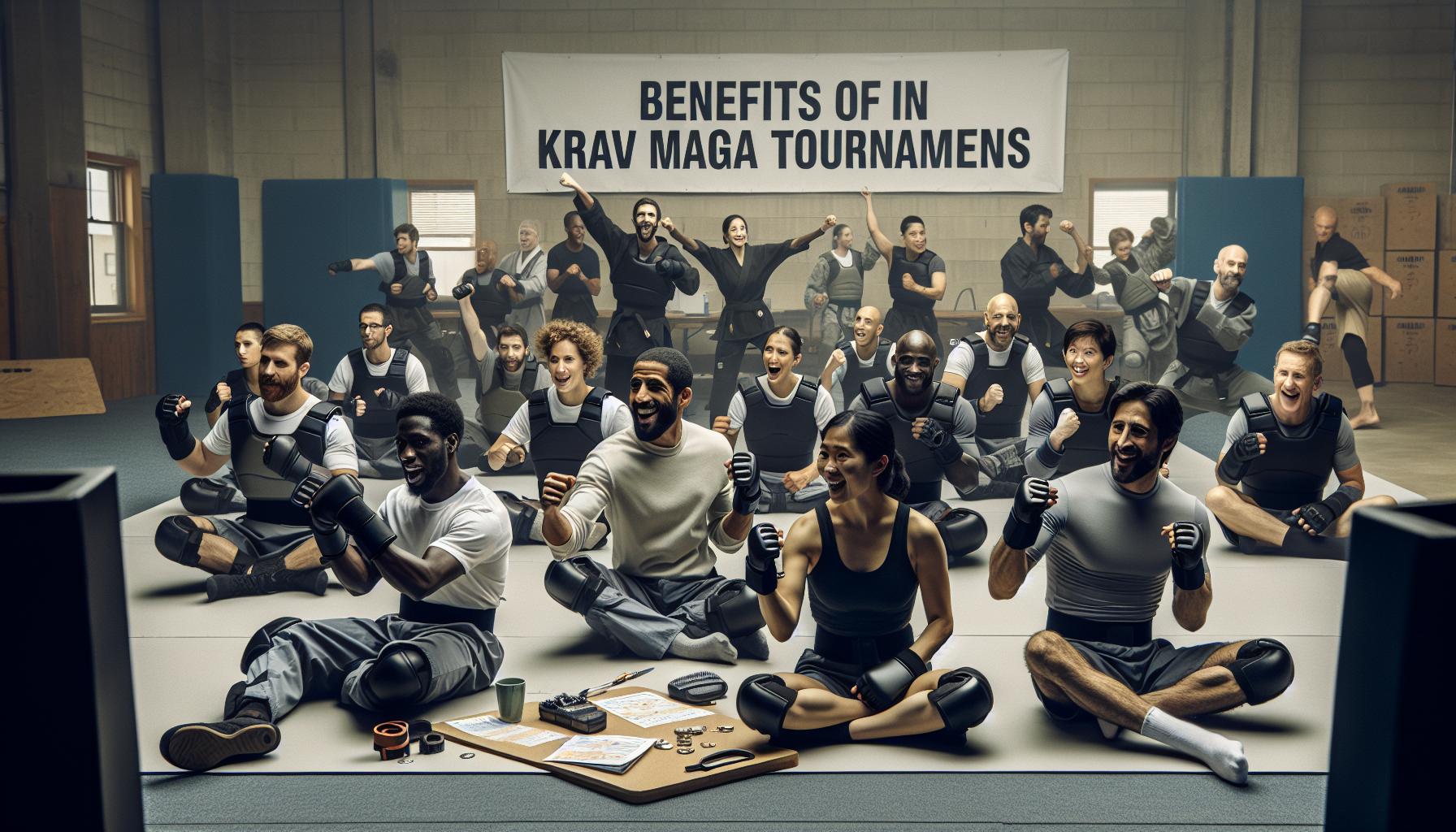
Benefits of Competing in Krav Maga Tournaments
Competing in Krav Maga tournaments offers a range of benefits that extend beyond merely testing one’s skills in a competitive environment. For many participants, these tournaments serve as a unique opportunity to enhance their personal development, both physically and mentally. Engaging in competition can significantly boost self-confidence, helping practitioners to gain a deeper understanding of their abilities and limitations while pushing them to improve.
One of the most prominent advantages of participating in Krav Maga tournaments is the exposure to realistic scenarios. In these competitive settings, practitioners face opponents who can simulate various threats, thereby improving their tactical responses and decision-making under pressure. This practical experience is invaluable, as it translates directly to real-world self-defense situations. Regular participation fosters the ability to execute techniques effectively and adapt quickly to unpredictable circumstances-skills that are paramount in actual confrontations.
Training for tournaments also encourages discipline and goal-setting. Competitors often engage in structured training regimens, pushing themselves to refine their techniques and increase their physical fitness. This dedication results in improved performance not just in competitions but in daily life as well. The focus required to prepare for a tournament can cultivate a mindset of persistence and resilience, qualities that are beneficial inside and outside the dojo.
Moreover, tournaments foster a sense of community among practitioners. Whether competing or serving as spectators, participants often connect with others who share their passion for Krav Maga. The camaraderie built through training and competing can lead to lasting friendships and networks that support personal growth and mutual motivation. This social aspect not only makes the journey more enjoyable but also encourages continued engagement in the practice, further reinforcing the importance of Krav Maga as a lifelong skill for self-defense and personal empowerment.
As practitioners embrace the competitive landscape, they not only solidify their skills but also join a vibrant community focused on mutual growth and shared experiences.
Key Differences: Krav Maga Tournaments vs. Traditional Martial Arts
Krav Maga tournaments present a unique competitive environment that differs significantly from traditional martial arts competitions. While traditional martial arts, such as karate or taekwondo, often emphasize point-sparring, forms, and strict adherence to rules designed to protect competitors, Krav Maga’s focus is on realism and practical self-defense. This distinction shapes not only how tournaments are structured but also how practitioners approach training and competition.
In most traditional martial arts, competitions are heavily regulated with a clear set of scoring criteria. Points are awarded for controlled techniques that demonstrate form and control, often prioritizing the aesthetic aspects of the martial art. In contrast, Krav Maga tournaments prioritize self-defense effectiveness over performance aesthetics. Competitors practice techniques that mirror real-world scenarios, which means the focus during competitions is placed on successfully defending against attacks rather than accumulating points through controlled techniques. This approach can lead to more intense encounters in the tournament realm where the aim is to showcase one’s ability to handle stress and respond effectively to simulated threats.
The training methods also vary greatly. Traditional martial arts often have a ritualistic training approach with an emphasis on forms and kata, teaching students structured movements and techniques. Krav Maga training is more adaptive, encouraging practitioners to develop their instincts and ability to react autonomously to unpredictable situations. This means that while traditional martial artists might focus repetitively on technique perfection, Krav Maga practitioners train with an emphasis on scenario-based drills that promote quick thinking and adaptable responses.
Additionally, safety considerations present another critical difference. In traditional competitions, a significant emphasis is placed on protective gear and safety protocols to prevent injury during sparring, often limiting the range of techniques and intensity used. Krav Maga tournaments might utilize protective equipment depending on the circumstances, but the nature of the techniques practiced-intended for real-life defense-often leads to a different level of intensity aiming to reflect the true nature of self-defense situations.
In summary, while both tournament types celebrate martial skills, Krav Maga tournaments stand apart by focusing on practical self-defense techniques applied in high-pressure scenarios, fostering a mindset geared towards real-world applications rather than aesthetic performance. This difference not only influences tournament structure but also shapes the training philosophies and participant experiences surrounding competition in Krav Maga.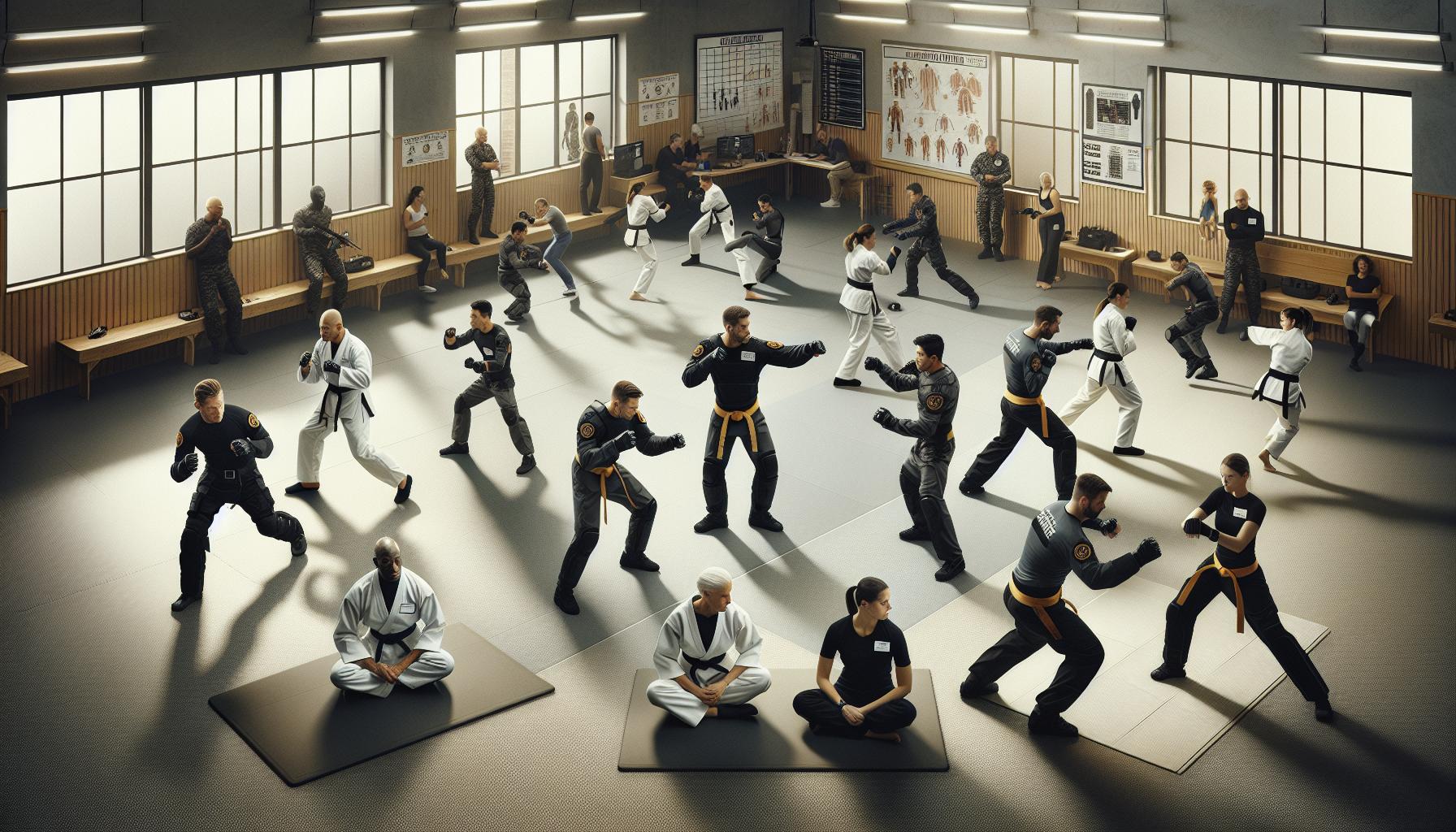
Types of Krav Maga Competitions Available
Krav Maga competitions come in various forms, each offering unique opportunities for practitioners to test their skills in a controlled yet challenging environment. Unlike traditional martial arts tournaments that may prioritize aesthetic performance and technique demonstration, Krav Maga events are structured around practical self-defense scenarios that simulate real-world encounters. This focus creates an engaging competitive atmosphere, where the emphasis is placed on effectiveness and adaptability.
Types of Krav Maga Competitions
Competitors can participate in several types of events, including:
- Sparring Competitions: These events simulate real combat situations where two practitioners engage in controlled sparring, employing techniques from their training. The goal is to demonstrate proficiency in self-defense, reaction time, and ability to counter attacks without the constraints of traditional scoring.
- Scenario-Based Challenges: Participants face specially designed scenarios that mimic real-life confrontations, such as weapon attacks or multiple assailants. Competitors must apply their Krav Maga skills tactically, responding quickly and effectively to the evolving situation.
- Point-Fighting Tournaments: While less common in the Krav Maga community, some events incorporate elements of point-fighting, allowing practitioners to score points based on successful defensive maneuvers. However, these tournaments still uphold the Krav Maga principle of focusing on real-world defense techniques.
- Demonstration Events: Some competitions allow practitioners to showcase their skills through choreographed displays that highlight key techniques and principles of Krav Maga. While not competitive in nature, these events educate audiences about the self-defense system and its effectiveness.
The variety of competition types reflects the nature of Krav Maga as a fluid martial art designed for practicality, allowing participants to choose events that align with their training goals and personal comfort levels. Each format tests different skills and emphasizes the importance of preparation, situational awareness, and tactical response-skills that are vital both in competition and in real-life scenarios.
Overall, engaging in these competitions provides valuable experience and can significantly enhance a practitioner’s confidence and capability. Each type of event encourages growth, fosters camaraderie among participants, and reinforces the crucial principles of self-defense.
Preparing for Your First Krav Maga Tournament
Preparing for your first experience in a Krav Maga tournament is both exhilarating and daunting; the blend of anticipation and nervous energy is a common experience among practitioners. Understanding that this is not just a test of skills but also a learning opportunity can help channel any apprehension into preparation. To begin with, familiarize yourself with the specific competition format you will encounter, as different events emphasize various aspects of Krav Maga, from sparring to scenario-based challenges. Each type is designed to simulate real-life confrontations, focusing on practical self-defense techniques.
A structured training regimen is crucial as you prepare. Focus on the following elements:
- Technique Refinement: Regularly practice essential self-defense moves and scenarios that align with the tournament format. This includes drills on striking, grappling, and defense strategies against various types of attacks.
- Physical Conditioning: Ensure that you engage in cardiovascular and strength-building exercises, as competition can be physically demanding. Improved endurance and fitness levels will enhance your performance.
- Mental Preparation: Visualization techniques can help reduce anxiety. Picture yourself successfully navigating different scenarios you might face in the tournament. This mental rehearsal can boost your confidence.
- A sparring partner: Work closely with a training partner to simulate the tournament environment. This practice will help you adapt to the dynamics of real-time competition.
Additionally, it’s crucial to understand the rules and regulations governing the tournament. Being knowledgeable about the scoring system, prohibited techniques, and safety protocols should be a priority as you prepare. This knowledge not only helps you strategize but also ensures that you compete fairly and safely within the outlined guidelines.
Finally, remember that competition is as much about personal growth as it is about winning. Approach your first tournament with the mindset of learning and experiencing rather than solely focusing on the outcome. Engage with fellow competitors and trainers, share experiences, and absorb the camaraderie that competitive environments foster. These connections enrich the martial arts community and deepen your own understanding of Krav Maga. Above all, maintain a mindset rooted in respect for the techniques and each other, reflecting the values inherent in self-defense training.
Training Techniques for Competitive Krav Maga Performance
To excel in competitive Krav Maga, practitioners must adopt a comprehensive training approach that reflects the demands of the tournament environment. This discipline emphasizes not just physical prowess, but also mental fortitude and tactical awareness. A multifaceted training regimen helps enhance performance, foster growth, and maintain safety amidst the highly dynamic nature of competitive self-defense.
- Technique Mastery: Focus on honing key techniques that are essential for tournament success. This includes grappling, striking, and scenario-based drills that align with expected competition formats. Simulating various attack scenarios will improve your adaptability and reaction time during competitions.
- Circuit Training: Incorporate circuit training into your fitness regime to develop endurance, strength, and agility simultaneously. This could involve a mix of bodyweight exercises, stability drills, and specific Krav Maga techniques, helping to prepare your body for the physical demands of sparring matches.
- Mental Conditioning: Visualization practices can enhance performance under pressure. Spend time mentally rehearsing various competition scenarios, which can help foster confidence and decrease anxiety. Keeping a journal to reflect on your training experiences and progress can also be beneficial.
- Conditioning Sparring: Engage in controlled sparring sessions that mimic tournament conditions to familiarize yourself with the competitive atmosphere. Work with different partners to experience various fighting styles, allowing you to adapt your techniques accordingly and develop a tactical mindset.
Moreover, understanding the rules and regulations governing competitions is vital. Familiarity with what is permitted-ranging from scoring criteria to prohibited techniques-creates a strategic advantage and fosters a culture of safety and respect among competitors. Treat training as an opportunity to not only uplift your skills but also to appreciate the camaraderie that emerges in the martial arts community. Engaging with fellow practitioners promotes learning and a shared commitment to ethical self-defense practices.
Safety should always be a priority during training and competition. Regularly practice safe techniques with emphasis on control to avoid injuries. Remember, the ultimate goal of Krav Maga-whether in practice or competition-is to equip individuals with the skills to protect themselves effectively while upholding ethical standards of self-defense. This balanced perspective allows all practitioners to grow as martial artists and as responsible individuals in their communities.
Understanding the Rules and Regulations of Krav Maga Tournaments
Understanding the intricacies of rules and regulations within Krav Maga tournaments is essential for practitioners aiming to compete effectively and safely. Unlike many traditional martial arts, Krav Maga competitions often aim to simulate realistic self-defense scenarios, and thus, the rules are tailored to balance competitiveness with safety and the practical applications of self-defense techniques.
In most tournaments, competitors are required to adhere to strict guidelines that dictate permissible techniques, scoring systems, and safety protocols. For instance, striking areas, such as the head, torso, and legs, are often defined, and blows to sensitive areas like the eyes, throat, and groin may be prohibited to prevent injury. Protective gear, including headgear, mouthguards, and body protectors, is typically mandated to ensure the safety of all participants. Understanding these regulations not only keeps practitioners safe but also helps build a respectful environment that fosters fair competition.
Proper preparation for a tournament involves familiarizing oneself with specific rules that can vary by organization and event. Some tournaments might feature point-based systems where judges award points for successful techniques, while others may focus more on submission-style outcomes. Competitors should also understand the importance of displaying control in their techniques, as excessive force or aggression can lead to disqualification. Engaging in pre-competition briefings or reviewing rule books provided by the tournament organizers can offer clarity and address common questions or concerns.
Additionally, the concept of sportsmanship in Krav Maga tournaments encourages respect among competitors. This principle reinforces ideals inherent in self-defense training, emphasizing that competition is not merely about victory but about cultivating skills, growing as a martial artist, and fostering a supportive community. Ultimately, adhering to these regulations not only enhances the competitive experience but also ensures that ethical considerations in self-defense remain at the forefront of every encounter in a tournament setting.
Safety Considerations in Competitive Krav Maga
In competitive Krav Maga, the emphasis on safety is paramount due to the inherently intense nature of the combat-driven discipline. Each tournament aims to strike a balance between showcasing skill and ensuring participant well-being, reflecting the principles of self-defense that the art embodies. Competitors must understand that while the competition aims for realism, safety protocols are designed to protect everyone involved from serious injury or undue harm.
One of the critical safety measures in Krav Maga tournaments is the mandatory use of protective gear. Participants are generally required to wear headgear, mouthguards, groin protectors, and padded clothing to minimize injury risk during clashes. Familiarity with these requirements is essential-individuals competing should ensure that their gear fits well and meets the specifications laid out by the tournament organizers. In addition, instructors often emphasize technical control over raw power; excessive force or aggression can not only lead to disqualification but also undermine the very philosophy of self-defense that Krav Maga represents.
Understanding the rules surrounding striking and permissible techniques is crucial for safety. In many events, defined striking areas dictate where blows can land, and competitors are prohibited from targeting sensitive regions. These regulations serve a dual purpose: they protect participants and promote fair play. Knowing and adhering to these rules provides competitors with a framework that encourages responsible behavior, reinforcing the idea that martial arts can be practiced ethically, even in a competitive setting.
Lastly, keeping the spirit of sportsmanship in mind adds another layer of safety-not just physical, but psychological. This community aspect reminds participants that competitions are opportunities for growth rather than mere contests focused solely on winning. By fostering a supportive environment, competitors can alleviate stress and anxiety, keeping their mental state conducive to safe and focused performance. Acknowledging that self-defense skills are meant to empower, not endanger, helps maintain the integrity of Krav Maga both inside and outside the ring.
Community and Camaraderie: The Social Aspect of Tournaments
In competitive Krav Maga, tournaments serve not just as a showcase of skills but as vital social gatherings that foster a deep sense of community among practitioners. As participants step onto the mat, they engage not only in physical competition but also in a shared experience that enhances bonds among students, instructors, and competitors. This camaraderie is crucial, as it allows individuals to connect with others who share similar interests and values regarding self-defense and personal growth.
The environment at these tournaments encourages mutual respect and support. Both champions and newcomers find themselves cheering for one another, celebrating victories and offering encouragement in defeat. Such interactions help cultivate a family-like atmosphere where everyone feels valued, regardless of their skill level. Engaging with other practitioners can also ignite valuable discussions about techniques, training methods, and personal experiences that enrich each participant’s journey in martial arts.
Community events, including workshops and seminars often occur alongside competitions, providing additional opportunities for learning and collaboration. These platforms allow practitioners to refine their skills, receive feedback from experienced coaches, and even experiment with new techniques in a supportive setting. This camaraderie extends beyond the tournament, as many participants will establish long-lasting friendships that continue in their respective dojos, promoting a sense of belonging within the Krav Maga community.
Ultimately, the social dimensions of Krav Maga tournaments emphasize the importance of collaboration over rivalry. As competitors learn from each other’s strengths and weaknesses, they collectively advance in their martial arts journey. This shared commitment fosters not only individual improvement but also enhances the overall integrity and spirit of Krav Maga, emphasizing that its core principles extend beyond mere combat effectiveness to include mutual support and respect among its practitioners.
Krav Maga Tournaments: Perspectives from Practitioners
Experiencing a Krav Maga tournament can profoundly impact a practitioner’s journey, providing insights that extend well beyond the competition mat. Competitors often express that participating in tournaments allows them to test their skills under pressure, a scenario that simulates real-life confrontations in a controlled environment. This is crucial because it highlights the importance of mental fortitude and adaptability-key attributes in self-defense situations. Many practitioners recount stories of facing unexpected challenges during their matches, which in turn has enhanced their ability to think quickly and effectively in high-pressure scenarios.
Practitioners also emphasize the community-building aspect of these events. Unlike what is common in many martial arts competitions, Krav Maga tournaments foster an environment where practitioners, regardless of their experience level, are encouraged to support one another. This reverse hierarchy creates a unique dynamic; seasoned competitors offer coaching tips and share their experiences with newcomers. Perspectives gathered from participants underscore the view that camaraderie is a significant takeaway from the competition experience. Many express gratitude for the friendships developed through these events, which often lead to continued support and training partnerships outside of the competitive sphere.
Participants often note the importance of preparing not just physically but also mentally for a tournament. This preparation process is seen as a critical learning moment. Competing involves understanding the rules and regulations governing the matches, which can differ significantly from standard training sessions. Many recommend that practitioners familiarize themselves with these guidelines to avoid disqualification and to optimize their performance. Real-world examples, such as issues arising from misinterpreting control levels during sparring, serve as valuable lessons for those new to tournament competition.
Ultimately, feedback from practitioners reiterates that Krav Maga tournaments are not merely about winning medals but about honing skills, fostering community, and creating a supportive network of like-minded individuals passionate about self-defense. This enriching experience empowers participants both on and off the mat, equipping them with the confidence and resilience necessary to handle real-world encounters effectively.
Future Trends in Krav Maga Competition Culture
As Krav Maga evolves, so does its competition culture, reflecting the growing popularity and adaptation of this martial art. There is a noticeable trend towards standardization of competition formats, with organizations aiming to establish clear, uniform rules that ensure fairness and safety. This is particularly important in light of Krav Maga’s self-defense roots, which emphasize effective techniques over traditional sparring forms. By providing structured competitions, practitioners can better gauge their skills while adhering to the principles of responsible self-defense.
Increased collaboration between various Krav Maga federations is another emerging trend. This is fostering a sense of community across different schools and styles, leading to more cross-training opportunities and integration of diverse techniques. Such collaboration encourages a spirit of camaraderie and knowledge-sharing among practitioners, which is essential for personal growth and community building. Moreover, as these federations work together, they can attract greater participation from a wider audience, thus promoting Krav Maga to new demographics and expanding its reach.
Additionally, there is a push for inclusivity in Krav Maga tournaments, accommodating practitioners of all backgrounds and physical abilities. This shift is leading to the introduction of adaptive categories in competitions, ensuring that everyone has the opportunity to participate and showcase their skills. Such initiatives not only enhance the athlete experience but also promote the core values of Krav Maga-self-defense for everyone, regardless of their circumstances.
Lastly, technology is shaping the future of Krav Maga competitions. With the rise of virtual training and online competitions, practitioners now have more opportunities to engage in tournaments from different regions without the need for extensive travel. This can be particularly beneficial for individuals in remote areas where access to local tournaments may be limited. As technology continues to advance, we can expect further innovations that enhance the competitive experience while maintaining the foundational ethos of Krav Maga.
In conclusion, the future of Krav Maga competition culture indicates a movement towards safer, more inclusive, and tech-savvy environments that prioritize skill development and community support. Practitioners who participate in these evolving tournaments will not only refine their techniques but also contribute to a culture that values respect, safety, and personal growth.
Q&A
Q: Are there official Krav Maga tournaments?
A: Yes, there are official Krav Maga tournaments organized by various federations and schools. These events often feature sparring matches and self-defense demonstrations, allowing practitioners to showcase their skills in a competitive environment while adhering to Krav Maga’s principles of safety and effectiveness.
Q: What is the format of Krav Maga competitions?
A: Krav Maga competitions typically include sparring rounds, drills, and self-defense scenarios. Unlike traditional martial arts tournaments, the focus is on realistic combat situations rather than point-based scoring, emphasizing practical effectiveness. Check out the section on Types of Krav Maga Competitions for more insights.
Q: How do Krav Maga tournaments ensure safety for participants?
A: Safety in Krav Maga tournaments is prioritized through strict rules, protective gear, and controlled environments. Referees monitor matches closely to enforce guidelines, ensuring that techniques are applied safely and effectively. It’s essential to review the Safety Considerations in Competitive Krav Maga section for detailed information.
Q: Can beginners participate in Krav Maga tournaments?
A: Yes, beginners can participate in Krav Maga tournaments, often in separate categories to match skill levels. It is encouraged that novices train adequately and understand the rules before entering competition to ensure safety and confidence.
Q: How does training differ for competitive Krav Maga?
A: Training for competitive Krav Maga often includes more focused sparring, strategy development, and specific drills designed to enhance performance under pressure. Practitioners should explore the Training Techniques for Competitive Krav Maga Performance section for tailored training approaches.
Q: What are common misconceptions about Krav Maga tournaments?
A: A common misconception is that Krav Maga tournaments mimic traditional martial arts competitions, focusing solely on winning points. However, they instead emphasize real-world self-defense application and demonstrate practical skills useful in actual confrontations.
Q: Are there age restrictions for Krav Maga tournaments?
A: Most Krav Maga tournaments have age categories to ensure fairness and safety among competitors. Participation typically ranges from youth divisions to adult categories. It’s best to check specific tournament listings for age guidelines.
Q: What should I know before entering my first Krav Maga tournament?
A: Before entering your first tournament, ensure you’re familiar with the rules, have proper training, and understand the protocols for safety and conduct. Review the Preparing for Your First Krav Maga Tournament section for comprehensive guidelines.
These FAQs aim to provide clarity on the competition culture within Krav Maga. For deeper insights and tips, feel free to explore related sections in the main article.
The Conclusion
As we conclude our exploration of Krav Maga’s competition culture, it’s clear that while tournaments may not define this self-defense system, they open doors to skill enhancement and community engagement. Whether you’re a seasoned practitioner or just starting, consider how participating in or observing competitions can deepen your understanding of real-world applications. Don’t wait-check out related articles on mastering close-range strikes and optimizing your force using Krav Maga techniques.
Ready to take your training further? Join our newsletter for exclusive tips and updates, or explore our resources on legal aspects of self-defense to ensure you’re not just fighting effectively but also responsibly. Your journey in mastering Krav Maga is just beginning; let’s continue to learn together. Share your thoughts or experiences in the comments below-your engagement enriches our community!