
In a world where unexpected confrontations can escalate quickly, knowing how to effectively block a punch is an invaluable skill. Understanding essential defense techniques not only enhances your physical safety but also builds your confidence in handling potentially dangerous situations. This guide is designed to empower you with practical methods for blocking punches, emphasizing the importance of de-escalation and proportional response.
It’s crucial to approach self-defense with a clear mind and an understanding of the legal implications involved. The ability to protect yourself while respecting both legality and ethics is paramount. By learning how to block a punch, you’re not glorifying violence but rather preparing yourself to stay safe when it matters most. As we delve deeper into various techniques, scenarios, and safety protocols, you’ll discover how to navigate real-life confrontations responsibly. Your journey to mastery starts here-let’s explore the essential strategies that can help keep you and your loved ones safe.
Understanding the Importance of Blocking a Punch
The ability to block a punch can be the difference between injury and safety in a conflict. Understanding the significance of blocking extends beyond mere physical defense; it embodies the principles of self-preservation and situational awareness. In an altercation, every second counts, and an effective block can neutralize an attack, allowing you the opportunity to escape or counter without sustaining damage. This crucial skill not only protects you physically but also reinforces psychological confidence, enabling you to remain composed under pressure.
Blocking serves multiple functions in self-defense. Firstly, it is a proactive measure that helps avert harm. By learning to anticipate your opponent’s movements, you enable your body to react instinctively, which can be especially vital in high-stress scenarios. Secondly, blocking allows you to buy time-time to assess the situation, reconsider your options, and prepare a response, whether it be fleeing or countering. Consider this: every punch that you successfully block is an opportunity seized; the attacker’s momentum can be turned against them, creating openings for defensive strikes.
Moreover, effective blocking technique requires a strong foundational knowledge of body mechanics. Utilizing the correct stance encourages stability and allows for greater power generation when executing a block. The physical posture enhances your ability to observe your opponent’s body language and intentions, reinforcing the importance of situational awareness. Practicing these techniques regularly in drills not only cultivates muscle memory but also increases your confidence, enabling you to act decisively when it matters most.
In the harsh realities of self-defense, the ethical implications of your actions cannot be overlooked. It is crucial to remember that blocking should be viewed not just as a defensive maneuver, but as a means to de-escalate a potentially violent situation. Understanding the legal consequences of physical confrontations is essential; using proportional force is paramount to ensuring that you remain within your rights while protecting yourself. Emphasizing de-escalation wherever possible not only reflects responsible self-defense but also respects the moral implications of engaging in conflict.
Basic Stances for Effective Defense
In a physical confrontation, proper positioning is crucial for effectiveness in blocking a punch. The right stance not only provides stability but prepares you to react swiftly, offering seconds that can mean the difference between injury and safety. A solid defensive stance enables you to absorb the force of an incoming attack while maintaining the readiness to counter or evade effectively. Understanding and mastering these basic stances empowers you to engage with confidence and purpose.
Common Defensive Stances
- Neutral Stance: Feet shoulder-width apart, with knees slightly bent. This stance allows you to move in any direction quickly, maintaining a balanced center of gravity. Your hands should be up, ready to protect your face and deflect incoming punches.
- Boxer’s Stance: One foot slightly forward and the other back to maintain balance, similar to a weight distribution of 60/40. This position allows for quick lateral movement and effective counterattacks. Your elbows are tucked in to protect your ribs more effectively.
- Side Stance: Turn your body sideways to your opponent, presenting a smaller target. This stance can deflect punches more easily and can help you quickly pivot out of range if necessary. Ensure your lead hand is up to guard your face while the rear hand can prepare for a counter.
Key Elements of a Strong Stance
Building a robust defensive stance involves several essential components:
- Foot Placement: Proper foot positioning is fundamental; your feet should be firmly planted, with toes pointing forward or slightly outward to allow for quick footwork.
- Knee Flexibility: Keep a slight bend in your knees to absorb shocks and maintain mobility. This flexibility will help you respond effectively to an opponent’s maneuvers.
- Hands Up: Always maintain your hands at face level, ready to block or parry. This not only protects your head but trained hands can also block incoming strikes more effectively.
Establishing these foundational stances creates a platform from which you can deliver effective blocks. Practice transitioning between these positions in drills, as this will enhance your reaction times during a real encounter. Remember, the intent is to remain calm and poised, allowing each stance to be an integral part of your defense strategy.
Essential Techniques for Blocking Blows
Blocking a punch effectively is a critical skill that can enhance your self-defense capabilities, allowing you to protect yourself while minimizing the risk of injury. Understanding the principal techniques for blocking blows equips you to react swiftly and appropriately during a confrontation. Rather than merely attempting to absorb the impact, these techniques enable you to deflect an attack with control and precision, potentially creating openings for counterattacks.
One fundamental method for blocking is the parry, where you deflect the incoming strike rather than absorbing it. To execute a parry effectively, keep your hands up in a protective position and move them slightly to redirect the punch away from its intended target. This technique requires both timing and angle awareness, as properly executed, it puts you in a better position to respond or counterattack.
Another technique is the forearm block, which involves raising your arm to create a barrier between the strike and your head or body. This method is particularly useful against powerful punches. Position your forearm to meet the incoming blow at an angle to disperse its force. Keep your wrists straight and engage your core to maintain balance, ensuring the block is strong enough to withstand the impact.
Consider the cover-up method as well. By raising both arms defensively and keeping your elbows close to your body, you can shield your face and upper body from multiple angles. This technique allows you to absorb strikes more effectively while preparing to lower your guard and launch a counter when the opportunity presents itself.
- Parry: Deflect and redirect the punch away.
- Forearm Block: Raise your arm to create a strong barrier against incoming punches.
- Cover-Up: Raise both arms to shield your face while remaining ready to retaliate.
Proficiently employing these techniques transforms blocking into a strategic aspect of self-defense. Remember, the goal is not only to prevent injury but also to create opportunities for escape or counterattacks. Regular practice of these techniques will enhance your reaction time and overall defensive skills, making you a more confident and capable defender. In any confrontation, maintaining awareness of your surroundings and understanding the legal implications of your actions is essential, as self-defense should always be proportionate to the threat faced.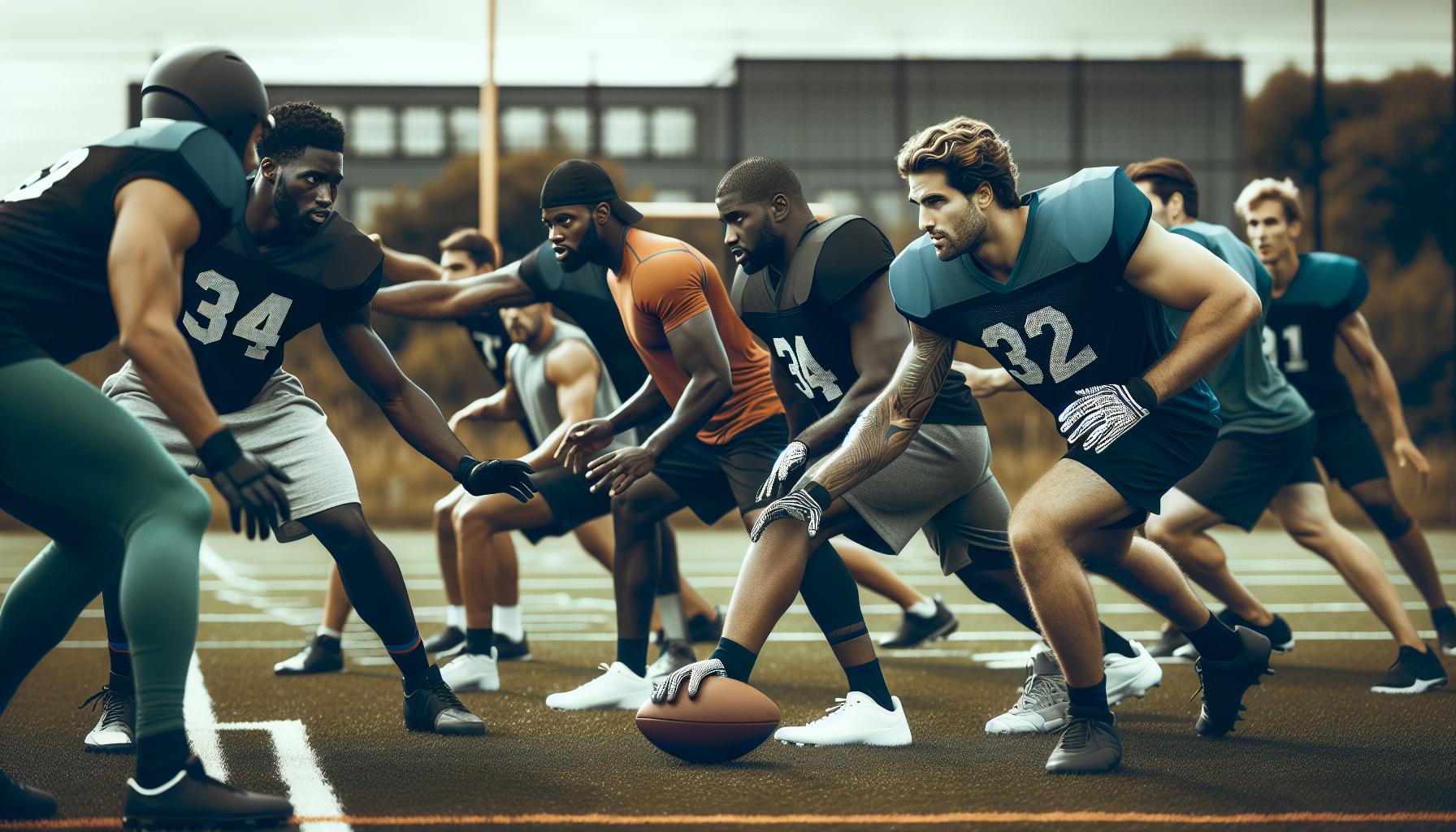
Advanced Blocking Techniques for Experienced Defenders
Mastering advanced blocking techniques is essential for experienced defenders looking to elevate their self-defense abilities and respond effectively in high-pressure situations. One such technique is the slip, which involves moving your head to the side to evade an incoming punch while remaining within striking distance to counterattack. Timing is crucial here: practice this movement repetitively, ensuring you can quickly gauge when to slip rather than block. This method not only dodges the blow but also positions you optimally for a counterstrike, making it a valuable aspect of any advanced defense strategy.
Another advanced technique is the block and counter, which combines defensive and offensive actions. This method entails absorbing the shock of the punch while simultaneously exploiting the opening created by the opponent’s movement. For example, if an opponent throws a right hook, you can employ a downward block with your right arm to divert the punch and immediately follow up with a combination punch or kick. This approach keeps your defensive actions proactive and can disrupt the opponent’s rhythm, making it harder for them to anticipate your next move.
To enhance your proficiency, consider training in the Kali or Escrima arts, which emphasize the use of sticks and blades. These disciplines provide insight into distance management and striking angles that can significantly improve your understanding of offensive and defensive interactions. Utilizing these art forms will also teach you the importance of controlling space, which is fundamental when blocking punches.
Finally, always keep in mind the legal implications of self-defense. Understand your local laws regarding proportionality and reasonable force. This knowledge not only ensures that you stay within legal boundaries but also heightens your situational awareness, allowing you to assess when to engage and when to retreat. Practicing advanced blocking techniques is about more than just physically deflecting blows; it’s about integrating mental acuity and reflexive responses into your overall self-defense strategy.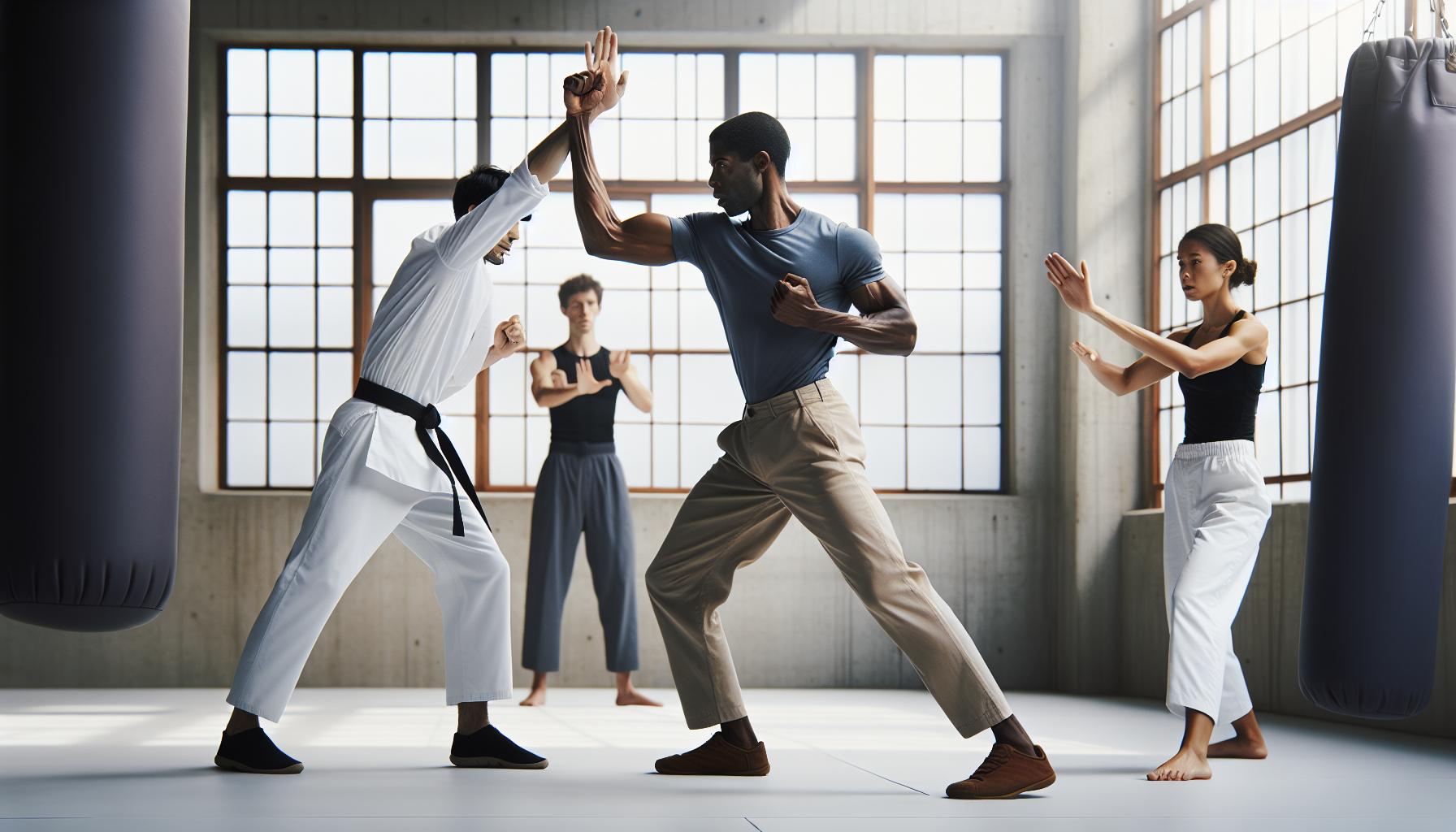
Common Mistakes When Blocking a Punch
In the heat of a confrontation, knowing how to block a punch is crucial, but many defenders make common mistakes that can compromise their safety. One prevalent error is the failure to maintain proper distance. If you stand too close to your opponent, you will not have enough time to react effectively, making any defensive attempts futile. Always try to gauge the distance and adjust your positioning accordingly. Keeping a safe distance not only gives you more time to respond but also makes your movements more effective.
Another frequent mistake is relying solely on a physical block without employing proper body mechanics. Defenders often engage their arms or hands but overlook the importance of using their entire body to absorb or redirect the force of the punch. A strong block leverages body alignment and weight transfer, which can significantly reduce the impact of the blow and position you for a counterattack. Remember that using your shoulder and core can greatly enhance your blocking technique, ensuring that you’re not just passive but actively engaging in the defense.
Furthermore, many individuals panic in self-defense situations and forget to focus their eyes on the opponent. Maintaining proper eye contact with your adversary allows you to read their movements and intentions better. This awareness can help you anticipate their attacks, making it easier to execute blocks or evasive maneuvers. Always stay alert and avoid fixating on your own defense; being aware of your opponent’s actions is equally important.
Lastly, many people neglect the psychological aspect of confrontation. Fear and anxiety can lead to rigidity, making blocks less effective. Practicing relaxation techniques and visualization can help combat this tendency. Train not only your physical skills but also your mental resilience. When you are calm and focused, your movements will naturally become smoother and more effective, ensuring that you’re better equipped to defend yourself. Understanding and addressing these common mistakes allows for a more rounded approach to blocking punches and enhancing overall self-defense capabilities.
Situational Awareness: Reading Your Opponent
In any confrontation, the ability to read your opponent becomes a critical skill that can significantly enhance your defensive capabilities. Situational awareness involves observing not just your opponent’s movements, but also their body language, posture, and even their breathing patterns. By honing this skill, you can anticipate attacks before they happen, allowing you to prepare your blocking techniques and position yourself strategically.
Pay attention to subtle cues that may indicate an incoming strike. For instance, if your opponent’s shoulders dip or their body shifts weight, it might signal an imminent punch. Similarly, their gaze can provide insight into their intentions; if they are looking at your body instead of your face, they may be priming for an attack. Being attuned to these signs not only helps you react more effectively but also cultivates an air of confidence that can deter potential aggressors.
To develop stronger situational awareness, practice with a partner in controlled sparring scenarios. Start slow, focusing on noticing each other’s movements and predicting actions. Gradually increase the intensity as you become more comfortable. This exercise can train your instinctive reactions, allowing you to block punches with precision and fluidity when it matters most. Additionally, mental training techniques, such as visualization and mindfulness, can further enhance your ability to stay focused on your opponent without becoming overwhelmed.
In real-life situations, the stakes of reading your opponent accurately escalates. If you misread a threat, it could lead to ineffective defenses or even unnecessary escalation. Always prioritize de-escalation where possible, recognizing that not all confrontations must resort to physical conflict. Understanding the importance of maintaining a clear mind and a keen sense of your environment can empower you to respond appropriately, whether by executing an effective block or safely extracting yourself from a potential danger.
Legal Considerations in Self-Defense
In any self-defense situation, understanding the legal boundaries of your actions is paramount. Engaging in physical confrontation, even as a means of protection, carries legal ramifications that can vary significantly by jurisdiction. It’s crucial to recognize that while the right to defend oneself is universally acknowledged, the extent and manner in which one can exert that force are tightly regulated by law. The principle of proportionality is key: the force you use in defense must be proportional to the threat faced. Using excessive force can lead to serious legal consequences, including criminal charges or civil liability.
For instance, if an assailant throws a punch, blocking it and countering with an equal or lesser level of force may be justified. However, if you retaliate with devastating strikes or armed escalation, this may be deemed excessive and unlawful. Many states have “stand your ground” laws that allow individuals to use force without retreating if they genuinely believe they are in imminent danger. However, this belief must be reasonable, and the actions taken in defense must still meet the legal standards of necessity and proportionality.
Additionally, documenting the context and circumstances of the confrontation can be critical for legal protection. If you’re involved in a self-defense situation, gather evidence where possible-eyewitness accounts, videos, or photographs-and report the incident to authorities immediately. This can bolster your case by illustrating the defensive nature of your actions rather than aggressive intent.
Always remember that the goal of self-defense is not to engage in violence but to protect oneself from harm and escape the situation safely. Training in self-defense techniques should therefore include education on these legal considerations, ensuring you are equipped not just physically, but also mentally, to navigate the complexities of real-world confrontations while remaining within the bounds of the law. Understanding your legal rights and responsibilities can empower you to act decisively and ethically, promoting safety and responsibility in all encounters.
Training Drills to Enhance Blocking Skills
In the realm of self-defense, mastering blocking techniques is crucial for anyone who wants to protect themselves effectively. Developing sharp blocking skills not only increases your confidence but also enhances your overall martial arts ability. Engaging in consistent training drills can make a significant difference in how well you manage incoming strikes.
One effective drill is the partnered blocking practice. In this exercise, one individual acts as the striker while the other practices various blocking techniques. This dynamic helps you become accustomed to the timing and distance required to execute effective blocks. Start with slow, controlled punches; as you gain confidence, gradually increase the speed and intensity. Focus on maintaining proper form, ensuring your body is positioned to deflect strikes without exposing vulnerabilities.
Another valuable drill is the shadow blocking practice. In front of a mirror, visualize incoming punches while you perform your blocking movements. This method allows you to assess your form and technique in real time. Incorporate footwork into these sessions to enhance your mobility-practice moving to either side while blocking to simulate real scenarios where evasion is as important as the block itself.
For those looking to add complexity, consider integrating reaction drills using training pads or a punching bag. Have a partner randomly call out directions (e.g., left or right) while you must react with the appropriate block. This mimics the unpredictability of a real confrontation and improves your ability to quickly assess and respond to threats. Each of these drills fosters not just physical ability but also mental preparedness, equipping you to handle confrontations confidently and responsibly.
Ultimately, remember that while honing your blocking skills, awareness and legal understanding should go hand in hand. Always prioritize de-escalation tactics and ensure that your physical responses remain within legal boundaries. Regularly reviewing state laws relevant to self-defense can help reinforce the responsible practices taught in your training, empowering you to engage effectively and ethically in any situation where you might have to defend yourself.
Comparing Defense Styles: Boxing vs. Martial Arts
In the world of self-defense, understanding the strengths and weaknesses of different defense styles can significantly impact your ability to protect yourself. Boxing and martial arts represent two distinct yet effective approaches to defense, each offering unique techniques for blocking punches and responding to attacks. Boxing emphasizes footwork, head movement, and powerful punches, while martial arts encompass a variety of styles that include grappling, kicks, and joint locks.
Boxing’s defensive techniques primarily revolve around head movement, slips, and blocks that allow practitioners to evade strikes while positioning themselves for counterattacks. A boxer learns to read an opponent’s body language and predict punches, making quick adjustments with their stance and guard. For instance, the classic high guard technique involves keeping hands up to protect the face, while the use of shoulder rolls can deflect punches effectively.
On the other hand, many martial arts, such as Karate or Muay Thai, combine blocking with a broader spectrum of defensive maneuvers, including kicks and evasive body movements. In martial arts, students often train to use their opponents’ momentum against them, using blocks not just to defend but to set up throws or counters. Moreover, techniques such as parrying and redirecting strikes are common, allowing martial artists to control the distance and engage more dynamically with attacks.
When considering the legal implications of using these styles in self-defense, it’s crucial to know that the laws can vary significantly by state. For instance, some jurisdictions may allow for greater leeway in using striking techniques found in boxing, while martial arts techniques that involve throws or joint locks may be scrutinized more closely. Therefore, it’s essential for practitioners to understand not only the physical aspects of these styles but also how their use fits within the framework of self-defense laws.
Ultimately, whether you choose boxing or martial arts for self-defense, blending the techniques from both can create a versatile defense strategy. Focusing on effective blocking and response techniques, alongside an understanding of legal considerations, will equip you better for real-life confrontations, enabling you to react appropriately and responsibly while prioritizing safety and de-escalation. Remember, the goal is not just to protect oneself but to do so with the least amount of harm and maximum insight into potential threats.
Real-Life Scenarios: When to Use Blocking Techniques
In the chaotic moments of a confrontation, knowing when and how to employ blocking techniques can be the difference between injury and safety. Blocking is not solely about physical defense; it also reflects strategic decision-making. For instance, you might find yourself in a situation where verbal escalation has failed, and an opponent becomes aggressive. Here, maintaining awareness of your surroundings and recognizing signs of impending strikes are crucial. Understanding your environment plays a significant role in deciding when to engage or disengage.
Consider a scenario where you are at a social gathering, and a verbal altercation escalates. You might witness a sudden swinging punch aimed at your face. In this critical moment, employing a simple block or parry can protect you from injury while also allowing you to counter or exit the situation swiftly. Here are some fundamental tips for real-life applications of blocking techniques:
- Positioning: Keep a slight bend in your knees and stay light on your feet. This stance enables quick movement to either block or escape.
- Stay Calm: Panic can lead to poor decision-making. Take a deep breath to maintain composure; it will help you react appropriately.
- Control the Distance: Understand the range of your opponent’s strike. If you can stay just out of range, you might avoid the need to block altogether.
- Practice Situational Awareness: Before blocking, assess your environment. Can you retreat safely? Is there an escape route?
In instances where the situation escalates further and you feel an immediate threat to your safety, blocking becomes an essential skill that can protect you while minimizing the likelihood of the conflict intensifying. Remember, blocking should not be the only tactic; it can serve as a means to create an opening to escape or negotiate de-escalation. The legal ramifications of physical confrontations cannot be overlooked; actions taken in self-defense must always be proportionate and justifiable. Different states have various laws regarding self-defense, so it’s vital to stay informed about what constitutes reasonable force in your locality.
Ultimately, while it’s important to develop blocking techniques, the best defense often lies in conflict resolution and de-escalation strategies. Empowering yourself with both physical and mental tools will prepare you for unpredictable situations, allowing you to safeguard your well-being effectively and responsibly.
Psychological Aspects of Self-Defense in Confrontations
In confrontations, the weight of psychological factors can be just as impactful as physical skills. Understanding how stress, fear, and anxiety affect your performance when blocking a punch is essential for effective self-defense. When faced with aggression, the natural fight-or-flight response activates, and your mind may race, amplifying the tension of the situation. Recognizing these psychological states is the first step in preparing yourself to respond appropriately, rather than reacting impulsively.
Many practitioners believe that mental preparation is as critical as physical training. Visualization techniques can be particularly beneficial. By mentally rehearsing scenarios where you need to block a punch or counter-attack, you can condition your brain to respond with confidence rather than fear when a real confrontation occurs. Additionally, maintaining a positive mindset can significantly influence your ability to think clearly under pressure. If you approach self-defense training with a belief in your capability to handle conflicts, you are more likely to execute techniques effectively when needed.
Understanding emotional triggers plays a key role in self-defense scenarios. Many individuals struggle with feelings of vulnerability or helplessness when confronted. This emotional state may lead to overreacting or freezing, which could exacerbate the situation. By being aware of your emotional responses, you can practice techniques to actively manage them. For instance, taking deep breaths or focusing on a neutral object can help ground you during a tense moment, enabling you to make more rational choices about when to block, retreat, or verbalize your intent to de-escalate.
Ultimately, incorporating psychological aspects into your self-defense training empowers you to foster resilience in addition to honing physical skills. Recognizing the significance of mental preparation, emotional awareness, and proactive techniques can enhance your effectiveness in real-life scenarios. This holistic approach not only increases your self-defense capabilities but also contributes to a greater sense of personal security and confidence.
Empowering Yourself: Building Confidence in Defense Techniques
In the realm of self-defense, confidence can be your most powerful ally. It transforms what may seem like instinctive reactions into calculated actions, which is essential when faced with a confrontation. Psychological preparedness can be the difference between successfully blocking a punch and succumbing to panic. To build this confidence, you must engage in both mental and physical training that reinforces your abilities and knowledge of self-defense techniques.
One effective method for boosting self-assurance in your blocking techniques is through repetition and practice. Regularly drill essential moves in various scenarios, allowing your body to develop muscle memory. As you grow comfortable with transitions from blocking to counter-attacks or evasive maneuvers, you’ll find that your confidence begins to rise. Furthermore, practicing in a controlled environment, such as during class or sparring sessions, can simulate the pressure of real-life situations, providing the experience necessary to build confidence without the immediate risk of harm.
Visualization techniques can also play a significant role in mental preparation. Picture yourself in challenging situations and mentally rehearse how you would react-how you would block a punch and follow up with appropriate responses. This mental conditioning, paired with a positive mindset, can prepare you for the unexpected and eliminate indecision in a moment of truth. Consider journaling your experiences and progress in your training to reinforce the connection between practice and success, continuously reminding yourself of your growth and skills.
Moreover, understanding the ethical implications of self-defense is crucial. Knowledge of legal limits on force can elevate your confidence to a new level; you’ll know when and how to act if the need arises. Training under instructors who emphasize not only physical techniques but also the legal and moral responsibilities tied to self-defense can instill a profound sense of responsibility and preparedness. By recognizing that self-defense is not about aggression but protection, you can approach any encounter with a clear mind, focused on de-escalation when appropriate.
By integrating these components into your self-defense journey, you empower yourself with the tools needed to protect yourself effectively. Embracing the mental and physical aspects of defense training not only enhances your skills but also cultivates a strong sense of confidence, allowing you to face potential threats and manage confrontations with composure and authority.
Q&A
Q: How do I improve my blocking technique in self-defense?
A: To improve your blocking technique, practice regularly with a partner to develop timing and reflexes. Focus on maintaining proper form and stances while integrating footwork. Consider working on drills from the “Training Drills to Enhance Blocking Skills” section to master effective blocking strategies.
Q: What are common mistakes beginners make when blocking a punch?
A: Beginners often underestimate distance, leading to poor timing or ineffective blocks. They might also lean backward when blocking instead of using their arms to absorb impact. Referring to the “Common Mistakes When Blocking a Punch” section can help identify and correct these errors for better defense.
Q: Why is situational awareness crucial for blocking punches?
A: Situational awareness allows you to read your opponent’s movements and predict their actions, enhancing your ability to block effectively. By understanding the dynamics of a confrontation, as discussed in the “Situational Awareness: Reading Your Opponent” section, you can respond more swiftly to threats.
Q: When should I choose to deflect rather than block a punch?
A: Choosing to deflect instead of block is beneficial when you need to create space or counterattack immediately. In high-energy situations, this technique can help you gain the advantage. Explore the “Essential Techniques for Blocking Blows” section for insights on strategic deflection.
Q: What should I focus on during sparring to enhance my blocking skills?
A: During sparring, focus on maintaining a balanced stance and quick reflexes. Observe your opponent’s techniques and respond with appropriate blocks. The “Basic Stances for Effective Defense” and “Advanced Blocking Techniques for Experienced Defenders” sections provide detailed strategies for effective sparring.
Q: How can I prepare mentally for blocking a punch in real situations?
A: Mental preparation involves visualizing scenarios where you might need to block a punch. Practicing mindfulness and staying calm under pressure enhances your defensive capabilities. The “Psychological Aspects of Self-Defense in Confrontations” section emphasizes the significance of mental readiness.
Q: What legal considerations should I know about blocking punches?
A: Understanding the legal implications of self-defense is crucial, as laws differ by location. You must only defend yourself if necessary and proportional to the threat. The “Legal Considerations in Self-Defense” section offers insights into navigating these legal frameworks effectively.
Q: How does the blocking technique differ between boxing and martial arts?
A: In boxing, the emphasis is on high guard and shoulder rolls, while martial arts may incorporate broader movements like sweeps or spins. For a clear comparison, refer to “Comparing Defense Styles: Boxing vs. Martial Arts,” which highlights the variances in blocking techniques across disciplines.
The Conclusion
Mastering how to block a punch is just the beginning of your self-defense journey. Remember, effective defense techniques not only enhance your physical skills but also empower you to navigate potential confrontations with confidence and a clear understanding of legal and ethical implications. As you practice these techniques, consider exploring our detailed guide on “Situational Awareness in Self-Defense,” which can further refine your ability to react appropriately in various scenarios.
Don’t leave your safety to chance. Sign up for our newsletter for ongoing tips and exclusive content that will equip you with the knowledge you need to protect yourself effectively. If you have questions about specific techniques or situations, feel free to leave a comment below. Your safety is paramount, and we’re here to help-continue learning and stay prepared!