
In an unpredictable world where personal safety is often compromised, understanding the best forms of self-defense becomes not just a skill but a crucial necessity. Did you know that individuals trained in self-defense are significantly more likely to escape an attack unharmed? Safety isn’t just about physical readiness; it encompasses mental resilience, confidence, and the ability to respond effectively under pressure. Exploring various self-defense systems-such as Krav Maga, Brazilian Jiu-Jitsu, or even self-defense with everyday objects-can empower you to handle potential threats with both skill and awareness. This guide will unpack the most effective self-defense methods tailored to diverse scenarios, ensuring you feel prepared and informed. Join us as we delve into the best practices for defending yourself, focusing on not only effectiveness but also safety, legality, and the moral implications of choosing to protect yourself.
Understanding Self Defense: A Comprehensive Overview
Understanding the complexities of self-defense is crucial for anyone looking to protect themselves effectively. Self-defense is not solely about physical confrontation; it’s a comprehensive field that encompasses legal rights, psychological readiness, and practical techniques. The essence of self-defense lies in the principle of proportional response; one must use only the necessary force to neutralize a threat without escalating a situation unnecessarily. Whether it’s through martial arts or other defense systems, the goal is to avoid conflict while being prepared should conflict arise.
At its core, effective self-defense combines awareness, preparation, and skill. Knowledge of common self-defense techniques, such as those found in martial arts like Brazilian Jiu-Jitsu (BJJ) or Krav Maga, can empower individuals to respond appropriately. Awareness is your first line of defense, helping you to recognize situations that could escalate into violence. Learning to assess a situation quickly can enable you to evade a confrontation entirely.
Integrating physical techniques with mental preparedness is vital. A well-structured self-defense program not only covers practical skills but also emphasizes the importance of mental fortitude. Practitioners should train their minds to remain calm under pressure, allowing them to make quick, rational decisions in critical situations. Furthermore, understanding the legal implications of self-defense actions in your jurisdiction is indispensable. Missteps in this area can lead to serious legal repercussions, making it imperative to stay informed about local laws and self-defense rights.
Navigating the world of self-defense can feel overwhelming, especially when considering the various martial arts and systems available. Quick assessments of the efficacy of different styles can provide a clearer picture. Systems like Judo focus on leverage and throws, while Muay Thai emphasizes striking. Ultimately, the best choice is one that aligns with your personal comfort, physical ability, and situational needs. Instructors recommend regular training to build muscle memory and confidence, preparing you for real-world applications. Understanding these aspects can significantly increase one’s ability to handle threatening scenarios safely and effectively.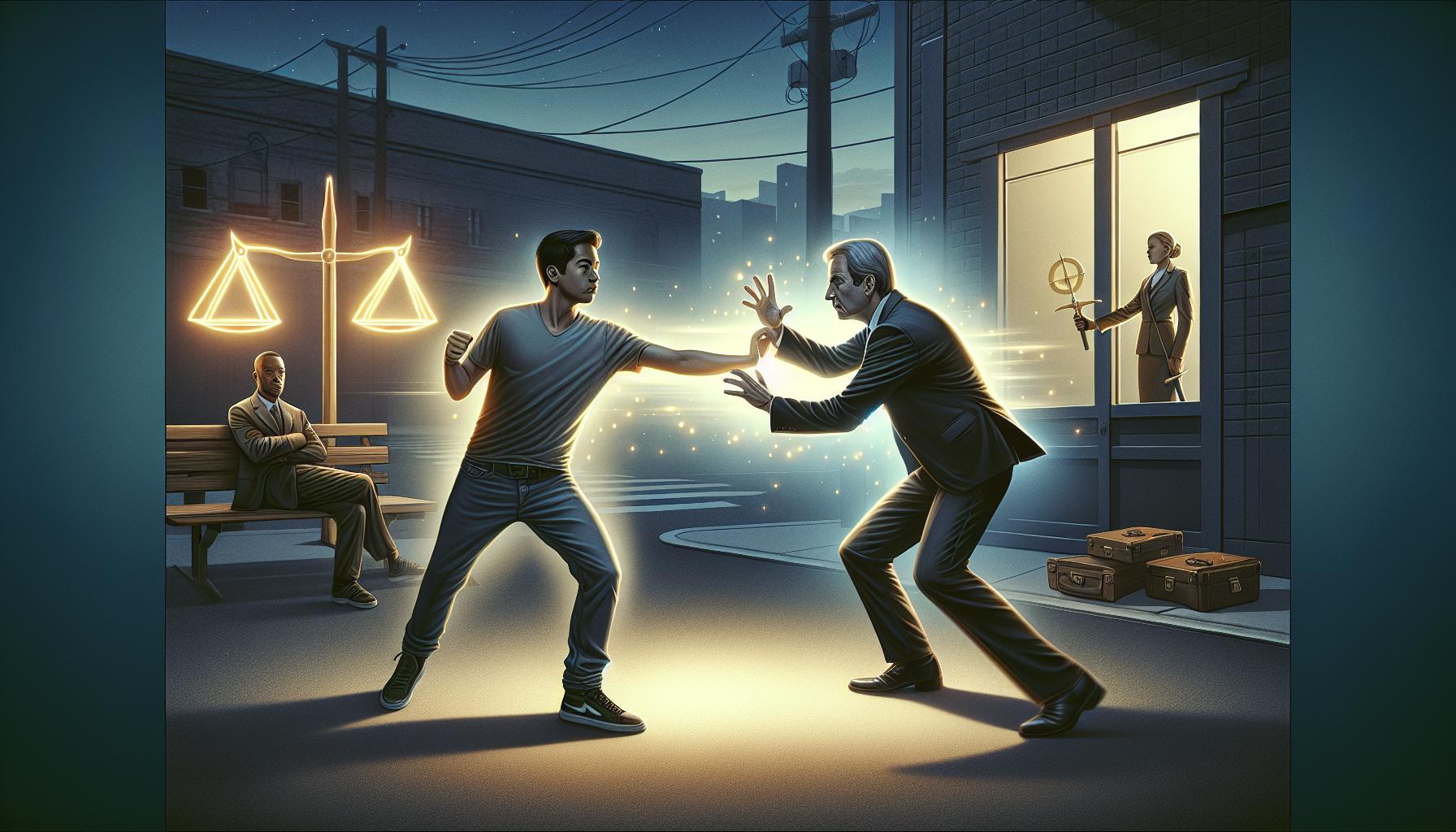
Legal Aspects of Self Defense: Know Your Rights
Understanding the intricacies of self-defense law is paramount for anyone seeking to protect themselves. In many jurisdictions, you have the legal right to defend yourself when faced with imminent threats. This right is typically governed by self-defense laws that delineate the conditions under which force, including deadly force, may be used. For instance, in states with “stand-your-ground” laws, individuals are not required to retreat before using force if they believe such force is necessary to prevent serious harm or death, which contrasts sharply with jurisdictions that impose a “duty to retreat” before employing defensive measures in a confrontation [1].
Key Legal Concepts
It is essential to grasp two pivotal concepts in self-defense: proportional response and reasonable belief. Proportional response means that the level of force used in self-defense must align with the threat faced. If someone approaches you aggressively, you might be justified in using physical force, but the use of deadly force would only be appropriate if you believed you were in immediate danger of death or serious injury. Reasonable belief refers to what an average person would perceive in a given situation. Courts assess whether your belief in the necessity of using force was reasonable based on the circumstances at the moment of the encounter.
State-Specific Regulations and Examples
Different states have varied approaches to self-defense laws, making it vital to understand the specific regulations in your area. For instance, New York’s self-defense laws do not generally permit the use of deadly force unless there is a reasonable belief that such force is necessary to protect against imminent death or serious physical injury [2]. In contrast, Florida, which has a stand-your-ground law, allows individuals to use deadly force without the duty to retreat in public spaces.
This regional differentiation emphasizes the importance of legal education for anyone interested in self-defense. Engaging with local legal resources, attending workshops, or consulting with a legal expert who specializes in self-defense can provide invaluable insights to ensure your actions remain within the law.
Moral and Ethical Considerations
While it is critical to understand your legal rights, it is equally important to navigate the moral implications of self-defense. The overarching principle is that the use of force should always be a last resort, emphasizing de-escalation and avoidance whenever possible. Situations can deteriorate quickly and lead to legal consequences that affect not just your life but also the lives of others involved. Empower yourself through knowledge, training, and situational awareness, ensuring that when you must act, you do so with a clear understanding of both the legal framework and the ethical responsibilities that come with such actions.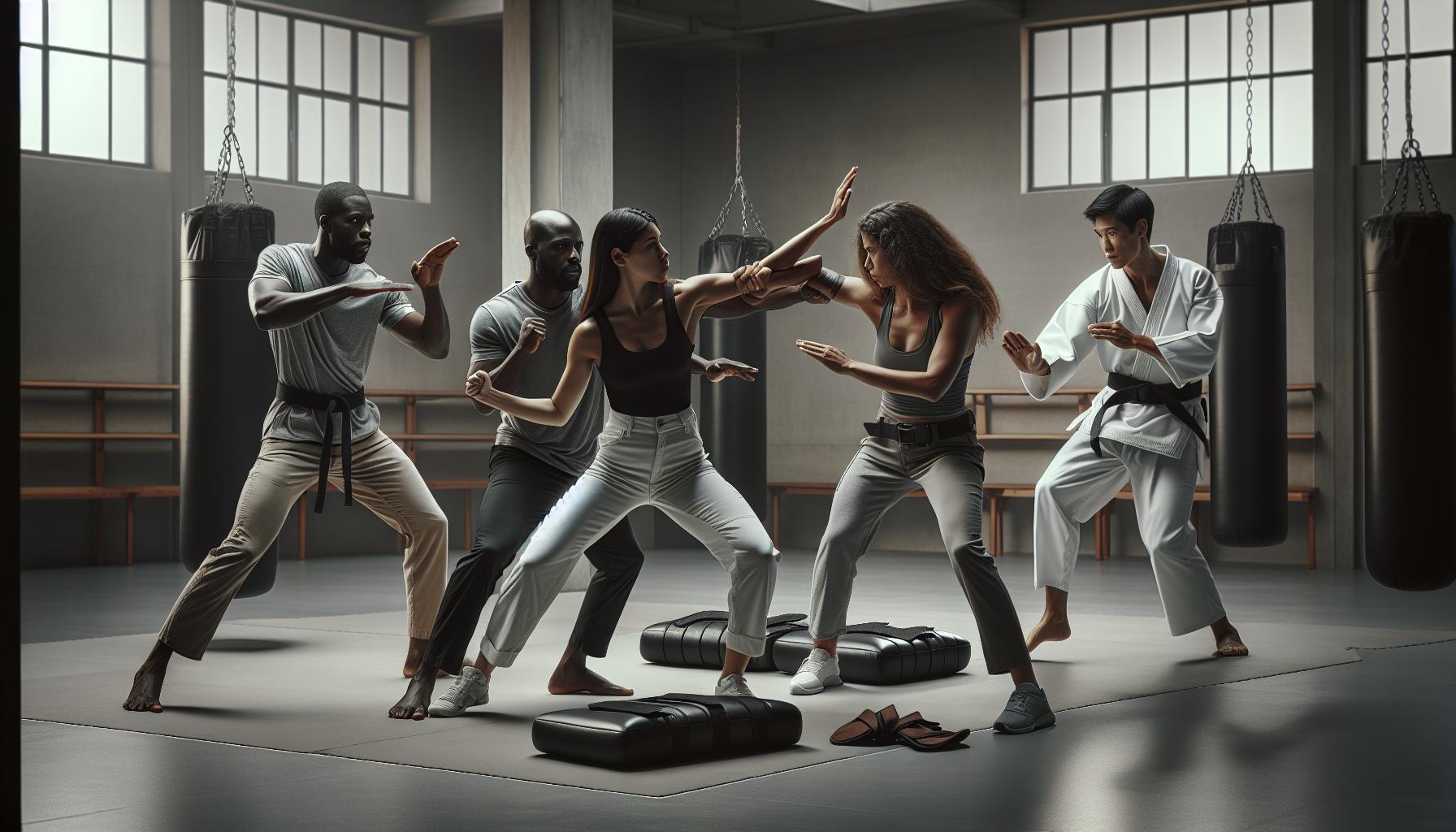
Evaluating Popular Self Defense Systems: Pros and Cons
The world of self-defense offers a diverse range of systems, each with its own strengths and weaknesses. Evaluating these systems effectively can help you choose the one that fits your needs most appropriately. To facilitate a comprehensive understanding, here’s an exploration of some popular self-defense systems, including their pros and cons.
Krav Maga
Krav Maga is known for its straightforward, no-nonsense approach to self-defense. Developed by the Israeli military, it focuses on real-world situations and quick, effective techniques.
- Pros: Rapidly adaptable and effective against various threats; emphasizes strikes to vulnerable areas of the body and instinctive movements.
- Cons: Limited emphasis on grappling or ground fighting, which may not prepare practitioners for all confrontation types.
Brazilian Jiu-Jitsu (BJJ)
Brazilian Jiu-Jitsu emphasizes ground fighting and submission techniques, making it particularly effective for one-on-one confrontations, especially if the fight goes to the ground.
- Pros: Ideal for smaller individuals to defend against larger attackers; builds confidence through technique rather than sheer strength.
- Cons: Less focus on striking means practitioners may struggle if confronted in an upright position.
R.A.D. (Rape Aggression Defense) System
Designed specifically for women, the R.A.D. System teaches realistic self-defense tactics that women can use against male attackers.
- Pros: Focuses on awareness and prevention techniques alongside physical self-defense methods.
- Cons: May not cover advanced techniques or applications for more serious confrontations beyond the target audience.
Mixed Martial Arts (MMA)
MMA incorporates a wide range of striking and grappling techniques from various martial arts disciplines.
- Pros: Provides a comprehensive skill set applicable in competitive scenarios; effective for handling different types of confrontations.
- Cons: The focus on sport may lead to less emphasis on self-defense specific tactics, such as situational awareness and de-escalation techniques.
Each self-defense system has its unique context and relevance, making proper evaluation based on individual needs crucial. Ultimately, the best system may incorporate elements from several styles, focusing on the principles of safety, legality, and ethical use of force. By understanding the pros and cons of each approach, you can better equip yourself for real-world applications while maintaining the highest standards of personal safety and responsibility.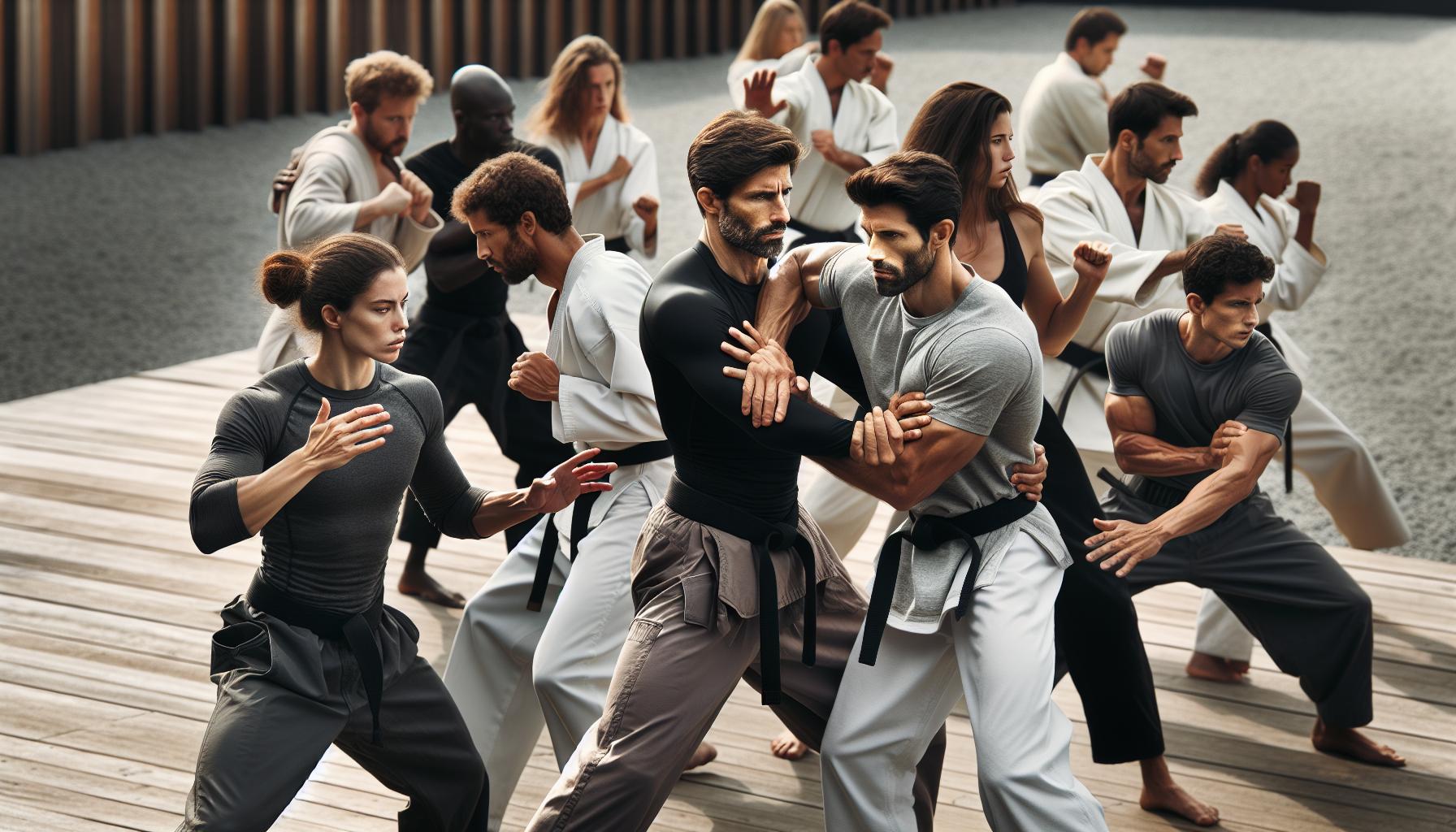
Martial Arts for Self Defense: Which Style Works Best?
When it comes to choosing a martial art for self-defense, understanding the nuances of different styles can be the key to effectively protecting yourself in a real-world scenario. Each martial art offers unique techniques and philosophies that cater to specific situations, whether you face an unarmed opponent or a larger aggressor. Making an informed choice means considering your personal needs, physical abilities, and the realistic scenarios you might encounter.
Krav Maga: Practical Application
Krav Maga is often hailed as one of the most effective self-defense systems due to its focus on real-world scenarios. Developed for the Israeli military, it emphasizes instinctive movements, strikes to vulnerable areas, and quick resolution to threats. The pros of Krav Maga include its adaptability; practitioners learn to handle various types of attacks, including armed ones. However, it is essential to note that Krav Maga typically provides limited training in grappling, which could leave one vulnerable if the conflict goes to the ground.
Brazilian Jiu-Jitsu (BJJ): Ground Techniques
On the other hand, Brazilian Jiu-Jitsu focuses on grappling and ground fighting, making it particularly effective for one-on-one encounters. BJJ’s techniques allow smaller practitioners to defend against larger attackers by using leverage and technique rather than brute strength. This can empower someone who might feel less confident in their physical ability. However, practitioners should be aware that BJJ may not adequately prepare them for confrontations that remain standing or feature multiple attackers.
Mixed Martial Arts (MMA): Comprehensive Skill Set
Mixed Martial Arts combines elements from various disciplines, offering a well-rounded approach that includes striking, grappling, and clinch work. MMA training can provide effective self-defense techniques, especially for those who also want to compete. Yet, the sport-oriented perspective might mean less focus on de-escalation tactics and situational awareness, which are crucial for self-defense scenarios.
Women’s Self-Defense Systems: Tailored Focus
Specific self-defense systems, like the R.A.D. (Rape Aggression Defense) System, cater particularly to women, addressing unique challenges they might face. These courses often focus on awareness, prevention, and applicable physical techniques against male attackers. While they provide valuable skills, some might find that they lack advanced techniques or strategies useful in more severe confrontations.
Ultimately, the best martial art for self-defense is not a one-size-fits-all answer; it involves evaluating your situation, understanding the strengths and weaknesses of each style, and potentially integrating techniques from multiple disciplines. Whichever option you choose, ensure that your training emphasizes not only physical readiness but also the understanding of the legal and moral implications of using force, allowing you to empower yourself responsibly.
Unarmed vs. Armed Self Defense: What You Need to Know
In confrontations involving self-defense, the distinction between unarmed and armed scenarios can significantly influence one’s strategy and response. Knowing the potential dynamics of each situation is essential for making informed decisions when faced with a threat. Understanding these differences can empower individuals by providing clarity on effective techniques and the necessary legal considerations when responding to danger.
When it comes to unarmed self-defense, techniques often revolve around manipulating distance, timing, and leveraging physical advantage. Martial arts such as Krav Maga and Brazilian Jiu-Jitsu provide necessary skills to disable or escape from an attacker without weapons. These systems emphasize using strikes to vulnerable areas, such as the eyes, throat, or groin, and employing grappling techniques to subdue an aggressor safely. Training focuses not only on physical execution but also on situational awareness and de-escalation strategies. When faced with an unarmed assailant, understanding how to quickly disengage and retreat is critical, as many situations can escalate rapidly.
On the other hand, confronting an armed attacker requires a different mindset and approach. The nature of the threat posed by a weapon-be it a knife, gun, or other implement-demands a heightened awareness of the legal implications surrounding self-defense. In many jurisdictions, using force against an armed attacker is justifiable if you fear for your life. However, responding with lethal force in any confrontation must adhere to strict legal definitions and proportionality. The use of weapons for self-defense, such as pepper spray or personal alarms, provides effective options without the need for physical confrontation. Understanding the laws governing weapon carry and use in your state is crucial, as misuse can lead to severe legal repercussions.
In both armed and unarmed scenarios, de-escalation remains paramount. Verbal communication and body language can often diffuse a potentially violent situation without resorting to physicality. When assessing a conflict, identifying the motivation behind an attack can provide insight into how to navigate the encounter safely. In cases where physical response is required, training should include realistic scenarios that reflect the pressures of real-world encounters, emphasizing instinctive reactions and the ethical ramifications of force.
Overall, training in both unarmed and armed self-defense equips individuals with the tools necessary to assess threats effectively and respond appropriately. Each path offers unique strategies and legal considerations; thus, integrating both perspectives into your preparedness plan is the most comprehensive approach to personal safety.
Scenario-Based Self Defense: Real-Life Application Techniques
In real-life confrontations, the ability to apply self-defense techniques effectively can mean the difference between safety and harm. Scenario-based training enhances your readiness by allowing you to practice responses to various attack situations. This form of preparation not only builds physical skill but also mental fortitude, enabling you to react appropriately under pressure.
One key scenario involves an unarmed assailant. In such cases, understanding how to create distance and control movement is vital. For instance, if approached aggressively, a well-timed sidestep followed by a strike to a vulnerable area-like the throat or eyes-can give you the advantage you need to escape. It’s essential to practice these techniques repeatedly, as muscle memory plays a critical role during high-stress encounters. Drills that simulate grabbing or pushing can help you learn to break free from holds and safely disengage.
Another scenario to consider is facing an armed attacker. Here, threats vary significantly based on the weapon involved-be it a knife or firearm. Engaging an attacker with a knife, for example, requires a combination of speed and awareness. Using the environment to your advantage, such as putting obstacles between yourself and the assailant, can provide crucial seconds to escape. If physical confrontation is unavoidable, training in systems like Krav Maga emphasizes disarming techniques that focus on redirecting the attacker’s energy to minimize injury to yourself.
The importance of legal knowledge also underpins these scenarios. Each technique used must align with the self-defense laws specific to your state. For example, if you use force greater than necessary when a non-lethal response would suffice, legal repercussions could follow. Practicing scenario-based drills that include discussions surrounding the associated legalities can enhance your understanding of when and how much force is appropriate, keeping you on the right side of the law while protecting yourself.
Ultimately, the goal of scenario-based self-defense training is not just to teach you how to fight but to develop a mindset that prioritizes safety, de-escalation, and ethical responses. By repeatedly exploring these situations, you not only build the necessary skills but also instill confidence that allows for a measured approach to any threat.
De-escalation Strategies: Avoiding Physical Confrontation
When faced with a potentially threatening situation, the most effective form of self-defense often lies not in physical confrontation, but in de-escalation strategies. Engaging in a verbal or non-verbal dialogue to diffuse tension can significantly diminish the risk of violence. A calm demeanor, respectful tone, and clear communication can work wonders in turning a volatile situation toward a peaceful resolution. For instance, instead of responding to aggression with aggression, addressing the confrontational individual with empathy and understanding can help to ease their frustration and redirect the encounter.
Key De-escalation Techniques
- Active Listening: Show that you are paying attention to the speaker by nodding and using verbal affirmations like “I see” or “I understand.” This can help them feel heard and may ease their aggression.
- Maintain Calmness: Your body language and tone play a crucial role. Keep an open posture, avoid crossing your arms, and maintain steady eye contact without staring, as this can indicate you’re not a threat.
- Use Low-Stress Communication: Speak slowly and in a soft tone. Simple phrases can convey a desire for peace, such as, “Let’s try to work this out together.” Avoid sounding confrontational or defensive.
- Find Common Ground: Acknowledge the other person’s feelings and express understanding of their situation. This establishes rapport and may help to mitigate their anger.
Mindset and Awareness
Being aware of your surroundings and recognizing early signs of tension can help you employ de-escalation techniques effectively. Developing a mindset focused on safety and avoidance rather than proving a point is crucial. Remember, the goal is to protect yourself and others from harm. This means prioritizing non-violent resolutions even in the face of direct challenges.
Furthermore, if a situation escalates beyond words, having a plan for disengagement is equally important. Know when to remove yourself from a scenario-this might mean walking away or finding a public area populated with people where the aggressor might feel less empowered to continue their confrontation.
Ultimately, mastering de-escalation strategies not only empowers you with the skills needed to avoid physical confrontations but also reinforces a mindset that values safety, respect, and ethical considerations in self-defense scenarios. By prioritizing these techniques, you create an environment that may prevent violence before it starts, significantly improving your overall safety and the safety of those around you.
Self Defense Weapons: Options and Legal Considerations
In a world where personal safety is a growing concern, understanding the landscape of self-defense weapons is crucial for anyone looking to safeguard themselves effectively. Various options are available, from non-lethal tools like pepper spray to more serious weapons such as firearms. However, the legal ramifications of carrying and using these weapons are multifaceted and vary significantly by jurisdiction. Knowing your options and the laws governing them can empower you to make informed decisions about your personal safety.
Popular Self-Defense Weapons
Many choose non-lethal self-defense weapons due to their effectiveness without the potential for lethal consequences. Common choices include:
- Pepper Spray: Easy to carry and generally legal, although restrictions may exist regarding size, formulation, and use in certain locations.
- Tasers and Stun Guns: These devices can immobilize an attacker temporarily. Legalities vary widely-some states allow carry, while others have restrictions.
- Personal Alarms: These emit loud sounds to draw attention but don’t cause harm. They are legal almost everywhere.
- Knives: Carrying a knife for self-defense may be legal but often comes with restrictions on blade length and concealed carry.
- Firearms: Carrying a firearm for self-defense is legal in many states, often requiring permits and adherence to strict regulations.
It’s vital to research local laws on these weapons thoroughly, as legal definitions can vary. For instance, in some states, pepper spray can only be carried with a specific capsaicin percentage, and while certain knives are legal to carry, using them in a self-defense situation must adhere to the standard of reasonable force.
Legal and Ethical Considerations
Understanding self-defense laws is paramount to ensure your actions are justifiable if a confrontation arises. In general, self-defense laws permit the use of reasonable force to protect oneself from immediate harm. This means the response must align proportionally with the level of threat faced. For example, responding to verbal threats with a lethal weapon is likely to be seen as excessive.
Consider the following key legal principles related to self-defense:
- Duty to Retreat: In some jurisdictions, you may be required to retreat from the situation if safe to do so before using force.
- Proportionality: The level of force you use must correlate with the perceived threat. Non-lethal measures should be your first line of defense.
- Stand Your Ground Laws: Certain states have laws allowing individuals to use force without a duty to retreat when they feel threatened in any location where they have a legal right to be.
It’s essential for self-defense practitioners to not only consider the physical aspects of their weapons but also the moral implications of their use. Engaging in self-defense should always prioritize de-escalation and the minimization of violence whenever possible. Before reaching for a weapon, one should exhaust all other means of resolution, keeping in mind that the use of force can lead to severe legal and personal consequences.
In conclusion, an informed approach to self-defense weapons includes understanding both your options and the laws governing their use. Balancing practicality with legal and ethical considerations will empower you to protect yourself responsibly and effectively.
Training for Self Defense: Finding the Right Classes
Finding the right self-defense class can be a transformative experience, equipping individuals with not only physical techniques but also the mindset needed to navigate threatening situations. Before enrolling, consider what you hope to achieve. Whether your goal is to gain confidence, learn specific defense techniques, or improve your fitness, aligning your objectives with the right training program is essential.
When evaluating self-defense classes, it’s important to research the instructor’s qualifications and the curriculum’s structure. Look for programs that emphasize the legal and ethical implications of self-defense, promoting safety and responsible use of force. Classes like Krav Maga focus on practical techniques for real-life encounters, while Brazilian Jiu-Jitsu offers grappling skills that can be effective in close-range confrontations. It’s beneficial to understand the distinctions between styles to find one that resonates with your personal comfort level and the scenarios you might face.
Participation in a trial class can provide insight into teaching methods and group dynamics. A supportive environment is crucial for learning; therefore, classes that foster respect and inclusivity, while challenging participants to step outside their comfort zones safely, tend to yield the best results. Additionally, consider the size of the class. Smaller groups often allow for more personalized attention, ensuring you receive appropriate feedback on your technique and understanding of the material.
Moreover, mental preparedness is a key component of effective self-defense training. Seek classes that incorporate situational awareness and de-escalation strategies, ensuring that participants are not only learning how to defend themselves physically but also how to assess risks and avoid confrontation when possible. Ultimately, the best self-defense program combines physical skills with mental resilience, creating a comprehensive approach to personal safety.
In conclusion, carefully selecting a self-defense class involves understanding your goals, researching instructors, experiencing trial classes, and acknowledging the importance of mental preparedness. The investment made in training should reflect a commitment to personal safety, self-discipline, and an ethical approach to conflict resolution.
Mental Preparedness: Developing the Right Mindset
Developing the right mindset is critical in self-defense, as it can be the difference between avoiding a confrontation and responding effectively in a dire situation. Understanding that the objective is not just physical defense, but also mental acuity, will prepare individuals to respond appropriately under stress. The psychological element of self-defense involves cultivating an awareness of one’s surroundings, recognizing potential threats, and employing de-escalation techniques where possible.
Situational Awareness is the first step in mental preparedness. By being alert and mindful of our environment, we can often identify threats before they escalate. For instance, maintaining eye contact with individuals approaching in an unfamiliar setting can deter potential aggressors. Training in self-defense should include exercises to improve this awareness, such as regularly assessing one’s surroundings while engaging in everyday activities. Being proactive can minimize the likelihood of needing to use physical techniques.
Another critical aspect is de-escalation strategies. In many conflicts, aggression can be diffused without physical confrontation through effective communication. Techniques such as using a calm voice, setting boundaries, and creating physical space can often defuse escalating situations. Practicing scenarios in which these techniques are employed can help build confidence and readiness in real-life situations. Learning to recognize when to disengage or walk away is equally vital, and trainers should emphasize the importance of retreating from unnecessary confrontations.
Understanding Legal and Ethical Considerations
Having a solid grasp of the legal implications surrounding self-defense is equally important. This includes knowing what constitutes reasonable force and being aware of the laws specific to your state. Engaging in self-defense is a significant responsibility; if a situation arises, the use of force must be proportional to the threat faced. For example, if an individual is confronted verbally but not physically attacked, a verbal response or retreating rather than a physical strike would be legally justified. It’s essential to approach any self-defense training with a mindset focused on legality and ethics, understanding that the goal is to protect oneself, not to instigate violence.
Training should always focus on building confidence and discipline within a framework of respect for life and legality. This thoughtful approach equips individuals not only with physical skills but also with the mental fortitude needed to handle pressure effectively, emphasizing the importance of choosing peace over conflict whenever possible.
Safety Protocols in Self Defense Situations
In moments of danger, having a set of safety protocols can significantly enhance your ability to protect yourself and de-escalate potentially violent situations. It’s crucial to remember that the goal isn’t merely to defend oneself, but to navigate threats with a clear strategy focused on personal safety and legal considerations. Engaging in self-defense means accepting a mantle of responsibility-to use force only when absolutely necessary and in a proportionate manner.
Understanding and employing established safety protocols is paramount. These may include:
- Maintain Situational Awareness: Always be alert. Scan your environment regularly, noting exits and identifying any potential threats. Avoid distractions such as your phone, especially when walking alone in unfamiliar areas.
- Establish Boundaries: If approached by someone who makes you uncomfortable, use clear verbal communication to assert your space. For example, saying “I don’t want to talk” can often defuse an interaction before it escalates.
- Plan Escape Routes: When in vulnerable situations, think ahead about how to disengage. Know where your exits are and how to reach them quickly, should the need arise.
- Prevention Over Reaction: Whenever possible, choose non-violent strategies to handle confrontations. Walking away from a verbal argument can prevent escalation and potential violence.
Training scenarios can better prepare you to navigate unexpected confrontations. For example, role-playing exercises can help individuals practice how to react should they find themselves in an uncomfortable situation, reinforcing the application of verbal de-escalation techniques. An awareness of local self-defense laws is also crucial; knowing what levels of force are permissible can safeguard you from legal repercussions. Always prioritize actions that emphasize retreating rather than confronting.
In the end, the true essence of self-defense lies in the ability to recognize threats and respond with calm, calculated actions. It’s a mindset of empowerment-not aggression-that enables you to navigate the complexities of personal safety effectively. Prioritize de-escalation and avoidance as primary tactics, and prepare mentally and physically for situations where self-defense becomes a necessity.
Women’s Self Defense: Tailored Techniques and Strategies
In today’s world, women’s safety remains a pressing concern, and understanding self-defense tailored specifically for women is not just about physical strength, but also about strategy, awareness, and choosing the right tools. Women often face unique challenges in self-defense scenarios due to differences in size, strength, and societal expectations. Therefore, the most effective self-defense strategies are those that empower women to leverage their strengths while addressing their specific vulnerabilities.
One practical approach involves learning techniques focused on quick, effective responses when confronted with a threat. For instance, training in martial arts such as Krav Maga can be beneficial; it’s designed for real-world self-defense and emphasizes simple yet powerful techniques that a woman can use to escape from larger, stronger attackers. Other popular styles include Brazilian Jiu-Jitsu (BJJ), which teaches ground defense tactics, allowing individuals to defend themselves effectively even when engaged closely. Each martial art offers unique benefits: Krav Maga is practical and focused on confrontation, while BJJ promotes grappling techniques that can be extremely helpful in defensive scenarios.
Equipping oneself with tools can also enhance safety in threatening situations. Various non-lethal self-defense products, such as pepper spray, personal alarms, and tactical pens, are designed specifically for women. These tools can provide a critical advantage, enabling quick action without escalating violence. However, it’s essential to understand the legal implications of carrying such devices. For example, in some jurisdictions, there are regulations concerning the size, type, and use of pepper spray. Knowing your local laws can prevent legal repercussions while empowering you to defend yourself effectively.
Real-Life Application and De-escalation
Moreover, focusing on de-escalation strategies is crucial. Many confrontations can be defused with confident body language and assertive communication. Techniques such as maintaining proper distance, using a firm voice, and being aware of one’s surroundings can help reduce the likelihood of an encounter escalating into physical violence. Role-playing scenarios during self-defense classes can prepare women to react effectively and calmly when faced with unexpected situations.
Ultimately, the best self-defense approach for women integrates physical training, empowerment through skill-building, and the smart use of tools designed for personal safety. Prioritizing awareness and de-escalation as first-line strategies not only enhances personal safety but instills a sense of confidence and control. Remember, self-defense is less about confrontation and more about ensuring one’s safety through informed choices and preparedness.
FAQ
Q: What are the most effective self-defense techniques for beginners?
A: The most effective self-defense techniques for beginners include situational awareness, basic striking (like punches and kicks), and escape maneuvers. Focus on learning defense against common attacks, practicing de-escalation strategies, and enrolling in a beginner-friendly self-defense class to build confidence and skills.
Q: How can I choose the right self-defense system for my needs?
A: To choose the right self-defense system, assess your personal safety concerns, physical abilities, and goals. Research different styles such as Krav Maga, Brazilian Jiu-Jitsu, or Boxing. Consider trying multiple classes to find which method feels the most effective and comfortable for you while aligning with your lifestyle.
Q: What is the difference between traditional martial arts and modern self-defense systems?
A: Traditional martial arts focus on forms, discipline, and often have an artistic element, while modern self-defense systems, like Krav Maga, are designed for real-world scenarios and emphasize practical techniques. Understanding this difference can help you select a method that suits your self-defense needs.
Q: When should I use physical self-defense?
A: Physical self-defense should only be used as a last resort when facing immediate danger. Always prioritize de-escalation strategies to avoid confrontation. If attacked, respond only to the level of threat, ensuring your actions comply with legal standards for self-defense in your area.
Q: Why is mental preparedness crucial in self-defense?
A: Mental preparedness is crucial because it helps you stay calm and make quick decisions during a stressful situation. Techniques include visualization, understanding your emotions, and acceptance of the possible outcomes. Building mental resilience can enhance your physical self-defense training effectiveness.
Q: How do laws affect my self-defense actions?
A: Self-defense laws vary by location, but generally, you can use reasonable force to protect yourself from harm. Familiarize yourself with your state’s legal guidelines regarding self-defense to understand the limits of use and avoid legal repercussions. Always consult with a legal expert if uncertain.
Q: Are there self-defense strategies specifically for women?
A: Yes, many self-defense strategies are tailored for women, focusing on personal safety awareness, effective striking techniques, and specific escape tactics. Specialized classes often address common threats women face, empowering participants to react confidently and safely in various situations.
Q: What role does physical fitness play in self-defense effectiveness?
A: Physical fitness enhances your self-defense effectiveness by improving strength, speed, and endurance. Regular fitness training prepares your body to react swiftly and effectively under pressure, making it easier to execute techniques learned in self-defense classes. Prioritize fitness as part of your self-defense preparation.
In Retrospect
Understanding the best form of self-defense is essential for personal safety and confidence. Each system, whether it’s martial arts techniques like Krav Maga or Brazilian Jiu-Jitsu, or self-defense tools like pepper spray, has its unique advantages and legal considerations. Remember, effective self-defense is not just about physical techniques but also understanding your rights and the importance of proportional response. Equip yourself with knowledge and practice before facing real-life situations, as this prepares you to act ethically and responsibly.
If you found this information valuable, explore our articles on the best self-defense tools, and legal implications of self-defense to further enhance your understanding. Don’t hesitate to join our newsletter for regular updates on self-defense training and insights. Your safety is paramount-take action today, and empower yourself to navigate challenging situations with confidence and clarity. For personalized guidance, consider booking a consultation with a qualified self-defense expert. Stay informed, and remember, preparation can make all the difference in ensuring your security.