
In today’s world, the potential need for self-defense has become a pressing concern for many. Should the unfortunate situation arise where you shoot someone in self-defense, understanding the critical steps to take afterward is paramount. The legal and emotional repercussions can be overwhelming, and acting decisively and responsibly is essential. This guide will walk you through the necessary actions and legal considerations, empowering you to navigate the aftermath with clarity and confidence. Awareness of your state laws, the importance of contacting authorities, and securing legal representation can significantly impact the outcomes of such a harrowing experience. By preparing yourself with the right knowledge and mindset, you can turn a moment of fear into a controlled, informed response. Continue reading to uncover vital steps that protect both your safety and your rights.
What to Know About Self-Defense Laws
Understanding self-defense laws is crucial for anyone contemplating or having been involved in a defensive encounter. The principles surrounding self-defense dictate when and how much force an individual can use in threatening situations. Generally, the law allows for the use of force to protect oneself from imminent harm, but this force must be proportional to the threat faced and not initiated by the defender. For example, if someone is approached with a reasonable belief that they are facing unlawful physical force, they might be justified in taking defensive action. However, if they instigate the encounter, claiming self-defense may not hold up in court [2].
Legal criteria for self-defense vary by state, with some adopting “Stand Your Ground” laws that allow individuals to use force without the duty to retreat, while others may require a duty to seek safety if feasible. In Florida, for instance, the law permits the use of deadly force without retreat if the person feels their life is in imminent danger [3]. Moreover, actions taken in self-defense must be immediately necessary; once the threat is mitigated or removed, continuing to use force may lead to legal consequences.
It’s vital to understand that self-defense laws not only encompass criminal liability but can also extend to civil liabilities. Victims of an encounter may seek damages through civil suits, regardless of the outcome in criminal proceedings. Thus, the situational specifics should always be carefully assessed-and knowing the legal definitions of terms like “imminent threat” and “proportional response” can be pivotal. This knowledge empowers individuals to act wisely and within the boundaries of the law while ensuring their own safety.
Recognizing the Legal Limits of Self-Defense
Understanding the legal limits of self-defense is critical for anyone considering the use of force in a threatening situation. Self-defense is typically only justified when faced with an imminent threat of harm-this means the danger must be immediate, specific, and present. In many jurisdictions, individuals are legally permitted to defend themselves or others without a duty to retreat, such as under “Stand Your Ground” laws, which exist in several states including Tennessee. Here, individuals do not have to retreat before using force, even deadly force, if they reasonably believe they are in danger of serious bodily harm or death [1].
To navigate self-defense laws effectively, it is essential to recognize what constitutes an “imminent threat” and a “proportional response.” The law does not allow preemptive strikes or retaliation after a threat has subsided; continuing use of force when the attack has ended can result in criminal charges [2]. This principle emphasizes the need for individuals to assess the situation carefully. For instance, if a person feels threatened but is not facing immediate danger-such as being verbally confronted without physical escalation-responding with physical force could misinterpret the law and lead to legal consequences.
Moreover, being aware of the legal distinctions between “justified” self-defense and “imperfect” self-defense is crucial. Imperfect self-defense occurs when a person believes they are acting in self-defense but their belief is unreasonable or the force used exceeds what is necessary. Understanding these nuances not only helps to ensure lawful actions but also guides individuals towards safer, de-escalatory alternatives whenever possible. Whether it’s through verbal de-escalation techniques or disengagement, employing non-violent methods in risky encounters can often avert irreversible consequences.
Ultimately, the goal should be to protect oneself safely and legally, ensuring that any response is justified both ethically and within the bounds of the law. Familiarity with the specific self-defense statutes in your state, as well as regular training and practice in self-defense techniques, prepares individuals to handle real-life threats while respecting legal boundaries.
Immediate Actions After a Defensive Shooting
In the aftermath of a defensive shooting, immediate actions can significantly influence the legal outcome and your personal safety. When the last shot has been fired, your first priority should be to ensure your own safety and that of those around you. If the threat has been neutralized, avoid using any further force. Assess your surroundings carefully-look for additional threats and check on the well-being of any injured parties.
Once you are safe, promptly call 911. Clearly state that you have been involved in a shooting incident and require immediate assistance. When speaking with law enforcement, maintain a calm demeanor. Provide basic details of the situation, but refrain from making expansive statements or admissions. This is critical; anything you say can be used against you later. Instead, express your willingness to cooperate and make it clear that you will provide a formal statement once you have legal representation.
Documentation is also a vital step. If it is safe to do so, take notes about what occurred immediately after the incident. Include details such as the sequence of events, your perceived threat level, and any relevant environmental factors. This documentation can serve as an essential reference when recounting the event to your attorney or during legal proceedings. Additionally, secure any evidence at the scene, such as photographs of your surroundings, the positions of involved parties, and other pertinent details that might support your account of self-defense.
As your body and mind begin to process the incident, focus on de-escalation and emotional care. The psychological aftermath of a shooting can be profound, and seeking support through counseling or speaking with a professional experienced in trauma can assist in navigating this challenging time. Understanding that you did what you believed was necessary to protect yourself is crucial, but so is addressing the emotional toll it may take. Always prioritize both your physical safety and mental well-being following such high-stress encounters.
Documenting the Incident for Legal Safety
In the chaotic moments following a defensive shooting, the importance of proper documentation cannot be overstated. What you capture immediately after the incident can significantly influence both your legal standing and your peace of mind. The act of self-defense is, by nature, reactive and often contentious; your ability to clearly recount events will serve not only as your defense but also as a crucial element in the legal process that follows.
Start by taking thorough notes as soon as it is safe to do so. Aim to record details such as the timeline of events, your assessment of the threat level, and any significant interactions with the assailant. Specifics matter: what words were exchanged, how they escalated, and your responses. Use objective language-this is not the time for emotional reflections, but rather, a factual account of how you perceived the situation and why you believed force was necessary.
If the scene allows, take photographs and gather physical evidence. Images can provide context to your claims, illustrating everything from the positions of involved parties to environmental factors that influenced your decision-making. Ensure you capture the scene from various angles, as this might reveal details overlooked in initial recollections. Additionally, securing witness statements can be invaluable. Whether through direct contact or later outreach, individuals who witnessed the incident can corroborate your account, enhancing its credibility.
Finally, it’s crucial to prioritize your mental well-being while navigating this stressful incident. The emotional burden of a defensive shooting can be profound, and documenting your experience can also serve as a therapeutic process. However, always remember that your documentation is not merely personal; it is a vital piece of evidence should legal questions arise regarding your actions. By approaching this task with seriousness and care, you can bolster your defense and contribute to a more positive resolution overall.
Communicating with Law Enforcement: Best Practices
In the immediate aftermath of a defensive shooting, how you communicate with law enforcement can significantly impact the outcome of the situation. It’s critical to understand that police officers will arrive at a chaotic scene, and their primary responsibilities are to secure the area and ensure everyone’s safety. Your demeanor and conduct during this interaction can either help clarify the events or complicate the legal process that follows.
First and foremost, approach officers with respect and composure. If you find yourself in a position where you’ve defended yourself, it’s essential to comply with all lawful instructions from the police. Politely inform them that you were involved in a self-defense situation. Using clear and calm language can alleviate tension; panic or hostility may lead to misunderstandings or escalate the situation. Remember that you have the right to remain silent. Consider saying something like, “I will cooperate, but I wish to speak with a lawyer before answering any questions,” indicating your intent to engage without compromising your legal rights.
While communicating with law enforcement, focus on providing a factual account of the incident without embellishment or excessive detail. Stick to key points regarding the sequence of events, including any threats you perceived and the actions you took in response. Avoid discussing your emotional state or opinions about the situation, as these subjective reflections may be interpreted differently and could affect your case. Maintain objectivity by describing what you witnessed and how you responded to perceived threats, rather than diving into conjecture about motivations or larger narratives. This approach not only protects your legal standing but also aids officers in understanding the situation clearly.
Additionally, documenting your account separately when safe is invaluable. Take notes detailing your perspective, as memories can fade or become distorted over time. Ensure to capture not just what happened but also your reasoning for acting in self-defense. This documentation, combined with witness statements and any physical evidence, can be instrumental in substantiating your claims later on. Keep in mind that any misstatements or inconsistencies made during your interaction, however minor, may be scrutinized and could impact your legal defense. Always prioritize clarity and honesty in your communication to law enforcement, and remember: the goal is to ensure your story is heard while protecting your legal rights.
Navigating Psychological Impact Post-Incident
The aftermath of a defensive shooting often leaves individuals grappling with intense psychological effects, a reality that can be as challenging as the physical confrontation itself. Witnessing or being involved in a violent incident can trigger a range of emotional responses, including fear, anxiety, guilt, and confusion. Understanding these responses and taking proactive steps to address them is essential for your mental well-being.
It’s crucial to acknowledge that feelings of distress are a normal reaction to an abnormal situation. Many people report symptoms resembling post-traumatic stress disorder (PTSD), such as intrusive thoughts, nightmares, or heightened anxiety in situations that remind them of the event. To navigate these feelings effectively, consider the following approaches:
- Seek Professional Support: Engaging with a mental health professional experienced in trauma can be invaluable. Therapy provides a safe space to process emotions and develop coping strategies.
- Connect with Support Groups: Talking to others who have experienced similar situations can help you feel less isolated. Support groups can provide camaraderie and shared coping strategies.
- Practice Self-Care: Prioritize activities that promote relaxation and mental clarity, such as exercise, meditation, or hobbies you enjoy. Caring for your physical health can positively impact your mental state.
Engaging in stress relievers and establishing a routine can aid in regaining a sense of normalcy. Limit exposure to news coverage of violence or discussions that trigger distress. Instead, focus on activities that foster relaxation and positive engagement.
Additionally, it’s important to recognize that your legal situation may also weigh heavily on your psyche. The uncertainty of legal proceedings can exacerbate feelings of anxiety and fear. Staying informed about your rights and working with a qualified attorney can provide a sense of control and reassurance during this tumultuous time.
Ultimately, healing from the psychological impact of a defensive shooting requires time and support. Being proactive about your mental health and understanding that recovery is a process can empower you to navigate this complex terrain with resilience.
Preparing for Legal Proceedings: Key Considerations
Preparing for legal proceedings after a defensive shooting can be a daunting experience. It’s crucial to approach this complex situation with a clear understanding of the legal landscape surrounding self-defense. Many individuals mistakenly believe that simply claiming self-defense is enough to absolve them of legal consequences; however, the reality is that thorough preparation and informed actions are essential in these cases.
Firstly, familiarize yourself with the self-defense laws in your jurisdiction. In many states, self-defense laws allow for the use of reasonable force to protect oneself from imminent harm, but the specifics can greatly vary. Understanding the nuances of “Stand Your Ground” and “Duty to Retreat” laws in your state can mean the difference between civil and criminal liability.1 For instance, Texas law permits the use of force, but what constitutes “reasonable” may change based on the circumstances of the confrontation.3
Documenting the incident meticulously is also imperative. As soon as it is safe to do so, write down everything you remember about the event, including what led up to it, the actions of everyone involved, and your feelings during the confrontation. This documentation will be invaluable later in court. Consider taking photographs of the scene and any injuries, as well as collecting witness statements immediately after the incident.
Lastly, don’t underestimate the psychological toll that such events can have on you. Engaging with a mental health professional following a shooting can help you navigate the emotional aftermath while also providing clarity for your legal strategy. Evidencing your mental state and response to the situation can be useful in portraying your mindset to jurors or during legal discussions.nApproaching legal proceedings with caution, clarity, and a well-prepared strategy will significantly enhance your chances of achieving a favorable outcome. Always consult with experienced legal representation familiar with self-defense cases, as navigating these waters requires both legal acumen and emotional fortitude.
Choosing Legal Representation: What to Look For
Choosing the right legal representation following a defensive shooting can significantly impact the outcome of your case. The stakes are high, encompassing both potential criminal charges and civil liabilities. Therefore, it’s crucial to identify an attorney who specializes in self-defense cases and is well-versed in the laws of your state.
When exploring options for legal counsel, prioritize attorneys with a strong track record in self-defense claims. Look for professionals who can demonstrate successful outcomes in cases similar to yours. These lawyers should not only be knowledgeable about self-defense laws and local statutes-such as “Stand Your Ground” and “Duty to Retreat”-but also possess trial experience. In the event your case goes to court, you need an advocate who can effectively communicate the nuances of your situation to a jury.
Furthermore, assess their communication style and willingness to educate you about the legal process. A strong attorney-client relationship built on trust and transparency will empower you throughout this challenging time. Ask potential lawyers how they plan to approach your case and enquire about their strategies for documenting evidence, gathering witness testimonies, and preparing for possible legal battles.
Lastly, consider their resources and support staff, as complex legal battles often require additional manpower to investigate facts thoroughly and prepare compelling arguments. An attorney with the right support will be better positioned to advocate for you vigorously while ensuring that all procedural aspects of your case are meticulously covered. This way, you can approach legal proceedings with confidence, knowing you have an expert on your side to navigate the complexities of self-defense law.
Understanding Criminal vs. Civil Liability
The legal landscape following a self-defense incident can be intricate and daunting. Understanding the distinction between criminal and civil liability is crucial for anyone who finds themselves in such a situation. In a nutshell, criminal liability deals with actions that violate laws designed to protect the public, while civil liability pertains to disagreements between individuals, typically involving compensation for damages.
In a criminal case, the state prosecutes an individual who allegedly committed a crime, which in self-defense cases usually involves determining whether the use of force was justified. For instance, if a person uses lethal force in a confrontation, the court will assess if they genuinely believed their life was threatened and whether their response was proportional. If deemed unjustifiable, the individual may face severe consequences, such as fines or imprisonment. On the other hand, civil liability arises when the victim of a self-defense incident, or their family, files a lawsuit seeking monetary damages for injuries sustained. This could include claims for medical expenses, pain and suffering, or wrongful death.
Key Differences
- Nature of Proceedings:
– Criminal: Prosecuted by the government; the burden of proof is “beyond a reasonable doubt.”
– Civil: Initiated by the injured party; the standard is “preponderance of the evidence.”
- Consequences:
– Criminal: Potential imprisonment, community service, or probation.
– Civil: Financial compensation or punitive damages.
It’s important for individuals who have acted in self-defense to consult with a knowledgeable attorney to navigate both potential criminal charges and civil lawsuits. Protecting oneself physically is only part of the equation; understanding and preparing for potential legal repercussions is essential to ensure that one’s rights and interests are defended effectively. A well-rounded approach to self-defense not only involves the practical aspects but also a keen awareness of its legal implications, allowing individuals to act confidently and responsibly in high-stakes situations.
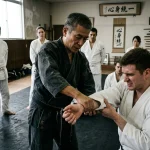
Assessing Self-Defense Training Options
In today’s increasingly unpredictable world, learning effective self-defense techniques can be as crucial as understanding the legal nuances surrounding their use. Many individuals question where to start when considering self-defense training. The right training can empower you to protect yourself while fostering a deep respect for the potential consequences of using force. Committing to practical training not only builds confidence but also instills a nuanced understanding of what constitutes appropriate defensive actions.
When , it’s essential to consider various martial arts disciplines, each tailored to different needs and circumstances. For instance, Krav Maga emphasizes real-world scenarios and quick, efficient techniques designed to neutralize threats swiftly. It’s rooted in a philosophy of surviving against all odds, focusing on instinctive movements, situational awareness, and countering attacks effectively. On the other hand, Brazilian Jiu-Jitsu (BJJ) stresses ground fighting and submissions, enabling a smaller person to defend against a larger attacker by employing leverage and technique. Each style has its strengths, and choosing one should align with your comfort level, physical ability, and personal safety goals.
Another significant factor to consider is the training environment. Seek out reputable schools or instructors who prioritize safety and ethical considerations in their teachings. Look for programs that include de-escalation strategies and stress the importance of using defensive techniques only as a last resort. This approach not only helps mitigate potential legal issues but also cultivates a responsible mindset in students. Training should encompass legal aspects of self-defense, making sure you understand when and how you can legally protect yourself.
Lastly, as you explore your options, engage with instructors who can provide valuable insights based on real-life experiences. Many self-defense classes incorporate scenario-based training that allows you to practice your reactions in simulated encounters, which can help solidify your skills and reinforce the understanding of appropriate force. Whichever path you choose, remember that effective self-defense training is not just about physical ability but also about instilling the moral and legal awareness essential for making informed decisions in critical moments.
Comparing Self-Defense Weapons: Pros and Cons
Choosing the right weapon for self-defense is a critical decision that can significantly impact your ability to protect yourself effectively and legally. Each type of self-defense weapon comes with its own set of advantages and disadvantages, making it essential to understand these factors fully before making a choice.
Pistols
Pistols are one of the most widely used self-defense weapons due to their accessibility and ease of use. They offer significant stopping power and can be effective in life-threatening situations. However, gun ownership also comes with a rigorous legal framework that varies by state, including licensing, carrying rules, and responsibilities in a self-defense scenario. In addition, firearms require regular training and practice to handle safely and effectively. Misuse or accidental discharge can lead to severe legal consequences or harm to innocents.
Personal Tasers and Stun Guns
Tasers and stun guns provide a non-lethal self-defense option that can incapacitate an aggressor temporarily. These devices are relatively easy to use and can provide a greater degree of distance between you and a potential attacker. However, they may not always be effective against determined individuals, particularly those under the influence of drugs or alcohol. Additionally, the legality surrounding their use varies widely, so it’s critical to check local laws before carrying one.
Pepper Spray
Pepper spray is another popular option, favored for its portability and ease of use. It can incapacitate an attacker long enough for you to escape. However, effectiveness can be compromised by factors such as weather conditions (like wind), and it may not work on everyone. As with other self-defense tools, you need to be aware of the legal restrictions or regulations regarding its usage in your area.
Impact Weapons
Impact weapons like batons or kubotans are effective for close-quarters defense and can be relatively simple to use. They allow you to defend yourself without needing to resort to lethal force. However, training is often necessary to wield them effectively, and using them can lead to significant legal repercussions if they cause injury.
In summary, when comparing self-defense weapons, consider not only their effectiveness but also the legal implications surrounding their use and the training required to use them safely. Regardless of the chosen weapon, remember that de-escalation should always be the first line of defense, with physical force being a last resort. Responsible ownership and understanding the legal landscape are paramount in any self-defense strategy.
Real-Life Scenarios: Self-Defense Case Studies
In high-stress situations involving self-defense, understanding the legal landscape can make all the difference. Case studies illustrate the complexities one faces when compelled to defend oneself with force. For instance, consider a hypothetical scenario where a homeowner encounters an intruder at night. The homeowner, startled and fearing for their life, grabs a firearm and discharges it in the direction of the intruder, who is armed and making threatening gestures. This case emphasizes the critical need to understand your state’s self-defense laws, particularly the principle of “reasonable belief” that one’s life is in imminent danger.
After discharging a weapon in self-defense, it’s vital to remember immediate actions that can protect you legally and personally. For example, staying at the scene can be crucial, as fleeing may create an impression of guilt. Notify law enforcement promptly, stating clearly that you were defending yourself, and avoid discussing details until your legal counsel is present. The following actions are paramount:
- Call 911: Report the incident, requesting medical assistance for anyone injured.
- Do not move the weapon: Leave the firearm in place to avoid tampering evidence.
- Provide basic information: State clearly that you acted in self-defense when questioned by law enforcement.
Real-life cases show mixed outcomes based on how individuals handled post-incident procedures. For instance, in a well-publicized case, a man in Florida was acquitted of all charges after a thorough investigation confirmed his use of deadly force was justified under the “Stand Your Ground” law. Conversely, another individual who mistakenly thought they were acting in self-defense but could not clearly articulate their immediate danger faced severe legal consequences. This highlights the importance of understanding both the letter and the application of self-defense laws in your jurisdiction.
In addition, the psychological impact of such incidents should not be underestimated. Those involved in self-defense situations often experience a range of emotions, from relief to guilt. Seeking professional help can be critical in navigating these feelings, ensuring that the aftermath does not adversely affect mental health.
Ultimately, the intersection of law, personal safety, and psychological well-being makes it essential to approach self-defense with both preparedness and the understanding of its serious implications.
Frequently Asked Questions
Q: What should I do immediately after shooting someone in self-defense?
A: Immediately secure the area and call 911. Ensure your safety and that of others first. Do not move the victim unless absolutely necessary. Follow the operator’s instructions and remain calm while waiting for law enforcement to arrive.
Q: How can I protect myself legally after shooting in self-defense?
A: Document all events leading up to and following the incident. Keep detailed notes about the situation and your reasons for using force. Seek legal counsel immediately to understand your rights and the proper steps to take for your defense.
Q: Should I talk to the police without a lawyer present after a self-defense shooting?
A: It is advisable to wait for legal representation before discussing the incident with the police. Anything you say can be used against you, so having a lawyer present can help protect your rights and guide your responses.
Q: Can I be charged with a crime after acting in self-defense?
A: Yes, even if you believe your actions were justified, you can still face criminal charges. The determination of self-defense is complex and can vary by jurisdiction. Legal representation is crucial in these situations.
Q: How can psychological aftermath affect my recovery after a self-defense shooting?
A: Experiencing a shooting event can cause significant emotional stress or trauma. It’s important to seek psychological support from professionals to navigate feelings of guilt, fear, or anxiety effectively.
Q: What are the common legal outcomes for self-defense shootings?
A: Legal outcomes can vary widely based on the circumstances and jurisdiction. Possible outcomes include dismissal of charges, self-defense acquittal, or conviction for a lesser degree of homicide depending on the evidence and legal arguments.
Q: How important is it to have self-defense training before a critical incident?
A: Having self-defense training is crucial as it prepares you physically and mentally for potential threats. It enhances your ability to assess situations and respond appropriately, potentially preventing violent encounters before they escalate.
Q: What role does witness testimony play in self-defense cases?
A: Witness testimony can be vital in establishing the context of the shooting and supporting your claim of self-defense. Ensuring that credible witnesses are present and can provide accurate accounts can significantly impact the case outcome.
In Conclusion
Understanding what to do if you shoot someone in self-defense is crucial for your safety and legal standing. Remember, acting decisively and responsibly can help protect not just yourself, but also your interests in potential legal proceedings. If this content resonated with you, explore our articles on understanding the legal aspects of self-defense and effective self-defense techniques to ensure you’re prepared in any situation.
Don’t let uncertainty hold you back. Subscribe to our newsletter for ongoing insights about self-defense laws and techniques that empower you to act responsibly. Have questions or personal experiences to share? We invite you to comment below and engage with a community dedicated to safety and empowerment. Stay informed, stay safe, and take the next step in becoming a more prepared individual today!
Get our latest guides, news, and insights highlighted in your Google Search & AI Overviews.