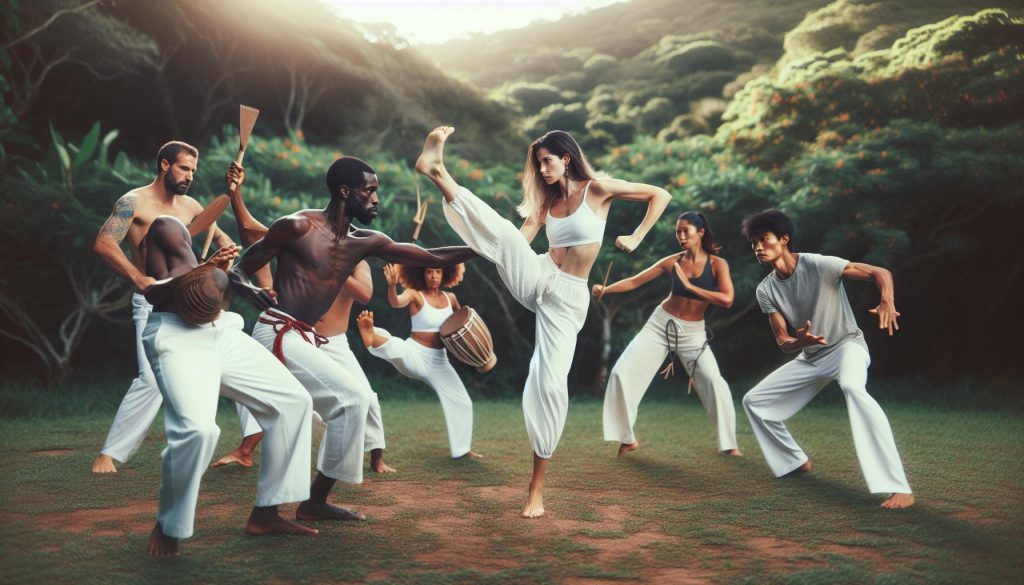
Capoeira, often recognized as a vibrant blend of dance and martial art, carries a rich history that may surprise many. Originating from the struggles of enslaved Africans in Brazil, it evolved not just as a form of expression but also as a means of self-defense. As we navigate the complexities of personal safety today, understanding how Capoeira can be adapted for self-defense becomes increasingly relevant. Many wonder: Can the fluid movements and strategic techniques of Capoeira effectively protect one from real-life threats? This exploration goes beyond mere physicality, delving into the ethical considerations and legal frameworks surrounding self-defense. Join us as we examine the potential and limitations of Capoeira in today’s self-defense landscape, empowering you to make informed choices about your safety while respecting the cultural heritage of this unique art form.
Is Capoeira Effective in Real-Life Self-Defense Situations?
Capoeira, often viewed as a dance, is fundamentally rooted in its history as a form of resistance and self-defense among enslaved Africans in Brazil. While many people question its effectiveness in real-life self-defense situations, it is essential to recognize that Capoeira incorporates a diverse range of techniques, including evasive movements, strikes, and acrobatics, which can be beneficial when aimed at self-defense. Its unique combination of agility, flexibility, and rhythm helps practitioners navigate confrontation with a blend of creativity and strategy.
One of the intriguing aspects of Capoeira is its emphasis on fluid movement and deception, which can provide a considerable advantage in a self-defense scenario. Practitioners learn to move in ways that can evade an attack while simultaneously positioning themselves for strikes or counters. However, it is crucial to understand that Capoeira was not designed specifically for modern self-defense situations, as its historical context leans more toward guerrilla tactics and evasion rather than direct confrontation. This distinction is essential for anyone considering it as a primary form of self-defense training.
Additionally, practitioners of Capoeira must remain aware of certain legal and ethical considerations. The use of techniques from Capoeira in self-defense should always align with the principle of proportional response. Engaging in self-defense with the intent to deter or escape rather than to escalate violence can help maintain legal safety. Training in Capoeira can foster not only physical skills but also a mindset that prioritizes awareness and de-escalation.
Ultimately, while Capoeira can offer valuable skills applicable to self-defense, it is most effective when integrated with knowledge from other martial arts. This cross-training can help prepare practitioners for a range of confrontational contexts, ensuring that they have a comprehensive understanding of self-defense strategies that are safe, effective, and lawful. Therefore, those interested in Capoeira for self-defense should also consider complementary training methods to enhance their overall effectiveness.
The History of Capoeira: More Than Just a Dance
Capoeira is often perceived as a vibrant dance, yet its roots are deeply entwined with the struggle for survival and resistance among enslaved Africans in Brazil. This rich history adds a profound layer to its practice, transforming what appears to be a mere performance into a powerful expression of culture and empowerment. Originating in the 16th century, Capoeira was developed by enslaved individuals who disguised their combat training as a form of dance, allowing them to hone their skills while evading detection from their captors. This clever subterfuge not only kept their fighting techniques alive but also fostered a sense of community and solidarity among practitioners.
Throughout history, Capoeira has evolved significantly. After the abolition of slavery in Brazil, it faced periods of oppression and was even outlawed; however, the resilient spirit of Capoeira practitioners ensured its survival and resurgence during the 20th century. Today, Capoeira is celebrated worldwide, recognized not just as an effective martial art but also as a symbol of cultural heritage and resistance. This historical context is essential when considering Capoeira’s application in real-life self-defense situations. It highlights the importance of understanding the art’s origins, emphasizing that its techniques, while rooted in combat, are also about creativity, rhythm, and strategic movement.
In training, Capoeira emphasizes agility, flexibility, and deception, which can be advantageous in a self-defense context. Practitioners learn how to evade attacks and counter effectively using fluid motions and acrobatic tricks, mirroring the guerrilla tactics of their ancestors. While Capoeira’s playful aspects might suggest a lack of seriousness regarding combat applications, it is crucial to recognize that the art encompasses various techniques that can be adapted for real-world situations, provided they are practiced with an emphasis on safety and legality.
When engaging in Capoeira for self-defense, it’s vital for practitioners to remain aware of the legal implications of using such techniques. Understanding the responsibilities that come with self-defense-such as the principles of proportional response and de-escalation-ensures that Capoeira not only empowers individuals physically but also morally and ethically. By drawing on its rich historical background, practitioners can find deeper meaning and motivation, allowing them to navigate both the dance and the challenges of modern self-defense scenarios effectively.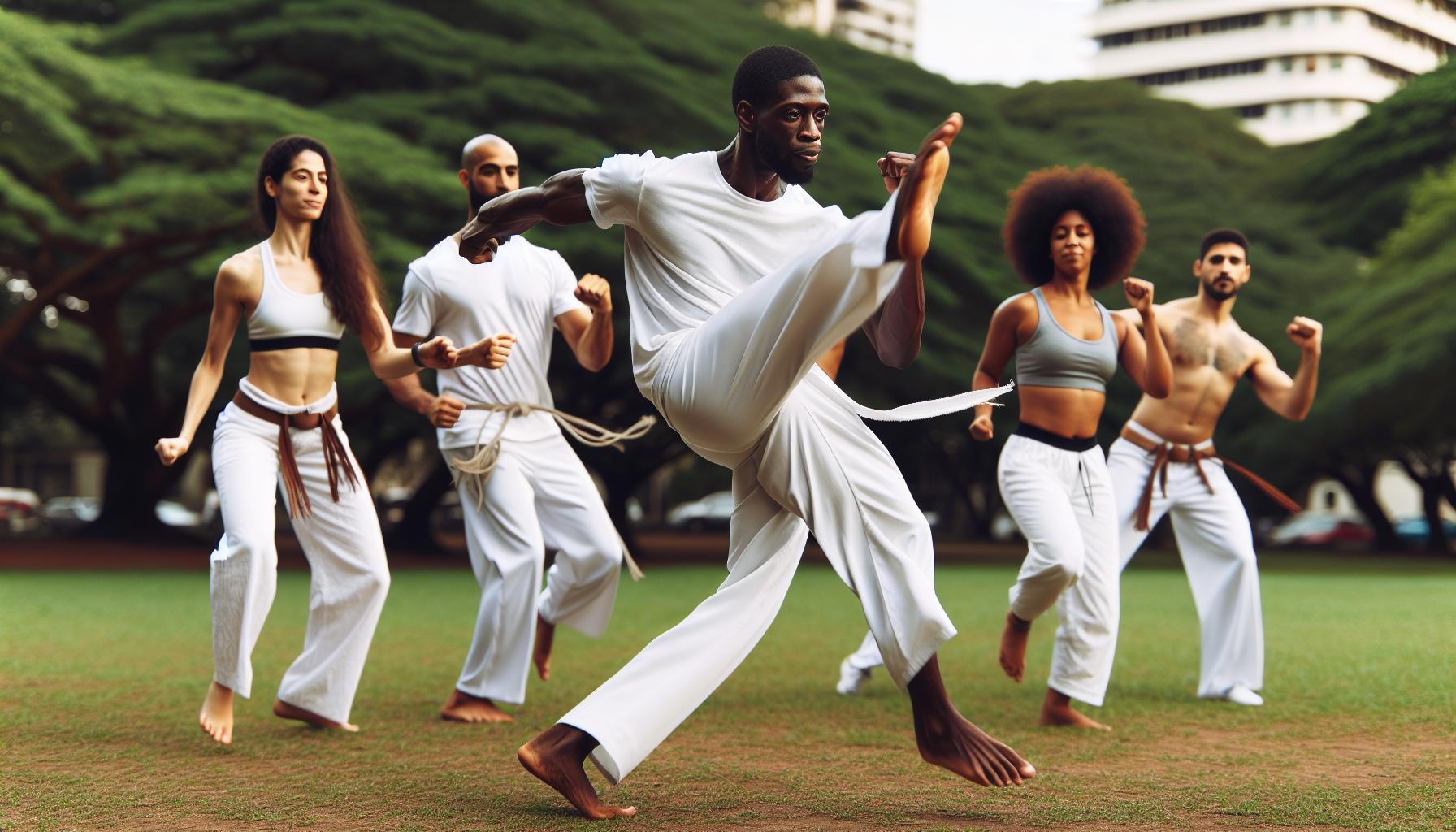
Key Principles of Capoeira that Enhance Self-Defense
Incorporating principles from Capoeira into a self-defense strategy can significantly enhance one’s ability to evade, counter, and effectively disarm an adversary. One of the most compelling features of Capoeira is its emphasis on fluid movement and agility, which allow practitioners to maneuver in ways that can surprise an opponent. This dynamic style, characterized by kicks, sweeps, and acrobatic movements, can be especially useful in real-life self-defense scenarios where unpredictability is an asset. Such fluidity promotes not just physical agility but also mental adaptability, as practitioners learn to assess their surroundings and react swiftly to threats.
Moreover, Capoeira encourages the development of awareness and mindfulness, crucial for recognizing when a situation may escalate into violence. Practitioners are trained to observe their environment, understand different approaches to potential confrontations, and respond appropriately. This awareness fosters an intuitive sense of timing, enabling one to not only defend but also de-escalate situations before they become physical. By prioritizing avoidance and evasion, Capoeira embodies the principle of proportionate response, teaching that the best self-defense often lies in avoiding confrontation altogether.
Key Techniques
Some techniques specifically enhance self-defense capabilities:
- Rasteira (Sweep): This technique can effectively trip an opponent off balance, providing an opportunity to escape or control the encounter.
- Au (Cartwheel): Utilizing the au allows practitioners to evade strikes while simultaneously positioning themselves to counterattack.
- Macaco (Back Handspring): This acrobatic move can shock aggressors and create space for an exit strategy.
Legal and Safety Considerations
While practicing Capoeira for self-defense, it is critical to acknowledge the legal implications of using these techniques. Self-defense laws vary by state and understanding the concept of reasonable force is essential. Engaging in self-defense should only be about protecting oneself, not retaliating or escalating conflict. It’s crucial to deeply understand what constitutes acceptable defensive action, which is often a balance of the force used against the threat faced. Further, practitioners should focus on the importance of de-escalation techniques, learning to negotiate and communicate as an initial approach before physical confrontation is required.
Incorporating these principles not only leverages Capoeira’s unique athletic qualities but also aligns with a conscious and responsible approach to self-defense. By doing so, practitioners can empower themselves to navigate potential confrontations with both skill and moral clarity.
Understanding Capoeira Techniques for Self-Defense
Capoeira techniques can be surprisingly effective in real-life self-defense situations when applied with the right mindset and understanding. This Brazilian martial art incorporates a unique combination of agility, fluidity, and unpredictability, making it a viable option for those looking to protect themselves. Unlike many traditional martial arts focused solely on striking or grappling, Capoeira emphasizes movement that allows practitioners to evade attacks while preparing to counterattack or escape.
Key techniques within Capoeira cater to various aspects of self-defense. For example, the Rasteira, or sweep, can effectively take an opponent off balance, providing a moment to escape rather than engage. Similarly, the Au, a cartwheel movement, allows a practitioner to evade direct strikes while positioning themselves for a counter or retreat. The Macaco, a back handspring, not only creates space between the practitioner and the aggressor but can also surprise an opponent with its acrobatic nature, offering an opportune moment to disengage or escape.
Practical applications in real-world scenarios highlight the importance of de-escalation, avoiding confrontation whenever possible. Capoeira teaches practitioners to read their environment and anticipate movements, fostering an innate sense of timing that is crucial in high-pressure situations. It’s important to remember that engaging in self-defense should always prioritize safety and legality; understanding the limits of reasonable force according to local laws is essential. Knowing when to utilize a technique for defense rather than to escalate the situation is key to responsible self-protection.
Ultimately, integrating Capoeira into one’s self-defense strategy not only improves physical capabilities but also cultivates a mindset of awareness and caution. Practitioners learn to appreciate that while Capoeira can be effective, the objective is often to avoid violence altogether. This comprehensive approach to self-defense emphasizes the significance of preparation, situational awareness, and the ethical use of techniques when faced with a potentially harmful scenario.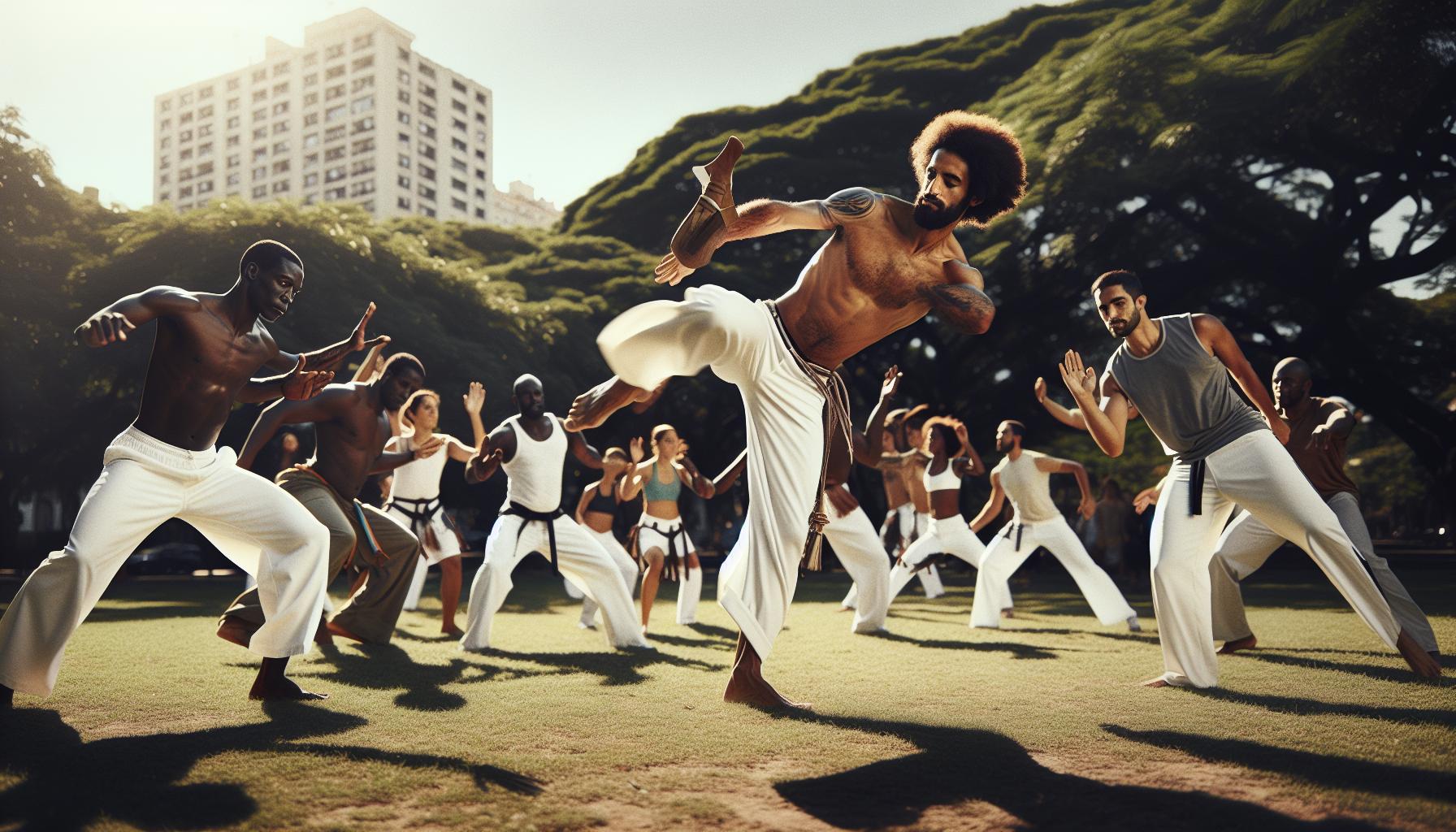
Physical Fitness and Its Role in Self-Defense with Capoeira
High levels of physical fitness significantly enhance the effectiveness of Capoeira in self-defense situations. This Brazilian martial art demands agility, strength, balance, and endurance-all critical attributes when it comes to defending oneself against an aggressor. Unlike traditional martial arts that may focus primarily on specific striking techniques or grappling, Capoeira incorporates dynamic movements that involve a full-body workout, improving an individual’s athletic ability and reactive capacity.
A well-conditioned body allows practitioners to execute Capoeira techniques more effectively. For instance, the swift and fluid movements associated with techniques like *Ginga* (the fundamental step in Capoeira) enhance a practitioner’s ability to evade attacks and create distance from a threat. Increased stamina is paramount; being able to sustain physical activity allows one to remain composed and agile during heightened stress or confrontation scenarios. Moreover, improved strength is vital when employing moves such as the *Rasteira*, which requires a solid base to effectively unbalance an opponent.
Cardiovascular Fitness and Situational Awareness
Engagement in Capoeira not only builds muscle but also significantly boosts cardiovascular health. A healthier cardiovascular system leads to quicker recovery times and sustained energy, essential for reacting to unexpected situations. Beyond physical fitness, practicing Capoeira cultivates mental acuity and situational awareness-two critical components for effective self-defense. Being fit also instills confidence, allowing practitioners to approach scenarios with a calm and collected mindset.
Incorporating fitness training into Capoeira enables practitioners to familiarize themselves with their limits, promoting a sense of responsibility when considering the use of self-defense techniques. Individuals should remember and respect legal boundaries regarding self-defense in their respective areas-knowing how to react appropriately can make all the difference. Ultimately, regular physical conditioning through Capoeira not only hones one’s techniques but also reinforces the ethical principles of self-defense, fostering a more profound respect for the art and its applications.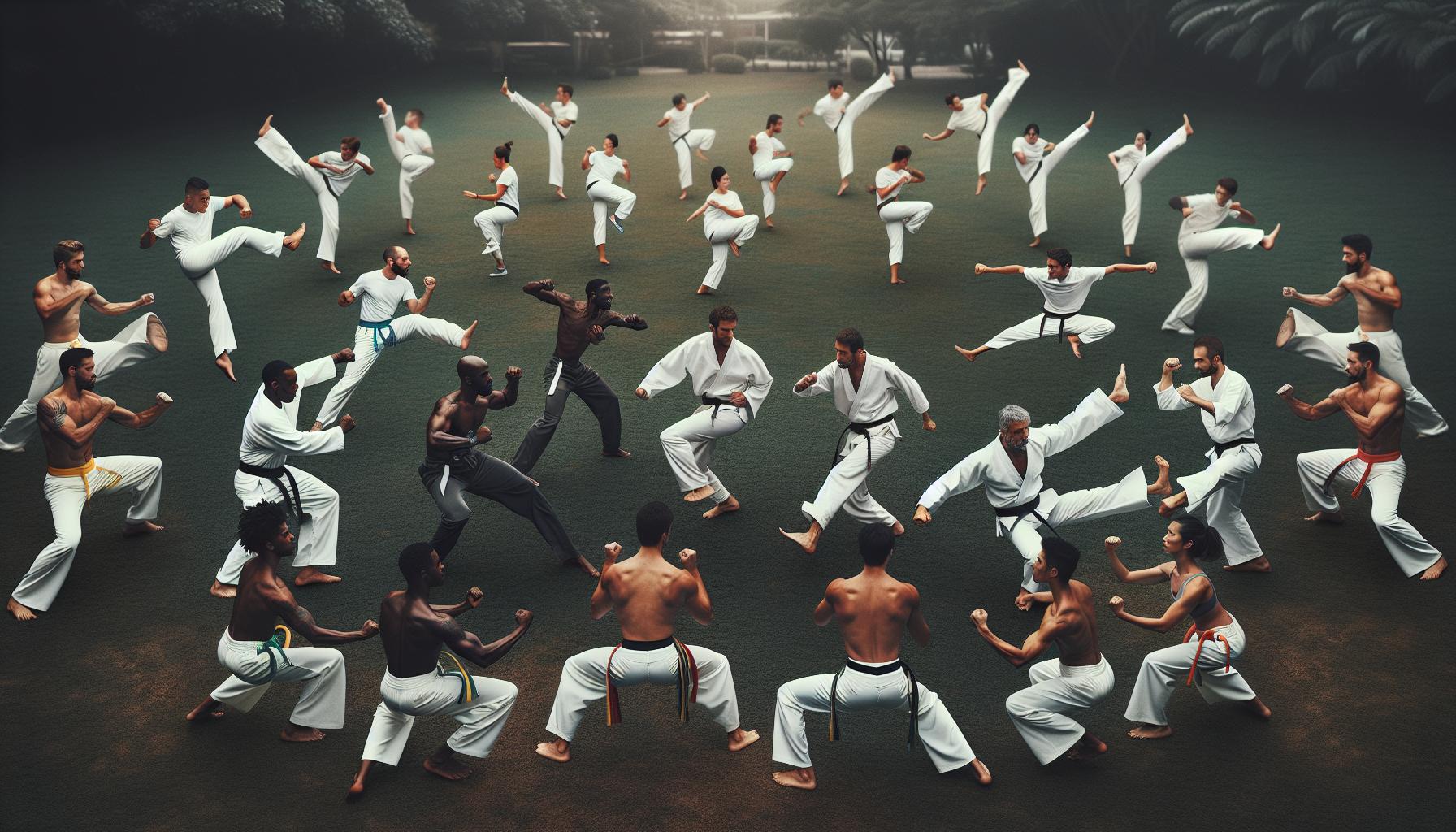
Capoeira vs. Traditional Martial Arts for Self-Defense
In the realm of self-defense, many practitioners often find themselves weighing the advantages of various martial arts frameworks. Capoeira, with its roots in Brazilian culture and a unique blend of dance, acrobatics, and music, presents a different approach to self-defense compared to more traditional martial arts like Karate, Brazilian Jiu-Jitsu (BJJ), or Muay Thai. Each system has its merits and limitations, and understanding these can help you choose the best fit for your self-defense strategy.
Capoeira’s distinctive footwork and fluid movements emphasize evasion and agility, which can be particularly effective in unexpected confrontation scenarios. For instance, the fundamental movement known as Ginga fosters rhythm and flow, allowing practitioners to stay mobile and maneuver around an opponent. This contrasts sharply with traditional martial arts that often emphasize direct strikes or grappling techniques. While Karate might offer powerful, focused strikes, Capoeira encourages practitioners to capitalize on movement and creativity, allowing them to evade attacks while delivering counter-moves that blend artistry with practicality.
It’s also essential to consider how each martial art prepares its students for real-world confrontations. Traditional martial arts often place heavy emphasis on structured techniques and sparring, which can build confidence and muscle memory under pressure. Techniques from BJJ, for example, focus on leverage and positioning and could prove invaluable when grappling at close quarters. In contrast, Capoeira’s non-linear approach, focusing on footwork and dynamic motion, may aid in developing a broader perspective on movement and spatial awareness, which can be crucial in chaotic situations.
However, while Capoeira offers unique advantages in mobility and creative problem-solving, it may not always provide the most straightforward answers in high-stakes scenarios that demand quick, decisive action. Understanding your local laws surrounding self-defense is crucial, as they typically prioritize proportionate responses to threats. Traditional martial arts may better prepare practitioners for these scenarios due to their focus on direct confrontation techniques and escape strategies.
Ultimately, the choice between Capoeira and traditional martial arts for self-defense will depend on personal preferences and specific self-defense goals. Many find that integrating elements of various martial arts, including Capoeira’s agility and creativity with the foundational techniques of others, creates a holistic self-defense approach. Whatever your decision, ensure you prioritize safety, awareness, and the legal implications of using any martial art for self-defense.
Real-World Scenarios: Capoeira in Action
In real-world scenarios, Capoeira can serve as a unique and effective tool for self-defense, especially when the focus is on agility and evasive maneuvers rather than direct confrontation. Imagine a situation where an individual is approached aggressively in a crowded area. The fluid movements characteristic of Capoeira, such as the Ginga, allow practitioners to maintain an advantageous position, weaving in and out and evading strikes while simultaneously assessing the situation. This adaptability can be pivotal in defusing confrontations or creating opportunities to escape without escalating violence.
Capoeira’s movements help to develop not just physical dexterity but also spatial awareness, which is crucial during an encounter. For instance, a practitioner may use a well-timed esquiva (dodge) to evade an attack, followed by a counter-movement like a low kick or sweep that aims to off-balance the aggressor without initiating excessive force. Such actions demonstrate the art’s emphasis on rhythm and flow, which can disorient opponents while allowing for creative responses tailored to each unique confrontation.
Legally, it’s essential for practitioners to understand the context in which they are applying these techniques. Self-defense laws vary by jurisdiction, often stipulating that the level of force used must be proportionate to the threat faced. This responsibility underscores the importance of recognizing when to disengage rather than engage. Moreover, safety protocols should always be a priority; practitioners should not only focus on executing techniques but also on crafting exit strategies to remove themselves from dangerous situations. This mindset will not only empower individuals but also reinforce the ethical use of Capoeira techniques in real-life scenarios.
Training in Capoeira can be augmented by incorporating drills focused on situational awareness and de-escalation tactics that foster a mindset geared towards avoidance rather than aggression. Engaging in sparring or simulated confrontations with partners while practicing Capoeira can help users become adept at applying these principles under pressure, ultimately enhancing both their readiness and their confidence in handling potential threats responsibly and effectively.
Legality of Using Capoeira Techniques in Self-Defense
Understanding the legal implications of using Capoeira techniques in self-defense is crucial for anyone practicing this martial art. The laws governing self-defense can vary significantly based on jurisdiction, but common principles often apply. For instance, self-defense laws generally require that the force used in response to an aggressor must be proportionate to the threat faced. This means that while you may feel justified in using Capoeira techniques to defend yourself, the legality of doing so will depend on the situation and the degree of force applied.
Proportional Response
Practitioners must recognize that using Capoeira or any martial art effectively requires a keen awareness of their environment and the specific circumstances. For example, if someone confronts you aggressively but poses no lethal threat, responding with a low kick or evasive move may be appropriate, while a high-impact strike could be deemed excessive and land you in legal trouble. Understanding when to disengage rather than engage is a critical part of responsible self-defense.
Legal Resources and State Variations
It’s vital for individuals to educate themselves about specific self-defense laws in their area. Many localities have different statutes regarding the use of force, including “stand your ground” laws, which can affect how a situation is interpreted by law enforcement and the courts. Seeking resources such as local legal advice or self-defense workshops can provide further insight into navigating these laws effectively and safely, ensuring that you remain within legal boundaries when applying Capoeira techniques.
Ethical Considerations
Additionally, ethical considerations should guide the use of Capoeira in self-defense scenarios. Effective self-defense is not about winning a fight; it’s about protection and de-escalation. This mindset encourages practitioners to seek non-violent resolutions whenever possible. Training should therefore emphasize not only physical techniques but also the importance of situational awareness, conflict resolution, and avoidance strategies.
Ultimately, while Capoeira can be a valuable tool in self-defense, embracing a holistic approach that includes legal knowledge, ethical responsibility, and a commitment to non-violence is crucial for any practitioner seeking to protect themselves while respecting the law and the well-being of others.
Safety Precautions When Practicing Capoeira
Practicing Capoeira can be an exhilarating experience, blending movement, culture, and combat skills. However, safety should be a priority, as with any martial art, to protect yourself and training partners from injury. Implementing safety precautions not only enhances your training experience but also fosters a culture of respect and responsibility within the Capoeira community.
To ensure safety while practicing Capoeira, adhere to the following guidelines:
- Warm Up Properly: Before beginning any training session, engage in a comprehensive warm-up that includes dynamic stretching and movement drills. This prepares your body for the physical demands of Capoeira and reduces the likelihood of strains or injuries.
- Use Appropriate Gear: Wearing the right gear, such as comfortable clothing that allows for free movement, can help prevent chafing and injury. While protective gear isn’t always common in Capoeira, consider using shin guards or knee pads during intense sparring sessions.
- Choose a Safe Training Environment: Ensure that the training space is free from obstacles and has a suitable surface, such as a wooden floor or mats, to absorb impacts. Avoid practicing in crowded areas or on slippery surfaces where falls could lead to accidents.
- Communicate with Training Partners: Establish clear communication with your training partners regarding comfort levels and boundaries. Before sparring or practicing techniques, discuss any limitations or concerns to foster a safe training dynamic. Always check in with each other during practice.
- Practice Techniques at Controlled Speeds: Especially when learning new techniques, practice them slowly and deliberately to ensure proper form and understanding. Speed and intensity can be increased as skill and confidence grow, but always prioritize control.
Understanding the legal context surrounding self-defense in conjunction with practicing Capoeira is equally important. Many municipalities have statutes that outline what constitutes reasonable force in a self-defense situation. This legal knowledge can help you navigate potential conflicts and utilize Capoeira techniques responsibly. Always be mindful that aspiring to de-escalate confrontations and using Capoeira techniques is a last resort can guide your actions while respecting both the law and the well-being of others involved. In real-life scenarios, always look for non-violent resolutions first, reinforcing the ethical implications of your training.
Lastly, keep in mind the importance of emotional and mental well-being while training. Capoeira, while physically demanding, can also be an emotional outlet. Acknowledge your feelings and those of your peers in training, ensuring you support each other and maintain a positive atmosphere. Emphasizing safety and respect creates a healthy training environment, ultimately leading to better learning and application of Capoeira techniques for self-defense.
Training Tips for Beginners in Capoeira for Self-Defense
Starting your journey in Capoeira for self-defense can be both exciting and daunting. It’s crucial to approach your training with a clear mind and an understanding of the foundational principles that set Capoeira apart from other martial arts. The combination of agility, rhythm, and strategic thinking makes Capoeira not just a martial art, but a dynamic way of building self-defense skills that can be adapted to various situations.
To begin, it’s essential to focus on building your physical conditioning and flexibility. Strong foundational fitness not only enhances your Capoeira practice but also contributes to your ability to defend yourself effectively. Incorporate strength training, cardio, and flexibility exercises into your routine. Activities like running, yoga, or even dance can significantly improve your endurance and agility, allowing you to execute Capoeira moves with precision.
- Understand the Role of Music and Rhythm: Capoeira is deeply connected to its musical heritage. As a beginner, listening to and understanding the rhythms can help you better sync your movements with the music, creating a more fluid and effective technique. This rhythm is vital in both performance and self-defense situations, as it fosters coordination and timing.
- Master Basic Moves: Start with the fundamental kicks and movements, such as the ginga, martelo, and vazio. These forms are not just for show; they are practical and can be effectively used in real-life situations. Practice these techniques regularly until they become second nature.
- Focus on Defensive Techniques: While offensive techniques are important, remember that self-defense is primarily about avoiding conflict where possible. Work on evasive movements that allow you to escape threats rather than confront them head-on. This mindset fosters a responsible approach to self-defense.
- Engage with Your Community: Capoeira thrives on community and collaboration. Train with more experienced capoeiristas who can offer guidance and insights. This environment encourages mutual learning and can help you understand various applications of techniques in self-defense contexts.
In addition to the physical aspects, developing a strong mental discipline is key. Capoeira involves a great deal of improvisation; thus, having a sharp mind and high awareness can help you assess your surroundings and make quick decisions during a confrontation. Practicing mindfulness can improve not just your focus but also your ability to remain calm under pressure, a crucial skill in any self-defense scenario.
Lastly, be aware of the legal implications of self-defense. Understanding when and how it is appropriate to use your skills is paramount. Seek knowledge about local laws regarding self-defense, as these regulations will guide your practice and can influence future decisions in real-world situations. As you train, remember that the ultimate goal is not to be confrontational but rather to empower yourself with skills for self-preservation and confident interaction with your surroundings.
The Role of Mindset and Awareness in Self-Defense
A calm and focused mindset can be your greatest ally in a self-defense situation. The ability to assess threats accurately and make quick decisions is as essential as physical skills when it comes to protecting yourself in a dangerous scenario. In Capoeira, the connection between mind and body is cultivated through rhythmic movements and improvisation, which encourages practitioners to stay alert and responsive in dynamic environments.
Developing situational awareness is a crucial component of effective self-defense. Awareness involves being conscious of your surroundings, understanding the potential risks, and recognizing body language and facial expressions in others. Engaging in Capoeira training enhances this skill as you learn to anticipate your opponent’s moves while performing acrobatic dodges and counters. Practicing mindfulness techniques, such as deep breathing or focusing on specific stimuli, can further sharpen your awareness and help you react more calmly and rationally to potential threats.
Legal considerations also play an integral role in self-defense training. Understanding the laws governing self-defense in your state is paramount. This means knowing when it’s justified to use physical force and what constitutes a proportional response. Self-defense is not a license to retaliate but rather a necessary action to protect oneself. Capoeira can provide the means to evade or escape from danger rather than simply overcoming your assailant through physical confrontation. Educating yourself about the ethical implications of using physical techniques and the potential legal consequences can foster a more responsible approach to self-defense.
In real-world scenarios, improvisation becomes key. Much like in Capoeira, where you adapt your movements in response to the music and fellow practitioners, a flexible mindset allows you to navigate unforeseen challenges effectively. If faced with an aggressor, your training will enable you to escape or de-escalate the situation rather than escalate it into violence. Always aim to resolve conflicts without physical confrontation. A practiced mindset and heightened awareness will empower you to make decisions that prioritize not only your safety but also ethical considerations in a self-defense context.
Integrating Capoeira with Other Self-Defense Martial Arts
can significantly enhance your overall effectiveness in real-life confrontations. Unlike traditional martial arts that focus on striking or grappling techniques alone, Capoeira offers a unique blend of agility, rhythm, and evasive movements that can complement the strategies of various self-defense systems. By merging these elements, practitioners can increase their adaptability in unpredictable situations, making it easier to evade conflicts or respond to threats effectively.
One powerful combination is the integration of Capoeira with Brazilian Jiu-Jitsu (BJJ). While Capoeira equips you with acrobatic escapes and intricate footwork, BJJ provides the groundwork needed for controlling and neutralizing an opponent on the ground. This synergy is beneficial because it allows a practitioner to use Capoeira to evade a striking attempt, creating space and positioning oneself to transition into grappling techniques. Moreover, understanding ground defense from BJJ will prepare you for situations where an assailant takes the fight to the ground, a common occurrence in real-life encounters.
Incorporating elements from Krav Maga can also enhance the self-defense capabilities of Capoeira practitioners. Krav Maga teaches practical techniques focused on real-world scenarios, emphasizing quick, decisive actions to neutralize threats. By learning how to identify vulnerabilities in an attacker’s approach through traditional self-defense methods, Capoeira practitioners can use their agile movements to evade and counterattack effectively. This training should always emphasize de-escalation and the use of proportional force, ensuring that the response remains legal and ethical.
Finally, complementing Capoeira with striking arts like Muay Thai can bolster offensive and defensive strategies. The solid striking foundations offered by Muay Thai combined with Capoeira’s evasive maneuvers creates a comprehensive skill set that prepares individuals for various confrontation types. Practitioners can develop a versatile approach, employing kicks, elbows, and knee strikes with the acrobatic flair of Capoeira to maintain unpredictability in their combat style.
By integrating Capoeira with these other martial arts, self-defense practitioners can cultivate a well-rounded skill set that enhances their confidence and readiness while promoting safety and legal awareness in all situations. Always remember, the ultimate goal should be conflict avoidance, employing these skills judiciously and ethically when necessary.
Frequently asked questions
Q: How does Capoeira compare to other martial arts for self-defense?
A: Capoeira offers unique benefits like agility and fluidity but lacks the direct combat focus of traditional arts like Krav Maga or Brazilian Jiu-Jitsu. While it can enhance functional movement and creativity, for straightforward self-defense techniques, traditional martial arts may provide more practical skills for immediate threats.
Q: Can beginners learn Capoeira for self-defense effectively?
A: Yes, beginners can learn Capoeira for self-defense, but it requires regular practice and commitment. Starting with basic movements and techniques will build a strong foundation, increasing your ability to use Capoeira effectively in real-life situations. Consider supplementing with self-defense classes focused on practical scenarios.
Q: What are the most effective Capoeira techniques for self-defense?
A: Key techniques include sweeps, takedowns, and evasive movements, which can disrupt an attacker’s balance. Understanding how to use your environment, along with the fluidity of movements, can make these techniques very effective in dynamic self-defense situations. Refer to the “Understanding Capoeira Techniques for Self-Defense” section for more details.
Q: Is Capoeira effective for women’s self-defense?
A: Capoeira can be effective for women as it emphasizes agility, quick reflexes, and the ability to use an attacker’s momentum against them. While it may not be the most traditional choice, its unique approach can boost confidence and provide useful skills, especially when trained alongside other self-defense methods.
Q: What safety precautions should one take while practicing Capoeira for self-defense?
A: Always warm up properly to prevent injuries, wear appropriate gear, and practice in a safe environment. Consider training with a partner to simulate real-life scenarios, but ensure you both understand the limits of safe practice, avoiding overly aggressive sparring.
Q: Can Capoeira help improve my overall fitness for self-defense?
A: Definitely! Training in Capoeira enhances overall fitness, including strength, flexibility, balance, and coordination. Improved physical fitness directly correlates to better self-defense capabilities, allowing you to respond more effectively under pressure. Explore the “Physical Fitness and Its Role in Self-Defense with Capoeira” section for more insights.
Q: Are there legal considerations when using Capoeira techniques for self-defense?
A: Yes, it’s crucial to understand local laws regarding self-defense. The use of any martial art, including Capoeira, must align with legal definitions of proportional response and reasonable force. Training in self-defense should always include this legal education to prevent potential legal issues.
Q: How can I integrate Capoeira with other self-defense techniques?
A: You can integrate Capoeira with techniques from other martial arts by focusing on complementary skills. For example, using Capoeira’s evasive movements alongside Brazilian Jiu-Jitsu grappling techniques can create a versatile self-defense strategy. Consider cross-training for well-rounded proficiency.
Feel free to explore more about Capoeira’s history and techniques in the related sections of the article!
Key Takeaways
Capoeira, with its unique blend of dance and martial arts, offers a fascinating approach to self-defense, emphasizing agility and creativity. While it may not be the quickest route to mastering self-defense, it serves as an empowering workout that enhances physical fitness and personal confidence. Don’t wait to discover how Capoeira can incorporate fluid movement and rhythm into your self-defense journey.
For those curious about practical applications, check out our articles on the effectiveness of Capoeira in real-life scenarios and compare it with other martial arts like Krav Maga and BJJ. Join our newsletter for exclusive insights and actionable self-defense tips designed to help you stay safe while mastering your skills. Remember, every step you take towards learning self-defense is a step towards empowerment-let’s keep that momentum going together!
Get our latest guides, news, and insights highlighted in your Google Search & AI Overviews.