
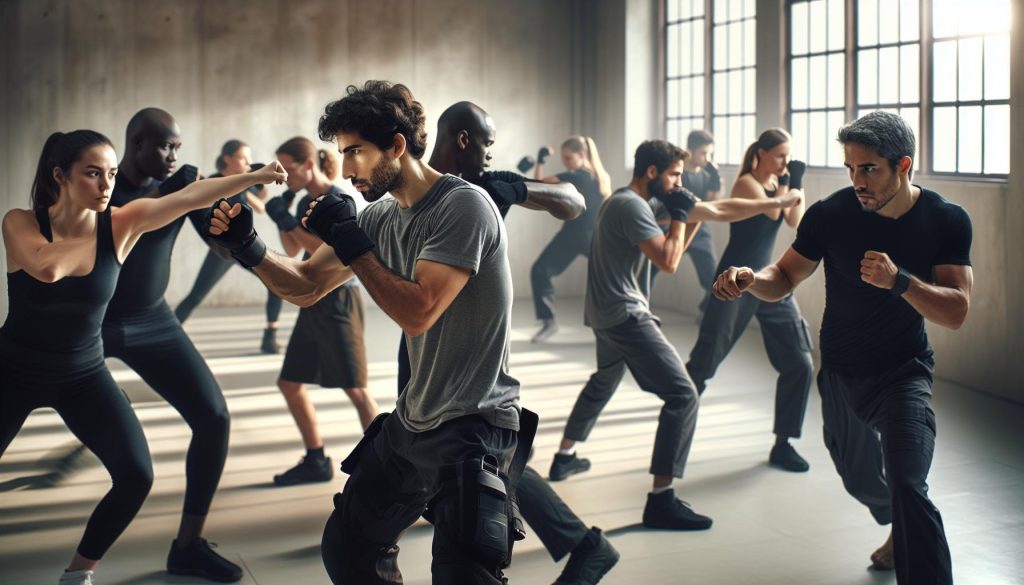
In the world of self-defense, understanding how to incapacitate an attacker quickly can mean the difference between safety and harm. One intriguing aspect of Krav Maga is its approach to target-based fighting, which harnesses the power of pressure points to control and neutralize threats effectively. By focusing on vulnerable areas of the body, practitioners can maximize the impact of their defensive techniques while minimizing the risk of unnecessary harm.
For those seeking to empower themselves through self-defense training, the idea of using pressure points can be both captivating and practical. This technique not only underscores the effectiveness of Krav Maga but also equips individuals with essential skills for real-life scenarios. As we delve deeper into this topic, we’ll explore how pressure points are incorporated into Krav Maga training, the ethical considerations involved, and how this knowledge can enhance your personal safety strategy. Understanding the ethical weight of these techniques is crucial, as is the responsibility that comes with using them. With this in mind, let’s uncover the vital role pressure points play in target-based fighting within Krav Maga.
Understanding Pressure Points in Krav Maga
can significantly enhance your self-defense capabilities. In Krav Maga, pressure points are specific locations on the body that, when targeted, can incapacitate an attacker or provide a tactical advantage. These points are often linked to the body’s nervous system, and applying pressure can induce pain, disorientation, or temporarily disable a threat. Understanding their location and function helps practitioners utilize these techniques effectively in high-stress situations.
Pressure points are not just arbitrary; they’re strategically chosen based on anatomical landmarks and their responses to different intensities of pressure. For example, the throat, solar plexus, and areas behind the knees are commonly targeted in Krav Maga. When executing a technique, practitioners learn to focus their energy and strikes on these pressure points to achieve maximum effect with minimal effort. This approach aligns with Krav Maga’s philosophy of using efficient, instinctive movements that capitalize on an assailant’s vulnerabilities.
It’s crucial to understand that while pressure point techniques can be effective, they must be applied judiciously, adhering to legal and ethical frameworks. The use of such techniques should never aim to escalate violence but rather to ensure personal safety and de-escalate dangerous situations. Self-defense is about protecting oneself from harm, and practitioners must remain aware of the proportionality of their response to avoid legal repercussions. Mastering the nuances of pressure points requires not just physical practice but also a thoughtful consideration of the implications of their use in real-life encounters.
As you develop your skills in Krav Maga, integrating pressure points with other techniques enhances effectiveness. This combination enables a practitioner to transition seamlessly from striking to grappling or escaping, maintaining control over confrontations while minimizing injury to oneself and the opponent. Through rigorous training and a grounded understanding of safety protocols, practitioners can harness the power of pressure points to improve their self-defense repertoire.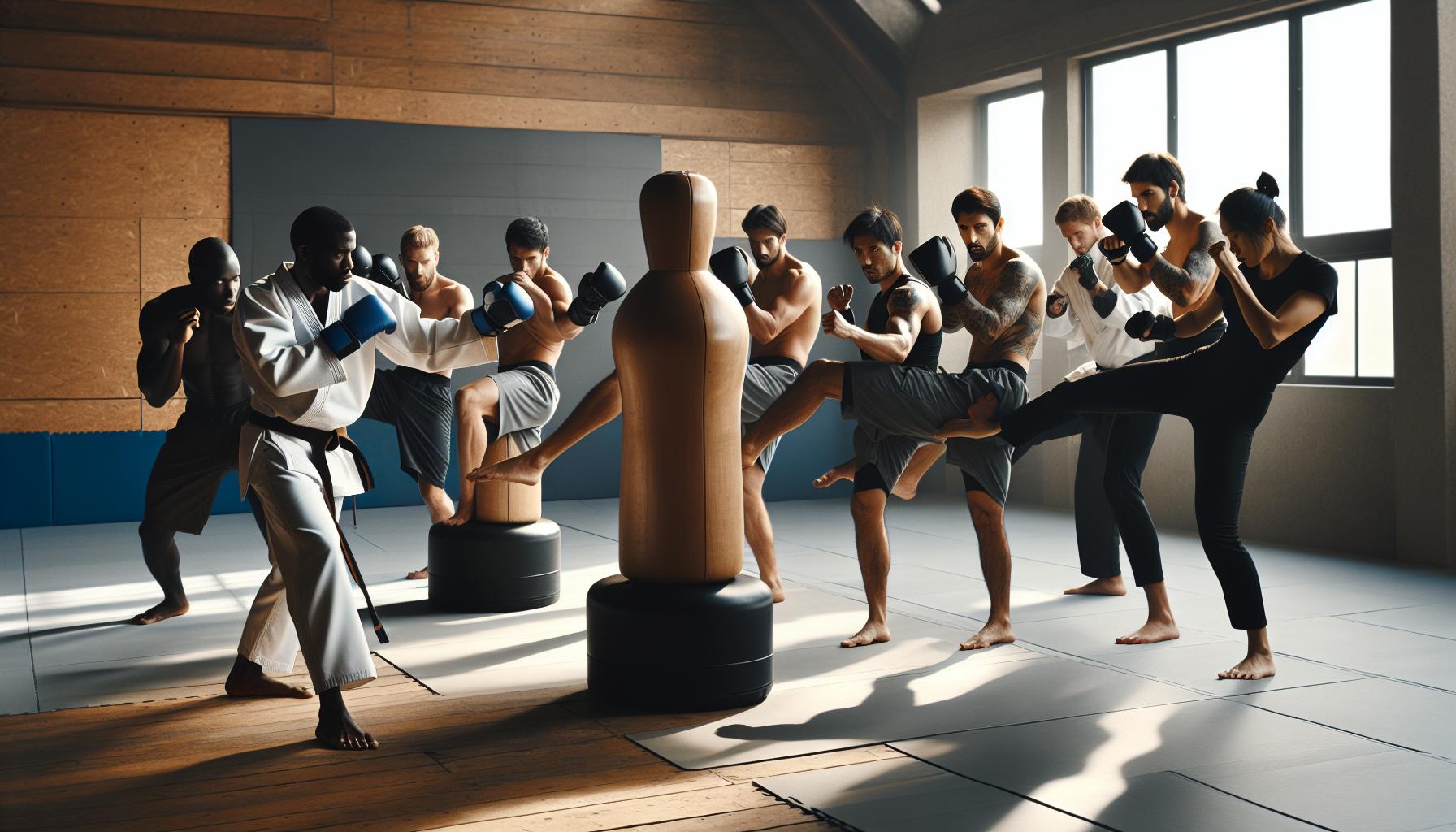
The Role of Target-Based Fighting Techniques
Understanding how to utilize target-based fighting techniques is fundamental in Krav Maga, where the focus is on maximizing efficiency in high-pressure situations. Target-based fighting is not merely about brute strength; it involves accurately identifying and striking specific areas on an opponent’s body, commonly referred to as pressure points. These techniques aim to exploit vulnerabilities in human anatomy, enabling practitioners to effectively incapacitate an attacker with minimal effort.
In practice, effective targeting can significantly enhance the outcomes of self-defense encounters. For example, strikes directed at the throat, eyes, or solar plexus can create immediate and impactful results. By concentrating on these crucial areas, a practitioner can invoke an instinctual response in their opponent, often causing confusion or pain, which can then allow for a tactical advantage or the opportunity to escape. The emphasis on targeting fosters not only physical effectiveness but also mental agility, as practitioners must assess the situation rapidly and determine the most advantageous point of attack.
Moreover, integrating target-based techniques with other methods in Krav Maga is essential for comprehensive self-defense training. A seamless transition from a striking technique to a grappling move, for instance, enhances the ability to control confrontations while minimizing harm. This fluidity is particularly vital in chaotic scenarios where the dynamics of the encounter can shift momentarily. An understanding of target-based fighting empowers practitioners to remain adaptive and responsive while adhering to ethical principles of self-defense, ensuring they maintain a focus on de-escalation rather than escalation.
As practitioners enhance their skill set, it is critical to remember that the legal implications of using targeted techniques in self-defense situations can vary widely. Striking specific targets must always be justified by the context of the threat faced. Practitioners should familiarize themselves with local laws governing self-defense to ensure their actions are within legal boundaries, emphasizing that self-defense is about ensuring personal safety without resorting to unnecessary violence. Taking these considerations into account allows for responsible and effective practice of target-based fighting techniques in Krav Maga.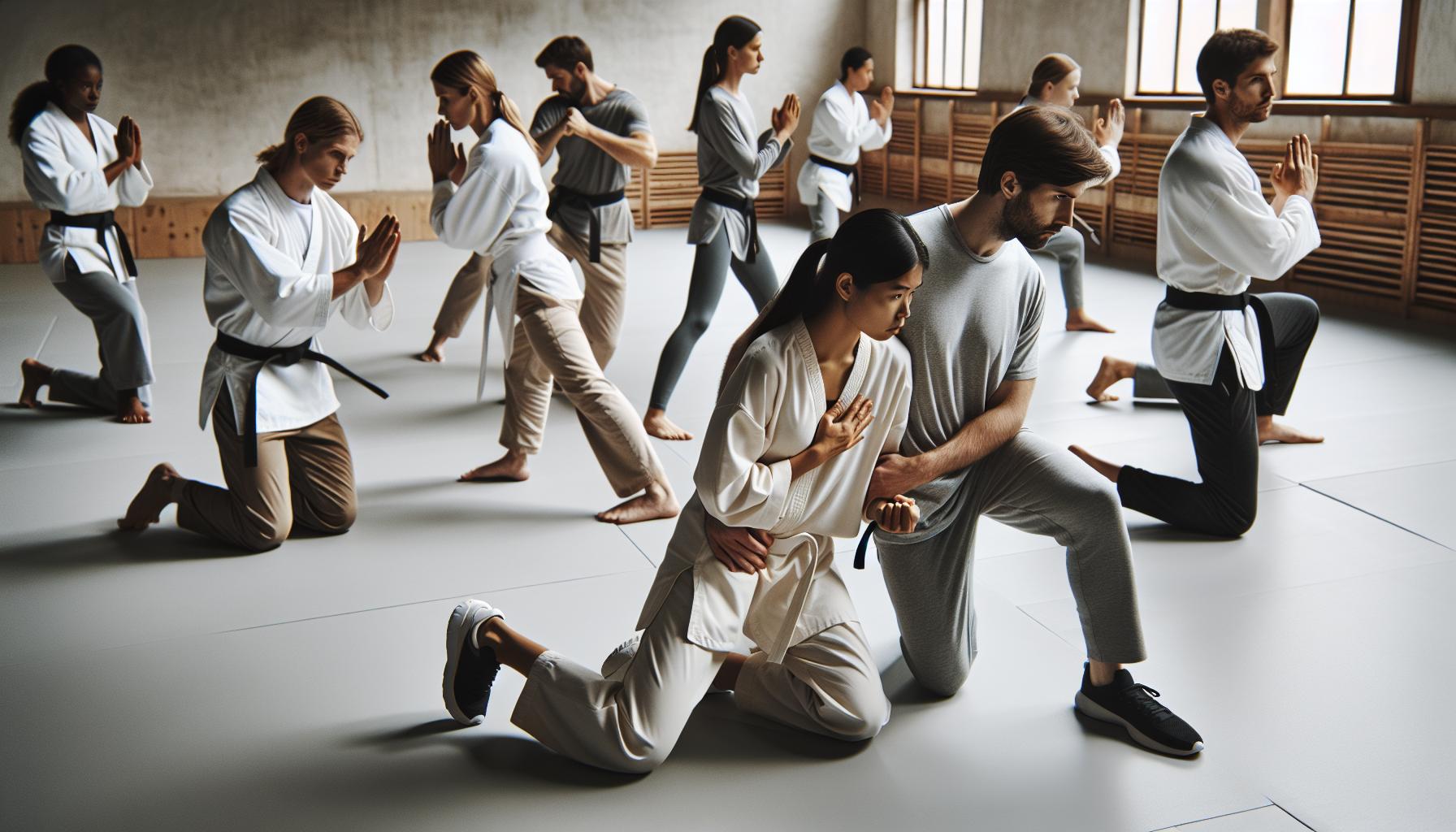
How Effective Are Pressure Points in Self-Defense?
In a self-defense scenario, understanding how to effectively use pressure points can be a game changer. These specific areas on the body, when struck or manipulated, can incapacitate an attacker significantly quicker than generalized strikes. For instance, targeting the eyes or throat can create an immediate defensive response that can buy precious seconds for escape. More than just a physical tactic, utilizing pressure points requires an awareness of anatomy, timing, and the psychological factors at play during a confrontation.
Pressure point techniques in Krav Maga are designed for maximum efficiency. Striking at vulnerable spots such as the solar plexus or the knees not only disrupts an opponent’s physical capability but also has profound psychological effects, potentially incapacitating them via shock or pain. Real-life applications emphasize the importance of precision; a well-placed jab to the zygomatic bone (cheekbone) can disorient an aggressor, allowing you to escape safely rather than engage further. However, this sort of knowledge must be tempered with responsibility and a clear understanding of the situation.
While pressure points can be effective, the legal implications of their use in self-defense must be carefully considered. Practitioners should be aware that any response, especially targeting sensitive areas, must be justifiable under local laws regarding self-defense. The emphasis should be on de-escalation wherever possible; using techniques that cause unnecessary harm could lead to serious legal consequences, including prosecution for excessive force. Hence, the focus must remain on protecting oneself while recognizing the ethical dimensions of self-defense.
In conclusion, pressure points can be a vital component of your self-defense arsenal, but their use requires careful consideration of effectiveness, legality, and ethical responsibility. Practicing these techniques in a controlled environment, such as classes or training sessions, enables practitioners to build confidence and insight into the repercussions of their actions. Ultimately, educating oneself on these factors not only prepares one physically but also mentally for real-world confrontations.
Comparing Pressure Point Techniques Across Martial Arts
In exploring pressure point techniques across various martial arts, it’s essential to recognize that each discipline has its unique philosophy, application, and approach to targeting vulnerable areas of the body. While Krav Maga is often distinguished by its practicality and focus on real-world self-defense scenarios, several other martial arts share similar concepts of using pressure points and anatomical vulnerabilities.
Krav Maga utilizes pressure points with a straightforward, combative intent. The system emphasizes efficiency and effectiveness, targeting areas such as the throat, solar plexus, and knees to incapacitate an attacker quickly. By understanding the body’s anatomy and the effects of strikes on these sensitive areas, practitioners can create opportunities for escape without engaging in prolonged conflict. For example, a sharp jab to the throat can disrupt an attacker’s ability to breathe, providing a critical advantage.
In contrast, arts like Chinese martial arts (such as Wing Chun and Tai Chi) and Japanese jiu-jitsu often integrate pressure point techniques within broader strategies, focusing on joint locks and submissions. These systems highlight the concept of “kצוzushi” (bracing against pressure), where practitioners learn to neutralize an opponent’s force while exploiting vulnerable points on the body, often leading to dislocations or incapacitation. Japanese jiu-jitsu emphasizes positions and leverages, using pressure points to gain control over an assailant while adhering to principles of balance and body mechanics.
Furthermore, Muay Thai employs striking techniques that target vulnerable areas, utilizing elbows and knees for devastating effect. While less focused explicitly on pressure points, its kicks, and strikes can achieve similar outcomes by targeting areas of high sensitivity to disrupt an opponent’s balance or consciousness.
Moreover, martial arts like Aikido and Systema focus on flowing and redirecting energy while applying pressure to joints and points to control or disable an assailant. Practitioners are taught to exploit opponent vulnerabilities through joint manipulation, emphasizing both self-defense and an understanding of the human body’s response to stress, which aligns with the ethical considerations of using force judiciously.
Understanding these comparative techniques equips individuals with a broader perspective on self-defense. While direct applications may vary, the fundamental principles of targeting pressure points resonate across these disciplines, reminding practitioners of the importance of effectiveness, legality, and ethics. When training, always prioritize safety and engage in scenarios that reinforce your understanding of when and how to apply techniques responsibly, recognizing the significant implications they may entail in real-life confrontations.
Legal and Ethical Considerations of Pressure Point Use
In self-defense situations, the urge to defend oneself can lead to split-second decisions that carry significant legal and ethical ramifications. Understanding the legal framework surrounding the use of pressure points is essential for anyone trained in Krav Maga or any martial art utilizing similar techniques. While pressure point strikes can be effective for self-defense, they must be executed within the bounds of the law and with a clear understanding of proportional response.
Laws regarding self-defense vary by state and country, but most legal systems recognize the principle of proportionality. This means that the level of force used in self-defense should not exceed what is necessary to prevent harm. For instance, using a pressure point technique to neutralize an aggressor may be justified if the individual feels an imminent threat. However, severe consequences can ensue if excessive force is used, leading to potential criminal charges or civil lawsuits. Understanding the severity of injuries caused by specific techniques is crucial in assessing whether one’s response was legally defensible.
Ethical considerations must also be at the forefront of training and practice. Instructors and students alike should foster a mindset of de-escalation-prioritizing conflict resolution without resorting to violence whenever possible. Employing pressure points should be seen not as a means of aggression but as a last resort when one’s safety is at risk. This perspective emphasizes the need for restraint, encouraging practitioners to seek non-violent resolutions to potentially dangerous situations.
Furthermore, practitioners should consider the implications of their actions on the broader community. Maintaining a respectful and responsible approach to self-defense not only protects individuals legally and ethically but also enhances the reputation of martial arts as a whole. Acknowledging the moral weight of defensive actions can ultimately lead to more responsible practitioners who contribute positively to society.
By keeping these legal and ethical considerations in mind, practitioners can effectively navigate the complexities of self-defense while using pressure point techniques. It is vital to stay informed about local laws, engage in ongoing training that emphasizes safety and responsibility, and cultivate an understanding of the profound impact one’s actions may have in real-world situations.
Safety Protocols for Practicing Pressure Point Techniques
Practicing pressure point techniques safely requires a comprehensive understanding of their potential impact and the environment in which they are applied. While pressure points can be effective in self-defense, they also pose significant risks if not executed correctly. It’s essential to establish robust safety protocols in your training regimen, prioritizing both personal safety and the well-being of training partners.
One fundamental safety measure is to clearly communicate with training partners before practicing pressure point techniques. This ensures that both individuals are ready, aware of the exercises being conducted, and able to react appropriately. Begin with light pressure to understand how your partner responds without causing pain or unnecessary injury. This gradual approach helps in building trust and promoting a safe training environment. Always remember that the goal is to control and de-escalate a situation, not to inflict harm.
Another critical aspect of safety in practicing these techniques is the understanding of anatomy. Familiarizing yourself with the body’s major pressure points can prevent unintentional harm. Knowing where to apply pressure and the expected reaction of the body can enhance effectiveness while reducing the risk of injury. Training should always be conducted under the supervision of a qualified instructor who can provide guidance on proper technique and application.
Additionally, creating a safe practice environment is crucial. This includes using appropriate surfaces, minimizing distractions, and ensuring that there are no hazards nearby. When students grasp the consequences of their actions, particularly in a controlled practice scenario, they are better prepared for real-life applications where stakes are much higher. This awareness fosters a responsible mindset that emphasizes control, legality, and ethical considerations when engaging in self-defense situations.
In summary, implementing these safety protocols-effective communication, anatomical awareness, proper supervision, and creating a safe physical environment-can significantly mitigate risks associated with practicing pressure point techniques while enabling effective, responsible training in Krav Maga. Adhering to these guidelines not only ensures a safer learning experience but also supports the development of a mindset geared toward de-escalation and respectful self-defense.
Real-Life Applications: When to Use Pressure Points
In high-stress self-defense situations, pressure points can be a quick and effective means of subduing an aggressor without causing long-term harm. They offer a strategic advantage by allowing a defender to control an opponent through pain compliance or temporary incapacitation. Understanding when and how to utilize these techniques is crucial; it not only demands physical skill but a solid grasp of legal and ethical considerations.
When to Utilize Pressure Points
Pressure points are ideal in circumstances where an attacker poses an immediate threat but may not be armed. These techniques can be employed to control or deter an aggressor’s actions through targeted strikes to sensitive areas. For instance:
- In a grappling scenario: If you’re caught in close quarters, targeting pressure points can create an opening for escape or counterattacks.
- When facing multiple attackers: Utilizing a well-timed application of pressure points on one opponent can allow you to create separation for a frantic escape.
- During an attempted grab: Applying pressure to a pressure point on an assailant can cause them to release you or reconsider their actions.
However, it’s essential to remain cognizant of the legal ramifications surrounding self-defense. The use of pressure points must align with principles of proportionality and necessity. This means using just enough force to ensure your safety without exceeding what is considered reasonable. In many jurisdictions, the moment force escalates beyond what is needed to escape a threat, it can cross into territory that may be legally indefensible. Therefore, understanding your state’s legislation regarding self-defense is pivotal to practicing responsibly.
Practical Scenarios and Training
For example, consider a scenario where someone approaches you aggressively, raising their voice but not displaying an immediate weapon. Utilizing a pressure point technique by striking the attacker’s neck or solar plexus may incapacitate them momentarily, allowing you to escape while minimizing the potential for injury. Such training should always be conducted in a controlled environment under the guidance of a qualified instructor to ensure safety and effectiveness.
To effectively integrate pressure points into your self-defense repertoire, consistent practice and realistic scenarios are key. Regularly engage in drills that simulate real-life situations, focusing on proper execution, legal implications, and ethical responsibility. Emphasizing de-escalation over confrontation can help practitioners shift their focus from aggression to control, ultimately fostering a mindset that prioritizes personal safety while respecting others’ rights.
In summary, while pressure points are legitimate tools in Krav Maga for self-defense, their use must always be carefully considered. Maintaining a responsible attitude towards training and application ensures both the safety of the defender and compliance with legal standards.
Training Tips for Mastering Target-Based Fighting
Mastering target-based fighting techniques requires a blend of awareness, precision, and consistent practice. The focus on pressure points in self-defense offers a unique strategy that can turn the tide in confrontational situations. Understanding the nuances of these techniques not only boosts effectiveness but also enriches a practitioner’s overall skill set in Krav Maga.
Regularly practicing various pressure point techniques in controlled environments is essential. Start with single strikes aimed at recognized pressure points such as the solar plexus, neck, or temples. Use slow, deliberate movements to develop muscle memory and a clearer understanding of each strike’s mechanics. Annual in-depth workshops can provide specialized training and fresh perspectives from seasoned instructors, further enhancing your skill set.
Additionally, pair technique training with scenario-based drills. Simulating real-life situations can help practitioners grasp when to apply these techniques effectively while also promoting quick decision-making under pressure. For example, practice applying pressure points during sparring sessions where opponents react unpredictably. This builds not just physical skills, but also mental agility in identifying when to employ pain compliance versus de-escalation.
Lastly, taking time to debrief each training session is invaluable. Discuss what worked, what didn’t, and how legalities affect your response options. Understanding local self-defense laws is critical to ensure that your use of pressure points remains within legal boundaries. This awareness fosters a mindset centered on safety, both for oneself and for the potential aggressor, reminding practitioners that the ultimate goal in self-defense is to neutralize threats while minimizing harm.
By focusing on these training tips, practitioners can efficiently master target-based fighting techniques and utilize pressure points with confidence and responsibility.
Common Misconceptions About Pressure Points
In the realm of self-defense, pressure points often evoke a mix of fascination and skepticism. Many practitioners and newcomers alike harbor misconceptions that can undermine effective self-defense training. One common belief is that pressure points can incapacitate an opponent instantly with minimal effort. While targeting specific nerves or areas of the body can indeed cause pain or temporary dysfunction, it requires precise knowledge and application to be effective. In real-life scenarios, variables such as the assailant’s size, pain tolerance, and adrenaline levels can significantly impact the effectiveness of pressure point techniques.
Another misunderstanding centers around the idea that pressure points are a standalone solution in a self-defense situation. This notion can lead practitioners to neglect the importance of overall self-defense strategy, which should incorporate situational awareness, escape routes, and de-escalation techniques. For example, if a practitioner relies solely on striking a pressure point without assessing the context of the encounter, they may overlook more effective responses, such as disengaging or using environmental advantages to escape.
Moreover, some individuals believe that mastering pressure points alone will make them formidable in self-defense situations. However, expertise in these techniques should be coupled with broader skills, including grappling, striking, and situational management. In stress-filled environments, the ability to think clearly and adapt is often more crucial than reliance on a single technique. Hence, training should emphasize versatility over specialization.
Finally, there’s an ethical dimension to consider. Many practitioners mistakenly assume that using pain compliance techniques is acceptable without understanding legal repercussions, which vary by jurisdiction. Self-defense laws often dictate what constitutes proportionate force, aligning with the principle of not escalating violence. Responsible training emphasizes not just how to execute pressure point strikes but also when and why to use them, ensuring actions remain within legal limits and ethical guidelines.
By debunking these misconceptions, practitioners can approach pressure point techniques with a more informed and responsible mindset. Seeking comprehensive training that balances technical skills with ethical considerations and situational awareness enables individuals to navigate potential confrontations more effectively and safely.
Integrating Pressure Points with Other Krav Maga Techniques
Integrating pressure points with other techniques in Krav Maga enhances the effectiveness and adaptability of self-defense. This martial art emphasizes practical responses to threats, which means utilizing pressure points should not be an isolated tactic. Instead, they should complement a broader set of techniques, blending seamlessly with striking, joint locks, and evasive maneuvers.
Combining Techniques for Maximum Effectiveness
In a self-defense scenario, leveraging pressure points can be highly effective when integrated with strikes or grappling techniques. For example, during an attack, you might deliver a swift jab to the opponent’s stomach to distract them, followed by targeting a pressure point on the neck or wrist to incapacitate them momentarily. This approach creates a multi-faceted response that not only disrupts the assailant’s intentions but also allows for a quick escape.
It’s crucial to understand that the application of pressure points requires precise knowledge and practice. When pressure points are used in conjunction with other Krav Maga techniques, the practitioner can flow from one technique to another-applying a throw, transitioning to a joint lock, or executing a striking technique. Such fluidity increases the likelihood of a successful self-defense outcome by maintaining initiative and control over the situation.
Practical Scenarios for Integration
Consider a scenario where an assailant grabs your wrist. Instead of merely attempting to pull away, you might use your free hand to strike a pressure point on the attacker’s arm or shoulder, temporarily disabling their grip. This creates an opportunity to escape or follow up with additional techniques, such as a knee strike or a throw that capitalizes on their momentary weakness.
Training should include drills that emphasize these combinations. Practitioners can start with a basic technique involving a pressure point and then layer additional techniques as they become more skilled. This not only reinforces muscle memory but also encourages critical thinking during a confrontation, enabling students to adapt to dynamic situations.
Ultimately, the integration of pressure points within the extensive arsenal of Krav Maga techniques promotes a more comprehensive self-defense repertoire. This balanced approach emphasizes overall mobility, adaptability, and situational awareness-skills that are essential for any effective self-defense practitioner. By understanding the interplay between various techniques, individuals are better prepared to respond appropriately to real-life threats while adhering to safety and legal guidelines.
The Benefits of Target-Based Fighting Strategies
In the realm of self-defense, utilizing target-based fighting strategies, such as those found in Krav Maga, presents numerous advantages that can significantly enhance an individual’s safety and effectiveness during a confrontation. One key benefit is the concept of efficiency. By focusing strikes and techniques on vulnerable areas of the body, practitioners can maximize impact with minimal effort. This can be crucial in high-stress situations where adrenaline may impair physical performance. For instance, targeting pressure points can disrupt an assailant’s balance, allowing a defender to create an opportunity for escape rather than engage in prolonged combat.
Further, integrating target-based approaches fosters adaptability. Practitioners learn to assess situations quickly, making decisions based on available targets rather than rigidly following a predetermined plan. This fluidity in response is essential in real-world scenarios where unpredictability reigns. An effective strategy may involve not only striking but also transitioning immediately to other techniques-such as joint locks or defensive maneuvers-that capitalize on an assailant’s temporarily weakened state. Training drills that emphasize combining pressure points with other strikes can reinforce this adaptability and enable practitioners to fluidly navigate various confrontational dynamics.
Another notable advantage is the focus on de-escalation and proportionate response. Employing pressure point techniques allows for a less aggressive approach while maintaining effectiveness. By targeting specific areas, individuals can neutralize threats without resulting in severe harm, which aligns with legal and ethical guidelines surrounding self-defense. It’s essential to remember that the legal ramifications of using force vary significantly; thus, understanding one’s rights and the concept of reasonable force is paramount. Practitioners must be conscientious of the moral implications of their defensive actions, ensuring that their responses are justified and measured in light of the threat faced.
Ultimately, target-based fighting strategies equip individuals with the skills necessary to defend themselves effectively and ethically. By honing the ability to identify and exploit weak points, practitioners can not only enhance their physical prowess but also foster a mindset rooted in awareness, confidence, and responsibility. Mastering these techniques prepares individuals to navigate the complexities of real-life encounters with a balance of assertiveness and caution, leading to more favorable outcomes in self-defense situations.
Evaluating the Effectiveness of Pressure Points in Real Scenarios
In high-pressure self-defense situations, the effectiveness of targeting pressure points can dramatically determine the outcome of an encounter. Understanding how these techniques operate in real scenarios not only enhances a practitioner’s defensive skill set but also ensures that actions remain within legal and ethical boundaries. While pressure points, such as the throat, eyes, or solar plexus, can be exploited for maximum effectiveness, their successful application requires precise knowledge and practical training.
Many individuals wonder how context affects the effectiveness of pressure points. For instance, using a strike aimed at a pressure point may be effective against an untrained attacker; however, someone with extensive combat experience might react unpredictably. Therefore, it is crucial for practitioners to maintain a flexible mindset, prepared to adapt their strategies in the face of resistance. In training, simulations and sparring sessions should emphasize not only targeting pressure points but also transitioning to other techniques if initial efforts don’t yield immediate results.
Moreover, the psychological impact of targeting pressure points should not be overlooked. Strikes to sensitive areas can cause an immediate shock response, giving an individual crucial moments to escape or regroup. However, practitioners must be aware that these measures should always align with the principle of proportionality-using only the necessary force required to mitigate a threat. The legal implications of utilizing pressure points vary by state, and understanding local laws surrounding self-defense is essential to avoid excessive force claims.
Practicing safely includes understanding the risks associated with targeting pressure points. Proper training protocols should always prioritize safety, such as utilizing controlled environments to minimize injury and ensuring that all practitioners comprehend the seriousness of applying these techniques. Real-world effectiveness comes from comprehensive training that emphasizes both the tactical execution of pressure point techniques and the ethical considerations that accompany their use. Only through a balanced approach can practitioners maintain responsibility and effectiveness in their self-defense strategies.
Frequently asked questions
Q: How does Krav Maga incorporate pressure points into its techniques?
A: Krav Maga employs pressure points as part of its self-defense strategies, targeting specific areas of the body to disrupt an attacker’s balance, mobility, or consciousness. This approach enhances the effectiveness of techniques while emphasizing quick, decisive actions in real-life scenarios.
Q: What are the most common pressure points used in Krav Maga?
A: Common pressure points targeted in Krav Maga include the eyes, throat, solar plexus, and knees. Striking these areas can create openings for escape or further defense, making understanding these points crucial for effective self-defense.
Q: Can pressure point techniques be effective in real self-defense situations?
A: Yes, pressure point techniques can be highly effective in self-defense. They allow a defender to incapacitate an attacker quickly, thereby increasing the chances of escape. However, proper training and practice are essential for effectiveness and safety.
Q: Are there any risks associated with using pressure points in Krav Maga?
A: Using pressure points carries inherent risks, including the potential for serious injury if applied improperly. It is crucial to practice these techniques under expert supervision to understand their ethical and legal implications fully.
Q: How can I train to master pressure point techniques in Krav Maga?
A: Mastering pressure point techniques in Krav Maga involves supervised practice, consistent training, and understanding the body’s anatomy. Joining a certified Krav Maga class is an excellent way to gain practical experience and refine these techniques safely.
Q: How does Krav Maga differ from other martial arts in using pressure points?
A: Unlike many traditional martial arts that focus on qualitative techniques, Krav Maga prioritizes practical self-defense applications, with an emphasis on target-based fighting and quick neutralization of threats, including effective use of pressure points.
Q: When is it appropriate to use pressure points in a self-defense situation?
A: Pressure points should be employed in high-threat situations where escape is not possible. It is crucial to assess the context and ensure that the response is proportionate and legally justified.
Q: What ethical considerations should I keep in mind when using pressure points?
A: Ethical considerations include understanding the severity of force applied and ensuring that techniques are used strictly for self-defense. Awareness of legal implications and a focus on de-escalation are vital components of responsible self-defense practice.
To Conclude
Understanding the role of pressure points in Krav Maga can empower you to make informed decisions about your self-defense training. This martial art emphasizes effective techniques based on real-world scenarios, focusing on speed, efficiency, and target-based fighting. Remember, mastering these principles is essential not only for physical preparedness but also for grasping the ethical implications of their use.
If you’re ready to deepen your knowledge, consider exploring our articles on the legal aspects of self-defense and a detailed comparison between Krav Maga and other martial arts like BJJ. Don’t hesitate to reach out for expert advice or sign up for our newsletter to stay updated on the latest training tips and resources. Your journey to effective self-defense starts now-actively engage with our community and ensure you’re equipped with the skills you need to protect yourself safely and responsibly!