Using a punching bag is not just about building strength and technique; it’s a powerful tool for enhancing your self-defense skills and improving overall fitness. Many beginners feel intimidated by the thought of training, but incorporating heavy bag workouts into your routine can boost your confidence and help you develop crucial defensive tactics. This guide will walk you through essential techniques, workout routines, and safety tips to ensure you maximize your training while respecting the serious implications of self-defense. Without proper knowledge, one could inadvertently escalate a situation, so understanding the balance between preparation and ethical responsibility is key. As you read on, you’ll discover practical wisdom that empowers not only your physical abilities but also your understanding of legal and moral boundaries in self-defense situations. Let’s explore how the heavy bag can be a valuable ally in your journey toward safety and preparedness.
How to Choose the Right Punching Bag for Beginners
Choosing the right punching bag is crucial for beginners who want to maximize their training while ensuring comfort and safety. One key factor to consider is the type of bag that suits your goals and space. There are several options, including heavy bags, speed bags, and freestanding bags. Heavy bags are ideal for building strength and power, typically weighing between 70 and 100 pounds. In contrast, a speed bag enhances hand-eye coordination and speed but offers less resistance. For those with limited space, freestanding bags can be a great option, easily movable and adjustable to height.
When selecting a punching bag, pay attention to the material used. Leather bags tend to be more durable and offer a better feel, while synthetic materials are more affordable and still effective for practice. The bag’s filling is also essential; it should have good shock absorption to prevent injuries. Consider additional accessories, such as gloves and hand wraps, which are crucial for protecting your hands and wrists. Proper gear enables you to train safely while focusing on your technique without fear of injury.
Lastly, it’s beneficial to test different bags if possible. Visit local sporting goods stores or gyms to try out various options. This hands-on experience can help you gauge the bag’s weight, stability, and overall feel. Selecting the right punching bag not only enhances your training experience but also builds a solid foundation as you progress in your martial arts or fitness journey. Remember, the best bag is one that meets your specific needs and encourages you to maintain consistency in your workouts.
Essential Safety Tips for Punching Bag Workouts
Training with a punching bag can be an exhilarating and effective way to build strength, improve cardiovascular health, and enhance your boxing skills. However, it is essential to prioritize safety to prevent injuries and develop proper technique. Here are some critical safety tips to keep in mind during your workouts.
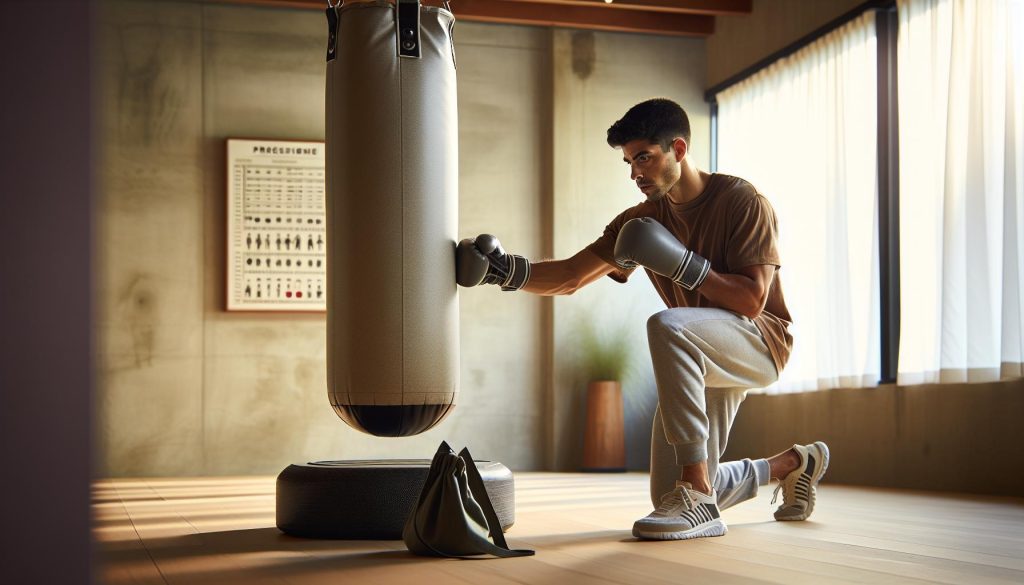
First and foremost, always wear protective gear. This includes hand wraps and gloves, which significantly reduce the risk of wrist and hand injuries. Hand wraps provide crucial support to your fingers and wrists, absorbing shock from your punches while maintaining flexibility. It’s also advisable to wear comfortable shoes and athletic attire that allows for freedom of movement.
Before you begin, make sure your punching bag is securely attached or stable, depending on the type of bag you are using. A heavy bag should be well-hung to prevent it from swinging excessively, which can cause unanticipated injuries. For freestanding bags, check that they are filled with an appropriate weight to avoid tipping over. If the bag moves too much while you strike, it can lead to misaligned strikes that may injure your shoulders or arms.
Pay attention to your technique as well. Start with light punches to familiarize yourself with the bag’s movement and resistance. This gradual approach allows your body to adapt and reduces the likelihood of strains. It’s crucial to maintain correct posture and alignment; poor technique can lead to injuries over time, particularly in your shoulders and back.
In addition, listen to your body. If you experience pain beyond the typical muscle soreness, stop your workout and assess the situation. Pushing through pain can lead to serious injuries that may sideline your training for an extended period. Finally, incorporate a proper warm-up and cool-down routine into your training sessions, including stretching exercises to enhance flexibility and recovery.
By adhering to these safety tips, you’ll create a solid foundation for your punching bag workouts, allowing you to focus on improving your skills and attaining your fitness goals without the worry of injury.
Basic Punching Techniques: Getting Started
Mastering the foundational punches is crucial for any beginner looking to get the most out of their punching bag workouts. The power behind a punch doesn’t just come from brute force but rather from technique, body mechanics, and rhythm. By starting with basic techniques, you will not only build strength but also develop coordination and balance-essential skills that can enhance your overall fitness and self-defense capabilities.
Essential Punches to Learn
When beginning, focus on these primary punches:
- Jab: This is a quick, straight punch thrown with your lead hand (left hand for right-handed individuals). It serves as a range finder and can set up your more powerful punches.
- Cross: A powerful straight punch delivered with the rear hand. This punch packs a strong impact and is most effective when paired with a jab.
- Hook: A punch that comes from the side aimed at the opponent’s head or body. It is important to maintain a tight fist and ensure your elbow is at shoulder height.
- Uppercut: An upward strait punch aimed at the chin, useful in close range. Make sure to rotate your hips to generate power while maintaining proper form.
Fundamental Techniques
To deliver effective punches, keep the following techniques in mind:
- Stance: Stand with your feet shoulder-width apart, slightly bent knees, and weight distributed evenly. Your dominant foot should be slightly behind the other. This position provides stability and allows for quick movement in any direction.
- Hand Position: Keep your hands up, near your face, to protect yourself while allowing for effective punching. When you punch, your fist should be aligned with your wrist and elbow to prevent injuries.
- Body Mechanics: Remember that power comes from the whole body. Rotate your hips and shoulders as you throw your punches to maximize force. The follow-through is just as important as the punch itself-allow your fist to extend all the way out before returning to your guard position.
- Breathing: Exhale sharply as you punch to help maintain your stamina and add power to your strikes.
Practice Makes Perfect
As a beginner, it’s essential to practice these techniques regularly. Start slowly to ensure proper form, then gradually increase your speed and power. It’s also beneficial to incorporate a mirror or record your sessions; this will help you identify and correct any improper mechanics. Additionally, consider working with a coach or a more experienced partner who can provide valuable feedback and tips for improvement.
Understanding these basic punching techniques will provide a strong foundation for your punching bag workouts, allowing you to increase your strength, coordination, and confidence. Remember, the goal is not to glorify aggression but to develop skills that empower you, enhance your fitness, and promote safety in practice.
Creating a Beginner’s Punching Bag Workout Plan
Creating a structured workout plan as a beginner is essential for maximizing the benefits of your punching bag training. A well-balanced routine can help you build strength, improve technique, and maintain motivation. Start with a template that incorporates various elements of boxing training, ensuring that each session targets different skills while allowing for adequate recovery time.
To design your initial workout, consider the following framework:
- Warm-Up (5-10 minutes): Begin with dynamic stretching, shadow boxing, and gentle footwork drills. This prepares your muscles and joints, reducing the risk of injury.
- Technique Focus (10-15 minutes): Dedicate time to practicing fundamental punches-jabs, crosses, hooks, and uppercuts-on the bag. Work on your form, speed, and accuracy. Focus on different angles and combinations to keep things engaging.
- Heavy Bag Rounds (15-20 minutes): Implement structured rounds on the bag, alternating between high-intensity intervals (30-60 seconds) and active recovery (30 seconds). Aim for 3-5 rounds where you work on different techniques or punch combinations throughout.
- Footwork Drills (5-10 minutes): Incorporate movement patterns around the bag. Practice advancing, retreating, and pivoting to improve your agility and positioning. Being mobile is crucial in boxing.
- Cool Down (5-10 minutes): Conclude with static stretching and deep breathing exercises to promote recovery and flexibility. This is also a moment to reflect on the training session, identifying areas for improvement.
As a beginner, consistency is key. Aim to train at least 2-3 times a week, gradually increasing the intensity and complexity of your workouts as you become more comfortable with the bag. Keep a log of your sessions to track progress, which can serve as a motivational tool as you witness improvements in your technique and fitness levels.
Furthermore, consider supplementing your bag workouts with other forms of training to create a holistic fitness regimen. Activities like running, swimming, or strength training can build endurance and overall body strength, augmenting your punching bag sessions. Always remember, while the punching bag is a powerful tool for building skills, incorporating various training methods will provide a well-rounded experience that elevates your boxing journey.
Incorporating Footwork and Movement Drills
To truly excel in boxing, mastering footwork is just as crucial as developing punching techniques. Effective footwork allows you to maintain balance, create angles, and control the distance between you and the bag, simulating a dynamic fighting environment. By incorporating dedicated footwork drills into your punching bag routine, you not only enhance your agility but also improve your defensive capabilities and overall boxing strategy.
Start with basic movement patterns that focus on advancing, retreating, and lateral movement. For example, as you step forward to deliver a jab, practice sliding your back foot to maintain balance. This helps you stay agile and ready for any counter. Incorporate drills such as shuffling side to side, moving in and out, or pivoting around the bag while throwing punches. These movements mimic real-life scenarios where quick shifts in position are necessary to evade an opponent’s strikes.
A structured approach to your footwork drills can include specific intervals. For instance, spend 5-10 minutes each session on dedicated footwork practice. Try to stay on the balls of your feet, which will keep you light and quick. Implement a rhythm: for every 3 steps forward, throw a punch, then retreat back to your original position. This keeps your drills engaging and also helps you integrate punching with movement fluidly. You could also explore resources such as YouTube tutorials that demonstrate various footwork drills applicable to heavy bag workouts[[2]](https://www.youtube.com/watch?v=ExlFDER5t-k).
As your skills progress, consider adding complexity by incorporating combinations of punches with your footwork. For example, while advancing, throw a sequence of punches-jab, cross, hook-followed by a quick lateral movement away from the bag. This not only sharpens your punching technique but also reinforces the importance of movement, allowing you to evade possible counters from an opponent.
Integrating footwork drills into your bag workout significantly enhances your overall performance. By effectively blending movement with punching technique, you build not just the physical ability to execute techniques but also the strategic mindset needed for real-life applications. Aim for consistency, and with time, you’ll find that your reflexes, speed, and boxing IQ will greatly improve.
Building Endurance: Cardio with the Punching Bag
Engaging with a punching bag isn’t just about unleashing powerful punches; it’s also an effective way to build cardiovascular endurance. Training with a bag elevates your heart rate, burns calories, and improves your overall fitness level. As you develop your punching skills, you’ll also enhance your stamina, which is critical for sustaining energy during workouts and any physical activities.
To start building endurance using a punching bag, consider integrating high-intensity interval training (HIIT) principles into your routine. For example, alternate short bursts of intense striking with periods of lighter activity or rest. This approach not only optimizes calorie burning but also helps condition your heart and lungs. A simple workout might start with 3-minute rounds of hard punches followed by 1 minute of active recovery, such as light footwork or shadow boxing.
Additionally, incorporating various striking techniques can keep your sessions dynamic while further challenging your cardiovascular system. Focus on combinations that include jabs, crosses, hooks, and uppercuts rather than repetitive single punches. This not only adds variety but also simulates real fight scenarios that require endurance and adaptability.
To track your progress, monitor your heart rate throughout your sessions and pay attention to how you feel during and after your workouts. Setting incremental goals-like improving the number of rounds you can complete or decreasing your recovery time-can also motivate you and provide visible markers of your improvement. Remember, consistency is key; regular practice will lead to significant gains in both your punching skills and cardiovascular fitness.
By building endurance with the punching bag, you’re not just improving your boxing skills; you’re also paving the way for a healthier, more active lifestyle.
Strength Training Exercises Using a Punching Bag
Engaging with a punching bag is not only about honing your striking skills but also serves as an excellent platform for building physical strength. Unlike typical weight training, workouts involving a punching bag can enhance coordination, agility, and power. Strength training through bag workouts allows you to develop your muscles effectively while integrating functional movements that reflect real-world applications of force and energy.
To start, here are several effective strength training exercises that can be performed using a punching bag:
Power Punches
Power punches involve delivering forceful strikes to the bag, focusing on generating maximum power rather than speed. This exercise engages your core, shoulders, and legs, promoting muscle growth and explosive strength. Aim to perform power punches in sets of 30 seconds, alternating between jab-cross combinations and hooks.
Weighted Punching
If you want to increase the resistance in your training, consider using weighted gloves or wrist wraps during your bag workouts. This added weight will force your muscles to work harder, enhancing your strength over time. Start with light weights, gradually increasing as you build strength and stamina to avoid injuries.
Push-Ups on the Bag
Incorporating push-ups using the punching bag as a support can significantly engage your upper body and core. Position your hands on the bag and perform push-ups-this variation challenges your balance and stability. Aim for three sets of 10-15 repetitions, adjusting as needed based on your fitness level.
Footwork with Resistance
Pair bag work with footwork drills while using ankle weights or resistance bands. This combination builds leg strength, enhances your punching technique, and increases your overall endurance. Move around the bag while performing punches, making sure to incorporate different angles and distances to simulate a real fighting scenario.
By integrating these exercises into your routine, you can effectively build strength while also improving your striking technique. Consistency is key; aim for two to three strength-focused bag workouts each week, ensuring you leave adequate recovery time for your muscles. Always prioritize proper form to mitigate injury risks and maximize your workout effectiveness.
Tracking Progress: Setting Goals and Milestones
Tracking your progress while training with a punching bag is crucial for maintaining motivation and ensuring continuous improvement. By setting specific goals and milestones, you can transform your workout experience into a structured journey that highlights your achievements and keeps you focused on your fitness aspirations.
Start by identifying clear and measurable goals that suit your current fitness level and long-term objectives. For instance, you might set targets such as increasing your punch count within a specific time frame, enhancing your striking technique, or improving your endurance. To help you stay accountable, consider the following strategies:
- Document Your Workouts: Keep a training log to record the details of each session, such as duration, techniques practiced, and personal reflections on what felt strong or challenging.
- Use Technology: Employ fitness trackers or apps specifically designed for boxing to monitor your punching metrics. These tools can provide insights like punch speed, power output, and overall performance.
- Set Incremental Milestones: Break your main goals into smaller, manageable milestones. Celebrate these achievements as you meet them, whether that means adding an extra round, improving your form, or increasing the intensity of your workouts.
As you track your progress, regularly assess your performance against your set goals. Adjust them as necessary to reflect your advancing skills and abilities. This dynamic approach keeps your workouts fresh and engaging, while also challenging you to push your limits safely and effectively. In doing so, you not only build your physical prowess but also foster a sense of accomplishment that fuels your dedication to training.
Preventing and Managing Common Injuries
When stepping into the world of punching bag workouts, it’s vital to prioritize your safety to avoid common injuries. Many beginners overlook the potential for harm while engaging in this empowering form of exercise. Understanding the risks associated with improper techniques or lack of protective gear is essential for a productive training experience.
To prevent injuries, always start with a proper warm-up. This helps prepare your muscles and joints for the physical demands of striking. Incorporating dynamic stretches and light cardio can significantly decrease the risk of strains or sprains. Additionally, wearing the right gear is non-negotiable. Use hand wraps to protect your wrists and fingers, and ensure you have well-padded boxing gloves. These items not only enhance performance but also safeguard against injuries caused by misaligned punches or over-exertion [2].
While hitting the punching bag, always be mindful of your form. Incorrect technique can lead to various injuries, like wrist sprains or shoulder problems. Always punch with proper alignment, keeping your wrist straight and your elbow slightly bent. If you experience discomfort or pain while training, it’s crucial to listen to your body. Pushing through pain can lead to more severe injuries. Instead, take breaks, reduce your intensity, or consult with a professional trainer for personalized feedback.
Should an injury occur, managing it promptly is key for a quick recovery. Following the RICE method-Rest, Ice, Compression, and Elevation-can be helpful for minor injuries. However, if pain persists or worsens, seeking medical advice is essential. Prioritizing your health and safety not only enhances your training but lays a solid foundation for long-term success in your fitness journey.
Choosing the Right Gear for Punching Bag Training
When embarking on your punching bag training journey, choosing the right gear is essential not only for enhancing your performance but also for safeguarding your health. The right equipment not only lends confidence during workouts but also significantly reduces the risk of injury, allowing you to focus on your technique and progression. Beginners often overlook the importance of proper gear, which can lead to discomfort or setbacks.
Investing in quality boxing gloves should be your top priority. A good pair of gloves provides the necessary cushioning for your hands and wrists, helping to absorb shock and protect your joints. Look for gloves that fit snugly yet comfortably. Generally, gloves are rated by weight (usually between 10 oz and 16 oz for training), with heavier gloves providing more padding and protection. Whether you choose velcro or lace-up gloves, ensure you can maintain a solid grip.
Hand Wraps
In addition to gloves, hand wraps offer crucial support for your wrists and knuckles. These wraps are designed to stabilize your hands during vigorous punching, reducing the risk of injuries like sprains or fractures. A thumb loop at one end of the wrap ensures it stays in place, and the material should be breathable and slightly elastic to allow freedom of movement while still providing support. Learning how to properly wrap your hands can significantly enhance your training experience.
Choosing a Punching Bag
Selecting the right punching bag is equally important. For beginners, a heavy bag (typically between 40 to 100 pounds) is ideal, as it provides resistance while you practice your punches. Bags that can be filled with sand or water are versatile, allowing you to adjust their weight as you progress. Additionally, consider the material of the bag; synthetic leather bags tend to be more durable and easier to clean than canvas options.
Footwear and Clothing
Don’t overlook your choice of footwear and clothing. Wear athletic shoes that provide good support, as you will be moving around the bag. Lightweight, moisture-wicking clothing allows for better movement and comfort during your workouts. The right attire not only enhances performance but also boosts motivation to maintain a consistent training schedule.
Equipping yourself with the right gear sets a foundation for success in your punching bag training. By prioritizing quality gloves, hand wraps, and appropriate bags, as well as ensuring your clothing and footwear are suitable, you will create an optimal training environment. This strategic approach supports both your safety and your ability to grow as a martial artist.
Exploring Advanced Techniques After Mastering the Basics
Once you have a solid grasp of the basics, it’s time to elevate your punching bag training by incorporating advanced techniques that can enhance your skills and increase your overall proficiency. Understanding how to refine your punches, introduce combinations, and improve your movement will enable you to train more effectively and prepare for potential self-defense scenarios.
Mastering Combinations
Start by integrating combinations into your routine, which involve linking together various punches for greater fluidity and speed. For example, practice the classic jab-cross-hook sequence. Performing combinations not only builds muscle memory but also enhances your coordination and timing. Aim for fluid transitions between punches and work on maintaining your stance and balance throughout.
- Jab-Cross-Hook: A fundamental combination that improves speed and accuracy.
- Uppercut-Hook-Cross: Focus on creativity in your techniques and practice delivering powerful punches from different angles.
Focus on Footwork
Advanced techniques often require significant footwork to ensure you are in the optimal position to strike. Practice lateral movements, pivoting, and stepping in and out to improve your overall agility. High-energy drills can simulate real-life scenarios where movement is critical for both offense and defense.
Incorporating Defensive Techniques
Don’t forget to blend defensive techniques into your training. After every combination, practice slipping or rolling to enhance your defensive skills. This will make your training more dynamic and will prepare you for confrontation scenarios. It’s crucial to understand how to evade strikes while simultaneously preparing to counterattack.
Building Endurance and Speed
As you refine your punches and movements, incorporate interval training to build endurance and speed. This can include timed rounds where you throw punches at maximum effort for short bursts, followed by active recovery. Such workouts can simulate the intensity of a fight while building both cardiovascular endurance and explosive power.
Cultivating advanced techniques necessitates dedication to continual learning and practice. By embracing these methods, you not only enhance your skills but also increase your confidence in real-life situations. Always remember the importance of safety and ethical considerations; practicing these techniques should be done with respect for personal safety and legal boundaries in mind.
Inspiring Success Stories: Beginners Who Transformed with Punching Bags
Many beginners have found their footing and transformed their lives through punching bag workouts. These success stories illustrate not only physical change but also the emotional and mental growth that can accompany a commitment to training. For some, the journey begins as a quest to improve fitness, but it often leads to empowerment, resilience, and a newfound sense of confidence.
One inspiring example is Sarah, a mother of two who struggled with self-esteem and anxiety. She turned to a punching bag as a way to relieve stress and channel her frustrations. Initially intimidated, she embraced the challenge and implemented a structured workout plan that included basic punches and conditioning drills. Over months of consistent training, Sarah not only shed pounds but also gained muscle definition and a powerful sense of self. Today, she continues her fitness journey and shares her experiences with others, demonstrating the profound impact of boxing on her life.
Similarly, James, a college student, sought to build discipline and focus. He started his punching bag training as a method to improve his overall fitness and relieve academic stress. By incorporating footwork and movement drills into his routine, he developed agility and coordination, motivating him to take on further challenges in martial arts. His story emphasizes how punching bag workouts can serve as a gateway to other fitness pursuits, fostering not just physical improvement but also mental clarity and resilience.
These stories remind us that the road to transformation can stem from something as simple as committing to regular punching bag workouts. By setting personal goals, tracking progress, and pushing through challenges, anyone can experience a rewarding journey. Whether it’s for fitness or self-confidence, the benefits of training with a punching bag extend far beyond the gym, encouraging individuals to embrace their strengths and face life’s hurdles with renewed vigor.
Faq
Q: How do I warm up before using a punching bag?
A: Start with a 5-10 minute warm-up that includes dynamic stretches such as arm circles, leg swings, and gentle torso twists. This helps increase blood flow and reduces injury risk during your punching bag workout. Consider incorporating light shadowboxing to mimic your punching motions.
Q: What type of gloves should I use for punching bag workouts?
A: Use boxing gloves that are specifically designed for training on punching bags. Generally, gloves weighing between 12-16 ounces are recommended for beginners, as they provide adequate padding and protection for your hands and wrists during workouts.
Q: How long should a beginner practice on a punching bag?
A: Beginners should aim for about 15-30 minutes per session, focusing on technique and regular breaks. Gradually increase the duration as your fitness level improves, ensuring you maintain good form throughout your workout.
Q: What are common mistakes to avoid when using a punching bag?
A: Avoid overextending your punches, as this can lead to injury. Maintain a balanced stance, keep your hands up to protect your face, and focus on technique rather than power to ensure effective training without risking harm.
Q: How can I track my progress when using a punching bag?
A: Keep a training journal to log your workout duration, punch combinations, and any improvements in speed or endurance. Also, consider using a fitness tracker to monitor your heart rate and calories burned during workouts to evaluate your progress.
Q: Can I use a punching bag for cardio exercises?
A: Yes, incorporating a punching bag into your cardio routine is effective. Use intervals of 2-3 minutes of intense punching followed by 1-minutes rest to elevate your heart rate and improve cardiovascular fitness. Always mix techniques and footwork for variety.
Q: What should I do if I feel soreness after using a punching bag?
A: If you experience soreness, ensure you rest and allow your body to recover. Apply ice to any inflamed areas and consider doing gentle stretches. Regularly incorporating rest days into your workout routine will help prevent overuse injuries and maintain your fitness level.
Q: How often should beginners train with a punching bag?
A: Beginners should aim for 2-3 sessions per week. This frequency allows your body to recover while steadily building strength and technique. Rotate your workout focus, varying between technique, endurance, and strength training with the bag.
The Conclusion
Congratulations on completing the “How to Use a Punching Bag: Beginner’s Complete Workout”! You’ve equipped yourself with essential techniques that not only enhance your fitness but also empower you in self-defense scenarios. Remember, mastering these skills takes practice, so challenge yourself to incorporate them into your routine consistently.
If you’re eager to take your training further, check out our guides on advanced punching bag workouts and other martial arts techniques. Don’t forget to subscribe to our newsletter for updates and exclusive tips on improving your skills. Share your progress in the comments below, and feel free to ask any questions you may have-engaging with our community is always encouraged!
Ready to keep advancing? Explore more resources on fighting techniques and fitness strategies on our site. Your journey in martial arts doesn’t end here; it’s just the beginning!
Get our latest guides, news, and insights highlighted in your Google Search & AI Overviews.