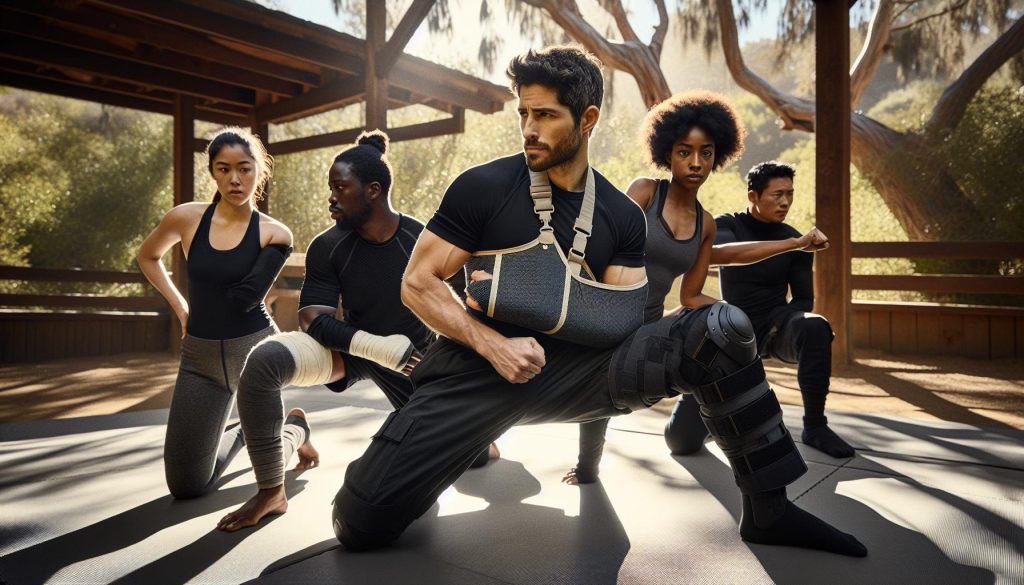
Injuries can happen in any martial arts practice, including Krav Maga, and a broken bone may leave you wondering about your training options. The good news is that adaptability is central to self-defense training. Understanding how to work around injuries not only helps maintain your physical condition but also empowers your mental resilience. Whether you’re recovering from an injury or seeking to help someone else in this situation, exploring the ways to adapt Krav Maga techniques can provide you with valuable insights. This article delves into safe training modifications, offering a path to continue developing your skills while prioritizing your health. As we navigate this discussion, let’s focus on the importance of training intelligently and responsibly, ensuring that self-defense remains an effective and safe practice even in the face of setbacks.
Understanding Krav Maga and Injury Limitations
Krav Maga emphasizes the importance of training effectively while prioritizing safety. When dealing with broken bones, it is crucial to understand how these limitations can impact training and overall well-being. A broken bone requires a period of healing, and pushing beyond these physical boundaries can exacerbate the injury, lead to chronic issues, or even hinder recovery. Members of Krav Maga training sessions should be mindful of their current physical state and communicate openly with their instructors about any injuries. This not only fosters a supportive environment but also allows alterations to training regimens that suit their rehabilitative needs.
Injuries, including broken bones, necessitate modifications in training techniques. Practitioners should focus on techniques that do not strain the injured area while still engaging with the rest of the body. For instance, those with arm injuries might concentrate on footwork and lower-body techniques instead of strikes or grappling that require upper body strength. Strengthening exercises and alternative drills can help enhance flexibility and maintain cardiovascular fitness while significantly reducing the risk of further injury.
Protective gear plays a vital role in adapting to injuries during training. By utilizing appropriate padding or support for the affected area, practitioners can safely engage in drills and techniques that might otherwise be too painful or risky. This gear not only aids in physical protection but also boosts psychological readiness, giving individuals more confidence to participate in training without excessive fear of re-injury.
Psychologically, training with limitations can be daunting but also empowering. It provides an opportunity to develop tactical awareness and sharpen other skills that may be overshadowed when focusing solely on physical strength. Instructors should be attuned to the mental aspects of training with injuries, encouraging students to recognize their competencies while respecting their current limitations. This dual focus helps maintain a continued sense of progress and personal growth in a safe environment.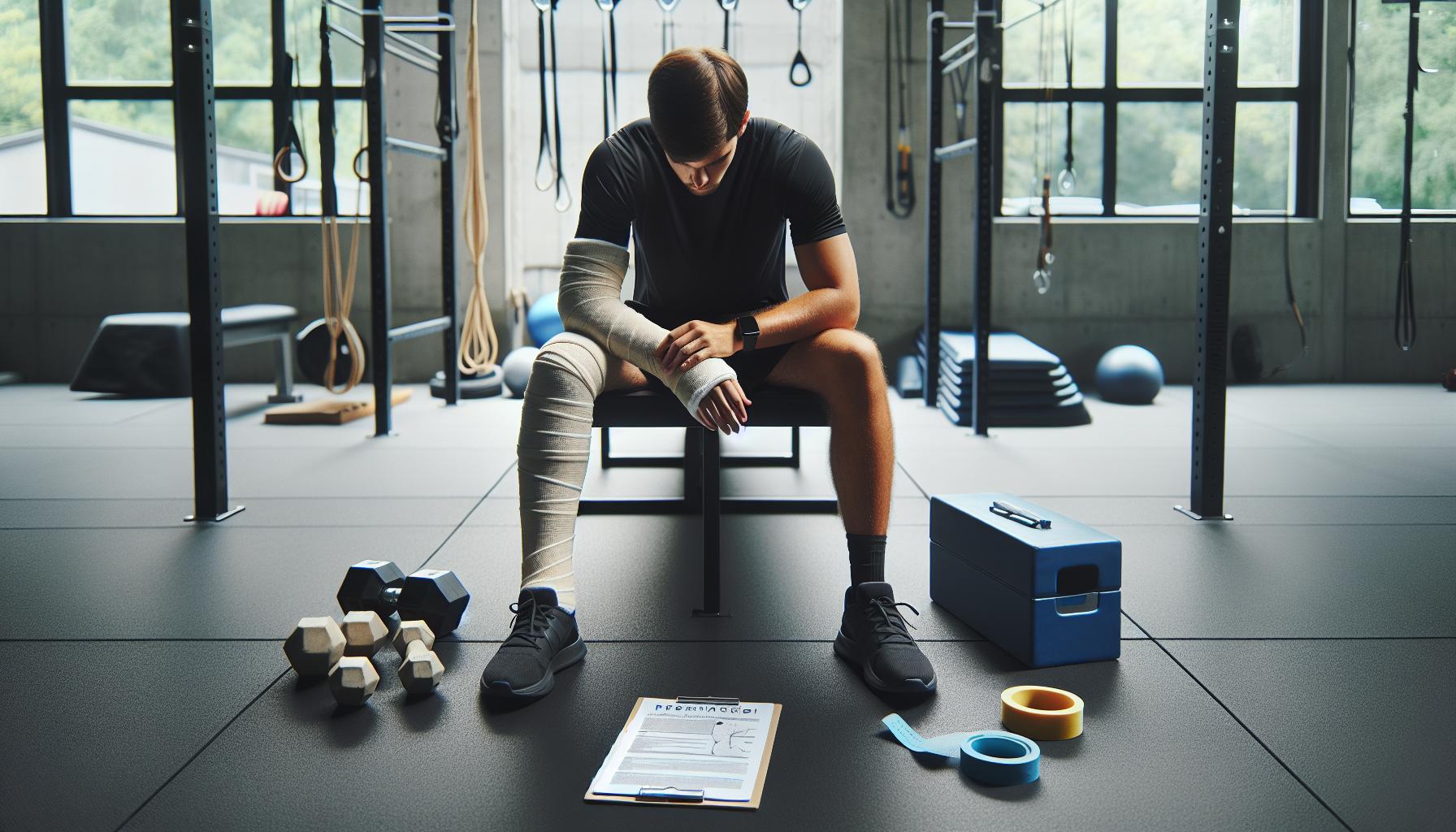
The Impact of Broken Bones on Training
Training can be a complex endeavor, especially when dealing with injuries like broken bones. A broken bone not only requires time to heal but can also significantly alter the way one engages in Krav Maga practice. Recognizing the seriousness of a fracture, it’s essential to understand both the physical limitations and potential adaptations that can be made during recovery. Ignoring injury signals or attempting to “push through the pain” can lead to more severe complications, such as chronic pain or improper healing, which could diminish future training opportunities.
When a practitioner sustains a broken bone, it’s crucial to modify training approaches. While certain movements may be off-limits, this does not mean that training has to stop entirely. Instructors can design specialized drills that focus on uninjured areas or that involve less intensive movements. For example, a student with a broken arm can concentrate on enhancing their footwork and lower-body maneuvers or work on mental drills that emphasize strategy and situational awareness. This not only keeps the practitioner engaged but also fosters a mindset that values adaptability and resilience in the face of adversity.
Moreover, communication between student and instructor becomes even more pivotal during this time. Being clear about one’s injury allows for personalized adjustments to training routines and fosters an environment of support. This practice enhances recovery and allows practitioners to contribute meaningfully to their training group, even while adjusting to new physical limitations. Each session offers an opportunity to learn alternative methods and techniques that encourage growth despite adversity.
A key takeaway for anyone grappling with the challenges of a broken bone while training in Krav Maga is the importance of patience and self-compassion. Healing takes time, and adapting to this reality can create a deeper understanding of one’s body and its capacities. Training with these limitations can provide valuable insights and skills that enhance overall martial arts proficiency, ensuring that the time spent recovering is not only productive but also enriching.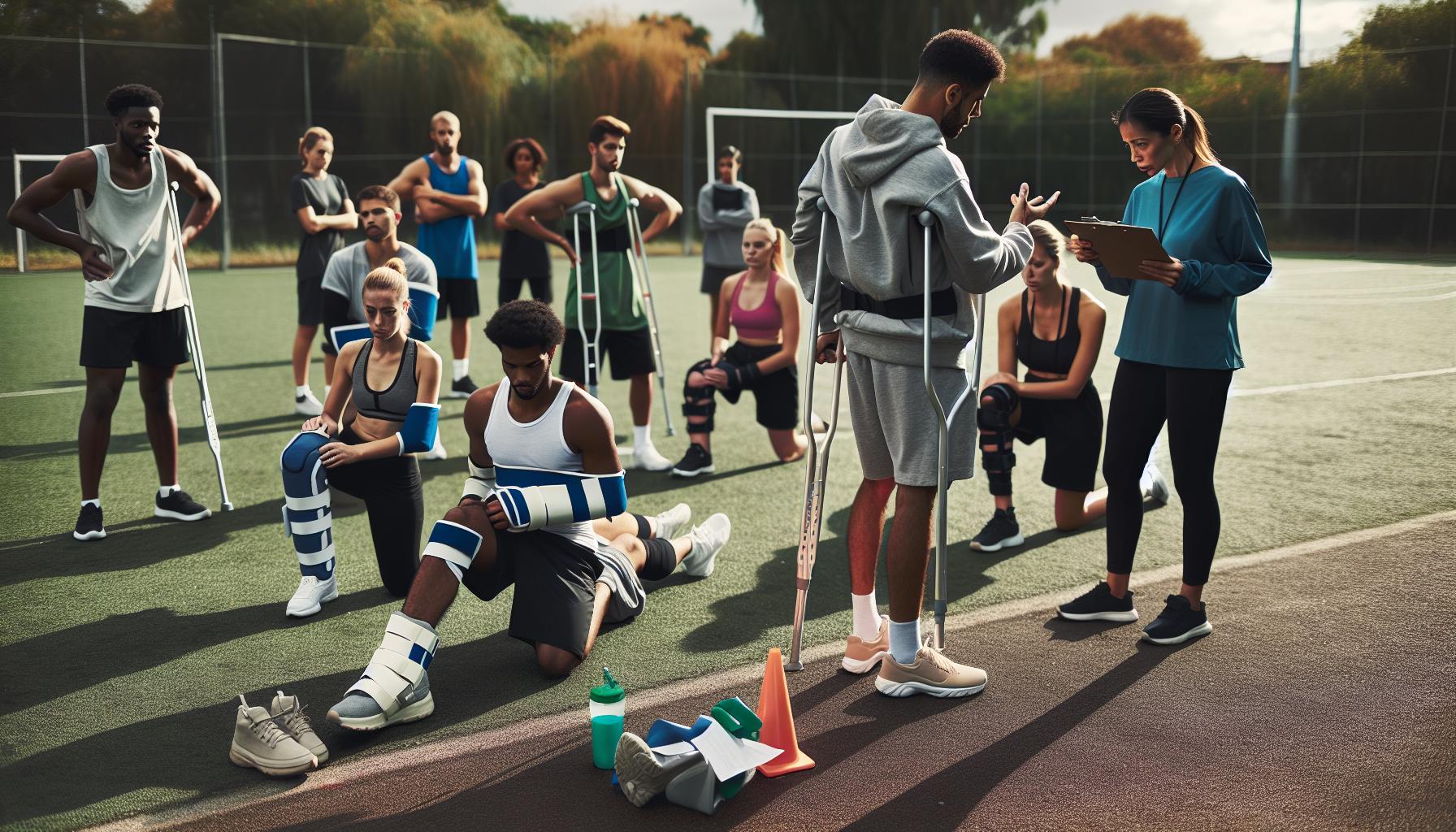
Safety Protocols for Practicing with Injuries
Practicing Krav Maga while managing an injury, such as a broken bone, demands a framework of safety protocols to ensure both your well-being and the effectiveness of your training. Understanding how to train safely in these circumstances is essential not only for your recovery but also for the safety of your training partners. Adhering to established protocols can prevent further injury and foster an environment of respect and caution within the training space.
To start, it’s crucial to communicate openly about any injuries with your instructor and fellow practitioners. This transparency allows everyone to understand your limitations and adjust their techniques accordingly. For instance, if you’re nursing a broken arm, make it clear to your peers that certain movements or sparring activities should be modified or avoided. Being upfront about your injury encourages a supportive atmosphere where students can practice with awareness rather than recklessness.
Next, always prioritize warm-up and cool-down exercises tailored to your current physical capabilities. Engaging in light cardiovascular activities, gentle stretching, and mobility work will help keep your body agile without taxing injured areas. It’s essential to focus on maintaining the overall fitness of uninjured parts of your body, such as the lower body or core, to support your long-term recovery.
Considerations for Training:
- Modified Techniques: Work with your instructor to adapt techniques that can be performed safely, emphasizing movements that do not strain your injury.
- Controlled Training Environment: Practice in a setting where the intensity is lower, such as drilling instead of sparring, to reduce risk.
- Use of Protective Gear: Employ additional protective equipment if necessary, such as padded braces or supports, to safeguard vulnerable areas while you train.
Lastly, take advantage of mental training opportunities. Visualizing techniques and scenarios can keep your mind sharp and engaged, complementing your physical recovery. Utilize this time to deepen your understanding of Krav Maga principles and strategies, ensuring you’ll return stronger and more knowledgeable.
Implementing these safety protocols not only safeguards your healing process but also reinforces a culture of caution and responsibility in the dojo. By respecting your body’s current limitations, you embody the true spirit of martial arts-adaptability, resilience, and an unwavering commitment to growth.
Modifying Techniques for Users with Broken Bones
Injuries such as broken bones can pose significant challenges to practitioners of Krav Maga, but there are always ways to adapt and continue training safely. The key lies in modifying techniques to fit your current physical capabilities while still allowing for meaningful engagement with the martial art’s principles. For example, if you have a broken arm, you can focus on footwork, body positioning, and defensive maneuvers that do not strain the injured area.
When modifying techniques, begin by consulting with your instructor to discuss which movements are safe for your injury. This partnership is invaluable; instructors can provide alternative drills that emphasize your strengths while side-stepping the limitations imposed by your injury. For instance, if practicing strikes is not feasible, you can focus on techniques that rely on mobility and evasiveness, using your legs and core to maintain defensive postures.
Communication with peers also plays a critical role in modifying how you train. Being open about your injury allows fellow practitioners to adjust their partner work appropriately, ensuring that movements remain controlled and safe. You can still participate in drills with minimal risk by focusing on techniques like escaping holds or guiding your partner to practice combinations without direct impact, keeping the training environment supportive and understanding.
Moreover, mental visualization exercises can supplement your physical training by reinforcing technique retention and understanding. Visualize yourself executing modifications to moves you cannot physically practice, which aids in maintaining your engagement with the art even during recovery. By embracing this adaptive mindset, you preserve your connection to Krav Maga, fostering resilience and growth throughout your healing process.
The Role of Protective Gear in Injury Adaptation
In the realm of martial arts, protective gear serves as a critical component, especially for practitioners navigating injuries like broken bones. Using appropriately designed gear can make a significant difference in both safety and confidence while training. For those with fractures, gear not only provides physical protection but also supports mental reassurance, allowing practitioners to focus on their recovery and adaptation instead of the fear of further injury.
One of the most essential pieces of protective gear in Krav Maga training is the bracing support. For example, wrist braces or supports can help stabilize an injured arm, enabling the practitioner to participate in drills without risking additional harm. Similarly, knee braces can be beneficial for individuals with leg injuries, offering stability and reducing discomfort. Coupling these supports with proper padding-such as shin guards or elbow pads-helps in minimizing impact during practice, thereby maintaining a safer training environment.
It’s also important to consider the use of headgear or padded helmets, which provide essential protection when engaging in partner drills that may inadvertently lead to strikes to the head or face. While these are generally used for more advanced sparring, they can be crucial for those who are healing from head injuries or simply want to mitigate risks while handling their physical limitations. When using any protective gear, it’s crucial to ensure it fits properly and allows for mobility without compromising safety.
As you start to adapt your training post-injury, incorporating protective gear not only enhances your safety but also empowers you to engage more fully with the tactical elements of Krav Maga. This can lead to increased confidence, as you gradually regain strength and agility. Additionally, communicating with your instructor about which gear might be beneficial for your specific injury can help tailor your training to ensure both progression and protection at every step. Embracing this gear can truly facilitate a smoother path back to your regular training routine.
Psychological Readiness: Training with Limitations
Injuries can take a significant toll on a practitioner’s mental state, especially in a physically demanding discipline like Krav Maga. The psychological readiness to train with limitations is crucial for a successful recovery and continued participation in martial arts. Understanding the mental aspects of training while injured can help practitioners navigate their fears, build resilience, and maintain a positive mindset throughout their healing process.
When faced with a broken bone, it’s common to feel frustration or anxiety about returning to training. Acknowledging these emotions is the first step towards overcoming them. Setting realistic goals can provide a sense of direction and accomplishment. For instance, instead of focusing on full-level sparring, practitioners can aim to engage in light drills that accommodate their injury, gradually increasing intensity as confidence returns. This step-wise approach not only reinforces skill retention but also fosters a positive reinforcement loop, enhancing self-efficacy.
Additionally, clear communication with instructors and training partners is essential. Discussing limitations openly can not only clear misunderstandings but also foster a supportive training environment. Instructors can adjust teaching methods and provide alternative drills that align with the practitioner’s current abilities, ensuring a safe but enriching training experience. Encouragement from fellow trainees can also be invaluable. Sharing experiences and strategies for managing anxiety can create a supportive community when faced with the challenges of training under limitations.
Another crucial aspect of psychological readiness is focusing on mental training techniques. Visualization exercises, for example, can help practitioners mentally rehearse techniques and scenarios, reinforcing their learning while physically sidelined. Mindfulness practices can assist in managing stress and anxiety, keeping individuals grounded in the present rather than fixated on their limitations. In this way, mental preparedness is just as vital as physical conditioning, allowing practitioners to stay engaged with their training while also nurturing their recovery process.
Alternative Drills for Recovery and Rehabilitation
Injuries like broken bones shouldn’t derail your Krav Maga journey; rather, they can serve as a pivotal moment for adaptation and growth. By integrating alternative drills suited to your healing process, you can maintain engagement with the martial art while fostering recovery. This not only preserves your skills but also allows for a gradual return to full strength.
One foundational approach to alternative training involves focusing on techniques that do not require the injured area. For instance, if you’re coping with a broken arm, prioritize footwork drills that enhance agility and movement. Here are some practical alternatives to incorporate into your routine:
- Footwork Drills: Engage in lateral movements, agility ladder exercises, or cone drills to improve your footwork without straining your injury.
- Conditioning Exercises: Explore low-impact cardio options like cycling or using an arm ergometer to maintain overall fitness levels.
- Technique Visualization: Spend time visualizing techniques and scenarios in your mind. This mental rehearsal can significantly contribute to muscle memory once you’re back in action.
- Strength Training for Uninjured Areas: Work on resistance exercises that focus on your core and legs, while avoiding any load on the injured limb.
Additionally, collaborating closely with your instructor is crucial. They can suggest modified drills that respect your injury, ensuring that you maintain a sense of belonging in your training environment. For example, if you are unable to perform certain techniques, your instructor may introduce shadowboxing or target hitting, which allows for practice of strikes without direct impact.
Implementing these alternatives not only aids in physical rehabilitation but also sustains your connection to the Krav Maga community. Sharing these modifications with fellow practitioners can foster a supportive atmosphere, offering encouragement to one another as each person navigates their unique challenges. Remember, the goal is to stay engaged and motivated, using this time to refine your skills and prepare for an even more powerful comeback once you have fully healed.
Finding the Right Instructor for Injury Adaptation
Finding the right instructor to guide your Krav Maga journey while navigating an injury can transform a challenging situation into a valuable learning experience. An effective instructor understands not only the techniques of Krav Maga but also the unique needs of students with injuries. Look for someone who emphasizes safety and possesses the ability to adapt training to accommodate your limitations. A qualified instructor will assess your injury and help modify drills, ensuring that you remain engaged without risking further harm.
When assessing potential instructors, seek those with experience in injury management within martial arts. Many seasoned instructors have dealt with students who have sustained various injuries, including broken bones. They can provide a wealth of knowledge and therapeutic drills tailored to your recovery process. Consider asking about their approach to injury adaptation during an initial meeting. Inquire about their previous experience working with injured students and how they would recommend modifying techniques specific to your condition.
It’s also beneficial to choose an instructor who fosters a supportive training environment. This can significantly impact your recovery and motivation. Look for someone who encourages open communication, allowing you to express your concerns and any discomfort you may feel during training. An instructor should be willing to collaborate closely with you, adjusting drills as needed and offering psychological support to enhance your confidence as you adapt to training with limitations.
Lastly, consider checking student reviews or feedback on the instructor’s ability to handle diverse student backgrounds, including those recovering from injuries. A supportive community can make all the difference and help ease anxiety associated with training in a martial art while healing. Be sure to establish clear expectations with your instructor regarding your injuries and goals; this partnership will help ensure that your training remains effective, safe, and enjoyable throughout your recovery journey.
Common Injuries in Krav Maga and Prevention Strategies
In the world of Krav Maga, the intensity and physical demands of training can sometimes lead to injuries, making injury prevention vital. Common injuries in Krav Maga include sprains, strains, and fractures, frequently resulting from high-impact drills and sparring. A significant concern is overuse injuries, often experienced by those pushing their limits repetitively without adequate recovery. Recognizing the types of injuries that can occur can help practitioners take proactive measures to ensure their safety and longevity in training.
- Fractures: Broken bones, particularly in the hands or feet, can occur due to improper technique or accidents during sparring.
- Sprains and Strains: These injuries typically affect ligaments and muscles, often resulting from sudden twists or falls.
- Joint Injuries: Knees and elbows are particularly vulnerable to stress during various techniques, leading to pain and potentially long-term issues.
To effectively prevent these injuries, practitioners should prioritize proper warm-ups that focus on flexibility and strength-building exercises targeting the core, legs, and arms. Technique refinement is crucial; individuals must learn to execute moves correctly to minimize the risk of injury. Additionally, adequate rest is essential. Training sessions should include recovery periods and individuals should listen to their bodies, understanding when to take a break to avoid overtraining.
Furthermore, investing in quality protective gear, such as hand wraps, shin guards, and mouthguards, can offer significant protection during practice, especially for beginners or those resuming training after an injury. Establishing a consistent cooldown routine helps not only in muscle recovery but also in reducing soreness post-training. Engaging in cross-training activities-such as swimming or yoga-can strengthen different muscle groups and enhance overall fitness, further decreasing the likelihood of injuries. By adopting these strategies, practitioners can enjoy a more sustainable training experience in Krav Maga while minimizing injury risks.
Legal Considerations for Self-Defense with Injuries
Injuries can complicate self-defense situations significantly, especially when it comes to using Krav Maga methods effectively. Understanding the legal landscape is crucial for anyone who might need to defend themselves while dealing with physical limitations due to injuries. The primary legal principle to keep in mind is the concept of “proportionality.” This means that any force used in self-defense must be reasonable and directly related to the threat faced. Practicing Krav Maga with a broken bone or other injuries may raise questions about your ability to respond appropriately without crossing into excessive force, which could lead to legal consequences.
When training with an injury, your capability to deliver harm is naturally diminished. Properly assessing your situation is vital; if you’re injured, it may be advisable to prioritize avoidance and de-escalation over direct confrontation. For example, if confronted by an aggressor while dealing with a broken hand, relying on verbal de-escalation tactics or retreating to a safer location might be the most legally and morally sound decision. This approach aligns with the principle of self-defense and can also minimize the risk of further injury.
It’s also important to be aware of the specific laws in your state or country regarding self-defense. Different jurisdictions have varying thresholds for what constitutes reasonable force, and understanding these nuances can protect you legally. For instance, in some areas, a duty to retreat exists, meaning you must attempt to escape before using force, while others uphold “stand your ground” laws.
Finally, consider maintaining clear documentation of your injuries and any actions you took during a self-defense incident. This record can be crucial in legal situations, showcasing your awareness and understanding of your limitations. As you train, keeping injury-specific modifications in mind not only enhances your own safety but also emphasizes the ethical responsibility of using self-defense techniques wisely and judiciously. Prioritize communication with your instructor about your injuries, ensuring that any techniques practiced are safe and lawful under current legal standards.
Building Fitness While Rehabilitating from Injury
Injury doesn’t have to mean the end of your fitness journey, especially for those practicing self-defense techniques like Krav Maga. A broken bone can indeed limit certain movements, but this time can be harnessed to focus on other aspects of fitness that are safe and effective. Adapting your approach during recovery is crucial to maintaining not only physical strength but also mental resilience.
To maintain and build fitness while rehabilitating, consider these strategies:
- Focus on Lower Body Training: While your upper body may be restricted, incorporating lower body workouts can enhance strength and flexibility. Exercises such as squats, lunges, and leg presses can keep your legs strong and help you maintain a balanced regimen.
- Core Stability Work: The core is integral to good movement in all martial arts. Engage in core-strengthening exercises that don’t stress the injured area. Planks, bridges, and seated exercises can be effective without straining your injury.
- Conditioning and Cardiovascular Health: Depending on your injury, explore cardiovascular training options that are low-impact, such as cycling or swimming, which allow you to get your heart rate up while minimizing risk of further injury.
- Incorporate Mobility and Flexibility Work: Gentle stretching can aid in maintaining range of motion in other parts of your body. Consider practices like yoga or tai chi for this purpose, offering both physical and mental benefits.
- Consult a Professional: Always check in with a physical therapist or healthcare provider who can tailor a safe recovery plan that aligns with your fitness goals and recovery process.
As you rebuild your fitness, consider utilizing your time to enhance knowledge and skills that do not require physical exertion. Studying techniques, participating in mental conditioning through visualization of Krav Maga scenarios, or even reviewing legal aspects of self-defense can be highly beneficial during rehabilitation.
Empowering yourself with knowledge and maintaining fitness within your limitations fosters resilience, ensuring your return to full training is not just a physical comeback but also a mental one. Remember, recovery is often a testament to your commitment to self-care and fighting spirit-traits that are invaluable in both martial arts and life.
Inspiring Recovery Stories: Overcoming Limitations
In the world of self-defense, resilience isn’t just about physical strength; it embodies the spirit of overcoming adversity. Many practitioners of Krav Maga have faced significant injuries, including broken bones, yet their journeys to recovery and adaptation serve as powerful reminders of the human capacity to persevere. For instance, a dedicated student of Krav Maga, who broke his wrist during a training session, didn’t view his injury as a setback but as an opportunity to deepen his understanding of the discipline. He focused on his lower body techniques and core stability, realizing that much of Krav Maga’s effectiveness relies on a solid foundation and adaptability.
Sharing the journey of others can offer inspiration during rehabilitation. An individual who suffered a broken leg found themselves unable to participate in sparring or certain drills. Instead, they worked closely with their instructor to modify techniques that could be practiced seated or with limited movement. This adaptation did not only keep them engaged with their training but also fostered a greater appreciation for technique, timing, and strategy. Their determination to continue learning and growing, despite physical limitations, showcased a commitment that resonated deeply within the Krav Maga community.
Importantly, these stories highlight the role of mental resilience. Practitioners have found that engaging in visualization exercises, where they mentally rehearse techniques and scenarios, aids recovery by reinforcing their skills and confidence. As their bodies healed, not only did they return physically, but they often came back with a renewed focus and understanding of the principles of Krav Maga-demonstrating that the mind’s strength can be just as critical as the body’s.
Ultimately, the blueprint left by these individuals emphasizes that injury need not stifle growth or learning. By embracing a gradual process of recovery, whether through modified training or mental conditioning, students can foster a mindset that not only prepares them for a return to full training but also instills a lifelong respect for the journey of self-improvement that martial arts embody.
FAQ
Q: Can I continue Krav Maga training with a broken bone?
A: It is generally not recommended to train in Krav Maga with a broken bone. Training could aggravate the injury and prolong recovery. It’s essential to consult a healthcare professional for personalized advice before resuming any physical activity.
Q: What modifications can I make for Krav Maga training with injuries?
A: Modifications may include focusing on upper body techniques if the injury is in the lower body, or practicing theoretical aspects of self-defense. Always prioritize safety and consult with your instructor for tailored adaptations.
Q: How can I stay fit while recovering from a broken bone?
A: Engage in low-impact exercises that do not strain your injury, such as swimming or using a stationary bike. Work with a physical therapist to develop a safe routine that supports recovery while maintaining fitness levels.
Q: Can I use protective gear while training with an injury?
A: Yes, wearing protective gear can be beneficial while practicing with an injury. It can help prevent further damage and provide reassurance. Discuss with your instructor to determine the best protective options for your situation.
Q: How do I mentally prepare to return to Krav Maga after an injury?
A: Focus on positive self-talk and setting gradual goals for your return to training. Engage in visualization techniques and consult with instructors to boost your confidence and readiness before resuming sparring or intense drills.
Q: What should I discuss with my Krav Maga instructor regarding my injury?
A: Communicate openly about the specifics of your injury, including any limitations and pain levels. Discuss modifications for techniques, suitable drills during your recovery, and your overall fitness goals to create a tailored plan.
Q: What are common injuries in Krav Maga, and how can I prevent them?
A: Common injuries include sprains, fractures, and cuts. To prevent injuries, engage in proper warm-up routines, use correct techniques, and wear appropriate safety gear. Regularly consult your instructor for preventive advice tailored to your practice.
Q: Are there alternative self-defense techniques I can learn while rehabilitating?
A: Yes! Focus on self-defense principles and awareness training. You can practice mental strategies and verbal de-escalation techniques that do not require physical exertion, helping you stay engaged during Recovery.
Final Thoughts
Adapting your Krav Maga practice after an injury, such as a broken bone, is entirely possible and can help maintain your skills and confidence. Remember, safety is paramount-always consult with a medical professional before resuming any physical activity. Focus on what you can do: low-impact drills, techniques that don’t strain your injury, and mental visualization to keep your tactical thinking sharp.
For more insights on injury recovery and self-defense training techniques, explore our articles on “Injury Prevention in Martial Arts” and “Essential Self-Defense Techniques for Beginners.” Don’t hesitate to share your experiences or ask questions in the comments below. Your journey toward mastering Krav Maga doesn’t stop with an injury; it evolves. Sign up for our newsletter for continuous tips and resources tailored for adaptive training, ensuring you stay informed and motivated on your path to recovery and self-defense mastery.