In the dynamic world of martial arts, Krav Maga stands out as a practical self-defense system designed for real-world situations. But what if one of the most renowned fictional characters, Batman, employed this combat training? Understanding whether Batman knows Krav Maga captures not only the imagination of fans but also highlights important self-defense principles. As a figure that embodies strength and resilience, Batman’s training can resonate with those seeking personal safety and empowerment. This exploration not only delves into the combat techniques that make Krav Maga effective but also examines the ethical considerations surrounding self-defense. By reflecting on Batman’s training, readers can gain insights into applying martial arts principles responsibly in their own lives. Join us as we uncover the layers of this fascinating topic, fostering an understanding of both fictional and practical self-defense strategies that reflect the realities we all face.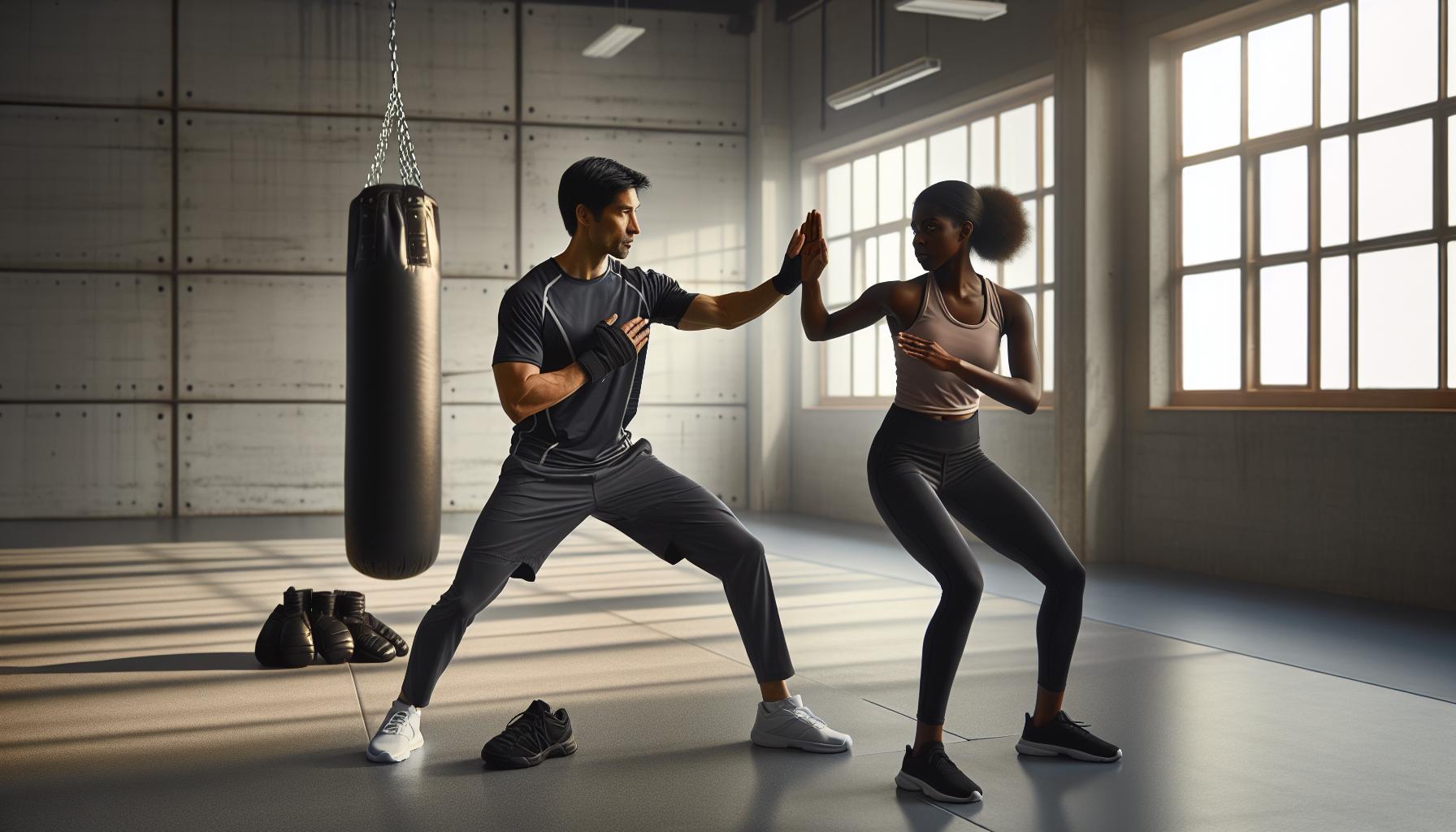
Understanding Krav Maga: The Basics and Benefits
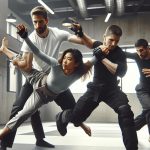
Krav Maga, a self-defense system developed for real-world scenarios, is characterized by its focus on practicality and efficiency. Unlike traditional martial arts that may prioritize aesthetics or forms, Krav Maga emphasizes instinctive movements and adaptations to chaotic situations. This makes it highly relevant for anyone interested in self-defense, including fictional heroes like Batman, who often face life-threatening encounters where quick decision-making is crucial.
The primary benefits of Krav Maga lie in its accessibility and its effective techniques. Whether one is a seasoned fighter or a complete novice, Krav Maga training can be tailored to meet various skill levels, helping individuals develop confidence and situational awareness. Training typically incorporates a mix of striking, grappling, and defense against armed attacks, ensuring practitioners are well-rounded in their defensive capabilities. This focus on realistic scenarios prepares students not only physically but also mentally for potential confrontations.
Moreover, Krav Maga instills the importance of legal and ethical considerations in self-defense. Students learn to assess situations critically, understanding when to engage and when to de-escalate. This aligns with the mindset of responsible self-defense, balancing the right to protect oneself with the legal ramifications of physical confrontations. By understanding the legal limits of self-defense and practicing proportional response, Krav Maga practitioners are empowered to protect themselves while minimizing the risk of unnecessary harm or legal consequences.
In summary, Krav Maga offers invaluable skills and knowledge beneficial for anyone seeking self-defense training, including effective techniques adaptable to various environments and legal-practical awareness necessary for ethically navigating confrontational scenarios.
Can Batman Realistically Use Krav Maga Techniques?
In the realm of comic book heroes, Batman stands out not only for his intellect and detective skills but also for his physical prowess. His extensive training regimen could logically include a self-defense system like Krav Maga, widely recognized for its efficiency in real-world combat situations. Developed for the Israeli military, Krav Maga focuses on practical techniques that enable individuals to defend themselves against various threats. Given Batman’s need to prepare for unpredictable encounters with criminals, the integration of Krav Maga techniques into his skill set appears highly plausible.
Krav Maga emphasizes instinctive movements that are easy to execute under stress, making it an excellent choice for anyone, especially someone like Batman, who operates in high-pressure environments. The system covers a range of scenarios, including defenses against armed attackers, which aligns with the threats Batman faces regularly. For example, his encounters with villains often involve weapons or multiple assailants, making Krav Maga’s adaptability crucial. Techniques that prioritize escaping danger, manipulating an opponent’s balance, and striking effectively can all be seen as beneficial in a fight where every second counts.
Moreover, Batman’s ethical stance on minimizing harm and protecting civilians resonates with the principles of Krav Maga regarding self-defense. Practitioners are trained to assess when to engage and when to de-escalate a situation, aligning with Batman’s approach of using violence as a last resort. This responsibility mirrors the ethical dimensions of self-defense, where ensuring personal safety does not override the necessity to avoid unnecessary harm to others. Thus, if Batman were to incorporate Krav Maga into his training, it would synergize well with his existing philosophy of justice and restraint.
In summary, Batman’s character could realistically and effectively utilize Krav Maga techniques as part of his combat training. The system’s focus on practical application, mental preparedness, and ethical considerations would not only enhance his combat capabilities but also align with his overarching commitment to justice and protection of the innocent. This combination of real-world effectiveness and moral responsibility exemplifies why Krav Maga would be an essential element in the Dark Knight’s arsenal.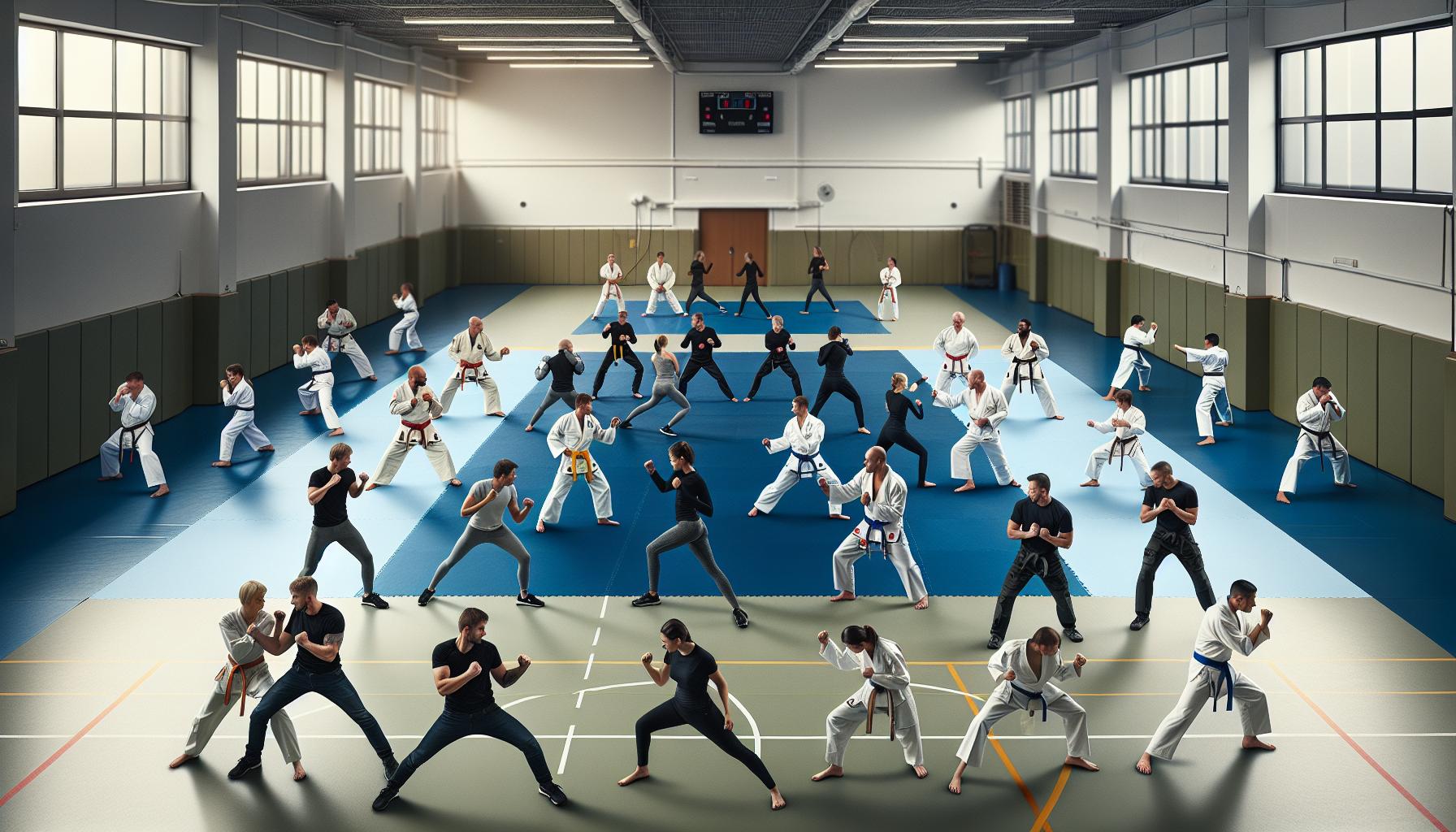
Comparison of Krav Maga and Other Martial Arts
Krav Maga stands out in the martial arts landscape for its unique focus on real-world self-defense strategies, setting it apart from traditional martial arts like Brazilian Jiu-Jitsu (BJJ) or Muay Thai. While many martial arts emphasize forms, tournaments, and point-based scoring, Krav Maga is concerned with practicality and effectiveness in life-threatening situations. Developed for the Israeli military, it prioritizes defense against armed attackers, multiple assailants, and the quick application of techniques under duress, which align closely with the kinds of confrontations a fictional hero like Batman might face.
Specific Techniques and Training Approaches
Unlike BJJ, which emphasizes ground fighting and submissions, Krav Maga teaches a range of techniques that prepare individuals for various combat scenarios. These include situational awareness, how to escape holds, and neutralizing threats with decisive strikes. Muay Thai incorporates powerful strikes and clinch techniques, focusing on stand-up sports fighting. In contrast, Krav Maga integrates strikes but also emphasizes the use of weapons and combating armed opponents, making it more versatile for self-defense scenarios.
- Krav Maga: Emphasizes instinctive techniques, quick response, and improvisation.
- BJJ: Focuses on ground control, submissions, and defensive grappling.
- Muay Thai: Centers on powerful strikes using fists, elbows, knees, and shins.
Ethical Considerations and Application
An important distinction lies in the ethical training that accompanies Krav Maga. Practitioners learn to de-escalate situations whenever possible and engage only as a last resort, reflecting Batman’s own moral compass. In contrast, traditional martial arts may not focus as much on the psychological aspect of conflict resolution. A Krav Maga practitioner is trained to assess threats continuously and decide whether to neutralize an aggressor or escape the situation safely, which aligns well with the tactical decision-making Batman often employs.
Ultimately, Krav Maga equips individuals not only with combat skills but also with the mental preparedness required in high-stress environments. For someone like Batman, who thrives on strategy and ethical considerations in the face of danger, the transition between various martial arts styles and techniques is crucial. Each martial art brings its strengths to the table, but Krav Maga’s blend of effective self-defense, situational awareness, and moral responsibility makes it particularly suitable for extreme scenarios-much like those Batman encounters.
Historical Context: The Evolution of Krav Maga
Krav Maga was born out of a necessity for effective self-defense techniques tailored to real-world situations, specifically in the context of military combat. Developed in the late 1930s by Imi Lichtenfeld, a Jewish martial artist in Czechoslovakia, it began as a response to the rise of anti-Semitic violence. Lichtenfeld’s goal was to create a system that integrated elements from various martial arts, focusing on practical application rather than traditional forms or competitive sparring. This unique approach laid the foundation for a self-defense system that is both intuitive and highly effective.
The methodology of Krav Maga evolved significantly when Lichtenfeld relocated to Israel and began training soldiers in the Israeli Defense Forces (IDF). Recognizing the need for soldiers to respond accurately and decisively under extreme stress, he adapted his techniques to accommodate both unarmed and armed confrontations. Over the years, Krav Maga gained widespread acceptance beyond military training, finding its way into civilian self-defense classes, law enforcement agencies, and personal security training programs. This exposure has contributed to its development as a respected and effective means of self-protection, aligning with a philosophy of de-escalation and proportional response to threats.
The transition from a military-oriented combat system to civilian applications highlights Krav Maga’s adaptability. This evolution has been influenced by global events and the changing landscape of personal safety concerns. As people increasingly face threats in urban environments, Krav Maga has incorporated techniques specifically designed to deal with such scenarios, including responses to armed attacks and multiple assailants. Its principles prioritize instinctive movements, situational awareness, and an understanding of legal and ethical considerations in self-defense, making it a complex and comprehensive system.
In the context of a fictional hero like Batman, the evolution of Krav Maga showcases its appropriate application in high-pressure situations. Just as Batman meticulously trains to confront various threats, practitioners of Krav Maga are taught to assess situations and respond effectively, emphasizing that self-defense is not just about physical techniques but also about mental preparedness and ethical decision-making. This alignment of techniques with a responsible approach to self-defense further enhances the credibility of Krav Maga as a style that could feasibly be utilized by a character like Batman, who embodies both physical prowess and a strong moral code in his combat strategies.
Training Strategies: How Krav Maga Prepares Practitioners
Krav Maga’s training strategies are designed to cultivate not just physical prowess but also mental resilience, essential for anyone-fictional heroes like Batman or everyday individuals-who may find themselves in threatening situations. One of the core principles of Krav Maga is its focus on realistic combat scenarios. Practitioners engage in rigorous drills that simulate high-pressure encounters, promoting quick thinking and decisive action.
Realistic Scenario Training
Training often involves a combination of partner drills, sparring sessions, and scenario-based exercises. These methods ensure that practitioners become comfortable acting under duress, a critical component highlighted in Batman’s training regimen. For example, trainees learn to handle attacks from multiple angles, including armed assaults, developing instinctive responses that are crucial during an actual confrontation. This emphasis on real-world applicability mirrors the challenges faced by a vigilant protector like Batman, who must rapidly assess threats and respond accordingly.
- Instinctive Movements: Krav Maga emphasizes natural reactions to danger, allowing practitioners to use their instincts effectively. This training results in muscle memory that can be activated even under extreme stress.
- Situational Awareness: Understanding one’s environment is as important as mastering physical techniques. Practitioners learn to recognize potential threats and preemptively avoid confrontation or prepare for defense.
- Controlled Sparring: Sparring sessions help practitioners to apply techniques in a controlled setting, fostering a sense of timing and distance which is critical in self-defense situations.
Legal and Ethical Considerations
Crucially, Krav Maga training incorporates education on the legal parameters of self-defense. This knowledge is vital for understanding when and how to use force responsibly, an aspect Batman’s character embodies through his moral compass. Students are taught to differentiate between necessary defense and excessive force, empowering them to make sound decisions that align with legal standards. This preparation not only equips them physically but also arms them with the knowledge to navigate the aftermath of a defensive encounter.
Such careful consideration ensures that Krav Maga practitioners are not only prepared to defend themselves but are also aware of the implications of their actions. In complex situations where defenses must be exercised judiciously, like those faced by Batman, the ability to respond effectively while adhering to ethical standards is paramount. This multidimensional training approach makes Krav Maga an ideal fit for someone aspiring to combat violence responsibly while advocating for safety and de-escalation above all.
Krav Maga’s Focus on Self-Defense Scenarios
Krav Maga’s training philosophy centers around preparing individuals for real-world self-defense scenarios, making it particularly relevant for anyone-fictional heroes like Batman or everyday citizens-facing potential threats. Unlike traditional martial arts that may emphasize sport or form, Krav Maga is designed for practicality, focusing on techniques that can quickly neutralize real-life dangers. This system includes rigorous drills that simulate high-pressure situations, reinforcing quick decision-making and instinctive reactions crucial for survival in confrontational environments.
Training typically entails a variety of realistic exercises, including responding to attacks from multiple assailants and dealing with armed confrontations. This aspect of training is paramount; practitioners learn to assess threats swiftly and react in a way that prioritizes their safety while minimizing the potential for escalation. Each technique taught in Krav Maga is rooted in real-life applications, such as defending against grabs, strikes, or weapons. This focus ensures that skills are not only learned in a controlled manner but are also transferable to unpredictable street encounters that someone like Batman might experience.
- Instinctive Responses: By cultivating muscle memory through repetitive practice, individuals can enact defensive maneuvers instinctively. This is vital for anyone, especially a defender in a split-second altercation, who needs to respond without pausing to think.
- Situational Awareness: Krav Maga stresses the importance of understanding one’s environment and potential threats, teaching practitioners to maintain an alert mindset that can aid in both avoidance and defense.
- De-escalation Techniques: A significant component of self-defense training is the focus on de-escalation strategies, equipping individuals to defuse situations before they escalate into violence.
Practitioners are also educated on the legal ramifications of self-defense, emphasizing the importance of understanding when and how to use force responsibly. This aligns with Batman’s moral ethos, teaching that effective self-defense involves not only physical capability but also a strong ethical foundation. Therefore, Krav Maga doesn’t just prepare one physically; it provides a thoughtful framework that informs actions in the heat of the moment. This comprehensive approach ensures that anyone trained in Krav Maga is equipped to navigate the complexities of self-defense in a manner that prioritizes safety, legality, and moral integrity.
Krav Maga Techniques: An Overview of Key Moves
In Krav Maga, understanding key techniques is vital for effective self-defense. Each move is designed to quickly neutralize a threat while prioritizing safety and legality. This practical approach is especially relevant for someone like Batman, who must act decisively in various confrontational scenarios.
One foundational technique is the Straight Punch, aimed at striking an opponent quickly and effectively. With proper form, this move utilizes the body’s natural mechanics to generate power, targeting vulnerable areas such as the face or torso. It emphasizes strike accuracy rather than force alone, allowing even less physically imposing individuals to defend themselves effectively.
Another critical technique is the Defensive Block, which enables a practitioner to redirect incoming strikes. This move not only deflects the attackers’ blows but also positions the defender to counterattack simultaneously. Practitioners learn to maintain situational awareness, a crucial skill for anticipating and reacting to threats swiftly.
Additionally, Kicking Techniques like the Front Kick can create distance between a defender and an assailant, providing the opportunity for escape or further defensive actions. This is particularly useful in scenarios where multiple attackers may be present, as it allows the practitioner to maintain mobility.
The Choke Defense is another key move, teaching individuals how to escape from various choking scenarios, whether from behind or the front. Learning these techniques underscores the importance of responding promptly under duress, reinforcing instinctive reactions through repetitive practice, which is crucial for survival in threatening situations.
Incorporating these techniques into training not only prepares individuals for self-defense but also instills a sense of empowerment without glorifying violence. The core philosophy emphasizes proportional response, ensuring that the principles of de-escalation and ethical force usage remain at the forefront of every defensive encounter.
Mental Preparedness: The Psychological Aspect of Combat
In the realm of self-defense, the psychological component often proves just as important as the physical techniques employed. For someone like Batman, who frequently faces life-threatening situations, mental preparedness is crucial. A well-trained individual understands that combat is not merely a series of movements; it requires a mindset that can adapt, react, and make split-second decisions under extreme pressure. The ability to remain calm and focused amidst chaos can make the difference between successfully defending oneself and becoming overwhelmed.
Mental readiness involves several critical factors, including situational awareness, emotional regulation, and stress management. Practitioners are taught to maintain vigilance in assessing their environment, identifying potential threats before they escalate. This awareness can help practitioners like Batman avoid confrontations when possible, favoring de-escalation strategies. Emotional regulation is equally important. It allows fighters to control fear or aggression, ensuring that their responses remain proportional and legally defensible.
Stress management techniques such as controlled breathing and visualization exercises are also integral to training. These methods help individuals cope with the adrenaline rush that accompanies conflict, allowing them to think clearly rather than react impulsively. In stressful scenarios, a calm and collected mind facilitates better decision-making, ensuring that defensive actions taken are ethical and necessary.
Furthermore, the legal implications of self-defense necessitate that practitioners understand their rights and responsibilities. Awareness of local laws regarding self-defense helps ensure that actions taken during an altercation are justified. Knowledge of the law empowers practitioners to navigate post-incident situations with confidence, thereby reducing the psychological burden of having to question the legitimacy of their actions later.
In summary, mental preparedness in combat training involves a comprehensive approach that couples physical techniques with a robust psychological framework. This balanced attunement not only prepares individuals for the immediacy of self-defense scenarios but also supports a responsible mindset that prioritizes safety and legality at every step.
Addressing Legal Aspects of Self-Defense Training
Understanding the legal landscape surrounding self-defense training is crucial for practitioners, especially in high-stress scenarios like those often faced by a character like Batman. Knowing when and how much force is justified can mean the difference between lawful self-defense and an unlawful assault charge. In many jurisdictions, the law generally permits individuals to use “reasonable force” to protect themselves from imminent harm. However, what constitutes reasonable can vary significantly based on local laws, situation specifics, and a range of other factors.
It’s essential to be aware of the following key legal concepts in self-defense:
- Immediacy of Threat: Self-defense is generally only justified in response to an imminent threat of harm. If an attack is not unavoidable, preemptive strikes may not be legally defended.
- Proportionality: The force used in self-defense must match the threat. For example, using lethal force in response to a minor physical attack can be deemed excessive.
- Duty to Retreat: Some jurisdictions impose a duty to retreat before using force, unless the individual is in their home (the “Castle Doctrine”). Understanding local statutes is crucial to avoid legal repercussions.
- Post-Incident Responsibility: After an altercation, being able to clearly articulate the threat you faced can impact legal assessments. Documentation through reports, eyewitnesses, or video evidence can be invaluable.
Practitioners like Batman, although fictional, exemplify the complexities of confrontations. Consider a scenario where he engages a mugger. If Batman uses a technique from Krav Maga to incapacitate the assailant, he must justify that action based on the immediate threat to his safety. If force is used, demonstrating that it was necessary to prevent harm can often be crucial in the eyes of the law.
Incorporating legal training into self-defense courses is advisable. Instructors should emphasize the importance of understanding local laws surrounding self-defense. This risk-awareness training not only cultivates a sense of safety but also ensures that students appreciate the moral responsibilities associated with using physical techniques or weapons. Thus, education in this domain should be as integral as learning the physical components of self-defense, creating a holistic approach that prepares individuals for real-world encounters-legalities included.
Krav Maga for Different Skill Levels: From Novice to Expert
Krav Maga is uniquely designed to accommodate practitioners of all skill levels, from complete beginners to seasoned experts. This inclusivity is one of the reasons why Batman could feasibly train in such a system; it allows for a realistic approach to self-defense in a variety of scenarios he might encounter in Gotham City. For novices, the focus often begins with basic stances, movements, and understanding the philosophy behind self-defense. Training at this level emphasizes simple techniques for evading attacks and countering threats effectively. It’s about building foundational skills that boost confidence and prepare individuals for more advanced applications.
As students progress to intermediate levels, they delve deeper into techniques and scenarios that mirror real-life confrontations. Here, practitioners learn to deal with multiple attackers, unarmed confrontations, and even weapon defenses. Stress inoculation exercises become a crucial part of training, enabling individuals to manage adrenaline and pressure during an attack. For instance, drills simulating surprise assaults can effectively enhance situational awareness-something crucial for a vigilante like Batman who must stay vigilant in a city filled with crime.
For advanced practitioners, Krav Maga transforms into a tool for mastering combat psychology and advanced strategic thinking. At this level, students refine their techniques, focusing on timing, distance, and the integration of various defensive maneuvers. They also begin incorporating the legal aspects of self-defense much more seriously, learning how to articulate their reasons for using force if ever faced with a legal challenge after a confrontation. This applies to Batman too; understanding when and how to apply his skills within the bounds of the law is critical in his quest for justice.
Ultimately, Krav Maga’s structure, which accommodates varied skill levels, ensures that every practitioner, including an icon like Batman, can adapt their training to their evolving capabilities and real-world applications. Whether one is learning to defend against a street mugger or navigating complex attack scenarios, the emphasis remains on effective, realistic techniques that prioritize safety and legal intelligence-elements that any responsible self-defense instructor should always advocate.
Incorporating Weapons into Krav Maga Training
is essential for practitioners who want to prepare for real-world confrontations where danger may come from armed assailants. This aspect of training enhances a fighter’s capability to respond effectively and ethically when faced with life-threatening situations. Unlike traditional martial arts that may focus on forms and controlled sparring, Krav Maga is rooted in practical application, making it particularly valuable for individuals like Batman, who operates in complex crime scenarios where weapons are often involved.
Krav Maga techniques involving weapons emphasize disarming, control, and countering attacks while maintaining a strong focus on situational awareness. Practitioners are trained to recognize the potential threat posed by a weapon and to respond with appropriate tactics, including:
- Disarming Techniques: Techniques that allow a practitioner to neutralize an opponent’s weapon without escalating the situation into lethal force.
- Control and Retention: Skills that focus on controlling an assailant’s weapon and keeping it out of reach, minimizing risk to oneself and others.
- Environmental Awareness: Instilling the ability to assess surroundings for potential cover or escape routes while facing a weapon threat.
Alongside physical skills, legal and ethical considerations form a significant part of weapon training in Krav Maga. Practitioners learn the legal implications of using force and the importance of proportional response. For instance, understanding when it is permissible to use force and how to articulate that choice can be crucial, especially in scenarios Batman might face where he must balance his need for justice with the law’s constraints.
Ultimately, by , practitioners not only enhance their physical capabilities but also build a comprehensive understanding of self-defense that respects both personal safety and legal boundaries. Whether facing a knife-wielding assailant or an armed robber, the skills learned through this training can empower individuals to respond decisively while minimizing harm to all involved.
Alternative Combat Styles: A Look at Batman’s Options
In the realm of fictional combat training, Batman is often depicted as a master of multiple martial arts, making him a formidable opponent. His training surely goes beyond just Krav Maga, given the variety of scenarios he faces in Gotham City. Other martial arts he might employ include Brazilian Jiu-Jitsu (BJJ), Muay Thai, and Boxing, each bringing different strengths to his combat style.
- Brazilian Jiu-Jitsu (BJJ): Focuses on ground fighting and submission techniques, allowing a smaller fighter to control and submit larger opponents. This is crucial for Batman when faced with strong adversaries, enabling him to neutralize threats without relying solely on brute strength.
- Muay Thai: Known as the “Art of Eight Limbs,” it utilizes strikes with fists, elbows, knees, and shins. This versatility is particularly useful in close-quarters combat, where Batman often finds himself outnumbered.
- Boxing: Offers practical striking techniques and footwork, essential for developing speed and agility. Batman’s ability to evade and counterattack makes boxing a vital component of his training arsenal.
In addition to these styles, Batman often incorporates aspects of weapons training, which aligns well with the real-world applications of self-defense like Krav Maga. Understanding weapon dynamics and disarming techniques allows him to respond effectively against armed adversaries, blending his martial arts skills with practical self-defense scenarios.
Ultimately, Bruce Wayne’s combat training reflects an understanding of each martial art’s strengths and weaknesses, enabling him to adapt to varied threats. While Krav Maga equips him with tools for realistic confrontation, his eclectic training regimen ensures he’s well-prepared for any situation, embracing both the physical and mental disciplines required for a vigilante facing an array of challenges.
FAQ
Q: Does Batman use Krav Maga in his combat training?
A: While Batman’s combat style is fictional, he is often portrayed using a combination of various martial arts techniques. Krav Maga’s emphasis on self-defense and real-world scenarios aligns well with Batman’s approach to fighting crime. Thus, it’s plausible that he incorporates aspects of Krav Maga into his training regimen.
Q: What martial arts does Batman actually know?
A: Batman is usually depicted as a master of multiple martial arts, including Judo, Karate, Brazilian Jiu-Jitsu, and Muay Thai. These styles contribute to his diverse combat techniques, making him a formidable opponent. Exploring Krav Maga, known for its effectiveness in real-life situations, could further enhance his skill set.
Q: How effective is Krav Maga for self-defense compared to Batman’s combat style?
A: Krav Maga is highly effective for self-defense as it focuses on practical techniques and real-life scenarios. Batman’s style, while also advanced, includes complex maneuvers from various martial arts that may be less applicable in fast-paced self-defense situations. Krav Maga is designed for quick and efficient responses to threats.
Q: Can the average person learn techniques similar to Batman’s style with Krav Maga?
A: Yes, the average person can learn effective self-defense techniques similar to Batman’s using Krav Maga. Classes are widely available, and the focus on practical applications can empower individuals with skills to defend themselves. Consider exploring local Krav Maga training to build confidence and ability.
Q: What are the key moves in Krav Maga that Batman might use?
A: Some key Krav Maga moves that Batman might utilize include strikes, kick defenses, and grappling techniques. These moves are designed to neutralize threats quickly, making them useful in his crime-fighting efforts. Engaging in Krav Maga will help you learn these techniques effectively.
Q: How does Batman’s combat training compare to traditional martial arts?
A: Batman’s combat training is more comprehensive as it mixes various styles aimed at maximum efficiency against criminals. Krav Maga, in particular, emphasizes realistic scenarios and fast responses, which may provide better practical training compared to traditional martial arts that often focus on forms and competitions.
Q: What is the legal aspect of self-defense training like Krav Maga?
A: Legal aspects of self-defense training, including Krav Maga, vary by region. Practitioners should be aware of their legal rights concerning self-defense and use of force. Always ensure your training aligns with local laws to avoid legal repercussions while protecting yourself.
Q: Is Krav Maga suitable for beginners interested in fighting like Batman?
A: Absolutely! Krav Maga is designed for all skill levels, making it accessible for beginners. The focus on real-life self-defense means you can start training effectively without prior martial arts experience, helping you develop skills akin to those utilized by Batman in a practical setting.
In Conclusion
While the answer to whether Batman knows Krav Maga isn’t straightforward, it’s clear that his extensive combat training informs his tactical approach to self-defense. It’s vital to stay informed and prepared, just like Bruce Wayne, to ensure your safety in various scenarios. If you’re interested in learning more about martial arts and their effectiveness, check out our articles on “Top Self-Defense Techniques You Should Know” and “Understanding the Legal Aspects of Self-Defense.”
Don’t wait until it’s too late! Join our newsletter for updates on new training techniques and safety tips that empower you to protect yourself effectively and responsibly. Remember, knowledge is your best defense-take action now to ensure your safety and build confidence in your abilities. Share your thoughts or experiences in the comments below, and let’s keep the discussion going!