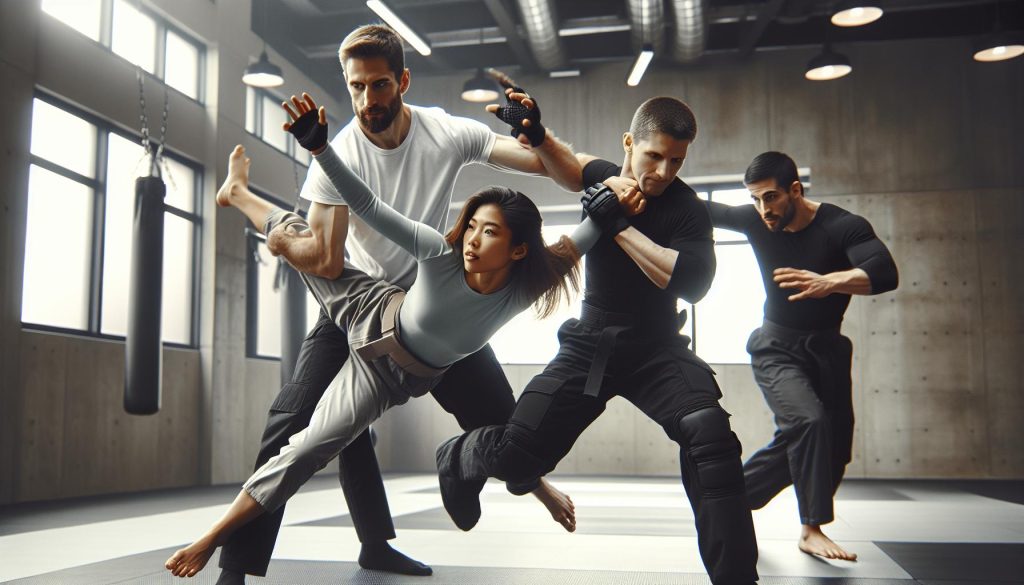
In the world of self-defense, understanding various techniques can significantly enhance your ability to protect yourself. One area of interest is whether Krav Maga, a martial art designed for real-world situations, incorporates throws and takedown techniques. While many may associate Krav Maga primarily with strikes and defenses, effective defensive strategies often involve controlling, neutralizing, or redirecting an attacker’s energy through throws. This element not only allows for effective engagement but emphasizes the importance of balance, timing, and leverage in combat scenarios. Whether you’re a beginner or looking to refine your skills, exploring Krav Maga’s approach to takedowns can equip you with essential tools for safety and confidence in unpredictable situations. Join us as we delve deeper into these techniques and their practical implications for self-defense.
Understanding Throws in Krav Maga
Understanding how throws are integrated into Krav Maga can significantly enhance your self-defense capabilities. Krav Maga emphasizes practical, efficient, and often aggressive techniques designed to neutralize threats quickly. Throws are a key component, allowing practitioners to leverage their opponent’s weight and movement against them. This not only helps in disabling an aggressor but also creates opportunities for escape or further defensive actions.
In Krav Maga, throws are designed to be effective regardless of a person’s size or strength. The use of mechanics over brute force is crucial. This means understanding body dynamics, balance, and timing. For example, when executing a throw, it’s essential to position yourself strategically to gain leverage. By shifting your weight and using your opponent’s momentum, you can execute a throw that takes minimal effort on your part. This approach is particularly advantageous in real-life situations where aggression may come from larger opponents.
Moreover, throws are taught with a focus on safety and control. Practicing them in a controlled environment helps build confidence while minimizing the risk of injury. Students are encouraged to work with partners to learn proper falling techniques-essential for both the thrower and the one being thrown. Incorporating safe practice methods fosters an understanding of the limits of physical engagement, which is vital for legal and ethical self-defense.
As you delve into practicing throws, remember that each technique serves not just as an offensive maneuver but as an essential part of a comprehensive self-defense strategy. It’s not about glorifying violence; rather, it’s about equipping yourself with the skills needed to protect yourself or de-escalate potentially harmful situations effectively. Through diligent training and a commitment to understanding both the technical and ethical dimensions of these techniques, students can empower themselves while remaining respectful of the serious nature of self-defense.
The Importance of Takedown Techniques
In self-defense situations, the ability to control and neutralize an aggressor is paramount, and takedown techniques serve as a vital tool in achieving this. Takedowns allow practitioners to not only bring a threatening opponent to the ground but also to do so in a way that minimizes risk to oneself and can quickly de-escalate a potentially violent encounter. By effectively leveraging techniques that shift an attacker’s weight and balance, individuals can reclaim control with minimal physical exertion, emphasizing the principles of efficiency that underpin Krav Maga.
A foundational aspect of takedown techniques is their practicality in real-world situations. When confronted by a larger or stronger opponent, reliance on sheer strength is not only ineffective but could also lead to injury. Instead, Krav Maga techniques teach practitioners to use body mechanics, positioning, and timing to execute throws successfully. For instance, using a hip toss can redirect an aggressor’s momentum against them, allowing the defender to create distance and a path for escape while minimizing the risk of harm to either party involved.
Safety is another critical component when considering takedown techniques. Practice should always occur in a controlled environment, where students learn to execute and receive throws safely. Proper falling techniques, joint control, and communication between partners are essential to prevent injury. Moreover, understanding the legal implications of using force during an altercation cannot be overstated; students must be aware that while self-defense is a legitimate right, the level of force used must be proportional to the threat faced.
Ultimately, the goal of incorporating takedown techniques into self-defense training is to empower individuals. By equipping oneself with effective, efficient methods of neutralizing a threat, practitioners can not only defend themselves but also foster a mindset focused on conflict de-escalation and personal safety. Understanding these techniques and their broader context translates to more confident defenders who are prepared to navigate the complexities of real-life confrontations responsibly.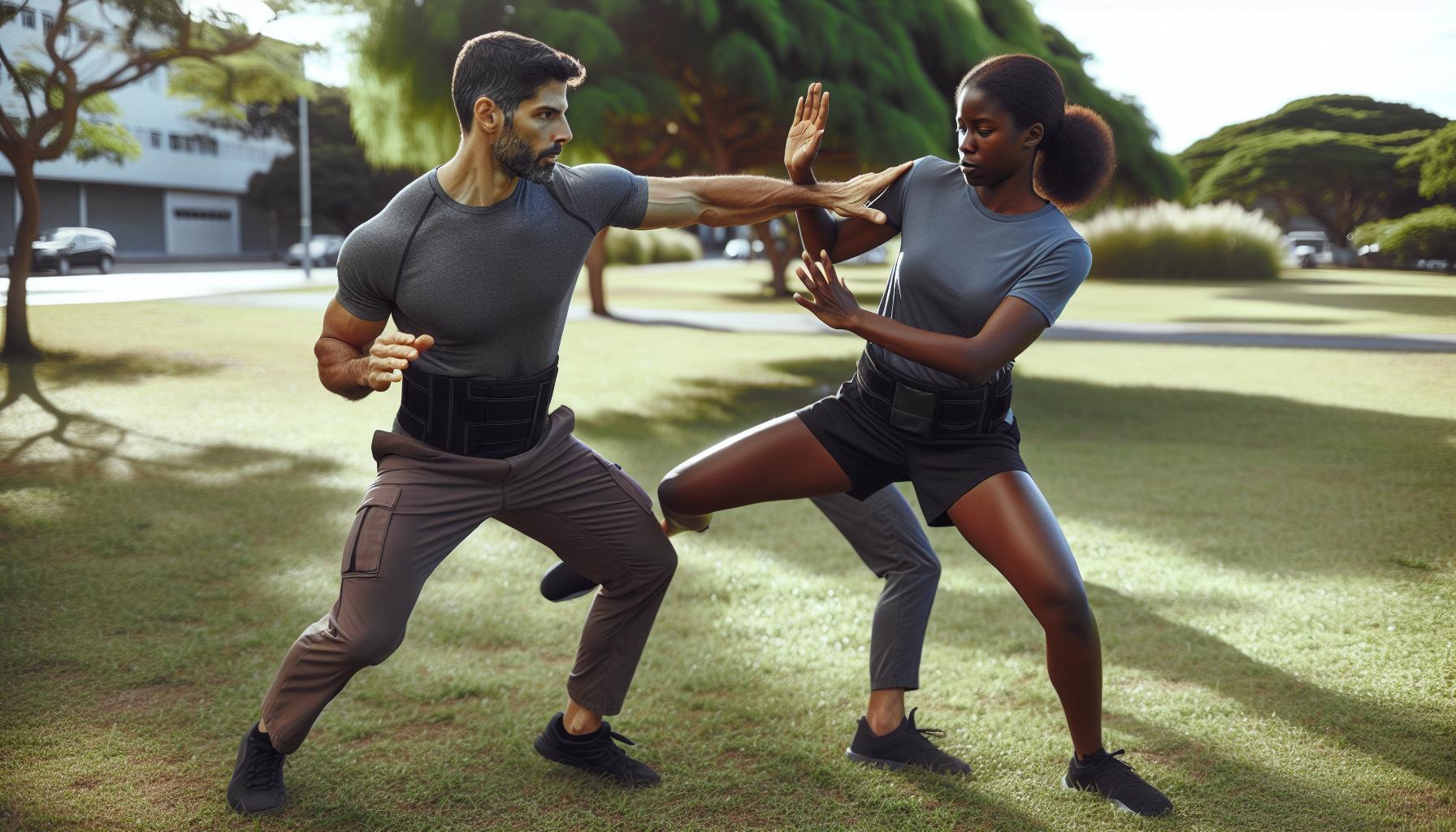
Key Principles of Krav Maga Throws
In the world of self-defense, understanding the mechanics of throws is critical for those looking to effectively neutralize a threat without excessively relying on brute force. Krav Maga throws revolve around a few key principles that prioritize efficiency, adaptability, and safety. These principles not only enhance the effectiveness of techniques in real-world scenarios but also emphasize the importance of responsible self-defense practices.
One cornerstone of Krav Maga throws is the concept of balance and leverage. By shifting an opponent’s weight and using their momentum against them, practitioners can execute throws with minimal effort. For example, when facing a larger aggressor, a well-placed hip throw can redirect their force downward, enabling the defender to gain the upper hand without expending undue energy. This principle aligns with the ethos of Krav Maga: to use one’s intelligence and body mechanics over brute strength.
Another fundamental aspect is timing and distance management. Throws in Krav Maga are highly adaptable, requiring practitioners to gauge the optimal moment to act in order to maintain control of the confrontation. It’s crucial to understand spatial awareness, positioning, and how to capitalize on an opponent’s movements. For instance, when an aggressor is off-balance or overcommitted to an attack, executing a throw becomes not only feasible but effective.
Furthermore, safety remains paramount throughout the practice of these techniques. Practitioners should always train in a controlled environment, utilizing proper falling techniques and joint control to prevent injuries. Emphasizing communication with training partners fosters a secure atmosphere for practice, allowing both individuals to feel confident in executing and receiving throws. This safe practice is essential for reinforcing the ethical implications of self-defense, as understanding how to apply force responsibly can profoundly impact the outcome of a physical confrontation.
Ultimately, mastering the principles of Krav Maga throws equips individuals with dynamic tools for self-defense, enabling them to respond effectively while prioritizing their own safety and that of others. Through disciplined practice and an ethical approach to conflict resolution, practitioners can confidently navigate the complexities of real-world confrontations, ensuring that their actions are proportional and justified.
Overview of Effective Takedown Techniques
In self-defense scenarios, the effectiveness of takedown techniques can significantly alter the dynamics of a confrontation. Krav Maga employs various takedown techniques that are designed to quickly neutralize threats while prioritizing safety and control. Understanding these techniques is crucial for practitioners who wish to defend themselves effectively without aggression.
Understanding Key Takedown Techniques
Among the most practical takedown techniques in Krav Maga are the hip throw and the leg sweep. The hip throw utilizes body mechanics that leverage an opponent’s weight, allowing a smaller defender to throw a larger aggressor efficiently. This technique involves gripping an opponent’s body and using your hips as a pivot point to launch them onto the ground. This not only removes the threat but does so by conserving energy, a fundamental principle in Krav Maga.
The leg sweep is another valuable technique, particularly when facing an opponent who is charging or off-balance. By sweeping an opponent’s leg while maintaining a stable posture, you can effectively bring them down without causing unnecessary harm. Timing and awareness of your opponent’s movement are critical here, as a well-executed leg sweep can create an opportunity for escape or further defensive maneuvers.
Practical Considerations
When practicing these takedown techniques, it is crucial to maintain safety protocols. Always train in a controlled environment with proper gear and under the guidance of an experienced instructor. Both parties should understand how to fall safely to prevent injuries during practice. Remain aware of your own physical limits and the capacity of your training partner; effective communication is key to ensuring both participants understand when enough force is enough.
Contextual Application
Real-world scenarios may often dictate the necessity for specific takedown techniques. Imagine an aggressor charging toward you: executing a well-timed hip throw can disorient them, allowing you to escape or re-assess the situation. Conversely, if someone is threatening you while standing firm, a leg sweep may create an immediate advantage by bringing them down to your level. In both instances, the goal is to regain control without escalating the confrontation unnecessarily, adhering to the legal and ethical considerations surrounding self-defense.
Remember, the use of force should always be a last resort. Practitioners of Krav Maga are trained to prioritize de-escalation and only resort to physical techniques when faced with imminent danger.
Comparison: Krav Maga vs. Other Martial Arts
Krav Maga is often compared to various martial arts styles due to its unique blend of techniques designed specifically for real-world self-defense. Unlike traditional martial arts such as Brazilian Jiu-Jitsu (BJJ), which primarily focuses on ground fighting and submissions, Krav Maga emphasizes not only grappling techniques, including throws and takedowns, but also striking and situational awareness for outmaneuvering threats in dynamic environments. This makes Krav Maga particularly effective when faced with multiple attackers or armed assailants, where quick decision-making and adaptability are paramount.
An essential distinction lies in the training philosophy. Krav Maga practitioners learn to prioritize de-escalation and awareness, utilizing their environment and recognizing when to engage or retreat, contrasting with BJJ’s focus on gaining a dominant position and submitting an opponent on the ground. As such, while Krav Maga incorporates throws like the hip throw and leg sweep, the application is often in the context of rapidly neutralizing an aggressor rather than gaining control for the purposes of competition, as seen in sports-oriented martial arts.
Phase training in Krav Maga also adapts techniques for applicable situations, teaching students to respond to various attacks, whether from a striking opponent, someone grabbing them, or attacking from behind. This contrasts sharply with traditional martial arts like Judo, which is rooted in a points-based system often used in competition settings. Krav Maga focuses instead on practical skills that can be executed under pressure, preparing practitioners for a variety of assaults without the expectation of a regulated context.
Moreover, whereas other martial arts may celebrate the spirit of combat through rituals and formal ranks, Krav Maga removes the pretense of sport and competition. Students train with the understanding that self-defense is about survival. This intensity leads to faster skill acquisition but underscores the need to practice with a constant awareness of legal and ethical implications surrounding the use of force.
Overall, whether you are comparing Krav Maga to BJJ, Judo, or even self-defense courses, the differences in goals, techniques, and training environments highlight Krav Maga’s focus on practical, efficient self-defense in unpredictable scenarios. As such, practitioners are empowered not only through physical skill development but also by an ethical framework that prioritizes safety, proportionality in response, and awareness of potential legal repercussions in real-life confrontations.
Safety Protocols When Practicing Throws
When practicing throws in any martial art, including Krav Maga, safety must be a top priority. These techniques can be physically intense and potentially dangerous if not executed properly. Understanding the importance of safety protocols not only protects you and your training partners but also enhances your confidence in executing throws effectively.
Key Safety Guidelines
- Warm-Up: Always begin your training session with a proper warm-up. This helps to prepare your muscles and joints for the physical demands of practicing throws.
- Controlled Environment: Practice throws in a controlled environment, preferably on mats, to minimize injury risk. This soft surface will help absorb impact and provide a safer landing.
- Spotters: When learning new techniques, especially those involving larger movements or throws, having a spotter can help ensure that the practice is conducted safely. Spotters can guide the throw or assist in landing safely to minimize risk.
- Clear Communication: Always communicate with your partner before executing a throw. This ensures both parties are prepared and can react accordingly. Use clear signals for starting, pausing, or stopping the exercise.
- Progress Gradually: Start with simpler throws and low intensity, gradually increasing complexity and power as your skills improve. This gradual escalation allows for better control and understanding of the techniques.
Respecting Limits
Understanding the legal and ethical limits of force is crucial in any self-defense training. While practicing throws, maintain a focus on proportional response. Always evaluate the situation and ensure that the techniques you are mastering are appropriate for self-defense rather than competitive or overtly aggressive contexts. For instance, if a situation arises requiring self-defense techniques, remember that the aim is to escape and de-escalate, not to dominate or seriously injure the aggressor.
Real-World Considerations
Training in Krav Maga includes thinking critically about real-life applications. For instance, practicing throws against a resisting opponent can simulate scenarios more accurately. However, always prioritize safe execution; never sacrifice safety for the sake of realism. Ignoring personal limits or pushing through discomfort can lead to injuries, which can hinder training progress.
By adhering to these safety protocols and understanding the context of self-defense, practitioners can gain confidence in their abilities while prioritizing the health and safety of themselves and their training partners. Remember, the purpose of practicing these techniques is to empower and protect, not to promote or glorify violence.
Common Mistakes in Takedown Execution
Many practitioners of Krav Maga instinctively know that executing takedowns effectively is crucial for self-defense. However, it’s common for students to overlook key details that can drastically affect their performance and safety during these intense techniques. One significant mistake often made is rushing through the execution of a takedown. A hurried approach can lead to improper mechanics and increased risk of injury for both the practitioner and their partner. Maintaining a controlled pace allows for better form, which is essential for not only effectiveness but also safety.
Another frequent error is failing to establish a solid grip or control of the opponent before initiating the throw. This lack of control can result in a poorly executed technique that may cause the opponent to escape or counterattack. Practitioners should focus on securing not just a grip but also positioning their body correctly to create leverage. It’s about creating a balanced, stable foundation from which to initiate the throw. Moreover, understanding body mechanics is key, as improper weight distribution can lead to undesirable outcomes.
Equally important is the tendency to disregard the spacing and angles involved in throws. Many students neglect to evaluate the distance between themselves and their opponent. Proper spacing can make a world of difference in executing a successful takedown; too close, and you risk being countered; too far, and you won’t generate enough power. Practicing throws in various scenarios, while paying attention to these aspects, prepares students for real-life situations where opponents might move unpredictably.
Finally, a lack of communication with a training partner can lead to mistakes in execution. Clear dialogue before executing a throw ensures both partners are aware of their roles. Failure to communicate can result in unexpected movements that could put one or both practitioners at risk. Regular practice of verbal cues can enhance overall safety and facilitate smoother training sessions, which is vital in mastering Krav Maga techniques. By being mindful of these common mistakes, practitioners can refine their skills effectively and safely, always remembering that the focus of Krav Maga is on self-defense, de-escalation, and responsible use of force.
Incorporating Throws in Self-Defense Scenarios
In scenarios where self-defense becomes necessary, the ability to incorporate throws can dramatically shift the outcome of a confrontation. Effective use of throws allows a defender to neutralize a threat quickly while avoiding unnecessary harm-essential in adhering to principles of proportional response. For instance, employing a well-timed throw can create space between an attacker and the defender, allowing for a strategic retreat or an opportunity to call for help. Understanding how these techniques function in real-world scenarios is vital for anyone considering their practical application.
When integrating throws into self-defense, consider the environmental context. For example, in a crowded space, a throw must be executed with awareness of nearby bystanders to prevent collateral damage and to maintain legal boundaries. Moreover, practicing situational awareness can help a practitioner assess whether a throw is appropriate, given the aggressor’s size, strength, and the dynamics of the situation. A throw should not be merely a brute force maneuver; it requires timing, technique, and the awareness to rapidly gauge the effectiveness of the response.
It’s essential to recognize that throws in Krav Maga are not just about physical execution-they also emphasize the legal and ethical implications of using such techniques. Practitioners must understand the laws governing self-defense in their jurisdiction, which often stipulate that force must be reasonable and necessary. Understanding the legal framework can help a defender articulate their actions if questioned by authorities after an incident. Furthermore, clear communication with potential bystanders-verbal de-escalation tactics-can provide an additional layer of safety before resorting to physical techniques.
Incorporating throws effectively means also practicing them regularly in varied contexts. Simulation and sparring can offer insights into timing and distance, crucial for executing successful throws under pressure. A consistent practice routine enhances muscle memory, ensuring that in a real-life scenario, the response is not only automatic but also effective in neutralizing a threat without escalating violence further. Overall, mastering throws in self-defense not only equips individuals with powerful techniques but also arms them with the wisdom necessary for responsible and measured responses in high-stress situations.
Legal Considerations for Using Takedowns
Using takedowns in self-defense scenarios can be a powerful tool, yet the legal implications surrounding their use cannot be overlooked. Understanding the legal framework is crucial, as it defines when and how force can be applied. Generally, self-defense laws require that the force used must be proportional to the threat faced. This means that employing a takedown should only occur when it is reasonable to believe that an immediate threat to one’s safety exists.
When considering takedowns, it is essential to assess the situation holistically. For example, if you can safely retreat or de-escalate verbally, those options should be prioritized over physical confrontations. In practice, the rationale behind a takedown will be scrutinized if force is used. Law enforcement and legal authorities may evaluate whether the response was appropriate in terms of the aggressor’s threat level and if other options were available. Therefore, having a clear understanding of the contextual factors surrounding your actions-such as the size and demeanor of the attacker or the environment-can be key in supporting your defense, should it ever be questioned in a legal setting.
Understanding Your Rights
Defenders must be aware of their rights as well as the limitations of self-defense. While most jurisdictions allow for self-defense, the concept of “stand your ground” versus “duty to retreat” varies. In some states, if faced with an imminent threat, you may be justified in using takedowns without the obligation to retreat first. Conversely, some jurisdictions require you to attempt to escape the situation before applying physical force. It’s advisable to research or consult legal experts in your area to grasp the precise laws applicable to your situation.
Documentation and Reporting
In the aftermath of a confrontation where a takedown has been utilized, documenting the incident is wise. This includes taking notes on what led to the altercation, the specifics of how the takedown was executed, and any bystanders who witnessed the incident. Such documentation can be invaluable during legal proceedings. Additionally, immediately reporting the incident to authorities demonstrates that you acted responsibly under duress, reinforcing your position from a legal perspective.
Ultimately, while takedowns can be an effective self-defense measure, practitioners must remain acutely aware of the legal implications. Being prepared with knowledge of laws and the context of your actions can significantly affect the outcome of any confrontation involving the use of force. This understanding reinforces the importance of responsible training in self-defense, where techniques are not only learned but are also juxtaposed against ethical considerations of their use.
Training Tips for Mastering Throws
To master throws in Krav Maga, it’s crucial to thoroughly understand not only the techniques themselves but also the underlying principles that make them effective in self-defense situations. Practicing these techniques regularly while paying attention to form can build muscle memory and confidence. Here are some essential tips for training effectively:
To begin, focus on the fundamentals of each throw. Understanding the mechanics-such as balance, leverage, and body positioning-is vital. Review techniques in slow motion to ensure you grasp each motion. Use a mirror or record your practice sessions to analyze your movements. Pay attention to the following aspects:
- Footwork: Good foot positioning can greatly enhance your ability to execute throws. Practice shifting your weight and moving your feet into the right positions.
- Grip: A strong grip is crucial for controlling your opponent. Drill various grips and learn how they affect leverage and balance.
- Body Mechanics: Engaging your core and using your whole body, rather than just your arms or legs, improves your effectiveness during throws.
It’s also essential to practice with a partner who can simulate giving resistance. This not only helps you learn how to execute throws under pressure but also teaches you the importance of safety protocols. Always ensure that your training partner is aware of the techniques being practiced and agree on safe practice methods to prevent injuries.
Incorporating visualization techniques can enhance your mental preparation. Imagine the scenarios where these throws would be useful, envisioning both the technique and the situation. This mental rehearsal helps solidify your understanding and prepares you for real-life applications.
Regular sparring sessions can also be beneficial, allowing you to apply throws in dynamic environments while managing the unpredictability of an opponent. Start with controlled sparring where you can focus specifically on utilizing your throwing techniques without the overwhelming pressure of full-speed encounters.
Lastly, make sure to keep a reflective approach to your training. After each session, assess what worked well and what didn’t. This reflective practice leads to continuous improvement, helping you refine your techniques and understand your body’s strengths and weaknesses better. Remember, mastering throws is not just about physical strength but also about strategy, awareness, and responsible application in self-defense contexts.
Real-Life Applications of Takedown Techniques
In critical situations requiring self-defense, effective takedown techniques can turn the tide and provide a crucial advantage. Proper execution of throws is not merely about strength; it’s about using leverage, timing, and placement to control an assailant while minimizing harm to oneself. For instance, executing a well-timed hip throw can safely redirect an opponent’s energy, allowing you to escape or control the confrontation without excessive force.
Understanding the Situational Context
often arise in scenarios where imminent threats may escalate into physical violence. Consider an encounter with an aggressor who is verbally threatening you while standing too close. Rather than engaging in an unnecessary verbal exchange, a strategic takedown can defuse the situation. When a confrontation is unavoidable, executing a controlled takedown can neutralize the immediate danger while potentially avoiding legal repercussions, as you can demonstrate your intent to protect rather than to initiate violence.
Proportional Response and Legal Considerations
Understanding the legal implications surrounding self-defense is essential when considering takedown techniques. Most jurisdictions allow for a proportional response to an immediate threat. This means that when employing a takedown, one must assess the severity of the threat. If faced with an unarmed aggressor, a simple sweep or shoulder throw may suffice, demonstrating to law enforcement that your response was measured and appropriate.
Remember, self-defense laws vary significantly between locations. It’s imperative to be familiar with local legislation that pertains to self-defense and the use of physical force. In some states, the use of grappling techniques could be interpreted differently depending on the circumstances and the perceived at-risk situation, so always stay informed.
Challenges in Real-World Contexts
It’s essential to recognize that real-life scenarios can differ vastly from practice sessions. Stress, unpredictability, and the potential for multiple attackers can complicate execution. Successful application of throws demands dedication to training, including practicing under pressure-preferably in controlled environments simulated by experienced practitioners. Elevating your skills through sparring and applying throws against resisting opponents can assist in solidifying techniques into muscle memory.
In all cases, the ultimate goal remains to exit safely from the encounter. Ethically, self-defense should always prioritize de-escalation whenever possible. Takedown techniques are not merely combat tools but strategies designed to ensure personal safety while respecting the fundamental principle of proportional response in self-defense situations.
Recommended Equipment for Practice and Safety
When practicing takedown techniques in Krav Maga, selecting the right equipment is crucial for both safety and effectiveness. Proper tools and training aids can enhance the learning experience and mitigate the risk of injury. Here, we focus on the essential gear that will not only facilitate practice but also promote a safe training environment.
First and foremost, high-quality mats are indispensable. Using mats designed for martial arts provides a cushioned surface that absorbs impact, reducing the risk of injury from falls and throws. Ensure these mats cover a large enough area to accommodate various movement patterns and training scenarios. Look for interlocking foam mats, which are easy to set up and can be adapted to different training spaces.
In addition to mats, consider investing in protective gear. Items like headgear, shin guards, and mouthguards can provide extra safety during practice sessions, especially when learning throws against a resisting partner. Using this gear allows practitioners to train with more confidence, knowing they are less likely to sustain injuries. Moreover, wearing padded jackets can help prepare both participants for the impacts associated with executing throws.
Another useful item is a training dummy. These dummies come in various shapes and sizes, emulating the weight and form of a human. Training with a dummy allows practitioners to refine their techniques without the risks associated with training with a partner. This can be particularly beneficial for beginners to practice grip, balance, and throwing motions repetitively in a controlled manner.
Lastly, maintaining a focus on personal safety equipment cannot be overlooked. This includes wearing appropriate athletic footwear that offers sufficient grip and support during movement. It’s also advisable to have access to first aid supplies to handle minor injuries promptly and effectively. By being well-prepared, practitioners can dedicate their focus to mastering their techniques, rather than worrying about potential dangers.
In summary, equipping yourself and your training space with the right gear not only enhances the effectiveness of your training but crucially supports a culture of safety within the practice of Krav Maga techniques.
Faq
Q: What types of throws are used in Krav Maga?
A: Krav Maga employs various throws, including hip throws, shoulder throws, and trip techniques. These throws are designed to unbalance an opponent quickly and effectively, ensuring safety and control during self-defense scenarios. For detailed techniques, refer to the section on “Overview of Effective Takedown Techniques.”
Q: How do Krav Maga throws differ from other martial arts?
A: Unlike traditional martial arts that may focus on sport, Krav Maga emphasizes practical, real-world applications. Its throws are straightforward, aiming for immediate self-defense effectiveness rather than athleticism or competition. Explore more in the article’s “Comparison: Krav Maga vs. Other Martial Arts” section for insights.
Q: Can beginners learn throwing techniques in Krav Maga?
A: Yes, beginners can learn throws in Krav Maga. The techniques are taught progressively, ensuring that students grasp the foundational movements safely. Starting with drills in controlled environments helps build confidence and competence. Check the “Training Tips for Mastering Throws” section for beginner-friendly advice.
Q: What should I focus on when executing a takedown in Krav Maga?
A: When executing a takedown, focus on balance, positioning, and control. Ensuring your center of gravity is low and leveraging your opponent’s weight will enhance effectiveness. For common pitfalls to avoid, see the “Common Mistakes in Takedown Execution” section for better performance.
Q: Are there safety protocols for practicing throws in Krav Maga?
A: Yes, safety protocols are crucial when practicing throws. Always use mats, practice with a partner you trust, and communicate clearly. Prioritize controlled environments to minimize injury risks. Refer to the section on “Safety Protocols When Practicing Throws” for specific guidelines.
Q: What legal considerations should I be aware of when using takedowns?
A: Understanding the legal context of self-defense is vital. Takedowns should only be used in life-threatening situations, and excessive force can lead to legal consequences. For an in-depth look, consult the section on “Legal Considerations for Using Takedowns” to ensure responsible practice.
Q: How can I incorporate throws in real-life self-defense scenarios?
A: Incorporating throws into real-life self-defense involves assessing the situation quickly. Utilize throws against aggressive opponents to regain control and create escape opportunities. The “Incorporating Throws in Self-Defense Scenarios” section provides practical applications to enhance your confidence.
Q: What equipment do I need for practicing Krav Maga throws?
A: Basic equipment includes a training mat for safety and a partner for practice drills. As you progress, consider protective gear, such as pads or helmets, to minimize injury during sparring. The “Recommended Equipment for Practice and Safety” section covers essential items for effective practice.
Final Thoughts
As we’ve explored, while Krav Maga does incorporate throws and takedowns into its self-defense repertoire, understanding their application and effectiveness is crucial for real-world encounters. Empower yourself with the knowledge of these techniques to augment your skills and bolster your confidence in any confrontation. If you’re eager to dive deeper, check out our guide on Krav Maga fundamentals and explore the nuances of martial arts versus self-defense.
Don’t wait to enhance your self-defense capabilities-sign up for our newsletter for expert tips, techniques, and exclusive content tailored just for you. Have questions or personal experiences to share? Join the conversation in the comments below, and feel free to browse our resource library for practical tools that can help you on your journey. Remember, self-defense isn’t just about fighting back; it’s about being prepared, informed, and capable of managing conflicts constructively.
Get our latest guides, news, and insights highlighted in your Google Search & AI Overviews.