In a tense moment where your safety is at stake, the decision to use a firearm in self-defense can weigh heavily. Understanding the immediate steps to take if you shoot someone in self-defense is critical, not just for your own legal protection but also for emotional recovery. Many people are unaware of the legal complexities and potential consequences that follow such an event. This guide aims to equip you with essential knowledge on how to respond appropriately, ensuring your rights are protected while emphasizing the importance of de-escalation and proportional response. As you navigate this serious subject, you’ll gain insights into managing the aftermath effectively, empowering yourself to handle extreme situations with confidence and clarity. Continue reading to learn how to safeguard your future should you ever find yourself in such a daunting circumstance.
Understanding Self-Defense Laws in Your State
Understanding self-defense laws is crucial for anyone considering the use of force for protection. Laws can vary significantly by state, affecting everything from what constitutes a reasonable threat to the level of force you are allowed to use when defending yourself. For instance, while most states recognize the right to self-defense, they may impose different requirements regarding the duty to retreat. In some jurisdictions, you may be required to attempt to escape a threatening situation before using lethal force, while others allow you to stand your ground in your home under the “Castle Doctrine.”
It’s essential to know the specific laws in your state. Each state defines self-defense; some require that the threat be immediate, while others may include broader interpretations. Generally, the force used in self-defense must be proportional to the threat faced. For instance, if someone is attacking you with minor physical force, responding with deadly force may not be legally justified.
Regardless of your location, the core elements usually hinge on the threat’s immediacy and whether the force used was necessary and reasonable under the circumstances. Engaging in conversations with legal professionals can provide insight tailored to your situation and help ensure you understand these nuances. By being aware of the laws that govern self-defense in your area, you’ll not only be better prepared to protect yourself if necessary, but also ensure you remain within legal limits, which can drastically affect the outcome of any incident involving the use of force. Always prioritize pathways that de-escalate conflict whenever possible, ensuring safety without resorting to violence.
Immediate Actions After a Defensive Shooting
In the aftermath of a defensive shooting, your immediate actions are crucial not only for your physical safety but also for your legal standing. The minutes following the incident can significantly impact the investigation and your personal well-being. First and foremost, assess the situation to ensure that there is no ongoing threat. If the attacker is incapacitated but still poses a potential risk or if there are others present who may become threats, prioritize safety above all else.
Once safety is addressed, the next step is to call emergency services. Provide clear and concise information about the incident: location, nature of the shooting, and assurance that the situation has been neutralized. It’s vital to avoid making statements that could be interpreted as confessions or admissions of guilt. Instead, confine your answers to clear facts about the occurrence, always keeping in mind that your words may be scrutinized later in court.
Securing and Preserving the Scene
Securing the scene is not just about staying safe; it also plays a significant role in protecting your legal rights. If you are able, do not move anything at the scene. Preserving evidence is essential for law enforcement and legal representatives to accurately understand the sequence of events. This includes the positioning of the shooter and the assailant, items involved in the incident, and any potential witnesses.
- Do not attempt to render first aid unless you are trained and can do so without jeopardizing your safety or compromising the scene.
- Stay at the location until law enforcement arrives. Leaving could be construed as fleeing the scene.
- Avoid discussing the incident with others present. Keep your statements limited to law enforcement officials.
Legal Mindfulness
Understanding that you have activated a legal situation is essential. Once the police arrive, you will be treated as a person of interest, and your words and actions will be carefully evaluated. Ask for legal counsel before providing detailed accounts of what occurred. A qualified attorney experienced in self-defense cases can provide guidance on how to articulate your situation without incriminating yourself further.
Finally, while processing the legal and emotional aftermath of such a scenario, consider reaching out to mental health professionals. The psychological impact of a shooting, even in self-defense, can be profound. Taking steps to support your mental well-being is just as vital as addressing the legal implications. Remember that the objective is to prioritize safety, manage the scene effectively, and ensure that you are legally protected as you navigate the implications of your actions.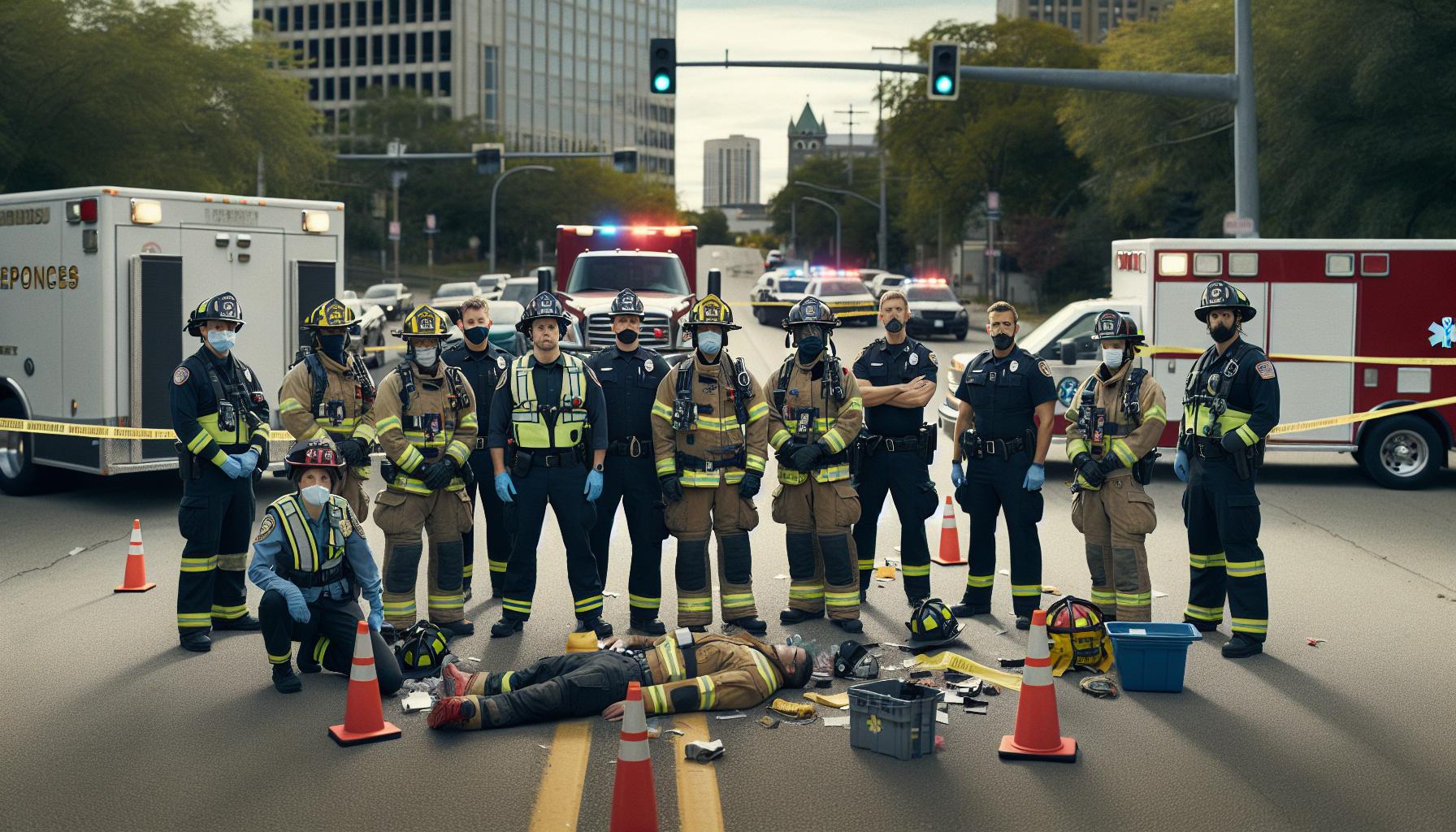
How to Secure the Scene Safely
In the chaotic moments following a defensive shooting, securing the scene properly is critical to both your safety and your legal standing. Your first instinct may be to render aid or flee the area, but it’s essential to pause and assess your environment. The integrity of the scene can significantly affect the investigation, making it vital to preserve all physical evidence and avoid any actions that could complicate your situation later.
Once you have confirmed that there are no immediate threats, stay at the location. Your presence helps ensure that you are available for law enforcement to question about the incident. Leaving the scene could result in your actions being interpreted as an attempt to evade responsibility, escalating the situation further. If you’re trained and it is safe to do so, securing the perimeter while waiting for authorities may help safeguard crucial evidence.
When it comes to physical evidence, avoid touching or moving any objects. This includes the positioning of any involved parties and weapons. Every detail tells part of the story. Law enforcement will document everything, and improperly altering the scene could lead to misinterpretation of events.
Here are important points to remember while securing the scene:
- Do not assist injured parties unless you are trained to do so safely and without compromising evidence.
- Maintain a safe distance unless you need to ensure your own safety or identify potential witnesses.
- Keep communication to a minimum with bystanders. Any comments could be taken out of context.
Your mindset at this moment should be one of calm and composure. Request legal advice as soon as possible; having a knowledgeable attorney familiar with self-defense laws can guide you in providing the right amount of information to law enforcement without incriminating yourself further. The legal implications of a shooting often extend far beyond the immediate event, making the preservation of the scene a foundational aspect of protecting your rights.
Documenting the Incident Effectively
In the aftermath of a defensive shooting, effective documentation of the incident is vital for both legal protection and personal peace of mind. Legal outcomes can hinge significantly on how well the event is chronicled, making it essential to approach this task methodically. Begin by taking a deep breath and focusing on the details of what transpired. This is not just a moment of reflection; your ability to recall specifics may prove crucial in legal proceedings.
- Record the Sequence of Events: As soon as you have secured the scene, jot down a detailed account of the incident. Include the time, location, and any actions taken leading up to the shooting. What threats were present? Did any witnesses observe the altercation? The more precise your notes, the stronger your defense will be.
- Gather Physical Evidence: If possible, use your phone or a camera to capture images of the scene. Document the layout, any injuries, weapons involved, and any damage to property. This visual evidence complements your written account and provides a clearer picture of the circumstances to investigators.
- Identify Witnesses: If there are bystanders, note their contact information. Their perspectives can help corroborate your account. However, avoid discussing the incident in detail with them until authorities arrive; their statements can complicate matters if misinterpreted.
- Seek Expert Advice: After documenting what you can, contact a legal professional who specializes in self-defense cases. An attorney can guide you on what further documentation may be necessary and how to effectively communicate your narrative to law enforcement.
Every detail you record contributes to constructing a robust defense should your actions come under scrutiny. Remember, clarity and accuracy are your allies. The legal ramifications of self-defense incidents can be significant, and thorough documentation is your best strategy for a favorable outcome. Prioritize safety and legality, and treat this process with the seriousness it deserves.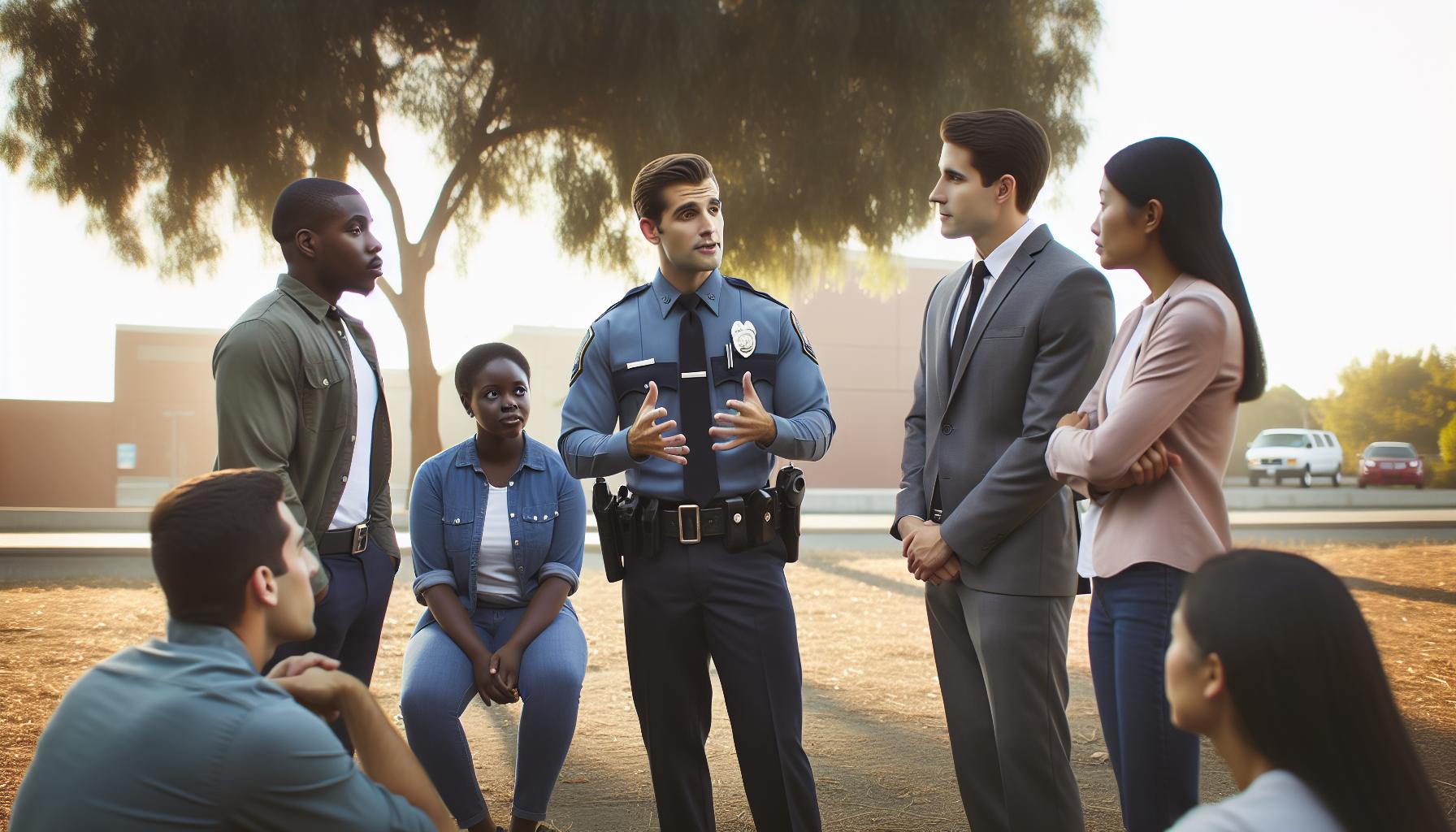
Communicating with Law Enforcement
In the immediate aftermath of a defensive shooting, your communication with law enforcement can significantly influence the outcome of both your legal standing and personal well-being. It’s crucial to approach this interaction with clarity and composure. Upon the arrival of law enforcement, it’s important to remain calm and follow certain guidelines to ensure your account is conveyed effectively and appropriately.
First and foremost, identify yourself clearly as the individual who discharged their weapon in self-defense. Do not attempt to flee or hide; complying with law enforcement is critical to demonstrating that you respect their authority. When explaining the situation, stick to the facts and avoid embellishments. Provide a brief summary of the events, focusing on key details: your location, the nature of the threat, and the actions taken. This concise narrative helps law enforcement understand the context without overwhelming them with unnecessary information.
During your communication, it’s essential to refuse to answer any questions without legal representation present. You have the right to consult with an attorney before proceeding with any extensive questioning. Politely inform the officers that you wish to make a statement but only after you have spoken with a lawyer. This approach shields you from potential misinterpretations and protects your legal rights. Keep in mind that even innocent remarks can be misconstrued and used against you later in legal proceedings.
While it can be tempting to provide a detailed narrative immediately, prioritize your safety and legal fortification. Utilize your right to remain silent until you have guidance from an attorney. This balance between cooperation and caution can prove invaluable when navigating the complexities of self-defense cases. Always remember, the legal implications of your actions are profound, and effective communication with law enforcement can play a pivotal role in establishing your defense.
Legal and Ethical Considerations of Self-Defense
Understanding the gravity of self-defense actions is crucial for anyone contemplating or involved in a defensive shooting incident. The legal landscape surrounding self-defense varies widely by state, making it imperative to familiarize yourself with local laws. Most states recognize the right to defend oneself from imminent harm, but the application of this right depends on specific conditions, such as the proportionality of the force used and whether alternatives were available. Engaging in self-defense does not grant immunity from legal consequences; rather, it necessitates a nuanced understanding of when and how force can be justifiably employed.
It’s essential to consider ethical dimensions as much as legal ones. Using deadly force must always be a last resort, reserved for situations where there is an immediate threat to life or severe bodily harm. This perspective aligns with a responsible approach to self-defense, emphasizing that personal safety comes with a moral obligation to avoid violence whenever possible. Training in de-escalation techniques can be invaluable; knowing how to diffuse potentially dangerous situations before they escalate can significantly reduce the need for physical confrontation.
Furthermore, after a defensive shooting, the way you handle the aftermath can substantially impact your legal standing and mental well-being. You must recognize the emotional and psychological ramifications of taking another person’s life, even in self-defense. Seeking support from mental health professionals with expertise in trauma can aid you in processing the event. Remember that society often scrutinizes the use of force, and engaging in a dialogue about the ethical implications of self-defense not only helps you articulate your decisions but also reinforces your commitment to using force judiciously.
In summary, while you may have a legal right to defend yourself, it’s essential to wield that right responsibly. Education regarding your state’s laws, focusing on de-escalation, and understanding the ethical implications of your actions can empower you to make wiser decisions when faced with danger. This careful approach is fundamental to navigating the complexities of self-defense both legally and ethically.
Assessing Threat Levels and Appropriate Force
In high-stress situations where self-defense may come into play, understanding how to assess threat levels and determine the appropriate force to use is essential. Your response must be proportional to the perceived threat; otherwise, you risk escalating the situation further or facing legal consequences. Always remember that the use of force should be a last resort, reserved for scenarios where immediate harm is imminent. To navigate these critical moments effectively, start by evaluating the nature of the threat you face.
Assessing Threat Levels
Begin by assessing the threat in front of you. Key factors to evaluate include:
- Immediacy: Is the threat occurring right now, or is there time to de-escalate the situation?
- Severity: What level of harm is likely to occur if no action is taken? Are you facing a credible physical attack or a non-violent confrontation?
- Ability: Does the aggressor possess the means to inflict harm? For example, are they armed or showing aggressive behavior?
Understanding these aspects can clarify whether you need to engage or whether it’s more prudent to retreat or use de-escalation techniques.
Determining Appropriate Force
Once a threat has been identified as immediate and severe, the next step is to decide how to respond. A general guideline is to use only the level of force necessary to neutralize the threat. For instance:
- If confronted aggressively but not physically attacked, verbal de-escalation should be prioritized.
- If physical confrontation is unavoidable, consider using defensive techniques to protect yourself while avoiding severe harm to the aggressor.
- Only if faced with a life-threatening situation or severe bodily harm should you consider lethal force.
Remember, laws vary by state regarding self-defense, including the legal definitions of what constitutes reasonable force. For example, California allows you to defend yourself without a duty to retreat if you genuinely believe such force is necessary to prevent imminent death or injury[[2](https://www.heddinglawfirm.com/stand-your-ground-law)].
The Legal and Ethical Framework
It is also crucial to stay informed about the legal ramifications of your actions. Your defensive response may be scrutinized in a court of law. Adopting a mindset that emphasizes the ethics of self-defense-where the primary intent is to protect oneself and not to retaliate or punish-is vital. Every action you take should be justifiable under scrutiny, emphasizing that any force used must not only be appropriate but also necessary and proportionate to the perceived threat.
Assessing threat levels effectively and reacting appropriately can help ensure that you protect yourself while also complying with legal standards. Each encounter is unique, and thus, the responsibility falls on you to make informed, judicious decisions in the heat of the moment.
Preparing for Legal Proceedings After Use of Force
In the aftermath of a defensive shooting, the journey towards legal proceedings can be daunting, and understanding how to navigate this process is crucial. The first and foremost step is to seek legal counsel. Engaging an attorney who specializes in self-defense cases can significantly impact the outcome. These professionals understand complex legal frameworks and can guide you through the intricate aspects of your case. Their expertise is invaluable in preparing a defense that highlights the justifiability of your actions under the specific self-defense laws of your state.
Documentation is also critical in this phase. Collect all relevant information about the incident meticulously. This includes:
- Eyewitness accounts: Names and contact details of witnesses who can provide unbiased perspectives.
- Photos or videos: Any visual proof related to the scene should be preserved, as it can greatly support your narrative.
- Medical records: Document any injuries sustained during the incident, which can be vital for understanding the severity of the threat you faced.
Every piece of evidence strengthens your case and clarifies the context of your actions. Additionally, reporting details to your attorney can assist in painting an accurate picture of the events leading to your defensive measures.
Furthermore, it is essential to communicate effectively with law enforcement. When being questioned, stick to the facts without unnecessary elaboration. Let your lawyer take the lead in legal statements and interactions with police to avoid any potential miscommunication or unintentional self-incrimination. Remember, while self-defense laws vary by state, the emphasis on articulating a reasonable belief of imminent danger can often determine the legal outcomes.
Lastly, prepare emotionally and mentally for the legal proceedings ahead. The journey can be stressful, and it is vital to have a support system in place. Seek counseling or mental health resources if needed, as developing protocols for maintaining one’s mental well-being before, during, and after legal battles can ensure you remain focused and composed. Understanding the weight of your defensive actions, and approaching the situation with a balance of assertiveness and ethical consideration, is crucial in navigating the complexities of self-defense cases.
Mental Health Considerations Following a Shooting
The psychological aftermath of a defensive shooting can be overwhelming and multifaceted, leaving individuals to grapple not only with legal issues but also with significant emotional and mental challenges. It’s essential to recognize that engaging in a shooting scenario, even if justified, can incite feelings of trauma, guilt, or anxiety. Understanding these potential reactions is crucial for effective coping and recovery.
Seeking professional mental health support is invaluable for anyone involved in a defensive shooting. Therapists specializing in trauma can provide a safe space to process emotions and develop coping strategies. Support groups for individuals who have experienced similar situations can also offer a sense of community and understanding. Engaging with mental health resources can help mitigate feelings of isolation and fear, fostering resilience during the recovery process.
Practical Steps for Mental Well-being
- Develop a Support Network: Surround yourself with trusted friends and family members who can provide emotional support.
- Practice Mindfulness Techniques: Incorporate techniques such as deep breathing, meditation, or yoga to help manage stress and anxiety.
- Establish Routines: Re-establishing daily routines can provide a sense of normalcy, which is vital in healing.
- Seek Professional Help: Don’t hesitate to reach out to a mental health professional about your experiences; therapy can provide coping mechanisms tailored to your needs.
These strategies aim to stabilize emotional health and facilitate a clearer path through the complexities of managing the aftermath of a defensive shooting. Remember, taking care of your mental health is as important as addressing the legal aspects of self-defense. Awareness of your mental state can help you respond to situations more effectively in the future, ensuring you remain calm and collected, should conflict arise again.
De-escalation Techniques to Avoid Confrontation
In high-stress situations, where confrontations may escalate to violence, knowing effective de-escalation techniques can spare you from the dire consequences of a defensive shooting. De-escalation is about diffusing tension and preventing conflicts from turning physical. Learning these strategies not only promotes your safety but emphasizes the importance of non-violent conflict resolution.
One of the foundational principles of de-escalation is maintaining composure. When faced with aggression, staying calm helps you think clearly and respond appropriately. Use a steady tone of voice, avoid shouting, and keep your body language open and non-threatening. Establishing a non-confrontational stance, such as keeping your hands visible and relaxed, contributes to a sense of safety for both you and the other party. If you can sense rising tensions, try to move to a quieter, more private environment, which can reduce external pressures that often escalate conflicts.
Communication is a powerful tool in de-escalation. Listen actively and acknowledge the other person’s feelings without agreeing to any unreasonable demands. Phrases like “I understand you’re upset” can be disarming. When people feel heard, they are more likely to calm down. Additionally, asking open-ended questions encourages dialogue and helps identify underlying issues, which can lead to mutually agreeable solutions. If the situation allows, suggest a break or a change of topic to give everyone a moment to reset emotionally.
Given the legal implications surrounding self-defense, understanding these techniques can also keep you within the boundaries of lawful action. States have different laws regarding the use of force, and the ability to show that you took reasonable steps to avoid violence can be crucial if a conflict escalates. Training in conflict resolution can deepen your understanding of these situations, providing you with a toolkit to respond more effectively.
The importance of de-escalation cannot be overstated. Being prepared with strategies to defuse potential confrontations allows you to prioritize safety and rationality over reaction. This responsible approach not only upholds your moral and legal obligations but also contributes to a broader culture of peace and community safety.
Available Resources for Self-Defense Training
In today’s unpredictable environment, being well-prepared for potential self-defense situations is essential, and this begins with comprehensive training. Individuals seeking to empower themselves with self-defense skills have a multitude of resources available that not only cover physical techniques but also the legal and ethical frameworks surrounding their use.
Types of Training Programs
There are various self-defense training programs tailored to different needs and environments:
- Martial Arts Classes: Many martial arts disciplines, such as Krav Maga, Brazilian Jiu-Jitsu (BJJ), and Muay Thai, emphasize practical techniques that can be beneficial in real-life scenarios. Each discipline focuses on different aspects, from striking to grappling, allowing students to choose one that aligns with their comfort and goals.
- Self-Defense Workshops: Often organized by community centers or local law enforcement, these workshops are typically short-term courses focusing on de-escalation techniques and practical defense strategies. They may also address situational awareness and conflict avoidance.
- Online Courses: For those unable to attend in-person classes, many reputable organizations offer online training. These courses often include video demonstrations, interactive modules, and live instruction sessions, making training accessible regardless of one’s location.
Legal and Ethical Education
Understanding the legal ramifications of using force in self-defense is as crucial as mastering physical techniques. Resources such as community seminars on self-defense laws help clarify the permissible use of force in various scenarios. It’s essential to know that laws vary by state, so seeking out state-specific legal education can prevent unintended consequences following a defensive incident. Consider taking courses that specialize in legal self-defense concepts, which often include role-playing scenarios to foster a practical understanding.
Emotional and Psychological Preparedness
Self-defense training should also encompass mental resilience and emotional preparedness. Organizations that offer mental health resources alongside physical training help individuals process the psychological impact of violence. Programs that include conflict resolution and stress management training can equip students with tools to remain composed in high-pressure situations.
In conclusion, investing time in diverse training resources not only enhances personal safety but also promotes a thoughtful understanding of self-defense’s complexities. Armed with knowledge and practical skills, individuals can navigate potentially dangerous situations with confidence, prioritizing de-escalation and safety above all.
FAQ
Q: What should I do immediately after shooting someone in self-defense?
A: Immediately call 911 to report the incident. Ensure your safety and secures the scene. Avoid leaving the location until law enforcement arrives. Do not engage with others at the scene about what happened. Document your actions and observations if possible, as this will aid your legal defense later.
Q: How do self-defense laws vary by state?
A: Self-defense laws can differ significantly by state. It’s important to understand whether your state follows the “stand your ground” or “duty to retreat” principles. Consult local laws or legal resources to ensure you’re informed about what constitutes lawful self-defense in your area.
Q: What evidence should I gather after a self-defense shooting?
A: Gather evidence such as photographs of the scene, witness statements, and any video recordings if available. Keep detailed notes about the incident, including your thoughts and feelings immediately after the event, which can help reconstruct the situation later.
Q: How should I communicate with law enforcement after a shooting?
A: When speaking with law enforcement, remain calm and provide basic information. It’s wise to state that you were acting in self-defense but avoid giving a detailed account until you have legal representation. You should request to speak with an attorney as soon as possible.
Q: What are the potential legal consequences of a self-defense shooting?
A: The legal consequences can range from no charges if the shooting is deemed justified, to criminal charges such as manslaughter or murder if deemed excessive. Engaging a qualified attorney promptly is critical to navigate these potential outcomes.
Q: Should I seek legal counsel after a self-defense shooting?
A: Yes, seeking legal counsel is crucial. An attorney experienced in self-defense cases can help you understand your rights, assess your situation, and effectively represent you throughout any legal proceedings following the incident.
Q: Can I be sued after using a firearm in self-defense?
A: Yes, even if you acted legally, the shooter can still face civil litigation. It’s advisable to have liability insurance and to consult a lawyer to prepare for possible lawsuits following a self-defense incident.
Q: What resources are available for self-defense training?
A: Many organizations offer self-defense courses, including martial arts studios, community centers, and online platforms. Consider checking local listings or searching for certifications in Krav Maga, Brazilian Jiu-Jitsu, or firearm training to enhance your self-defense skills.
Final Thoughts
In a situation where you may need to use your firearm for self-defense, remember that the immediate steps you take can significantly impact the legal and emotional aftermath. Always prioritize safety and legality: seek a safe exit, contact law enforcement, and document the incident as soon as possible. This isn’t just about protecting yourself; it’s about understanding the weight of your actions.
For further insights, check out our articles on “Understanding Your Legal Rights in Self-Defense” and “Effective De-Escalation Techniques Before a Confrontation.” Equip yourself with knowledge to stay prepared while enhancing your self-defense skills.
Stay informed and proactive-subscribe to our newsletter for ongoing updates and resources that empower you to navigate challenging situations responsibly. Your safety matters, and being well-prepared is key. Let us help you stay informed.