
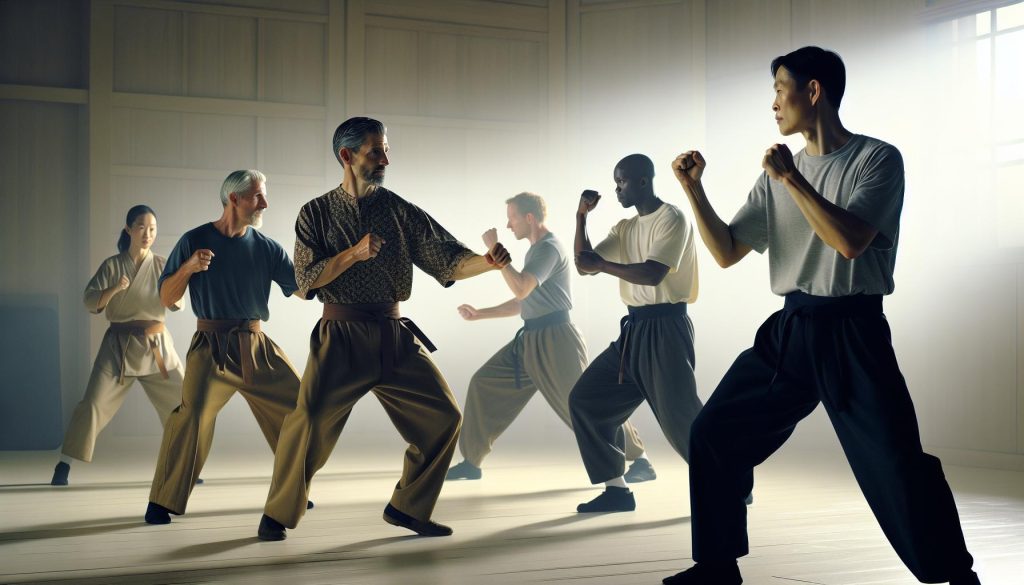
In a world where personal safety is a growing concern, understanding how self-defense techniques can vary in effectiveness is crucial. Krav Maga, developed for real-world situations, exceptionally incorporates techniques from various martial arts, blending the best practices to equip individuals with practical self-defense skills. By examining how these diverse methodologies enhance Krav Maga’s approach, you’ll gain insight into a system designed to empower practitioners while addressing common fears associated with physical confrontations. As you explore this topic, consider how these amalgamated techniques not only increase your preparedness but also emphasize the importance of safety, legality, and ethical considerations in every defensive action. Delving into the integration of various martial arts styles within Krav Maga not only informs your self-defense strategy but also cultivates a deeper respect for the complexities of personal safety.
Understanding Krav Maga: An Overview of Its Origins
Krav Maga, the self-defense and fighting system originally developed by the Israeli military, is a dynamic discipline that integrates techniques from a variety of martial arts. This adaptability is its hallmark, making it particularly effective for real-world situations. While it emerged in the 1940s under the guidance of Imi Lichtenfeld, its roots can be traced back to various combat disciplines, creating a fusion that is both practical and efficient.
The methodology of Krav Maga draws heavily from common martial arts techniques, emphasizing movements that are instinctive and easy to learn. Key influences include boxing for striking, wrestling for grappling, and judo for throws and joint locks. This blend not only enhances the effectiveness of Krav Maga but also allows practitioners from different martial arts backgrounds to transition smoothly into its training framework. By focusing on the most effective aspects of each discipline, Krav Maga creates an accessible entry point for individuals regardless of their previous experience.
In shifts from traditional martial arts, the primary focus of Krav Maga is self-defense rather than competition. Techniques are designed to be useful against armed and unarmed attacks, incorporating responses designed to neutralize threats swiftly and efficiently. This includes an emphasis on situational awareness and de-escalation strategies, empowering practitioners to handle conflicts without resorting to physical confrontation. Ethical considerations play a significant role, reinforcing the importance of proportionality in self-defense, ensuring that when techniques are employed, they comply with legal standards.
Through its pragmatic approach, Krav Maga not only trains individuals to defend themselves but also instills a mindset geared towards conflict resolution. This ensures that practitioners appreciate the gravity of physical confrontations, fostering both confidence and caution in potential self-defense scenarios.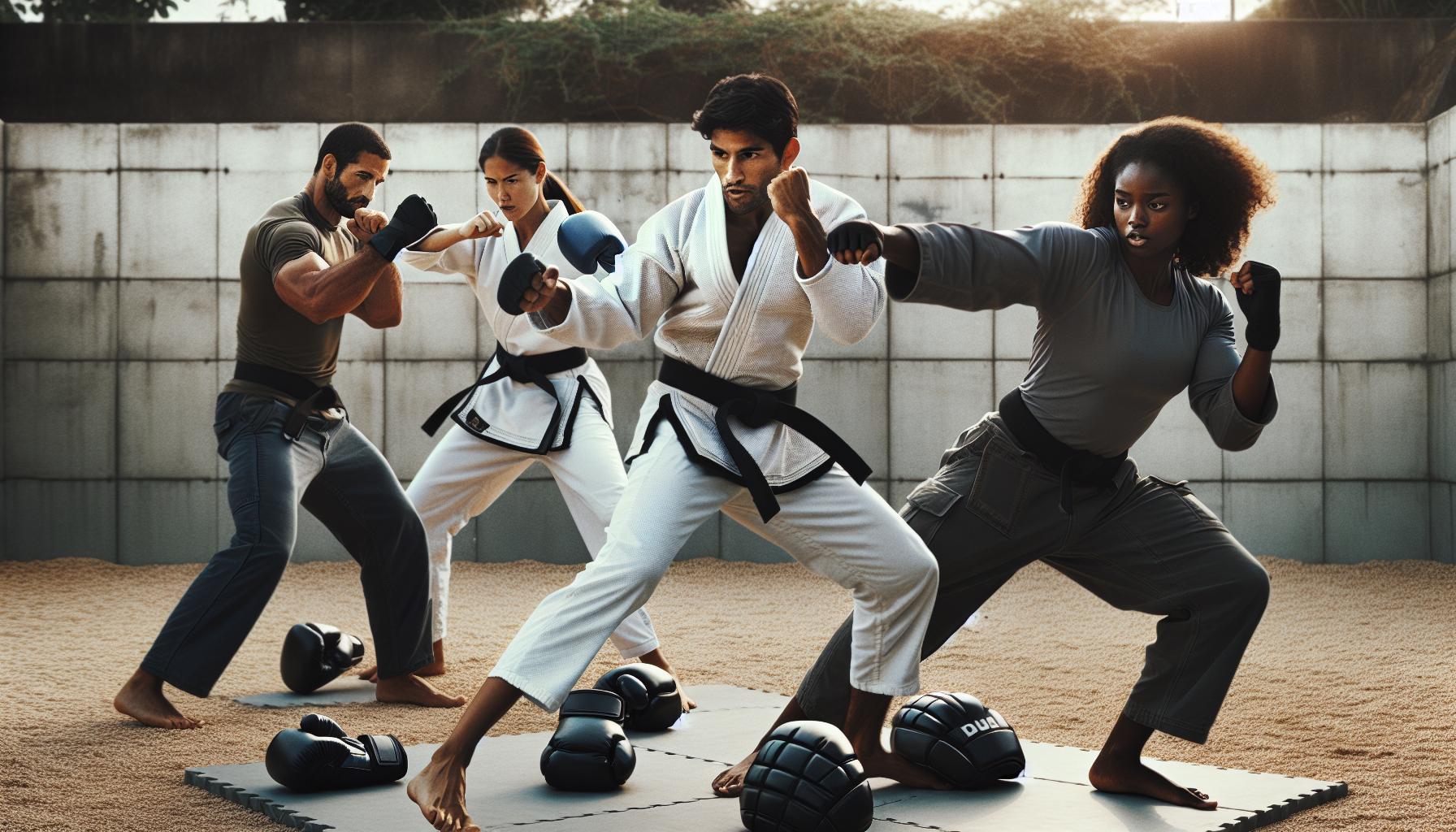
The Fusion of Techniques: How Krav Maga Integrates Other Martial Arts
Krav Maga’s strength lies in its ability to adapt and integrate techniques from a diverse array of martial arts, crafting a comprehensive self-defense system that is practical and effective. Unlike traditional martial arts that may prioritize competition or form, Krav Maga is rooted in maximizing efficiency in real-world scenarios. It borrows striking techniques from boxing, integrating the precision and speed of punches while emphasizing direct, instinctual responses to threats. This approach ensures that practitioners are not just skilled in delivering powerful strikes but also adept at maintaining fluidity under pressure.
In terms of grappling, Krav Maga draws heavily from wrestling, including techniques that enable practitioners to control opponents and escape from dangerous positions. The curriculum incorporates joint locks and throws from judo, which are vital for neutralizing aggression without escalating the situation. This fusion of styles allows practitioners to leverage the most effective aspects of each discipline while adapting to various encounter dimensions-whether it’s close-quarters combat or defending against an armed assailant.
Moreover, the flexibility of Krav Maga is evident in its teaching methodology. Instructors often use scenario-based training, simulating realistic attack situations, which prepares students to apply learned techniques in high-stress environments. For instance, during training sessions, students practice defending against common street attacks, incorporating various martial arts techniques to respond appropriately to different threats. This practical application bridges the gap between martial arts theory and reality, reinforcing the importance of situational awareness and de-escalation techniques, in line with ethical self-defense principles.
The legal implications of using force are always highlighted, reminding practitioners that self-defense should be a last resort and used proportionately. This awareness is crucial, as it aligns with the overarching goal of Krav Maga: empowering individuals to protect themselves while respecting the sanctity of life. In essence, the integration of diverse martial arts techniques not only makes Krav Maga effective but also a responsible choice for self-defense training.
Key Martial Arts Influencing Krav Maga Techniques
Krav Maga’s development was influenced by various martial arts, each contributing unique techniques and philosophies essential for real-world self-defense. Understanding these influences not only clarifies the effectiveness of Krav Maga but also demonstrates its adaptability across diverse situations.
One of the primary martial arts that shapes Krav Maga is boxing. The emphasis on powerful, direct strikes with speed and precision is critical. Boxers focus on footwork, head movement, and combinations, which Krav Maga incorporates to enhance striking efficacy. Practitioners learn to throw punches while maintaining their guard, ensuring they can defend against counterattacks-an essential skill in unexpected confrontations.
Wrestling also plays a substantial role, particularly in grappling techniques. Krav Maga utilizes wrestling’s principles of balance, control, and leverage to manage larger opponents. The incorporation of takedowns and escapes from holds enables practitioners to neutralize threats effectively. This is paramount in situations where avoiding confrontation is preferable, underscoring the ethical foundation of Krav Maga-defense over aggression.
Additionally, jiu-jitsu contributes significantly with its focus on ground fighting and submission techniques. Krav Maga includes joint locks and chokes, allowing practitioners to incapacitate an opponent without excessive violence. This skill set is invaluable, especially when the confrontation goes to the ground. It empowers students to regain control of a situation, aligning perfectly with the philosophy of protecting oneself while minimizing harm.
Finally, the influence of judo is evident through the incorporation of throws and flips that can displace an adversary. The ability to utilize an attacker’s momentum against them is a key feature of Krav Maga’s self-defense strategy. In high-stress environments, where quick responses are critical, these techniques provide options for managing aggressive behavior effectively.
In summary, the diversity of martial arts that contribute to Krav Maga reflects its goal of creating a versatile, practical self-defense system. By blending striking, grappling, and throwing techniques, Krav Maga prepares practitioners for various scenarios, emphasizing safety, ethical force use, and legal boundaries. Engaging with these influences not only fosters self-defense skills but also deepens the understanding of one’s responsibility in managing physical confrontations.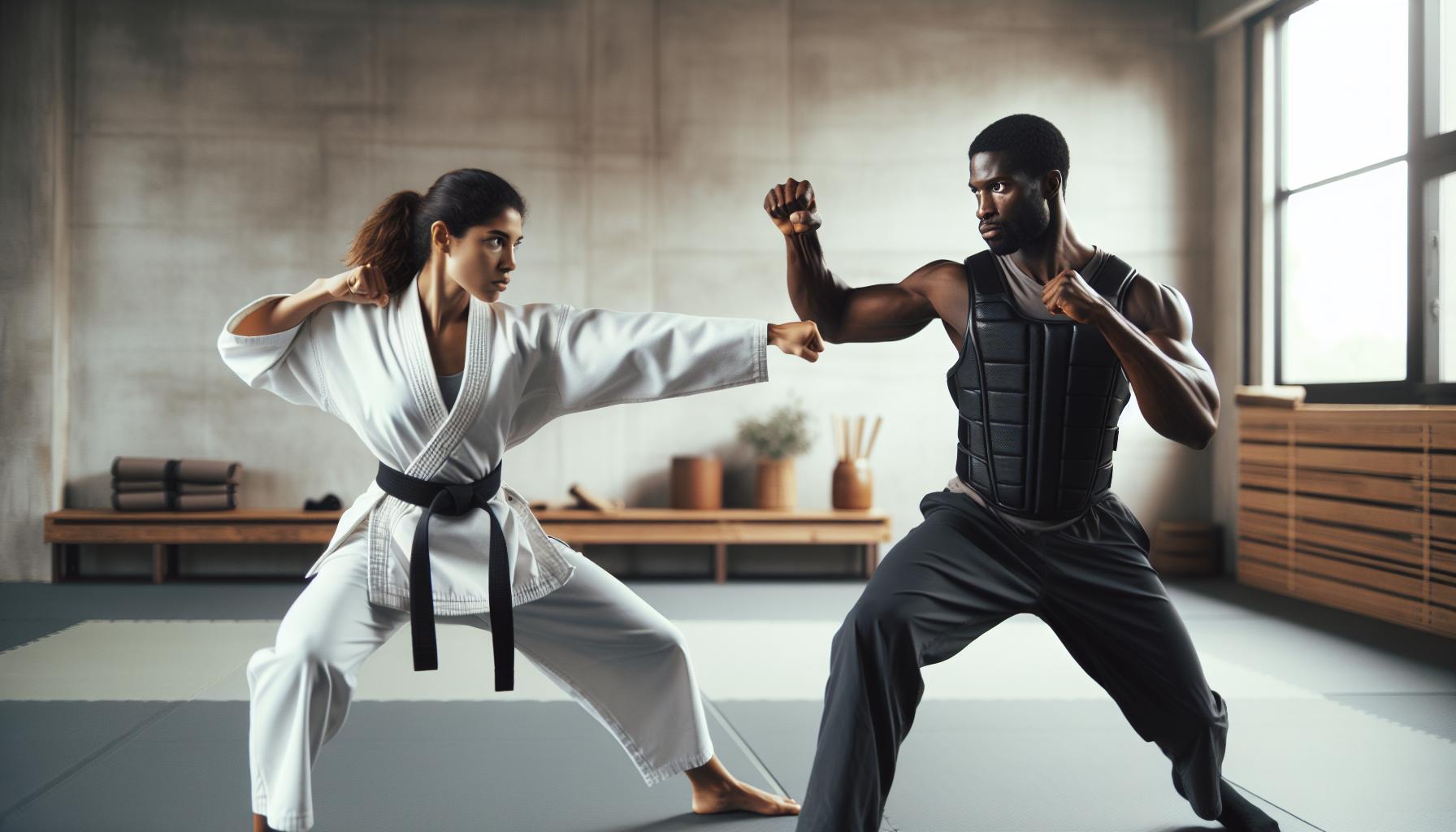
Comparing Strikes: Krav Maga vs. Karate
The striking techniques in Krav Maga are designed for real-world effectiveness, emphasizing speed and adaptability for self-defense. Unlike traditional martial arts, which often focus on form and technique, Krav Maga prioritizes strikes that can be executed under high-stress situations, prioritizing survival over perfection. In comparison, karate’s structured approach includes various forms (katas) that emphasize discipline and precision. While this can allow practitioners to develop strong fundamentals, the focus can sometimes detract from the spontaneous responses required in unpredictable encounters.
Key Differences in Striking Styles
Krav Maga employs a range of striking methods, including punches, kicks, elbows, and knees, utilizing natural body mechanics. Strikes are often directed at points of vulnerability, such as the eyes, throat, and groin, intended to incapacitate an opponent quickly. In contrast, karate techniques emphasize specific strikes, often delivered with power and precision through stances like kiba dachi (horse stance) or zenkutsu dachi (forward stance). These stances may limit mobility during real confrontations, while Krav Maga’s more fluid stance allows for agility and rapid movement.
Adaptability in Real-World Situations
Practitioners of Krav Maga are trained to adapt strikes to the situation at hand-whether facing multiple attackers or dealing with an armed assailant. The ability to modify techniques on the fly is critical. For example, a practitioner might execute a quick palm strike to an adversary’s face, followed immediately by a kick to the knee, all while maintaining awareness of their surroundings. Karate practitioners usually train specific techniques in controlled environments, which can create a gap when facing unpredictable real-world threats.
In terms of legal considerations, both systems advocate for proportionality in response. Understanding the legal limits regarding self-defense is crucial in striking situations. Practitioners must be aware that excessive force can result in legal repercussions, regardless of their martial arts training. An effective self-defense strategy always emphasizes de-escalation and avoiding violence when possible, making it essential for all martial artists, including those in Krav Maga and karate, to engage in responsible training that respects the ethical weight of their actions.
The striking techniques of Krav Maga reflect a broader philosophy: the most effective self-defense approach is adaptable, ethical, and focused on quickly neutralizing threats while adhering to legal standards. This pragmatic view is vital for anyone serious about self-defense in today’s world.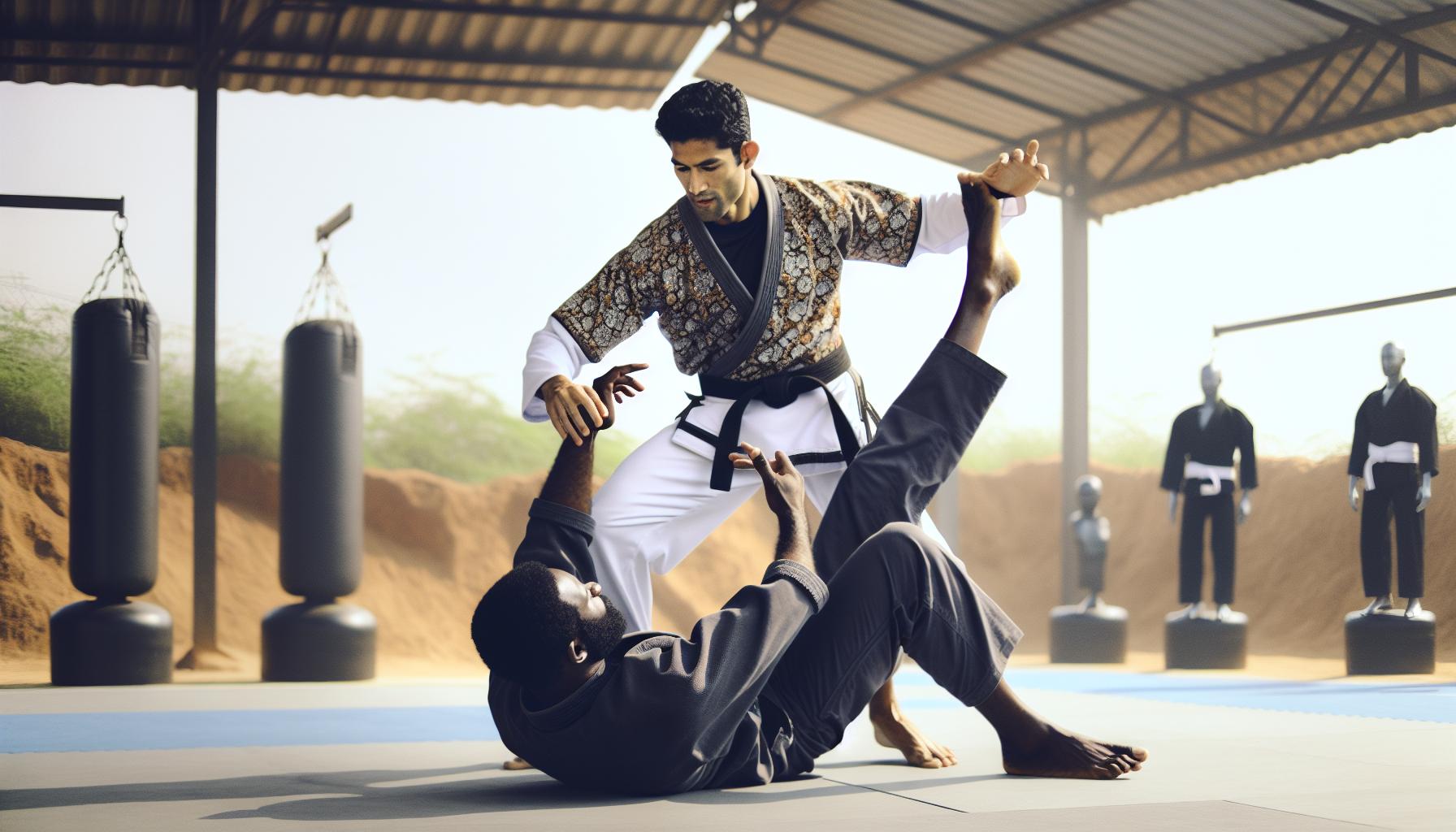
Grappling Influences: Judo and Brazilian Jiu-Jitsu in Krav Maga
Incorporating elements from Judo and Brazilian Jiu-Jitsu, Krav Maga recognizes the importance of grappling techniques in real-world self-defense scenarios. These martial arts focus on controlling opponents through throws, holds, and submissions, which can be invaluable in close-quarters confrontations. In a situation where an attacker closes the distance, effective grappling can allow a defender to neutralize a threat without relying solely on striking.
Practitioners of Krav Maga are taught essential grappling concepts that come from Judo, such as the importance of leverage and balance. Techniques like hip throws and body locks enable a defender to use an assailant’s momentum against them. These methods are particularly effective when dealing with larger opponents. For instance, executing a shoulder throw can redirect an attacker’s energy, placing them on the ground, which not only neutralizes the immediate danger but also positions the defender for follow-up actions or escape.
Brazilian Jiu-Jitsu (BJJ) contributes valuable groundwork skills to Krav Maga, especially those that focus on submissions and positional control. Techniques like joint locks and chokeholds can be effective when a defender finds themselves on the ground or in a grapple. Understanding how to secure dominant positions, such as the mount or side control, allows practitioners to maintain control over an adversary, reducing the risk of retaliation. Additionally, BJJ emphasizes the principle of “safety in positions,” teaching students how to protect themselves during grapples through effective body positioning.
It’s crucial for practitioners to remember the legal implications of using grappling techniques in self-defense. While effective, the use of holds like rear-naked chokes must be mindful of the risk of causing serious harm or death. Understanding local laws around self-defense and proportionality is essential. A good self-defense strategy always includes an emphasis on de-escalation and the avoidance of violence whenever possible. Keeping these principles in mind ensures that the practice of grappling within Krav Maga remains responsible and ethically sound, fostering a deeper understanding of not just how to defend oneself, but also when it’s appropriate to act.
Weapons Training in Krav Maga: A Look at Diverse Approaches
In a world where threats can emerge unexpectedly, the integration of weapons training into Krav Maga stands out as a critical component for self-defense. This martial art, designed for real-world situations, addresses not only unarmed confrontations but also scenarios involving various weapons. The approach is practical and focused on enabling practitioners to respond effectively, irrespective of the situation. Understanding how to disarm an attacker or use objects at hand can significantly increase a defender’s chances of escape or successful neutralization of a threat.
Krav Maga’s weapons training encompasses a wide array of scenarios, from common street weapons like knives and sticks to firearms. Practitioners learn techniques to defend against armed attackers, focusing on the principle of “survive first” by avoiding confrontation when possible. This philosophy is embedded in all training, emphasizing de-escalation and avoidance before resorting to physical defense. Should a conflict escalate, the emphasis is on neutralizing the threat quickly through effective striking, disarming techniques, or using improvised weapons.
Key to this training is the understanding of legal boundaries surrounding the use of weapons. Practitioners are taught the importance of proportionality in their response; for example, using a firearm in response to an unarmed attacker could be viewed as excessive force under law. Therefore, Krav Maga encourages learners to assess their surroundings, consider escape options, and respond appropriately based on the immediate threat without escalating the situation unnecessarily. Furthermore, localized legal knowledge on weapon usage and self-defense laws are essential, as these can vary significantly from one jurisdiction to another.
Ultimately, the goal of weapons training in Krav Maga is not merely to teach how to use or defend against weapons, but to equip individuals with the mindset and skills necessary for self-preservation. It fosters an understanding of the moral and ethical implications of using force, ensuring that students regard weapons as last-resort options, while prioritizing safety and the potential legal consequences of their actions. This comprehensive approach not only prepares practitioners for physical confrontations but also instills a sense of responsibility in their use of force, underscoring the importance of thinking critically and acting judiciously in dangerous situations.
Real-World Applications: Adapting Techniques for Self-Defense
In any self-defense situation, having a adaptable skill set can greatly increase your chances of a successful outcome. Krav Maga, known for its real-world applicability, focuses on techniques that can be drawn from various martial arts styles, enabling practitioners to tailor their responses based on the specific dynamics of an encounter. This versatility is one of Krav Maga’s defining features, making it relevant for different scenarios, including street confrontations, unarmed assaults, or encounters with armed attackers.
One of the core aspects of Krav Maga is its emphasis on practicality and simplicity. Techniques are designed to be easy to learn and remember, allowing individuals to act quickly under stress. For example, a practitioner might integrate striking techniques from Muay Thai while employing the escape strategies taught in Brazilian Jiu-Jitsu for grappling situations. Such a blend not only enhances self-defense capabilities but also empowers individuals to respond to unexpected threats effectively.
When adapting techniques from other martial arts, it’s crucial to assess the environment and the nature of the threat. Practitioners are encouraged to maintain awareness of their surroundings and consider escape routes, which is a foundational principle of Krav Maga. This is reinforced through training scenarios that simulate real-life situations, with an emphasis on controlling distance and timing. Additionally, practitioners learn to recognize when de-escalation is possible, prioritizing peaceful conflict resolution over physical confrontation whenever feasible.
Ultimately, while the techniques of Krav Maga are grounded in martial arts, their application is rooted in the understanding of legal and ethical considerations. Using force in self-defense should always be proportional and necessary, aligning with the legal standards in one’s locality. Practitioners must be educated on the laws governing self-defense to ensure their actions are not only effective but also lawful. This awareness fosters responsible decision-making, empowering individuals to protect themselves while acknowledging the potential consequences of their responses.
Training Methodologies: How Cross-Training Enhances Krav Maga Skills
Integrating techniques from various martial arts through cross-training is fundamental to enhancing skills in Krav Maga. This approach not only broadens a practitioner’s toolkit but also fosters adaptability-an essential quality in self-defense situations. By drawing from diverse disciplines, practitioners can learn to deliver strikes from Muay Thai’s powerful kicks, execute grappling maneuvers from Brazilian Jiu-Jitsu, and utilize the tactical footwork of boxing, ultimately enriching their capacity to respond effectively to various threats.
- Enhanced Physical Conditioning: Cross-training improves overall fitness, agility, and strength, making it easier to apply Krav Maga techniques in high-stress situations.
- Varied Problem-Solving Skills: Exposure to different martial arts encourages creative thinking in unpredictable self-defense scenarios.
- Building Confidence: Mastery of multiple disciplines can bolster a practitioner’s self-assurance, allowing for more effective and measured responses during confrontations.
Another key aspect of cross-training is the ability to experience and understand different fighting styles’ philosophies and strategies. Each martial art emphasizes unique tactics-Judo focuses on throws and leverage, Karate on precise strikes, and Filipino Martial Arts on weapon retention and use. By understanding these systems, Krav Maga practitioners can anticipate and counteract the moves of potential aggressors more effectively. As they learn to blend these diverse techniques, practitioners cultivate a more holistic view of conflict and self-defense, which is critical for de-escalation strategies and avoiding physical confrontations whenever possible.
Ultimately, the commitment to cross-training requires that practitioners remain conscientious of their legal responsibilities and ethical considerations. Just as they learn physical techniques from other martial arts, they must also integrate training on the legal implications of self-defense. Knowing when force is justified and ensuring an understanding of local laws can significantly impact the outcomes of self-defense situations. Emphasizing both technical skill and responsible decision-making creates well-rounded individuals who are prepared not only to defend themselves but to do so within the framework of the law and ethical standards.
Ethical Considerations: The Legal Aspects of Using Force
Understanding the legal implications of self-defense is crucial for any practitioner of Krav Maga or any martial art. While techniques borrowed from various disciplines can enhance one’s ability to respond to threats, it is the application of these techniques that often carries significant legal weight. Many states have laws that define when and how much force is acceptable during a self-defense situation, emphasizing the importance of proportional response and necessity in self-defense scenarios.
In most jurisdictions, the legal standard requires that the response be proportional to the threat faced. For instance, if confronted with an unarmed assailant, a Krav Maga practitioner should not resort to lethal force unless their life is in immediate danger. Adopting an understanding of the various levels of response-whether it’s avoidance, de-escalation, using physical force, or deploying a weapon-can help practitioners stay within legal boundaries while effectively protecting themselves.
Legal Standards of Self-Defense
Here are some of the key components of legal self-defense:
- Immediacy: The threat must be immediate; a past altercation does not justify current action.
- Proportionality: The level of force used must correspond with the level of threat posed.
- Duty to Retreat: In some states, an individual is required to retreat from a confrontation, if safely possible, before using force.
- Reasonableness: The response must be what a reasonable person would deem necessary in the same circumstances.
Practitioners should incorporate training that emphasizes these legal standards. Role-playing scenarios can be helpful in understanding how to assess situations and determine the appropriate level of force. For example, if practicing a defense against a simulated attack, one might discuss whether the movement applied was necessary and legal, reinforcing the idea that the goal is to get away from danger, not to escalate a confrontation.
Finally, awareness of specific laws within their state or country can also help practitioners navigate the legal complexities of self-defense. Many jurisdictions have unique regulations regarding weapons use, including pepper spray, firearms, or impact tools, which must also be understood and adhered to along with martial arts techniques.
In conclusion, while Krav Maga practitioners can enhance their skills through various martial arts techniques, the combination of physical skill and legal understanding creates a capable and responsible self-defense practitioner. Being informed about relevant laws and ethical considerations not only helps one respond effectively but ensures actions taken are justifiable in both moral and legal contexts.
Safety Protocols: Training Responsibly in Krav Maga
Engaging in Krav Maga training offers a pathway to personal empowerment and self-defense capability, but it also demands a high level of responsibility and awareness regarding safety protocols. Proper training is essential not just for effectiveness but also to ensure the safety of all participants. As this martial art incorporates techniques from various disciplines, maintaining a focus on responsible training practices is crucial.
To foster a safe environment, instructors should emphasize the importance of protective gear during sparring or practical techniques. This includes wearing gloves, mouthguards, and padded gear to minimize the risk of injury. Practitioners should always be made aware of their environment and the physical capabilities of their training partners, ensuring that drills and sparring sessions are adjusted to match skill levels, thus reducing the chance of serious injuries. Additionally, clear communication between partners is vital for minimizing risks; verbal cues about intensity and contact levels can greatly enhance safety during practice.
Incorporating controlled environments for training can also help practitioners learn how to apply techniques responsibly. For instance, scenario-based training that mimics real-life situations can prepare individuals to assess threats realistically and respond proportionately. Rather than viewing self-defense solely as a means to defeat an opponent, practitioners should be taught that the primary objective is to escape dangerous situations. Integrating discussions about legal and ethical considerations into training sessions is equally important, as self-defense laws vary by jurisdiction and understanding these can inform a practitioner’s response during an actual confrontation.
When discussing weapon use in Krav Maga, it is critical to approach the topic with a strong emphasis on legality and responsibility. Practitioners should be educated about the legal implications of carrying and using weapons for self-defense, including state-specific regulations surrounding items such as pepper spray or personal defense tools. This ensures that practitioners are not only prepared but also aware of the serious legal ramifications of their choices, cultivating a mindset of respect for the power they wield.
By embedding these safety protocols within the training framework, Krav Maga becomes more than just a series of techniques; it transforms into a responsible practice that empowers individuals to defend themselves while respecting legal and ethical boundaries. This balance of skill and sensitivity ensures that practitioners are not just physically prepared but also mentally equipped to navigate challenging situations.
De-escalation Strategies: The Importance of Conflict Resolution
In the high-pressure world of self-defense, the ability to de-escalate a potential conflict is a vital skill that can prevent physical confrontations altogether. Krav Maga, while primarily known for its effectiveness in physical defense, places significant emphasis on conflict resolution and de-escalation strategies. Understanding how to assess a situation and communicate effectively can often render physical techniques unnecessary, safeguarding both the individual and the opponent.
Practitioners are trained to recognize warning signs of aggression and to respond with verbal tactics that aim to diffuse the tension. This includes using a calm voice, maintaining open body language, and employing techniques such as active listening. For example, engaging the other party by acknowledging their feelings can help shift the emotional state of the confrontation. Instead of escalating a situation with aggressive posturing, Krav Maga teaches individuals to assertively express their intentions, setting clear boundaries without inflaming the conflict. These verbal strategies mirror techniques from other practices, including elements from traditional martial arts which encourage mindfulness in confrontation.
Furthermore, scenarios are often simulated during training to prepare students for real-life encounters. They learn to analyze different contexts – from an emotionally charged argument in a bar to a confrontation in a parking lot. Such training emphasizes understanding the importance of situational awareness, allowing practitioners to determine when it’s time to walk away rather than engage physically. This instinctive recognition between the appropriate use of force and strategies for avoidance is crucial; Krav Maga promotes the principle that avoiding conflict can be the most advantageous form of self-defense.
However, should a situation escalate beyond verbal de-escalation, Krav Maga ultimately prepares individuals for physical self-defense while ensuring they are aware of the legal implications of their actions. Practitioners are guided on how to respond appropriately based on the level of threat, reinforcing that the use of force must always be reasonable and proportional. In this way, Krav Maga not only equips individuals with physical skills but also cultivates a mindset that prioritizes safety, ethical considerations, and conflict resolution, allowing for a holistic approach to self-defense.
Krav Maga for Different Scenarios: From Street Encounters to Home Defense
In a world where threats can arise unexpectedly, understanding how to navigate various scenarios is crucial for ensuring personal safety. Krav Maga equips practitioners with the skills to defend themselves in situations as diverse as street encounters and home invasions. This adaptability is rooted in its practical nature and incorporation of techniques borrowed from a wide array of martial arts, making it effective for real-life self-defense applications.
Krav Maga’s focus on instinctive movements and natural reactions allows individuals to respond to threats efficiently. For instance, during a street encounter, a person may face an unprovoked attack. Krav Maga emphasizes situational awareness, enabling practitioners to identify potential aggressors and avoid conflict when possible. However, should an altercation occur, techniques derived from striking martial arts such as boxing can be employed to neutralize the threat quickly. Here, the fighter’s ability to strike effectively while maintaining a defensive posture, learned from various martial arts, proves invaluable.
When considering home defense, Krav Maga again shines through its pragmatic approach. Training often includes scenarios where a practitioner must confront an intruder within their own space. Techniques from grappling arts like Judo can be utilized effectively when faced with a close-quarters threat. Practitioners learn to use leverage and positioning to control an opponent, emphasizing the importance of using the environment and available objects to their advantage. Understanding legal implications is also critical in this context. Home defense laws vary significantly by state, and Krav Maga practitioners are instructed to respond to threats using reasonable and proportional force-prioritizing de-escalation whenever feasible.
Practicing Krav Maga not only prepares individuals for physical confrontations but also instills a mindset centered on awareness and ethical responsibility. By simulating different scenarios, practitioners not only develop technical skills but learn how to evaluate the appropriateness of those skills based on the context. For example, in a situation that escalates from verbal aggression into physical confrontation, individuals are trained to instinctively assess their options for de-escalation first, showcasing the balance between self-defense techniques and moral considerations inherent in Krav Maga training.
Frequently Asked Questions
Q: What other martial arts techniques are commonly integrated into Krav Maga?
A: Krav Maga incorporates techniques from various martial arts, including striking methods from Muay Thai, throwing techniques from Judo, and grappling tactics from Brazilian Jiu-Jitsu. This integration allows practitioners to utilize a broad range of skills, enhancing their effectiveness in real-world confrontations.
Q: How does Krav Maga adapt techniques during training?
A: Krav Maga adapts techniques through scenario-based drills that mimic real-life situations. This pragmatic approach prepares students to apply learned techniques effectively under stress, focusing on spontaneity and adaptability similar to methods used in other martial arts.
Q: Why is cross-training important in Krav Maga?
A: Cross-training in different martial arts enhances a practitioner’s skill set, improves reaction times, and promotes versatility. By engaging in various arts, such as boxing or wrestling, students can better understand different fighting dynamics, thus enriching their Krav Maga training.
Q: Are there elements of traditional martial arts in Krav Maga?
A: Yes, Krav Maga includes elements from traditional martial arts like the katas from Karate and stances from Kung Fu. These elements are often simplified to focus on practical application under pressure, ensuring that they are accessible for self-defense purposes.
Q: What role do self-defense techniques from other martial arts play in Krav Maga?
A: Self-defense techniques from other martial arts, such as escape maneuvers from Aikido, are critical in Krav Maga. They are tailored for practical use, ensuring that students can respond effectively to various attacks and situations, emphasizing their importance in real-life encounters.
Q: When should Krav Maga practitioners employ techniques from other martial arts?
A: Practitioners should employ techniques from other martial arts during drills, competitions, or real-life encounters, where specific skills-like grappling from Jiu-Jitsu or striking from Muay Thai-can provide a tactical edge, enabling effective self-defense.
Q: How do Krav Maga techniques differ from those of other martial arts?
A: Krav Maga techniques prioritize realistic self-defense applications and immediate effectiveness, unlike many traditional martial arts that may emphasize form or point scoring. This pragmatic focus on survival and efficiency sets Krav Maga apart in terms of practicality during confrontations.
Q: Why is understanding various martial arts styles beneficial for Krav Maga?
A: Understanding various martial arts styles enhances a practitioner’s ability to predict and counteract opponents’ actions. This knowledge fosters adaptability and tactical innovation, giving students more options in self-defense situations, ultimately increasing their overall effectiveness.
The Conclusion
As we’ve explored, Krav Maga seamlessly integrates techniques from various martial arts, making it a versatile and effective self-defense system. This blend of styles not only enhances your combat skills but also prepares you for real-life scenarios where quick thinking and adaptability are crucial. If you’re ready to take the next step in your training, consider enrolling in a local class, or check out our in-depth guides on legal safety protocols for self-defense and comparisons of Krav Maga with other martial arts like BJJ.
Don’t wait until it’s too late-empower yourself with the knowledge and skills that can make a difference. Subscribe to our newsletter for tips on self-defense, training resources, and community support. Have questions or experiences to share? We’d love to hear from you in the comments below. Explore our related articles on self-defense techniques and the legal aspects of using force-each resource is crafted to support your journey in becoming a more confident and capable individual.