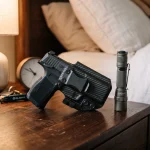

In a world where personal safety is increasingly a concern, understanding the legal definition of self-defense is vital. Self-defense laws dictate when and how individuals can protect themselves, balancing the right to safety with the need for responsible action. This topic matters not only for those interested in martial arts or personal protection techniques but for anyone who wishes to navigate the complexities of legal responsibility in potentially dangerous situations. Are you aware of the circumstances under which you can legally defend yourself? This comprehensive guide will illuminate the requirements, helping you make informed decisions should you ever face a threatening scenario. By grasping these legal nuances, you empower yourself to act within the law while prioritizing safety and ethical considerations.
What Is Self Defense? Understanding the Basics
In the realm of personal safety, understanding self-defense is not just about physical techniques; it’s about knowing the legal framework that governs our actions. Self-defense is defined as the use of reasonable force to protect oneself from imminent harm. This concept is embedded in law across various jurisdictions, emphasizing the right to defend oneself or, in some cases, others from imminent danger of death or serious bodily injury. For instance, if an individual feels threatened by an aggressive assailant, the legal justification for responding with force hinges on the belief that such force is necessary to avert harm.
It’s important to recognize that self-defense is not a blanket license to engage in violence; rather, it involves specific legal criteria that must be met. The individual claiming self-defense must demonstrate that they had a reasonable belief of being in immediate danger, and the force they employed must be proportional to the threat faced. This principle of proportionality ensures that the response to an attack is appropriate-using lethal force in a situation where non-lethal options are available can lead to serious legal consequences.
Moreover, state-specific laws significantly influence the application of self-defense claims. Different states may have varying statutes regarding ‘stand your ground’ laws, duty to retreat, or limitations on the use of deadly force. Consequently, having knowledge of these laws is essential for anyone interested in self-defense, as it shapes how one should react in potential confrontational situations.
In real-world scenarios, the effectiveness of self-defense often hinges on quick decision-making and awareness of one’s surroundings. Practicing de-escalation techniques or familiarizing oneself with legal boundaries can be just as vital as physical training. For those contemplating self-defense classes, it is crucial to choose a program that not only teaches techniques but also instills an understanding of the ethical and legal responsibilities that come with the right to self-defense.
Legal Definitions of Self Defense
Every day, individuals face situations where they must assess whether to stand their ground or retreat, often weighing their right to self-defense against the potential legal repercussions of their actions. At its core, self-defense in law serves as a legal doctrine allowing a person to use reasonable force to protect themselves from imminent threat or harm. This principle, however, is not simply a free pass to react violently; it demands a nuanced understanding of its legal definitions, which vary across jurisdictions.
In most legal frameworks, self-defense is defined by a few key criteria. Primarily, the perceived threat must be immediate and unlawful. For instance, if someone is physically attacked, they may legally defend themselves using an equivalent level of force. This means that if an assailant is unarmed, using lethal force in response could be viewed as excessive and lead to criminal charges. Furthermore, the individual must demonstrate a reasonable belief that their actions were necessary to prevent harm-this often involves showing that all other options for avoidance or de-escalation were unavailable.
Each state also has unique statutes governing self-defense claims, which can include “stand your ground” or “duty to retreat” laws. In some states, if a person feels threatened in their home, they may not be required to retreat before defending themselves. Conversely, other states may mandate a duty to retreat before using deadly force, adding another layer of complexity to understanding one’s legal rights. Therefore, staying informed about local laws and how they define self-defense can significantly influence the outcome of a self-defense claim and should be a priority for anyone interested in self-protection.
Additionally, the legal concept of proportionality plays a crucial role in evaluating a self-defense scenario. The force used in defense must match the threat faced; using more force than necessary could jeopardize a self-defense claim and lead to legal consequences. It is critical for individuals to engage in thoughtful training and education on this topic, ensuring they are equipped not only physically but also legally and ethically to handle potentially dangerous situations responsibly. The goal should always be to prioritize safety, advocate for de-escalation techniques when possible, and understand the serious implications of defensive actions.
Key Requirements for Claiming Self Defense
In high-stakes situations where personal safety is at risk, understanding the essential criteria for claiming self-defense can mean the difference between protection and prosecution. The law typically requires that three fundamental elements be present: the existence of an imminent threat, the use of reasonable and proportional force, and the exhausted chance for de-escalation.
Imminent Threat
For an individual to justify their actions as self-defense, they must be facing an immediate and unlawful threat. This perception of danger must be credible, meaning that a reasonable person in the same situation would also believe that they were at risk of harm. For instance, if a person is being aggressively approached by an individual with a weapon, they may be justified in using defensive measures. However, if the threat is not immediate-say, a verbal altercation without physical escalation-the justification for self-defense weakens considerably.
Reasonable and Proportional Force
Another crucial aspect is that the response to the threat must be proportionate. The force used in self-defense should be no greater than necessary to prevent the danger. Using lethal force against an unarmed assailant could likely be seen as excessive and result in legal consequences. Legal standards often dictate that the level of response should closely match the level of threat faced. For example, if attacked with punches, retaliating with an equal or lesser level of physical force would be more legally defensible than escalating to a lethal weapon.
Opportunity for De-Escalation
Finally, individuals must demonstrate that they attempted to retreat or de-escalate the situation when possible. Many jurisdictions enforce a “duty to retreat” doctrine, which obliges individuals to avoid conflict whenever feasible. If it is safe to escape or withdraw without using force, failing to do so may undermine a self-defense claim. In practical terms, this could mean moving away from a confrontation if the option exists before resorting to physical action.
By understanding these fundamental criteria-imminent threat, proportional response, and the opportunity to de-escalate-individuals can navigate the complexities of self-defense laws. Being informed not only empowers individuals to protect themselves but also keeps them within the legal frameworks governing such situations. Responsible self-defense is not just about physical readiness; it encompasses legal and ethical awareness to ensure actions taken in self-protection are both justifiable and safe.
Types of Self Defense: Physical and Legal Perspectives
Understanding the types of self-defense is crucial for anyone wishing to navigate the complexities of personal protection and the legal ramifications involved. Self-defense can be categorized into two primary perspectives: physical and legal. Each of these dimensions plays a significant role in determining how an individual responds to a perceived threat while ensuring compliance with the law.
Physical Self Defense Techniques
Physical self-defense techniques are the skills and methods an individual employs to protect themselves from physical harm. These can range from basic hand-to-hand combat techniques to the use of defensive tools and weapons. Popular martial arts styles such as Krav Maga, Brazilian Jiu-Jitsu (BJJ), and Muay Thai offer practitioners various ways to defend themselves effectively. For instance, Krav Maga focuses on real-world scenarios and teaches techniques for neutralizing threats quickly, often incorporating defensive strikes, escapes, and control tactics.
However, it is vital to remember that the use of physical force must always align with legal standards. Practicing self-defense techniques without understanding their legal implications can lead to serious consequences. For example, while grappling an attacker may seem justifiable, retaliating with disproportionate force could land a defender in legal trouble.
Legal Self Defense Considerations
From a legal standpoint, self-defense rights vary significantly across jurisdictions. Laws typically require that physical responses to threats be both reasonable and proportional. It’s important to ask whether the force used in a defensive situation aligns with the immediacy and nature of the threat faced. Understanding specific legal definitions, such as “imminent threat” and “proportional response,” is essential for anyone interested in self-defense.
- Imminent Threat: An immediate and unlawful threat that justifies a defensive action.
- Proportional Force: The level of force used must be appropriate to the threat; excessive force can negate a self-defense claim.
Moreover, some jurisdictions have specific statutes, such as “stand your ground” laws, allowing individuals to use force without a duty to retreat in life-threatening situations. Being well-versed in the local laws regarding self-defense can save individuals from unintended legal repercussions.
In summary, understanding the dynamics of both physical self-defense tactics and legal considerations provides a comprehensive framework for protecting oneself genuinely and safely. This knowledge empowers individuals to make informed decisions in challenging situations, retaining the focus on ethical responsibility and legal compliance.
Legal Limits of Self Defense: What’s Justifiable?
In the realm of self-defense, understanding the legal limits is crucial for anyone seeking to protect themselves. Legal justifications for self-defense are grounded in the principles of necessity and proportionality. These principles require victims to respond to an imminent threat with a level of force that is reasonable and appropriate given the circumstances of the attack. For instance, if someone is confronted by an aggressor wielding a weapon, the response may be different than if the threat comes from an unarmed individual. Recognizing the context of the threat is essential to determining what actions are legally justifiable.
A fundamental concept in self-defense law is the “reasonable person” standard. This means that the actions of the individual claiming self-defense will be assessed based on what an average person would perceive in that situation. Factors such as the immediacy of the threat and the perceived level of danger are weighed heavily. For example, an individual who perceives an immediate threat may be justified in using force to neutralize the danger, but if that force exceeds what a reasonable person would deem necessary, it could result in legal repercussions.
Stand Your Ground Laws
In certain jurisdictions, “stand your ground” laws provide additional legal protections for individuals who respond to threats without a duty to retreat. These laws vary by state, but they typically allow individuals to use force, including deadly force, in self-defense when they believe their life is in danger. However, it is vital to understand that the use of such laws is not universal; various states have differing standards regarding the legal justifications for self-defense. Familiarizing oneself with local laws is imperative to ensure compliance and to avoid legal consequences.
Proportionality and Excessive Force
The concept of proportionality plays a crucial role in self-defense cases. The level of force used in retaliation must be proportionate to the threat faced. Engaging in excessive force can lead to the negation of self-defense claims. For instance, if an individual is attacked verbally and responds with lethal force, this would not only be viewed as excessive but also unjustifiable in the eyes of the law. The key takeaway is that while self-defense is an individual right, the legal system imposes strict limits on how that right can be exercised.
In conclusion, empowering oneself through knowledge of the law surrounding self-defense is essential. By understanding the necessary legal frameworks-such as the necessity of proportional responses and the implications of local laws-individuals can navigate potentially dangerous situations with greater confidence and legal awareness. This awareness not only helps in personal safety but also in maintaining ethical responsibility while making choices that could profoundly impact one’s life.
State-Specific Self Defense Laws and Variations
Understanding the nuances of self-defense laws is essential, as they vary widely across different states. This variability can significantly impact your rights and responsibilities when facing a dangerous situation. For instance, some states adhere to a “duty to retreat” doctrine, which requires individuals to attempt to escape a threatening situation before resorting to force. Conversely, others enforce “stand your ground” laws, allowing individuals to defend themselves without retreating from a perceived threat, even in public spaces.
Each state outlines its own criteria for what constitutes justifiable self-defense. Many states require that a person be faced with an imminent threat and that their response be proportional to that threat. This means that a lawful claim of self-defense must not only involve a reasonable belief in the need to protect oneself but also necessitate an appropriate level of force. For example, the use of lethal force in response to a non-lethal threat, such as verbal harassment, may be deemed excessive and result in criminal charges.
Additionally, the definition of “reasonable belief” can vary based on local legal standards. Some states take into account the personal characteristics of the individual claiming self-defense, such as their previous experiences or physical abilities. Others focus solely on a hypothetical “reasonable person” standard. To navigate these laws effectively, individuals must understand not only their rights but also the legal expectations before taking any defensive actions.
- Know your state laws: Research and become familiar with the legal standards that pertain to self-defense in your area.
- Assess your environment: Understand when and how to retreat, especially in states with a duty to retreat requirement.
- Document incidents: If involved in a confrontation, gather evidence that supports your claim of justified self-defense.
Navigating self-defense laws requires careful consideration of both legal obligations and personal safety strategies. By remaining informed, individuals can protect themselves while ensuring they operate within the bounds of the law.
Common Misconceptions About Self Defense Rights
Misunderstandings about self-defense rights are common, often leading individuals to believe they can act without constraint in dangerous situations. One predominant myth is that individuals can always use lethal force when they feel threatened. In reality, the law typically mandates that any response must be proportional to the threat faced. For instance, while defending yourself from an armed attacker may justify lethal force, using such force against someone who is verbally harassing you could lead to severe legal consequences.
Another misconception involves the idea that anyone can claim self-defense after a physical altercation. However, the legal system requires demonstrable evidence that supports the claim of imminent threat and proportional response. State laws vary, and some jurisdictions may scrutinize the circumstances surrounding a defensive action more closely than others. In many cases, a defendant must prove that they had no reasonable alternative but to use force, emphasizing the crucial role of context in self-defense scenarios.
Moreover, the belief that self-defense rights apply universally, regardless of location, is misleading. Different states have distinct laws regarding aspects such as the duty to retreat or the ‘stand your ground’ principle. It’s vital to familiarize yourself with your state’s regulations, as misunderstanding local laws can result in unintended legal repercussions. State laws dictate the nuances of what constitutes justifiable self-defense, and ignorance of these details can be detrimental.
Individuals should also be cautious about discussing their self-defense actions after an incident. Anything they say can be used against them in court. Recording events or gathering witnesses may prove beneficial, but they should be mindful of their statements to law enforcement. Always approach the subject with a clear understanding of the legal implications of your actions, and prioritize de-escalation whenever possible. Understanding these nuances can empower you to protect yourself effectively while adhering to legal obligations.
Real-World Scenarios: Applying Self Defense Principles
In a world where personal safety is increasingly uncertain, understanding how to apply self-defense principles in real-world scenarios can be invaluable. Consider a situation where you’re walking alone at night and suddenly find yourself confronted by an aggressive individual. In such moments, the first step is to assess the threat level and seek to avoid confrontation whenever possible. Awareness of your surroundings can be your best defense; if you notice someone following you, utilizing a well-lit area, or entering a public establishment can provide both safety and potential witnesses.
If avoidance is no longer an option and an attack seems imminent, knowing your legal rights is crucial. For example, laws vary significantly by state regarding the duty to retreat or the ability to stand your ground. In a state that allows stand your ground laws, you may have the right to defend yourself without retreating if you feel your life is in danger. However, using proportional response is key. If an attacker attempts verbal harassment without physical contact, escalating the conflict to physical force may lead to legal consequences. Instead, employing de-escalation techniques-such as maintaining a calm demeanor, using assertive verbal cues, or even walking away-can prevent the situation from worsening.
Practical Self-Defense Tactics
It’s also important to familiarize yourself with simple self-defense techniques that can help you physically protect yourself if it becomes unavoidable. Basic moves-like the palm strike to an assailant’s nose or a toe stomp to disrupt their balance-can provide a quick opportunity for escape. These techniques should always prioritize allowing you to create distance from the threat rather than engaging in prolonged conflict. Additionally, knowing how to use everyday objects-like a pen or keys-as improvised self-defense tools can be advantageous in close encounters.
Finally, consider t
Proportionality in Self Defense: Understanding Force Levels
In a self-defense scenario, understanding the concept of proportionality is essential for ensuring that your response to an aggressor is both legally justified and ethically sound. Proportionality means that the level of force you use in self-defense must be appropriate to the threat you are facing. For instance, if confronted with a verbal assault or minor physical contact, responding with deadly force is not only excessive but could also lead to serious legal consequences. Courts generally evaluate self-defense cases based on whether the response was reasonable given the perceived threat.
When determining the appropriate level of force, consider these factors:
- Nature of the Threat: Evaluate whether the aggressor poses a physical threat, such as brandishing a weapon, or merely engaging in verbal harassment.
- Immediacy of Danger: Determine if the threat is immediate and unavoidable. If the threat can be de-escalated verbally or avoided entirely, physical action may not be warranted.
- Context: The situational context matters-a larger individual threatening a smaller person may justify more defensive action than a similar scenario with reversed roles.
It’s also crucial to distinguish between physical and verbal self-defense. In cases of verbal aggression, opting for de-escalation techniques-like assertively setting boundaries or walking away-can often diffuse the situation without resorting to physical confrontation. Moreover, if physical defense becomes necessary, using techniques designed to incapacitate without serious harm, such as a well-aimed strike to an assailant’s pressure points, is typically viewed as more proportional compared to extreme measures.
Ultimately, always remember that self-defense laws vary significantly from state to state, especially concerning the duty to retreat or the legality of using deadly force. Understanding these state-specific regulations is key to ensuring that your response aligns with legal definitions and requirements. By focusing on proportionality and the ethical use of force, you can better navigate potential confrontations while prioritizing your safety and well-being.
Self Defense Techniques: Physical vs. Verbal Strategies
In any self-defense scenario, being prepared with the right techniques is crucial not only for physical safety but also for legal protection. Self-defense can be broadly categorized into two strategies: verbal and physical. Each approach plays a significant role depending on the situation’s context and perceived threat levels.
Verbal self-defense emphasizes the use of communication to de-escalate potentially dangerous situations. This approach can include techniques such as assertively setting boundaries, using a calm yet firm tone, or employing distraction strategies to defuse aggression. For instance, if confronted by an aggressive individual, stating clearly that their behavior is unacceptable may lead to a resolution without physical confrontation. Understanding the power of communication helps protect you legally, as de-escalation minimizes the need for physical force, aligning with legal standards for justifiable self-defense.
Physical Self-Defense Techniques
When verbal tactics prove insufficient and a physical response becomes necessary, knowing effective and responsible self-defense techniques becomes paramount. Techniques should focus on incapacitating the aggressor without causing unnecessary harm. For example, a well-placed strike to an assailant’s pressure points can help you escape a precarious situation without resorting to excessive force. Additionally, grappling arts such as Brazilian Jiu-Jitsu (BJJ) allow you to control an opponent while minimizing the risk of severe injury for both parties involved. It’s essential to remember that any physical defensive action must be proportionate to the threat; ideally, it should only be used as a last resort.
Legal Considerations
Awareness of your jurisdiction’s laws surrounding self-defense is critical. In many places, self-defense laws dictate that a person must utilize the minimum amount of force necessary to prevent harm. This principle of proportionality ensures that responses to threats are legally defensible. Under some state laws, a duty to retreat may apply unless you are in a location where you have the legal right to be. Familiarizing yourself with these regulations can protect you from legal repercussions following any defensive action taken.
Safety Protocols
It’s vital to approach self-defense with a mindset focused on safety and ethical considerations. Training in self-defense often includes methods for awareness and avoidance, which can prevent confrontations from escalating. Consider taking classes that cover both verbal and physical techniques while emphasizing the responsible use of force within legal limits. By cultivating awareness, learning effective de-escalation practices, and training for physical responses, you equip yourself not only to confront threats but also to navigate the complexities surrounding self-defense confidently.
The balance between verbal and physical strategies, coupled with a clear understanding of legal boundaries, empowers individuals to defend themselves responsibly while recognizing the weight of their choices in high-pressure situations.
Safety Protocols: Preparing for Potential Confrontations
Being prepared for potential confrontations is essential for both your physical safety and legal well-being. Understanding the dynamics of self-defense goes beyond mere techniques; it encompasses a proactive mindset, situational awareness, and knowledge of the law. Proper preparation can mean the difference between a successful de-escalation and a regrettable escalation into violence.
To bolster your preparedness, consider the following protocols:
- Awareness Training: Stay attuned to your surroundings. Practice identifying potential threats in everyday situations-being aware can often deter conflict before it escalates.
- Verbal De-escalation Skills: Invest time in training that teaches how to communicate assertively. Techniques such as managing your tone, using clear language, and setting boundaries can diffuse tension. Recognizing verbal cues of aggression can also guide your responses.
- Physical Self-Defense Education: Enroll in self-defense classes that focus on effective techniques. Disciplines like Krav Maga prioritize self-defense against armed attackers, while Brazilian Jiu-Jitsu may teach you how to control an opponent once engaged. Understanding these different styles equips you with diverse tools for varied situations.
- Legal Knowledge: Familiarize yourself with the specific self-defense laws in your jurisdiction. Knowing when to retreat, the concept of proportionate response, and the legal implications of using force must be clear before you find yourself in a heated situation.
Additionally, ensure that any self-defense tools you consider carrying, such as pepper spray or personal alarms, comply with local laws and are easily accessible. Each tool comes with its own set of guidelines and limitations, which should be thoroughly understood to ensure they are used legally and effectively.
Ethically, self-defense is not about seeking confrontation but about protecting oneself. Always weigh your options carefully-taking steps to avoid a confrontation is the most responsible course of action whenever possible. Balancing confidence with caution, continue to practice and refine your skills, maintaining an understanding of the serious implications your choices carry. By preparing yourself mentally and physically, you empower yourself to respond appropriately while minimizing the potential for harm.
The Ethical Considerations of Self Defense Use
Understanding the ethical considerations behind self-defense is crucial for anyone learning how to protect themselves. It’s not simply about the ability to fight back; it’s about recognizing when to act and understanding the consequences of those actions. Self-defense should always be viewed through the lens of minimizing harm-not only to oneself but also to others involved in the situation. It’s vital to remember that escalating violence can lead to serious legal repercussions, even if your initial intention was to protect yourself.
Before engaging in any self-defense actions, consider the principle of proportionality. This means that the level of force used must be appropriate to the threat faced. For example, responding to a verbal confrontation with physical violence might not only be viewed as excessive but could also complicate your legal position if the encounter goes to court. Always strive to de-escalate a situation whenever possible-verbal skills and situational awareness can often turn a potential conflict into a resolved issue without resorting to physical force.
Legal and Moral Implications
The legal system often scrutinizes self-defense claims, requiring individuals to demonstrate that their response was necessary and proportional. Understanding local laws regarding self-defense is essential, as they can vary significantly by state. Many jurisdictions adhere to the “duty to retreat” principle, which may mandate that a person attempt to avoid confrontation if safe to do so. In contrast, the “stand your ground” laws in some states may allow individuals to use force without retreating. Familiarizing yourself with these legal nuances can significantly affect your decision-making process in tense situations.
Empowerment Through Education
Educating yourself about self-defense not only offers practical skills but also fosters confidence and responsibility. Taking classes in self-defense techniques, understanding the use of personal safety devices, and learning about conflict resolution strategies can equip you to handle potential threats effectively. Keep in mind that self-defense is ultimately about empowerment and protection rather than aggression. Practicing restraint and prioritizing non-violent outcomes should always guide your approach. By maintaining this mindset, you can further ensure that your self-defense actions align with ethical considerations while protecting your legal rights.
Staying proactive and well-informed prepares you for the unexpected. In essence, self-defense is as much about preparing your mindset and strategies as it is about mastering physical skills. Balancing these elements enhances your ability to navigate complex situations safely and legally.
Q&A
Q: What are the different types of self-defense in law?
A: The two main types of self-defense recognized in law are physical self-defense, which involves using force to protect oneself from imminent harm, and legal self-defense, which encompasses the legal justification for using such force. Understanding both perspectives is crucial for navigating self-defense claims effectively.
Q: How do the laws of self-defense differ from state to state?
A: Self-defense laws vary significantly between states, particularly regarding stand your ground and duty to retreat laws. Some states require individuals to retreat if it’s safe to do so, while others allow individuals to stand their ground in the face of threats. Always check local laws to ensure compliance.
Q: What constitutes ‘reasonable force’ in self-defense cases?
A: ‘Reasonable force’ refers to the level of force that is necessary to prevent harm. It must be proportional to the threat faced. For instance, using deadly force is often only considered reasonable in scenarios of imminent danger of death or serious injury.
Q: When can someone claim self-defense in a legal case?
A: A claim of self-defense can be made when the individual perceived an immediate threat to their safety and responded with necessary and proportional force. This perception must be reasonable under the circumstances, and the threat must be imminent for the claim to hold.
Q: How does the concept of proportionality apply to self-defense?
A: Proportionality means that the force used in self-defense must not exceed what is necessary to avert the threat. For example, if faced with a non-lethal threat, responding with lethal force may be deemed unreasonable under the law.
Q: What are common misconceptions about self-defense rights?
A: A common misconception is that individuals have the right to use lethal force anytime they feel threatened. However, self-defense must be reasonable and proportional, and the law generally requires individuals to avoid escalating conflicts whenever possible.
Q: Can one use self-defense in defense of others?
A: Yes, individuals can legally claim self-defense when protecting others from imminent harm, provided the force used is reasonable and proportional. This allows people to intervene in situations where someone else is threatened and requires assistance.
Q: How can one prepare for potential self-defense situations?
A: Preparation can include taking self-defense classes, understanding local laws, and developing awareness of one’s surroundings. Practicing de-escalation techniques and knowing when to retreat can enhance safety and legal protections in real-life confrontations.
The Conclusion
Understanding the legal framework of self-defense is crucial for anyone looking to protect themselves. Remember, the key takeaways emphasize that self-defense involves a proportionate response to imminent threats while adhering to local laws. To explore more resources on the nuances of self-defense, you might find our articles on “Self-Defense Training Techniques” and “Navigating Legal Pitfalls in Self-Defense” especially valuable.
Ready to empower yourself further? Consider signing up for our newsletter for ongoing insights or schedule a consultation with our experts to gain personalized advice on self-defense strategies suitable for your circumstances. As you continue your journey to safety, remember that informed action is your best defense. Explore our resources, share your thoughts in the comments, and stay engaged for more content designed to enhance your self-defense knowledge while reinforcing your legal rights.
Get our latest guides, news, and insights highlighted in your Google Search & AI Overviews.