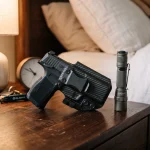

When witnessing someone in danger, your instinct may be to step in and protect them. But is that instinct legally justified? Understanding the rules of third-party self-defense is crucial for anyone who wants to act effectively while minimizing their legal risks. The right to defend others echoes the principles of self-defense, yet it’s layered with specific legal nuances that vary by jurisdiction. Knowing the boundaries-what constitutes reasonable force, the necessity of a relationship with the person you’re defending, and how to assess an imminent threat-can empower you to respond appropriately in potentially volatile situations. In this article, we will explore the legal framework surrounding the defense of others, providing clarity on how you can help without crossing the line into unlawful behavior. Prepare to gain insights that will not only enhance your self-defense knowledge but also ensure that your intentions to protect others align with the law.
Understanding Self-Defense Laws for Third Parties
Understanding the parameters of self-defense laws for third parties is crucial for anyone considering intervening in a violent situation. The laws regarding the use of force to protect another person vary significantly from state to state, and it’s vital to grasp these distinctions to avoid legal repercussions. In many jurisdictions, individuals have the right to use reasonable force, including deadly force, if they believe that a third party is in imminent danger of serious harm or death. This right is often summarized under the principles of self-defense, which extend to protect others.
When analyzing these laws, it’s important to recognize several key elements that constitute justified intervention. First and foremost is the element of imminence-the threat to the third party must be immediate and unavoidable. Additionally, the proportionality of the response is critical; any force applied must be necessary and not exceed what is reasonable to ensure the safety of the third party. This balance between protection and legal consequence underscores the importance of not overstepping in high-tension situations.
Furthermore, the context of the incident plays a significant role in determining the legality of intervention. For example, in some states, common laws permit bystanders to act when witnessing a violent crime, but this action is contingent upon their judgment of the situation. If the response is deemed excessive or reckless, individuals may face civil or criminal consequences, which serves as a reminder to approach such scenarios with caution and a clear understanding of the laws in their state.
In addition to the legal aspects, ethical considerations must guide decisions to intervene. Before taking action, assess the scenario: could your involvement escalate the situation or put yourself or others in more danger? Emphasizing de-escalation techniques can prove invaluable-attempting to diffuse the situation verbally, if safe to do so, may be a more prudent choice than physical intervention. Recognizing your limits and understanding that the best response is sometimes to contact law enforcement is not only wise but may also align with your legal protections under self-defense laws.
In the heat of the moment, it can be challenging to navigate these complexities, which is why ongoing education and training in conflict resolution and self-defense for both yourself and potential third parties is essential. Familiarity with your local laws and practicing scenarios can prepare you to respond appropriately while prioritizing safety and the law.
Legal Justifications for Protecting Others
In urgent situations, understanding the can be a lifesaving knowledge. Many people have a natural instinct to intervene when they see someone else in danger, but the laws governing this instinct are nuanced and vary widely by jurisdiction. The fundamental principle is that individuals are typically permitted to use reasonable force to defend a third party from imminent harm. This privilege to act is grounded in the belief that no one should have to stand by while another person is being attacked or threatened.
To effectively navigate the legal landscape of third-party protection, several key criteria must be satisfied:
- Imminence: The threat must be immediate and unavoidable. If the danger is not direct, the legal justification for intervening diminishes significantly.
- Reasonableness: The level of force applied must align with the threat level. For instance, using lethal force to prevent a minor injury is generally considered excessive and unnecessary.
- Relationship: Some jurisdictions recognize a more lenient standard for those who are closely related or have a special relationship with the third party in peril.
It is critical to understand that intervention is not without risk. If the force used in defense of another excessively meets or exceeds what a reasonable person would deem necessary under the circumstances, the individual intervening may face legal repercussions for their actions. Courts differentiate between justified defense and unlawful aggression based largely on the proportionality of the response.
Real-world scenarios illustrate these complexities. For example, if you witness someone being physically assaulted, stepping in to separate the aggressor and victim using necessary force could be justified. However, if your intervention involves using a weapon or physically overpowering the aggressor beyond what is needed to protect the victim, you could face criminal charges. Therefore, assessing the situation with a clear mind while considering de-escalation methods-as well as the immediate nature of the threat-is paramount.
Overall, while the law provides a framework for protecting others, the intricacies of each situation require careful consideration. Empowering oneself through training and knowledge of local laws can help clarify when and how to intervene responsibly and effectively.
Key Elements of Effective Self-Defense
When faced with a situation where another person is in danger, understanding the nature of effective self-defense is crucial. Protection of third parties is grounded in certain key elements, which serve not only to guide your actions but also to ensure that they remain within legal boundaries. Knowing these components can make a significant difference when the instinct to intervene arises.
One of the most critical aspects involved in third-party defense is imminence. The threat must be immediate and unavoidable; no reasonable or justifiable action can be taken if the danger is not present at that moment. If a person appears to be angry but is not physically threatening another, intervention may not be legally justified. In contrast, witnessing a physical attack can activate your legal rights to act.
Another vital factor is proportionality; the level of force you employ must be commensurate with the threat faced by the individual you’re defending. For example, if someone is receiving a minor shove, a swift push to the aggressor may be reasonable; however, resorting to lethal force in the same scenario would likely be seen as excessive. Understanding the legal doctrine of reasonable force is fundamental in navigating these situations to avoid crossing into unlawful aggression.
Furthermore, the relationship to the third party in danger can influence legal interpretation. Some jurisdictions allow for a broader scope of action if you have a familial or special relationship with the person needing aid, while others evaluate solely on reasonable belief and the immediacy of the threat. It’s important to be aware of these jurisdictional nuances when considering intervention.
Lastly, self-defense training should emphasize de-escalation strategies. Not every confrontation needs physical engagement, and sometimes, verbal intervention can diffuse a situation. Techniques such as speaking calmly to an aggressor or positioning yourself between the threat and the victim can serve as effective ways to protect another person without resorting to physical force. Understanding these elements allows for effective, legal, and ethical action in real-world scenarios where you may need to intervene.
In summary, effective self-defense for a third party combines the principles of imminent threat assessment, proportional response, awareness of legal relationships, and de-escalation tactics. Familiarity with these elements can empower you to act responsibly and safely when witnessing others in peril.
The Ethics of Third-Party Defense Situations
In an age where the principles of justice and personal safety often intersect, ethical considerations in third-party defense situations have gained prominence. Understanding the moral weight of intervening on another’s behalf is crucial, as the decisions made in the heat of the moment can have profound consequences. Whether you’re a bystander witnessing an altercation or a friend defending someone being threatened, navigating the ethics of your involvement requires careful consideration.
One vital principle is the notion of proportionality. Your response must directly correlate with the level of threat faced by the individual you are trying to protect. Using excessive force, such as lethal measures in a minor dispute, not only raises legal issues but also undermines the ethical foundation of your actions. Ask yourself: is the force you’re using necessary and justified? This principle also extends to being mindful of the potential repercussions for both the victim and the aggressor.
Equally important is the concept of intent. Acting with a clear intention to protect, rather than to retaliate or escalate a situation, helps clarify the ethical implications of your defense. Your motivations should center around safeguarding the person at risk, emphasizing a desire to prevent harm rather than to inflict it. The ethical approach requires a balance between courage and caution, recognizing that even well-meaning interventions can complicate situations or lead to unintended consequences.
Additionally, the importance of de-escalation tactics cannot be overlooked. Engaging verbally to calm a hostile situation can often be more beneficial than physical confrontation. Techniques such as speaking calmly, positioning yourself as a barrier between the aggressor and the victim, or even calling for help can effectively minimize harm without resorting to violence. These strategies highlight the preference for resolving conflicts peacefully and emphasize a respect for human dignity, which is essential in any intervention.
Ultimately, the ethics of third-party defense hinge on the principles of assessment, intention, and restraint. Each scenario is unique, and a reflective mindset coupled with clear safety protocols can empower you to act wisely when witnessing a threat. Always prioritize the safety of all involved and consider seeking help from authorities or trained professionals whenever possible. In navigating such delicate situations, your capacity to uphold ethical standards can foster a culture of responsibility in your community, ensuring that acts of protection do not devolve into unnecessary violence.
Recognizing Imminent Threats and Risks
Recognizing an imminent threat requires keen awareness and careful assessment of the situation. It is essential to understand that a threat is not merely a possibility; it must be immediate and credible. The first step in discerning whether to intervene on behalf of another is to analyze the environment and the behavior of the individuals involved. Are the actions aggressive or violent? Is there a weapon involved? These factors can help you determine whether the threat is genuine.
A threatening situation can often escalate quickly. For example, consider a scenario in a public park where an altercation breaks out. If one person is physically assaulting another, this clearly signifies an imminent risk. However, it is crucial to differentiate between mere heated arguments and actual physical violence. Many conflicts can involve raised voices but do not justify physical intervention. In high-stress environments, staying calm and observing body language-such as clenched fists or aggressive postures-can provide valuable insights into the likelihood of escalation.
Key Indicators of Imminent Threats
When assessing a potential threat, look for specific cues that may indicate danger:
- Physical aggression: Does the aggressor display threatening body language, such as invading personal space or aggressive gestures?
- Verbal threats: Is there clear intent expressed through words that suggest harm, such as threats or derogatory remarks?
- Presence of weapons: Are any weapons visible or are individuals reaching for an object that could be used harmfully?
- Victim’s reaction: Is the person being targeted exhibiting distress or fear, which signals a need for protection?
By recognizing these signs, bystanders can better decide whether intervention is necessary. However, it is crucial to prioritize safety-both your own and that of the individuals involved. If confronted with a potential risk, consider whether calling law enforcement or medical professionals might be the more prudent course of action.
Being aware of your surroundings and prepared to act in a manner that is both safe and legally justified is paramount. Ultimately, effective third-party intervention hinges on the ability to recognize real threats promptly and respond appropriately-balancing the urgency of action with a clear commitment to preventing violence whenever possible.
Comparing State Laws on Third-Party Defense
Understanding the differences in state laws regarding the defense of others is crucial for anyone considering intervening in a potentially violent situation. In the United States, self-defense laws can vary significantly from one state to another, particularly when it comes to applying those laws to third-party defense scenarios. Many states allow individuals to use reasonable force to protect another person who is under threat, but the specifics-such as what constitutes “reasonable” force-can differ widely.
For example, in states that endorse Stand Your Ground laws, individuals may use lethal force without retreating if they believe they or another person are in imminent danger of serious bodily harm or death. States like Florida have expansive protections under such laws, which can apply to third-party defense as long as the intervenor believes they are justified in their response to protect someone else. Conversely, some states impose a duty to retreat before using force, compelling a bystander to avoid confrontation whenever possible, thereby complicating the decision to intervene.
Key Elements of State Variations
Understanding the key elements that vary by state can provide clarity on how to act legally and ethically in protection scenarios. Here are some factors to consider:
- Reasonableness of Force: What qualifies as “reasonable” force can differ; some states explicitly allow only non-lethal methods unless the threatened party is in severe danger.
- Imminence of Threat: Most laws require that the threat be immediate and significant, impacting whether bystanders can act on behalf of another.
- Knowledge of the Situation: Some jurisdictions require that the intervenor must have a reasonable belief that the other party is in danger and is unable to intervene themselves.
- Retreat Requirements: Laws vary on whether individuals must attempt to retreat before intervening; several states have no such requirement, while others do.
In assessing whether to intervene, it’s essential to know your state’s laws. In some jurisdictions, using force to defend another can lead to claims of justification in court, which can be crucial in protecting against civil liability. For those who choose to act, it’s beneficial to have familiarity with local laws, as misjudgment in legal interpretations can lead to serious consequences.
Always remember, the prioritization of safety is paramount. Evaluating whether a situation allows for safe intervention while adhering to legal guidelines not only aids personal safety but also ensures ethical engagement with others involved. Engaging law enforcement as a first step may often be the most prudent course, allowing trained professionals to take over.
Common Scenarios: When Can You Intervene?
In moments of chaos, clarity is essential. Intervening to protect another person can be a morally righteous act, but it is also fraught with legal and ethical complexities. Knowing when it’s appropriate to act is critical. Consider a situation where you witness an assault in progress. If you see an individual actively being harmed-be it through physical violence or the threat of significant injury-you may justify intervening. However, the method and level of force you use must align with legal standards of self-defense in your state.
Legal frameworks in many jurisdictions generally allow individuals to use reasonable force to protect others from imminent threats. For example, if a person is being physically attacked and you have a reasonable belief that your intervention can prevent serious harm, stepping in might be legal and justified. Importantly, the perceived threat must be immediate; hesitation or a misunderstanding of the situation could escalate the conflict unnecessarily. If you misjudge the situation or interpret a harmless interaction as threatening, the consequences can lead to more harm than good-not only for you but for the individuals involved.
While you may feel compelled to protect someone from harm, always assess the situation carefully. Are there alternative ways to intervene without engaging physically? Utilizing de-escalation techniques or calling for help from authorities can be effective strategies that minimize risk. For instance, shouting for help or creating a distraction may diffuse tension without entering into a physical confrontation.
Remember, the use of force should always be proportional to the threat faced. In many states, lethal force is only permissible if there is a credible threat of serious bodily harm or death. Missteps in this regard can lead to legal ramifications or civil liability. Ultimately, your aim should be to ensure safety without escalating the violence; understanding both your local laws and personal limitations is crucial when considering intervention.
The Role of Intent in Self-Defense Cases
When intervening to protect another person, the intent behind your actions plays a crucial role in determining the legality of your defense and the potential consequences that follow. Understanding that intent is often viewed through a dual lens of personal motivation and perceived threat is essential for anyone considering taking action. If your intent is to genuinely prevent harm and not to escalate a situation, it is more likely that your actions will be viewed favorably in legal contexts. This means assessing the motivation driving your intervention-are you acting out of genuine concern for someone’s safety, or could there be an element of aggression or retaliation in your response?
Keep in mind that the legal principle of “reasonable belief” is a cornerstone of self-defense protections. Your intent must be aligned with the necessity of the circumstance: using force only when you reasonably believe it is essential to prevent imminent harm to another individual. For example, if you witness an assault and rush in to help the victim, but accidentally injure a bystander in the process, the law may scrutinize your intent. Were you attempting to help or were you reckless? Your intent will heavily influence the legal outcome, particularly if you find yourself in a courtroom.
In practical terms, this means having a clear understanding of the difference between defensive intent and aggressive intent. Being proactive and having the intention to de-escalate a conflict is vital. You might consider alternatives, like calling the police or verbally intervening, as these tactics demonstrate an intent to resolve conflicts without resorting to force. In your pursuit to protect someone, maintaining a mindset aimed at minimizing harm-both to the person you are defending and to any potential aggressor-can significantly affect the perceived legitimacy of your actions.
Finally, it’s crucial to remember that even in self-defense cases, this principle of intent extends beyond the immediate act you engage in. It encompasses the aftermath and how you respond to any escalation of violence. Prioritizing clear communication and seeking assistance is often more beneficial than immediate physical intervention, especially if there’s a chance to prevent injury without confrontation. Keeping these factors in mind fosters a responsible approach to interventions that aligns with both legal expectations and ethical considerations.
Effective Techniques for Non-Lethal Protection
When faced with a situation where a third party is in danger, understanding is crucial. These methods not only prioritize safety and legality but also embody the principle of proportional response, which is essential in ensuring that you do not escalate the situation further. Here are some proven non-lethal techniques that can be employed when intervening to protect others:
Active De-Escalation Strategies
One of the primary techniques is communication. When intervening, attempt to verbally de-escalate the situation. Approaching with a calm demeanor and using assertive but non-threatening language can often diffuse tension. For instance, you might say, “Let’s talk this out. There’s no need for violence.” This method reinforces your intent to protect without instigating further aggression. Training in conflict resolution techniques can greatly enhance your ability to intervene successfully.
Physical Techniques
If verbal intervention fails or the threat escalates, consider using non-lethal physical restraint techniques. These may include:
- Grabs and holds: Simple wrist grabs or holds can be effective to control a person’s movements without causing injury.
- Joint locks: Basic joint manipulation techniques can incapacitate a person momentarily without severe harm.
- Body positioning: Positioning yourself between the aggressor and the victim can act as a barrier, preventing further actions while you work to resolve the issue.
Using Non-Lethal Tools
In some cases, having access to non-lethal tools can provide an extra layer of protection. Items like pepper spray or personal alarms can deter an aggressor without causing lasting harm. However, familiarize yourself with state laws regarding self-defense tools. For instance, while pepper spray is legal in most states, some have restrictions on its use. Using these tools responsibly and only when necessary is vital to remain within legal boundaries.
Understanding the Legal Implications
Regardless of the technique you choose, always be aware of the legal implications of your actions. Engaging in self-defense on behalf of another person typically requires a “reasonable belief” that their imminent harm is taking place. Be prepared to articulate your intent and the perceived threat level should your defensive actions be questioned. Being informed about local laws regarding self-defense and third-party protection can aid in making informed decisions during critical moments.
Employing these techniques enables you to assist effectively while minimizing the risks associated with physical confrontations. Remember, the ultimate goal of intervention should always be to protect and serve, reducing harm to all involved.
Legal Consequences of Overstepping Force
In self-defense situations, the line between acceptable force and excessive force can be razor-thin. When intervening to protect another person, it is crucial to understand that the use of force must be proportional to the threat faced. Legal systems generally allow individuals to use reasonable force to protect others, but crossing this line can lead to severe legal consequences, including criminal charges, civil liability, and even potential imprisonment.
The principle of “reasonable force” dictates that your actions must match the level of threat. For example, if you witness a physical altercation where one person is being shoved, responding with overwhelming force such as striking the aggressor could be deemed excessive. Should such a situation escalate to the point of legal scrutiny, the courts will review whether your perception of the threat was justified and whether your response was appropriate. A strong understanding of your state’s self-defense laws is essential; nuances can vary widely. In many jurisdictions, the use of deadly force is only justifiable when there is a reasonable belief that imminent harm or death is at stake.
- Criminal Charges: Using excessive force could lead to charges ranging from assault to manslaughter, depending on the outcome of your actions.
- Civil Liability: Victims of your overstepping actions may pursue civil lawsuits, seeking damages for injuries sustained as a result of your intervention.
- Legal Defense Costs: Defending against criminal charges or civil suits can be financially draining, even if you ultimately prevail. You might spend substantial time and resources on legal fees.
To ensure your intervention remains within legal boundaries, focus on clear and verbal de-escalation before resorting to physical measures. Use communication to seek to resolve conflicts peacefully, as this approach not only safeguards others but also minimizes the chance of legal repercussions. Remember, your goal should always be to protect life and reduce harm without escalating violence. Understanding the legal ramifications of your actions empowers you to make informed decisions, balancing the urgency of the situation with the responsibilities that come with defending another person.
Ethical Considerations: Balancing Safety and Responsibility
In high-pressure situations where someone’s safety is on the line, the instinct to step in and protect can be profound. Yet, the ethical considerations surrounding third-party defense are complex and merit serious contemplation. When evaluating an immediate threat, it’s essential to balance the urgency of intervention with the implications of your actions-not just for yourself, but for all parties involved.
Understanding the concept of reasonable force is crucial. Laws generally stipulate that an individual can use force to protect another only if the threat to that third party is imminent and unjustifiable. This sets a demanding standard; your intervention must not only appear necessary at the moment but also withstand scrutiny later regarding whether the perceived threat warranted the level of force used. For example, attempting to break up a heated argument with physical force may escalate the conflict unnecessarily. Instead, verbal de-escalation techniques can be employed, helping to defuse tension without resorting to violence. Such methods not only provide a safer resolution but also minimize the risk of legal repercussions.
Additionally, it’s prudent to consider the emotional climate of the situation. The presence of fear and adrenaline can cloud judgment. A calm presence that encourages rational dialogue often proves more effective than aggressive action. Educating oneself on conflict resolution strategies can be invaluable. These skills empower individuals to intervene responsibly, prioritizing safety over bravado.
Legal repercussions can also arise from misguided interventions. If one were to act aggressively in a situation that may not have warranted such escalation, the consequences could range from civil lawsuits to criminal charges. For instance, should an individual use deadly force when less aggressive options were available, they may face serious legal consequences-even if they believed they were acting in defense of another. This underscores the responsibility that comes with taking action; understanding both the legal context and ethical weight of your intervention can be the difference between protection and peril.
Ultimately, the choice to protect another is not solely about the immediate act of defense but also encompasses a broader understanding of safety, responsibility, and the potential consequences of one’s choices. Ensuring that interventions align with ethical and legal standards is paramount for anyone desiring to act as a protector in challenging situations.
Safety Protocols and De-Escalation Strategies
In a world where conflict can escalate rapidly, knowing how to manage such situations is not just a skill but a vital necessity. Effective can mean the difference between a harmful confrontation and a peaceful resolution. The foremost priority when stepping in to protect another is to assess the situation calmly and rationally.
Understanding De-Escalation Techniques
De-escalation is an art that emphasizes the use of communication and calming presence rather than force. Here are some essential techniques to de-escalate tense situations:
- Stay Calm: Your demeanor can significantly influence the emotional temperature of the situation. Maintain a relaxed posture, use a steady voice, and avoid aggressive body language.
- Use Verbal Communication: Engage with the parties involved using neutral language. Phrases like, “Let’s talk this through,” can open lines of communication and reduce tension.
- Active Listening: Show that you are listening by nodding and repeating back what individuals say. This builds trust and helps them feel heard.
- Set Boundaries: If necessary, assertively but respectfully communicate that violence is not an acceptable solution.
While verbal techniques are powerful, it’s crucial to recognize situations where physical intervention may be warranted. In these cases, any force used must still meet the legal standard of reasonable and proportional. For example, if someone is being attacked, physically intervening might be justified, but it should always be a last resort after attempting de-escalation first.
Recognizing Key Safety Protocols
When considering an intervention, a few safety protocols can enhance your effectiveness and ensure legal compliance:
- Avoid Escalation: Do not join in the aggressive behavior of a conflict; this will likely worsen the situation and could prompt legal consequences.
- Call for Help: In many scenarios, the best intervention is to notify law enforcement or security. They are trained to handle such situations and can intervene more safely.
- Know Your Environment: Be aware of your surroundings and how your actions may affect others nearby. It’s critical to maintain safety for all, including bystanders.
- Understand Legal Implications: Familiarize yourself with local laws regarding self-defense and third-party protection, as they can vary by state. Every action you take may have legal repercussions, and misunderstanding the law can lead to serious consequences.
By employing these de-escalation strategies and adhering to established safety protocols, individuals can navigate high-pressure situations more effectively. Remember, the goal is to protect while minimizing harm, ensuring that interventions are not only necessary but also lawful and ethical. Always prioritize non-violent solutions first, intervening only when absolutely needed and justified.
Faq
Q: What is the legal basis for using self-defense to protect someone else?
A: The legal basis for using self-defense to protect another person is often founded on the principle that everyone has the right to defend others from imminent harm. This includes a reasonable belief that the person being defended is in immediate danger. Always refer to local laws to ensure compliance.
Q: Can you use force to protect someone who is not a family member?
A: Yes, you can use reasonable force to protect someone who is not a family member, provided you genuinely believe they are in imminent danger. The force used must be proportional to the threat faced, aligning with local self-defense laws.
Q: How do state laws differ regarding third-party self-defense?
A: State laws vary significantly on third-party self-defense. Some states allow intervention in any situation where someone is in danger, while others require a direct relationship to the victim or stricter conditions. Review your state’s statutes for specific rules and limitations.
Q: What should you assess before intervening in a conflict?
A: Before intervening, assess the situation to determine the immediacy of the threat, the level of force being used, and whether you have a viable way to assist without escalating the conflict. Consider calling law enforcement as a safer alternative in many scenarios.
Q: What role does intent play in self-defense cases for third parties?
A: Intent is crucial in self-defense cases for third parties. Your motivation must be to protect an individual from harm, not to seek revenge or escalate violence. Courts will evaluate whether your actions were reasonable based on the circumstances.
Q: Are there non-lethal techniques for protecting someone else?
A: Yes, there are several effective non-lethal techniques for protecting another person. Strategies like verbal de-escalation, using barriers, or employing self-defense moves that incapacitate without causing permanent harm can be effective. Assess the situation to determine what’s appropriate.
Q: What are the legal consequences of using excessive force in self-defense?
A: Using excessive force in self-defense can lead to serious legal consequences, including criminal charges or civil liability. It’s essential to ensure that the force used is proportional to the threat faced to avoid legal repercussions.
Q: How can you ensure safety while defending another person?
A: To ensure safety while defending another person, stay calm, assess the situation, and determine if intervention is necessary. If possible, use non-violent methods first, and always prioritize calling law enforcement when the situation allows.
Wrapping Up
Understanding the nuances of self-defense, especially when protecting others, is crucial for ensuring safety and legality. Remember, the rules for third-party intervention vary by location, so familiarize yourself with your state’s laws. Reflect on the principles discussed in this guide, and consider how you might apply them in real-world situations. Protecting others is noble, but acting responsibly is essential.
To deepen your knowledge, explore our articles on the legal implications of self-defense in different states and effective de-escalation tactics. Don’t hesitate to sign up for our newsletter for ongoing tips and updates on self-defense training. Your voice matters-share your thoughts or experiences in the comments below. Stay informed, stay safe, and empower yourself to act wisely in protective scenarios.
Get our latest guides, news, and insights highlighted in your Google Search & AI Overviews.