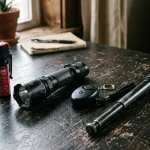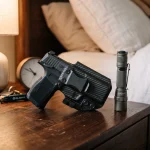
Navigating the world of self-defense weapons can be particularly challenging for individuals with felony convictions. Many are unaware of the legal restrictions that limit their options, which can be disheartening when seeking ways to ensure personal safety. Understanding what self-defense weapons are legally accessible to felons is crucial-not just for compliance with the law, but for empowering themselves in potentially dangerous situations. This article will explore the specific categories of defensive tools available, their effectiveness, and the legal implications surrounding them. By informing yourself about these options, you can make responsible choices that prioritize your safety and legal rights, fostering a sense of security and autonomy. Let’s delve into the details and find the best solutions for your self-defense needs while respecting the legal landscape.
Types of Self-Defense Weapons Allowed for Felons
Many individuals confused about their rights after a felony conviction may be surprised to learn that some self-defense weapons remain accessible to them. Understanding which tools can be legally owned is essential for those who wish to protect themselves while adhering to the law. Generally, felons can possess non-lethal self-defense items such as pepper spray, stun guns, and personal alarms. These devices do not only serve as effective deterrents; they also help keep potential confrontations non-lethal.
Types of Allowed Self-Defense Weapons
- Pepper Spray: Widely regarded as a go-to for personal safety, pepper spray can incapacitate an attacker temporarily. It is compact, easy to carry, and generally legal for felons to possess.
- Stun Guns: Devices designed to deliver an electric shock to an assailant have gained popularity for their effectiveness without causing permanent harm. However, it’s critical to check state laws, as some places have restrictions.
- Personal Alarms: These are non-physical deterrents that emit a loud noise when activated, drawing attention and potentially scaring away attackers without engaging physically.
- Tactical Self-Defense Tools: Items such as kubotans or self-defense keychains can also be permissible and serve as effective non-lethal alternatives.
While exploring self-defense options, it’s crucial for individuals to thoroughly research state-specific laws. Not all jurisdictions allow the same weapons, and some may impose additional restrictions even on non-lethal options. By adhering to safety protocols and maintaining awareness of the legalities, individuals can empower themselves while navigating their rights responsibly.
Understanding Legal Restrictions on Weapon Ownership
Understanding the legal landscape of weapon ownership for individuals with felony convictions is crucial for ensuring both safety and compliance with the law. Many felons may incorrectly assume that they cannot possess any form of weapon for self-defense. However, while it’s true that felons face restrictions, numerous non-lethal options remain available and legally permissible in many states. Knowledge of specific regulations can empower individuals to make informed decisions while adhering to the law.
To effectively navigate these legal restrictions, it’s essential to research state-specific laws, as regulations differ significantly across jurisdictions. For example, some states may allow felons to possess certain non-lethal weapons like pepper spray and stun guns, while others may have stricter limitations or require permits. Moreover, while items such as personal alarms and tactical self-defense tools like kubotans are generally allowed, it is imperative to confirm their legality in one’s locality. Regular updates from local law enforcement or legal aid organizations can provide clarity on what is permissible.
Safety protocols should also be prioritized when considering self-defense weapons. Engaging in proactive measures, such as understanding how to use a weapon properly and practicing safe storage, can significantly reduce the risk of unintended harm. By remaining informed and responsible, individuals can protect themselves effectively while respecting the legal implications of their choices.
Ultimately, empowering oneself through knowledge and preparedness not only enhances personal safety but also fosters a sense of responsibility in navigating the complexities of self-defense and weapon ownership. Given the moral and ethical considerations surrounding the use of force, it is vital to prioritize de-escalation techniques and non-violent conflict resolution whenever possible.
Comparing Non-Lethal vs. Lethal Weapons for Self-Defense
Understanding the differences between non-lethal and lethal self-defense weapons is crucial for anyone, particularly for those with felony convictions who face specific legal restrictions. Non-lethal weapons, such as pepper spray and stun guns, are designed to incapacitate an attacker temporarily without causing permanent harm. These options provide a way to protect oneself while adhering to the legal regulations that must be considered. For instance, while pepper spray is often permissible, varying concentrations and sizes can exist, and one must check local laws for compliance.
In contrast, lethal weapons, primarily firearms, can introduce more significant legal issues for felons. Many states outright ban firearm possession for individuals with felony convictions, aligning with the belief that a lethal approach to self-defense can escalate confrontations unnecessarily. Where permitted, the use of lethal force raises ethical and legal concerns, particularly regarding the level of threat faced. A key principle to remember is that self-defense must be proportional to the threat; the use of lethal force should only be a last resort when absolutely necessary to prevent imminent harm.
It’s essential to prioritize safety and accountability when considering any self-defense tool. Proper training in the use of non-lethal weapons can enhance effectiveness dramatically while reducing the risk of unintended harm. Moreover, integrating de-escalation strategies into self-defense plans can often resolve confrontational situations without the need for any physical force. For example, using verbal techniques to defuse aggression can be just as powerful as any weapon.
In summary, while non-lethal options can provide effective self-defense avenues for felons, lethal weapons come with heightened risks and legal repercussions. Understanding these distinctions and adhering to state laws is critical for ensuring safety and legality in self-defense situations. Always remain informed about local regulations and seek training to enhance your preparedness and response capabilities.
State-Specific Laws Impacting Felons’ Rights
The landscape of self-defense weapon ownership for individuals with felony convictions is fraught with legal complexities that vary significantly from state to state. For many felons, understanding the specific laws that apply to them is essential not just for compliance, but also for ensuring safety. In some states, felons may face lifetime firearm bans, while others might allow certain types of non-lethal defensive tools like pepper spray or stun guns under strict conditions. It’s crucial to familiarize yourself with your state’s regulations, as penalties for violations can include criminal charges and further restrictions.
Understanding Your Rights
Each state has its own stance on weapon ownership for felons. For example, some states allow felons to apply for the restoration of firearm rights after a set period or completion of parole, while others impose lifelong restrictions regardless of rehabilitation efforts. Researching local laws can help clarify what is permissible.
In many jurisdictions, non-lethal weapons are more accessible, but they still come with regulations. For instance, the size and strength of pepper spray canister allowable might differ; some states impose limits on the quantity of active ingredient. Familiarizing yourself with these laws can prevent unintended legal issues.
Examples of State-Specific Regulations
- California: In California, felons are prohibited from owning firearms, but certain non-lethal weapons like stun guns and pepper spray are legal, subject to size and strength limitations.
- Texas: Texas allows for a more lenient approach where some felons may regain their firearm rights after a certain waiting period, and non-lethal options are broadly accepted.
- New York: In contrast, New York has stringent laws surrounding all weapon ownership and possession, placing additional restrictions on legal recourse for felons seeking to use even non-lethal means for self-defense.
Seeking Legal Guidance
Consider consulting a legal professional who specializes in firearm laws or civil rights for criminal offenders. They can provide clarity on your specific situation, assist with applications for rights restoration, and offer guidance on legal self-defense weapons available to you. Remember, being proactive about understanding and adhering to the law is a critical step in responsible self-defense planning.
It’s not just about knowing what you can own. Integrating this knowledge with effective self-defense training and safety protocols ensures that you can protect yourself legally and ethically in any confrontation.
Safety Considerations When Using Self-Defense Weapons
Using self-defense weapons comes with significant responsibilities, especially for individuals with felony convictions. Understanding the legalities is paramount. The wrong choice of weapon can not only lead to legal repercussions but can escalate a confrontation in ways that might lead to unintended harm. It’s critical to prioritize safety, legality, and proportional responses in any self-defense scenario.
Before selecting a self-defense weapon, familiarize yourself thoroughly with your state’s laws regarding permissible self-defense tools. For instance, while some states may allow the possession of non-lethal options like pepper spray or stun guns, factors like size, strength, and how you intend to carry them can be legally significant. In California, for example, restrictions apply to pepper spray canisters that should not exceed certain limits. Always check the specific requirements and ensure that the weapon you choose is compliant with local regulations.
Training with your chosen weapon is an essential step that shouldn’t be overlooked. A lack of familiarity can lead to ineffective use or mishandling in stressful situations. Programs that teach not just how to use these tools, but also the principles of de-escalation and conflict avoidance are invaluable. Learning to assess situations-deciding when to use force, if at all-can be the difference between legal protection and criminal charges. For instance, if faced with an aggressor, understanding when to disengage and walk away can prevent escalation, reducing the risk of injury.
Finally, consider the ethical implications of using any self-defense weapon. The goal of a self-defense situation should always be to neutralize a threat without unnecessary escalation or harm. The principle of proportionality-using only as much force as necessary to protect yourself-is a critical aspect of this. Each situation is unique, and responding with appropriate force is essential, not just from a legal standpoint but also from a moral one. Adopting a mindset of avoidance and conflict resolution can ultimately serve as the best form of self-defense.
Effective Self-Defense Techniques Without Weapons
To protect oneself in potentially dangerous situations, it is essential to know that self-defense techniques do not always require weapons. In fact, many effective self-defense strategies rely on the individual’s awareness, quick thinking, and physical skills. These techniques can empower individuals, especially those with felony convictions who may face restrictions on weapon ownership, to defend themselves effectively while adhering to legal and ethical standards.
First and foremost, understanding personal space is crucial in self-defense. Recognizing when someone is intruding on your space can serve as an early warning sign of danger. In such instances, using assertive body language can deter potential aggressors. Techniques such as establishing a strong stance and making direct eye contact can project confidence. Moreover, verbal de-escalation skills are equally important. Speaking firmly yet calmly can often diffuse a tense situation before it escalates.
Physical self-defense techniques can also be learned, emphasizing non-lethal and non-aggressive maneuvers. Basic skills, such as using simple strikes or joint locks, can incapacitate an attacker long enough for you to escape. Techniques from disciplines like Brazilian Jiu-Jitsu (BJJ) focus on leverage and control, allowing a smaller individual to defend against a larger opponent without the use of striking. Meanwhile, martial arts styles such as Krav Maga prioritize fast, effective responses that can help you neutralize a threat quickly and safely. These techniques are rooted in the philosophy of self-protection and focus on using the attacker’s energy against them, thereby reducing the risk of serious injury to yourself or others involved.
Training properly is essential; individuals can partake in community courses or seek specialized self-defense classes that provide practical instruction in these techniques. A well-rounded program will not only teach physical skills but also cover situational awareness, avoidance strategies, and the legal implications of self-defense actions. Ultimately, being prepared both physically and mentally can significantly enhance one’s ability to protect themselves while navigating the complexities of personal safety in a lawful and ethical manner.
Exploring Alternatives: Self-Defense Training Options
Understanding how to defend oneself effectively is critical, especially for individuals with felony convictions who may have limited access to traditional self-defense weapons. Fortunately, there are numerous alternatives that focus on skill development, personal safety, and situational awareness rather than relying solely on weapons. By engaging in self-defense training, you can empower yourself and enhance your ability to protect personal safety within the legal and ethical frameworks that govern self-defense.
One effective way to build self-defense skills is through martial arts programs that cater to various needs and preferences. Styles like Krav Maga provide practical, real-world techniques designed to help individuals quickly neutralize threats. It emphasizes efficiency and aggression, making it well-suited for self-defense situations. In contrast, Brazilian Jiu-Jitsu (BJJ) offers techniques centered around leverage and control, ideal for smaller individuals defending against larger opponents without severe harm. Choosing the right martial art depends on your personal comfort level, physical abilities, and specific safety concerns.
In addition to martial arts, community workshops focused on non-violent conflict resolution and de-escalation also play a crucial role in self-defense training. Verbal de-escalation techniques can be invaluable, enabling individuals to diffuse potentially dangerous situations through effective communication. Consider enrolling in courses that teach how to recognize signs of escalating aggression and how to respond appropriately. These skills can be as powerful as physical techniques, providing you with comprehensive tools for safety.
Lastly, supplementing physical training with education about legal rights regarding self-defense is essential. Knowing the specifics of state laws can guide your actions in potentially dangerous situations, ensuring your responses stay within legal boundaries. Many organizations offer resources and training that cover both personal safety and legal knowledge, equipping you to navigate confrontations with a clear understanding of the implications of your actions.
Engaging in a combination of martial arts training, de-escalation workshops, and legal education provides a holistic approach to self-defense. This empowers individuals, particularly those with past felony convictions, by building confidence and skills that can be applied practically and ethically in real-life scenarios. Prioritizing safety and legal compliance helps ensure not only personal protection but also responsible decision-making when faced with threats.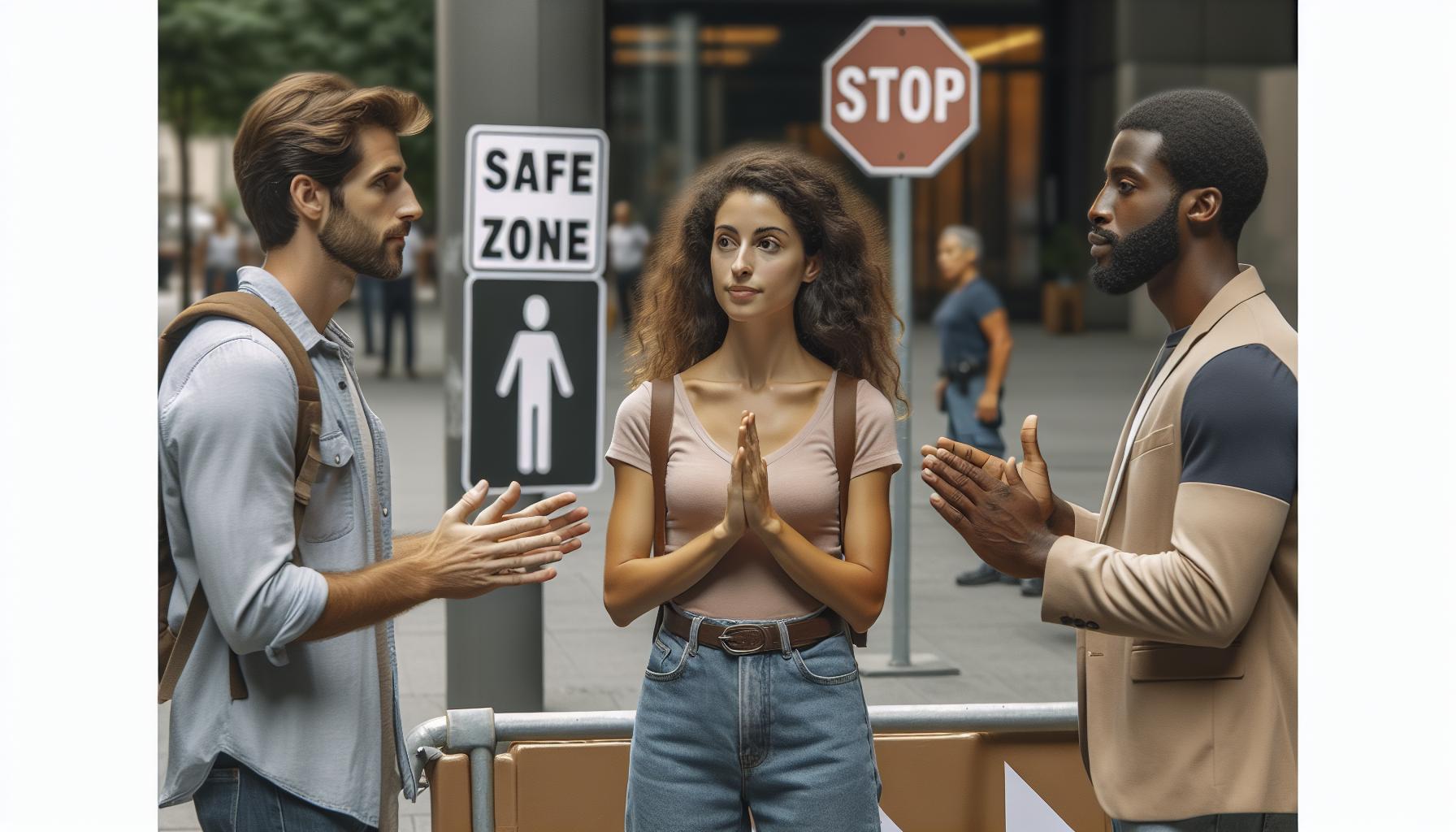
The Role of De-Escalation in Self-Defense Scenarios
In any self-defense situation, the ability to de-escalate tension can be as crucial as physical defense techniques. Understanding how to effectively communicate and manage conflict can prevent a potentially dangerous encounter from escalating into violence. Verbal de-escalation strategies allow individuals to navigate high-stress situations with a focus on resolution rather than confrontation, thus minimizing the need for any physical response and the legal repercussions that may follow.
Key De-Escalation Techniques
Utilizing specific techniques can help diffuse aggressive behavior and maintain safety. Here are some fundamental strategies:
- Maintain Calmness: Your demeanor reflects authority and can influence others’ reactions. Use a calm, steady voice with open body language to signal non-aggression.
- Active Listening: Demonstrate that you are genuinely hearing the other person. This can involve nodding, paraphrasing their concerns, and acknowledging their feelings without agreeing with any threatening behavior.
- Ask Open-Ended Questions: Encourage dialogue by asking questions that require more than yes or no answers. This approach not only engages the individual but also allows them to feel heard and potentially reconsider their stance.
- Provide Options: Rather than cornering someone with ultimatums or accusations, offer potential solutions or alternatives. It empowers them and directs the conversation towards peaceful outcomes.
Practical Scenarios
Consider a situation where you find yourself confronted by an aggressive individual. Instead of employing physical self-defense immediately, start with these de-escalation tactics. For instance, if someone approaches you aggressively in a public space, instead of responding with hostility, calmly assess the situation. Speak softly, acknowledge their frustration, and direct the conversation towards finding common ground.
This approach not only addresses the immediate threat but also reflects a commitment to minimizing conflict. It’s critical that individuals understand the legal implications of employing any force, as responding with violence may lead to legal consequences, especially for those with felony convictions. Engaging in de-escalation can protect both your safety and your legal rights.
Incorporating de-escalation techniques into your self-defense toolkit enriches your ability to handle confrontations responsibly. By prioritizing communication and resolution, you can navigate potentially dangerous situations while adhering to legal and ethical standards, reinforcing the notion that the best self-defense is often to avoid violence altogether.
Understanding the Ethical Implications of Weapon Use
In a climate where personal safety can be a paramount concern, understanding the ethical implications of using weapons for self-defense is essential, particularly for individuals with felony convictions. When assessing the use of self-defense weapons, it is crucial to recognize that the consequences of employing such weapons extend beyond immediate safety; they include legal ramifications and moral responsibilities. A weapon, whether lethal or non-lethal, should not be viewed merely as a tool for self-protection but as a powerful instrument that can alter lives forever.
The legality of weapon ownership for felons is complex and varies by state. Felons are generally prohibited from owning firearms, but some non-lethal options, such as stun guns and pepper spray, may be permissible in specific jurisdictions[2]. However, the ethical responsibility lies in understanding not just what one can legally own but also when and how it is appropriate to use these weapons. The principle of proportionality is vital; any use of force should be necessary and reasonable in relation to the threat faced. Misjudging a situation can lead to grave outcomes, not only for the individual involved but also for the broader community, reinforcing harmful cycles of violence.
Moreover, the implications of using weapons extend into the realm of personal ethics. A self-defense situation often arises from fear and the instinct to survive, yet reliance on weapons can sometimes escalate conflicts. Engaging in self-defense should always prioritize de-escalation techniques and conflict resolution strategies over physical confrontations. This approach not only fosters better outcomes but also aligns with the moral imperative of minimizing harm. For instance, if an encounter becomes aggressive, exploring non-violent options such as calmly asserting boundaries or employing verbal de-escalation techniques can prove far more beneficial than drawing a weapon.
To navigate the ethical landscape effectively, consider the broader impact of one’s actions on both individual lives and community safety. A commitment to responsible self-defense involves ongoing reflection on the choices made in high-stress scenarios. Engaging in self-defense training that emphasizes ethical considerations and the gravity of using force can empower individuals to make informed decisions. By equipping oneself with both physical skills and a strong ethical framework, one can not only prepare for potential dangers but also contribute positively to a culture that values safety and responsibility.
Common Misconceptions About Felons and Self-Defense
Many misconceptions surround the rights of felons when it comes to self-defense, particularly regarding weapon ownership. One prevalent myth is that all felons are entirely barred from any form of self-defense weaponry. While it’s true that firearms are generally off-limits due to federal and state laws, many states allow felons to possess various non-lethal options, such as pepper spray or stun guns, provided they are compliant with local laws. It’s essential to understand that these regulations can vary greatly from state to state, and engaging in thorough research is vital for anyone in this situation.
Another common misunderstanding is that using a non-lethal weapon equates to a lack of responsibility or a lower level of threat. In reality, even non-lethal forms of self-defense can cause significant harm if misused. For instance, the use of pepper spray requires knowledge of how and when to deploy it effectively-misjudging a situation could escalate conflict rather than defuse it. Moreover, non-lethal methods should always be seen as part of a broader strategy for self-defense that includes de-escalation techniques and personal safety awareness.
Furthermore, some believe that felons are entirely without legal recourse when facing a threat. This perspective overlooks the possibility of self-defense arguments in legal situations. Understanding the principles of reasonable force and the legality of defending oneself is crucial. For instance, in certain circumstances, a felon may legally defend themselves from an imminent threat, but they must adhere strictly to the laws governing that response. Taking unnecessary precautions, such as possessing a weapon under inappropriate circumstances, can lead to serious legal ramifications, making it vital to navigate this aspect with care.
Ultimately, it is essential for individuals with felony convictions to recognize both their legal rights and responsibilities concerning self-defense. Engaging in self-defense training programs that emphasize both the ethical considerations and practical applications of self-defense can equip felons with the knowledge they need. This education fosters a balanced approach to personal safety that honors the laws while empowering individuals to act appropriately in high-stress situations.
Resources for Felons Seeking Legal Guidance on Weapons
In navigating the complex landscape of self-defense laws, finding reliable resources becomes crucial for felons seeking legal guidance on weapon ownership. Given the strict regulations surrounding firearms and other self-defense tools, it’s essential to connect with knowledgeable organizations or legal professionals who can provide clarity based on specific state laws.
One practical avenue for assistance is local legal aid clinics, which often offer free consultations. These clinics can help felons understand their rights regarding non-lethal weapons such as pepper spray or stun guns, which may be permissible in some jurisdictions. Additionally, non-profit organizations focused on civil liberties, like the American Civil Liberties Union (ACLU), may offer resources or referrals to legal experts familiar with firearms law as it pertains to those with felony convictions.
Furthermore, connecting with community outreach programs dedicated to education on self-defense can be beneficial. These organizations sometimes provide workshops or seminars that not only cover the laws but also offer training in safe self-defense practices. Engaging in these programs helps to foster a deeper understanding of both legal boundaries and effective self-defense techniques.
It’s also advisable to conduct thorough research using online legal databases and resources. Websites like Nolo or Justia feature articles that explain gun laws and self-defense rights, tailored for various states. These online platforms can serve as valuable supplements to in-person legal advice, especially when searching for specific regulations that pertain to individual cases.
Lastly, consider consulting with a criminal defense attorney who specializes in firearm laws. They can offer personalized guidance suited to one’s unique situation, ensuring that any self-defense measures undertaken are within the framework of the law. With clear guidance and education, felons can better navigate their self-defense options while remaining within legal boundaries.
Frequently Asked Questions
Q: What non-lethal self-defense weapons can a felon own?
A: Felons may typically own non-lethal self-defense weapons such as pepper spray and stun guns. However, it’s crucial to check state laws as regulations vary widely. For more information, refer to the section on “Types of Self-Defense Weapons Allowed for Felons” in the main article.
Q: Can a felon legally carry pepper spray for self-defense?
A: In most states, felons can legally carry pepper spray. Nevertheless, it’s important to verify local restrictions, including limits on the size and strength of the spray. Consult the “State-Specific Laws Impacting Felons’ Rights” section for detailed guidance.
Q: Are there different laws for self-defense weapons in every state?
A: Yes, self-defense weapon laws vary by state. Some states may impose stricter regulations on felons than others. It’s advisable to review local laws regarding weapon ownership for felons, particularly in the “Understanding Legal Restrictions on Weapon Ownership” article section.
Q: What should felons consider when choosing a self-defense weapon?
A: Felons should consider the legality, effectiveness, and safety of self-defense weapons. Non-lethal options like pepper spray or defensive keys may provide protection without legal issues. For guidance, see the “Safety Considerations When Using Self-Defense Weapons.”
Q: Is it legal for a felon to own martial arts weapons for self-defense?
A: Martial arts weapons, such as nunchaku or sai, may be legal for felons to own, but this depends on state laws. Always check local regulations since ownership can vary greatly. Refer to “Common Misconceptions About Felons and Self-Defense” for more insights on weapon classification.
Q: What are the consequences of using a self-defense weapon as a felon?
A: Using a self-defense weapon can lead to legal consequences for felons if the weapon is prohibited or the force used is excessive. It’s critical to understand the legal implications of self-defense, which is often discussed in the corresponding section of the article.
Q: Can felons receive training for self-defense techniques?
A: Yes, felons can seek out self-defense training, such as martial arts or personal safety courses. This training can enhance both confidence and knowledge of legal boundaries. Investigate options more thoroughly in the “Exploring Alternatives: Self-Defense Training Options.”
Q: Are there ethical concerns for felons using self-defense weapons?
A: Yes, felons need to consider the ethical implications of using self-defense weapons. Understanding the moral weight of defensive actions is crucial. For a deeper look, check the “Understanding the Ethical Implications of Weapon Use” section of the article.
Wrapping Up
Understanding what self-defense weapons a felon can legally own is crucial for making informed choices about personal safety. Remember, options are limited, but there are alternatives-such as self-defense techniques and legal non-lethal options like pepper spray-that can provide protection without the legal complications.
If you have further questions or need assistance navigating your choices, visit our pages on legal self-defense strategies or martial arts tips tailored for specific situations. Empower yourself with knowledge and take the first step toward ensuring your safety today!
Don’t forget to sign up for our newsletter for more insights on self-defense and legal considerations tailored to your needs. Your safety matters, and with the right resources, you can make confident decisions. Join the conversation in the comments below and share your thoughts or experiences-your voice is important in fostering a community of informed self-defense practitioners.
Get our latest guides, news, and insights highlighted in your Google Search & AI Overviews.