

Punching down dough is a crucial step in the bread-making process that many bakers overlook. This essential technique not only redistributes the yeast and strengthens the gluten structure but also helps to eliminate large air bubbles that can result in an uneven texture. Understanding how to properly punch dough down ensures a consistent rise and a beautifully textured loaf, meeting both taste and aesthetic expectations. If you’ve ever been frustrated by bread that fails to rise correctly or has a dense consistency, mastering this simple maneuver can elevate your baking game substantially. Dive deeper into the process and discover tips and techniques to enhance your bread-making journey, ensuring that your homemade creations are always light, fluffy, and appetizing.
How Punching Dough Helps Dough Rise Better
When you punch down dough, you essentially create a more uniform and airy structure that contributes to a better rise during the final baking process. This essential technique, often referred to as “degassing,” is not merely about deflating the dough; it serves several important purposes that directly enhance the quality of your baked goods.
Firstly, punching down dough redistributes the yeast and allows it to feed on the sugars present in the flour more evenly. When the dough rises for the first time, carbon dioxide gas is produced by the yeast, creating pockets of air. By punching down the dough, you release this gas, which results in a more even texture and prevents large bubbles from forming. This process helps in developing a finer crumb structure in the final product, resulting in bread that has a delightful, airy feel without unexpected large holes.
Moreover, the act of punching down the dough allows the gluten strands to realign and strengthen. As you knead or punch the dough, you are encouraging the gluten networks to become more elastic, which is crucial for the bread’s ability to rise. Strong gluten networks provide the necessary structure to trap gases produced by the yeast, allowing for a better rise as the dough is baked. A well-punched dough not only rises better but also has improved texture and flavor, resulting in a loaf that is both visually appealing and delicious.
In addition to improving rise, this step also helps regulate the fermentation process. Overly aerated dough can lead to over-proofing, which may produce a bread that collapses in the oven or has a denser texture. By managing gas levels through punching down, you maintain control over the dough’s development, ensuring optimal flavor and texture are achieved in the final bake.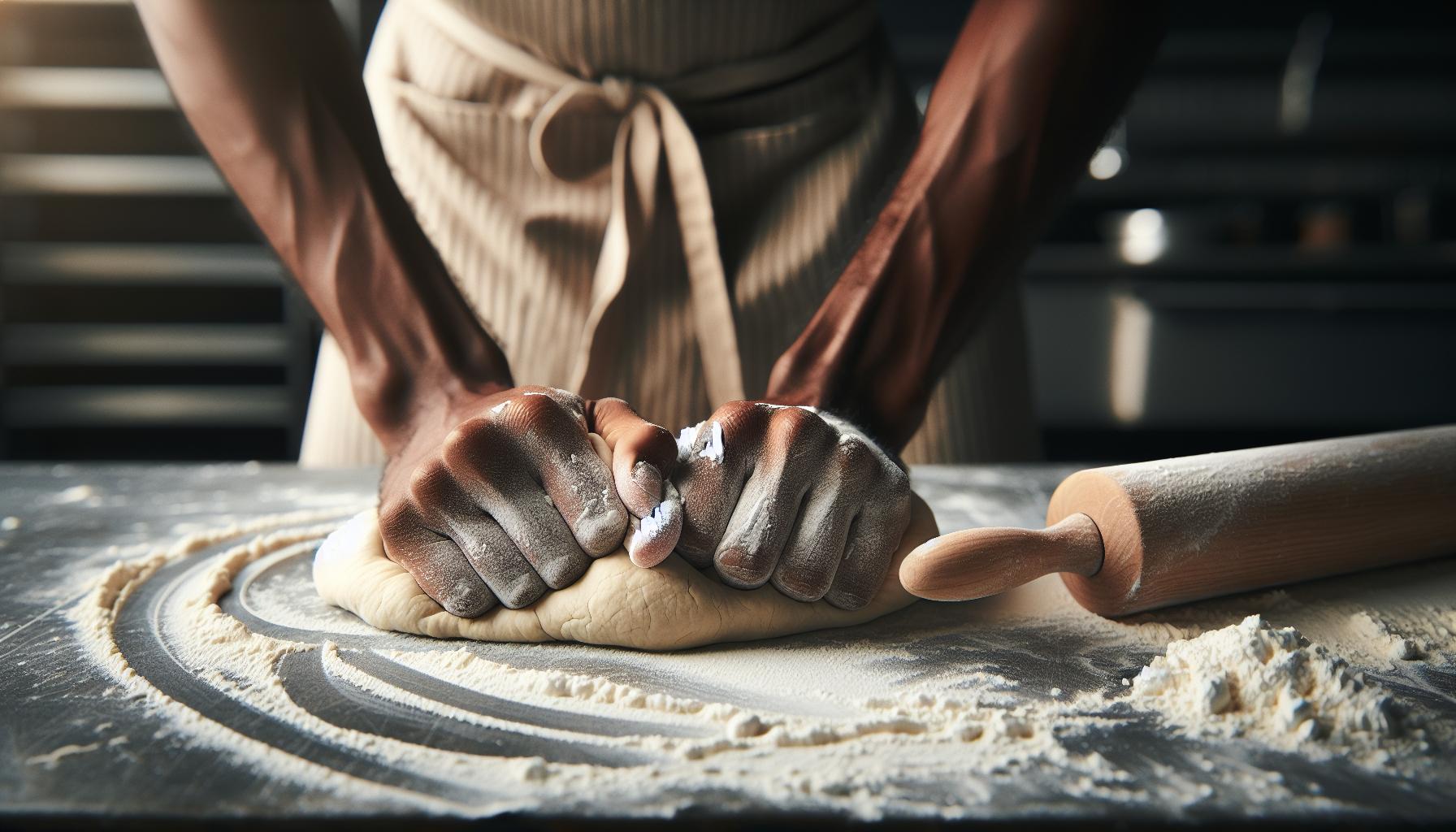
Understanding the Importance of Punching Dough
To appreciate the crucial role of punching dough in bread making, consider this: the act of degassing not only affects the texture but also the overall flavor of your final product. When dough rises, yeast ferments and produces carbon dioxide, creating numerous bubbles. Punching down the dough releases this gas, allowing for a more consistent structure throughout the loaf. This step is not just a matter of deflating the dough; it’s an essential part of achieving that perfect bread texture, characterized by a fine crumb and an airy consistency.
By redistributing the yeast and allowing it to continue feeding on the sugars present in the flour, you promote an even fermentation, which prevents large holes from developing in the bread. This uniform texture is particularly important for various types of bread, such as sandwich loaves, where a consistent crumb structure enhances the eating experience. Additionally, punching down the dough helps realign gluten strands, reinforcing the dough’s strength and elasticity. This is vital for trapping gases produced during fermentation, which contributes to a better rise when the dough is baked.
Timing plays a significant role in when to punch down your dough. If done too early, you risk affecting the flavor development; too late, and the dough may become overly aerated, leading to issues such as over-proofing. By managing the fermentation process with well-timed punch downs, you maintain control over how the dough develops, achieving optimal flavor and texture in the final bake. This technique underscores the artistry of baking, where understanding the science behind the process leads to delicious results.
In summary, punching down dough is more than a simple chore; it enhances the structural integrity and flavor profile of your bread. Embracing this technique means not only achieving better baked goods but also enjoying the intricate dance of ingredients that transforms raw dough into a delightful loaf.
The Science Behind Punching Dough Techniques
The process of punching down dough can seem overly simplistic, yet it plays a pivotal role in ensuring optimal bread quality. When bread dough rises, yeast consumes sugars and ferments, producing carbon dioxide gas. This gas creates bubbles that expand the dough. However, these bubbles can become too large if left unchecked, leading to an uneven texture in the baked loaf. By punching down the dough, you release this gas, allowing for a more uniform crumb structure throughout the bread.
At its core, the science behind punching dough involves two crucial outcomes: gas release and gluten realignment. When you knead the dough after the initial rise, the action helps redistribute the yeast cells, ensuring they continue to feed on sugar and produce gas evenly during the next rise. This stage of fermentation is essential for developing flavor and texture. Furthermore, punching down the dough helps align gluten strands that were formed during the initial mixing and kneading process. This alignment is vital because it grants the dough improved elasticity, enabling it to better trap gases when it undergoes its final rise.
Timing is equally vital in this process. Punching down the dough too early may prevent it from reaching its full flavor potential, while waiting too long can lead to over-proofing and loss of structure. A well-timed punch down not only maintains the fermentation process but also improves the overall strength of the dough. As the gluten network is reinforced, the dough gains the ability to expand further during baking without collapsing, resulting in a loaf that is both light and airy.
In summary, understanding the science behind punching dough transforms an often-overlooked step into a critical component of bread-making. Properly executed, it not only enhances the dough’s performance but also enriches the flavor profile, culminating in bakery-quality bread right from your own kitchen.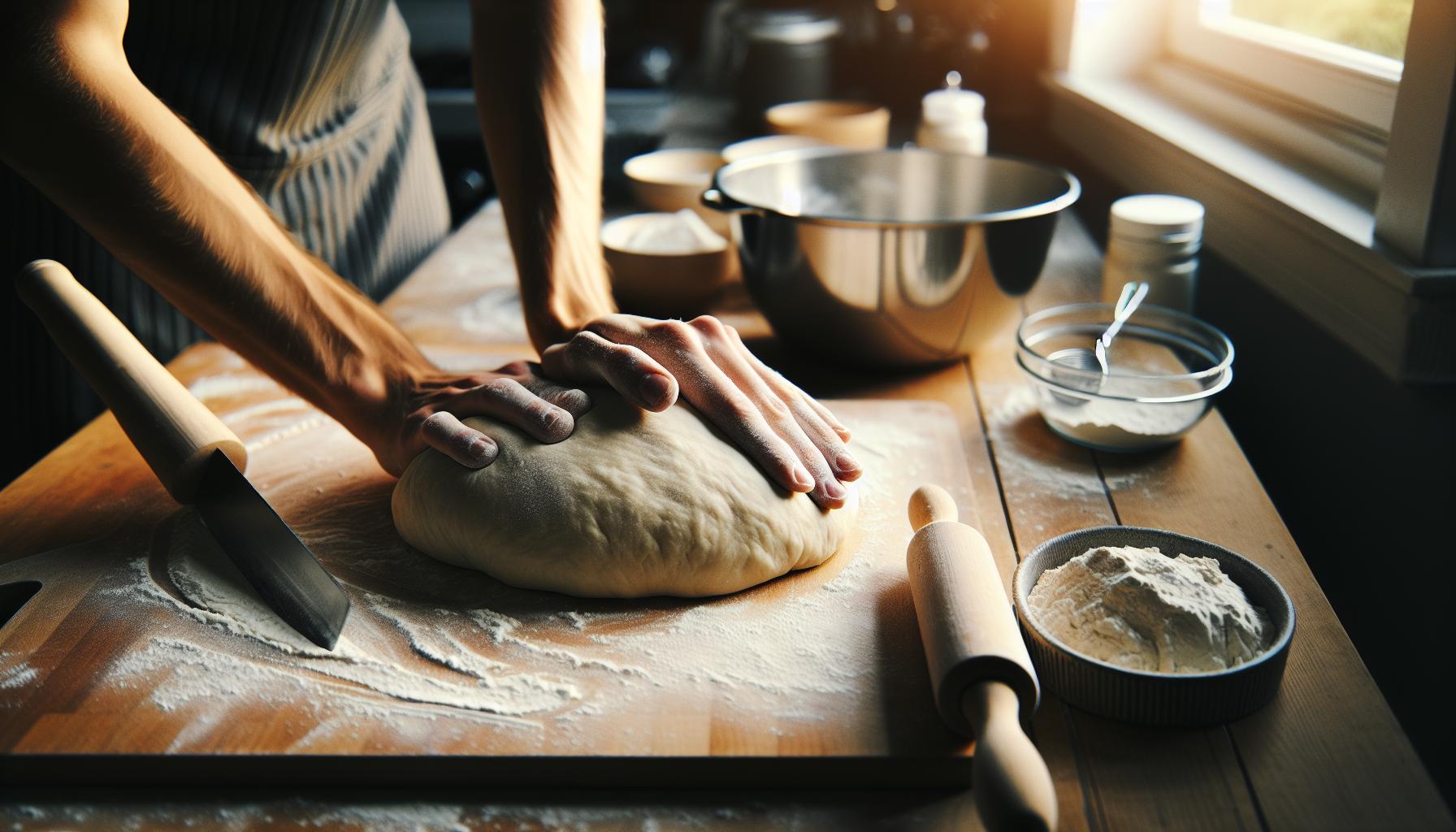
When to Punch Dough: Timing Matters
The timing of punching down your dough can make or break your bread-making experience. Knowing exactly when to perform this essential task ensures that your dough maintains its strength and develops maximum flavor. Typically, dough is punched down after the first rise, but the crucial aspect lies in understanding the signals your dough is giving you.
When the dough has roughly doubled in size and has a puffy appearance, it’s generally the right moment to punch it down. This usually occurs about 1 to 2 hours after you’ve set it to rise, though this can vary based on ambient temperature and the type of yeast used. A good rule of thumb is to observe the dough: it should be airy but not overly inflated. If the surface is starting to crack, you might be too late, as this could indicate over-proofing, resulting in a looser structure and less flavor.
However, if you find it has risen magnificently but the time isn’t quite right, it’s always safer to err on the side of caution. Give it a gentle poke; if it springs back slowly and leaves a slight indent, it’s ready for a punch down. This action will release built-up gases, allowing for a better redistribution of the yeast and a more even texture in the final loaf.
Timing is not just about the clock; it’s about observing and responding to the dough’s behavior. It’s essential to combine your knowledge with your senses-look, feel, and even smell the dough. Each variable, from room temperature to humidity, influences the ideal moment for punching down, so don’t hesitate to develop an intuitive feel for this vital stage in your baking process.
Step-by-Step Guide: How to Properly Punch Dough
The process of punching down dough is a critical step in bread making that can significantly affect the quality of your final product. It might seem like a simple task, but doing it correctly can lead to a better rise and superior texture in your bread. Here’s a clear, step-by-step guide to ensure you perform this essential technique efficiently.
Start by washing your hands thoroughly to maintain cleanliness and avoid contaminating your dough. Once your dough has risen and reached the right size-usually about doubled-gently place your hands on the sides of the bowl to stabilize it. With your fingers, gently move the dough away from the sides, ensuring it doesn’t stick, then position your fist in the center of the dough.
Next, with a firm but gentle motion, press down into the dough using your fist. You want to apply enough pressure to release the built-up gases without tearing or damaging the gluten structure you’ve worked to develop. It might feel satisfying as the gas escapes, creating a subtle sound-a hint that the dough is responding well. After you’ve punched it down, fold the edges towards the center a couple of times, shaping the dough into a ball. This helps to redistribute the yeast evenly, giving it more food sources for the second rise and contributing to a more uniform texture.
To finalize the process, cover the dough lightly with a cloth or plastic wrap and allow it to rest for about 15 to 30 minutes. This brief recovery period enables the gluten to relax, which is essential as you prepare for the next rise. Be vigilant during this rest phase; your dough is in a critical state where it can either gain strength or become overly relaxed if left too long.
With practice, you’ll develop a feel for the right amount of pressure and timing required for punching down, making the process more intuitive. This skill not only enhances the dough’s texture but also improves flavor and overall bread quality, leading to delicious results every time.
Common Mistakes to Avoid When Punching Dough
To achieve the perfect loaf, mastering the art of punching dough is essential; however, it’s easy to make mistakes that can detract from the quality of your bread. One common error is applying excessive force during the punching process. While the goal is to release the gases created during fermentation, too much pressure can damage the gluten structure you’ve worked hard to develop. Be gentle yet firm – your fist should create enough pressure to degas the dough without tearing its fibers, allowing it to maintain the strength needed for a good rise.
Another mistake is neglecting to properly flour your work surface. If the dough sticks to the table or your hands, you may inadvertently tear it when trying to punch it down. Always have a light dusting of flour handy to ensure smooth handling. Additionally, skipping the folding step after punching down can result in uneven distribution of the yeast and an inconsistent texture in the final loaf. By folding the edges towards the center, you help create a uniform environment for the yeast to thrive in the second rise.
Timing is also critical. Punching down the dough too late can lead to over-proofing, which results in a weak dough that will not hold its shape during baking. Monitor the dough closely; once it has doubled in size, it’s time to act. Conversely, punching it down too early can stunt yeast activity, leading to denser bread. Finding the right moment is key to achieving that coveted airy crumb structure.
Lastly, overlooking dough hydration levels can sabotage your efforts. If your dough is too dry, the result will be a dense loaf that lacks rise. Ensure you’re accurately measuring your water and flour ratios, as proper hydration plays a crucial role in gluten development and overall texture. By avoiding these common pitfalls, you can elevate your bread baking results, transforming simple ingredients into delightful, airy loaves.
Alternative Techniques to Punching Dough Down
When seeking alternatives to punching dough down, it’s essential to remember that several techniques can effectively degas the dough while preserving its vital structure and gluten development. These methods not only prevent you from overworking the dough but may also yield different textures and flavors in your final baked product.
One popular technique is folding. Instead of punching down the dough, gently lift and fold the edges of the dough toward the center. This method encourages the release of gases while maintaining the integrity of the gluten network, leading to a balanced crumb texture. Folding is particularly effective in high-hydration doughs since it helps keep air pockets open without excessive agitation.
Another alternative is using a light knead after the initial rise. If you prefer minimal handling, you can briefly knead the dough on a floured surface for a minute or two. This method should be gentle and focused, just enough to redistribute the yeast and gases without damaging the structure.
For a more active approach, consider the slap and fold technique. In this method, you slap the dough against the work surface and then fold it over itself. This action helps release gases while also incorporating air. It’s particularly useful for sticky doughs and can create a wonderfully chewy texture when done correctly.
Lastly, resting the dough can also be an effective strategy. Allowing the dough to rest for 5-10 minutes after the first rise gives the gluten time to relax, making it easier to shape and degas without the need for vigorous punching. Click here to learn more about the benefits of different techniques and how they impact your bread’s texture and flavor.
Enhancing Your Dough with Flavor and Texture
In the art of baking, enhancing dough with flavor and texture is essential to achieving that perfect loaf or pastry. While techniques like punching dough play a critical role in developing its structure, incorporating additional ingredients or flavors can elevate your creations to new heights. The key is to balance these enhancements with the dough’s fermentation process, allowing flavors to meld while ensuring proper rise and crumb.
One way to introduce flavor is by adding herbs, spices, or other seasonings during the mixing phase. For instance, incorporating fresh rosemary or garlic into bread dough can produce a fragrant and savory loaf. Similarly, adding spices like cinnamon or cardamom can turn a simple dough into a delightful sweet treat. When using dry ingredients, it’s recommended to adjust the hydration slightly, as they may absorb moisture and affect the dough’s consistency.
You can also enhance texture by experimenting with inclusions during the kneading or folding stages. Ingredients like seeds, nuts, or dried fruits can add both flavor and a pleasing crunch to finished products. For example, adding toasted sesame seeds or walnuts not only provides great taste but also improves the visual appeal of the bread when baked. To incorporate these properly, consider folding them into the dough once it has rested and before the final shaping. This technique maintains the structure while evenly distributing the inclusions, ensuring that each slice offers a delightful surprise.
Moreover, consider the fermentation process itself. A longer fermentation time allows for deeper flavors to develop as the yeasts and bacteria work on the dough. If using a preferment like a biga or poolish, this step can significantly enhance the overall taste and texture by adding complexity. Allowing the dough to rest sufficiently also lets gluten develop fully, lending a beautiful chewiness to the final product.
Lastly, the way you finish your bread can also contribute to texture. A simple egg wash before baking can create a shiny, golden crust while brushing with melted butter after baking adds rich flavor. All of these methods not only complement the basic dough structure established through techniques like punching down but also create a final product that is both delicious and impressive. With some experimentation, you will find the perfect combination of techniques and flavors to suit your baking style.
The Impact of Dough Temperature on Punching
The temperature of your dough plays a crucial role in the effectiveness of punching it down. Dough that is too warm can become overly relaxed and sticky, making it difficult to properly punch without tearing or losing its structure. Conversely, cold dough can be stiff and resistant, making it harder to incorporate air effectively during the punching process. Understanding the ideal temperature range for dough can drastically impact the final texture and rise of your bread.
Generally, an ideal dough temperature for fermentation and handling is between 75°F to 80°F (24°C to 27°C). At this range, yeast activity is optimal, allowing for proper fermentation and gas production. When you punch down dough at this temperature, you encourage even distribution of the fermented gases throughout the dough, leading to a light and airy texture upon baking. Tools like a food thermometer can be invaluable for ensuring you are within this optimal range.
If your dough is warmer than 80°F (27°C), consider reducing the bulk fermentation time or moving the dough to a cooler area during the resting phase. This will prevent excessive yeast activity and give you more control when punching down. Keeping the dough temperature consistent also aids in developing gluten structure, which improves the dough’s elasticity and final rise.
In contrast, if the dough is too cold, warming it up slightly before punching can be beneficial. Leave it at room temperature for a short period or knead it gently to increase its temperature manually, making it more pliable. This attention to dough temperature will help prevent frustration during the punching process and lead to better results when it’s time to bake.
Troubleshooting: What to Do If Dough Is Too Sticky
If you find yourself struggling with dough that clings to your hands and work surface, understand that this common issue often stems from an imbalance in hydration, flour type, or yeast activity. A sticky dough can seem daunting, but with the right approach, you can effectively manage its texture and make the punching process smoother.
First, consider the hydration level of your dough. High-hydration doughs, while yielding airy breads, can be particularly sticky. If this is the case, try lightly dusting your work surface-and your hands-with flour before handling the dough. This can create a barrier that makes it easier to work with. However, exercise caution: adding too much flour can change the dough’s intended texture and affect the final product.
If the dough is sticky due to yeast activity, especially in warmer temperatures, temporarily transferring it to a cooler environment can help. By giving it a brief rest in the refrigerator, you slow down yeast activity and make the dough less sticky. Once it’s firmer, you can proceed with punching it down more effectively.
Another technique is to focus on the kneading process. If your dough is too sticky at the start, gently incorporate more flour during kneading until it reaches a workable texture. Alternatively, consider using a bench scraper to manipulate the dough without direct contact. This tool allows you to lift and fold the dough with less sticking, keeping your hands clean and minimizing frustration.
Remember, patience is key when working with sticky dough. Taking these steps can significantly enhance your baking experience, helping you achieve the desired dough consistency and ultimately a beautiful rise in your bread.
Mastering Your Baking Skills: Beyond Punching Dough
Mastering your baking skills involves understanding not just the technical steps, like punching dough, but also the artistry behind bread making. Beyond simply degassing and redistributing yeast, this process can be a gateway to achieving a vast array of bread types, each with its unique character and flavor. For the ambitious home baker, exploring the nuances of dough crafting opens pathways to elevate your culinary creations.
One of the key aspects to consider is fermentation control. By manipulating the timing and frequency of punching down your dough, you can influence flavor development. Longer fermentations, combined with periodic punching, allow for greater complexity. For instance, after an initial rise, a well-timed punch down can help develop a more pronounced sour flavor in sourdoughs or enhance the nutty undertones in whole grain breads. The balance between letting the dough rise and punching it down could be likened to tuning an instrument; the right adjustments can lead to a symphony of flavors.
Transitioning from basic techniques to more advanced skills also involves mastering hydration levels. Experimenting with different flours or adding ingredients like seeds, herbs, or even different types of liquids (such as buttermilk or beer) can yield vastly different outcomes. Higher hydration doughs, while trickier to handle, often result in an airy texture and an impressive open crumb structure, desired in artisanal bread. Here, proper punching techniques help maintain structural integrity so that the dough can hold onto those precious air pockets.
Lastly, don’t forget the importance of finishing techniques post-punching. After you’ve punched down your dough and allowed the yeast to rest, tasks like shaping and scoring become crucial. These steps not only affect the final appearance of your bread but also how it expands during baking, which can lead to an artisan look with a significant rise.
In this journey of mastering baking, continual experimentation and learning are paramount. Each loaf serves as your canvas, offering lessons and opportunities to refine your skills, ensuring that the art of bread making becomes not just a task but a rewarding passion.
Tools and Equipment to Aid Dough Handling
Having the right tools can make a significant difference in the process of handling and punching dough. Selecting appropriate equipment not only simplifies your tasks but also enhances your baking experience, making the process more enjoyable and effective.
High-quality mixing bowls are essential. Those made from stainless steel are particularly preferred because they are durable, non-reactive, and easy to clean. A medium-sized bowl is ideal for most recipes, allowing enough space for the dough to expand during the rising process. For dough that requires more intensive handling, consider a dough scraper. This handy tool aids in managing sticky dough, allowing you to easily lift and shape it without excessive sticking to your hands or surfaces.
When it comes to punching down the dough, a bench scraper can also be invaluable. This tool not only helps in cutting dough but is great for transferring it around your work surface, ensuring you maintain a clean and organized workspace. Furthermore, having a proofing basket can help support the dough’s shape once you have punched it down and reshaped it, promoting better texture and rise in the final product.
Don’t overlook the importance of wetting your hands. A simple bowl of water nearby can help you manage sticky dough without adding too much flour, which can alter the dough’s hydration level and lead to a dense loaf. Lastly, your kitchen scale is crucial for precision when measuring ingredients; even slight variations in ingredient amounts can affect the dough’s development and rise.
With the right tools in place, you will find that your ability to punch and handle dough improves significantly, leading to better baking results and, ultimately, more delicious bread. By investing in essential equipment, you empower yourself to tackle dough with confidence, making the punching down process not just a step in baking, but an opportunity for creativity and mastery in the kitchen.
Faq
markdown
Q: How do I know when to punch dough down?
A: You should punch dough down after it has risen and doubled in size, usually about 1 to 2 hours depending on the recipe. This action redistributes the yeast and releases excess carbon dioxide, leading to better texture in the final product.

Q: What is the purpose of punching dough down?
A: Punching dough down helps to redistribute the yeast and promotes even fermentation. It also removes excess gas, allowing the dough to regain its structure and prepare for shaping, which improves the bread's final texture.

Q: Can I punch dough down too much?
A: Yes, over-punching can lead to a dense texture because it may disrupt gluten structure excessively. Aim for gentle deflation and re-shaping to maintain the dough's strength. This is discussed further in the Common Mistakes to Avoid When Punching Dough section.

Q: How should I punch down my dough?
A: Use your fist to gently press down the center of the dough, then fold the edges toward the center. Avoid using excessive force; the goal is to deflate it without losing all the gas pockets necessary for rise and structure.

Q: What happens if I forget to punch dough down?
A: If you skip punching down, the dough may continue fermenting unevenly, leading to irregular bubbles and a possible overflow. This can be detrimental to final bread quality, as discussed in When to Punch Dough: Timing Matters.

Q: Can I punch dough down after it has risen overnight?
A: Yes, if your dough has risen overnight in the refrigerator, it's still essential to punch it down before shaping. This helps to maintain yeast viability and ensures an even consistency throughout the dough.

Q: Is there an alternative to punching down dough?
A: Yes, you can use gentle folding techniques instead of punching. This method preserves more air bubbles while still redistributing the yeast, which is explored in more detail in Alternative Techniques to Punching Dough Down.

Q: What should I do if my dough is too sticky when I punch it down?
A: If your dough is too sticky, use a floured surface and lightly flour your hands. This prevents sticking while punching down. Refer to the Troubleshooting: What to Do If Dough Is Too Sticky section for more tips.
Key Takeaways
Congratulations on mastering the essential step of punching dough down! This technique not only enhances your bread’s texture but also builds your confidence in baking. If you enjoyed this guide, check out our articles on “The Science of Perfect Bread” and “Kneading Dough: Tips for Success” to deepen your baking knowledge.
Don’t forget to subscribe to our newsletter for more expert tips and exclusive recipes that will elevate your baking skills. Feeling ambitious? Try experimenting with different dough types or consider our baking tools to help you achieve perfect results every time. Your next baking masterpiece is just a punch away-keep practicing and let us know how your baking journey unfolds in the comments below!