

When training with a punching bag, proper hand wrapping is essential for protecting your hands and wrists from injury. Did you know that a staggering number of injuries in boxing and martial arts result from inadequate hand support? For anyone serious about striking, understanding how to wrap your hands can enhance your performance while safeguarding your body. This guide will walk you through the critical steps to ensure that your hands are secure, allowing you to train effectively and confidently. Whether you’re a beginner or an experienced fighter, proper hand wrapping is a fundamental skill that can help you avoid long-term damage and keep you in the ring longer. Let’s dive in and equip you with the knowledge to wrap your hands like a pro!
Understanding the Importance of Hand Wrapping
When engaging in punching bag training, the importance of hand wrapping cannot be overstated. Properly wrapped hands act as a vital barrier against injuries-preventing fractures, sprains, and other damaging impacts that can occur during high-intensity workouts. The human hand, with its intricate structure of bones, ligaments, and tendons, is particularly vulnerable during striking activities. By wrapping your hands, you provide additional support to these delicate structures, enhancing your overall safety and performance.
A well-executed hand wrap serves multiple purposes. It stabilizes the wrist, ensuring that it maintains proper alignment during punches, reducing the risk of hyperextension or injury. Additionally, hand wraps help distribute the impact force across a larger surface area, which minimizes the chances of hand fractures or soft tissue injuries. This protective layer is essential for anyone, from novices to seasoned fighters, as it maximizes the effectiveness of your strikes while safeguarding your hands.
Beyond protection, hand wraps can significantly impact the way you feel during training. A securely wrapped hand provides psychological comfort and boosts confidence, allowing you to strike with more power and precision. A feeling of stability in your hands can also improve your grip and overall control when working with a punching bag, making your training sessions more productive and enjoyable.
In summary, investing time in learning how to properly wrap your hands is a crucial step in your punching bag training routine. It not only protects your hands from injuries that can derail your progress but also enhances your effectiveness in striking. By prioritizing this essential component of training, you ensure that you can train consistently and safely while developing your skills.
Essential Tools for Hand Wrapping Success
Proper hand wrapping is crucial for any boxing or martial arts practitioner, as it lays the foundation for safe and effective training. Investing in the right tools can greatly enhance your hand wrapping success and ensure you’re well-protected while training on a punching bag. Here’s what you need to make the process seamless and effective.
The most important tool you will need is quality hand wraps. Look for wraps that are sturdy yet flexible, typically made of cotton or a cotton-blend material. Choosing the right length is essential, as longer wraps (around 180 inches) provide more coverage for larger hands and better wrist support, while shorter wraps (around 120 to 150 inches) are suitable for smaller hands or those who prefer a snugger fit. Consider having a variety of colors to keep your gear feeling fresh and personalized.
In addition to hand wraps, having a pair of boxing gloves that fit properly is essential. Gloves help to protect your wraps and provide additional cushioning, allowing for a more comfortable striking experience. Beyond these, a padding or gel insert might also be beneficial. These inserts can provide extra support to the knuckles and add a layer of protection against impact, especially for beginners who are adjusting to the force of striking.
Finally, it’s worth considering investing in a training bag that suits your needs. A bag with the right weight and surface can complement your training experience. For instance, heavy bags are excellent for building strength and technique, while lighter bags can improve speed and accuracy.
By equipping yourself with these essential tools, you set the stage for effective, safe workouts that enhance your skills and minimize the risk of injury.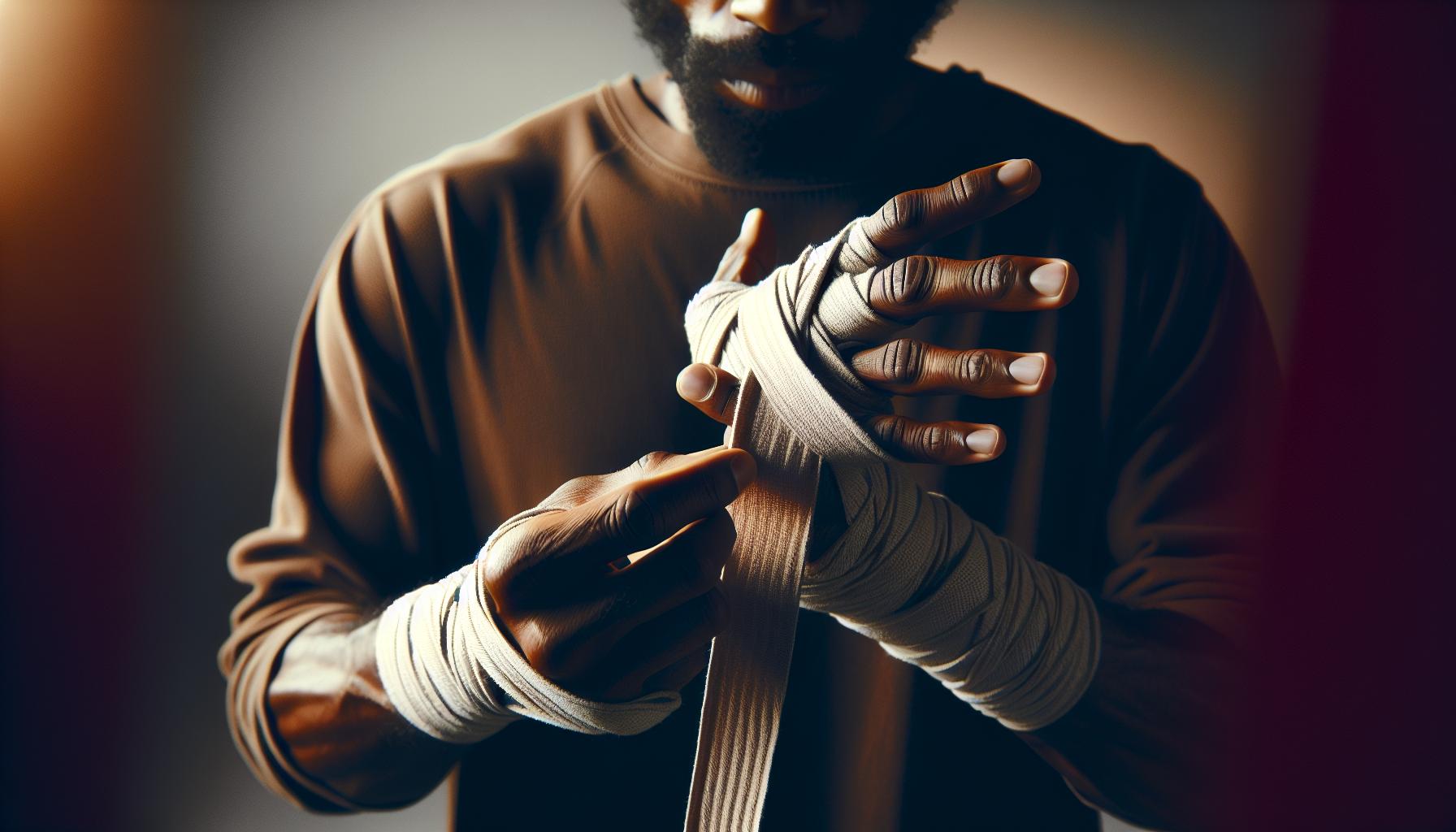
Step-by-Step Guide to Proper Hand Wrapping
Wrapping your hands appropriately can significantly enhance your training experience while ensuring your safety. A well-wrapped hand provides essential protection against injuries to your knuckles, wrists, and the delicate bones in your hands. Here’s how to do it step-by-step, ensuring that your hands are well-prepared for hitting the punching bag.
Start by preparing your hands and wraps. It’s a good practice to loosen your wrist and fingers with a warm-up before wrapping. This can involve simple hand stretches to ensure flexibility. Take your hand wrap and find the loop at one end, which will go around your thumb.
Step-by-Step Instructions
- Wrap the Thumb: Place the loop around your thumb and secure it snugly against the back of your hand.
- Wrap the Knuckles: Bring the wrap diagonally across your palm to the base of your pinky. Wrap over the knuckles three times to provide maximum protection. Ensure the wrapping is snug but not too tight, limiting circulation.
- Wrap the Wrist: Move the wrap down to your wrist, wrapping around the base three to four times. This step provides crucial support for your wrist joints. Adjust the pressure as needed for comfort.
- Back to the Knuckles: Make your way back up to the knuckles, this time wrapping around the fingers for added stability. A cross pattern can help hold everything securely in place.
- Finish off: After the last wrap around the knuckles, bring the wrap back down to secure the wrist, and then tuck the end of your wrap under the secured layers or use the Velcro if provided. Ensure everything feels secure but comfortable.
Maintaining the proper tension throughout the process is critical. The wraps should be snug enough to support, but not so tight that they cut off circulation. A well-wrapped hand will allow you to throw punches with power and precision while minimizing the risk of injury.
Experiment with different wrapping techniques to find what works best for you, as individual needs vary. Proper hand wrapping will not only enhance your comfort during training but will also improve your overall performance as you train with the punching bag.
Common Mistakes to Avoid When Wrapping Hands
It’s easy to underestimate the importance of proper hand wrapping, but even minor mistakes can lead to significant injuries. One of the most common pitfalls is wrapping too tightly. While the wrap should be snug to offer support, excessive pressure can cut off circulation and lead to numbness or injury. Always be mindful of the tension you apply-aim for a firm hold that allows for movement without discomfort.
Another error is neglecting the thumb during the wrapping process. The thumb is key for both grip and movement, and failing to stabilize it can lead to strains, especially when delivering punches. Make sure to incorporate sufficient support around the thumb joint early in your wrapping routine.
Inadequate coverage of the knuckles is another mistake that can drastically reduce the protective benefits of hand wraps. Ensuring that you cover the knuckles with multiple layers helps to guard against painful impacts. Additionally, if your punches are not impacting correctly due to improper alignment, this could indicate a problem with your wraps or technique.
Lastly, many people do not regularly check the condition of their hand wraps. Over time, wraps can become frayed or stretched, losing their effectiveness. It’s essential to replace them when needed to maintain optimal protection and comfort. By being aware of these common mistakes, you can ensure that your hands remain safe while you train, allowing you to focus on developing your skills without the worry of injury.
How to Customize Your Wraps for Maximum Protection
When it comes to maximizing protection through hand wraps, customization is key. Each person has unique hand shapes, sizes, and styles of punching, making it crucial to adapt your wrap technique accordingly. By personalizing your approach, you not only enhance protection but also improve comfort and overall performance during training. Here are several ways to customize your wraps effectively.
- Know Your Hand Shape: The anatomy of your hands influences how you should wrap. For wider hands, consider using additional layers to support the knuckles and wrist. For those with slimmer hands, a tighter wrap may work better without excessive bulk.
- Adjust Based on Activity: If you’re primarily using heavy bags versus sparring, adapt your wraps accordingly. Heavier impacts require more cushioning around the knuckles and wrist, while lighter sessions might benefit from a more flexible wrap.
- Target Specific Areas: If you have a history of injuries, like a wrist sprain or a thumb strain, dedicate more material to those areas. Focus on secure support around the thumb and extra layers across the wrist for additional stability when delivering powerful blows.
- Consider Material and Length: Different wrap materials offer varied levels of flexibility and support. A longer wrap allows for more customization options, enabling you to wrap more layers where needed. Explore cotton versus elastic fabrics to find the right balance between snugness and ease of movement.
To illustrate, let’s say you frequently experience discomfort during punches. By adding an extra layer of wrap specifically around the knuckles and ensuring that your thumb is well-secured, you can significantly reduce the risk of injury. Experimentation can lead to discovering the best combination for your unique needs, enhancing both protection and the quality of your training.
Lastly, remember that practicing the wrapping technique itself contributes to the effectiveness of your hand wraps. To achieve a secure customization, consistently reassess and refine your wrapping method, leading to better protection and an overall improved training experience. Your hands are your primary tools in striking, and investing time in customizing your wraps will pay dividends in safety and performance.
Alternative Techniques for Hand Protection
The risk of hand injuries is a serious concern for anyone training with a punching bag, and while hand wraps provide essential support, there are several alternative techniques you can employ for additional protection. These methods can complement your wrapping technique and improve overall safety during your training sessions.
One effective approach is the use of gel or padded gloves. These gloves are specifically designed to absorb impact and protect the delicate bones and tissues in your hands. For those who find traditional hand wraps cumbersome or are new to the sport, gel gloves can offer convenience by combining the benefits of both wraps and gloves, ensuring that your hands are shielded without needing to master complex wrapping techniques.
Incorporating braces or supports can also enhance protection, especially for individuals with past injuries. Custom-fit wrist braces can offer extra reinforcement, preventing hyperextension or excessive strain that often leads to injury. Look for adjustable options that allow you to modify the tension according to your training intensity, ensuring that they remain supportive without restricting mobility.
Maintaining a proper punching technique is equally vital in safeguarding your hands. Focus on aligning your fists correctly and employing correct body mechanics during strikes. Practicing on a heavy bag allows for the exploration of various angles and power generation methods, aiding in reducing the chances of striking incorrectly and minimizing stress on your hands.
Lastly, consider integrating focus mitts or partner drills into your routine. These not only allow for controlled impact but also promote improved striking skills. The ability to strike at different targets with precision encourages better fist alignment and technique, ultimately preserving the health of your hands while enhancing your training effectiveness.
By utilizing a combination of these alternative techniques alongside proper hand wrapping, you can significantly lower the risk of injury and enhance your capability for safe and effective training. Always remember to listen to your body and adjust your protective gear as needed, ensuring that you’re not only training hard but also smart.
When to Replace Your Hand Wraps
Hand wraps are an essential part of any fighter’s training gear, serving not only to protect your hands but also to ensure optimal performance while training or sparring. However, like all equipment, they have a lifespan and should be replaced periodically to maintain their effectiveness. Recognizing is crucial to avoid injury and ensure the best possible support for your hands.
Over time, hand wraps can lose elasticity and structural integrity, making them less effective at providing the necessary support during training. If your wraps appear frayed, have noticeable wear and tear, or if they no longer fit snugly around your hands, it’s time for a replacement. Additionally, a foul odor can also indicate that your wraps have absorbed too much sweat and bacteria, which can lead to skin irritations or infections if not addressed. It’s advisable to inspect your wraps regularly, especially if they have come into contact with moisture frequently.
Here are some signs to look for that indicate it may be time to retire your hand wraps:
- Visible Damage: Fraying edges or holes.
- Lack of Elasticity: Wraps that do not stretch comfortably or are too loose.
- Persistent Odors: A strong smell that cannot be eliminated through washing.
- Discoloration: Staining that may signal mold or bacteria buildup.
Replacing worn or damaged hand wraps is not just about comfort; it’s about ensuring that you uphold the safety of your training regimen. Protecting your hands efficiently can make all the difference in your performance and reduce the risk of injury. Transitioning to new hand wraps will also allow you to experience a fresh fit, often providing better support and confidence as you train. When you invest time and effort into your training, don’t let deteriorating equipment hold you back.
Caring for Your Hand Wraps: Cleaning and Maintenance
To ensure your hand wraps remain effective, regular cleaning and maintenance are essential. Much like any piece of training equipment, hand wraps are subject to wear and tear, especially considering their exposure to sweat and bacteria during workouts. Proper care not only prolongs their lifespan but also helps minimize the risk of skin irritations and infections.
Start by washing your hand wraps after every few uses, particularly if you notice a build-up of odor or stains. It’s advisable to wash them in cold water, preferably by hand or using a gentle cycle in your washing machine. Avoid harsh detergents; instead, opt for a mild detergent to prevent any potential damage to the fabric or loss of elasticity. If washing by hand, gently scrub the fabric without twisting or wringing them to maintain their shape and integrity. Once cleaned, air dry your wraps flat or hang them to avoid distortions caused by machine drying.
Occasionally, inspect your hand wraps for any signs of damage, such as fraying or thinning areas. If you identify any issues, consider rewinding or reinforcing weak spots. To prevent odors from setting in, storing your wraps in a breathable bag or container after they dry can be beneficial. This practice will help keep them fresh and ready for your next training session.
Caring for your hand wraps is not just about hygiene; it’s about optimizing your training performance and ensuring safety. Clean, well-maintained wraps provide the support your hands need while also contributing to a healthier training environment. Staying on top of your wrap maintenance will help you focus solely on your technique and performance when you hit that punching bag.
Integrating Hand Wraps into Your Training Routine
is not merely an added step; it’s essential for protecting your hands and maximizing your performance. Many fighters overlook this crucial preparation, but understanding how to effectively wear and incorporate hand wraps can significantly enhance both safety and comfort during your workouts.
When you begin your training session, make hand wrapping a non-negotiable part of your pre-workout ritual. This practice ensures that your hands, wrists, and knuckles are properly secured against the impact of striking the punching bag, thereby minimizing the risk of injuries. Consider developing a consistent process for wrapping your hands-this not only enhances muscle memory but also allows you to check your technique regularly. Over time, you’ll notice how comfortable and secure properly wrapped hands feel, contributing positively to your training mindset.
Timing and Technique
To seamlessly integrate hand wraps, allocate sufficient time, ideally 5 to 10 minutes before each training session. Use this time not just for wrapping, but also to mentally prepare yourself for the workout ahead. You might choose to wrap your hands while listening to music or reviewing your training goals, turning an ordinary task into a moment of focus and motivation.
Moreover, practice your wrapping technique until it becomes second nature. Whether you prefer traditional hand wraps or quick wraps, ensure you know the method that best supports your hand structure. Familiarize yourself with the specific vulnerabilities of your hands and wrists as you wrap. For instance, individuals with previous injuries may need a tighter wrap around the knuckles or wrists. Pay careful attention to how the wraps affect your flexibility; improperly wrapped hands can hinder performance rather than enhance it.
Incorporating Hand Wraps in Sparring and Heavy Bag Work
When transitioning to sparring or heavy bag work, remind yourself that hand wraps serve both a protective and psychological purpose. Knowing that your hands are adequately supported can boost your confidence, allowing you to strike with more intensity. During these practices, regularly check in with how your hands feel. If you notice discomfort or complications with your wraps, adjust them immediately instead of pushing through the pain, as this could lead to more severe injuries.
Regularly review your wrapping routine to ensure it aligns with your evolving training needs. As you progress in your boxing or martial arts journey, you may find yourself requiring adjustments in tightness, technique, or the type of wraps used. Integrating this review process will create a cycle of continuous improvement that benefits both your technique and physical readiness, enabling you to train safely and effectively.
Safety Tips for Punching Bag Training
Training with a punching bag offers an effective way to enhance your striking skills and physical conditioning, but it also comes with risks, particularly for your hands and joints. Protecting yourself is not just about hitting harder; it’s about hitting smart. Below are several safety tips designed to help you maximize your training while minimizing the risk of injury.
To begin with, always ensure you are using proper hand wraps. The right hand wraps provide essential support, holding your joints and bones in place to absorb the shock of impact. Take the time to learn how to wrap your hands correctly; this process not only protects your hands but also enhances your confidence during training. Ensure that your wraps are snug without cutting off circulation. A common rule is to check that your fingers can still move slightly within the wraps, maintaining comfort throughout your workout.
Furthermore, starting slowly is crucial. As a beginner, or even as someone returning after a break, it’s tempting to dive in with full force. Gradually increase the intensity and duration of your workouts to give your body time to adapt. This approach can prevent overuse injuries that often occur from intense or prolonged efforts without adequate preparation.
Regularly assess your technique as you train. Incorrect form while striking can lead to injuries, specifically to your wrists and knuckles. Use mirrors if possible or train with a partner who can offer feedback on your striking form. When you strike the bag, ensure that your wrists are straight and aligned with your forearms-never allowing them to bend backward upon impact. This alignment is crucial for preventing joint stress and potential injuries.
In addition to proper technique, remember to give your body time to recover. After a heavy session on the punching bag, incorporate rest days into your routine. This period is vital for muscle recovery, allowing your hands and wrists to heal from the stress of training. Additionally, consider including cross-training activities that don’t focus on high impact or punching, which can help you maintain fitness while reducing strain on your hands.
Lastly, listen to your body. If you experience pain that feels unusual or intense, don’t dismiss it. Ignoring warning signs can lead to serious injuries. Should you encounter discomfort during or after your training, consider modifying your approach or consulting with a coach who can offer personalized advice.
By implementing these safety tips, you can enhance your punching bag training experience while minimizing the risk of injuries. Always prioritize effective techniques and listen to your body’s signals, allowing for a more effective and sustainable training regimen.
Understanding the Impact of Hand Wraps on Performance
Properly wrapping your hands is a critical element in maximizing performance while minimizing risks during punching bag training. When executed correctly, hand wraps offer substantial benefits, allowing you to deliver powerful strikes without compromising safety. One key aspect to understand is that hand wraps help stabilize the wrist and knuckles, which are the primary points of impact. This stabilization ensures that force is evenly distributed across the hand rather than concentrated on vulnerable areas, reducing the risk of injury.
Additionally, hand wraps play a vital role in enhancing grip strength. A well-wrapped hand improves your ability to maintain control during striking and helps absorb shock, allowing you to train longer and harder. For instance, without proper support, a punch may cause your wrist to bend in an unnatural direction, which can lead to sprains or fractures. By securely wrapping your hands, you not only protect your bones and joints but also boost your confidence in striking, knowing your hands are adequately protected.
Furthermore, different types of hand wraps can influence your performance based on their thickness and elasticity. A thicker wrap might provide more cushioning, ideal for those practicing heavier strikes, while a more elastic wrap allows for greater movement and flexibility, suitable for speed-focused training. To optimize your training, consider customizing your wraps according to the type of training session planned.
Incorporating hand wraps into your routine not only bolsters physical performance but also encourages a mental approach to training. The act of wrapping your hands signals readiness and focus, transforming your mindset for a more effective workout. Hands wrapped with care reflect the seriousness of your training; they symbolize a commitment to safety and professionalism, empowering you to engage in your practice with full confidence.
Expert Tips and Pro Tricks for Effective Wrapping
Proper hand wrapping is critical not only for protection but also for enhancing your striking performance. One essential tip is to ensure that your wraps are snug but not overly tight. A properly secured wrap will restrict excess movement without cutting off circulation. This balance helps stabilize your wrist and knuckles, preventing injuries while allowing full functionality.
When wrapping, always prioritize the base of your thumb and wrists. Start by wrapping the wrist 2-3 times before moving on to the knuckles. This extra support at the wrist provides a solid foundation for your strikes. As you begin covering the knuckles, ensure that the wrap goes high enough on your fingers to support the joints, but leave sufficient flexibility for movement.
Another trick is to visualize your striking mechanics as you wrap. For instance, if you’re training for speed, a lighter wrap might be advantageous, while a thicker wrap could serve you better during power training. Experiment with different materials and widths of wraps to find what feels right for your training style. Keeping an eye on the flexibility of your hands while wrapped can also help in evaluating performance; if you feel restricted, adjust accordingly.
Lastly, practice makes perfect. The more consistent you are with your technique, the more proficient you’ll become at creating a personalized wrap that not only protects but also enhances your training experience. Don’t hesitate to adjust your technique based on feedback from your body during workouts. Effective hand wrapping is a skill that evolves with your training journey, reflecting your commitment to safety and performance.
Faq
Q: How do hand wraps prevent injuries while using a punching bag?
A: Hand wraps protect the bones and joints of your hands and wrists by providing support and stability. They help absorb impact, reducing the risk of fractures and soft tissue injuries, making wrapping before training crucial for injury prevention.
Q: What type of hand wraps are best for boxing and bag training?
A: Cotton hand wraps are commonly recommended for their comfort and flexibility. However, elastic or gel wraps can offer better support and compression. Choose based on your training intensity and personal comfort preferences.
Q: How long should hand wraps be for optimal support?
A: Hand wraps typically range from 120 to 180 inches. For beginners, 180-inch wraps are recommended for adequate support and coverage. Adjusting the amount of wrap used will depend on hand size and personal preference.
Q: Can I use my hand wraps for other sports?
A: Yes, hand wraps can be beneficial for various sports such as kickboxing, MMA, or any striking activity. Their purpose remains the same: providing support and protection for your hands and wrists during contact sports.
Q: When should I replace my hand wraps?
A: Replace your hand wraps when they show significant wear and tear, such as fraying or loss of elasticity. Regularly inspecting them after each use ensures maximum protection and hygiene.
Q: Are there specific techniques for wrapping hands for beginners?
A: Beginners should focus on wrapping their wrists firmly without restricting blood flow. Start by covering the wrist, then the knuckles, ensuring each layer is snug but comfortable. Following a detailed step-by-step guide can enhance wrapping skills.
Q: How do I clean my hand wraps effectively?
A: Hand wraps are washable; it’s best to hand wash them in cold water with mild detergent. Avoid using a dryer; air drying helps maintain their elasticity and prevents damage. Regular cleaning is essential for hygiene.
Q: Why do I need to wrap my hands even with gloves on?
A: Hand wraps provide an extra layer of protection and stability, which gloves alone may not fully offer. They absorb additional impact and prevent injuries, making them essential even when wearing boxing gloves.
Closing Remarks
Congratulations! Now that you’ve learned how to properly wrap your hands for a punching bag, you’re well on your way to protecting yourself and enhancing your training. Always remember that a secure wrap can significantly reduce the risk of injuries, allowing you to focus effectively on your technique and power. If you still have questions about hand safety or want to delve deeper into other protective measures, check out our guides on “Top 5 Hand Protection Gear” and “Essential Safety Tips for Boxing Beginners” linked below.
Don’t miss out on future updates that can further enhance your performance-subscribe to our newsletter for tips, resources, and exclusive content tailored for your training needs. You’ve taken the first step towards safer boxing; now keep that momentum going! Join the conversation and share your experiences in the comments below. Remember, your safety and skill development are paramount-empower yourself with knowledge and practice. Happy training!