In a world where personal safety is a growing concern, understanding the use of a karambit for self-defense can be crucial. This uniquely curved blade, known for its agility and effectiveness, offers distinct advantages in close-quarter confrontations. By mastering karambit techniques, you not only enhance your defense skills but also empower yourself to respond effectively while minimizing harm. However, using a weapon carries significant legal and ethical responsibilities. It’s vital to recognize the importance of de-escalation and the legal ramifications of defensive actions. This guide will provide you with practical tactics for utilizing a karambit, focusing on safety protocols and the moral implications of using force. Join us as we delve into the curved blade tactics that could make a real difference in your self-defense repertoire, equipping you with knowledge that’s as empowering as it is necessary.
Understanding the Karambit: Design and Features
The karambit is a unique and powerful tool that combines aesthetic appeal with practical function, often considered for self-defense due to its distinctive design. Originating from Southeast Asia, the karambit features a curved blade that resembles a claw, which provides several advantages in tactical scenarios. This design allows for a more effective cutting motion, making it particularly suitable for slashing and hooking techniques. The grip is specifically designed to fit comfortably in the hand, ensuring that it can be used with a high degree of control and dexterity.
In terms of features, a typical karambit includes a finger ring which aids in retaining grip, especially during rapid movements or when engaging in dynamic situations. This ring allows the user to maintain hold on the blade even if the grip slips, significantly reducing the risk of losing control over the weapon. The curvature of the blade enhances thrusting capabilities and allows for fluid, continuous movement during an encounter. The karambit can also come in various materials and sizes, offering options that suit the user’s preferences and needs.
As with any self-defense tool, it is crucial to understand local laws regarding the carry and use of a karambit. Many regions have specific regulations that dictate whether such knives are considered weapons or tools. Carrying a karambit for self-defense should be approached with caution, ensuring that users are aware of the legal landscape and implications of their actions in a confrontation. Proper training in basic techniques and situational awareness is essential for anyone considering this tool for personal safety, as the power of the karambit must be matched with responsible use and ethical considerations.
The Legal Landscape: Using a Karambit for Self Defense
Understanding the legal implications of carrying and potentially using a karambit for self-defense is crucial for anyone considering this form of protection. The distinction between carrying a knife as a tool versus a weapon can significantly affect your legal standing in a confrontation. In many jurisdictions, knives like the karambit may be classified under weapons laws, depending on local regulations. Some areas impose restrictions on blade length, type of blade (fixed vs. folding), and even the reasons for carrying such a knife. Therefore, it’s essential to be well-versed in your local laws to avoid legal repercussions when carrying a karambit.
When evaluating your options for using a karambit in self-defense, the concept of proportional response is paramount. Engaging in physical confrontation should always be considered a last resort, reserved for situations where no viable alternatives exist, such as de-escalation or escape. If an encounter escalates to the point where you feel compelled to draw your karambit, your actions should be justifiable as necessary for protecting your safety. This means that the force you employ must correlate with the threat you’re facing. For instance, using lethal force in response to non-lethal threats can result in severe legal consequences.
It’s also important to recognize that the perception of self-defense can vary widely among witnesses, law enforcement, and legal authorities. What you may perceive as a justified act of defense could be viewed differently by others, including juries. Training in self-defense and martial arts can enhance your ability to assess situations and respond appropriately, but understanding the legal elements surrounding self-defense is equally important for protecting yourself both physically and legally.
In addition to understanding the laws, it’s advisable to keep detailed documentation of any instances where you feel your safety is at risk. This can include recording incidents, taking photos, and even seeking legal advice should you find yourself in a situation where you must use your karambit. By combining knowledge of the law with practical training and a clear understanding of ethical considerations, you can navigate the complexities of self-defense with greater confidence and safety.
Essential Techniques: Basic Karambit Moves
The karambit, with its distinctive curved blade and ergonomic design, offers unique advantages for self-defense. Its shape enhances the effectiveness of slashing and cutting motions, allowing for quick, powerful strikes. Learning fundamental techniques is crucial for anyone considering using a karambit for self-defense, as it not only boosts your confidence but also equips you with the skills necessary to protect yourself.
Basic movements with a karambit can be categorized into several key techniques:
Gripping the Karambit
Proper grip is fundamental. You should hold the karambit with your dominant hand, ensuring your index finger is positioned along the spine of the blade for control, while the remaining fingers wrap around the handle securely. The presence of a finger ring on a traditional karambit allows for a high level of control, offering the ability to retain the weapon even during dynamic movements.
Basic Cuts and Slashes
Utilize a series of cutting motions
Defensive Maneuvers: Using a Karambit to Protect Yourself
Using a karambit effectively during a defensive situation requires a balance of skill, awareness, and a clear understanding of ethical implications surrounding its use. The karambit’s unique design, which features a curved blade, allows for a variety of defensive maneuvers that can be applied in close-quarters scenarios. As with any self-defense tool, it’s crucial to prioritize de-escalation and avoid using excessive force unless absolutely necessary.
One of the primary defensive techniques with a karambit is the cutting motion. The angle of the blade makes it exceptionally useful for redirecting an attack or creating distance from an assailant. For instance, if an attacker lunges at you, a quick, defensive slash across the forearm or wrist can deter further aggression and allow you to escape. Practicing this movement ensures you maintain control of the weapon and minimizes the risk of injury to yourself or others.
Another critical aspect is situational awareness. Before engaging physically, assess your surroundings and the threat level. If possible, use verbal de-escalation tactics to diffuse the situation. Only if those fail, and you face imminent harm, should you resort to using your karambit. Remember, every self-defense action carries legal ramifications. Depending on your location, the use of a knife can be heavily scrutinized; thus, understanding self-defense laws in your state is essential.
In high-stress situations, the instinct to react quickly can lead to poor choices. It is vital to train regularly, incorporating both physical techniques and mental preparation to respond appropriately to threats. Regular training can instill confidence and improve your response time while reinforcing the ethical considerations behind using a weapon. Emphasizing safety also involves maintaining your karambit in optimal condition, ensuring it is always ready for defensive use without compromising you or bystanders’ safety.
Overall, using a karambit effectively for defense is more than just knowing techniques; it incorporates a deep understanding of the ethical and legal frameworks surrounding self-defense, a commitment to continuous training, and a strong sense of situational awareness. Combining these elements enables you to protect yourself responsibly and effectively in a real-world confrontation.
Situational Awareness: Recognizing Threats Before They Escalate
Effective self-defense begins long before a confrontation escalates-it’s rooted in the ability to observe and interpret potential threats in your environment. Understanding what to look for allows you to act proactively rather than reactively, potentially avoiding the use of your karambit altogether. The difference between awareness and naivety can often determine the outcome of a precarious situation.
First, it’s essential to cultivate a heightened sense of awareness. This includes monitoring not just the people around you but also your surroundings. Look for behaviors that seem out of place. For example, if you see an individual exhibiting aggressive posturing or following you too closely, it’s prudent to change directions or seek safety among a crowd or well-lit area. Avoid distractions like looking down at your phone; this shift in focus can make you an easier target for an assailant.
Next, recognize the context of your environment. Certain locations, especially poorly lit or secluded areas, can be more dangerous than others. Familiarize yourself with safe routes and exits in any space you frequent. When walking, consider having your karambit ready but concealed, as this both respects legal norms and prevents escalating a confrontation by unnecessarily displaying your weapon.
Stay alert to group dynamics in social situations. A sudden shift in the mood of a group can indicate conflict brewing. If you observe individuals becoming agitated or if loud arguments are occurring nearby, be prepared to reposition yourself. Engaging in verbal de-escalation is often the safest initial approach; however, your knowledge of when to disengage or protect yourself with your karambit is equally critical.
Lastly, always assess your emotional state. Stress and fear can cloud judgment, so practicing mindfulness can help you stay grounded. Regular self-defense training, including situational scenarios, can prepare you to respond effectively rather than panic, further enhancing your situational awareness and readiness to use your karambit responsibly should the need arise. Adopting these strategies not only improves your ability to recognize potential threats but fosters an atmosphere of safety and preparedness, crucial elements in self-defense.
Integrating the Karambit with Other Self-Defense Skills
Using a karambit effectively in self-defense not only involves understanding its unique design but also integrating it with a broader set of self-defense skills. The key to mastering this curved blade lies in blending it with techniques from various martial arts disciplines. This integrated approach ensures that you can respond effectively in a range of scenarios while also respecting legal boundaries and ethical considerations in self-defense.
- Combining with Grappling Techniques: Many martial arts emphasize grappling, such as Brazilian Jiu-Jitsu (BJJ). When integrated with karambit techniques, grappling can allow you to control an opponent before they can initiate an attack. For instance, if an assailant engages you in close quarters, using the karambit to gain control of their wrist while using grappling techniques can neutralize their ability to strike effectively.
- Footwork from Filipino Martial Arts: The footwork principles found in Filipino martial arts, which emphasize angles and movement, are particularly useful when wielding a karambit. Practicing lateral movements will allow you to evade strikes while positioning yourself for a counter-attack, taking full advantage of the karambit’s slashing capabilities.
- Incorporating Striking Techniques: Combine karambit use with basic striking skills learned in disciplines like boxing or Muay Thai. Delivering quick jabs or knee strikes can create openings for deploying your blade while maintaining a defensive posture. This concept not only increases your effectiveness but also diversifies your skill set, allowing for multiple options in a confrontation.
- Situational De-escalation: Always approach potential confrontations with de-escalation techniques in mind. Understanding how to verbally diffuse a situation can prevent the need to resort to physical skills altogether. Training in conflict resolution alongside your karambit techniques reinforces the idea that self-defense is not merely about physical combat but also about managing circumstances wisely and ethically.
By fostering adaptability and blending the karambit’s unique features with these martial arts skills, you empower yourself to respond effectively to threats. This holistic training approach ensures that you remain both resourceful and responsible, which is crucial for anyone considering self-defense practices. Always remember the legal ramifications of weapon use and prioritize avoidance and de-escalation over confrontation, aligning your skills with a mindset focused on safety and ethical practice.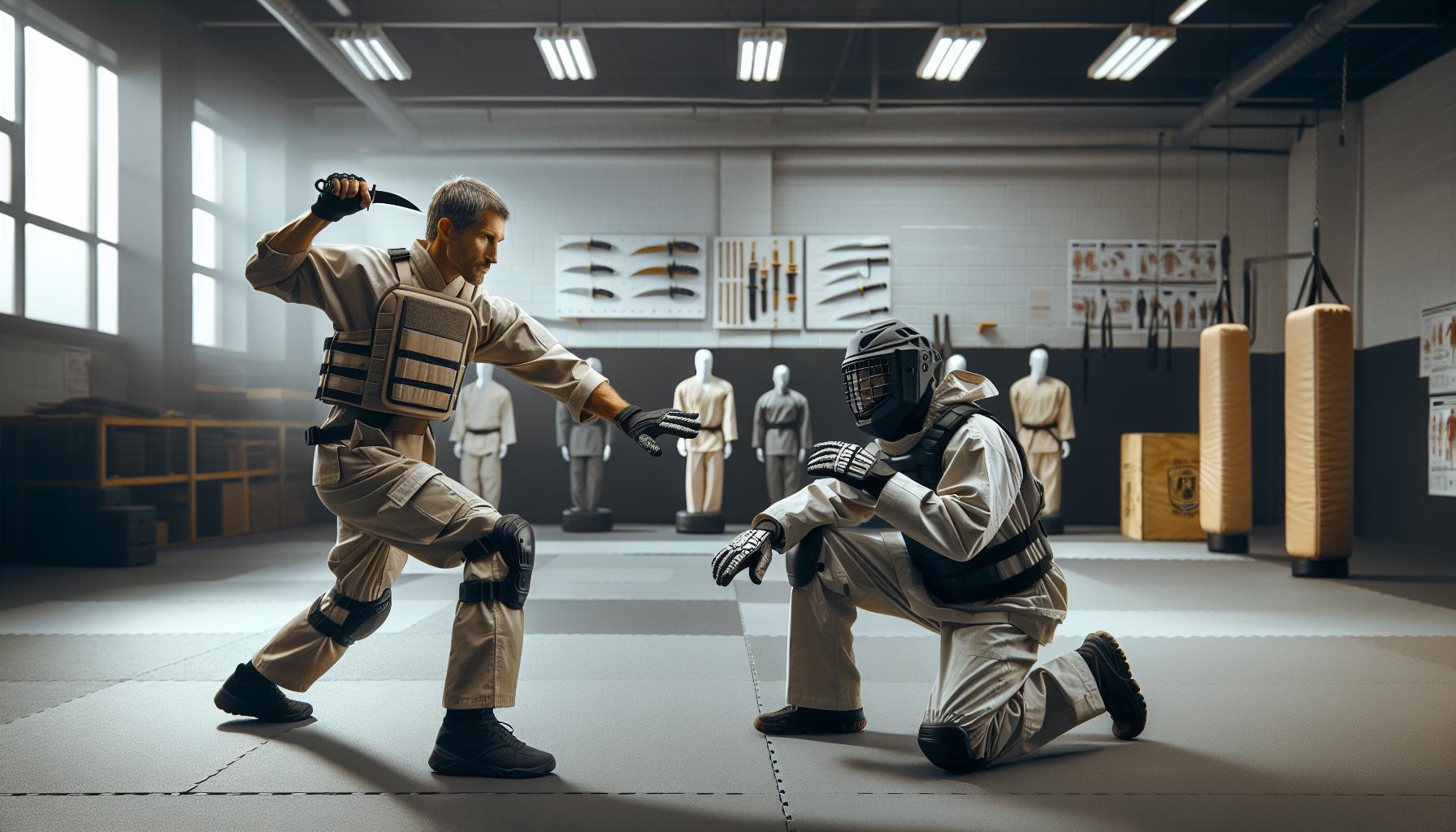
Real-World Scenarios: Applying Karambit Tactics Effectively
In the unpredictable realm of self-defense, understanding how to effectively apply karambit tactics can mean the difference between escape and harm. A karambit’s design, characterized by its curved blade, allows for unique cutting motions that can be leveraged in close-quarter confrontations. Carrying a karambit demands respect for its capabilities and mindful consideration of its legal implications. While it serves as an effective tool for defense, the goal should always be to neutralize a threat rather than inflicting unnecessary harm.
It’s crucial to recognize various scenarios where a karambit could be employed. For instance, if you find yourself cornered in a parking lot, a quick assessment of the situation is paramount. Utilize your surroundings for cover and consider a “fade” technique: retreating slightly while maintaining the ability to counter an attack. This enables you to create space to utilize your karambit more effectively. Engage in sharp, precise cuts aimed at vulnera
Training Methods: Building Proficiency with a Karambit
In mastering the use of a karambit for self-defense, training is not just important-it’s essential. The unique design of the karambit, with its curved blade, requires specialized techniques to wield effectively. Engaging in consistent practice will help you develop muscle memory, enhance your proficiency, and enable you to respond instinctively under pressure. Understanding both the physical skills needed and the mental mindset for self-defense will fortify your confidence in real-life situations.
Fundamental Techniques
To begin building proficiency, focus on basic knife handling and karambit-specific techniques. Start with grip training, ensuring you’re comfortable with the ring on the handle. This grip can be used to gain better control and manipulate your movements. Practice opening and closing the knife, if it’s a folding model, to ensure smooth operation under duress. Key techniques include:
- Basic Cuts: Practice slice and thrust movements, using the curve for maximum efficiency.
- Flipping and Spinning: Work on transitions that allow you to change grip quickly, maintaining readiness for multiple angles of attack.
- Quick Draw Techniques: Implement drills for quickly deploying the karambit from a concealed position.
These foundational skills will serve as the building blocks for more advanced maneuvers.
Realistic Scenarios
Integrating realistic self-defense scenarios into your training can greatly enhance your skill set. Consider participating in controlled sparring sessions with a partner. Use protective gear to simulate actual confrontations and explore how to respond to various types of attacks, both from a defensive and offensive standpoint. Real-world applications might include:
- Defending against a surprise attack while walking on the street.
- Escaping from a grab or hold by an assailant.
- Practicing de-escalation techniques before engaging with the weapon.
Understanding legal implications and the ethics surrounding the use of force is crucial. Only resort to deploying your weapon when it is justifiable under local laws, as misuse could lead to serious legal consequences.
Mental Preparation
Equally essential to physical training is the mental aspect of self-defense. Mindfulness and situational awareness can be bolstered through visualization and role-playing scenarios. Imagine yourself encountering a threat and mentally walk through your response. This mental rehearsal can help decrease anxiety and ensure that, in a real confrontation, you can act decisively without hesitation. Remember, your mindset can often be the most powerful tool in any self-defense situation.
Ultimately, the journey toward proficiency with a karambit is one that combines technical skill, physical practice, and a deep understanding of the responsibilities associated with self-defense. As you train, maintain a focus on safety and the potential consequences of your actions. Empower yourself with knowledge and skill, always prioritizing de-escalation and the well-being of all parties involved.
Safety and Ethical Considerations in Self Defense
Understanding how and when to use a karambit for self-defense traverses the line between empowerment and responsibility. It’s essential to recognize that self-defense is not merely about physical confrontation; it encompasses a myriad of ethical and legal considerations. Each time you consider deploying a weapon, understanding the weight of your decision is paramount. The essence of self-defense is to protect oneself from imminent harm, not to provoke or escalate situations unnecessarily.
Legal implications vary significantly by jurisdiction, making it crucial to familiarize yourself with local laws regarding the carrying and use of knives. In many regions, claiming self-defense can only be justified if the force used is proportional to the threat faced. For instance, if confronted by an unarmed assailant, responding with lethal force may lead to criminal charges instead of protection. Similarly, using a karambit in a situation where de-escalation could suffice can also result in legal ramifications. Always ensure that your actions are legally defensible and ethically justified. Understanding these laws is an obligation for anyone considering carrying a weapon for self-defense.
Moreover, exploring de-escalation techniques should be an integral part of your training regimen. The goal in a potentially violent scenario should always be to diffuse the situation rather than escalate it. Techniques such as verbal de-escalation can often prevent a physical confrontation from occurring altogether. Practicing scenarios where you can retreat or disengage without resorting to violence not only prepares you for real-life encounters but also reinforces moral responsibility. In many instances, engaging your mindfulness and situational awareness can lead to an exit strategy rather than confrontation.
Ultimately, the journey towards mastering a weapon like the karambit for self-defense involves much more than honing physical skills; it requires a mature understanding of one’s own ethics, the weight of legal responsibilities, and a conscious effort to prioritize non-violence wherever possible. Safeguarding your well-being does not only entail knowing how to defend yourself; it also means respecting the lives of others and understanding that the choice to engage in conflict carries significant repercussions. By instilling a mindset focused on safety and ethics, you prepare yourself to navigate the complexities of self-defense responsibly.
Common Mistakes: What Not to Do with a Karambit
Engaging with a karambit, whether for self-defense or practice, can be both an empowering and daunting endeavor. However, the path to effective use is littered with common mistakes that can undermine safety and efficacy. One such frequent error is failing to understand the legal implications surrounding the use of a weapon. It’s crucial to know that self-defense laws vary by jurisdiction; misjudging the necessity of using your karambit can lead to legal repercussions, including serious criminal charges. Always ensure that your actions can be justified as proportional and necessary.
Another significant blunder is neglecting to practice proper techniques meticulously. The karambit’s distinctive curved design demands specific grips and movements. Using inappropriate techniques can lead to mishandling the weapon, potentially causing unintended injuries to yourself or bystanders. Beginners often attempt flashy moves seen in videos without fully grasping the underlying mechanics, leading to ineffective or dangerous outcomes. Regular training with an experienced instructor is vital for mastering not only the weapon’s use but also the mindset of responsibility it entails.
Equally important is the misstep of allowing emotions to dictate actions during a confrontation. The adrenaline rush can cloud judgment, leading to overreactions or the escalation of a situation that could otherwise be resolved through de-escalation techniques. A common mistake is engaging in the mindset of ‘fight first, think later.’ Prioritizing de-escalation can often mitigate a threat before it escalates to physical confrontation, keeping both the defender and assailant safe.
In conclusion, awareness of these common pitfalls-legal misunderstandings, improper technique, and emotional overreaction-is paramount for anyone interested in wielding a karambit. By focusing on critical training and maintaining a mindful approach to self-defense, you will cultivate not only skill and confidence but also a profound understanding of the ethical weight carried with such a choice.
Advanced Tactics: Enhancing Your Karambit Skills
Utilizing advanced tactics with the karambit can significantly enhance your self-defense capabilities, turning a well-understood weapon into an adaptable tool for a variety of encounters. Mastering the unconventional grip and angle of attack is paramount. Unlike straight-edged blades, the karambit’s curved design facilitates unique slashing motions that can be effective in close-quarter engagements. A key tactic involves executing circular cuts that follow the natural curvature of the blade; this not only maximizes damage but also minimizes the effort needed to deliver a swift action.
### Techniques to Enhance Weapon Control
To refine your skills with a karambit, consider incorporating the following techniques into your practice routine:
- Flow Drills: Engage in flow drills that emphasize fluid motions between slicing and transitioning to defensive postures. This helps develop muscle memory and adaptability in real scenarios.
- Reverse Grip Training: Train extensively with a reverse grip to take advantage of its defensive capabilities. This grip allows for quick transitions from offensive actions to guard positions against incoming attacks.
- Target Focus: Practice targeting vital points on a training dummy to understand how your strikes impact an opponent effectively. This will help you gauge distance, angle, and pressure during an actual confrontation.
- Situational Sparring: Engage in sparring sessions where you simulate varying threat levels, allowing you to develop your decision-making skills regarding when to engage and when to retreat.
### Integrating Legal and Ethical Considerations
Training with the karambit is not solely about physical technique; understanding the legal context and ethical implications of using a weapon is crucial. Familiarize yourself with local laws governing self-defense and weapon use. In many jurisdictions, the use of a karambit may be justified only in circumstances where there is a clear and imminent threat to your safety. Always prioritize de-escalation techniques-communicating effectively through body language or verbal cues may resolve a conflict without physical confrontation.
A vital part of advancing your karambit skills is to grasp the role emotional regulation plays during encounters. Practicing mindfulness and situational awareness enhances your ability to assess threats before they escalate, ensuring that you act with intention rather than reaction. For example, engaging in role-playing scenarios with a partner can build confidence and teach you to remain calm, focusing on exit strategies or negotiate de-escalation rather than resorting to force.
Incorporating these advanced tactical skills into your training can empower you to use the karambit effectively and responsibly. Always remember that your training journey should foster not only physical adeptness but also moral and legal awareness, illuminating the path towards responsible self-defense.
FAQ
Q: What are the best grips for using a karambit in self-defense?
A: The two primary grips for a karambit are the forward grip and the reverse grip. The forward grip allows for slashing and thrusting attacks, while the reverse grip enhances control and mobility during defensive maneuvers. Practicing both grips will improve your versatility in various situations.
Q: Can a karambit be used for both offense and defense?
A: Yes, a karambit is effective for both offensive and defensive tactics. Its curved blade is designed for quick slashing actions, allowing you to create distance from an attacker while simultaneously defending yourself. Integrating offensive and defensive movements will maximize your self-defense capabilities.
Q: How should I maintain my karambit for optimal performance?
A: To maintain your karambit, keep the blade sharp and clean, as a dull blade affects performance. Store it in a protective sheath to prevent damage. Regularly check for any loose parts or signs of wear that could hinder your effectiveness during use. Sharpness and reliability are key for self-defense.
Q: What legal restrictions should I consider when carrying a karambit?
A: Legal restrictions on carrying a karambit vary by location. It’s crucial to understand the laws in your area regarding blade length and concealed carry. Always ensure that you comply with local regulations to avoid legal issues with self-defense tools [2].
Q: What are common mistakes to avoid when using a karambit for self-defense?
A: Common mistakes include improper grip, failing to understand the weapon’s reach, and panicking in high-stress situations. Always remain calm, use controlled movements, and practice your techniques. Regular training will help you avoid these pitfalls and improve your effectiveness.
Q: How effective is a karambit compared to other self-defense weapons?
A: A karambit is effective for close-range self-defense due to its design, allowing for quick and powerful strikes. However, its effectiveness compared to other weapons, like pepper spray or firearms, varies based on the situation and your comfort level with the tool. Assessing your environment and personal skills can guide this choice [1].
Q: What martial arts techniques can enhance karambit use?
A: Techniques from Filipino martial arts like Kali or Silat can enhance your karambit skills. These styles teach fluid movements, effective angles for attack, and defensive tactics suited for curved blades. Incorporating these techniques will improve your proficiency and confidence in using a karambit for self-defense [3].
Q: How can situational awareness improve my use of a karambit?
A: Situational awareness is crucial in self-defense, as it helps you recognize potential threats before they escalate. Being aware of your surroundings allows you to anticipate possible attacks and react accordingly with your karambit. Regularly practicing awareness techniques will enhance your overall self-defense strategy.
Concluding Remarks
Understanding how to effectively use a karambit for self-defense is crucial for anyone looking to enhance their personal safety. Remember, the techniques learned here should be practiced safely and ethically, always keeping legal considerations at the forefront. Don’t wait-implement these curved blade tactics today to empower your self-defense skills.
For further exploration, check out our articles on the legality of carrying knives, including the karambit in Canada, and delve into various martial arts comparisons that can enhance your defensive strategy. If you’re interested in learning more or have specific questions, feel free to leave a comment or subscribe to our newsletter for continued insights and resources.
Safety is paramount, so equip yourself with knowledge and practice the techniques in controlled environments to ensure you’re prepared when it matters most. Your journey in mastering self-defense is just beginning-let’s continue it together.