Comparing high-performance self defence weapons ensures optimal personal protection.
In today’s world, personal safety is a growing concern for many, making the choice of a self-defense firearm crucial. Selecting the right handgun can significantly impact your ability to protect yourself and your loved ones, enabling confidence during uncertain situations. This guide will rank various firearms, highlighting options that balance effectiveness, affordability, and ease of use. As you navigate through these selections, consider not only the technical specifications but also the legal and ethical responsibilities that come with firearm ownership. Understanding these elements will empower you to make informed decisions about self-defense, ensuring you are prepared to respond appropriately to threats while prioritizing safety. Let’s delve into the top picks that can serve as reliable tools for personal protection, keeping in mind that the best defense often starts with awareness and preparedness.
Choosing the Right Caliber for Self Defense Firearms
Choosing the right caliber for self-defense firearms is crucial as it directly influences your effectiveness in a high-stakes situation. Various calibers carry distinct characteristics that can greatly impact both stopping power and ease of use. For many, the 9mm Luger is a top choice due to its balance of manageable recoil, high capacity, and effective ballistics. It also allows for quick follow-up shots, vital in self-defense scenarios where accuracy is key. Comparatively, the .40 S&W offers a larger bullet and more stopping power, albeit with a slightly increased recoil that might affect shooting comfort for some users. Conversely, the .45 ACP is revered for its substantial stopping force but typically has lower magazine capacity and more recoil, making it a choice that may require more training to handle effectively.
When assessing which caliber fits your self-defense needs, consider the following factors:
- Recoil Management: A firearm that is too difficult to control under stress can lead to critical inaccuracies.
- Stopping Power: While larger calibers like .45 ACP may provide more stopping power, the speed and accuracy of smaller calibers like 9mm can often lead to quicker neutralization of threats.
- Ammo Availability: Consider the availability and cost of ammunition, as practicing regularly is essential for proficiency.
- Legal Regulations: Be aware of your local laws regarding caliber limitations or restrictions.
It’s also essential to demystify the emotional aspect of firearm selection. Many individuals may feel more secure carrying a larger caliber due to its perceived effectiveness. However, practical experience and proper training should guide your choice rather than myths about caliber performance. In real-world self-defense situations, where emotions and adrenaline can overwhelm, having a reliable weapon that you are well-trained to use is far more critical than raw stopping power numbers. Always prioritize training and proficiency to ensure that you can handle your chosen caliber effectively should the need arise.
Revolvers vs. Semi-Automatics: Pros and Cons
When it comes to choosing a firearm for self-defense, understanding the differences between revolvers and semi-automatic pistols helps to inform better decisions. Each has its own set of advantages and drawbacks, making them suitable under different circumstances and for various user preferences.
Revolvers are renowned for their reliability. With a simple design, they are less likely to jam than semi-automatics, which require proper maintenance and ammunition to function flawlessly. Many users appreciate the straightforward operation of a revolver: just point and pull the trigger. This can be especially beneficial for those who may be inexperienced with firearms. Additionally, revolvers typically handle a variety of ammunition without issues, adding another layer of flexibility in selection. However, their capacity tends to be limited-usually six shots-compared to most semi-automatics that can hold ten or more rounds, potentially putting the user at a disadvantage in high-stress scenarios where multiple shots may be necessary.
On the other hand, semi-automatic handguns offer advantages in magazine capacity and ease of reloading. With the ability to carry more rounds, users can maintain a higher rate of fire. Semi-automatics can be quicker to reload, especially when using spare magazines, allowing for faster responses. They also generally have a lighter trigger pull in the first shot after chambering a round, which can facilitate quicker follow-up shots. That said, they require more training to ensure proper handling and safety, as the internal mechanisms can be complex. Issues such as jams or misfeeds can occur, which may require the shooter to perform immediate corrective actions under potentially stressful conditions.
In summary, the decision between a revolver and a semi-automatic should be based on individual needs, comfort level, and the specific scenarios one anticipates facing. Those prioritizing reliability and ease of use may lean towards revolvers, while shooters looking for higher capacity and faster firing could benefit from a semi-automatic. Understanding these pros and cons empowers individuals to make informed choices, enhancing their self-defense capabilities while promoting safe and responsible firearm ownership.
Top Handguns for Home Defense: Features to Consider
When selecting a handgun for home defense, understanding key features can significantly influence your choice. A well-suited firearm can enhance your safety and ensure you’re adequately prepared should the need arise. The right weapon simplifies critical decision-making moments, enabling you to focus on de-escalating or responding appropriately to a threat.
Caliber and Stopping Power
One of the foremost considerations is caliber. The widely recommended calibers for home defense handguns, such as 9mm, .40 S&W, or .45 ACP, strike a balance between manageable recoil and sufficient stopping power. The 9mm, for example, is prevalent due to its effectiveness and lower ammunition cost, which can encourage regular practice. Ultimately, test different calibers to see what you can handle effectively while ensuring the sufficient energy transfer necessary for self-defense situations.
Size and Ergonomics
The size and ergonomics of the handgun play critical roles in your comfort and ability to operate the weapon effectively under stress. A compact or full-sized handgun tends to be easier to handle and provides better accuracy than sub-compact models, which may feel snappy due to increased recoil. Consider how the grip fits your hand, how easy it is to manipulate the controls, and whether the weight feels manageable. Some users may prefer a lighter gun for ease of handling, while others may opt for a heavier model to help reduce recoil.
Semi-Automatic vs. Revolver
The ongoing debate between semi-automatics and revolvers is essential in determining which type may suit your needs best. While revolvers boast reliability and simplicity, semi-automatics offer higher capacity and quicker reloading capabilities. A semi-automatic like the SIG Sauer P320 or Springfield Armory XD-M might be beneficial for those seeking higher round counts for home defense, while revolvers such as the Smith & Wesson Model 686 may appeal to those prioritizing straightforward use.
Additional Features
Hands-free operation is crucial, especially when faced with a threat where every second counts. Features such as night sights, which provide visibility in low-light conditions, or ambidextrous controls for easier operation, can enhance your response. Moreover, the inclusion of safety mechanisms (like trigger safeties or external safeties) should be assessed in conjunction with your confidence level to prevent accidental discharge.
Overall, selecting the ideal handgun should involve comprehensive research, personal testing, and consideration of how you may need to react in a high-stakes situation. Consult local experts, engage with responsible firearm communities, and practice regularly to develop familiarity with your choice. Self-defense is about empowerment and preparedness, ensuring you can respond to threats while maintaining the utmost respect for the weight of such responsibility.
Shotguns for Self Defense: Why They’re Effective
In the realm of self-defense, shotguns hold a unique position due to their formidable stopping power and versatility. One of the most compelling aspects of using a shotgun for self-defense is its ability to deliver multiple projectiles simultaneously, which can significantly increase hit probability in high-stress situations where accuracy may falter. This characteristic makes shotguns particularly forgiving for those who might struggle with precision under duress.
Stopping Power
The effectiveness of a shotgun is primarily attributed to its caliber and shot size. Commonly used gauges, such as 12-gauge, fire larger pellets that create devastating impact upon hitting a target. This not only neutralizes threats more efficiently but also increases the psychological deterrence factor; the sound of racking a shotgun can be enough to dissuade potential intruders before a shot is even fired. However, it’s crucial to understand the implications of such power and the potential for collateral damage in confined spaces, which necessitates responsible firearm handling and consideration of ammunition type-such as using less-lethal options in certain home defense scenarios.
Ease of Use and Training Considerations
Shotguns are generally straightforward to operate, making them accessible for a wide range of users. Their pump-action models require minimal mechanical skills and can be reliable even under adverse conditions. However, training is essential. Familiarizing oneself with the specific model and practicing proper handling techniques-such as knowing how to quickly identify the front sight during engagement-are vital. Regular training not only builds confidence but also ensures that the user can respond effectively to a threatening situation.
Legality and Ethical Considerations
While shotguns can be a powerful option for self-defense, understanding the legal context of their use is paramount. Each state has its own regulations on firearm usage, including within the home. Familiarize yourself with your local laws to ensure compliance and ethical use of force. Remember, self-defense should always be proportional and justifiable. Engaging in conflict should never be viewed lightly; it requires a commitment to use reasonable force only as a last resort.
In summary, shotguns offer potent advantages for home defense but come with significant responsibilities. Understanding their mechanics, legal implications, and the ethics surrounding their use can empower individuals to make informed decisions about their personal safety while fostering a culture of responsible firearm ownership.
Best Tactical Rifles for Personal Protection
In the realm of personal protection, tactical rifles stand out for their versatility and effectiveness in various self-defense scenarios. These firearms offer a range of features that can enhance your ability to respond effectively in high-stress situations. When selecting a tactical rifle for personal defense, factors such as caliber, magazine capacity, and ease of handling need careful consideration.
One of the most recommended calibers for personal protection is .223 Remington or 5.56 NATO, commonly used in AR-15 platforms. These rounds are designed to provide a balance between stopping power and manageable recoil, making them suitable for even inexperienced shooters. Additionally, a rifle’s modular design often allows for customization, enabling you to adapt various components-such as optics and grips-to fit your preferences and enhance usability. This flexibility can significantly improve accuracy and control during critical moments.
Another critical aspect of tactical rifles is their magazine capacity. Most tactical rifles, particularly AR-15s, can accommodate magazines that hold 10 to 30 rounds, providing a significant advantage in situations where multiple threats may be present or a prolonged engagement could occur. Furthermore, the rifle’s effective range compared to handguns and shotguns empowers users to engage threats from a distance, which can be a tactical advantage during unforeseen encounters.
However, it is essential to approach firearm ownership with a sense of responsibility and awareness of the law. Each state has specific regulations governing the use of rifles for self-defense, including issues related to where and how they can be stored and transported. Always ensure compliance with local laws and understand the legal justifications required for using a firearm in self-defense. In the unfortunate event where personal protection becomes necessary, the moral and legal implications of your response weigh heavily. Training and familiarity with your chosen firearm are paramount; regular practice helps build the necessary skills to handle a rifle safely and confidently during a critical incident.
In summary, the choice of a tactical rifle for personal protection should be rooted in understanding its function, effective use in various scenarios, and the legal responsibilities that come with ownership. Ensure regular training and familiarize yourself with your rifle to enhance not only your personal safety but also that of your loved ones. Prioritize de-escalation and responsible force application to navigate the complexities of self-defense situations effectively.
Understanding the Legalities of Firearm Use in Self Defense
Understanding the legal landscape surrounding firearm use in self-defense is crucial for anyone considering a firearm for personal protection. The consequences of using a weapon, even in life-threatening situations, can be profound. It’s essential to know that the legal justification for using force, particularly deadly force, hinges on the ability to articulate a reasonable fear of imminent danger to oneself or others. This fear must be grounded in the specific context of the encounter and can vary significantly by jurisdiction.
Legal Standards for Self-Defense
In many states, the principles of self-defense are governed by established legal standards such as the “reasonable person” standard, which asks whether a reasonable person in the same situation would perceive a threat requiring defensive action. Importantly, not all states follow the same rules. For example, some adhere to a “duty to retreat” doctrine, wherein an individual must attempt to withdraw from the situation safely before using force. Conversely, other jurisdictions have adopted “stand your ground” laws that allow individuals to defend themselves without a duty to retreat, even if an escape is possible.
Understanding the nuances of these laws is vital. If you are forced to draw or use your firearm, being able to explain that your actions were a last resort in response to an immediate threat could play a significant role in legal proceedings post-incident. States like Florida, which have broader stand-your-ground laws, may offer more protection against criminal charges or civil liabilities following the use of lethal force.
The Consequences of Firearm Use
Using a firearm in self-defense might lead to severe legal repercussions regardless of the circumstances. Charges can range from assault to attempted murder or even manslaughter if it is determined that the use of force was excessive or unjustified. For instance, if an aggressor poses a threat but is unarmed and you resort to deadly force, the legal justification for your actions may not hold up in court. It is imperative to assess each situation closely and to understand that the law favors de-escalation wherever possible.
The moral implications of using a firearm cannot be overstated. Beyond legal consequences, the psychological impact of having to use a gun in self-defense is profound and can linger long after the incident. Emphasizing the importance of training and de-escalation techniques can help reinforce the understanding that firearms should be a last resort in personal safety scenarios.
In conclusion, knowledge of the legalities surrounding self-defense firearm use empowers individuals to make informed decisions. It highlights the importance of adhering to state-specific laws, mastering the distinction between appropriate and excessive force, and committing to ongoing education and training for any self-defense situation. By prioritizing safety and responsible usage, individuals can better navigate the ethical and legal complexities inherent in firearm ownership.
Safety First: Essential Gun Storage Practices
In the realm of firearm ownership, one of the most critical aspects to consider is how safely you store your weapons. Improper storage can lead to tragic accidents, unauthorized access, or theft, underscoring the need for robust safety practices. According to statistics, a significant number of firearm-related incidents involve improperly stored guns, emphasizing the urgency of adopting responsible storage solutions.
Choosing a Storage Method
When selecting a storage method, it’s essential to consider the security, accessibility, and discretion of your firearms. Here are some recommended options:
- Gun Safes: A secure gun safe offers the highest level of protection against unauthorized access. Ensure it is sturdy, fireproof, and preferably has a reliable locking mechanism. Biometric locks, for instance, provide quick access for owners while keeping firearms secure.
- Lockboxes: For those who prefer more portable options, lockboxes provide a balance between accessibility and security. Look for lockboxes that can be securely bolted in place, and utilize combination or key locks to enhance security.
- Trigger Locks: While not a substitute for secure storage, trigger locks can be an additional safety measure to prevent unauthorized use, especially in households with children.
Best Practices for Firearm Storage
To ensure your firearms are stored safely, adhere to the following best practices:
- Store Ammunition Separately: Keep ammunition stored in a separate location from the firearm itself. This reduces the risk of accidental discharge and makes it harder for unauthorized users to access both parts together.
- Maintain a Clear Formula: Establish a protocol for accessing firearms. Limit access to only trusted individuals and ensure they know the safety protocols. Conduct regular inventory checks to monitor your firearms and their condition.
- Regular Safety Training: Even the best storage practices cannot replace the need for ongoing education. Engage in regular firearm and safety training to reinforce responsible usage and proper handling skills.
In addition, consider the legal requirements specific to your jurisdiction regarding firearm storage. Many states have laws mandating that firearms are stored securely, particularly in homes with minors. Understanding these laws not only helps keep you compliant but also protects you from potential criminal liability if your firearm is misused.
Implementing thoughtful storage practices not only contributes to overall safety but also reinforces the responsibility that comes with firearm ownership. By being proactive in ensuring your firearms are securely stored, you mitigate risks and cultivate an environment where safety is prioritized, fostering responsible habits that can save lives.
Real-Life Self Defense Scenarios and Firearm Responses
In tense, real-world situations, the response to a threat must be swift and well-informed. Understanding how to react to various self-defense scenarios not only prepares an individual but can also significantly influence the outcome. In actual encounters, employing firearms as a defensive tool involves navigating the delicate balance between appropriate force and legal standards. It’s vital to know that using a firearm in self-defense is a serious action, often scrutinized through the lens of legality and moral ethics.
When considering self-defense firearms, one must first assess the nature of potential threats. For instance, home invasions often occur at night, where a shotgun might be advantageous due to its wide spread and stopping power. However, a handgun like the Glock 19, known for its reliability and ease of handling, could prove better for quick maneuverability in close quarters. In a carjacking scenario, a compact semi-automatic like the Smith & Wesson Shield could be ideal for its concealability and quick draw capability.
Furthermore, the legal landscape surrounding self-defense varies significantly from one jurisdiction to another, affecting which actions are considered justifiable. For example, in many states, the legal principle of “duty to retreat” may apply, requiring individuals to de-escalate or withdraw from a situation before employing lethal force. It’s crucial to familiarize oneself with local laws and seek ongoing education in self-defense use and firearm safety, as legal repercussions can be severe even in seemingly justified situations.
Key Considerations in Real-Life Scenarios
- Identify the Threat: Situational awareness is your first line of defense. Recognizing potential dangers early allows you to decide whether to engage or retreat.
- De-escalation Tactics: Whenever possible, utilize communication and non-violent methods to diffuse a situation before it escalates to a point requiring force.
- Understanding Your Firearm: Comprehensive training on your specific weapon is essential. Different firearms have varying operational mechanics, recoil, and handling rules that require proficiency to use effectively under stress.
- Legal Aftermath: After any defensive incident, legal counsel should be sought immediately to navigate the complexities that follow a firearm discharge.
This nuanced understanding of real-life scenarios and firearm responses equips individuals with the knowledge to act responsibly, aligning their actions with legal standards while prioritizing safety. Remember, possession of a firearm comes with the profound responsibility of understanding when and how to use it effectively and ethically.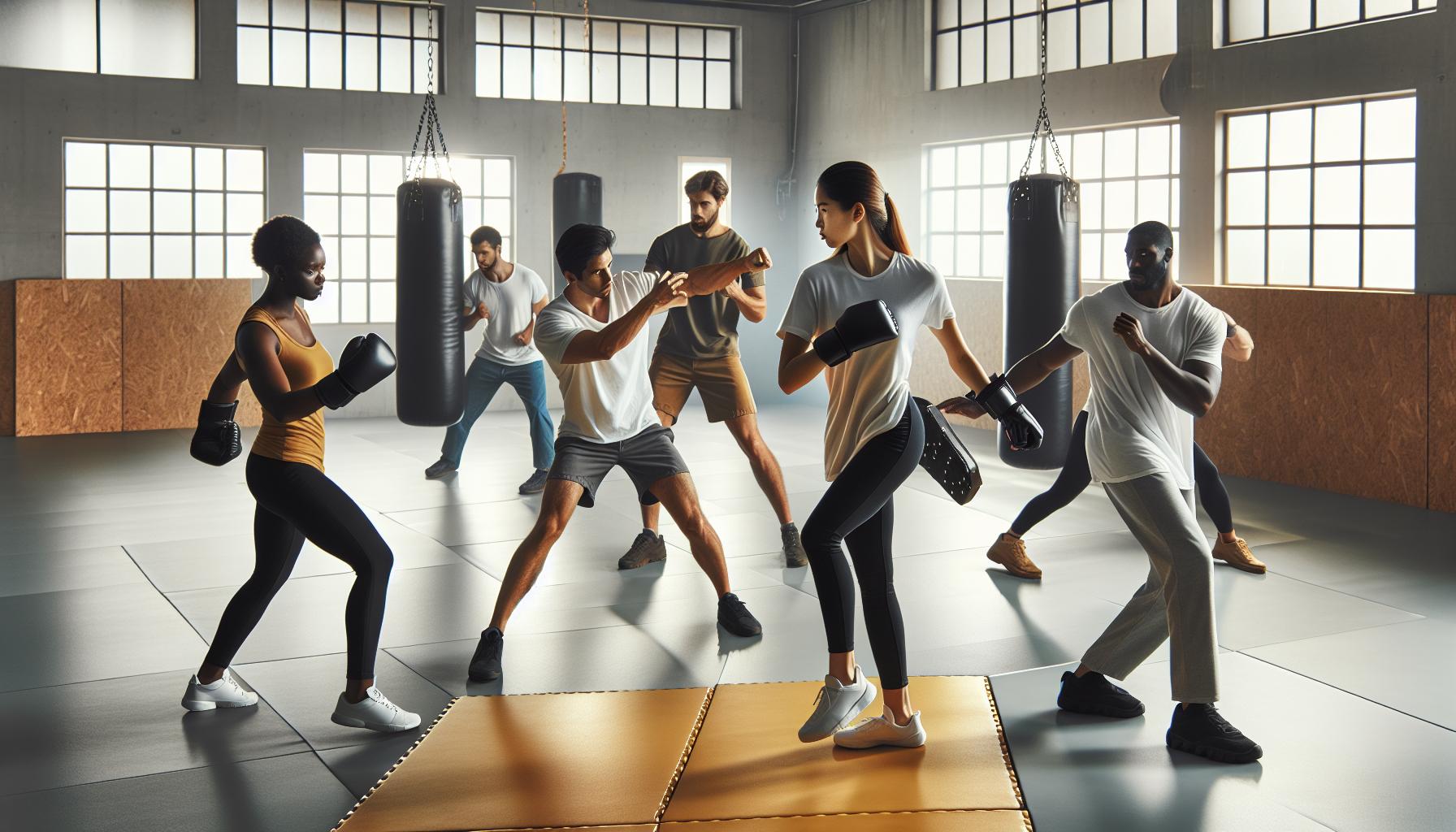
Training Tips: How to Prepare for Self Defense Situations
In today’s unpredictable world, preparation is key to effectively managing self-defense situations. Training is not just about learning how to handle a firearm; it’s about conditioning the mind, body, and spirit to respond appropriately under stress. One vital aspect of training involves understanding and practicing the legal and ethical implications of using lethal force, which can significantly vary based on jurisdiction. Awareness of local laws regarding self-defense-including what constitutes justifiable force-can be the difference between life and death, both literally and legally.
Consistent practice with your chosen firearm is essential. Familiarize yourself with the operational mechanics, proper handling, and maintenance of your weapon. This means dry-fire drills to enhance trigger control, live-fire practice to improve accuracy, and scenario-based training to simulate real-world encounters. Incorporating stress-inducing elements, like time limits or unexpected alterations in scenarios, will help you adapt your skills under pressure. For instance, consider practicing in low-light conditions to replicate situations that may arise during home invasions.
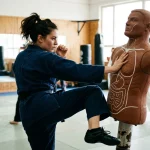
Alongside firearms training, integrating self-defense tactics, such as martial arts, can expand your skill set. Techniques from disciplines like Krav Maga or Brazilian Jiu-Jitsu can provide valuable methods for self-defense that do not rely on lethal force. Understanding how to de-escalate a confrontation or evade a threat can be just as crucial as having a firearm. Training should include role-playing different scenarios, emphasizing verbal conflict resolution, as this can help avoid situations where force is necessary.
Finally, never underestimate the psychological component of self-defense training. Regularly visualize yourself responding effectively in various situations. Mental preparedness can increase confidence and improve decision-making, ensuring that your reaction is calm and calculated rather than impulsive. Remember, the goal is to protect yourself while always considering the proportionality of your response and the potential legal ramifications of your actions. Balancing these elements-physical skills, legal understanding, and mental readiness-will equip you to respond responsibly in high-pressure circumstances.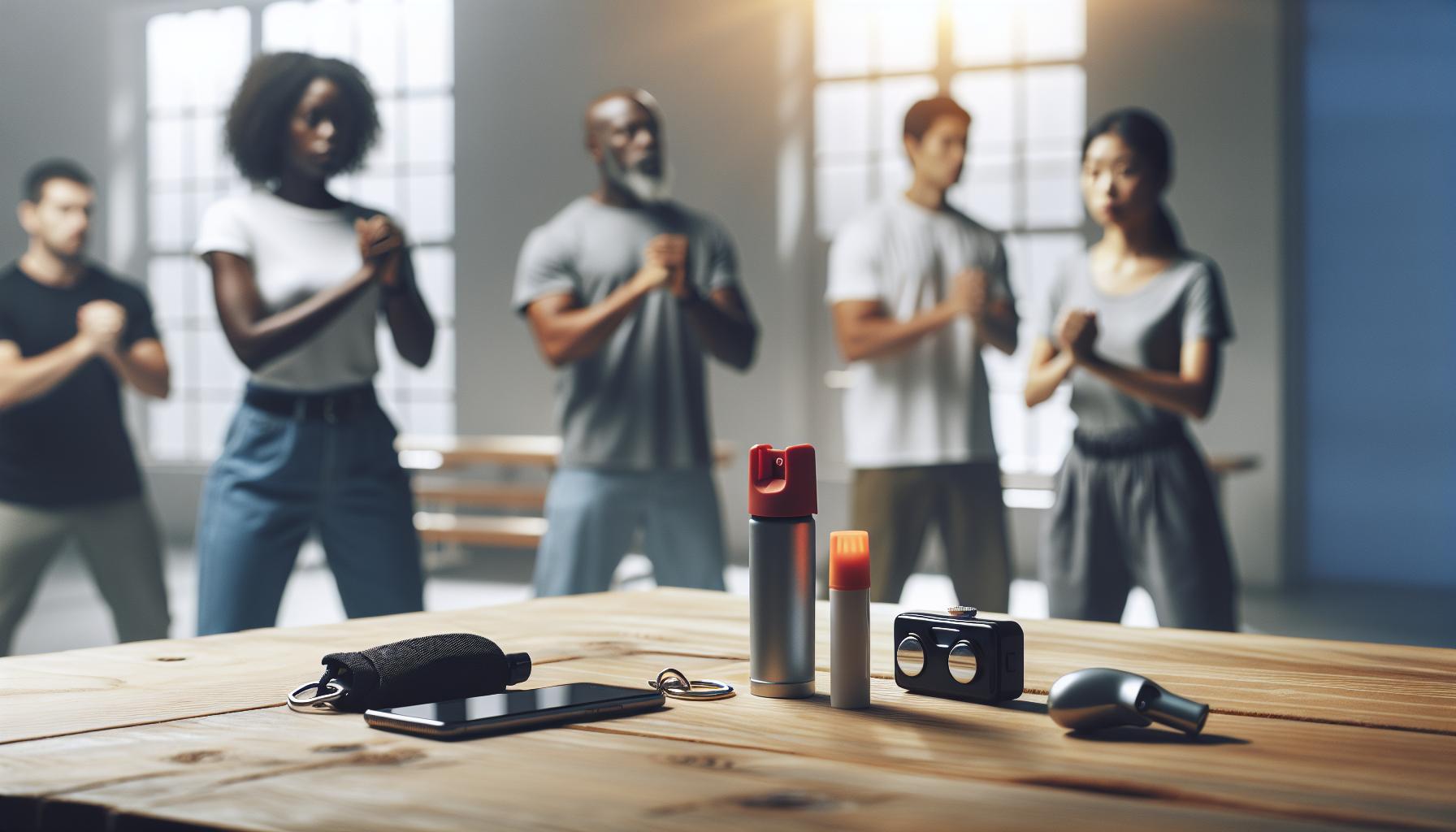
Non-Lethal Self Defense Alternatives: When to Use Them
In a world where personal safety is a priority, many individuals are exploring self-defense options beyond lethal firearms. Non-lethal self-defense alternatives offer a way to protect oneself while minimizing the risk of permanent harm or legal complications. Understanding when and how to use these alternatives can empower you to respond effectively without escalating a situation unnecessarily.
Non-lethal tools such as pepper spray, stun guns, and personal alarms serve various defensive purposes. Pepper spray is highly effective for creating a temporary barrier between you and an assailant, allowing for an escape. It’s crucial to familiarize yourself with the best types and ranges of sprays available, as well as local laws regarding their use. For instance, some states have regulations on the strength of the spray or on carrying it in public. Similarly, stun guns can incapacitate an attacker quickly without causing long-term damage, though they require close proximity to the target and have legal implications in some jurisdictions.
Recognizing the need for de-escalation is often vital in self-defense situations. Techniques from martial arts, such as Krav Maga or Brazilian Jiu-Jitsu, emphasize using an opponent’s energy against them and focusing on escape rather than confrontation. These skills can be invaluable in navigating potentially dangerous interactions without resorting to weapons. Understanding verbal de-escalation techniques can also significantly reduce the need for physical confrontation. Training in these areas not only builds confidence but also prepares you mentally for real-world scenarios where the aim is to avoid violence.
Ultimately, the decision to use non-lethal options depends on the context of the threat you face. Always consider the proportionality of your response and the potential consequences of your actions. Engaging in thorough training and educating yourself on local laws will ensure that you are prepared to use non-lethal measures safely and effectively. Establishing a clear understanding of your rights and responsibilities in self-defense situations is crucial. Empower yourself with knowledge, and approach self-defense with the aim of protection rather than aggression.
Comparing Self Defense Firearms: A Buyer’s Guide
When it comes to choosing a firearm for self-defense, the decision can be overwhelming given the variety of options available. Understanding the core features, advantages, and limitations of each type of gun is essential for making an informed choice. Self-defense firearms can vary significantly in their operation, size, caliber, and intended use. Below are some key factors to consider while comparing firearms for self-defense purposes.
Types of Firearms to Consider
- Handguns: Often preferred for home defense and concealed carry due to their compact size and ease of use.
– Revolvers: Simple to operate, reliable, and typically require less maintenance. However, they usually hold fewer rounds and have slower reload times.
– Semi-Automatic Pistols: Offer quick follow-up shots and often have larger capacities. They do, however, require some familiarity with their use and maintenance.
- Shotguns: Highly effective for home defense due to their stopping power and wide shot spread, which increases the chances of hitting a target. However, they can be more challenging to maneuver in tight spaces.
- Rifles: Tactical rifles, such as AR-15s, are increasingly used for home defense. They provide accuracy and range but may not be as practical for small living spaces.
Caliber Considerations
When selecting a firearm, the caliber can dramatically impact its effectiveness. Common self-defense calibers include .380 ACP, 9mm, and .45 ACP for handguns; 12-gauge for shotguns; and various rifle calibers like .223 or 7.62 NATO. Each caliber has distinct characteristics:
- Stopping Power: Higher calibers like the .45 ACP deliver significant stopping power but may pose more recoil.
- Manageability: Calibers like the 9mm are popular for their balance of power and recoil, making them suitable for most shooters.
- Availability: Opt for commonly used calibers to ensure ammunition is readily available for your training needs.
Legal Considerations
Before purchasing any firearm, it’s essential to familiarize yourself with local laws and regulations regarding firearm ownership, carry permits, and self-defense justifications. Each state has specific laws dictating when and how you can use a firearm for self-defense, and penalties for misuse can be severe. Training in these legal frameworks not only helps protect your rights but also ensures you can make informed decisions under pressure.
Ultimately, selecting the right firearm for self-defense hinges on personal preferences, lifestyle, and preparedness for the responsibilities that come with gun ownership. Regular training and education on self-defense principles, legal limitations, and safe storage practices are vital in empowering responsible firearm use. Choose a weapon that complements your ability to handle it safely and effectively, and remember, the goal is to protect yourself while ensuring that your actions remain within the bounds of the law.
Community Perspectives: Choosing the Best Gun for You
While selecting a firearm for self-defense can feel daunting, the decision ultimately hinges on personal circumstances and preferences. One of the most important aspects to consider is your own comfort level with handling firearms. Community input shows that many first-time buyers find value in starting with a compact 9mm semi-automatic pistol, such as the Glock 19 or Smith & Wesson M&P, due to their balance of manageability and stopping power. These models are widely recommended by both experienced shooters and educators, indicating their reliability in high-stress situations.
Another key consideration is the environment in which you’ll be using your firearm. Individuals living in urban areas may prefer handguns for their concealability, while those in rural settings might opt for shotguns or tactical rifles like the AR-15 for home defense due to their effectiveness at longer ranges. Real-life scenarios shared in self-defense courses underscore the necessity of understanding the dynamics of your living space, as effective use of a firearm can be influenced by layout and proximity to potential threats.
Safety and legal awareness cannot be overstated. Engaging in discussions with fellow firearm owners in local training groups can provide insights into state-specific laws governing self-defense. Understanding these regulations ensures that you make informed decisions-both in terms of firearm choice and in situations where you may need to use it. Regular practice not only improves your skills but also reinforces the importance of de-escalation tactics. Many community members encourage prospective gun owners to train with professionals to develop both proficiency and confidence.
Lastly, consider mental preparedness as part of your decision-making process. Having the right mindset is critical when entering self-defense situations. Community experiences highlight that emotional readiness can define the outcome of an encounter. Thus, it’s essential to cultivate a responsible and measured approach to self-defense, balancing the empowerment that comes with owning a firearm and the sobering reality of the consequences associated with its use.
Frequently asked questions
Q: What is the most effective caliber for self-defense?
A: The most effective caliber for self-defense typically ranges from 9mm to .45 ACP, depending on your comfort and proficiency. 9mm offers manageable recoil and greater magazine capacity, while .45 ACP provides stopping power. Choose a caliber that balances effectiveness with your ability to shoot accurately under stress.
Q: How do I choose the right size handgun for self-defense?
A: When choosing a handgun size for self-defense, consider your physical ability to handle it and your intended carry method. Compact or subcompact models are easier to conceal, while full-size handguns often provide better accuracy and control. Always prioritize comfort and usability in stressful situations.
Q: Is a shotgun better than a handgun for home defense?
A: A shotgun can be more effective than a handgun for home defense due to its wider spread and stopping power. However, handguns are easier to maneuver in tight spaces and quicker to access. Assess your living situation and personal comfort level with each type for the best choice.
Q: What safety features should I look for in a self-defense firearm?
A: Look for safety features such as a manual safety, loaded chamber indicator, and a drop safety when choosing a self-defense firearm. These features help prevent accidental discharges and enhance overall safety, ensuring you can focus on handling the weapon responsibly.
Q: How should I practice for self-defense scenarios?
A: Practicing for self-defense scenarios includes regular training at a shooting range, focusing on draw speed, accuracy, and stress management. Incorporate scenario-based training to simulate real-life situations. Additionally, consider self-defense classes to enhance your skills beyond shooting.
Q: Are there state-specific laws regarding self-defense firearm use?
A: Yes, self-defense firearm laws vary by state, including the use of lethal force and the duty to retreat. It’s crucial to understand the laws in your area regarding self-defense to ensure you remain within legal bounds while protecting yourself.
Q: What are the best non-lethal self-defense options?
A: The best non-lethal self-defense options include pepper spray, personal alarms, and stun guns. These tools can effectively deter attackers while minimizing the potential for severe harm. Choose one that you can use confidently and that is legal in your area.
Q: How can I effectively store my self-defense firearm?
A: Store your self-defense firearm in a secure, locked container that is easily accessible to you but inaccessible to unauthorized users, especially children. Consider biometric safes for quick access. Always ensure the firearm is unloaded when storing it to enhance safety.
For more information on choosing the right firearm for self-defense, consider exploring our full guide on comparing self-defense firearms for a detailed evaluation of pros and cons.
Closing Remarks
As you consider the right firearm for self-defense, remember that preparation is just as vital as the weapon itself. Whether you lean toward compact handguns like the Glock 19 or versatile rifles, each choice has its strengths and suitability for different scenarios. Ensure you understand the legal implications of firearm ownership in your area and the essential safety protocols needed.
Don’t stop here-explore our guides on home defense strategies and effective self-defense classes to further enhance your preparedness. Sign up for our newsletter to receive expert tips straight to your inbox and join a community that prioritizes safety and education. Equip yourself with knowledge today, because your ability to protect yourself is the ultimate defense. What will your next step be? Share your thoughts in the comments and let’s keep the conversation going!
Get our latest guides, news, and insights highlighted in your Google Search & AI Overviews.