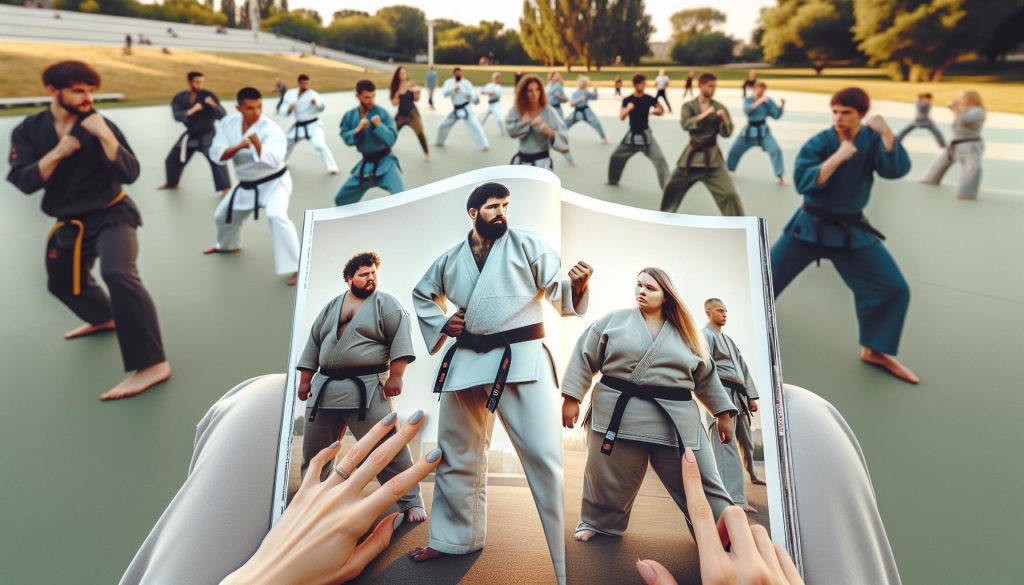
Many people are hesitant to begin their martial arts journey due to concerns about body weight or fitness levels. The truth is, when it comes to Krav Maga, it’s not about fitting a specific mold; it’s about empowerment, self-defense, and personal growth. This article explores body positivity within the context of martial arts, addressing common fears and misconceptions. Understanding that Krav Maga is accessible to individuals of all shapes and sizes is crucial for anyone considering this powerful self-defense system. By fostering body acceptance and focusing on capability rather than appearance, we can encourage a more inclusive atmosphere. Join us as we delve into the unique benefits of Krav Maga, reinforcing the notion that anyone can train effectively, regardless of their body type. Your journey toward confidence and safety starts here.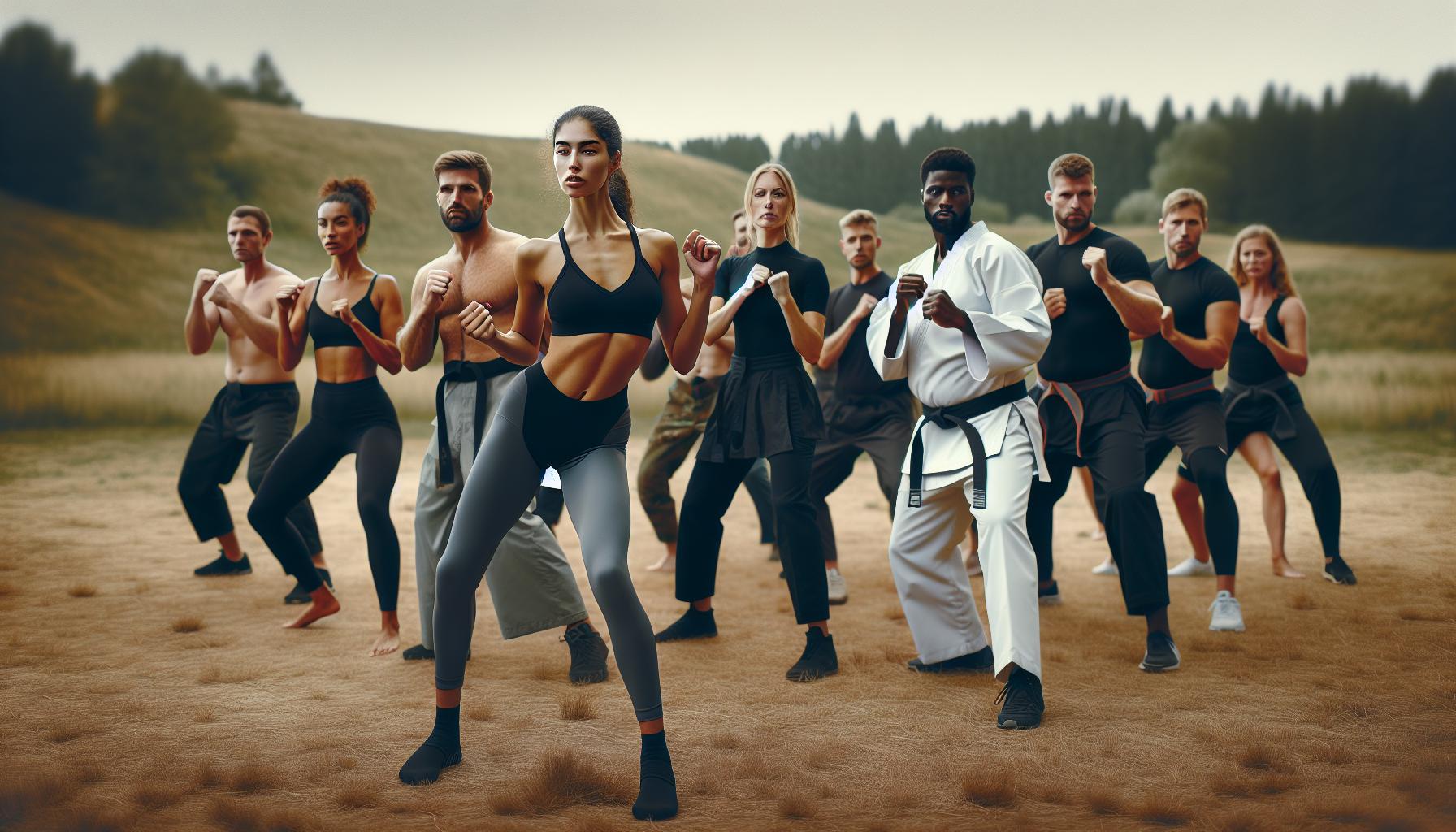
Am I Too Fat to Practice Krav Maga? Understanding Body Positivity in Martial Arts
Many people wonder if they are too heavy or too out of shape to participate in martial arts, but the reality is that Krav Maga is designed to be accessible for individuals of all body types. It’s a practical self-defense system that prioritizes effectiveness over athleticism. The focus is on employing techniques that can be learned and applied regardless of physical size or skill level. Importantly, Krav Maga training is structured to enhance your confidence and physical capabilities while allowing individuals to progress at their own pace.
The essence of martial arts, particularly Krav Maga, lies not in meeting a specific physical ideal, but in building skills that can be applied in real-world scenarios. This practice fosters a supportive community that values inclusivity and empowerment. Students are encouraged to embrace their unique physical attributes and focus on their personal growth. For individuals who might feel apprehensive about starting due to concerns about weight or body image, remember that many successful practitioners have experienced transformations not just in their physical fitness but also in their mental fortitude.
- Self-Acceptance: Begin by acknowledging your body and its capabilities. Krav Maga can improve fitness, but it also cultivates a mindset of self-respect.
- Personal Growth: Every training session is an opportunity to learn and grow, so focus on your progress rather than comparing yourself to others.
- Community Support: Seek out schools that emphasize inclusivity and body positivity to ensure a welcoming environment.
In essence, Krav Maga provides a safe space for everyone, regardless of their starting point. The training focuses on realistic self-defense techniques that empower individuals and enhance self-awareness and confidence. Embrace the journey of learning, and remember that everyone, regardless of size or fitness level, deserves the opportunity to learn self-defense and improve their physical and mental well-being.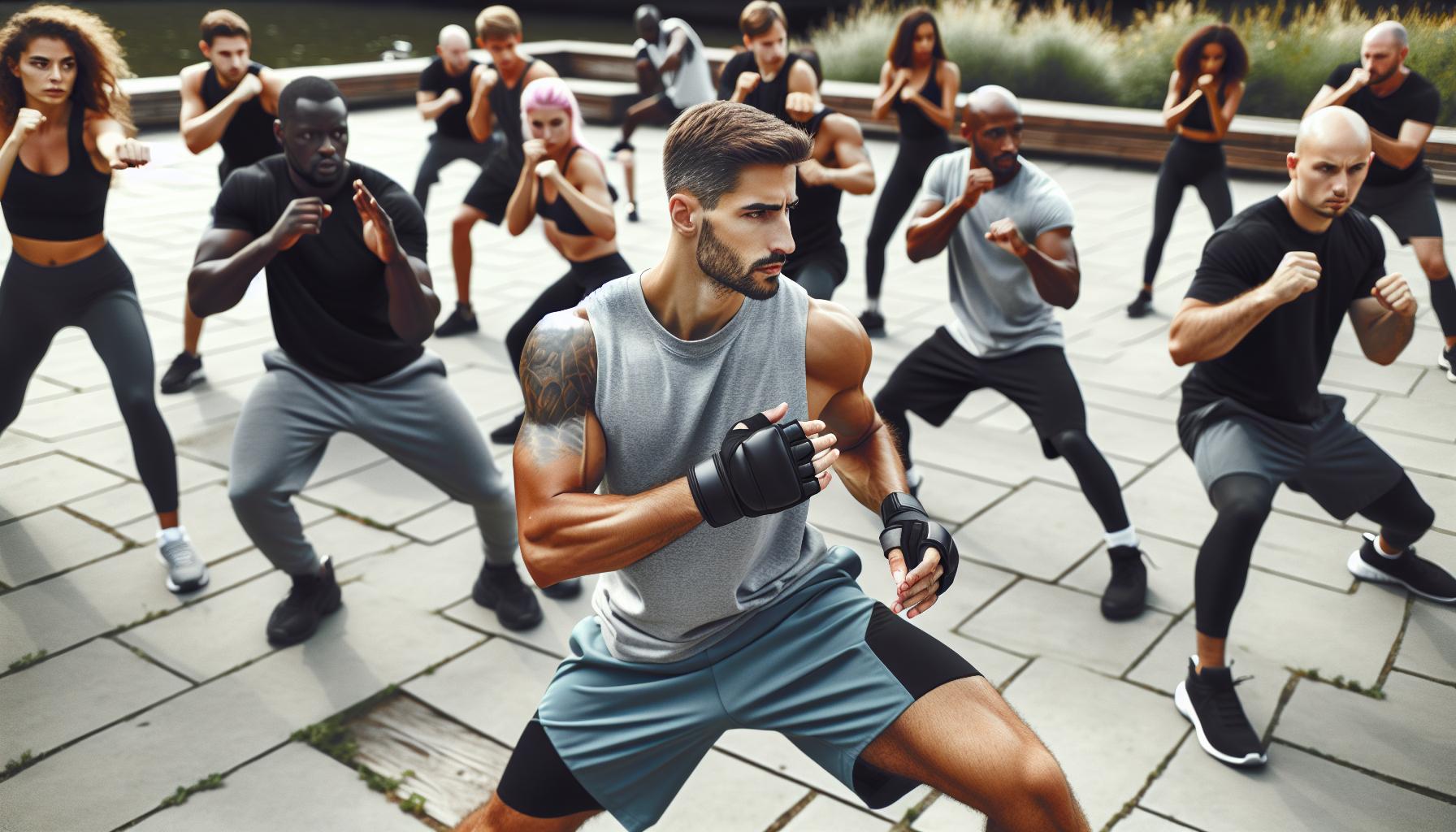
The Benefits of Krav Maga for All Body Types
Krav Maga stands out as a martial art that truly embodies inclusivity, making it accessible to individuals of all body types and fitness levels. This self-defense system emphasizes practical techniques that prioritize effectiveness over physical size or athletic prowess, allowing anyone interested to participate and thrive. One of the core principles of Krav Maga is that it equips practitioners with the skills to defend themselves against real-life threats while building their physical fitness and mental resilience. This dual focus not only enhances self-protection capabilities but also promotes physical well-being, making it a valuable practice for everyone, regardless of their starting point.
Practitioners of varying body types can benefit from the following:
- Empowerment and Confidence: Training in Krav Maga fosters a significant boost in self-esteem. As individuals learn to apply techniques effectively, they become more confident in their ability to handle confrontational situations, which translates to a greater sense of empowerment in daily life.
- Physical Fitness Improvement: Regular training sessions improve cardiovascular health, strength, and flexibility. The tailored nature of Krav Maga allows individuals to progress according to their own pace and capabilities, leading to meaningful physical improvements over time.
- Mental Resilience: Beyond physical training, the practice greatly enhances mental toughness. Participants learn to think clearly under pressure and develop a proactive mindset, which is invaluable not only in self-defense scenarios but also in everyday challenges.
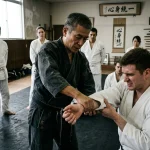
Moreover, the supportive environment fostered in Krav Maga classes encourages mutual respect among students. Instructors and peers alike celebrate each person’s unique journey, creating a community where all participants can focus on personal growth rather than feeling pressured to meet specific fitness standards or body ideals. This nurturing atmosphere allows individuals to embrace their physical attributes, which is pivotal in building a positive self-image.
Krav Maga reflects a holistic approach to self-defense and personal development, combining physical skills, mental strength, and an inclusive community atmosphere. By prioritizing real-world application over aesthetic concerns, the practice becomes a transformative vehicle for growth that celebrates the diversity of all practitioners. So, whether you’re concerned about weight, fitness level, or age, Krav Maga offers a welcoming path to self-improvement and empowerment that is open to everyone.
Debunking Myths: Body Size and Martial Arts Performance
In the world of martial arts, particularly in disciplines like Krav Maga, misconceptions about body size and performance can be pervasive. A common myth is that larger individuals may struggle to perform effectively or lack the capacity to defend themselves. However, reality tells a very different story. Martial arts, especially Krav Maga, is fundamentally designed to leverage technique, skill, and situational awareness over sheer physical prowess. This means that anyone, regardless of size, can utilize their strengths to immobilize a potential threat and ensure their safety.
One significant advantage of Krav Maga is its emphasis on practical self-defense techniques that anyone can learn. Techniques such as striking, grappling, and escaping can be adapted to suit individual strengths and fitness levels. For instance, while someone with a larger build might have more power in strikes, a smaller individual can focus on speed and agility to evade and counterattack effectively. Krav Maga instructors often provide personalized feedback, ensuring that each training session is tailored to the practitioner’s unique body type and capabilities.
Additionally, the supportive atmosphere of Krav Maga classes fosters an environment where differences in body size are celebrated rather than stigmatized. Instructors emphasize that success in self-defense scenarios often comes from confidence and mental resilience rather than physical size. Many practitioners report significant boosts in their confidence levels and mental toughness through consistent training, which directly translates to enhanced performance in real-world situations.
Ultimately, understanding that martial arts is accessible to everyone, regardless of body size, is essential for fostering body positivity in these communities. It’s important to remember that self-defense is not just about physical confrontation; it involves mental preparedness and the ability to de-escalate situations. Krav Maga encourages individuals to embrace their unique attributes while providing them with the tools needed for effective self-defense, thus challenging the limiting beliefs surrounding body size in martial arts.
How to Find the Right Krav Maga School for You
Choosing the right Krav Maga school can significantly enhance your learning experience and overall comfort as you embark on your martial arts journey. When considering a school, it’s essential to find an environment that embraces body positivity and encourages practitioners of all sizes to thrive. Start by researching local schools and visiting their websites to understand their philosophies and curriculums. Look for schools that explicitly promote inclusivity and diversity, celebrating all body types and fitness levels.
Once you’ve shortlisted a few schools, take the time to visit them in person. Attending a trial class can provide invaluable insights into the atmosphere, instructor approach, and the dynamics of the student body. Pay attention to how instructors interact with students, especially those who may be less agile or have different body types. A supportive instructor who prioritizes technique over size will likely provide a better environment for your growth. Moreover, the presence of students of varied sizes and abilities can foster a sense of belonging, allowing you to feel comfortable as you practice.
Inquire about the training styles and the school’s focus on personalized instruction. A good Krav Maga program should emphasize adapting techniques to fit each practitioner’s physicality. This ensures safety and effectiveness, allowing you to maximize your strengths-whether you have a larger frame or a smaller one. Schools that offer smaller class sizes or one-on-one sessions can provide more tailored feedback, helping you develop both skills and confidence in self-defense situations.
Lastly, consider the school’s values regarding safety, legal implications of self-defense, and ethics. The right school should not only teach you how to defend yourself but also emphasize the importance of de-escalation and using techniques responsibly. Look for instructors who stress the legal dimensions of self-defense, ensuring you’re well-versed in not just the physical aspects but also the legal context of self-defense practice. By prioritizing these factors, you’ll find a Krav Maga school that supports your journey toward empowerment, confidence, and practical self-defense skills.
Essential Gear for Krav Maga Practitioners of All Sizes
To effectively practice Krav Maga, it’s essential to have the right gear that accommodates practitioners of all sizes. Investing in suitable equipment not only enhances comfort and safety but also boosts confidence in training sessions. Here’s a guide to the essential gear you’ll need, regardless of your body type.
Essential Gear for Krav Maga
- Shoes: Choose supportive training shoes designed for impact and flexibility. A good pair will provide the grip needed for quick movements and stances. Look for shoes that fit well, as comfort is crucial when performing drills and techniques.
- Clothing: Opt for breathable, moisture-wicking fabrics that allow for full range of motion. Consider athletic wear that is stretchy and doesn’t restrict movement, particularly around the shoulders and hips. Many brands offer sizes that cater specifically to a diverse range of body types.
- Hand Protection: Invest in quality boxing gloves or hand wraps to protect your hands during training. Gloves come in various weights and sizes, ensuring that you can find a pair suited to your size and strength. Ensure these are well-fitted to provide the best protection and comfort.
- Body Armor: Depending on your training intensity, consider wearing a mouthguard and shin guards. These items provide an additional layer of safety during sparring and technique practice, particularly if you’re new to the sport.
- Protective Gear: While not always required, some practitioners benefit from wearing chest protectors or groin cups during training to minimize injury risk during physical contact.
Each piece of equipment plays a crucial role in ensuring a safe and effective training experience. It’s also important to regularly check your gear for wear and damage-safety is paramount, and well-maintained equipment helps prevent injuries. Additionally, many Krav Maga schools offer recommendations for gear, helping you make informed purchases that align with your specific practice needs.
Embracing body positivity includes recognizing that all practitioners, regardless of size, need protective gear that fits well and meets personal safety requirements. Finding the right gear fosters a supportive training environment, encouraging everyone to engage fully in their Krav Maga journey. Remember, it’s not about conforming to a particular standard; it’s about equipping yourself to thrive in the practice of self-defense.
Navigating Inclusivity in Martial Arts Communities
Creating an inclusive environment in martial arts, such as Krav Maga, is essential for practitioners of all body types and backgrounds. Communities often thrive when all individuals feel welcome, respected, and valued for their unique contributions. This sense of belonging not only boosts confidence but also enhances the overall training experience. Instructors play a crucial role in fostering this inclusivity by employing techniques that accommodate different abilities and physical conditions. For instance, modifying traditional drills can ensure that everyone can participate meaningfully and safely, regardless of size or fitness level.
Understanding the barriers that individuals may face when entering a martial arts community is vital. Negative experiences or perceptions, such as feeling judged based on body size, can deter potential practitioners from engaging with Krav Maga. Open discussions about body positivity and acceptance within training sessions can help dismantle these barriers. Instructors should encourage students to share their experiences, create dialogue around their unique needs, and develop a culture where everyone can train without fear of discrimination or ridicule.
Moreover, establishing clear guidelines on respect and support among peers reinforces a strong community foundation. Such practices can include mentorship programs where more experienced practitioners guide newcomers, promoting a collaborative rather than competitive environment. Celebrating personal achievements-no matter how small-fosters a sense of accomplishment and reinforces the message that Krav Maga is for everyone. By embracing diverse body types and experiences, martial arts schools not only enrich their training environment but also play a critical role in promoting body positivity and confidence amongst all practitioners.
Real-Life Success Stories: Transformations in Krav Maga
Many individuals have found transformative success through Krav Maga, regardless of their initial body size or fitness level. One compelling story is that of Sarah, a woman who struggled with body image issues for years. After joining a local Krav Maga school, she discovered not only effective self-defense techniques but also a supportive community that emphasized body positivity. Sarah’s journey is a testament to how martial arts can foster confidence and resilience. As she progressed in her training, she learned to appreciate her body for its strength and abilities rather than focus solely on its appearance.
Another inspiring example is James, who initially felt intimidated by the idea of attending martial arts classes due to his larger frame. After overcoming his fears, he quickly found that Krav Maga was designed for practitioners of all sizes. James enjoyed the practical nature of the training and discovered that his size gave him unique advantages in certain techniques. Over time, he not only improved his fitness but also built friendships within the dojo. His story illustrates that Krav Maga is truly accessible, as it adapts to the needs of every practitioner, setting the stage for personal growth that goes beyond physical fitness.
These real-life transformations highlight the importance of embracing an inclusive mindset in martial arts. Practitioners who may initially doubt their capabilities find strength in the teachings of Krav Maga. The journey taken by individuals like Sarah and James reinforces the message that martial arts training is not about fitting a specific mold but rather about empowering each person to discover and celebrate their unique strengths. By sharing these stories, we promote a culture of acceptance and encourage potential practitioners to envision themselves as part of the Krav Maga community-regardless of their body type or fitness level.
Tips for Training Safely and Effectively in Krav Maga
Training in Krav Maga can be a transformative experience, particularly for those who may be concerned about their body size or fitness level. Understanding how to train safely and effectively is crucial for anyone, regardless of their starting point. Here are some essential tips to consider as you embark on your Krav Maga journey.
First and foremost, listen to your body. Everyone’s physical condition is different, and it’s essential to understand your own limits. Begin your training with self-awareness; if you feel any discomfort or pain during an exercise, it’s vital to communicate this to your instructor. This openness can help personalize your training and ensure that you’re not pushed beyond your capabilities too quickly. Additionally, inform your instructor of any past injuries or conditions; a good instructor will modify techniques to accommodate your needs, ensuring you can practice safely.
Another important aspect is the gradual progression of skills. Krav Maga encompasses a wide range of techniques, and attempting to master everything at once can lead to frustration or injury. Focus on foundational movements and make sure you are comfortable with them before moving on to more complex techniques. Regularly practicing basic drills can help build your confidence and reinforce the fundamentals that will support more advanced skills.
Moreover, consider the importance of a supportive training environment. Seek out a Krav Maga school known for its inclusive culture, where instructors prioritize safety and positivity. These schools often emphasize personal growth and community, making it easier for practitioners of all sizes to feel welcome and supported. Look for classes that also include drills specifically designed for various fitness levels, where adjustments and variations are encouraged.
Lastly, maintaining proper gear is essential for both comfort and safety during training. Invest in high-quality martial arts gear, such as proper footwear and protective equipment like gloves and shin guards, as these can help reduce the risk of injury and enhance your training experience. Wearing comfortable clothing that allows for a full range of motion will also make your practice more enjoyable.
Remember, Krav Maga is designed for self-defense and empowerment, not just physical prowess. With the right approach to training, a positive mindset, and a focus on safety and effective techniques, anyone can thrive in this discipline, irrespective of their body type or fitness level.
Body Positivity: Cultivating Confidence Through Martial Arts
Participating in Krav Maga can serve as a powerful catalyst for cultivating body positivity and self-confidence, regardless of one’s body size or fitness level. Many individuals carry insecurities about their physical appearance, which can inhibit their willingness to try new activities. Yet, martial arts environments often foster inclusivity and support, helping participants shift their focus from limitations to possibilities. This shift can be transformative, allowing individuals to appreciate their bodies for what they can do rather than how they look.
In practice, individuals of all shapes and sizes can experience significant benefits from Krav Maga training, including strength, agility, and self-awareness. For example, the discipline emphasizes self-defense techniques that utilize body mechanics effectively, irrespective of size. A properly trained instructor will encourage students to develop skills that cater to their unique physical attributes, reinforcing the notion that everyone can excel even if they don’t conform to traditional fitness ideals. When practitioners successfully execute a technique or overcome a challenge, it boosts their confidence, reinforcing a positive body image.
Moreover, the Krav Maga community is often characterized by camaraderie and encouragement. Practitioners learn that their worth is not hinged on appearance, but on their commitment, persistence, and growth. Sharing experiences with peers facing similar challenges can create a deep sense of belonging and support. The communal aspect not only motivates individuals to train consistently but also cultivates respect for oneself and others.
At the core of cultivating confidence through martial arts is the understanding that self-defense is not about aggression but about empowerment. Each training session is an opportunity to express resilience and adaptability. Whether progressing from basic movements to complex techniques or achieving personal fitness goals, the journey in Krav Maga can become a vital part of a larger story about embracing one’s body, learning self-acceptance, and redefining what it means to be strong. In this way, Krav Maga serves as an avenue for body positivity, highlighting that every person, regardless of size, deserves to feel strong, capable, and valued.
The Role of Nutrition and Fitness in Martial Arts Practice
Nutrition and fitness play a crucial role in martial arts practice, particularly in disciplines like Krav Maga, where physical performance and energy levels are essential. Maintaining a balanced diet can significantly enhance your training outcomes, allowing you to maximize your capabilities. It’s important to fuel your body properly to support rigorous training sessions. A well-rounded nutrition plan should focus on whole foods, including plenty of vegetables, fruits, lean proteins, whole grains, and healthy fats. These elements not only provide the energy necessary for strenuous physical activity but also aid in recovery and muscle building.
When approaching fitness, remember that engaging in Krav Maga entails more than just learning self-defense techniques; it builds strength, flexibility, and endurance. A structured fitness regimen accompanying your martial arts training can enhance your overall ability to perform techniques effectively. Incorporating cardiovascular workouts, strength training, and flexibility exercises can create a well-rounded fitness program. Here are some key components to consider:
- Cardiovascular Fitness: Activities like running, cycling, or swimming improve heart health and endurance, crucial for sustaining energy during intense training.
- Strength Training: Building muscle through weights or body-weight exercises (like push-ups or squats) enhances your power and control during techniques.
- Flexibility and Mobility: Regular stretching or yoga can improve your range of motion, allowing for smoother movements and reducing the risk of injury.
Understanding your body and its unique needs is essential. Each individual has different dietary requirements and fitness levels, so adapting your nutrition and training plan to suit your specific situation is important. For instance, if you’re new to exercise or returning after a break, start slowly and gradually increase intensity and volume to prevent injury. Setting achievable goals, whether related to body composition, skill acquisition, or personal bests, can help maintain motivation and foster a positive mindset.
Ultimately, focusing on nutrition and fitness not only supports your martial arts practice but also contributes to a stronger sense of body positivity. By recognizing your progress, whether it’s improving your stamina, mastering a new technique, or simply feeling healthier, you reinforce the notion that your worth isn’t defined by size or appearance but by your commitment to personal growth and self-improvement.
Krav Maga Techniques for All Fitness Levels
Krav Maga is designed to be effective regardless of a person’s size or fitness level, making it an inclusive martial art for everyone. Unlike many traditional martial arts, Krav Maga emphasizes practical self-defense techniques that leverage an individual’s unique strengths and body mechanics. This means that practitioners can utilize their specific attributes, such as strength, leverage, and timing, to perform techniques effectively, irrespective of their body size or fitness.
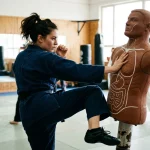
One of the fundamental techniques in Krav Maga is the use of powerful strikes-executing punches or elbows against an opponent can be highly effective, no matter your build. For example, someone who might not be as fit can focus on mastering the mechanics of striking their opponent effectively. Practicing these techniques in a controlled setting helps build confidence and physical ability over time. You can start with techniques like the straight punch, palm strike, or knee thrust, all of which can be applied effectively without requiring a high level of physical fitness.
Additionally, Krav Maga emphasizes situational awareness and de-escalation techniques. Understanding when to use your skills versus avoiding confrontation can be just as vital. Instructors often stress that the best way to handle a confrontation may not involve physical techniques at all-sometimes, it’s about using your voice or minimizing escalation. Knowing these tactics instills confidence in practitioners of any size, ensuring that they can protect themselves intelligently rather than relying solely on physical confrontation.
Remember, safety is paramount. As you train, it’s essential to work at your own pace and listen to your body. Engaging in drills that progressively build your skills while emphasizing safety protocols helps mitigate injury risks. A supportive Krav Maga school will ensure that everyone trains together, creating an inclusive environment where different fitness levels are respected and encouraged. As you integrate these techniques into your training, you’ll discover that Krav Maga not only boosts your physical condition but also fosters a strong sense of community and body positivity among its practitioners.
Legal Considerations and Self-Defense for Everyone
Understanding the legal parameters of self-defense is crucial for anyone practicing Krav Maga, regardless of body type or fitness level. The use of force in self-defense situations is governed by specific laws that are distinct in every state. Knowing these laws can empower you while also ensuring you act within legal boundaries when confronted with a threat. In many jurisdictions, self-defense laws dictate that you must respond proportionally to the threat you face, meaning that the force you use should not exceed what is necessary to protect yourself.
When engaging in any self-defense training, it’s important to recognize the concept of de-escalation. Most legal frameworks emphasize avoiding violence whenever possible. This can be applied in real-life scenarios-if faced with an aggressive individual, using verbal de-escalation techniques might mitigate the situation without the need for physical confrontation. For example, calmly asserting your intent to leave or communicating that you don’t wish to engage can often defuse potential violence, keeping you safe and within legal limits.
In situations where physical self-defense becomes necessary, understanding the “reasonable person” standard is key. This legal test assesses whether a typical individual in a similar situation would believe that force was necessary. For practitioners who may feel unsure about their ability to effectively defend themselves, remember that Krav Maga techniques focus on using quick, impactful strikes that can deliver results irrespective of size. Yet, the emphasis should remain on personal safety, escape, and creating distance rather than seeking to dominate an opponent.
To further navigate these complexities, participating in seminars or legal self-defense workshops can provide valuable insights. These sessions often delineate the boundaries of lawful self-defense and can reference relevant case law. Ultimately, empowering yourself through knowledge of legal considerations along with your martial arts training will enhance not only your confidence but also your capacity to protect yourself and others ethically and responsibly.
Q&A
Q: Can I practice Krav Maga if I am overweight?
A: Yes, you can practice Krav Maga regardless of your weight. Krav Maga is inclusive and adaptable for all body types, focusing on practical self-defense techniques that suit individual physical capabilities. Begin with beginner classes to gradually build strength and confidence while addressing your personal fitness goals.
Q: What should I wear for Krav Maga if I’m plus-sized?
A: Wear comfortable, flexible clothing that allows for movement, such as athletic pants and a moisture-wicking shirt. Ensure your gear fits well to avoid distractions during training. You may find specialized martial arts wear that offers both support and flexibility, helping you feel confident in class.
Q: How can Krav Maga boost my body confidence?
A: Krav Maga enhances body confidence by developing self-defense skills, improving physical fitness, and fostering a sense of community. As you master techniques and witness your own progress, you’ll gain a stronger sense of empowerment and self-worth. Engaging with supportive instructors and fellow practitioners makes a significant difference too.
Q: Will I hold others back in Krav Maga classes due to my size?
A: No, Krav Maga is designed to be inclusive, empowering practitioners of all sizes. Classes are structured to allow individuals to work at their own pace, ensuring that everyone can participate without feeling like they are holding others back. Focus on your journey and personal growth.
Q: Are there Krav Maga techniques specifically for larger individuals?
A: Many Krav Maga techniques can be effectively adapted for larger individuals. Training often emphasizes using leverage and positioning rather than size or strength alone. Discuss your unique needs with your instructor to explore tailored techniques that enhance your effectiveness and confidence.
Q: What mental barriers might I face starting Krav Maga as a larger person?
A: Larger individuals may encounter challenges such as self-doubt or societal biases about fitness. Recognize these barriers as common, and focus on personal growth and self-acceptance. Setting achievable goals and surrounding yourself with a supportive community can significantly help boost your confidence.
Q: How can I ensure safe training as a plus-sized Krav Maga practitioner?
A: Emphasize communication with your instructor about any concerns or limitations. Start with appropriate warm-ups to prepare your body, and listen to your body’s signals during training. Finding a supportive school that prioritizes safety will facilitate a positive training environment.
Q: Is Krav Maga a good workout for all fitness levels?
A: Absolutely! Krav Maga combines cardio, strength, and agility workouts that cater to various fitness levels. You can progress at your own pace, gradually increasing intensity as your fitness improves. This versatility allows all practitioners to benefit from the training.
To Wrap It Up
Embrace your journey in martial arts, regardless of your current fitness level or body type. Krav Maga is not just about physical appearance-it’s about empowerment, self-defense, and community. Remember, every expert was once a beginner! Don’t let doubts hold you back; take the first step today by exploring our free resources on body positivity and self-defense training, and consider signing up for a trial class to experience the supportive environment firsthand.
For more insights, check out our articles on managing weight while training in Krav Maga and how to respect your body’s capabilities. We encourage an open dialogue, so share your thoughts or experiences in the comments below, and join our community of learners who support each other’s growth. You deserve to feel confident and capable-start your journey now!
Get our latest guides, news, and insights highlighted in your Google Search & AI Overviews.