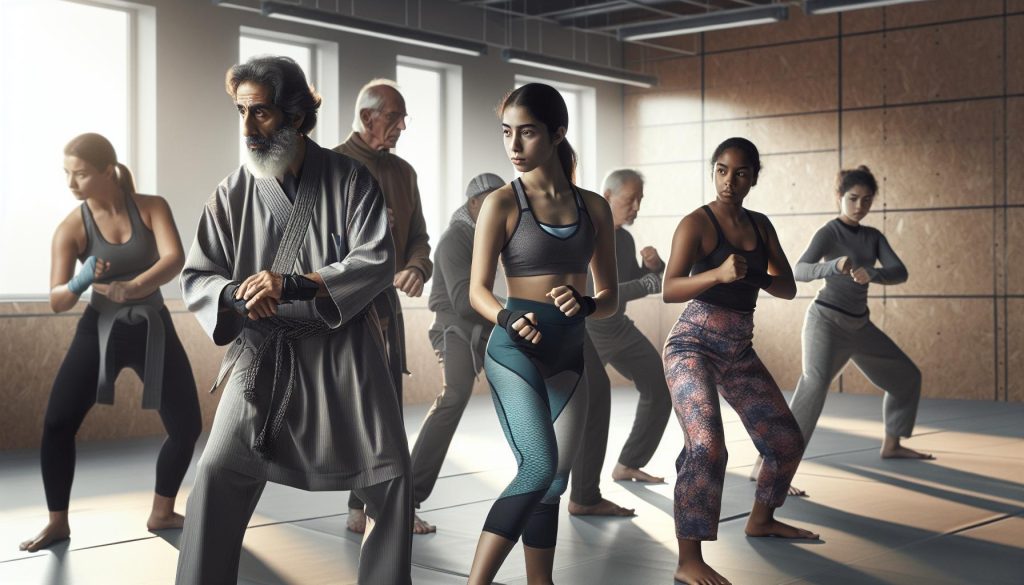
As you ponder the question, “Am I too old for Krav Maga?”, it’s important to remember that self-defense is not strictly reserved for the young. In fact, many practitioners begin their journey later in life, discovering empowerment and confidence through effective self-defense techniques. Learning Krav Maga can enhance your physical fitness, improve your mental resilience, and provide vital skills to navigate today’s world safely.
Whether you are seeking to boost your self-defense knowledge, increase your confidence, or simply explore a new hobby, it’s crucial to recognize that age is just a number in this martial arts journey. If you’ve ever felt hesitant about starting due to your age, you’re not alone. This article will delve into the misconceptions around age and martial arts training, showcasing that it’s never too late to take charge of your safety and well-being. Ready to explore your potential? Let’s discover how you can embark on your Krav Maga journey at any age.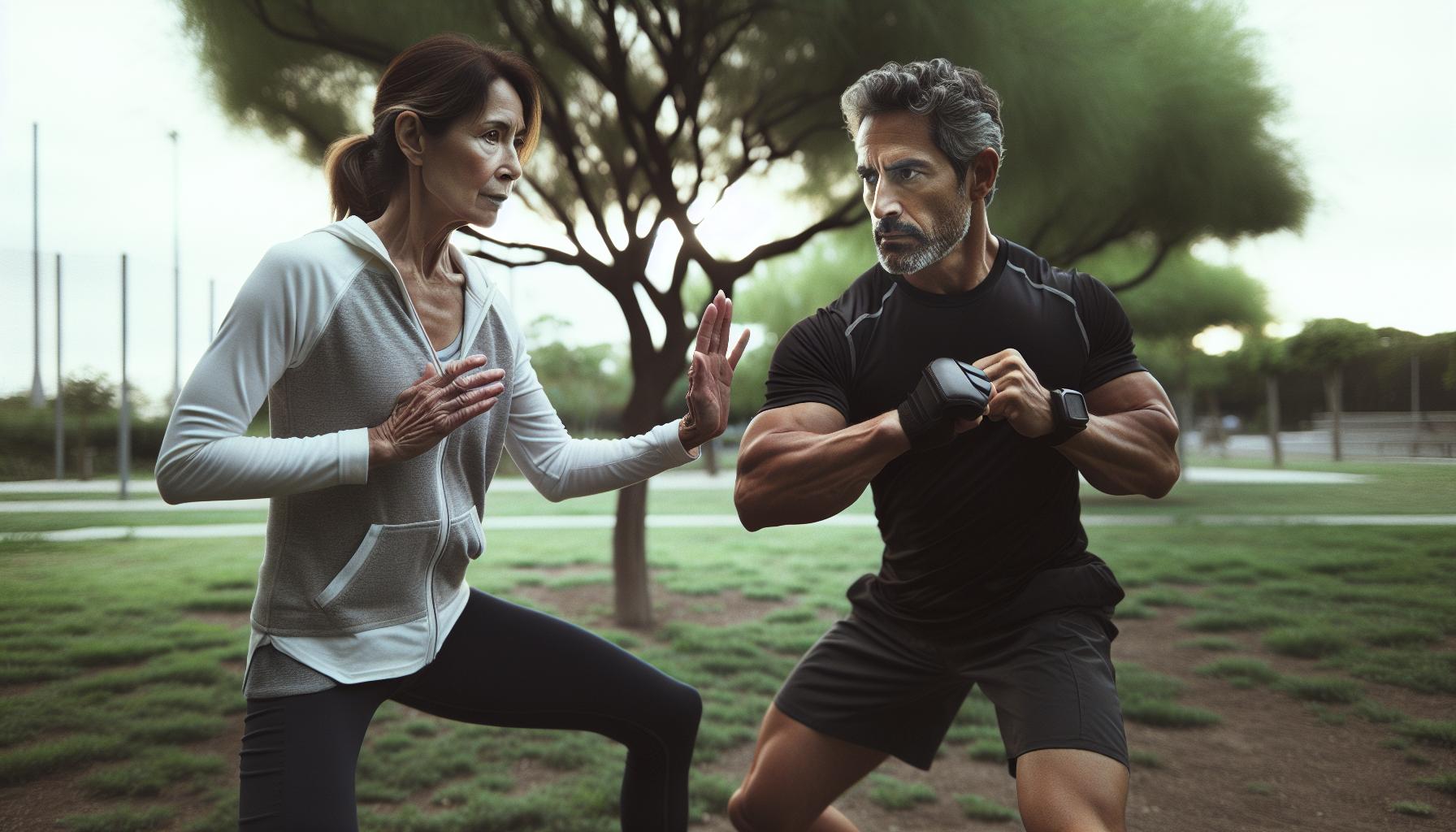
Am I Too Old for Krav Maga? Understanding Age and Self-Defense
Krav Maga is a dynamic self-defense system that accommodates practitioners of all ages, leading many to wonder if they are too old to start. In reality, it’s important to understand that age is not a barrier to engaging in martial arts. Whether you’re in your 40s, 50s, or beyond, many features of Krav Maga can be adapted to suit your physical capabilities and comfort level. This martial art emphasizes practical self-defense techniques that are grounded in instinctive movements, allowing older beginners to learn at their own pace while focusing on technique over brute strength.
One of the crucial takeaways is that the principles of Krav Maga can be integrated into personal safety strategies at any age. Emphasis is placed on situational awareness, de-escalation techniques, and the importance of using proportional responses to threats. This not only helps in real-life confrontations but also enables individuals to build confidence and self-awareness. For those who might feel hesitant due to their age or fitness levels, understanding the mental and emotional aspects of self-defense is just as critical as physical training. Many instructors encourage a supportive environment where older practitioners can learn effectively and safely without the pressure of competing with younger counterparts.
However, it’s imperative for older adults to consult with healthcare providers before embarking on any new physical activity, including Krav Maga, to ensure that they are physically fit to undertake the training requirements. Classes designed for older adults often incorporate modifications that allow participants to practice techniques safely and effectively. Proper warm-up routines and flexibility training are also emphasized to prevent injuries, thereby making Krav Maga an increasingly accessible option for older learners.
In summary, you’re never too old to embrace the principles of self-defense, and Krav Maga is uniquely structured to accommodate individuals of all ages. By fostering a mindset centered around personal safety, confidence, and practical skills, this martial art encourages lifelong learning and empowerment.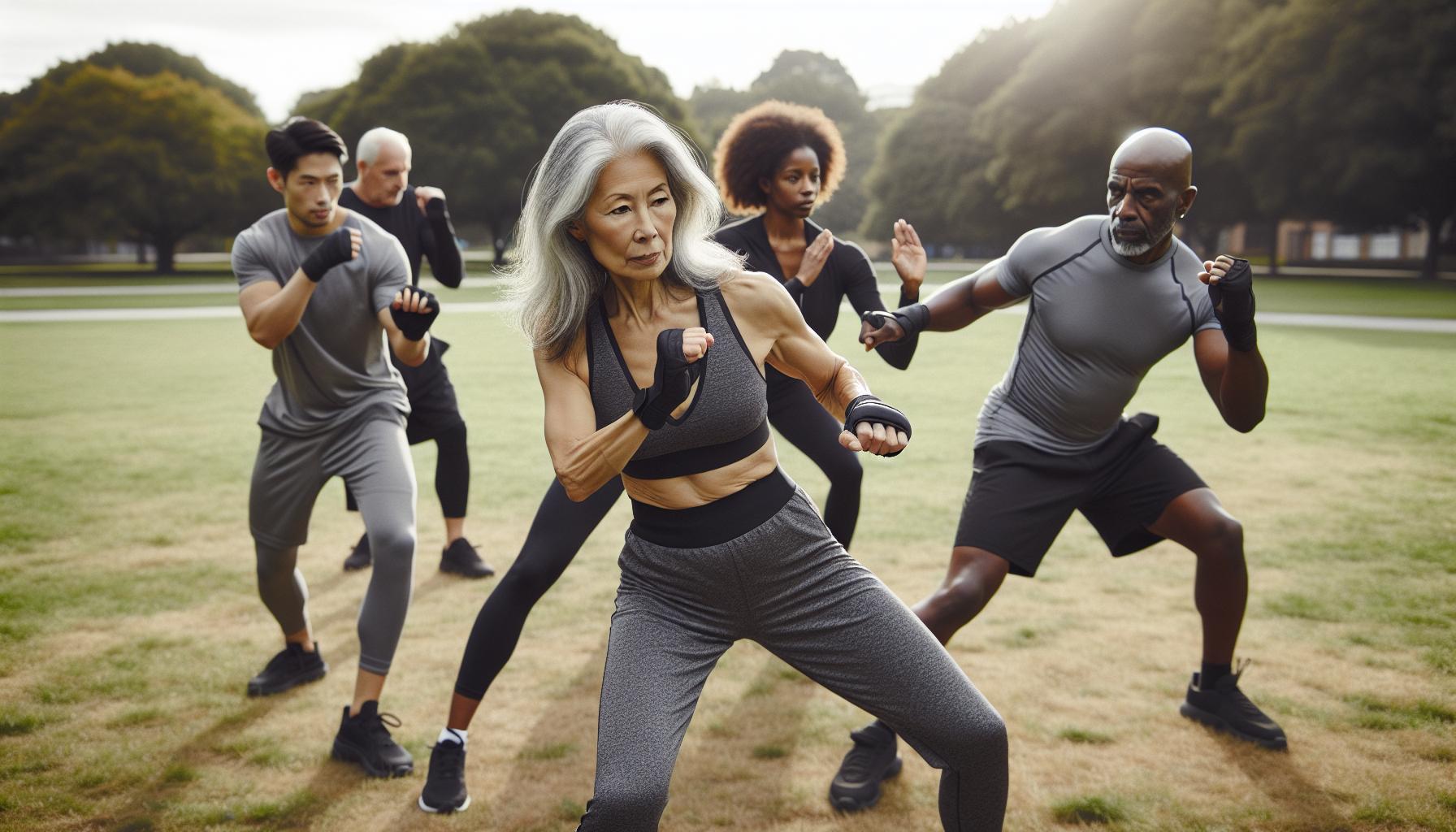
The Benefits of Starting Krav Maga at Any Age
Starting Krav Maga at any age can be a transformative experience, providing not only physical self-defense skills but also enhancing mental resilience and overall well-being. This self-defense system is unique in its adaptability, making it suitable for individuals across a wide age range. Regardless of when you begin, Krav Maga offers benefits that can significantly impact your life.
One of the primary advantages of starting Krav Maga later in life is the boost in confidence it provides. Learning how to defend oneself fosters a sense of empowerment; older adults become more aware of their surroundings and develop skills to manage potentially dangerous situations. This newfound assertiveness extends beyond martial arts, often benefiting personal and professional interactions by instilling a greater sense of self-worth and security in one’s abilities.
Physical fitness is another crucial benefit. While traditional martial arts may focus on complex techniques that can be physically demanding, Krav Maga emphasizes practical, instinctive movements. This approach allows practitioners to engage in physical fitness exercises tailored to their abilities, helping improve overall strength, flexibility, and coordination. Moreover, these exercises contribute to better mental health, reducing stress and anxiety levels, which are common concerns as we age.
Additionally, Krav Maga teaches essential principles such as situational awareness and de-escalation strategies. These skills are vital not only for self-defense but also for everyday life. For instance, many older adults may feel vulnerable in public places; the ability to recognize potential threats and respond appropriately can significantly enhance their sense of safety. As students practice these techniques in a structured environment, they learn to trust their instincts and respond to situations calmly and effectively.
In conclusion, regardless of your age, starting Krav Maga can yield significant benefits, from health improvements to enhanced self-confidence and personal security. Committing to this practice is not only about learning how to defend oneself; it’s about embracing a healthier lifestyle and fostering a proactive mindset that can positively influence every aspect of life.
Common Misconceptions About Age and Martial Arts
Many people harbor misconceptions about the suitability of martial arts for older adults, particularly when it comes to practical self-defense systems like Krav Maga. One prevalent myth is that martial arts are only for the young and physically fit. In reality, Krav Maga is designed to be accessible to individuals of all ages, shapes, and abilities-making it especially beneficial for older practitioners looking to enhance their self-defense skills and overall fitness.
One common concern is the belief that older learners may not be able to keep up with younger fighters in class. However, Krav Maga focuses on instinctive movements and practical techniques that can be tailored to any fitness level. Instructors typically adapt training regimens to suit individuals, emphasizing safety and gradual progression. For example, older students may engage in modified drills or focus on techniques that are less physically demanding yet equally effective.
Another misconception is that engaging in martial arts promotes aggression or hostility. On the contrary, Krav Maga fosters a strong sense of self-control and situational awareness. It teaches students not only how to defend themselves but also how to de-escalate potentially dangerous situations. For older adults, this knowledge can be invaluable, allowing them to navigate public spaces with increased confidence and security.
In addition, many believe that physical limitations inherently bar older adults from benefiting from martial arts training. While some may experience mobility issues, Krav Maga’s principles can be adapted to accommodate various physical conditions. Regular practice not only addresses these limitations but can also lead to improvements in flexibility, balance, and strength, creating a more robust and resilient individual ready to face life’s challenges.
Ultimately, dispelling these misconceptions is crucial. Krav Maga is more than just a form of self-defense; it’s a comprehensive system that promotes not only physical health but also mental well-being, making it an excellent choice for individuals of any age looking to empower themselves through learning and self-advocacy.
Physical Fitness Requirements for Older Beginners
Starting Krav Maga may seem daunting for older beginners, but the reality is that you don’t need to be extremely fit to participate. In fact, Krav Maga is designed to accommodate individuals of all ages, emphasizing safety and personal progress. Many practitioners have started their journey in their later years and have found that the training not only improves their physical fitness but also enhances their confidence and mental clarity.
When it comes to physical fitness requirements, the primary focus is on developing essential skills rather than achieving peak athleticism. Krav Maga employs instinctive movements that can be adjusted based on each person’s capabilities. For instance, older beginners may initially concentrate on less strenuous techniques such as blocking and evading or work on footwork drills that increase agility without excessive physical strain.
Regular training brings numerous benefits, irrespective of starting fitness levels. Participants often experience notable improvements in flexibility, balance, and strength. This is particularly important for older adults, as these improvements can help mitigate the risk of falls and injuries in daily life. Moreover, a supportive class environment allows individuals to train safely at their own pace, encouraging personal milestones and continuous development.
Ultimately, it’s crucial to listen to your body and communicate with your instructor regarding any concerns. Proper warm-ups, hydration, and understanding one’s limits can help ensure a safe and pleasant experience. With dedication, anyone can embark on a Krav Maga journey, fostering both physical and mental resilience that enriches their everyday lives.
How Krav Maga Adapts to Different Age Groups
Krav Maga is inherently adaptable, making it a viable option for practitioners of all ages. The beauty of this self-defense system lies in its flexibility, allowing instructors to modify techniques and training regimens based on the age and fitness level of the participants.
For younger individuals, training often focuses on energy management, agility, and building a strong foundation in self-defense principles through dynamic drills and engaging activities. As students mature into their teens and beyond, the program evolves to include more complex techniques, enhancing their confidence and skill set while fostering a deeper understanding of situational awareness and de-escalation tactics.
Older adults, on the other hand, can benefit from a modified approach that prioritizes functional mobility and safety. Instructors may emphasize techniques that require less impact and introduce exercises that improve balance and coordination, thereby reducing the risk of injury. This can include working on simple defensive maneuvers, footwork, and the use of props to simulate real-life scenarios without excessive strain on the body.
To ensure a successful learning environment, Krav Maga classes typically maintain a supportive atmosphere where individuals can progress at their own pace. Instructors are trained to recognize the unique needs of each age group, tailoring their teaching methods accordingly. With a focus on personal growth, students of all ages can experience the transformational benefits of Krav Maga-enhancing not only their physical abilities but also their confidence and mental resilience. This fosters an empowering journey in self-defense that transcends age barriers.
Safety Protocols for Older Practitioners in Krav Maga
Older practitioners of Krav Maga can train confidently knowing that their safety and well-being are paramount. Safety protocols are meticulously designed to create a secure training environment where students can focus on learning without the fear of injury. Emphasizing gradual progression and individualized attention, instructors leverage their expertise to tailor classes specifically for older adults.
- Age-Appropriate Modifications: Instructors recognize that physical capabilities can vary greatly among older adults. Techniques are adjusted to accommodate varied fitness levels, ensuring that movements promote safety while still delivering effective self-defense training. Simple maneuvers, such as distance management and deflection techniques, are crucial elements where high impact is not necessary.
- Monitoring and Feedback: Instructors frequently check on participants’ comfort levels, offering real-time feedback and advice. This ensures that every practitioner works within their own limits, minimizing strain and avoiding injury. Sessions often include warm-ups designed to enhance flexibility and balance, critical factors for aging bodies.
- Controlled Sparring: When practicing self-defense techniques, the emphasis is placed on controlled scenarios that simulate real-life situations without the added risks of full contact sparring. This method promotes skill retention and provides confidence in applying defensive strategies while keeping safety at the forefront.
- Emergency Protocols: Clear procedures are established for any unexpected injuries-a necessity in any martial arts setting. Instructors are trained in first aid and CPR, ready to respond promptly to any situation, ensuring peace of mind for participants.
Furthermore, it is essential for older practitioners to familiarize themselves with the legal aspects of self-defense. Understanding the laws governing self-defense can significantly impact decision-making in real-life scenarios, as misinterpretations may lead to serious legal repercussions. Empowerment through knowledge is just as important as skill acquisition, helping students navigate both legal and ethical considerations surrounding self-defense actions.
Lastly, integrating a holistic approach to training-encompassing physical, mental, and emotional preparedness-offers a well-rounded experience. This ensures that older practitioners are not just training their bodies but also building resilience and a mindful awareness of their surroundings, crucial components in self-defense. This approach helps demystify the fears associated with aging and martial arts, encouraging a greater sense of community and empowerment among all students.
Real-Life Success Stories: Older Adults in Krav Maga
Many older adults have found transformative success through their Krav Maga training, illustrating that age is not a barrier to personal empowerment and effective self-defense. For instance, individuals in their 60s have shared inspiring testimonials about how learning Krav Maga not only enhanced their physical fitness but also significantly boosted their confidence and mental resilience. This martial art has provided them with practical skills that are useful in real-life situations, allowing them to navigate personal safety with a newfound assurance.
Consider the story of a 65-year-old woman who began her Krav Maga journey after experiencing a troubling encounter in her neighborhood. Initially hesitant, she joined a class specifically tailored for older adults. Through her training, she learned various self-defense techniques that were modified to suit her capabilities, focusing on leverage, distance management, and situational awareness. Over time, she mastered these skills, which empowered her to feel safer and more independent. Now, she actively engages in her community, participates in advocacy for personal safety, and encourages other seniors to take up martial arts, showing that it’s never too late to start.
Furthermore, a group of retirees formed a Krav Maga class that not only addressed self-defense but fostered a supportive community. They meet regularly to train, share experiences, and encourage one another in their progress. This camaraderie enhances their overall enjoyment of the practice and provides additional motivation, demonstrating that the journey of learning is as important as the skills acquired. Such friendships flourish in the training environment, highlighting the social benefits that accompany physical practice.
Ultimately, these success stories reflect the essence of Krav Maga as a practical and adaptable self-defense system. Older adults, just like their younger counterparts, can benefit immensely from this training. The principles of Krav Maga-simplicity, effectiveness, and adaptability-serve all ages, proving that self-defense is accessible and beneficial regardless of one’s stage in life.
Finding the Right Krav Maga Class for Your Age
Finding the right Krav Maga class can significantly impact your learning experience, particularly for older adults who may be more cautious about entering a new physical environment. Choosing a class that respects your unique needs, physical capabilities, and personal goals is crucial for fostering a positive experience. To start, look for instructors who are not only certified but also have experience working with older populations. These instructors can tailor training methods to suit your pace and ensure that techniques are taught safely and effectively.
When seeking a class, consider the following factors:
- Class Demographics: Inquire if the class is composed mainly of beginners or if there are older students. Classes specifically designed for older adults can be particularly beneficial, fostering a supportive environment where you can feel comfortable and confident.
- Teaching Style: Each instructor has a unique approach. Some may emphasize sparring and aggressive tactics, while others focus more on situational awareness and de-escalation techniques. Ensure that the teaching style resonates with your personal comfort and learning preferences.
- Class Size: Smaller classes often allow for more personalized attention. This can be crucial for receiving direct feedback on your form and for practicing techniques safely.
- Safety Focus: Look for schools that prioritize safety protocols and legal considerations in self-defense. Instructors should emphasize the importance of ethical use of force and how to navigate confrontational situations responsibly.
- Trial Classes: Many studios offer introductory or trial classes. Take advantage of these to assess the environment, teaching style, and whether you feel a sense of community among members.
Real-life testimonials can provide insight into potential classes. Older adults who have successfully integrated into Krav Maga training often share how supportive and welcoming their classes have been. This sense of community can be especially empowering, encouraging you to continue your journey and overcome initial hesitations. Remember, it’s vital to communicate your concerns and limits to the instructor; they should be willing to adjust techniques and practices to match your abilities and comfort level.
Ultimately, finding the right Krav Maga class is about ensuring a safe, supportive, and empowering experience that respects both your physical limits and your self-defense goals. With the right guidance and community, you’ll discover that age truly has no boundaries when it comes to learning self-defense.
Training Modifications for Older Adults in Krav Maga
In Krav Maga, training modifications for older adults are essential to maximize safety and effectiveness. As we age, our bodies undergo changes that may affect mobility, strength, and recovery times. This necessitates an adaptive training approach that respects individual physical capabilities while still promoting self-defense principles. Understanding these modifications aids older practitioners in engaging safely and confidently in their training.
When training as an older adult, it’s beneficial to focus on techniques that require less physical strain. For instance, instructors may modify stances and footwork to reduce stress on joints, employing alternatives that maintain effectiveness while minimizing risk. Exercises that strengthen core stability and enhance balance are paramount, as they serve as the foundation for many defensive techniques. Additionally, practicing slower movements can enhance muscle memory without the added pressure of speed, making the learning process more efficient and enjoyable.
Regular communication with instructors is key. Discussing personal limitations and any prior injuries allows trainers to tailor sessions accordingly. This can mean incorporating more emphasis on situational awareness and de-escalation techniques, rather than high-impact sparring scenarios. Instructors might also introduce partner drills that respect each participant’s comfort level, ensuring that older adults feel safe while practicing techniques.
Finally, it’s crucial to incorporate rest and recovery into the training regimen. Older adults often benefit significantly from longer recovery periods and supplementary activities like flexibility exercises or meditation, which can enhance both physical and mental resilience. Overall, these modifications not only foster a safer training environment but also empower older adults to thrive in their Krav Maga journey, illustrating that self-defense is an achievable goal at any age.
Legal Considerations for Older Practitioners in Self-Defense
Understanding the legal framework surrounding self-defense is crucial for all practitioners, especially older adults who may face unique challenges. Self-defense laws vary significantly by jurisdiction and can dictate what actions are legally justified during a confrontation. It’s essential to be aware of the legal definitions of self-defense in your area, including what constitutes reasonable force. Common legal principles include the concepts of proportionality and necessity, meaning that your response must be appropriate to the threat you face.
Essential Legal Principles
- Proportionality: Your response must match the level of threat. For instance, using deadly force against an unarmed assailant may not be legally justified.
- Immediacy: The threat must be immediate for self-defense claims to hold. Preemptive strikes without imminent danger can lead to legal consequences.
- Reasonableness: The actions taken in self-defense should be what a reasonable person would consider appropriate under the circumstances.
Older practitioners must also recognize the importance of de-escalation techniques. Understanding how to diffuse a potentially dangerous situation before it escalates can pivotally affect both safety and legal standing. Many self-defense classes, including Krav Maga, emphasize conflict resolution strategies alongside physical tactics, promoting a mindset that prioritizes non-violent solutions. Furthermore, older adults may have the option to pursue a legal understanding of self-defense that considers their age-related vulnerabilities.
State-Specific Considerations
Laws governing self-defense can be incredibly nuanced and vary from state to state. For example, some states have “stand your ground” laws that remove the duty to retreat in the face of danger, while others require a reasonable attempt to avoid confrontation. Engaging with legal professionals or self-defense instructors knowledgeable about local laws is advisable. This ensures that practice in Krav Maga or any self-defense is informed and compliant with legal standards.
Lastly, it’s essential to consider potential civil liability. Even in situations deemed a justifiable use of force, an individual may still face civil lawsuits. Practitioners should approach self-defense training with the understanding that, while they are equipped to protect themselves, the stakes of real-world confrontations can be high, legally and morally. Empowerment through self-defense comes with the responsibility of being informed and prepared, enhancing not just confidence in personal safety but also a thorough understanding of one’s rights and obligations under the law.
Krav Maga vs. Other Martial Arts for Older Beginners
Krav Maga is uniquely positioned as an ideal choice for older beginners when compared to more traditional martial arts. Unlike disciplines such as Brazilian Jiu-Jitsu or karate, which often emphasize extensive physical conditioning and complex techniques, Krav Maga focuses on practical self-defense tactics that anyone can learn and apply, irrespective of their age or fitness level. This system was developed by the Israeli military, centering on reflexive responses to real-world threats, which makes it accessible to those who may not have the athleticism required for more rigorous martial arts training.
One of the crucial benefits of choosing Krav Maga for older adults is its adaptability. Unlike forms such as judo or taekwondo that involve high-impact throws or rapid kicks, Krav Maga allows practitioners to adjust techniques based on their physical capabilities and comfort levels. Instructors often work closely with older students, tailoring exercises to accommodate individual strengths and limitations. The focus is on building confidence and effective response mechanisms rather than achieving perfection in advanced techniques that could lead to injury.
Moreover, Krav Maga’s emphasis on situational awareness and de-escalation strategies means that older practitioners can learn how to prevent confrontations before they escalate, aligning well with a more thoughtful approach to self-defense. Many classes incorporate scenarios that reflect real-life situations, allowing students to practice responses while gradually increasing their physical engagement at a pace that feels safe and manageable.
Ultimately, while other martial arts can certainly offer benefits, Krav Maga stands out for its straightforward approach and focus on empowering individuals to protect themselves effectively. For older adults considering starting martial arts, the tactical, approachable nature of Krav Maga often makes it the most suitable choice, fostering both personal safety and a strong sense of community among practitioners of all ages.
Empowerment Through Self-Defense: It’s Never Too Late
Every year, countless individuals discover the transformative power of self-defense training, proving that it’s never too late to learn valuable skills. For older adults, embarking on a journey into Krav Maga not only equips them with the tools to protect themselves, but also fosters a sense of empowerment that can radically improve their overall well-being. Training in self-defense enhances physical fitness, mental resilience, and community connection, making Krav Maga an exceptional choice for those seeking to reclaim their agency and enhance their quality of life.
Engaging in Krav Maga provides older adults with invaluable skills for real-world scenarios. Unlike other martial arts that may require extensive physical conditioning, Krav Maga techniques are focused, practical, and tailored to fit the unique capabilities of each practitioner. The adaptability of the training ensures that older students can safely master techniques without the intimidation that often accompanies physically demanding martial arts. Instructors work closely with students to modify movements in a way that feels comfortable, allowing them to learn at their own pace while building confidence. Many find that even simple actions-like how to break free from grabs or how to avoid dangerous situations-are empowering and can significantly increase their feelings of security.
Additionally, becoming part of a Krav Maga class offers social engagement, alleviating feelings of isolation that can often accompany aging. The shared experience of training fosters camaraderie, creating a supportive network where students encourage one another. This community aspect is fundamental-not only does it enhance motivation, but it also builds lasting friendships that can contribute to a happier, healthier life. In this safe environment, older adults learn to rely on their instincts, hone their situational awareness, and practice de-escalation tactics, all of which are critical skills in today’s world.
As with any self-defense training, it is crucial to understand the legal and ethical implications of using such skills. Empowerment through Krav Maga extends beyond physical prowess; it encompasses a responsible approach to self-defense, emphasizing that the use of force must always be a last resort. Students are taught to prioritize de-escalation techniques and to seek peaceful resolutions whenever possible. These principles are especially significant for older practitioners who may face unique situations and need to navigate them with a grounded understanding of their rights and responsibilities.
Ultimately, for those wondering if they are too old to begin Krav Maga, the answer is a resounding no. The benefits of self-defense training extend far beyond the physical-transforming not only one’s ability to respond to potential threats but also enriching their life with confidence, connections, and a strong sense of personal empowerment.
Frequently Asked Questions
Q: Can older adults safely participate in Krav Maga classes?
A: Yes, older adults can safely participate in Krav Maga classes. Most schools offer modified training programs that cater to different age groups and physical fitness levels. It’s essential to communicate any health concerns with your instructor, who can help tailor the training to your needs.
Q: What are the health benefits of practicing Krav Maga for older beginners?
A: Practicing Krav Maga offers numerous health benefits for older beginners, including improved cardiovascular fitness, strength, flexibility, and balance. Additionally, it enhances mental focus and confidence, making it a holistic approach to well-being at any age.
Q: Are there specific techniques in Krav Maga that are better suited for older adults?
A: Yes, certain techniques in Krav Maga are designed to reduce strain on the body, focusing on leverage and efficiency rather than brute strength. Techniques like escaping holds or using strikes to create distance can be particularly beneficial for older practitioners.
Q: How can I find a Krav Maga class that accommodates older adults?
A: To find an accommodating Krav Maga class, look for schools that explicitly state they cater to all age groups. Consider visiting local studios, checking online reviews, and asking about their experience with older students to ensure a supportive environment.
Q: What should I consider before starting Krav Maga later in life?
A: Before starting Krav Maga later in life, consider your current fitness level, any pre-existing medical conditions, and your overall goals for training. Consulting with a healthcare provider can provide guidance on what to expect and how to prepare.
Q: Is there an age limit for practicing Krav Maga?
A: No, there is no official age limit for practicing Krav Maga. Many practitioners start in their 50s or even later. Krav Maga’s adaptable nature allows it to be effective for individuals across a wide age spectrum.
Q: How does Krav Maga training change as you age?
A: As you age, Krav Maga training may focus more on self-defense techniques, situational awareness, and avoiding confrontation. Classes for older students often emphasize safety, control, and the use of strategies that leverage technique over physical strength.
Q: Can practicing Krav Maga improve my reaction time as I age?
A: Yes, practicing Krav Maga can significantly improve reaction time. The dynamic drills and scenarios used in training help enhance reflexes and decision-making, which are crucial life skills, especially for older adults aiming to maintain independence.
Future Outlook
Are you ready to take the leap into Krav Maga, regardless of your age? Remember, it’s never too late to begin your journey toward self-defense and personal empowerment. With tailored training programs designed for all ages and fitness levels, you can develop skills that not only protect you but also boost your confidence. If you still have questions or concerns, don’t hesitate to check out our FAQ section on getting started or explore our beginner-friendly tutorials.
Join our community by signing up for our newsletter to receive the latest tips and resources on martial arts training. While you’re here, don’t forget to watch our instructional videos on techniques to protect yourself in various scenarios. Your safety is paramount, and understanding the legal aspects of self-defense is crucial; check our comprehensive guide to learn more.
Take action today-begin your Krav Maga journey and empower yourself to stay safe in any situation. We’re here to support you every step of the way!