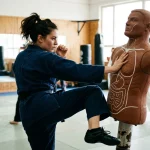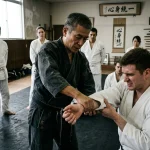

As a powerful self-defense system, Krav Maga can empower individuals with skills to protect themselves. However, when it comes to practicing while pregnant, safety must be the top priority. Many expectant mothers wonder if they can continue their training without risking their health or that of their baby. This article explores vital safety considerations, guiding you through the risks and best practices. Whether you’re a seasoned practitioner or a newcomer to Krav Maga, understanding how to adapt your training during pregnancy is essential for you and your baby’s well-being. Let’s dive into important insights and recommendations that will help you make informed decisions about your self-defense journey during this unique time in your life.
Understanding Krav Maga and Pregnancy: An Overview
Krav Maga, a practical and self-defense-oriented martial art, poses unique considerations for expecting mothers. As one of the most effective martial arts systems in the world, its emphasis on real-world application, situational awareness, and potential for physical confrontation makes understanding its integration with pregnancy essential. While some may fear that training could be harmful, Krav Maga can actually provide numerous benefits if approached thoughtfully.
During pregnancy, the body goes through significant changes, which can impact a woman’s ability to engage in high-intensity training. Acknowledging these changes is crucial. Expecting mothers may face physical limitations such as decreased balance, increased fatigue, or changes in flexibility. It’s vital for practitioners to listen to their bodies and consult with healthcare providers before starting or continuing training. Choosing non-contact drills and focusing on techniques that enhance awareness and self-protection can allow mothers-to-be to maintain their self-defense training in a safe and supportive manner.
In any training environment, modifications are key to ensuring safety and comfort. It’s essential to adapt techniques to eliminate strain or risk of injury. Practicing movements that emphasize defense without aggressive contact can still instill confidence and provide valuable skills. Simultaneously, instructors can create a supportive atmosphere by promoting open discussions about concerns and individual capabilities.
The benefits of Krav Maga extend beyond physical fitness; they can provide emotional resilience and self-empowerment during pregnancy. Understanding personal limits and developing assertiveness can help expecting mothers navigate both their training and life situations with greater confidence. Ultimately, the objective is to foster a safe and enriching environment for pregnant practitioners, enabling them to hone their skills while prioritizing their well-being and that of their unborn child.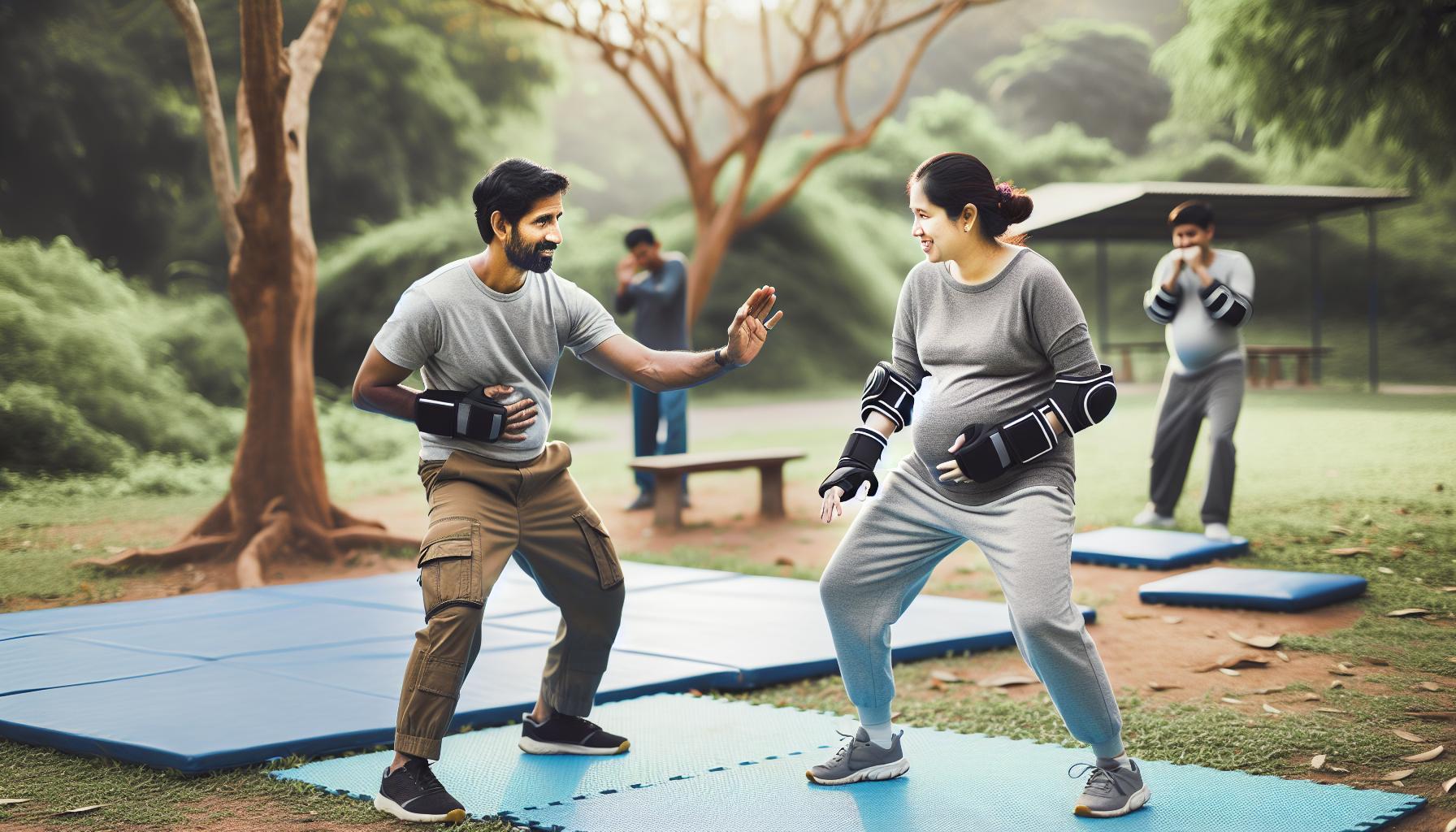
The Benefits of Krav Maga for Expecting Mothers
Expecting mothers often grapple with concerns about maintaining an active lifestyle while prioritizing the health of their unborn child. Engaging in Krav Maga can be a unique avenue for empowering pregnant women, providing not just physical benefits but also emotional and mental fortitude. Unlike traditional forms of exercise, Krav Maga emphasizes self-defense techniques that nourish a sense of empowerment, equip expecting mothers with essential skills, and foster confidence in their ability to protect themselves and their child.
One of the significant advantages of participating in Krav Maga during pregnancy is the improvement of core strength and stability. As the body undergoes transformations, building a strong core mitigates discomfort and helps maintain posture, which is vital for comfort during the later stages of pregnancy. Low-impact drills focus on balance and coordination, training muscles gently without excessive strain. These exercises can help to alleviate common pregnancy ailments, such as back pain, while also preparing the body for labor.
Moreover, the principles of Krav Maga instill an awareness of one’s surroundings, which can be increasingly beneficial for expecting mothers. This heightened situational awareness not only enhances their ability to identify potential dangers but also equips them with skills to de-escalate threats effectively. As they learn to assess situations and apply techniques to avoid confrontations, they cultivate mental resilience and problem-solving skills that can translate to everyday life, helping them feel more secure navigating various environments as their pregnancy progresses.
A supportive training community also serves as an excellent resource during this transformative period. Krav Maga classes often foster an environment of camaraderie, allowing practitioners to share their experiences and challenges related to pregnancy. Such social support can alleviate feelings of isolation, enhance motivation, and contribute to mental well-being. When expecting mothers train together, they create a network of empowerment, reinforcing the positive aspects of their journey while ensuring they stay informed about safety and appropriate practices when engaging in physical activity.
By choosing to practice Krav Maga, pregnant women can cultivate a sense of agency, enhance their physical health, and build resilience, all while being part of a community that understands and respects their journey.
Safety Considerations for Pregnant Practitioners
Engaging in Krav Maga during pregnancy can be empowering, yet it necessitates a careful approach to safety. Understanding the implications of physical activity on both mother and child is crucial. Recognizing that the body undergoes significant changes during this time will help practitioners navigate their training safely. Pregnant women should be aware of their limitations as they adapt to new physical realities, prioritizing well-being over intensity in workouts.
When participating in Krav Maga, it’s essential to consult with healthcare professionals to ensure that the exercises selected are appropriate given individual circumstances, including any previous injuries or complications. An open dialogue with a doctor can provide clarity on what movements should be avoided. For example, high-intensity sparring or techniques that involve falling can pose risks that pregnant women may want to circumvent. Instead, focusing on low-impact defenses can still provide valuable skills while minimizing risk.
Moreover, an understanding of personal physical condition plays a fundamental role. Each trimester brings different challenges and capabilities. Pregnant practitioners should listen to their bodies. Fatigue, balance issues, and discomfort are all signs that adjustments may be necessary. Simple techniques such as practicing breathing exercises, modifying stances, and prioritizing movements that maintain balance can enhance training while ensuring safety. Consider the following precautions:
- Avoid any contact drills that could lead to falls or injuries.
- Engage in partner training where both individuals understand and agree on the need for gentleness.
- Focus on drills that enhance situational awareness and tactical thinking rather than brute strength.
Furthermore, maintaining an open line of communication within the training community can bring significant benefits. Sharing experiences and strategies with fellow practitioners creates a support network, ensuring that safety remains a communal priority. This collaboration can foster a culture of awareness around the unique needs of pregnant women in martial arts training, which further empowers each member to remain safe and confident in their practice. Ultimately, being proactive about safety allows for a fulfilling experience in Krav Maga while embracing the transformative journey of pregnancy.
What to Expect: Physical Limitations During Pregnancy
Engaging in physical activity like Krav Maga during pregnancy can be both rewarding and challenging. This dynamic form of self-defense requires awareness of the body’s changing limits as it adapts to the demands of nurturing a growing life. One of the most significant physical limitations is the impact of hormonal changes on joints and ligaments, which can lead to increased laxity. This means that movements which once felt stable may feel uncertain or cause discomfort, making it essential for practitioners to modify their training regimen.
As pregnancy progresses, a woman may experience varying levels of fatigue, balance issues, and discomfort due to the physical changes taking place. These factors can significantly affect the ability to perform certain techniques safely. For instance, as the center of gravity shifts, quick movements may need to be approached with caution to avoid falls or injuries. Strengthening exercises and maintaining flexibility through gentle stretching can help, but it is critical that practitioners remain in tune with their bodies. Listening to these signals is not just wise – it’s vital for safety.
In terms of practical training modifications, practitioners should consider focusing on low-impact techniques that enhance situational awareness without the risks associated with more aggressive sparring or high-impact drills. Practicing movements that emphasize defensive postures or technique application without direct contact can provide valuable skills while minimizing risk to both the mother and the developing baby. Engaging in partner drills that prioritize communication and gentleness is also advisable to create a supportive environment.
Lastly, maintaining a dialogue with instructors and fellow students about individual capabilities can foster a positive training atmosphere. This support network is crucial in addressing any discomfort or concerns while participating in Krav Maga, ensuring that safety remains a priority and that every session contributes positively to the practitioner’s well-being and confidence.
Modifying Krav Maga Techniques for Safety
Engaging in Krav Maga while pregnant can be a delicate balance, but there are effective strategies for modifying techniques to ensure safety for both the mother and her baby. The key lies in emphasizing control, awareness, and fluidity in movements. Pregnant practitioners should focus on techniques that enhance self-defense skills without compromising physical well-being or stability.
One innovative approach is to prioritize defensive techniques over offensive sparring. Instead of practicing strikes, which may involve high impact and speed, pregnant students can work on defensive postures, evasion techniques, and situational awareness drills. For instance, practicing how to deflect an incoming strike without making contact can be both effective and safe. Incorporating slow-motion drills allows practitioners to maintain technique while being mindful of their physical limitations, emphasizing the importance of control.
Additionally, it is crucial to engage in exercises that strengthen the core and support stability. Practicing movements that require balance can be adapted to a lower intensity-think of using a wall for support during footwork drills or maintaining a stable stance while applying techniques. This not only helps maintain skill but also builds confidence without the risk of falls or overexertion.
When training in pairs, communication should be transparent and ongoing. Partners should agree on pacing and the level of force used, ensuring both feel safe and comfortable throughout the session. This cooperative training atmosphere not only cultivates a sense of teamwork but also allows for modifications in real-time, adapting as needed for any discomfort or fatigue the expecting mother may feel.
Ultimately, modifying Krav Maga techniques for pregnancy centers on the principles of safety, awareness, and mutual respect. The goal is to equip expecting mothers with essential self-defense skills while supporting their physical needs during this transformative stage of life. With appropriate modifications, Krav Maga can still offer empowerment and confidence to those who are pregnant.
Addressing Common Concerns of Pregnant Practitioners
Engaging in Krav Maga during pregnancy inevitably raises several common concerns for practitioners. One major apprehension revolves around the safety of both the mother and the unborn child. It’s essential to recognize that while self-defense training can empower expecting mothers, modifications and a heightened awareness of physical limitations are crucial. Understanding these nuances can alleviate fears and foster confidence in practicing Krav Maga during this transformative time.
One of the foremost concerns often stems from the potential for injury. Pregnant practitioners should be particularly cautious and communicate openly with instructors and training partners. It’s advisable to focus on techniques that prioritize safety rather than confrontation. Defensive drills that avoid impact or high-speed maneuvers can be effective and safe. Practicing techniques like evasion or using props like focus pads to simulate scenarios without direct contact can allow for skill enhancement while minimizing risk.
Another common issue is the fear of judgment from peers or instructors. Expecting mothers might worry about their pace or performance in class. It is vital for instructors to create an inclusive environment that respects individual needs. By encouraging open dialogue and adjusting training based on comfort levels, instructors can empower pregnant practitioners to engage safely and confidently. Group training can also promote camaraderie, allowing mothers-to-be to share their experiences and support one another in navigating these concerns.
Moreover, as pregnancy progresses, physical challenges may arise, including fatigue and changes in balance. Practitioners should learn to listen to their bodies and recognize when to modify their training or take breaks. Incorporating gentle stretches and exercises targeting core stability can enhance overall functionality and support self-defense techniques. Implementing a routine that focuses on strength and flexibility will not only help in training but also in managing the physical demands of pregnancy itself.
Ultimately, addressing these concerns revolves around fostering a supportive training culture that prioritizes safety, communication, and adaptability. By focusing on these elements, pregnant practitioners can enjoy the benefits of Krav Maga, enhancing both their self-defense skills and their confidence during this unique period of life.
Consulting with Healthcare Professionals: Best Practices
Consulting with healthcare professionals is a critical step for expecting mothers considering Krav Maga. Engaging in discussions with doctors, midwives, or physical therapists can provide a clear understanding of individual health conditions and any associated risks. Each pregnancy is unique, and personalized advice will ensure that physical activities align with both the mother’s and baby’s health needs.
The primary goal is to ensure safety while maintaining activity levels that promote well-being. Pregnant practitioners should openly discuss their intentions to train in Krav Maga with their healthcare providers. Questions to consider might include:
- Are there specific medical concerns I should be aware of while practicing martial arts?
- What physical limitations should I consider as my pregnancy progresses?
- Are there recommended modifications or alternative exercises that would be safer?
Regular check-ups can help monitor any changes in health that might affect training. This could include blood pressure issues, discomfort, or complications that may arise during pregnancy. Adhering to advice from healthcare professionals can help manage potential risks and ensure a healthy training experience.
Additionally, sharing information about Krav Maga with healthcare providers can lead to tailored guidance. They might suggest certain exercises beneficial for strengthening muscles and improving flexibility, which can assist in both training and the physical demands of pregnancy. Maintaining an open line of communication between the practitioner and their healthcare team is vital for a safe and fulfilling experience in Krav Maga.
Support and Resources for Pregnant Krav Maga Students
Engaging in Krav Maga during pregnancy can be a valuable experience, but it’s imperative to access the right support and resources. Expecting mothers need to connect with instructors and communities that are informed and considerate of their special circumstances. Seek out classes specifically designed for pregnant practitioners or those that welcome expecting mothers in a supportive environment. Look for instructors who have experience in teaching pregnant students, as they can provide insight and modifications to ensure safety without sacrificing the essence of the training.
Access to credible literature and online resources can further enhance the learning journey. Many martial arts organizations offer guidelines tailored for pregnant practitioners, including modifications for techniques and training tips. Consider joining online forums or social media groups where pregnant practitioners share their experiences, ask questions, and exchange advice. These platforms can become a valuable source of encouragement and information, helping to navigate challenges unique to training during pregnancy.
When selecting a training environment, prioritize locations equipped to handle varying physical needs and adaptations. Gyms or studios that embrace a holistic approach to martial arts education often provide additional resources such as physiotherapy consultations or workshops focused on prenatal health and wellness. Engaging with a healthcare professional who understands the demands of Krav Maga and pregnancy ensures that safety remains a top priority while pursuing self-defense skills.
Ultimately, the key is to maintain an open line of communication with both your healthcare provider and your Krav Maga instructor, enabling a training experience that respects the physical changes of pregnancy. Combining expert advice with peer support helps create a strong foundation for pregnant students in Krav Maga, empowering them to enjoy their practice while prioritizing their health and the well-being of their child.
Finding the Right Training Environment
Choosing the right training environment for practicing Krav Maga during pregnancy is essential for both safety and enjoyment. Not all gyms or studios are equipped to accommodate the unique needs of expecting mothers, so it’s crucial to do your research and find a space that fosters a supportive atmosphere. Look for facilities that not only have a solid reputation for teaching Krav Maga but also prioritize the health and safety of their students. Ideally, these environments will have instructors who are knowledgeable about the physical changes pregnancy brings and are prepared to adapt training to suit those changes.
A supportive training environment should offer various resources. For instance, consider studios that provide specialized classes focusing on pregnant practitioners. These classes can be instrumental in creating a sense of community and belonging, where you can meet other expecting mothers sharing similar experiences. Furthermore, look for instructors who have experience in adjusting techniques to accommodate the limitations of pregnancy. Understanding individual needs and offering modifications ensures that you can train without undue risk.
Engaging with healthcare professionals within the training environment can also enhance your experience. Some studios may collaborate with physiotherapists or have wellness workshops specifically tailored for pregnant students. These resources could provide insights into maintaining physical health, improving flexibility, and managing stress levels-factors that are beneficial during both training and pregnancy. Always feel empowered to communicate openly with your instructors about any concerns or limitations you may have, as they can better support you through tailored instruction and guidance.
Lastly, pay attention to the overall culture of the training environment. A respectful and encouraging atmosphere is essential for personal growth and confidence-building. As you navigate your Krav Maga journey during pregnancy, prioritize spaces that create a balance between empowerment and safety, ensuring that your self-defense training is not only effective but also considerate of your physical well-being and emotional comfort.
Alternatives to Krav Maga During Pregnancy
Engaging in physical activity during pregnancy can be highly beneficial, but for those seeking alternatives to Krav Maga, it’s crucial to find practices that emphasize safety, fitness, and wellness. Gentle forms of exercise allow expecting mothers to remain active without the risks associated with high-contact sports. Here are several effective alternatives to consider:
Yoga and Pilates
Yoga and Pilates offer low-impact workouts that focus on flexibility, strength, and relaxation. Prenatal yoga classes are designed specifically for pregnant women, incorporating breathing techniques and gentle stretches that can alleviate discomfort and promote mental well-being. Pilates helps strengthen core muscles, which is beneficial as the body undergoes physical changes during pregnancy.
Swimming
Swimming is another excellent alternative, as it provides a full-body workout while minimizing the strain on joints. The buoyancy of water significantly reduces the pressure on an expecting mother’s body, allowing for greater freedom of movement. Not only does it help improve cardiovascular endurance, but it also fosters a calming environment that can reduce stress.
Walking
Walking is a simple and effective way to stay active, requiring no special equipment and offering the flexibility to adjust intensity based on how one feels. Whether it’s a leisurely stroll or a brisk walk, this activity keeps the cardiovascular system engaged while being gentle on the body.
Dance Classes
For those who enjoy a more social and fun atmosphere, consider dance classes geared toward pregnant women. Styles like Zumba can be adapted to ensure safety and comfort, promoting both physical fitness and community engagement.
When exploring alternatives to Krav Maga, it’s essential to select activities that provide the right balance of challenge and safety. Always consult with healthcare professionals to ensure that any new exercise regime aligns with your personal health and pregnancy stage. By embracing these alternatives, expecting mothers can maintain their fitness levels while prioritizing their health and the well-being of their baby.
Post-Pregnancy Recovery: Getting Back to Krav Maga
Returning to Krav Maga after pregnancy can be an empowering journey for new mothers, but it requires a thoughtful approach to ensure safety and effectiveness. The transition back into training shouldn’t be rushed; understanding your body’s healing process is crucial. The postpartum period varies for each individual, so listening to your body and consulting with healthcare professionals should be the first step.
Start with low-intensity exercises to rebuild stamina and core strength before reintroducing the more intense Krav Maga techniques. Postpartum bodies often experience changes such as abdominal separation (diastasis recti) and pelvic floor challenges. Focus on rehabilitative movements that gradually strengthen the core and pelvic area. This can include exercises such as gentle bridges, pelvic tilts, and modified crunches, which help in establishing a solid foundation for further training.
Once you feel ready to re-engage with Krav Maga, consider modifying the techniques to safeguard your recovery. For example, sparring and high-contact drills may need to be adjusted or avoided initially. Begin with shadow training or light drills that emphasize movement and technique without the full intensity. Engaging with a supportive training group can also help ease the transition, encouraging you to progress at your own pace while receiving valuable feedback from experienced instructors.
Moreover, set realistic expectations for your return to training. It’s essential to pace yourself and celebrate small victories along the way. Having open conversations with your instructor about your postpartum experience and any modifications needed ensures a safer environment. Over time, as your strength and confidence build, you can gradually return to more challenging techniques and sparring, paving the way for a fulfilling practice while embracing the journey of motherhood.
FAQ
Q: Is it safe to practice Krav Maga during the first trimester of pregnancy?
A: Generally, it’s recommended to avoid high-impact activities like Krav Maga in the first trimester. Hormonal changes can affect balance and coordination, increasing the risk of injury. Always consult your healthcare provider before starting or continuing any exercise program during pregnancy.
Q: What modifications can I make to Krav Maga techniques while pregnant?
A: Focus on low-impact techniques and avoid sparring or grappling. Modify training to emphasize defensive postures and techniques that don’t require extensive physical contact. Discuss specific modifications with your instructor to ensure safety while practicing.
Q: How can I ensure my safety while practicing Krav Maga while pregnant?
A: To ensure safety, practice in a supportive environment, communicate your status to instructors and training partners, and listen to your body. Stop immediately if you experience pain or discomfort. Prioritize exercises that enhance mental readiness without physical strain.
Q: What should I look for in a Krav Maga training environment when pregnant?
A: Seek a training environment that prioritizes safety and comfort, such as lower-intensity classes or private sessions. Instructors should be knowledgeable about pregnancy safety, and the class should encourage modifications tailored to pregnant practitioners.
Q: Are there any specific health concerns I should be aware of when practicing Krav Maga while pregnant?
A: Yes, be cautious of abdominal trauma, changes in balance, and exhaustion. Avoid techniques that could lead to falls or excessive stress on the body. Always inform your healthcare provider and instructor about any concerns for personalized guidance.
Q: Can I continue Krav Maga after childbirth?
A: Yes, many women return to Krav Maga after childbirth. However, it’s essential to consult with your healthcare provider and consider a gradual reintroduction to training. Focus on rebuilding strength and ensuring comfort during workouts.
Q: How can I stay connected with Krav Maga while pregnant?
A: To stay connected, consider watching classes, reading about techniques, or engaging with the Krav Maga community online. This involvement can keep your morale high and help you stay informed about safe practices during your pregnancy.
Q: What are some alternatives to Krav Maga during pregnancy?
A: Alternatives include prenatal yoga, swimming, and walking, which offer low-impact cardiovascular benefits while keeping you active. These activities can also help prepare your body for a smoother delivery and recovery.
Future Outlook
As you consider participating in Krav Maga while pregnant, remember that safety should always be your top priority. Listening to your body, consulting with your healthcare provider, and choosing a modified training regimen are essential steps to ensure a safe experience. If you found this discussion insightful, explore our articles on “Self-Defense for Expectant Mothers” and “Safety Protocols in Martial Arts” to deepen your understanding.
Empower yourself with knowledge and community support-share your thoughts or experiences in the comments below, and don’t hesitate to sign up for our newsletter for ongoing tips and resources related to self-defense and health. Whether you’re looking for practical advice or a supportive network, we’re here to help you navigate this unique journey with confidence and clarity. Your safety is paramount, so take the next step today and stay informed!
Get our latest guides, news, and insights highlighted in your Google Search & AI Overviews.