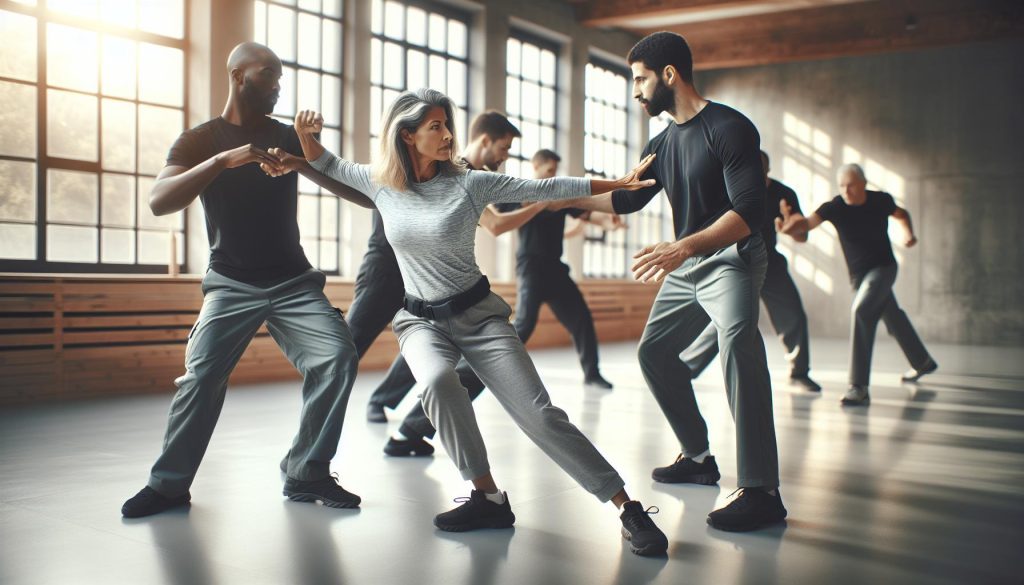
As concerns about personal safety continue to rise, many individuals are seeking effective self-defense methods that empower them in real-life situations. Krav Maga, a disciplined martial art developed for self-defense, offers practical and straightforward techniques to protect oneself against various threats. Learning Krav Maga not only equips you with crucial skills but also fosters confidence and awareness in everyday life.
In this beginner’s guide, we’ll explore the fundamental aspects of Krav Maga, emphasizing the importance of safety, legality, and responsible use of force. By understanding these principles, you can embark on a journey towards personal empowerment while ensuring that your approach to self-defense remains ethical and conscious. As you navigate the world of Krav Maga, you will learn not just how to defend yourself, but also how to de-escalate potential confrontations-an invaluable skill in today’s society. Let’s delve deeper into how you can start your Krav Maga journey and discover the protective benefits it offers.
Understanding the Basics of Krav Maga Training
Krav Maga is not just a martial art; it’s a comprehensive self-defense system designed for real-world scenarios. This approach makes it unique, as its foundations lie in practical techniques that can be swiftly and effectively applied under pressure. requires a grasp of its core philosophies: the emphasis on instinctive movements, situational awareness, and the concept of using any means necessary to defend oneself while adhering to ethical and legal standards.
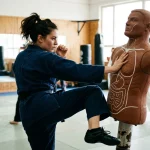
Training in Krav Maga typically begins with familiarizing oneself with fundamental techniques, which are based on natural body movements. These techniques include striking, grappling, and defending against various types of attacks. One important aspect is the use of aggressive defense strategies, which prioritize neutralizing threats swiftly. Practitioners learn to respond to various threats while keeping safety in mind-both for themselves and their attackers. This dual focus on aggression and restraint prepares individuals to handle confrontations without escalating violence unnecessarily.
In practice, the initial stages of learning often involve drills that simulate real-life situations, allowing beginners to develop their reflexes and enhance their situational response. Classes may include practices like defending against knife attacks or dealing with multiple attackers, always pushing students to think critically about their environment and potential escape routes.
Additionally, legal considerations play a crucial role in training; students are taught about the appropriate use of force and the importance of de-escalation. Understanding the laws surrounding self-defense helps practitioners navigate the complex moral landscape they may face if they ever need to apply their skills outside the training environment. Emphasizing these topics helps ensure that students are not only equipped to defend themselves effectively but also to do so responsibly and ethically.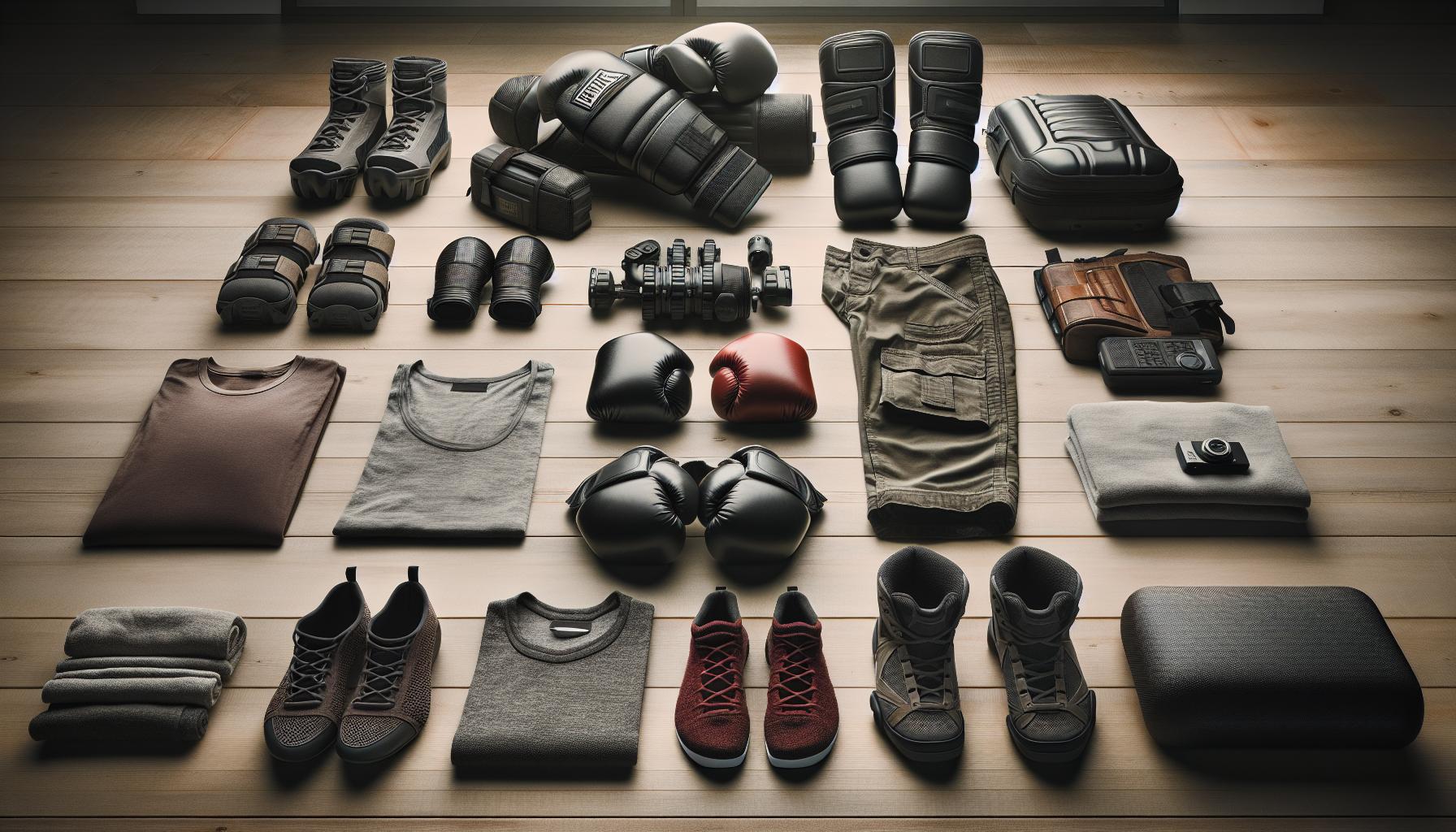
Essential Gear for Beginners in Krav Maga
Beginners in Krav Maga often wonder what equipment is necessary to start their training journey. While the beauty of Krav Maga lies in its emphasis on using your body as a primary weapon, having the right gear can enhance your training experience and help you stay safe. Here’s a breakdown of essential gear that every newcomer should consider.
Footwear
Choosing the right footwear is crucial for both comfort and safety. Look for lightweight training shoes that provide good grip and support. Cross-training shoes are a popular choice as they offer flexibility and stability, allowing for quick lateral movements, which are common in Krav Maga. Avoid heavy or slippery shoes that could hinder your mobility or increase the risk of injury during drills.
Clothing
Opt for comfortable, breathable clothing that allows for a full range of motion. Athletic shorts or sweatpants and a fitted T-shirt or tank top are suitable options. Ensure your clothing is not excessively loose to prevent it from getting caught during exercises. Some students prefer to wear rash guards or compression shirts for added comfort during grappling sessions.
Protective Gear
As you progress, investing in protective gear becomes increasingly important. This may include the following essentials:
- Shin guards: Protects your legs during striking and sparring.
- Gloves: Training gloves help with impact protection while providing a better grip in practice.
- Headgear: Especially useful for sparring or when engaging in controlled fights to prevent injuries.
- Grappling or MMA gloves: Ideal for training that involves both striking and grappling, offering hand protection without limiting dexterity.
Additional Accessories
While not mandatory, several accessories can enhance your training. A mouthguard is advisable to protect your teeth during sparring sessions. Water bottles and towels are also essential for hydration and cleanliness, enabling you to stay refreshed and focused throughout your workouts.
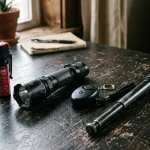
Starting your Krav Maga journey equipped with the right gear not only facilitates better practice but instills confidence as you learn to defend yourself. Remember, the goal is to prepare effectively while remaining mindful of safety and respect for the martial art’s principles. As your skills advance, you may find it beneficial to consult with your instructor to determine if additional equipment like knee pads or personal self-defense tools, such as pepper spray, is appropriate for your training.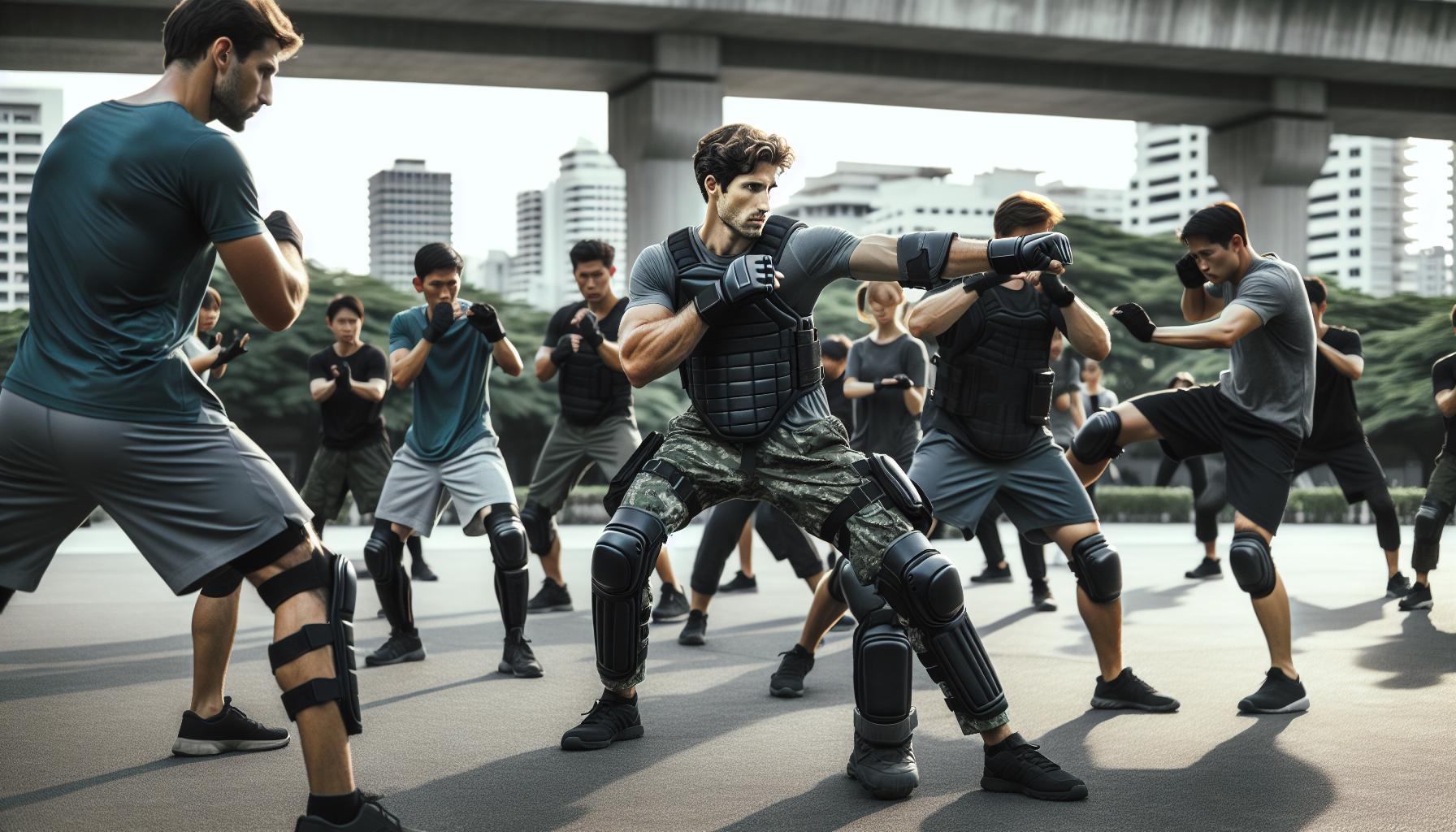
Key Principles of Self-Defense in Krav Maga
Understanding how to effectively protect oneself is the cornerstone of self-defense, and Krav Maga emphasizes specific principles that guide practitioners in real-world situations. One crucial aspect is the idea of awareness and prevention; being mindful of your surroundings can significantly reduce the risk of confrontation. This principle encourages individuals to observe potential threats and avoid dangerous situations where possible by trusting their instincts.
Equally important is the concept of proportional response. In self-defense scenarios, the level of force you employ must be appropriate to the threat faced. Krav Maga teaches practitioners to react decisively but reasonably. For instance, if confronted by an unarmed assailant, the goal is to neutralize the threat swiftly rather than escalate the situation unnecessarily. This principle is not only ethically sound but also aligns with legal expectations regarding self-defense; excessive force can lead to serious legal consequences.
Another foundational element of Krav Maga is targeting vulnerabilities. Understanding human anatomy helps practitioners focus on vulnerable areas such as the eyes, throat, and groin. By targeting these spots, even a smaller or less trained individual can effectively defend themselves against a larger attacker. This approach prioritizes efficiency over brute strength and underscores the importance of technique in self-defense. Moreover, training scenarios often simulate real-life encounters, helping students practice these techniques in a controlled environment while reinforcing the importance of balance and spatial awareness.
Lastly, a strong emphasis on de-escalation strategies is vital. Krav Maga encourages practitioners to seek non-violent resolutions whenever feasible. Utilizing verbal skills to calm an aggressor or to defuse situations can often prevent the need for physical confrontation altogether. Understanding when to walk away or how to communicate assertively can be just as crucial as physical techniques, underscoring a holistic approach to self-defense that prioritizes safety, ethics, and legality.
In summary, the revolve around awareness, proportional response, targeting vulnerabilities, and de-escalation. Embracing these principles not only prepares you for potential confrontations but also fosters a respectful understanding of the serious nature of self-defense practices.
Step-by-Step: Your First Krav Maga Class
Stepping into your first Krav Maga class can be both exciting and daunting. To ease your nerves and help you make the most of your experience, it’s essential to know what to expect. Classes typically begin with a warm-up that includes dynamic stretches and basic exercises to prepare your body for training. This phase is crucial, as it not only warms you up but also serves to build camaraderie among participants, fostering a supportive environment.
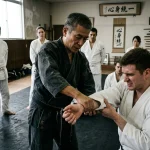
Once warmed up, the instructor will usually introduce fundamental techniques. You may start with basic stances, footwork, and simple defensive moves such as blocking or evading attacks. The focus here is on learning proper form and execution, so don’t hesitate to ask questions if you’re unsure about how to perform a technique comfortably. Engaging actively during these demonstrations will help reinforce your understanding and build muscle memory.
Next, you’ll likely pair up with a partner to practice the techniques. This is when the principles of Krav Maga come into play-awareness of your surroundings, proportional response to threats, and targeting vulnerabilities. Make sure to communicate with your partner about your comfort levels, particularly regarding contact. The goal is to train effectively while respecting each other’s boundaries, which is a fundamental aspect of Krav Maga ethos. After practicing, you may engage in controlled sparring, which serves to simulate real-world encounters in a safe setting.
Finally, expect a cooldown period where the class concludes with stretching and a recap of what you’ve learned. This is also a great opportunity to reflect on your experiences and connect with instructors and fellow participants, promoting a sense of community. Remember, the focus of your first class is not about perfecting techniques but rather understanding the basics and developing the confidence to continue your journey in Krav Maga. Keep an open mind, be patient with yourself, and enjoy the learning process that lies ahead.
Building Confidence: Mental Preparedness for Self-Defense
Building confidence in self-defense scenarios is crucial, especially when it comes to training in Krav Maga. Many beginners feel uncertain or anxious about their ability to defend themselves effectively. It’s essential to acknowledge that fear is a common and understandable emotion when faced with the realities of potential confrontation. However, through structured training and mental preparation, you can manage these fears and build the confidence necessary to respond effectively in high-pressure situations.
Understanding the mental aspects of self-defense starts with recognizing that self-defense is not just physical; it encompasses psychological readiness as well. Here are some key components to consider:
- Acknowledge your fears: Facing your apprehensions is the first step toward overcoming them. Understand that many individuals experience similar feelings when they begin training.
- Visualization techniques: Practice mental imagery where you visualize yourself successfully dealing with a threatening situation. This technique has been shown to improve real-life performance by training your mind to react positively in stressful scenarios.
- Focus on de-escalation: Remember that the primary goal of self-defense is to neutralize a threat without escalating the situation into violence. Training in communication skills and conflict resolution can significantly amplify your confidence levels.
- Learn the legalities: Equip yourself with knowledge about the legal implications of self-defense. Understanding the laws governing self-defense in your state can provide a framework that guides your actions and reassures your decision-making during a crisis.
- Emphasize situational awareness: One of the core principles of Krav Maga is awareness. Being mindful of your surroundings and potential threats will not only enhance your safety but also increase your confidence in managing various situations.
Moreover, developing a support system within your training community is invaluable. Engaging with fellow students and instructors allows you to share experiences, tips, and encouragement. This camaraderie helps reinforce your learning and cultivates a positive training environment where you can feel safe to push your limits.
As you progress through your training, remember that confidence comes from both understanding your capabilities and being prepared to face challenges head-on. With continued practice, patience, and a commitment to your self-defense education, you will cultivate a sense of security that extends beyond the training mat into your everyday life. Embrace the journey, and let your training empower you to face whatever may come your way.
The Role of Sparring in Effective Training
Engaging in sparring is a fundamental aspect of effective Krav Maga training, serving as a practical application of techniques learned in class. While practicing techniques in isolation is beneficial for mastering moves, sparring introduces unpredictability and stress, reflecting real-life confrontation scenarios. Sparring not only enhances physical agility but also cultivates the mental and emotional resilience necessary for self-defense. It teaches practitioners to maintain composure under pressure, a critical skill when faced with an actual threat.
Sparring sessions should be conducted with safety as the top priority. Protecting yourself and your sparring partner is essential, which means using appropriate gear such as mouthguards, shin guards, and gloves. These measures help mitigate the risk of injury and foster a more constructive training environment. Instructors often emphasize controlled sparring at varying intensity levels, allowing beginners to acclimate progressively to the realities of self-defense without overwhelming them. For instance, starting with slow, deliberate movements allows learners to understand timing and spacing before advancing to full-speed encounters.
Moreover, gaining insights from sparring can highlight personal strengths and areas needing improvement. Through feedback from instructors and peers, practitioners can refine their techniques, adjust their defensive strategies, and develop greater situational awareness-a cornerstone of Krav Maga. It’s essential, however, to acknowledge that sparring should never escalate into aggression; the goal is to learn and grow, not to prove dominance or engage in harmful behavior. This respect for one another fosters a supportive practice where everyone can learn together.
Lastly, understanding the legal implications of self-defense during sparring scenarios is crucial. Practicing sparring within a controlled environment allows practitioners to explore the boundaries of proportional response and the importance of de-escalation in real-life situations. By knowing when to disengage or use force, you prepare yourself not only physically but also ethically and legally. This comprehensive approach to training prepares you for the dynamic challenges of self-defense while promoting safety and mutual respect in the training space.
Comparing Krav Maga to Other Martial Arts
Krav Maga stands out among martial arts for its emphasis on real-world self-defense and practical application. Unlike traditional martial arts that often focus on competition or artistic expression, Krav Maga prioritizes survival in threatening scenarios. It equips practitioners with strategies tailored to address various situations, from street attacks to armed confrontations. This proactive approach is designed for people of all skill levels, making it especially appealing for beginners seeking immediate, effective self-defense training.
Core Differences Between Krav Maga and Other Martial Arts
When such as Brazilian Jiu-Jitsu (BJJ) or Muay Thai, several key differences emerge:
- Focus on Self-Defense vs. Sport: While BJJ often emphasizes grappling and ground fighting in a competitive context, Krav Maga introduces students to self-defense techniques applicable in real-life situations. This includes defenses against armed and unarmed assailants.
- Approach to Techniques: Techniques in Krav Maga are straightforward and designed to be learned quickly, enabling individuals to respond instantly under stress. In contrast, traditional martial arts may involve more complex movements that require years of practice to master.
- Sparring Differences: In Krav Maga, sparring is focused on realistic scenarios rather than competitive matches. The aim is to prepare for possible real-world aggression, which often involves using techniques against multiple attackers or dealing with weapons.
- Legal and Ethical Training: Krav Maga incorporates discussions around legal and ethical considerations of self-defense. Practitioners learn about proportional response and de-escalation tactics, emphasizing the importance of using force judiciously.
Real-World Applications
Another compelling aspect of Krav Maga is its adaptability to various environments and scenarios. For instance, while a martial artist may excel in a dojo setting, the transitions and unpredictability of a street encounter require a different skill set. Krav Maga training includes techniques for close-quarters combat, environmental awareness, and using improvised weapons, providing practitioners with the versatility needed to navigate real-life threats.
By understanding these distinctions, prospective students can make informed choices about their training paths. Krav Maga’s straightforward approach and emphasis on practical application make it an excellent choice for those seeking immediate tools for personal safety, instilling confidence whether walking home at night or navigating potential threats.
Legal Considerations: When Self-Defense is Justified
Self-defense can be a complex area, often riddled with misconceptions about what is acceptable in a confrontational situation. In the context of Krav Maga training, understanding the legal parameters surrounding self-defense is crucial for practitioners. Engaging in self-defense is not just about physical techniques; it also requires an understanding of the law and ethical considerations regarding the use of force. Knowing when it is legally justified to defend oneself can make a significant difference in the aftermath of an incident.
In general, self-defense laws allow individuals to protect themselves from imminent harm. However, this protection is often contingent upon several factors, such as proportionality and the imminent threat level. It’s essential for practitioners to recognize that the force used in self-defense must typically correlate with the threat faced. For example, responding to a verbal threat with excessive physical force could be deemed unjustified and may lead to legal consequences. Each state has its own regulations regarding self-defense, so it’s imperative to familiarize yourself with local laws, as they can vary widely.
Training in Krav Maga not only equips individuals with practical skills but also emphasizes the importance of de-escalation tactics. Instructors teach students to evaluate situations critically, encouraging them to seek non-violent resolutions wherever possible. This may include verbal de-escalation techniques, creating space from a potential attacker, or using the environment to aid one’s escape. It’s vital to understand that while defending oneself is a right, inflicting harm on another person should always be a last resort.
Furthermore, real-life scenarios can illustrate why legal considerations are important. For instance, a practitioner might successfully disarm an attacker; however, the reaction after the immediate threat is neutralized can determine the legal outcome. Continuing to engage with the attacker or using excessive force may convert a justified defensive action into a criminal offense. Thus, those training in Krav Maga should not only hone their physical skills but also cultivate an awareness of their legal rights and responsibilities to act safely and legally in potentially dangerous situations.
Real-Life Scenarios: Applying Krav Maga Techniques
In the world of self-defense, understanding how to effectively apply techniques from Krav Maga can make all the difference when faced with a threatening situation. One of the core principles of Krav Maga is its focus on real-life scenarios, which prepares practitioners to confront dangers they may actually encounter. Imagine being approached by an aggressive individual on the street; the ability to recognize the threat and respond appropriately is crucial.
Krav Maga teaches a range of techniques tailored for various situations, including grabs, strikes, and defenses against weapons. For instance, if someone grabs your arm, rather than panicking, you can execute a counter-move that not only frees you but positions you to strike back or escape. It’s vital to maintain awareness of your surroundings and use principles of de-escalation before resorting to physical force. This first step might involve verbal skills-addressing your aggressor calmly to potentially diffuse the situation.
Real-World Application
Utilizing Krav Maga techniques requires an understanding of proportional response. If an attacker is unarmed but aggressive, erring on the side of caution and using minimal force to escape is essential. Conversely, facing a threat involving a weapon demands a swift and decisive response. Practitioners train to assess threat levels quickly, enabling them to decide the best course of action under pressure.
In situations where escape isn‘t possible, your training can guide you to neutralize the threat. For example, if an assailant brandishes a knife, Krav Maga teaches effective disarming techniques that comply with legal standards for self-defense. Understanding the legal implications is crucial; in many jurisdictions, the application of force must be proportional to the threat. Overstepping this boundary can lead to serious legal consequences.
Ultimately, real-life scenarios can vary widely, and training prepares you for unexpected challenges. Regular practice with experienced instructors not only sharpens your physical skills but also enhances your judgment in high-stress situations. The combination of mental preparedness and practical technique allows you to handle conflicts intelligently and ethically, ensuring your actions are both effective and legally sound. Always remember, the best outcome is one where you can protect yourself without escalating to violence whenever possible.
Progressing Your Skills: Beyond the Basics
As you progress in your Krav Maga training, the transition from basic techniques to more advanced skills can be both empowering and challenging. This stage is essential for building confidence and proficiency in real-life self-defense situations. Developing a deeper understanding of the principles behind each movement, as well as refining your technique, will drastically enhance your ability to respond effectively under pressure.
One effective way to progress is by immersing yourself in scenario-based training. This method simulates potential real-life encounters, allowing you to practice reactions and techniques in a controlled environment. For example, you might face multiple attackers or practice defending against weapons in a stress-induced setting. The unpredictability of these drills fosters quick thinking and adaptability, key elements when applying Krav Maga principles outside the dojo.
Additionally, consider setting specific goals for your training. Tracking your progress can provide motivation and a sense of direction. Goals might include mastering certain techniques, participating in sparring sessions, or even advancing to higher belt levels. Engaging with more experienced practitioners through sparring or partner drills can expose you to different styles, helping to identify areas that need improvement. This experience not only sharpens your physical skills but also enhances your judgment in high-stress situations.
Focus on Conditioning and Mental Toughness
Physical conditioning is crucial in Krav Maga, as it ensures you can effectively execute techniques even when fatigued. Strength training, cardio, and flexibility exercises should complement your classes. As you improve your physical fitness, your ability to perform techniques with speed and agility will evolve. Equally important is mental preparedness; visualize various scenarios and your potential responses. This mental rehearsal can boost your confidence and ensure that you remain calm and strategic in a real confrontation.
Training must always reflect an understanding of legal and ethical considerations. As your skills advance, so too should your awareness of the legal implications of self-defense. Always practice techniques within the bounds of the law, recognizing the importance of proportionality in response. Empower yourself by studying local laws regarding self-defense; knowing your legal rights not only protects you but also informs your decision-making in critical moments.
Ultimately, the journey beyond the basics in Krav Maga is about continuous improvement and adaptability. By engaging in scenario training, setting clear goals, focusing on physical and mental conditioning, and staying informed about legal aspects, you will cultivate a well-rounded skill set that promotes both safety and personal empowerment.
Common Mistakes Beginners Make in Krav Maga
Beginners often walk into their first Krav Maga class with high hopes of quickly becoming proficient in self-defense, but there are several common pitfalls that can hinder their progress. Recognizing these mistakes early can not only enhance training effectiveness but also ensure a safer self-defense experience. By understanding the typical missteps, novices can adjust their approach and develop a more solid foundation in their practice.
One of the most prevalent errors is the tendency to rush through techniques without fully understanding the fundamentals. Beginners often focus on speed and power rather than precision and technique. This can lead to sloppy movements that are inefficient and potentially dangerous during practice or real-life scenarios. To combat this, it’s essential to prioritize understanding the mechanics behind each move. Spend time practicing slowly to develop muscle memory, ensuring that each technique is executed correctly before increasing speed.
Another mistake is neglecting the mental aspects of training, such as situational awareness and the psychological components of self-defense. Many beginners may assume that physical prowess is the only requirement for effective self-defense, overlooking the importance of assessing environments and recognizing potential threats. Integrating mental preparation-such as visualizing scenarios and understanding the scenarios where self-defense might be justified-into regular practice can greatly enhance your readiness. Start to build a habit of not only training your body but also reflecting on how to handle various situations mentally.
Additionally, some new practitioners underestimate the importance of personal safety and legal considerations surrounding self-defense. Krav Maga is designed to be a practical self-defense system; however, applying techniques inappropriately can lead to legal repercussions. Beginners should be educated on local laws that govern self-defense and the necessity of proportionality in response. If you do engage, remember that the use of force must be justified and measured in accordance with the situation at hand. Training should always reinforce the concept of using self-defense techniques as a last resort when de-escalation has failed.
In conclusion, awareness of these common mistakes can significantly aid beginners in their journey within Krav Maga. By focusing on technique over speed, incorporating mental preparedness into training, and understanding the legal ramifications of self-defense actions, practitioners can build a more effective and responsible skill set. Always remember that self-defense is not just about fighting; it’s about protecting oneself while adhering to ethical and legal standards.
Choosing the Right Krav Maga School for You
Finding the right Krav Maga school can significantly impact your self-defense journey. It’s essential to select a training environment that aligns with your personal goals, values, and safety considerations. With a variety of options available, understanding what to look for will empower you to make an informed decision.
One crucial aspect to consider is the instructor’s qualifications. A qualified instructor not only has the necessary belt rank but should also have experience in teaching students of varying skill levels. Effective communication skills and a teaching style that resonates with you can make a substantial difference in your learning experience. Look for schools that also emphasize not just physical techniques but also the mental aspects of self-defense, such as situational awareness and de-escalation strategies.
The atmosphere of the school is equally important. A welcoming environment where students feel safe and respected encourages open learning. Visit classes to observe how students interact with each other and the instructor. You should feel that the school promotes a culture of safety and respect rather than aggression. Pay attention to how the school handles sparring and contact; a responsible program will incorporate controlled sparring sessions that focus on safety while still allowing for realistic practice.
Another factor is the class structure. Consider whether the school offers a range of classes suited for different experience levels, from beginners to advanced students. A good program will provide foundational training while also allowing for progression. For beginners, classes should focus on basics, gradually introducing more complex techniques as confidence and skill build. Flexibility in scheduling, such as multiple class times throughout the week, is also advantageous for maintaining consistent training.
Lastly, check for clear communication regarding safety protocols and legal considerations related to self-defense. Knowledge of local laws on self-defense, awareness of the use of force, and strategies for avoiding confrontation should be integral parts of the curriculum. Schools that prioritize these discussions demonstrate a commitment to responsible self-defense training.
In summary, selecting the right Krav Maga school requires careful consideration of the instructor’s qualifications, the school’s atmosphere, class structure, and a focus on legal and safety issues. By taking the time to research and visit potential schools, you’ll find a suitable environment that empowers you on your path to proficient self-defense skills.
Faq
Q: Can beginners learn Krav Maga without any prior martial arts experience?
A: Yes, beginners can learn Krav Maga without any prior martial arts experience. Classes are designed to accommodate all skill levels, focusing on basic techniques and principles of self-defense. Starting with fundamental movements helps build confidence and essential skills for effective self-defense.
Q: How long does it take to become proficient in Krav Maga?
A: Proficiency in Krav Maga varies by individual. Generally, it takes several months of consistent training to develop solid skills. Regular practice, usually 2-3 times a week, combined with sparring and real-life scenario training, significantly accelerates the learning process.
Q: What are the physical requirements for learning Krav Maga?
A: There are no strict physical requirements for learning Krav Maga. Individuals of all fitness levels can participate. The training improves strength, agility, and endurance over time. It’s essential to listen to your body and progress at your own pace based on your fitness level.
Q: Is Krav Maga training suitable for women?
A: Absolutely! Krav Maga is highly suitable for women as it emphasizes practical self-defense techniques that effectively counter attackers, regardless of size. Many women train in Krav Maga to gain confidence, fitness, and self-defense skills.
Q: Where can I find a Krav Maga class near me?
A: You can find a Krav Maga class near you by searching online or checking local martial arts studios. Many official Krav Maga organizations maintain directories of certified schools. You may also consider social media groups or community centers for classes.
Q: What gear do I need to start Krav Maga training?
A: To start Krav Maga, you’ll need comfortable workout attire and potentially a mouthguard and hand wraps for sparring. As you progress, consider investing in gloves and protective gear. Check the essentials in the “Essential Gear for Beginners in Krav Maga” section of our article for detailed recommendations.
Q: How can I stay motivated during my Krav Maga training?
A: Staying motivated in Krav Maga involves setting realistic goals, tracking progress, and training with friends. Variety in training methods and participating in seminars or competitions can also enhance motivation. Celebrate small victories to keep your enthusiasm high!
Q: Are there any age restrictions for learning Krav Maga?
A: There are no strict age restrictions for learning Krav Maga. Many schools offer classes tailored for different age groups, including children, teens, and adults. It’s an excellent way for individuals of all ages to learn self-defense and improve fitness.
To Conclude
As you embark on your journey to learn Krav Maga, remember that self-protection is not just about physical skills; it’s about understanding legal and ethical boundaries. This practice empowers you to protect yourself effectively while making informed decisions. If you’re eager to get started, explore our in-depth guide on basic Krav Maga techniques and check out our resources on local classes to find the right fit for you.
Don’t hesitate to reach out if you have questions or wish to share your journey-your experiences can inspire others! When you subscribe to our newsletter, you’ll stay updated on tips, techniques, and community stories that enhance your self-defense skills. Step confidently into your training, knowing that the path to protection is not just about mastering techniques, but transforming your mindset for safety in real-world scenarios. Let’s commit to your self-defense journey today!
Get our latest guides, news, and insights highlighted in your Google Search & AI Overviews.