In today’s fast-paced world, personal safety is more important than ever. With increasing concerns about self-defense, many individuals turn to martial arts as a viable solution. Krav Maga, renowned for its efficiency and effectiveness in real-world situations, is often sought after. This leads to a critical question: Can you truly learn Krav Maga from a DVD? In this review, we will explore the effectiveness and limitations of DVD-based training, examining whether this method can adequately equip you with the skills necessary for self-defense. As you consider your options for training, understanding the potential benefits and pitfalls of home instruction in this discipline will prove invaluable. Join us as we delve into the realities of learning Krav Maga through video and ensure you’re well-prepared for any self-defense scenario.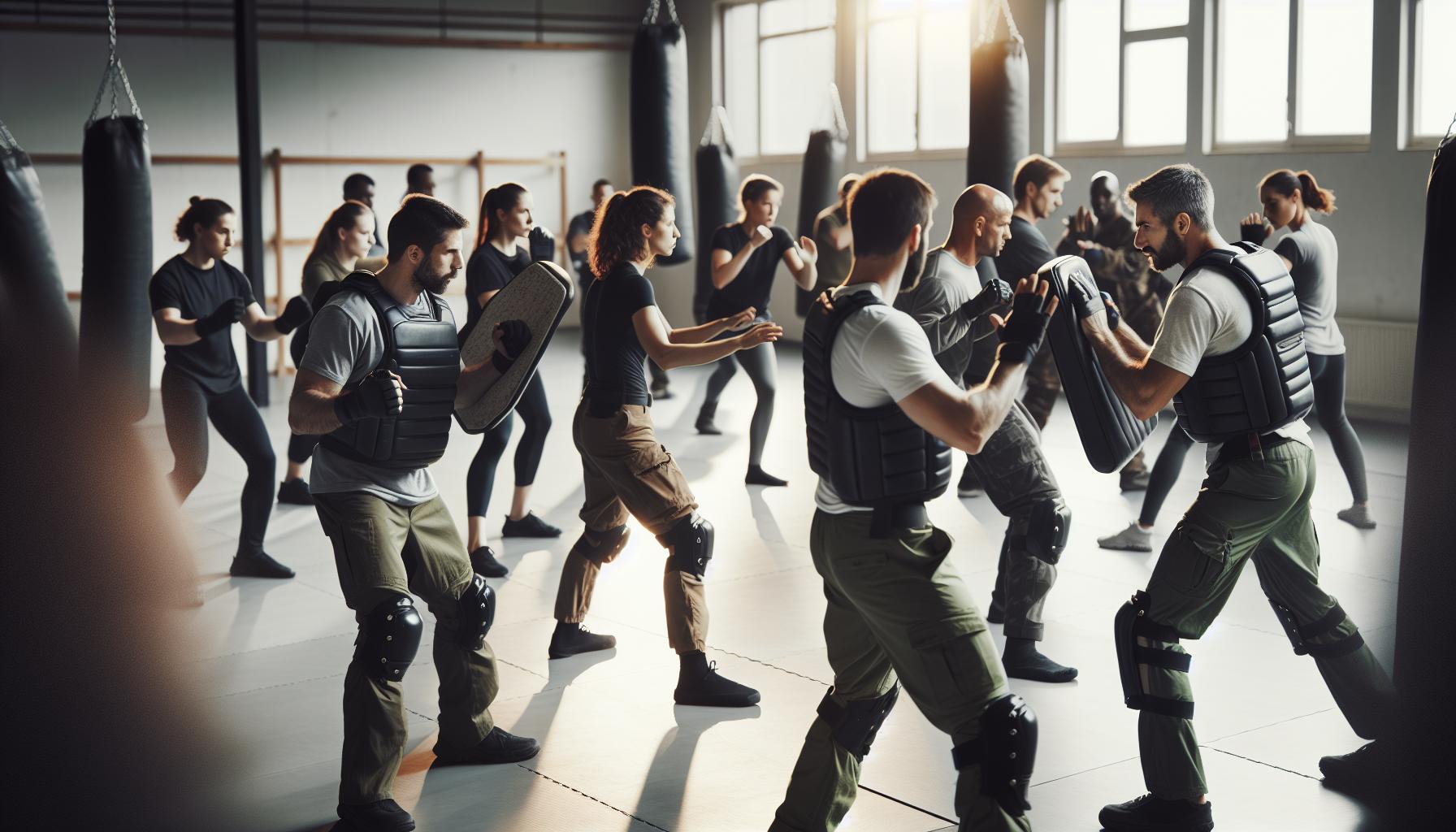
Understanding the Basics of Krav Maga Training
Krav Maga is more than just a martial art; it’s a practical approach to self-defense that emphasizes overcoming real-life threats. Originating from the Israeli military, its techniques are designed for efficiency and effectiveness in dangerous situations. While many enthusiasts pursue in-person training, understanding the basic principles of Krav Maga is crucial for anyone considering self-defense options, including those learning primarily through DVDs.
The foundation of Krav Maga training lies in its focus on instinctual movements and responses to threats, rather than formal stances or techniques seen in traditional martial arts. Students are taught to use their body’s natural instincts-such as flinching or striking-to defend against attacks. This can be particularly advantageous for those with little previous experience in combat sports. Central to these teachings are concepts like de-escalation, situational awareness, and the legal implications of using force, which are vital for responsible self-defense practices.
As with any self-defense training, safety is paramount. Individuals should be aware of their limitations and always strive to avoid physical confrontations when possible. Understanding the legal landscapes surrounding self-defense in their specific jurisdictions is critical. This knowledge allows practitioners to act within the law and make informed decisions during high-pressure situations. Overall, while DVD training can aid in learning the core principles and techniques of Krav Maga, supplementing this with practical experience-whether through sparring or simulated scenarios-is recommended for mastering these defensive skills.
The Benefits of Learning Krav Maga from DVDs
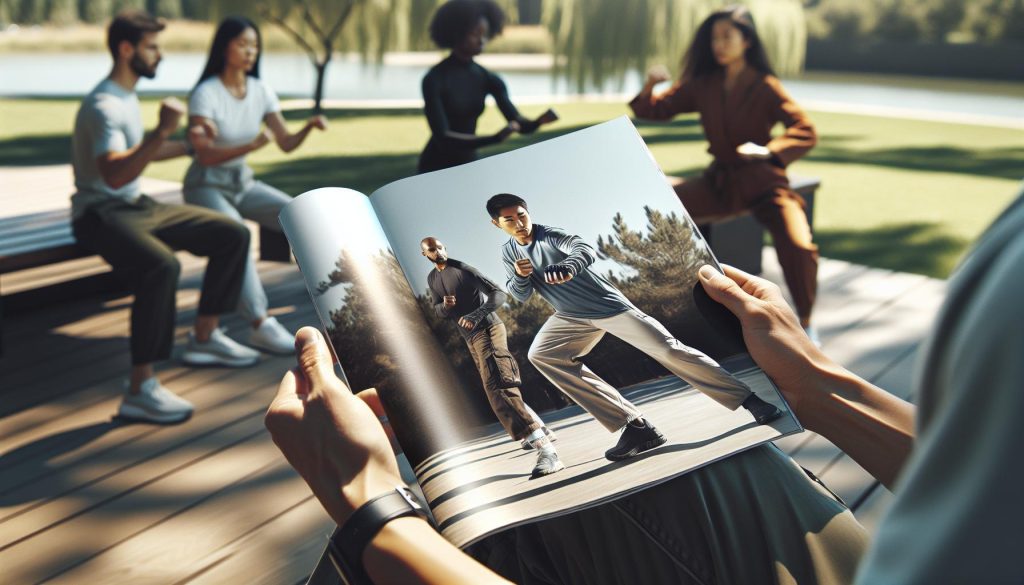
Learning Krav Maga from DVDs can be an effective way to acquire self-defense skills, particularly for those who may not have access to in-person classes. With the right approach, DVD training offers flexibility, convenience, and a practical introduction to the fundamental techniques of this martial art. For many, the option to practice at home allows for a personalized pace, enabling individuals to revisit complex techniques as needed without the pressure often associated with a classroom setting.
One of the significant benefits of DVD training is the ability to learn on your schedule. Unlike traditional classes that operate on fixed times, DVDs provide an opportunity to engage in training when it suits you best. This convenience is especially valuable for busy individuals or those hesitant about joining a group environment. Additionally, DVDs often cover a range of scenarios and techniques, allowing learners to select specific skills they want to focus on, from basic strikes to defensive maneuvers against armed attackers.
Moreover, quality DVD programs typically feature expert instructors who break down techniques clearly and systematically. This structured approach helps learners understand proper form and execution, essential components in self-defense. Students can pause, rewind, and repeatedly practice segments until they feel confident-a progressive method that mirrors the way many martial arts schools teach. However, it’s crucial to supplement DVD training with awareness of safety protocols and legal standards associated with self-defense. Understanding the implications of physical confrontations and ensuring that techniques are performed ethically is vital for responsible practice.
Finally, while DVDs can serve as a valuable resource, integrating practical, hands-on training with an experienced instructor can significantly enhance the learning experience. This hybrid approach fosters not only skill acquisition but also the development of confidence and situational awareness required in real-life scenarios. For those committed to self-defense, DVDs can be a powerful tool when combined with collaboration and mentorship from qualified instructors.
Assessing the Quality of DVD Training Programs
Assessing the quality of Krav Maga DVD training programs is essential for anyone looking to learn self-defense effectively from home. Not all DVDs are created equal, and it’s crucial to examine several factors to ensure you receive the best possible training. When evaluating a DVD program, consider the qualifications of the instructors. Look for certified Krav Maga practitioners with demonstrable experience in both teaching and the techniques presented. Their ability to break down complex movements into manageable parts can greatly enhance your learning experience.
Another key aspect is the program’s structure and content. Quality training DVDs should provide a clear progression from basic to more advanced techniques, allowing you to build your skill set incrementally. Look for programs that include:
- Detailed explanations of each technique, including the purpose and proper execution.
- Visual aids and demonstrations from multiple angles to ensure clarity.
- Supplemental materials like training guides or online resources for further learning.
It’s also important to evaluate the production quality of the DVDs-clear visual and audio components enhance understanding and keep you engaged. Poor production can lead to confusion, making it difficult to follow along effectively.
Lastly, the feedback from other learners can provide valuable insights into the program’s effectiveness. Look for reviews discussing not only technical content but also how well the instructors conveyed critical elements of safety, legality, and ethical use of force. Real-life application stories from successful students often highlight the effectiveness of the techniques being taught. As you assess DVD programs, keep these considerations in mind to select training that empowers you while reinforcing the importance of responsible self-defense practices.
Comparison: Krav Maga DVDs vs. In-Person Classes
Learning Krav Maga through DVDs can be appealing for many who wish to practice self-defense in the comfort of their own home. However, it’s vital to recognize the differences and advantages of in-person classes, which foster a dynamic learning environment. While DVD training allows for flexibility-enabling learners to practice at their own pace and schedule-it lacks the immediate feedback and personal interaction that an instructor provides in a classroom setting.
In-person classes offer a unique experience characterized by direct supervision and correction from qualified instructors. This interaction can be invaluable, especially when learning complex techniques that require precise execution and timing. With a live instructor, students can receive real-time feedback on their form and technique, helping to prevent the development of bad habits. Additionally, the energy and motivation of a group setting can enhance the training experience, pushing students to perform at their best and feel more connected to the community.
Moreover, in-person training facilitates sparring and realistic scenario practice, which are essential components of self-defense. The ability to practice techniques against a resisting partner helps students understand the application of movements in real-life situations. This practical experience is something DVD training can struggle to replicate, as learners often practice alone and may miss the nuances of interacting with a live opponent.
On the other hand, learning Krav Maga from DVDs can still be beneficial when combined with in-person classes. For many, DVDs provide an excellent supplementary resource for reviewing techniques learned in class or for filling in gaps when scheduling constraints make attending classes challenging. Ultimately, the choice between DVDs and in-person classes often comes down to individual learning styles, availability, and personal goals. Balancing both approaches could lead to a well-rounded understanding of Krav Maga, emphasizing the importance of practice, feedback, and community in martial arts training.
Key Techniques Covered in Krav Maga DVD Training
Learning self-defense through Krav Maga DVDs can be an effective way to grasp essential techniques, especially for those who may not have immediate access to formal classes. These instructional videos are designed to cover a broad range of skills integral to Krav Maga, emphasizing practical applications that can be utilized in real-life situations. Among the key techniques typically covered in these training programs are the following fundamentals:
Core Techniques
- Strikes: DVDs usually emphasize the critical striking techniques, including punches, elbows, knees, and kicks. Students learn how to execute these strikes effectively, targeting vulnerable areas on an attacker, such as the eyes, throat, or groin.
- Defensive Maneuvers: Instruction on defensive strategies is essential, including blocking, evading, and redirecting attacks. These techniques teach learners how to minimize harm and create opportunities to counterattack.
- Escape Techniques: Learning how to escape from various grips and holds is critical in self-defense. DVDs often feature scenarios where one learns to break free from wrist grabs, chokes, and bear hugs.
- Ground Defense: While the preference in Krav Maga is to avoid ground fighting, students are trained to handle situations where they may end up on the ground, including techniques for getting back to a standing position effectively.
- Weapon Defense: Many training programs include sections on how to respond to threats involving weapons, such as knives or firearms. Understanding the dynamics of these encounters and how to disarm an attacker safely is crucial.
Practical Training Scenario Simulations
The best DVD training programs incorporate realistic scenarios that simulate possible confrontations. This helps learners understand not just the physical techniques but also the mental aspect of self-defense. Scenarios may include dealing with multiple attackers, understanding the importance of situational awareness, and learning how to de-escalate tense situations without resorting to physical confrontation unless absolutely necessary.
Safety and Ethical Considerations
Throughout the training, it is vital to emphasize the principles of using force ethically and legally. Practitioners are taught to prioritize avoidance and de-escalation whenever possible. Recognizing when to disengage or call for help is as critical as knowing how to defend oneself physically. Each technique should be understood within the legal context surrounding self-defense, ensuring learners are aware of the implications and responsibilities that come with self-defense training.
By carefully following these techniques as demonstrated in DVDs, learners not only get to practice at their own pace but start to develop the confidence and awareness necessary to protect themselves effectively. While the absence of feedback from an instructor can pose challenges, committed practitioners can significantly benefit from solo training by integrating these foundational skills into their self-defense repertoire.
Potential Drawbacks of Learning from DVDs
Learning self-defense through DVDs presents an appealing opportunity for those unable to attend live classes due to time, financial constraints, or geographical limitations. Yet, while the convenience of home training is undeniable, it’s important to recognize the inherent challenges that may come with learning Krav Maga solely from video instructions.
One significant drawback is the absence of immediate feedback. In a live class setting, instructors can provide personalized corrections and adaptations, ensuring that students grasp techniques properly and safely. This critical aspect of learning is often lost in a DVD format, where practitioners may inadvertently develop bad habits or perform techniques incorrectly. Especially in self-defense training, where improper execution can result in injury, lacking an instructor’s supervision poses a risk that should not be underestimated.
Moreover, DVDs typically lack the dynamic interaction that real-life training ensures. Real-world self-defense scenarios can vary greatly, and the ability to practice with a partner allows students to experience the unpredictability of an actual confrontation. Practicing alone might mean missing out on learning how to read body language, timing, and the necessary reactionary skills that come with sparring and partner drills. Understanding these nuances is crucial for effective defense, as many attacks will not follow a scripted format.
Another vital consideration is the need for physical conditioning. DVDs provide skill-based instruction but often neglect the importance of fitness and situational awareness that come with regular practice in a targeted environment. A one-dimensional approach may leave practitioners ill-prepared for the stamina and agility required in actual self-defense scenarios, where adrenaline and fear can significantly affect performance.
Finally, while DVDs may offer a range of techniques, they may not sufficiently cover the ethical and legal implications of self-defense. Understanding when and how to apply these skills in a legal context is crucial, and without guided instruction, students might not fully grasp the preventative measures, de-escalation tactics, or legal responsibilities related to using force. Engaging with a qualified instructor can enhance comprehension and ensure that practitioners respect both their own rights and those of others during a confrontation.
In summary, while the flexibility of learning Krav Maga through DVDs can be beneficial, it’s essential to remain aware of these potential pitfalls. Strategic incorporation of guidelines to practice effectively, alongside a thorough understanding of safety, legality, and ethical considerations in self-defense, can help mitigate some of these drawbacks while enhancing the learning experience.
Real-Life Application of Krav Maga Techniques
Krav Maga is designed to equip individuals with practical self-defense skills that can be applied in real-life situations. The techniques taught in Krav Maga focus on instinctive movements and the use of natural body mechanics, enabling practitioners to respond effectively under pressure. Unlike traditional martial arts, which may emphasize forms and competition, Krav Maga prioritizes real-world applicability, making it valuable for those wanting to enhance their personal safety.
To effectively apply Krav Maga techniques outside of a training environment, practitioners should understand the principle of situational awareness. This involves being alert to one’s surroundings, recognizing potential threats, and developing the ability to make quick decisions. For instance, someone trained in Krav Maga may notice a suspicious individual in a parking lot and choose to alter their route, avoid confrontation, or prepare to defend themselves if necessary.
Additionally, understanding the legal implications of self-defense is crucial. Practitioners must be aware that each state has different laws governing when and how much force can be used in self-defense situations. For example, in some jurisdictions, using deadly force is only permissible when one believes that their life is in imminent danger. This understanding can dictate a practitioner’s response and help avoid escalating a dangerous situation further.
Practicing techniques such as de-escalation can also be beneficial. For instance, if confronted in a public setting, a Krav Maga practitioner might employ verbal commands to diffuse the situation before it escalates to physical confrontation. Engaging in discussions about boundaries and demonstrating confidence can often deter aggressors without needing to resort to physical techniques.
Training through DVDs offers a convenient way to learn essential techniques, but to apply them effectively in real life, practitioners must complement their study with a focus on situational awareness, legal responsibilities, and de-escalation tactics. Additionally, incorporating realistic scenarios into practice can enhance one’s ability to respond effectively when faced with unexpected situations.
Safety Considerations in Self-Defense Training
When considering self-defense training, safety should be at the forefront of every practitioner’s mind. Understanding the potential risks and legal implications is critical, especially when learning techniques through DVDs, where the absence of direct supervision can lead to misunderstandings of the material. Always remember that self-defense is a last resort, meant only for situations where you genuinely feel threatened. Practitioners should prioritize de-escalation and avoidance strategies whenever possible, which can significantly reduce the likelihood of needing to utilize physical techniques.
Legal Awareness
It’s essential to be aware of the legal boundaries surrounding self-defense in your jurisdiction. Different states have varying laws regarding the use of force, which dictate when and how you can defend yourself. For example, many jurisdictions require that the level of force used in self-defense must be proportional to the threat faced. Understanding these legal standards can help you navigate potentially dangerous situations while protecting yourself from legal ramifications. Before engaging in any self-defense training, ensure you familiarize yourself with your local laws regarding self-defense actions, including the context where lethal force may or may not be justified.
Safe Practice Techniques
When practicing Krav Maga techniques at home, it is crucial to create a safe environment. Here are some tips to enhance safety during your training sessions:
- Clear Space: Ensure your training area is free from obstacles that could cause injury.
- Use Proper Gear: Invest in appropriate protective gear, including gloves and pads, especially if you’re practicing with a partner.
- Start Slow: Begin each technique at a slower pace to understand the mechanics properly before increasing intensity.
- Record and Review: Utilize video feedback to evaluate your technique, ensuring you’re executing movements safely and effectively.
Real-World Scenarios & Ethical Considerations
Integrating real-life scenarios into your practice is invaluable, but it must be done with care to ensure safety. Consider how you would respond in various situations, such as being approached aggressively in a dark parking lot or being involved in a verbal altercation. Creating mental scripts can help prepare you for these encounters. Understand that your response should always seek to minimize harm, using force only as a necessary measure.
Safety in self-defense goes beyond physical training; it includes mental preparedness and an understanding of the significant ethical and moral weight that comes with taking action in a confrontation. Practitioners should regularly reflect on the implications of their actions and engage in discussions with instructors or peers about the challenges faced in real situations. This holistic approach not only builds ability but also fosters responsibility and respect for the power that self-defense techniques hold.
Tips for Effective Home Practice with Krav Maga DVDs
Practicing Krav Maga at home using DVDs can be an effective way to develop your skills, but it requires discipline and smart strategies to maximize your learning experience. Start by creating a dedicated training space free from distractions and hazards. A well-lit area with enough room to move around allows you to focus on techniques without worrying about obstacles that could lead to injury. Remember, safety is paramount; ensure that the environment is conducive to physical activity and equipped with any necessary protective gear if you’re training with a partner.
To make the most of your DVD sessions, consider setting a structured schedule. Consistency is key in martial arts training. Allocate specific days and times for practice, and stick to them. This routine can help build muscle memory and reinforce techniques. During your practice, take the time to pause the DVD and focus on executing movements correctly. Recording your sessions and reviewing them can provide invaluable feedback; you can identify areas that need improvement and ensure that you are applying techniques safely and effectively.
While DVDs provide the frameworks for techniques, pairing your practice with theoretical knowledge enhances understanding. Take notes on principles discussed in the videos, such as situational awareness and the psychological aspects of self-defense. Understanding the context of each technique empowers you to use them accurately. Moreover, integrate scenario training into your home practice. Visualizing real-life situations where these techniques might be applied can prepare you mentally, ensuring that your response is appropriate and ethical if faced with a confrontation.
Finally, always stay mindful of the legal implications surrounding self-defense. The application of any technique must be proportional to the threat faced, and knowing the laws in your jurisdiction will guide you in their responsible use. Engage with online forums or community groups where you can share experiences and gain insights from others practicing Krav Maga. This interaction can create a sense of accountability, enhance learning, and ensure you remain grounded in the ethics of self-defense as you train at home.
Legal Considerations When Practicing Self-Defense
Understanding the legal landscape surrounding self-defense is crucial for any practitioner of Krav Maga, especially when training through DVDs at home. Self-defense laws vary significantly depending on your jurisdiction, making it imperative to familiarize yourself with the specific regulations in your area. This foundational knowledge not only prepares you to respond appropriately in high-stress situations but also safeguards you from potential legal repercussions after a confrontation.
When engaging in self-defense training, recognize that the level of force used must be proportional to the threat faced. Most jurisdictions uphold the principle of “reasonable force,” which means that the actions you take must be necessary to prevent harm to yourself or others. For instance, if faced with verbal insults or minor aggression, physical retaliation may not be justified and could escalate the situation, both legally and ethically. Understanding these nuances can help maintain a focus on de-escalation rather than confrontation.
It’s also important to note that self-defense laws often permit the use of force in specific circumstances-such as when you believe you are in imminent danger. Having a clear grasp of what constitutes a legitimate threat is vital. Practicing scenarios during your training can help refine your intuition about responding appropriately to various situations. Utilize the theoretical knowledge from your DVD training to pair practical techniques with legal insights, reinforcing responsible action in real-life scenarios.
In addition to state laws, consider local regulations that may apply. For example, some regions have specific guidelines regarding weapons in self-defense situations. It’s essential to be well-versed in these rules, particularly if your training incorporates defensive techniques involving objects that could be considered weapons. Engaging in community discussions or forums can provide further clarity and insights into the ethical and legal dimensions of self-defense practice. Ultimately, your goal should be to protect yourself while understanding the legal and moral weight of your actions, ensuring that you act with responsibility, awareness, and respect for the law.
User Reviews: Success Stories and Challenges
Many practitioners have successfully transitioned from learning Krav Maga through DVDs to applying its techniques in real-world situations. Notable success stories frequently highlight how students gained self-confidence and awareness, which equipped them to handle potential threats more effectively. For instance, one student shared how the techniques learned from a DVD not only helped them fend off an aggressive instance in a parking lot but also informed their decision-making on de-escalation strategies before a confrontation could escalate. This anecdote emphasizes a crucial aspect of self-defense: the knowledge that physical confrontations should often be avoided when possible.
However, challenges are also frequent among learners who opt for DVD training. A common issue raised is the lack of immediate feedback. Unlike in-person classes where instructors can correct techniques or address misconceptions in real time, DVD learners must rely on their self-assessment. This can lead to improper execution of techniques that, in the absence of proper guidance, might reinforce bad habits. Moreover, without a training partner, some users find it difficult to practice effective timing and distance, key components of self-defense.
To navigate these challenges, many learners advise forming practice groups with friends or local practitioners who share a similar interest in Krav Maga. These groups not only provide an opportunity for practical application but also foster a supportive environment for discussing challenges and breakthroughs. Reviewing specific DVD sessions together can enhance understanding and ensure safety in practice by allowing for adjustments and peer feedback, which are vital in mastering self-defense techniques.
Ultimately, while learning Krav Maga from DVDs offers an accessible entry point into self-defense training, pairing individual learning with community practice can bridge the gap between theoretical knowledge and practical application.
Choosing the Right Krav Maga DVD for Your Goals
Selecting the right Krav Maga DVD can significantly impact your training experience and outcome. With a wealth of options available, it’s essential to consider your specific goals and the skill level you wish to achieve. Whether you aim to increase your self-defense capabilities, improve fitness, or gain confidence in handling confrontations, the DVD you choose should align with these objectives.
First, clarify your training objectives. For beginners, look for DVDs that emphasize fundamental techniques, safety practices, and the philosophy behind Krav Maga. Titles such as “Krav Maga for Beginners” often lay the groundwork for understanding body mechanics and basic striking techniques. Alternatively, if you have prior martial arts experience and you’re seeking to enhance your skills, more advanced programs focusing on tactical scenarios or weapon defenses may be suitable.
When assessing the quality of a DVD, consider the instructor’s credentials and their experience in Krav Maga. Look for programs led by certified instructors who have a background not only in Krav Maga but also in teaching. Positive reviews and testimonials can indicate the effectiveness of the training, but be sure to look for objective sources and feedback from people with similar backgrounds to yours. Watching sample clips can also give you insight into the teaching style and whether it resonates with you.
Lastly, remember to evaluate the supplementary materials that might come with the DVD. Some training packages include guides, training logs, or access to online communities that can enhance your learning. These additional resources can provide guidance on how to effectively practice the techniques taught in the DVD while promoting accountability and progress in your training journey.
In summary, choosing the right Krav Maga DVD involves assessing your personal goals, the qualifications of the instructor, and the additional resources provided. Focus on aligning these factors with your current skill level to ensure a productive and safe learning experience.
Frequently Asked Questions
Q: Can you learn Krav Maga just by watching DVD training?
A: While DVDs can provide foundational knowledge and techniques, learning solely from them may not be sufficient. Hands-on practice with a partner under the guidance of an instructor is vital for mastering skills and ensuring safety. Incorporate DVD training with live classes for the best results.
Q: What should I look for in a Krav Maga DVD?
A: When choosing a Krav Maga DVD, prioritize quality production, instructional clarity, and comprehensive content covering a variety of techniques. Look for reviews that discuss the effectiveness of the training methods presented. For more detailed advice, refer to the section on “Choosing the Right Krav Maga DVD for Your Goals.”
Q: Are there any age restrictions for learning Krav Maga from a DVD?
A: There are no formal age restrictions for learning Krav Maga through DVDs, but it’s advisable for younger practitioners to have adult supervision. Always consider physical capability and readiness to handle potentially intense training. For safety considerations, check the “Safety Considerations in Self-Defense Training” section.
Q: How effective is DVD training compared to in-person lessons?
A: DVD training can be effective for learning specific techniques but lacks the live feedback and sparring experiences found in in-person classes. DVD training is often best used as a supplement to direct instruction. Explore the “Comparison: Krav Maga DVDs vs. In-Person Classes” for more insights.
Q: Can you practice Krav Maga safely at home using DVDs?
A: Yes, practicing Krav Maga at home using DVDs is possible, but safety precautions are essential. Clear some space, practice techniques slowly, and ensure you understand each movement before trying them at speed. Refer to the “Tips for Effective Home Practice with Krav Maga DVDs” for additional guidance.
Q: What are the potential risks of learning Krav Maga from a DVD?
A: Learning from a DVD carries the risk of developing improper techniques and lacking real-time corrections. This can lead to injury or ineffective self-defense skills. Always consider seeking occasional feedback from an experienced instructor.
Q: Is it acceptable to learn self-defense solely through DVDs?
A: While DVDs can teach valuable self-defense techniques, relying solely on them is not advisable. Self-defense requires practical application and adaptability, which are best developed through real-life practice and experience. Consider integrating DVD training with live practice for the best outcomes.
Q: How can I enhance my learning experience with Krav Maga DVDs?
A: To enhance your learning, practice consistently, take notes on techniques, and consider pairing DVD training with participation in local self-defense workshops. Engaging with a community can provide additional motivation and support in your self-defense journey.
To Conclude
Before you decide to learn Krav Maga from a DVD, remember that while these resources can supplement your training, nothing beats hands-on experience with a qualified instructor. They offer not just techniques but vital insights into safety protocols and legal considerations relevant to self-defense situations. If you’re ready to take the next step, explore our related content on effective self-defense strategies and the legalities surrounding self-defense laws in your state.
Don’t miss out; sign up for our newsletter today for tips and updates on martial arts training and self-defense techniques that can empower you. Your safety journey begins now! Share your thoughts in the comments below or check out our training guides on Krav Maga vs. other martial arts and practical self-defense tools. Your engagement helps us create content that informs and empowers our community.
Get our latest guides, news, and insights highlighted in your Google Search & AI Overviews.