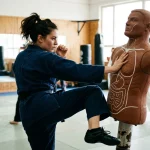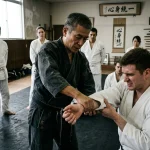

Training in Krav Maga, a self-defense system designed for real-world situations, might seem daunting if you have a bad back. However, many individuals face similar challenges and still wish to enhance their self-defense skills. Understanding how to adapt movements and techniques to accommodate injuries not only fosters resilience but also empowers you to maintain your physical well-being while learning effective self-defense strategies. In this article, we’ll explore practical modifications, safety tips, and the significance of approaching your training with care. By prioritizing safety and being mindful of your body’s signals, you can revolutionize your training experience, discovering new ways to protect yourself without compromising your health. Let’s dive into the possibilities of training Krav Maga even with a back injury, ensuring you stay strong and capable.
Understanding Krav Maga with a Bad Back: Is It Possible?
Understanding Krav Maga with a bad back may seem daunting, but it is indeed possible with the right approach and modifications. Many individuals with previous back injuries are able to engage in training, albeit with careful management of their limits. It’s crucial to recognize that not all movements and techniques in Krav Maga will be suitable for everyone, particularly those with back issues. Strikes and blocks may be safe, but activities involving extensive bending, twisting, or weight-bearing might aggravate a condition. Therefore, a thoughtful evaluation of your physical capabilities should precede any commitment to training.
Adapting Techniques and Training Styles
Instructors who are well-versed in accommodating students with injuries can modify drills, teaching variations of techniques that minimize strain on the back. For example, while practicing stances or footwork, an individual could focus on maintaining a stable core to prevent strain, rather than performing high-impact movements that require quick, deep bends. It’s also beneficial for trainees to communicate openly with their instructors about their limitations, ensuring the instructional focus remains on their safety.
Cross-Training and Support
Many practitioners find that cross-training in activities like yoga or Pilates strengthens their back and core muscles, providing more stability during Krav Maga practice. Additionally, participating in a supportive training community can make a significant difference. Engaging with peers who understand the challenges of training with an injury can help create a positive atmosphere where you feel empowered and supported. Ultimately, the journey is about adapting and evolving your training regimen to ensure your safety, keep your skills sharp, and maintain a level of confidence in self-defense scenarios.
Common Back Injuries and Their Impact on Training
Experiencing back pain can be a significant barrier to engaging in physical activities like Krav Maga, but it doesn’t have to be a complete deterrent. Common back injuries, such as herniated discs, muscle strains, and sciatica, can greatly influence how training is approached. These conditions may manifest as persistent pain, discomfort during movement, or limited flexibility, which can present unique challenges in a dynamic martial arts environment.
Understanding the impact of these common injuries is crucial for anyone considering training. For instance, a herniated disc can cause severe pain when practicing techniques that require bending or twisting, leading to discomfort not just during training but also long afterward. Muscle strains might limit strength and control, making it difficult to perform strikes or maintain proper stance without risking further injury. Recognizing these limitations is vital to adapting training practices effectively.
To mitigate the risk of exacerbating injuries, engaging in open communication with instructors is essential. They can provide alternative techniques that reduce strain on the back while still imparting important self-defense principles. It’s also helpful for practitioners to focus on strengthening their core muscles through supportive exercises, which can help stabilize the spine during training and provide greater resilience against future injuries.
Ultimately, tailoring training to accommodate back injuries can enhance the learning experience and promote greater safety. This involves not only listening to one’s body but also being proactive in seeking modifications that allow for safer participation in Krav Maga. Building a routine that respects physical limitations while still fostering skill development is crucial for maintaining confidence in self-defense training.
Essential Safety Protocols for Training with a Bad Back
Training in Krav Maga with a back injury requires a solid commitment to safety protocols to avoid further injury while still effectively learning self-defense techniques. It’s essential to approach your practice with a mindset geared towards care and caution. Engaging in thorough communication with both your instructor and fellow students can create a supportive environment where everyone is aware of your limitations and can assist in keeping you safe during training sessions.
Listen to Your Body
Understanding your personal limits is fundamental. Pay close attention to any signs of discomfort or pain during practice. If a technique exacerbates your back issue, it’s crucial to stop immediately. This practice not only respects your body but also encourages a culture of safety within the training space.
Warm-Up and Cool Down
Incorporating a structured warm-up and cool-down routine can help prevent further injury. Stretches focused on the back, hips, and legs can enhance flexibility and prepare your body for movement. Likewise, cool-down exercises can help alleviate tension post-training. Consider gentle stretches such as the cat-cow stretch or child’s pose, both of which promote spinal mobility without strain.
Use Supportive Gear
Consider utilizing supportive gear, such as braces or specialized belts designed for back support, during your training sessions. This equipment can provide additional stability and confidence while executing techniques. However, always consult with a healthcare professional before using such aids to ensure they are appropriate for your specific injury.
Modify Techniques
Be proactive in requesting modifications for techniques that may put undue stress on your back. Your instructor can offer alternative movements that maintain the integrity of your training without jeopardizing your health. For example, you may focus more on upper body techniques or defense strategies that limit the need for bending or twisting motions.
Stay Educated
Finally, educating yourself about your condition and the safe practices within Krav Maga can empower you. Understanding the mechanics of your body and how various techniques impact it can open up new avenues for training that align with both your recovery journey and your self-defense goals.
By prioritizing these safety protocols and approaching your training with awareness and understanding, you can engage effectively in Krav Maga while managing your back condition. Training smarter not only helps in recovery but can also lay the groundwork for a more resilient and empowered self.
Injury Modifications: Techniques You Can Safely Practice
Training with a back injury poses significant challenges, but it doesn’t have to mean giving up on Krav Maga altogether. Adjusting your approach can allow you to continue your training while respecting your body’s limitations. Understanding which techniques can be practiced safely is key to maintaining progression without exacerbating your condition.
Start by focusing on techniques that minimize strain on your back. For instance, you can concentrate on upper body movements such as punches, elbow strikes, and defensive blocks that do not require excessive twisting or bending. Additionally, practicing your footwork and positioning is essential; good mechanics can help you maintain balance and mobility without putting your back at risk. During drills, focus on controlling your movements and employing proper posture to protect your spine.
Consider integrating conditioning and flexibility exercises specifically designed for back health into your routine. These can enhance your overall strength while preparing your body for more rigorous movements in the future. Gentle exercises like resistance band work or modified yoga can improve core strength, which is crucial for providing support to your back during training.
Communication with your instructor is vital-don’t hesitate to discuss your condition and request tailored modifications. Your instructor can provide alternatives for moves that trigger discomfort, like substituting a standing defense posture for one where you are seated or utilizing props or pads to limit the impact during practice. Always ensure that adjustments made are within the boundaries of ethical training; the goal is to empower yourself while being conscious of your body’s needs. This process not only aids your recovery but keeps you engaged in your self-defense journey, ensuring you remain a confident participant in Krav Maga.
Adaptive Drills: Strengthening Without Strain
Building strength and skill in Krav Maga with a back injury requires creativity and adaptability. Rather than abandoning your training, you can focus on specific drills that accommodate your condition while still promoting strength and agility. The key is to select movements that engage your upper body and core, minimize strain on your lower back, and maintain a sense of progression.
To begin, consider incorporating upper body strength drills. Exercises such as seated punches or controlled elbow strikes can develop your striking skills without risking your back. You might also enhance your defensive skills through practicing blocks from a seated position, which allows you to stay engaged without overexerting your back. These adaptive practices ensure you remain in tune with the techniques of Krav Maga while managing your physical limitations.
Core Strengthening and Flexibility
Another essential aspect of training with a bad back is focusing on core strength and flexibility. Strong core muscles can provide much-needed support to your spine. Gentle, low-impact movements such as resistance band exercises or Pilates can help improve stability and reduce the likelihood of injury. Consider engaging in modified yoga stretches that emphasize flexibility while avoiding movements that cause discomfort.
It’s also helpful to incorporate balance drills that challenge your coordination without straining your back. Standing on one leg or performing footwork drills from a seated position can improve your agility while reinforcing proper mechanics. This approach not only strengthens the necessary components for effective self-defense but also emphasizes safety and body awareness.
Communication and Personalized Drills
Finally, maintain open communication with your instructor about your injury and limitations. Instructors can provide tailored modifications, ensuring that every drill aligns with your recovery process. For instance, practicing self-defense movements against a heavy bag while standing tall instead of twisting your torso can allow you to engage effectively without unnecessary strain. With the right modifications and mindset, training can continue productively, supporting both your physical health and martial arts journey.
Finding the Right Instructor: Questions to Ask
Finding a suitable instructor when you’re dealing with a back injury is crucial for ensuring your training remains safe and effective. The right teacher can provide the guidance you need to adapt your Krav Maga practice to your specific limitations while still challenging you to grow in your skills. To make the best choice, come prepared with questions that can shed light on their teaching methods and philosophies.
Start by asking about their experience with training individuals who have injuries: “How do you modify techniques for students with back issues?” A knowledgeable instructor should be able to discuss specific adaptations and share examples of how they’ve successfully helped others in similar situations. This can also help you gauge their understanding of different injuries and the importance of personalized training plans.
It’s equally important to assess their overall approach to safety: “What safety protocols do you implement during classes?” This will illuminate their commitment to ensuring a safe training environment. Look for instructors who prioritize injury prevention and emphasize proper technique over brute strength. A solid instructor should encourage open communication about injuries and monitor students closely during practice sessions.
Inquire about their ongoing education and certification: “What additional training or workshops have you completed related to injury management or rehabilitation?” This can reveal how invested they are in their professional development, particularly concerning the special needs of injured practitioners. Their answers can also indicate how well they can integrate recovery-focused methods into the curriculum.
Lastly, don’t hesitate to ask for testimonials from other students with similar backgrounds: “Can you connect me with other students who have trained with you while managing back issues?” Hearing firsthand experiences can provide valuable insights into the instructor’s effectiveness and the supportive environment they foster. A good fit will make your journey more enriching and keep you motivated while respecting the limitations of your body.
Building a Supportive Training Environment
Creating a supportive training environment is vital for practitioners who are managing back pain while learning Krav Maga. The right atmosphere can significantly enhance recovery and maintain motivation, allowing students to focus on self-defense skills without the added stress of injury aggravation. When a training space fosters understanding and adaptability, it paves the way for both physical and emotional growth.
To cultivate such an environment, instructors should prioritize open communication. This involves not only encouraging students to discuss their physical limitations but also actively listening to their concerns. Awareness of each student’s condition can help instructors tailor class activities to accommodate individual needs, thereby promoting safer training sessions. Whether it’s modifying techniques or adjusting the intensity of drills, instructors should demonstrate empathy and flexibility.
Additionally, setting up a buddy system can be beneficial. Pairing students with similar injuries allows for shared experiences and mutual support, creating a sense of community. Within this system, practitioners can share coping strategies, modifications, and encouragement. This not only enhances the person’s training experience but also diminishes feelings of isolation that might arise from managing a chronic condition.
Moreover, creating a culture that values safety over competition can greatly reduce the pressure on injured students. Instructors should emphasize the importance of technique and control, discouraging reckless sparring or pushing beyond physical limits. Regular reminders about proper form and posture can help students stay focused on safety while training harmlessly.
In conclusion, fostering a supportive environment that prioritizes communication, camaraderie, and safety allows students with back injuries to engage in Krav Maga effectively. It not only enhances their training experience but also empowers them on their journey of recovery and personal development.
Alternative Training Methods: Considerations for Back Pain
Managing back pain while training in Krav Maga can feel daunting, but alternative training methods can facilitate skill development without exacerbating injuries. When practitioners are equipped with the right strategies, they can lay the foundation for a resilient return to intense training while enhancing their self-defense abilities in a safe environment.
To accommodate a bad back, consider integrating low-impact exercises that focus on body mechanics and flexibility. Activities like swimming or cycling can enhance cardiovascular fitness without putting undue stress on the spine. Additionally, incorporating yoga or Pilates into your routine can improve core strength and flexibility, which are essential for stability in martial arts. To help alleviate back pain specifically, gentle stretches focusing on the hamstrings, hip flexors, and lower back can increase range of motion and reduce tension.
In the context of actual Krav Maga training, modifications to traditional techniques can preserve the integrity of your training while prioritizing safety. For example, when practicing strikes or kicks, focus on form and technique rather than power. Performing techniques in slow motion can help reinforce proper mechanics without the risk of injury. Training from a seated position or using props can also offer the chance to practice defensive maneuvers while minimizing strain.
Moreover, working closely with an instructor aware of your limitations is crucial. Open dialogue about your condition enables instructors to tailor drills and provide feedback effectively. They may recommend specific adaptations or prioritize techniques that place less stress on the lower back. Instructors can also provide alternative drills focusing on hand techniques or evasion skills that can be performed without putting strain on the back.
By exploring these alternative training methods and maintaining communication with your training team, you can continue to develop your Krav Maga skills while safeguarding your physical well-being. With patience and persistence, practitioners can accelerate their recovery and return to a more intense training regimen when ready, embodying the principles of self-defense through informed adaptation.
Dealing with Setbacks: Managing Your Recovery Journey
Dealing with an injury, especially one as significant as a back problem, often feels like an uphill battle in pursuing martial arts training like Krav Maga. However, setbacks can also serve as pivotal moments in our journey, allowing for reflection and adaptation. It’s essential to acknowledge the emotional and physical toll of recovery, alongside the frustration of not being able to train at full capacity. Understanding this experience enables you to navigate your healing with resilience and intention.
When faced with setbacks, start by creating a structured recovery plan that includes both medical advice and physical therapy. Consulting with healthcare professionals who specialize in back injuries can provide clarity on what movements are safe and which may aggravate your condition. Utilize their guidance to develop a routine that fosters healing while keeping your mind engaged with aspects of Krav Maga. This might include studying techniques, watching instructional videos, or participating in classes that emphasize mental skills over physical exertion.
Additionally, it’s crucial to maintain a positive mindset. Surround yourself with a supportive community, whether it’s training partners who understand your limitations or online forums of practitioners facing similar challenges. Sharing your experiences can help normalize feelings of frustration or fear, diminishing the sense of isolation that often accompanies injury. Engage in discussions about alternative training methods and learn how others have successfully navigated their recovery paths.
Lastly, remember that recovery is not linear; progress may ebb and flow. Celebrate small victories, like completing rehabilitation exercises or feeling less pain in daily activities. These wins build momentum and confidence, ultimately enhancing your return to training. Embrace each step of your recovery as an opportunity to grow not just physically but mentally and emotionally, reinforcing the core principles of Krav Maga that extend beyond the mat. Your journey, complete with ups and downs, aligns with the resilience essential in self-defense training and in life.
Legal and Ethical Considerations in Self-Defense Training
In the realm of self-defense training, understanding the legal and ethical implications of your actions is crucial, especially when modifying practices for physical limitations such as a bad back. Training in Krav Maga-or any martial art-must balance personal safety with legal responsibilities. Each state has its specific laws regarding self-defense; thus, familiarity with these regulations is vital for both practitioners and instructors. Misunderstanding what constitutes reasonable force can lead to severe legal consequences, and it is essential to obtain comprehensive knowledge about these laws before engaging in training that may involve physical confrontation.
When adapting Krav Maga techniques due to a back injury, it is not only about physical modifications but also about recognizing the broader implications of self-defense situations. Ethical training emphasizes the principle of using only the necessary amount of force relative to the threat faced. This goes hand in hand with Krav Maga’s core philosophy of de-escalation. Practitioners should be equipped to assess situations critically and make decisions that prioritize escape or avoidance rather than engagement. Understanding the scenarios that warrant a defensive response ensures that individuals are prepared to act within legal boundaries, thus avoiding escalation that could lead to harm.
Furthermore, trainers must communicate these principles effectively to their students, outlining scenarios where defensive maneuvers are acceptable and those where they may exceed legal limits. For example, employing self-defense techniques under duress is permissible, but excessive force against an unarmed opponent can lead to legal ramifications. Practicing ethical self-defense includes being respectful of the fear and uncertainty surrounding confrontational situations-an essential aspect for those dealing with physical limitations. Seeking out training environments that emphasize these values can greatly enhance one’s confidence and preparedness in potentially stressful situations.
In summary, practitioners of Krav Maga dealing with back injuries-or any other physical limitations-should approach their training with awareness of the legal and ethical landscapes that govern self-defense. By fostering a strong understanding of these issues, individuals can navigate their training safely and responsibly, ensuring that they are not only physically prepared but also legally and ethically grounded in their self-defense practices.
Resources and Community Support for Injured Practitioners
Finding resources and community support is essential for individuals training in Krav Maga while managing a back injury. Many practitioners face similar challenges, and establishing connections can provide motivation and valuable insights. Engaging with supportive communities can not only enhance your training experience but also ensure that you follow safe practices tailored to your needs.
### Community Engagement
Connecting with local martial arts schools or Krav Maga practitioners can be vital. Many schools offer specialized classes or workshops designed for those dealing with injuries. Here are several ways to engage with the community:
- Local Classes: Attend classes that focus on adaptations for injuries. Inquire whether your school offers sessions specifically for individuals with back issues.
- Online Forums: Utilize online platforms such as martial arts forums and social media groups. These communities often provide first-hand experiences and tips from fellow practitioners who have managed similar conditions.
- Workshops and Seminars: Look for workshops on self-defense techniques that consider practitioners’ physical limitations. These can enhance your understanding and provide tailored adaptations.
### Resources for Education and Support
Access to educational materials can significantly enhance your understanding of training safely with a bad back. Various resources can be beneficial:
- Online Training Videos: Many certified Krav Maga instructors publish instructional videos focusing on injury modifications. Platforms like YouTube have extensive content where you can observe safe techniques.
- Books and Articles: Look for books that address martial arts training with injuries. They often provide insights into adjusting techniques and maintaining physical fitness without exacerbating conditions.
- Physical Therapists: Consulting with a physical therapist who understands martial arts can provide vital strategies for strengthening your back while preventing re-injury.
### Emotional and Psychological Support
Training with an injury can be discouraging, but staying connected to a supportive community can enhance mental resilience. Consider these supportive avenues:
- Peer Support Groups: Joining groups specifically for martial artists with injuries can foster camaraderie and understanding.
- Professional Guidance: Engaging a coach or mentor who understands your situation can provide encouragement and tailored advice while ensuring you maintain regular practice.
Investing time in community connections and exploring available resources can significantly impact your training journey. Remember, it’s crucial to adapt your practice while maintaining awareness of safety and legal concerns in self-defense. This thoughtful approach will empower you to continue your Krav Maga journey responsibly and effectively.
Q&A
Q: Can I train Krav Maga with a bad back?
A: Yes, you can train Krav Maga with a bad back, but it’s essential to consult your doctor first. Many schools offer modifications and adaptive techniques to ensure you can learn safely while managing your condition. Prioritize clear communication with your instructor about your limitations.
Q: What types of modifications can I expect in Krav Maga training for back pain?
A: Modifications may include avoiding certain high-impact techniques and focusing on drills that emphasize upper body movements. Your instructor can tailor exercises to your needs, ensuring you build skills without exacerbating your back pain. Always communicate your comfort level during training.
Q: How can I strengthen my back while training in Krav Maga?
A: Strengthening exercises, such as core stability drills and gentle stretching, can be integrated into your Krav Maga training. Focus on low-impact activities that enhance flexibility and strength without straining your back. This approach helps improve your overall performance safely.
Q: Are there specific drills recommended for students with back injuries in Krav Maga?
A: Yes, focus on drills that involve light footwork and upper body technique refinement rather than heavy impact sparring. Sequences that promote balance and coordination can help strengthen your back while minimizing discomfort. Always consult your instructor for tailored drill suggestions.
Q: How important is communication with my instructor when training with a bad back?
A: Communication is crucial. Inform your instructor about your condition to receive personalized training modifications and ensure your safety. Discussing your limitations will enable your instructor to adjust classes accordingly, making your learning experience effective and enjoyable.
Q: What can I do if I feel pain during Krav Maga training?
A: If you experience pain during training, immediately stop and inform your instructor. It’s essential to assess your limits and avoid any movements that exacerbate your discomfort. Consider seeking professional medical advice to prevent further injury and ensure a safe return to training.
Q: Is there a risk of further injury when training Krav Maga with a back issue?
A: While there’s always a risk of injury in any physical activity, proper modifications and attentive training can significantly reduce this risk. Focus on safe techniques and gradually build your strength under the guidance of an experienced instructor. Be proactive about your recovery and training plan.
Q: What are the benefits of training Krav Maga even with a bad back?
A: Training Krav Maga offers benefits like improved self-defense skills, increased confidence, and enhanced physical fitness. Engaging in adapted training can also promote healing by incorporating movement and strengthening exercises, fostering a sense of community and support, which is crucial during recovery.
Concluding Remarks
If you’re wondering how to adapt your Krav Maga training with a bad back, remember that it’s possible to stay active and safe. Implementing smart modifications ensures you can enhance your self-defense skills without risking further injury. Ready to take the next step? Explore our resources on injury prevention-check out our article on “Effective Self-Defense Techniques for Those with Physical Limitations” and our video series on low-impact training options.
Don’t hesitate-your safety and confidence are essential! Join our community by signing up for our newsletter for exclusive tips and updates on self-defense training. If you have questions or want to share your experiences, drop a comment below-we value your input! By exploring techniques that respect your body’s needs, you empower yourself in every situation. Continue your journey with us-after all, strength comes from knowledge and adaptability.
Get our latest guides, news, and insights highlighted in your Google Search & AI Overviews.