Krav Maga, renowned for its practical self-defense applications, often raises the question: does it incorporate sparring into its training? Understanding whether sparring is a part of Krav Maga can significantly enhance your self-defense skills, sharpening your reflexes and situational awareness in real-life scenarios. While some practitioners embrace controlled sparring, others focus primarily on techniques aimed at avoiding confrontation. As you delve into this exploration of live training methods within Krav Maga, consider the crucial balance between effective self-defense and responsible, ethical practices. By equipping yourself with realistic training insights, you’ll be better prepared to respond to threats while prioritizing safety and legal considerations. Join us as we uncover how sparring fits into the Krav Maga framework and what that means for your personal safety journey.
Understanding Sparring in Krav Maga Training
is essential for students who wish to effectively apply their self-defense skills in real-life situations. Sparring involves controlled fighting scenarios that simulate the unpredictability and intensity of actual confrontations. This practice not only enhances physical skills but also sharpens the mental acuity required to make quick decisions under pressure.
One key reason for integrating sparring into Krav Maga training is to build realistic reflexes and responses. In these sparring sessions, practitioners learn to adapt their techniques dynamically, improving their ability to recognize threats and respond appropriately. This is particularly important in self-defense training, where the goal is to neutralize a threat quickly and safely. Regular sparring can also foster a better understanding of distance management, timing, and the effective application of techniques learned during drills.
Moreover, sparring serves as a platform for testing and refining one’s skills in a live environment. It highlights areas that may require more focus, allowing students to identify gaps in their technique or strategy. For beginners and seasoned practitioners alike, the often stressful nature of sparring helps condition the mind to remain calm and collected in real confrontational situations. However, it’s crucial to approach sparring with an awareness of safety protocols and the need for mutual respect among partners, reinforcing the importance of protection and management of force used during training.
In summary, sparring is a fundamental component of Krav Maga that enables students to practice their skills effectively while maintaining a focus on safety and ethical considerations. Emphasizing the necessity of mindful practice prepares students not only to defend themselves but also to navigate the complexities of self-defense ethically and legally.
Live Training Methods: Techniques and Benefits
Engaging in live training methods, such as sparring, offers Krav Maga practitioners invaluable experiences that extend beyond traditional drills. Unlike drills, which emphasize repetition and form, sparring allows students to operate under pressure, responding instinctively to unpredictable scenarios. This dynamic form of practice sharpens both physical skills and mental agility, essential for effective self-defense. It also helps students develop confidence in their abilities, providing a safe space to experiment with techniques while receiving immediate feedback from their peers and instructors.
During sparring sessions, practitioners encounter realistic scenarios that force them to apply their skills against a resisting opponent. This not only reinforces techniques learned in class but also allows for the identification of areas that may need additional focus. For instance, a student might realize their striking speed or defensive reactions are slower in a real-time situation, prompting targeted drills to enhance these weaknesses. It is this iterative process of testing and refining skills that ultimately prepares students for real-world encounters.
While sparring can be intense, the emphasis on safety and mutual respect is paramount. Protective gear is a standard requirement to minimize the risk of injury, and sparring partners are encouraged to communicate openly about their comfort levels. This respect fosters an environment conducive to learning while maintaining the ethical standard of self-defense practice. Understanding one’s limitations and recognizing the responsibility that comes with physical training are critical components of a healthy sparring experience.
To maximize the benefits of live training in Krav Maga, practitioners should set clear goals for each session, such as working on specific techniques, improving reaction times, or managing distance effectively. By approaching sparring with a focus on skill development rather than competition, students are more likely to gain meaningful insights that enhance their self-defense capabilities. Ultimately, integrating live training methods into regular practice is essential for anyone serious about mastering Krav Maga and preparing for potential real-life confrontations.
The Role of Sparring in Self-Defense Preparedness
Engaging in sparring within Krav Maga training offers practitioners essential experience similar to real-life confrontations, building confidence and reinforcing self-defense techniques. In a world where unpredictability reigns, having the ability to react effectively under pressure is crucial. Sparring serves as a controlled environment where students can practice skills against resistant opponents, mirroring the adrenaline and decision-making challenges of an actual altercation. This realistic setting helps individuals acclimate to stress, increasing their likelihood of responding appropriately when faced with aggression outside the training arena.
In sparring, students not only refine their physical skills but also develop vital situational awareness and strategic thinking. The dynamic exchange forces them to analyze their opponent’s movements, anticipate actions, and adjust accordingly. Through repeated interactions, practitioners learn to identify weaknesses in their own technique while observing and adapting to those of their opponent. For example, if a student finds difficulty in countering a specific attack during sparring, they can focus on drills that address that exact scenario, making their subsequent responses more effective in real situations.
Moreover, sparring enhances the understanding of legal and ethical boundaries in self-defense. Participants learn to gauge the proportionality of their responses, aiming to de-escalate situations rather than escalate them unnecessarily. This element is particularly important, as the use of force must always be legally justifiable. A practical example is understanding when to withdraw or disengage rather than resorting to physical confrontation-a principle vital for anyone learning self-defense. Therefore, the comprehensive nature of sparring in Krav Maga goes beyond just fighting; it prepares individuals holistically for potential encounters they may face outside the dojo.
To ensure the effectiveness and safety of sparring sessions, practitioners should adhere to established safety protocols and communicate openly with their training partners about comfort levels and consent. This mutual respect fosters learning and encourages an environment where students can take calculated risks, enhancing their learning experience and overall readiness for real-world scenarios.
Krav Maga vs. Traditional Martial Arts Sparring
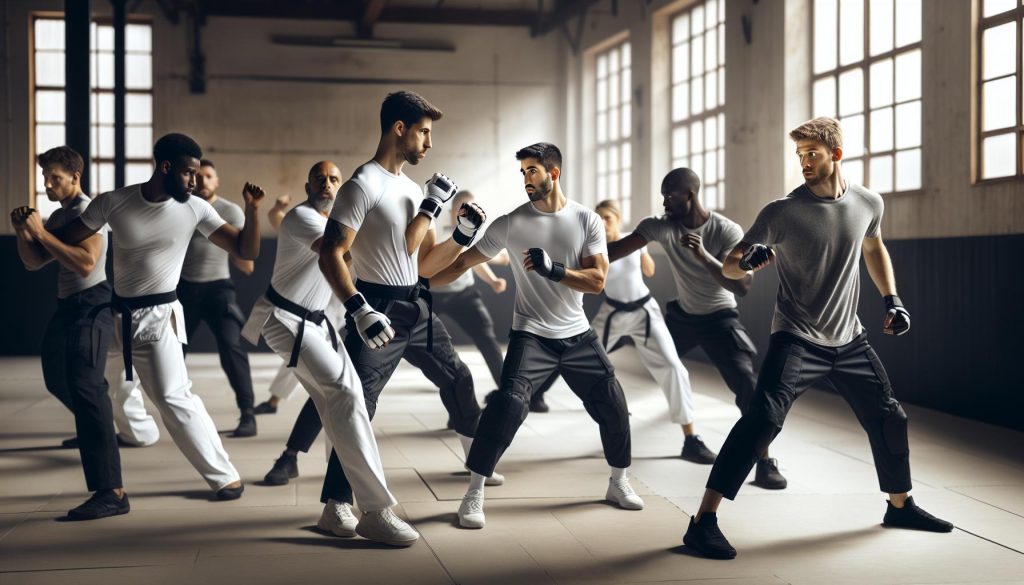
Engaging in sparring is a distinctive feature that sets Krav Maga apart from many traditional martial arts. While most martial arts focus on forms or katas as a primary training method, Krav Maga emphasizes realistic confrontations to prepare practitioners for real-world scenarios. This core difference is rooted in Krav Maga’s mission of effective self-defense rather than competition or artistic expression.
Traditional martial arts like karate or taekwondo often include sparring within a controlled framework, focusing on points or controlled techniques. This not only refines technique but also fosters a spirit of sportsmanship. In contrast, Krav Maga sparring is designed to simulate life-threatening situations where the objective is survival, emphasizing practical techniques over style. Practitioners learn to react instinctively to attacks from all angles, including strikes and grabs, with an understanding that the goal is to escape danger rather than win points.
Krav Maga sparring also encompasses a unique training approach that includes situational drills, such as defending against multiple attackers, armed assault scenarios, and defending in close quarters, which are infrequently addressed in traditional styles. These exercises build not only physical skills but also mental fortitude and the ability to remain calm under pressure. The emphasis on realistic scenarios helps practitioners understand the legal and ethical implications of self-defense, a critical aspect often overlooked in traditional training.
Lastly, safety protocols in Krav Maga sparring are tailored specifically to the intensity and unpredictability of self-defense scenarios. As opposed to traditional martial arts that may sometimes foster a more relaxed sparring environment, Krav Maga practitioners are trained to engage with a focus on both effectiveness and personal safety, reinforcing the responsibility that comes with physical confrontation. This approach highlights the importance of proportional response, ensuring students are aware of the legal ramifications of their actions in real-life situations.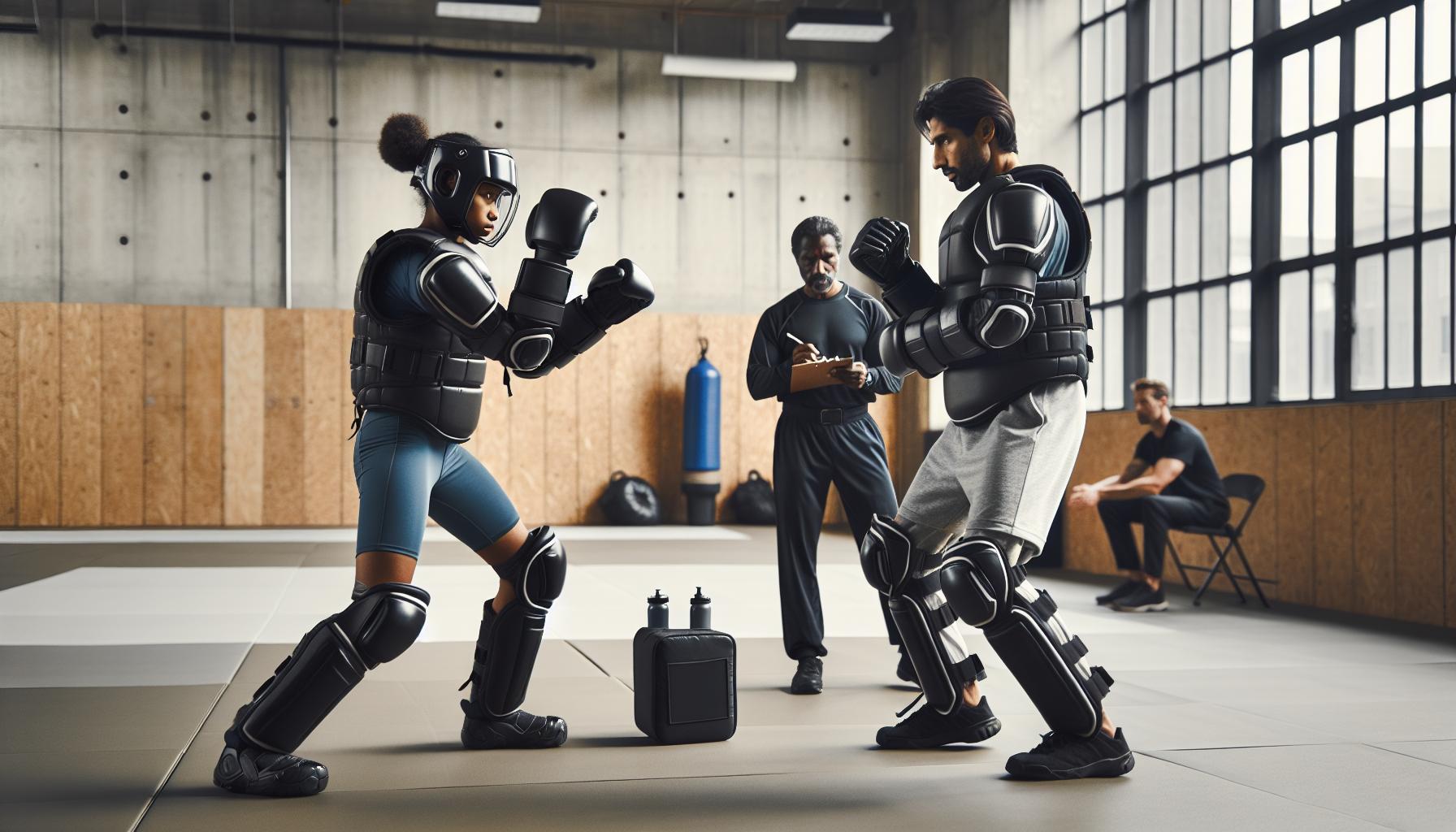
Safety Protocols During Krav Maga Sparring
Engaging in sparring within Krav Maga is not just about testing techniques; it’s fundamentally about safety and the responsible application of self-defense principles. Practitioners must be aware that sparring can simulate real-world confrontations, which inherently involves risks. Establishing and adhering to strict safety protocols during sparring is crucial to prevent injuries and to ensure a productive training environment.
One essential aspect of safety is the use of protective gear. Participants should wear appropriate equipment, including headgear, mouthguards, shin guards, and gloves, which serves to minimize injury during exchanges. This protective gear allows practitioners to engage more freely in sparring without the fear of sustaining significant harm, thereby promoting a more realistic training experience. It’s also important for instructors to monitor the intensity of sparring rounds, ensuring that practitioners maintain control over their actions and don’t exceed a safe level of force.
Moreover, clear communication among sparring partners is vital. Before each session, partners should agree on the intensity, targets, and techniques to be used. Establishing a safeword or signal that either partner can use to pause or stop the sparring is also crucial. This promotes an environment where individuals feel empowered to communicate their comfort levels and even withdraw if they feel threatened or overwhelmed. Awareness of each other’s skills and experience levels can greatly influence sparring outcomes and should guide decisions about whom to partner with.
In addition, instructors play a pivotal role in reinforcing the ethics of engagement during sparring. Practitioners learn to balance aggression with control, promoting a mindset focused on de-escalation whenever possible. Understanding the legal ramifications of actions taken in sparring is also essential; practitioners should be educated about proportional response and the potential consequences of their actions outside the training environment. Ultimately, the goal is to foster responsibility alongside skill – creating a culture where safety, respect, and ethical considerations are paramount in the pursuit of effective self-defense through Krav Maga.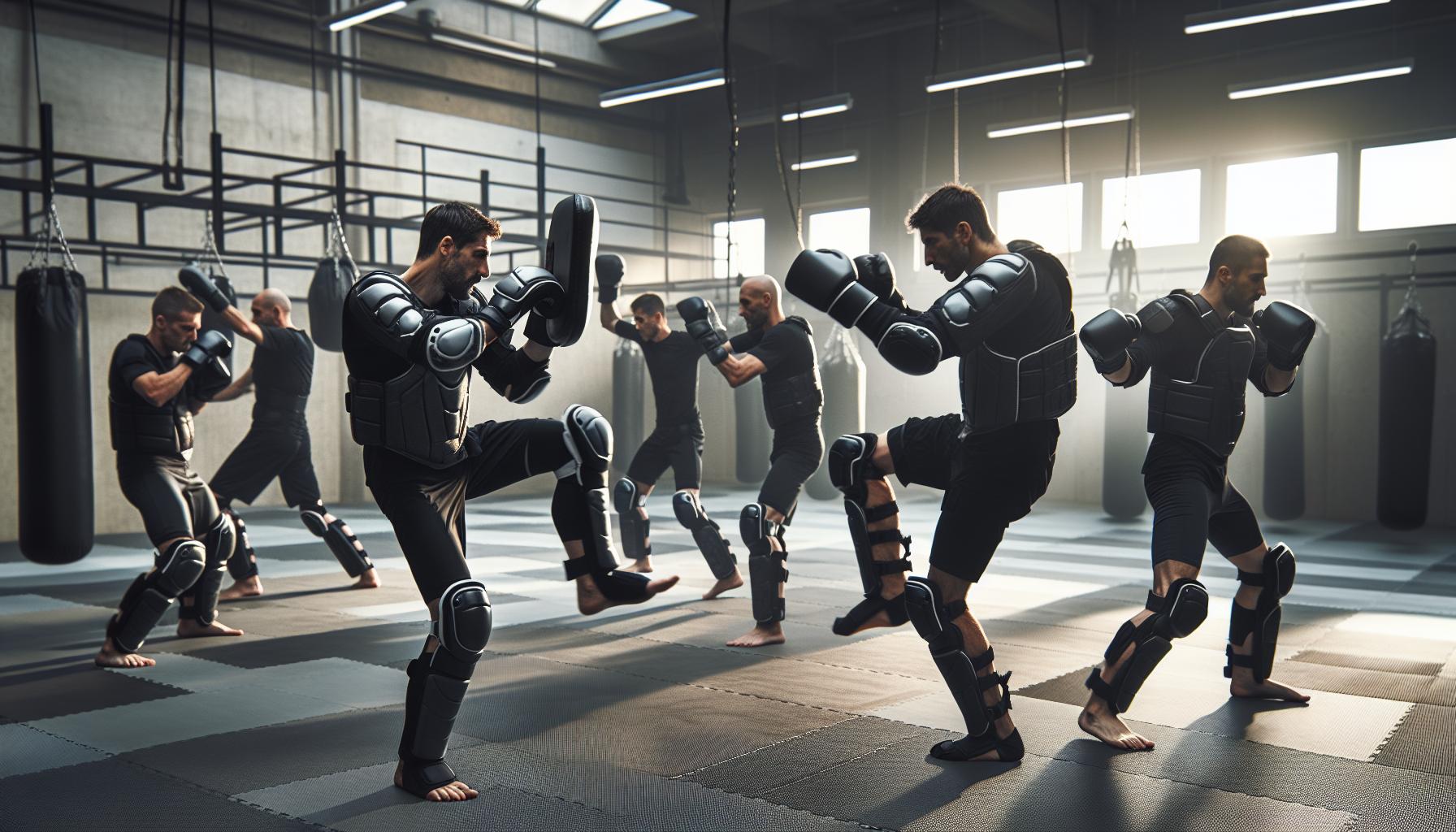
Types of Sparring in Krav Maga: A Closer Look
Sparring in Krav Maga serves as a vital aspect of training, bridging the gap between theoretical knowledge and practical application. There are several types of sparring in Krav Maga, each designed to cater to different objectives and levels of experience. These formats not only enhance skills but also provide students with a safe environment to practice responses to various scenarios.
Types of Sparring
- Controlled Sparring: This format allows practitioners to practice techniques at a reduced intensity. Participants agree on specific techniques to focus on and maintain control to prevent injuries. This type of sparring is ideal for beginners as it emphasizes skill development without the risk of serious injury.
- Free Sparring: In this more dynamic setting, participants engage in unstructured sparring where they can utilize all learned techniques, responding in real-time. It mimics more closely the unpredictability of real confrontations, preparing students for actual defense scenarios. This type of sparring requires a higher level of skill and control, making it suitable for more advanced practitioners.
- Scenario-Based Sparring: Focused on real-life situations, this type involves practicing responses to specific threats or attacks, such as being cornered or dealing with multiple attackers. Participants can experiment with de-escalation techniques, understanding that avoiding conflict is often the ideal outcome. This format emphasizes ethical considerations and the importance of proportional responses.
- Weapons Sparring: As Krav Maga also addresses self-defense against armed attackers, this type of sparring incorporates simulated weapon attacks. Participants practice disarming techniques while wearing protective gear, gaining essential skills in managing confrontations involving weapons. Safety measures are paramount here due to the higher risks involved.
Choosing the appropriate type of sparring for your skill level and goals is essential to maximize the benefits while ensuring safety. Instructors play a key role in facilitating these practices, guiding students through the nuances of engagement that respect both the legal and ethical boundaries associated with self-defense. Engaging in varied sparring types not only enhances physical skills but also fosters the strategic thinking required for effective self-defense in real-world situations.
Integrating Sparring into Krav Maga Curriculum
Integrating sparring into a Krav Maga curriculum is essential for developing effective self-defense skills and preparing students for real-life confrontations. Sparring not only enhances technical proficiency but also fosters physical and mental resilience-the ability to think clearly and act decisively under pressure. To achieve this, instructors must carefully plan how sparring sessions fit within the broader training framework.
A well-rounded curriculum includes a progression from controlled drills to more spontaneous sparring scenarios. For beginners, starting with controlled sparring can help them build confidence and understand distance, timing, and technique without overwhelming pressure. As students advance, instructors can introduce free sparring, which allows for greater creativity and adaptability by encouraging students to apply techniques in unpredictable ways, mirroring the chaos of actual encounters. Scenario-based sparring can then reinforce learning by contextualizing techniques in specific real-world situations, such as escaping an attacker’s grip or dealing with multiple assailants.
Safety protocols are paramount in every sparring session. Instructors should ensure that participants wear appropriate protective gear and emphasize maintaining control at all times to prevent injuries. Additionally, clear rules should be established for every sparring type, promoting respect and self-control while discouraging reckless behavior. This not only helps in reducing the risk of injuries but also ingrains in students the ethical considerations vital to self-defense, such as proportional responses and the importance of de-escalation.
Moreover, feedback during and after sparring sessions is crucial for skill improvement. Instructors should debrief students to reflect on what worked well and what needs enhancement, utilizing these discussions to emphasize legal and ethical dimensions of self-defense. Incorporating these elements into sparring routines prepares students to efficiently evaluate tensions and make informed decisions when faced with potential threats, equipping them with the tools not just for physical confrontation, but for all aspects of self-defense.
The Impact of Sparring on Skill Development
Engaging in sparring within the context of Krav Maga is not just an exercise in physical combat but a multifaceted approach to skill development that equips practitioners with essential self-defense abilities. The dynamic nature of sparring helps refine techniques by pushing students to apply what they’ve learned in realistic and unpredictable scenarios. This active engagement fosters quicker reflexes and a better understanding of timing, distance, and body mechanics, essential traits for effectively responding to threats.
Through structured sparring sessions, individuals learn to adapt their strategies in real-time, an experience that theoretical practice simply cannot provide. For instance, when confronted with an unexpected attack during sparring, practitioners must quickly assess the situation, decide on a counter, and execute that decision under pressure. This simulates the mental and physical demands of a real-life confrontation and builds the practitioner’s confidence in their abilities. Furthermore, such encounters can expose weaknesses in techniques or personal defense strategies, offering invaluable feedback for improvement.
Incorporating various types of sparring into training can enhance specific competencies. Controlled sparring allows beginners to familiarize themselves with techniques without the overwhelming stress of a fully competitive environment, while more advanced practitioners can benefit from free sparring that encourages creativity in their responses. Scenario-based sparring drills can also effectively highlight how to navigate multi-faceted situations, such as dealing with multiple aggressors or defending against non-compliance. These exercises not only enhance technical skills but also instill a deeper understanding of legal and ethical considerations related to the use of force in self-defense.
Finally, sparring serves as a critical component of community and camaraderie among practitioners. Regular sparring sessions create an environment where students can support each other’s growth and build trust. This fosters a safe learning atmosphere where they can confront their fears and push their limits, all while being surrounded by peers who share similar goals in self-defense training. In essence, the impact of sparring extends far beyond physical capabilities; it cultivates resilience, situational awareness, and a respectful approach to the serious responsibility of self-defense.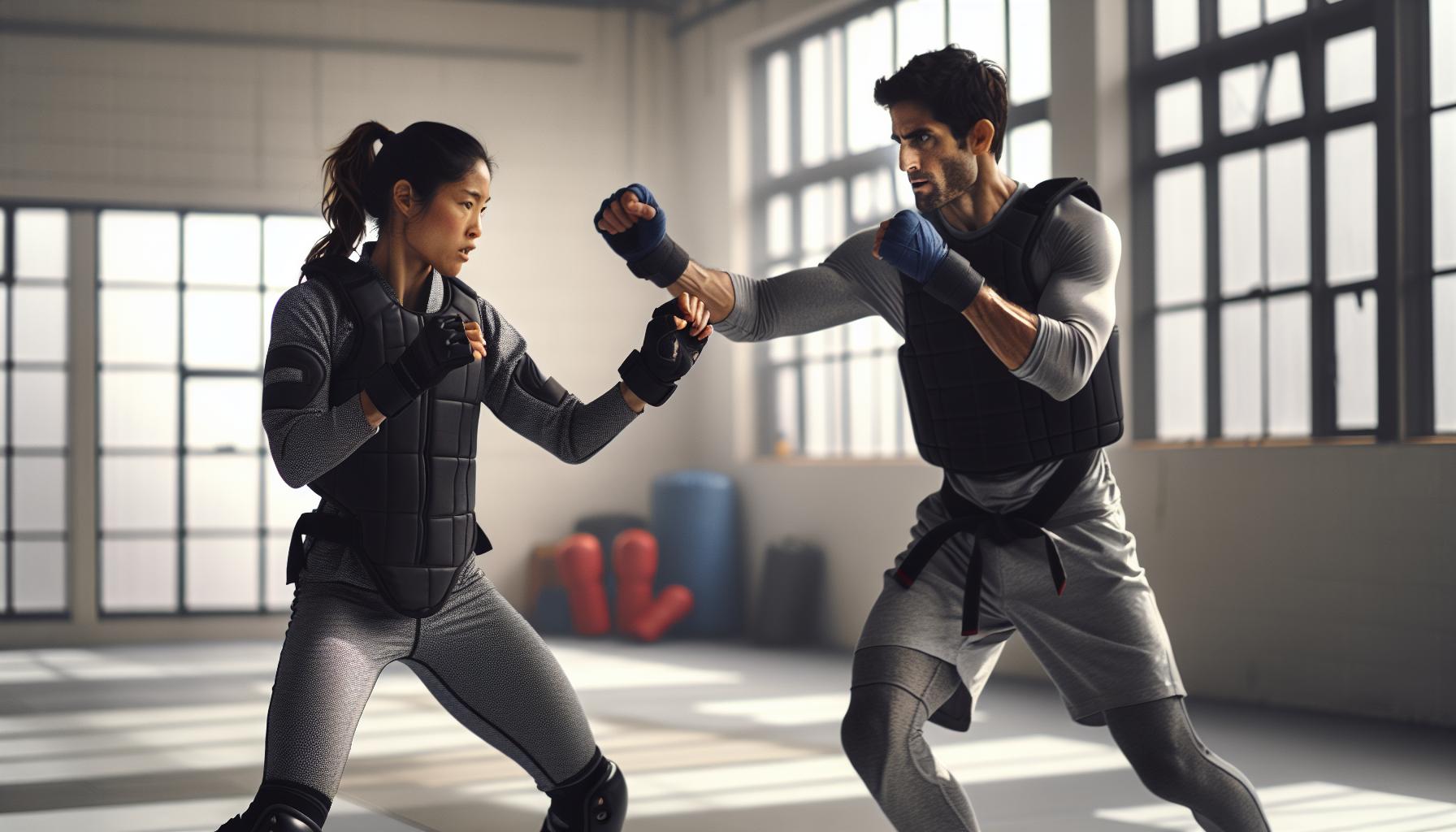
Real-Life Scenarios: Sparring for Practical Application
Understanding how sparring translates to real-life situations is crucial for anyone training in Krav Maga. Engaging in sparring not only conditions the body but also sharpens the mind, preparing practitioners to respond effectively to unexpected threats. During sparring sessions, individuals must make rapid decisions about their actions-assessing threats, choosing appropriate responses, and executing techniques under pressure-all of which closely mimic the realities of self-defense encounters.
When properly implemented, sparring introduces a variety of scenarios that highlight tactics in action. For instance, practitioners might face partners who adopt different fighting styles or aggression levels, forcing them to adapt their responses in real time. This unpredictability mirrors real-life situations where no two encounters are identical. To further enhance practicality, instructors can set up scenario-based sparring, such as role-playing common incidents like muggings or assaults in a controlled environment. This approach helps students practice de-escalation techniques, understand the importance of situational awareness, and employ self-defense measures proportionately.
The benefits of sparring extend beyond physical techniques; they also encompass psychological readiness. Practitioners learn to remain calm when faced with confrontation, a skill vital for managing the fear and adrenaline that often accompany unexpected attacks. Moreover, practicing within a safety-conscious environment reinforces the ethical considerations of self-defense. Participants gain insights into the legal ramifications of their actions, reinforcing the notion that self-defense must always remain a response to a perceived threat, not an opportunity for aggression.
In each sparring session, the focus should be on realistic applications and continuous improvement. This allows individuals to identify their strengths and weaknesses in various scenarios, ultimately fostering a more resilient mindset. Engaging in sparring not only develops fighting skills but also promotes a deep respect for the responsibility that comes with self-defense training. As a result, practitioners emerge not only more capable of defending themselves but also as thoughtful individuals who understand the weight of their choices in potentially dangerous situations.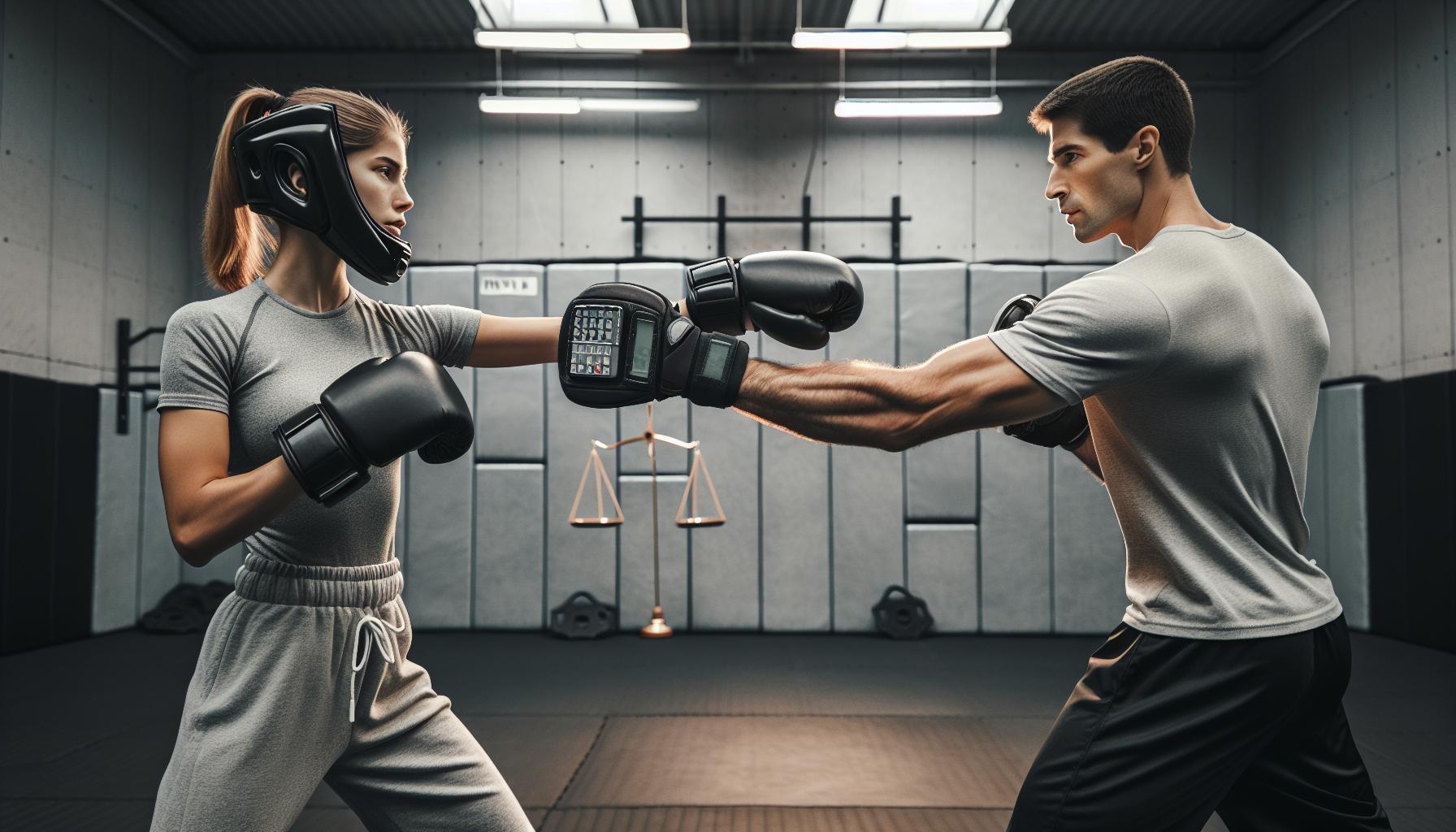
Krav Maga Sparring: Legal and Ethical Considerations
Engaging in sparring as part of Krav Maga training raises important legal and ethical considerations that practitioners must understand to navigate self-defense situations responsibly. The fundamental principle of self-defense is the use of proportionate force, meaning that any response must be appropriate to the threat faced. It’s vital to remember that using excessive force, whether during training or in real-life situations, can have serious legal consequences. Understanding the laws governing self-defense in your jurisdiction is essential. For instance, many states follow the “stand your ground” law, which permits individuals to use force without retreating when they believe they face an immediate threat. However, this is not universally applicable, and it’s crucial to familiarize yourself with local laws that might impose a duty to retreat or establish specific limits on the use of force.
In the context of sparring, ethical considerations play a significant role. Training in Krav Maga should foster an environment of respect and responsibility, promoting an understanding that the techniques learned are intended for self-defense, not as tools for aggression or domination. Instructors have a duty to teach students not only how to defend themselves effectively but also when it is appropriate to do so. Practitioners should engage in sparring with the mindset of self-regulation and control, avoiding unnecessary harm to their partners while honing their skills. Emphasizing de-escalation tactics during training reinforces the ethical imperative to value safety and minimize confrontation.
Furthermore, sparring can serve as a practical arena for discussing ethical dilemmas. Scenarios such as controlling an aggressor without causing injury can be explored, allowing participants to practice restraint while applying learned techniques. This not only enhances skill but also deepens awareness of the consequences of physical confrontations. The overarching message is one of empowerment-practitioners learn to defend themselves effectively while internalizing the moral weight of their potential actions.
To encapsulate the blend of legality and ethics in sparring within Krav Maga, practitioners must constantly assess their intentions and the appropriateness of their responses, both in training and real-life confrontations. By fostering this culture of safety, respect, and legality, practitioners can confidently navigate the complexities of self-defense scenarios while remaining committed to personal responsibility and ethical conduct.
Common Misconceptions About Sparring in Self-Defense
Many people believe that sparring in Krav Maga is solely about engaging in aggressive fights, but this view is incomplete and often misguided. In reality, sparring is a nuanced practice designed to enhance self-defense skills through controlled scenarios, allowing practitioners to apply techniques in a safe yet realistic environment. This structured method contrasts starkly with the common perception that sparring is simply an unmanaged brawl. Understanding this distinction is crucial for anyone looking to train in self-defense effectively.
One major misconception is that sparring conditions are chaotic and unpredictable. While it is true that live training can introduce a level of spontaneity and intensity, Krav Maga sparring is often conducted with specific objectives in mind. Instructors will design drills that focus on particular techniques, decision-making processes, or situational responses. This guide promotes not only physical readiness but also mental acuity, as practitioners learn to assess threats and respond proportionately-a foundational principle of self-defense.
Another common misunderstanding is that sparring is synonymous with violence or aggression. Those new to martial arts might fear that sparring encourages reckless behavior or a combative mindset. However, the ethos of Krav Maga training distinctly emphasizes de-escalation and ethical use of force. Through sparring, practitioners learn to maintain control, respect their training partners, and prioritize safety. Instructors stress the importance of self-regulation, ensuring that all participants understand that training is about honing skills for self-defense rather than seeking dominance over others.
Additionally, some believe that sparring is not effective for actual self-defense situations. Yet, engaging in realistic scenarios during training significantly enhances a student’s ability to respond under pressure. Practitioners experience the emotional and physiological responses that occur during a confrontation, which can’t be replicated through static drills. This kind of immersive experience builds confidence and readiness in real-life situations, reinforcing the practicality of Krav Maga as an effective self-defense system.
By dispelling these misconceptions, practitioners can approach their training with a clearer understanding of the true purpose of sparring in Krav Maga. It is a vital tool for developing skills, enhancing judgment, and fostering a responsible attitude towards self-defense.
Advancing Your Skills: Sparring Training Tips
Engaging in sparring within Krav Maga training is an invaluable way to develop and refine your self-defense skills. To maximize your improvement during these sessions, it’s essential to adopt a strategic approach. Here are several tips to enhance your sparring practice and ensure it contributes effectively to your overall preparedness.
One of the most critical aspects of sparring is mindfulness of your objectives. Before stepping onto the mat or training floor, set clear goals for what you want to achieve during the session. Perhaps you’re looking to improve your defensive techniques, practice counter-attacks, or work on maintaining composure under pressure. This focused mindset helps you channel your energy and learn more effectively.
Communication with your sparring partner is equally important. Discuss your goals openly and agree on a level of intensity that works for both of you. This collaboration ensures that the sparring session is constructive rather than confrontational. Establishing ground rules, such as targeting certain areas or avoiding specific techniques, helps create a safer training environment that allows both fighters to explore different strategies without fear of injury.
Regularly reviewing your sparring sessions can be immensely beneficial. Consider recording your sparring sessions and watching them later to identify areas for improvement. Look for patterns in your movements, reaction times, and decision-making processes. Self-assessment paired with constructive feedback from instructors or peers can accelerate your learning curve as you recognize strengths and weaknesses in your techniques.
Lastly, remember that safety is paramount in sparring. Make sure to use appropriate protective gear and respect your partner’s limits. Krav Maga emphasizes ethical engagement; therefore, maintaining a respectful attitude ensures that training remains safe and beneficial for all involved. Understanding the legal and moral implications of physical confrontation is crucial. Practice techniques that prioritize de-escalation and consider the potential consequences of your actions in a real-world scenario.
Approaching sparring with a strategic mindset, open communication, self-assessment, and a strong emphasis on safety not only builds your skills but reinforces the true purpose of Krav Maga as a self-defense system-empowering you to protect yourself while respecting the gravity of physical engagement.
Frequently Asked Questions
Q: Does Krav Maga incorporate sparring in its training methods?
A: Yes, Krav Maga does include sparring as part of its training methods. Sparring helps practitioners develop real-time combat skills, enhance speed, and learn to apply techniques under pressure. Engaging in sparring sessions prepares students for potential self-defense situations.
Q: What types of sparring are practiced in Krav Maga?
A: Krav Maga includes various types of sparring, such as controlled sparring, full-contact sparring, and scenario-based sparring. These formats help students apply techniques in different situations, enabling them to adapt and respond effectively during real-life confrontations.
Q: How important is sparring for self-defense effectiveness in Krav Maga?
A: Sparring is crucial for self-defense effectiveness in Krav Maga. It allows students to practice techniques against a resisting opponent, improving their ability to react appropriately during a real attack. Regular sparring enhances decision-making and boosts confidence in self-defense scenarios.
Q: Are there safety protocols during Krav Maga sparring sessions?
A: Yes, safety protocols are strictly followed during sparring in Krav Maga. Practitioners typically wear protective gear, such as gloves and headgear, to minimize injury. Instructors also enforce rules to ensure that sparring remains a safe learning environment while still being realistic.
Q: Can beginners participate in sparring?
A: Beginners can participate in sparring, but it’s recommended they first develop a solid foundation of techniques through drills and guided practice. Once comfortable, instructors often introduce sparring gradually to ensure safety and proper technique application.
Q: What benefits does live training through sparring provide?
A: Live training through sparring offers numerous benefits, including improved reaction times, practical application of techniques, and heightened situational awareness. Practitioners learn to handle stress and uncertainty, crucial elements in self-defense situations.
Q: How does Krav Maga sparring differ from traditional martial arts sparring?
A: Krav Maga sparring is focused on realistic self-defense scenarios, prioritizing efficiency and survival over sport-oriented rules found in traditional martial arts sparring. It emphasizes tactics and quick responses rather than point scoring or choreographed movements.
Q: Is sparring the only way to practice techniques in Krav Maga?
A: No, sparring is not the only method to practice techniques in Krav Maga. Other methods include drills, pad work, and scenario simulations. However, sparring provides a unique opportunity to test skills against an opponent, enhancing training effectiveness.
Future Outlook
Understanding sparring in Krav Maga is essential for maximizing your self-defense training. While live training methods enhance your skills, remember that safety and legality remain paramount. As you consider how sparring fits into your practice, explore our in-depth guides on “Krav Maga Techniques” and “Understanding Self-Defense Laws” to deepen your knowledge and ensure you’re fully prepared for real-life scenarios.
Ready to take the next step? Sign up for our newsletter for exclusive tips and updates, or check out our recommended courses to elevate your training from beginner to expert. Your journey doesn’t stop here-stay engaged with our community to share experiences and learn from others, or comment below with your thoughts and questions. Together, we can empower you to navigate the complexities of self-defense effectively and responsibly.
Get our latest guides, news, and insights highlighted in your Google Search & AI Overviews.