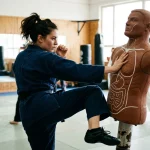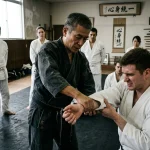
In today’s unpredictable world, the ability to defend oneself against armed threats is a crucial skill. Krav Maga, known for its practical and efficient self-defense techniques, includes specific strategies for disarming an assailant. This training not only emphasizes physical techniques but also builds awareness of legal and ethical ramifications. With the right approach, you can learn how to neutralize threats while prioritizing your safety and the safety of others. Understanding how to effectively respond to weapons can empower you in crises where quick decisions matter. Join us as we uncover essential disarming techniques rooted in Krav Maga’s philosophy, equipping you with the knowledge to protect yourself and others responsibly.
Understanding Krav Maga’s Approach to Weapons Training
Krav Maga’s methodology for weapons training is designed not only to tackle armed confrontations effectively but also to prioritize the safety and legality of self-defense actions. This martial art, developed for self-protection in real-world situations, emphasizes instinctive movements, simple techniques, and practical defenses against various weapons. The foundation of Krav Maga training lies in understanding the psychological and physical dynamics of a confrontation. Trainees learn to remain calm under pressure, assess threats quickly, and respond in a way that prioritizes their safety and that of others.
Incorporating scenarios that simulate realistic encounters is a critical aspect of Krav Maga’s approach. Practitioners train to disarm opponents wielding knives, guns, and blunt objects by focusing on effective distance management and swift, decisive actions. Techniques are built around exploiting the weapon holder’s vulnerabilities while aiming for a rapid resolution to the encounter. For instance, learners are taught methods to control an opponent’s weapon hand while using their free hand to maintain distance or disable the attacker. This dual-response technique ensures that the defender stays engaged with their opponent while remaining aware of their surroundings.
Legal considerations are paramount in Krav Maga training. Practitioners are educated about the laws surrounding self-defense and weapon use in their jurisdiction to ensure they act within legal boundaries. The emphasis is on proportional response; self-defense actions should reflect the level of threat faced. This understanding not only empowers individuals but also fosters a mindset that values de-escalation over confrontation when possible. By framing training in a responsible manner, Krav Maga instills a sense of duty in its practitioners to use their skills ethically.
Ultimately, Krav Maga’s approach to weapons training harmonizes effectiveness with responsibility. It prepares individuals to respond robustly to threats while respecting legal frameworks and ethical considerations. With a strong focus on real-world applications, participants gain not just physical skills but also the mental preparedness necessary to navigate potentially dangerous situations responsibly.
Essential Disarming Techniques for Real-World Scenarios
In real-world scenarios, being able to disarm an assailant can mean the difference between life and death. Krav Maga offers effective techniques honed for practical application against various types of weapons, such as knives and firearms. A key principle in Krav Maga is that disarming moves must be direct, efficient, and instinctive, allowing practitioners to react quickly under pressure.
One of the fundamental techniques for disarming an adversary wielding a knife is known as the “wrist control” technique. By targeting the attacker’s wrist, you can apply pressure to control the weapon’s trajectory. From an appropriate distance, use your dominant hand to grasp the wrist firmly, and immediately pull it towards you while stepping offline to reduce the attacker’s angle of attack. This allows you to follow up with other defensive maneuvers-such as striking or displacing the weapon-while maintaining control over the weapon’s movement.
For a firearm encounter, the “redirect and disarm” technique is vital. It begins by creating distance and maintaining situational awareness. If the assailant points a gun at you, your initial reaction should include a strong verbal command, followed by movement to the side to create a safer angle. Simultaneously, use your body to push the weapon off-target, either aiming it away from yourself or others. This step must be combined with an immediate grab of the weapon hand. The goal is to gain control over the firearm while also ensuring your own safety and that of bystanders. As with knife defenses, practitioners are trained to follow up quickly to incapacitate the attacker if necessary.
Legal Considerations and Techniques
Understanding the legal implications of using disarming techniques in self-defense situations is crucial. Many regions have laws stipulating what constitutes justifiable force. Always aim for a response that is proportional to the threat. For example, if the attacker’s intent seems to be only to intimidate, using excessive force may lead to severe legal consequences. Ensure that your actions reflect the immediate nature of the threat-self-defense should never be about retaliation but rather about ensuring safety and de-escalation where possible.
By practicing these essential disarming techniques in a controlled environment, martial arts practitioners can develop confidence and effectiveness in real-life encounters. Always remember the importance of de-escalating situations when feasible; sometimes, simply maintaining a safe distance and managing verbal communication can prevent violence altogether.
How Effective is Krav Maga in Different Situations?
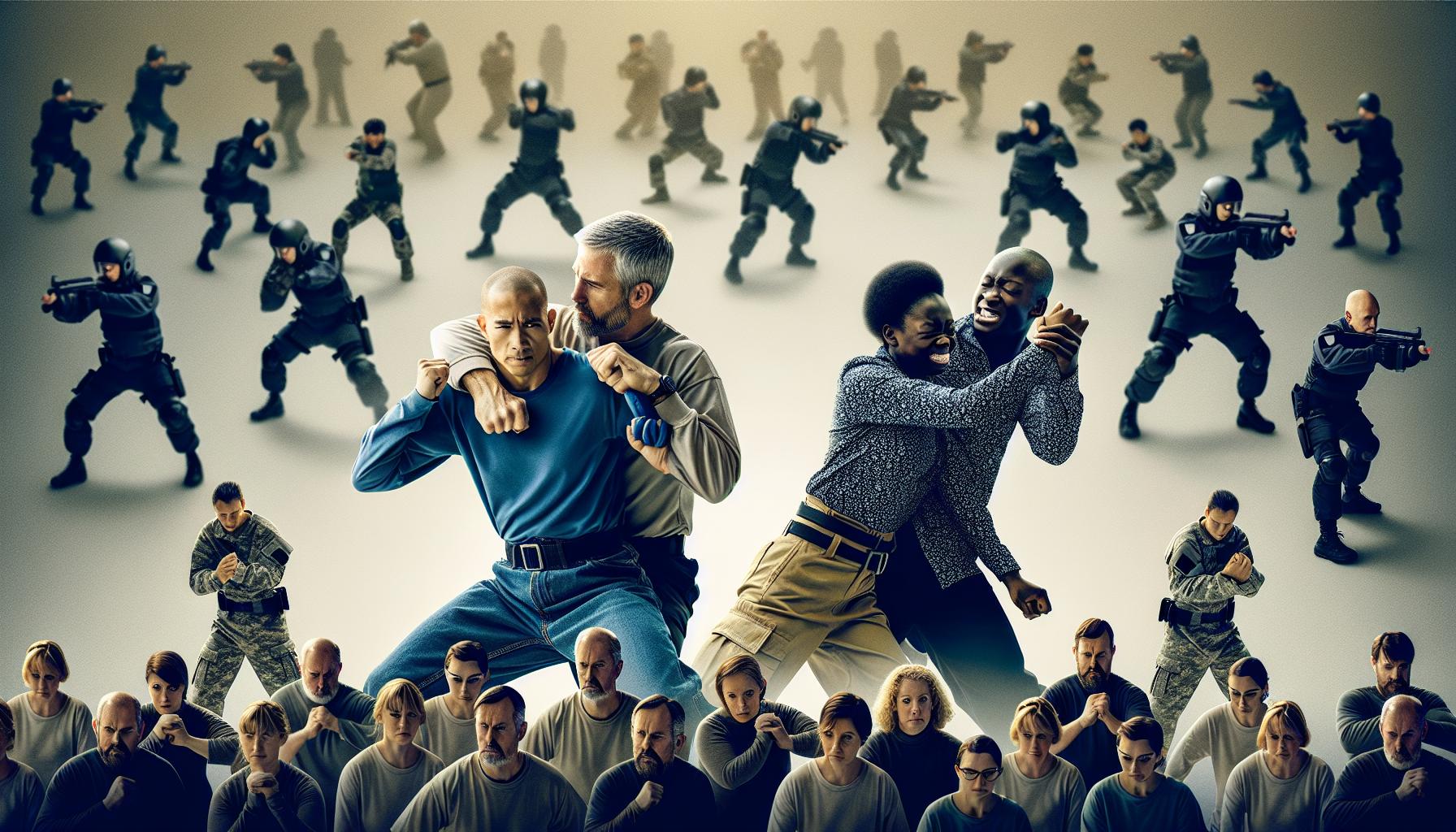
In the realm of self-defense, the effectiveness of Krav Maga in various situations can be a vital factor in determining outcomes, especially during weapon encounters. Known for its pragmatic approach, Krav Maga emphasizes techniques that are straightforward to learn and instinctual to execute. This martial art’s training is predicated on scenarios that reflect real-life assaults, providing practitioners with applicable skills for disarming weapons effectively, whether they are dealing with knives, guns, or other forms of aggression.
One of the primary strengths of Krav Maga lies in its adaptability. Unlike traditional martial arts that often rely on predetermined stances and movements, Krav Maga encourages fluidity and awareness during confrontations. Practitioners are trained to maintain situational awareness, allowing them to recognize and react to threats in their environment promptly. For example, if faced with an armed attacker, the focus will be on redirecting the assailant’s energy and turning the tide to one’s advantage through movements that prioritize safety while aiming for efficiency. A person trained in Krav Maga can respond to varied situations-from random acts of violence to targeted aggression-using principles that prioritize immediate survival and threat neutralization.
Furthermore, Krav Maga’s emphasis on realistic scenario-based training means that students practice techniques that are contextually relevant. For instance, drills often simulate dynamic assaults where the attacker may be aggressive, intoxicated, or otherwise unpredictable. This realistic preparation helps practitioners react more effectively under pressure, increasing their chances of successfully defending themselves in real-life situations. Students are encouraged to think critically, making choices that align with the legal and ethical standards of self-defense. Recognizing the importance of de-escalation, practitioners learn to assess when force is necessary and how to achieve control without overstepping legal boundaries.
That said, it is critical for practitioners to understand that while Krav Maga provides powerful tools for defense, there are significant legal and ethical considerations involved. Effective and responsible self-defense must always prioritize de-escalation where possible and ensure that any response is proportional to the threat faced. Therefore, consistently training in situational awareness and legal implications should remain integral to any practitioner’s routine.
Legal Considerations for Self-Defense and Weapon Use
Understanding the legal implications of self-defense and the use of weapons is critical for anyone practicing martial arts, especially in a style like Krav Maga, where techniques for disarming opponents are central to the training. Law varies significantly by jurisdiction, but fundamental principles exist that everyone must understand before engaging in self-defense situations. The concept of proportionality is key: your response must be appropriate to the threat level you face.
In many jurisdictions, self-defense can be justified as a legal defense during encounters where your life is threatened or you face serious bodily harm. However, using force, especially lethal force, can result in serious legal consequences if it is deemed excessive. For instance, if you were to disarm an assailant with a knife but then continued to attack beyond neutralizing the immediate threat, this could be construed as excessive force, leading to potential criminal charges. Familiarizing yourself with local laws regarding the use of force is crucial:
- Duty to Retreat: Some states require individuals to attempt to retreat from a dangerous situation before resorting to defensive force.
- Stand Your Ground Laws: In certain areas, you may not be required to back down, even in public, as long as you feel threatened.
- Castle Doctrine: This allows individuals to use force, including deadly force, when facing threats in their own homes.
Knowing the laws where you live or where an incident occurs can profoundly influence the outcome of a self-defense claim. Practical understanding goes beyond legal texts; it extends to situational awareness and recognizing when de-escalation might be possible. For example, if confronted verbally by a potentially violent individual, attempting to defuse the situation rather than engaging physically can often prevent escalation.
Moreover, ethical considerations should always accompany your training. Krav Maga emphasizes survival, but with this emphasis comes the responsibility to use your skills judiciously. Practitioners are trained to evaluate threats continuously, understanding that avoiding confrontation is often preferable to engaging in violence. The goal is to minimize harm-both to oneself and others-while ensuring that any defensive actions fall well within the legal frameworks of self-defense.
Ultimately, the practice of Krav Maga should empower individuals not only in physical assertiveness but also in legal literacy and moral responsibility. This holistic approach reinforces that true mastery of self-defense extends beyond efficient techniques to include a deep understanding of the law, ethics, and practical applications of disarming an assailant in real-world situations.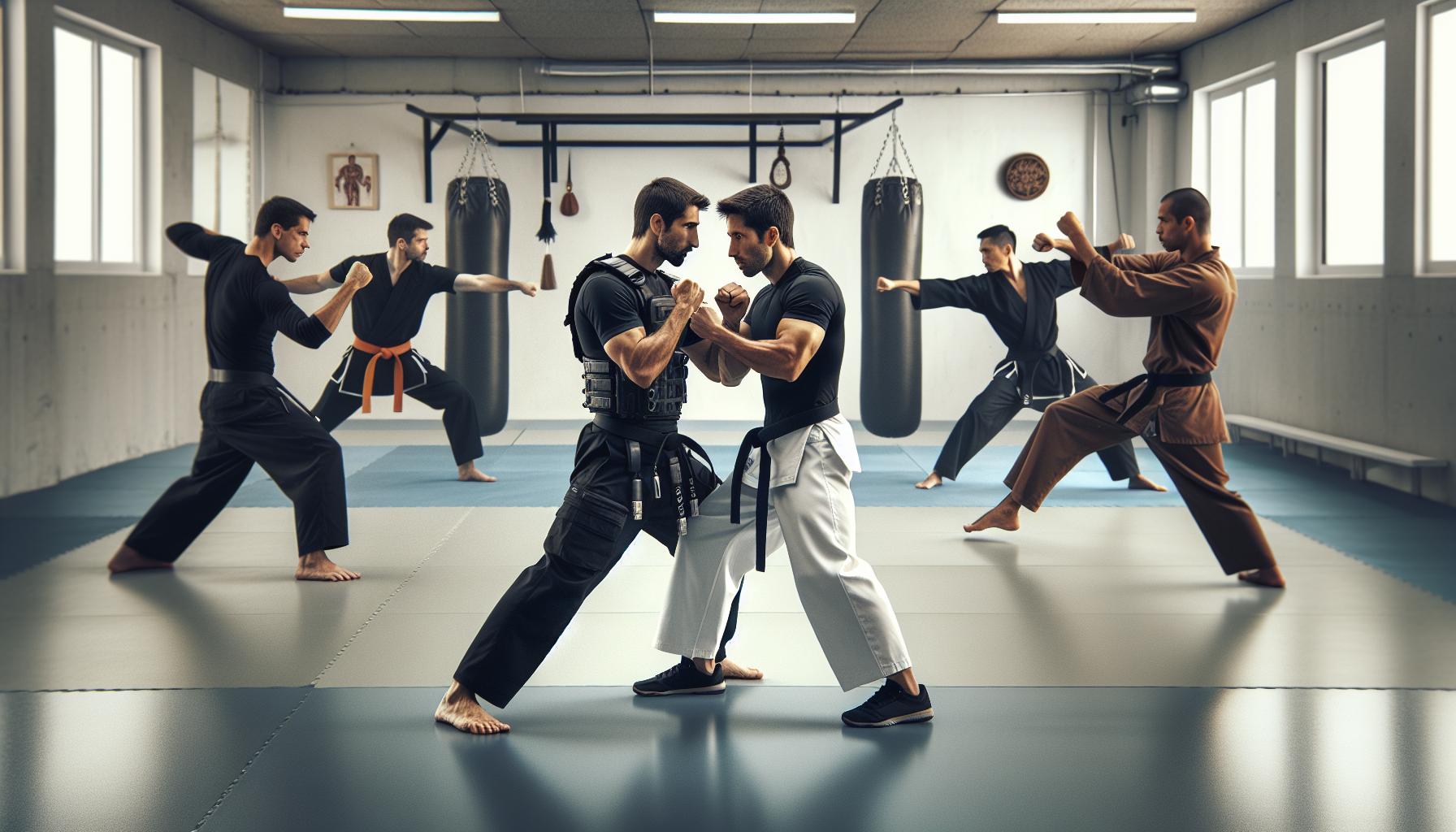
Comparing Krav Maga to Other Martial Arts Styles
Krav Maga stands out among martial arts for its practical, straightforward approach, notably when it comes to weapon defense and disarming techniques. Unlike traditional arts, which may focus on forms and point sparring, Krav Maga emphasizes real-world scenarios where an attacker might wield a weapon. This martial art systematically teaches practitioners how to respond to various threats, employing aggression intelligently and effectively.
One key difference between Krav Maga and more sport-oriented martial arts like Brazilian Jiu-Jitsu (BJJ) or Taekwondo is the emphasis on survival over competition. While BJJ focuses on submissions and grappling in a controlled environment, Krav Maga practitioners train to neutralize threats as quickly as possible, often using instinctive movements that require minimal technical precision under stress. BJJ may be effective in one-on-one situations, but Krav Maga prepares individuals for potential multiple attackers and situations involving weapons, stressing the importance of situational awareness and preemptive action.
Weapon Defense Techniques
When comparing weapon defense methods, Krav Maga does not treat all attacks the same way. Techniques vary according to the type of weapon and the scenario at hand-be it a knife, firearm, or blunt object. For instance:
- Knife Attacks: Krav Maga teaches disarming techniques that allow a practitioner to control the weapon arm and neutralize the threat, focusing on timing and distance rather than strength.
- Gun Threats: In cases of armed confrontation, practitioners learn to redirect the weapon while simultaneously creating distance, understanding that escaping danger is preferable.
This pragmatism contrasts sharply with arts that prioritize form and aesthetics, such as Kung Fu or traditional Karate, which often feature elaborate techniques that may not translate effectively in urgent, high-stress scenarios.
Legal and Ethical Considerations
The reality of self-defense training in any martial art necessitates a clear understanding of legal boundaries. Both Krav Maga and other styles acknowledge the laws surrounding self-defense, but Krav Maga emphasizes immediate, strategic responses that adhere to legal standards. While some arts may train students primarily for competition, Krav Maga’s focus is on using appropriate force-something critical for legal protection in self-defense cases.
Practitioners should approach their training with a mindset of responsibility, acknowledging that they possess skills that could have serious implications in real life. Always explore the ethics and legality of using force, and prioritize de-escalation when confronted with aggression. Ultimately, understanding and respecting these boundaries is crucial not just for legal self-defense, but for the moral implications of physical confrontation.
In conclusion, the practical combat applications of Krav Maga, especially concerning weapons, offer unique advantages compared to traditional martial arts. By focusing on survival, situational awareness, and the legal implications of self-defense, Krav Maga prepares practitioners to navigate real-world threats effectively and responsibly.
Practical Drills to Improve Weapon Defense Skills
Understanding how to respond effectively to armed confrontations through practical drills is essential for anyone training in Krav Maga. These drills not only build confidence but also enhance muscle memory, which is critical in high-stress scenarios where quick reactions are necessary.
One foundational drill focuses on knife defense. Practitioners partner up, with one acting as the attacker wielding a training knife (it’s crucial to use a safe, blunted material). The defender practices the technique of redirecting the knife arm while simultaneously gaining control. Proper distancing, footwork, and timing are crucial components taught during this drill. Make sure to standardize the speed and intensity, progressively increasing it as skill and comfort levels rise.
In another drill for gun threats, the defender practices techniques for safely diverting an armed assailant’s weapon. This can be done in a controlled environment, first starting from a fixed position, where the defender learns to recognize the safest angles to approach and disarm the weapon. Once confidence builds, practitioners can simulate real-world conditions by introducing movement and unpredictability, simulating scenarios such as being held at gunpoint. It’s essential to emphasize awareness and the objective of de-escalation, first offering verbal commands before resorting to physical actions.
Regular practice of these drills should occur alongside discussions on the legal and ethical implications of self-defense. Practitioners must grasp the gravity of their training and its potential consequences. It’s vital to incorporate discussions about when to apply defensive techniques and the importance of prioritizing instigating safety over engaging in confrontation. Always remember, the first goal should be to avoid physical conflict if possible.
Finally, integrating situational awareness drills is imperative. Practitioners should engage in exercises that enhance their ability to read environments and anticipate potential threats. Activities like role-playing with classmates can help individuals practice assessing situations, determining the best course of action, and improving their instinctual reactions.
By focusing on systematic drills that emphasize safety, legality, and ethical responses, you can enhance your weapon defense skills while cultivating a responsible approach to self-defense. Practice with a clear understanding of your training’s implications, and remember that preparedness is about knowledge and confidence as much as physical ability.
Integrating Situational Awareness in Weapon Encounters
To successfully navigate weapon encounters, situational awareness plays a pivotal role in a practitioner’s ability to respond effectively and safely. Understanding one’s environment-including recognizing potential threats, identifying escape routes, and being aware of bystanders-can be the deciding factor in de-escalating a confrontation before it turns physical. This awareness allows practitioners to process the situation rapidly, reducing reaction time and increasing overall safety.
One practical approach to enhancing situational awareness is through environmental scanning. This involves consistently observing one’s surroundings for anything unusual or suspicious. Consider using the “triangle of awareness” method: focus on three key areas-what is happening directly in front of you, to your left and right, and behind you. Engage in exercises such as walking in public spaces while continuously assessing these zones, noting the presence of potential threats, such as individuals behaving erratically or objects that could be utilized as weapons.
Another effective technique is the incorporation of role-playing scenarios in training sessions. By simulating various situations-such as encountering an aggressive individual in a crowded area-practitioners can practice assessing environments, determining the best course of action, and initiating appropriate responses. For example, a training exercise might involve a group of students in which one plays an armed assailant while others practice their responses based on situational cues. Such drills reinforce the importance of maintaining composure and utilizing situational clues, preparing students for real-world encounters.
Additionally, practitioners should prioritize verbal de-escalation techniques. These techniques involve using calm and assertive communication to diffuse tension before it escalates into violence. Being aware of body language-both yours and others-can contribute significantly to this strategy. A confident posture and a steady tone can convey authority and control, potentially disarming a hostile situation without the need for physical confrontation.
In conclusion, integrating situational awareness into weapon encounters requires continuous practice and mindfulness. By honing observational skills, engaging in scenario-based training, and employing verbal de-escalation, practitioners of Krav Maga can significantly improve their ability to respond to threats, prioritizing safety, legality, and ethical considerations in their actions.
The Role of Mental Preparedness in Disarming Assailants
Mental preparedness is a crucial component of successfully disarming an assailant. In high-stress situations involving weapons, the mind often reacts more rapidly than the body can move. A practitioner who has mentally rehearsed various scenarios will not only feel more equipped but will also respond with greater clarity and composure. This readiness can mean the difference between finding a way to de-escalate a confrontation and succumbing to panic or fear.
To cultivate this mental readiness, practitioners should engage in visualization techniques. By imagining themselves in a variety of threatening situations-such as facing an armed attacker in a public space-individuals can prepare their minds to react appropriately. This mental exercise can reduce anxiety and improve decision-making under pressure. Reenacting these scenarios in a controlled training environment, coupled with visualization, can further refine responses and strategies. For instance, during training, a practitioner might visualize themselves using a disarming technique, followed by successfully escaping the situation or calling for help, reinforcing positive outcomes in their mental framework.
Moreover, understanding the legal implications of self-defense is paramount. Practitioners must be acutely aware of the laws governing self-defense in their specific jurisdictions. This knowledge can alleviate fears around legal repercussions and help delineate between justified and unjustified use of force. Preparing mentally involves not only practicing physical techniques but also internalizing the legal and ethical responsibilities entailed in self-defense scenarios. This comprehensive understanding aids in promoting a clear mindset that prioritizes safety and proportional responses rather than aggression.
In summary, mental preparedness encompasses visualization, scenario training, and a solid grasp of legal considerations. By emphasizing these aspects, Krav Maga practitioners can empower themselves to navigate complex situations with confidence, ensuring they remain calm and focused when disarming an assailant is crucial.
Safety Protocols When Practicing Disarming Techniques
Practicing disarming techniques in Krav Maga is not just about mastering physical skills; it requires a comprehensive approach rooted in safety protocols to prevent injury and promote effective training. The reality is that weapons can cause serious harm, and understanding how to practice safely is paramount for all practitioners. Ensuring that all training is conducted in a controlled environment is the first step. This includes the presence of qualified instructors, appropriate protective gear, and the use of training weapons that simulate real-life scenarios without the inherent dangers (such as rubber knives or simulated firearms).
Before engaging in any disarming drill, it’s crucial to establish clear communication among participants. This includes setting ground rules for practicing techniques and having a signal to stop the exercise immediately if a situation escalates unexpectedly. Practitioners should regularly remind each other of the importance of maintaining a safe distance during training to avoid accidental injuries. Moreover, no participant should ever feel pressured to perform a technique beyond their comfort or skill level, as this can lead to mistakes that may result in injury.
Furthermore, it’s essential to discuss the legal implications surrounding weapon use during training. Each state has specific laws regarding the use of force, and practitioners should be educated on these to ensure that their training aligns with legal standards. Emphasizing the ethical considerations of self-defense-such as de-escalation tactics or retreating to avoid confrontation-should be integrated into training sessions. Practitioners must understand that, while learning to disarm an assailant is vital, the ultimate goal should be to prioritize safety and avoid using force whenever possible.
Finally, reinforcing the importance of mental preparation alongside technical skills cannot be overstated. Practitioners should regularly engage in scenario-based training that incorporates situational awareness and decision-making under stress. Role-playing various situations can help in understanding the emotional and psychological aspects of potential confrontations. By incorporating these safety protocols and insights into disarming training, Krav Maga practitioners will cultivate a responsible, effective approach to self-defense that respects both personal safety and the legal ramifications of their actions.
Common Misconceptions About Krav Maga and Weapons
Many people hold misconceptions about Krav Maga, particularly regarding its approach to weapons and disarming techniques. A prevalent myth is that Krav Maga trains individuals to be aggressive or overly combative. In reality, the philosophy behind its weapon training emphasizes self-defense and de-escalation. Practitioners learn to assess situations critically, prioritizing safety and minimizing harm before resorting to physical confrontation. This counterintuitive approach aligns with legal and ethical considerations, fostering a mindset that champions resolution without violence when possible.
Another common misunderstanding is that Krav Maga techniques are infallible or guaranteed to work in every scenario. While Krav Maga provides realistic tools for weapon defense, practitioners must acknowledge that no technique is foolproof. Much depends on the specifics of each encounter, including the type of weapon, the assailant’s intent, and the environment. The training emphasizes adaptability and situational awareness; thus, individuals are equipped to respond appropriately based on dynamic circumstances rather than relying solely on fixed techniques. Understanding this fluidity can bolster confidence while also emphasizing the importance of ongoing training and education.
Additionally, some believe that mastering disarming techniques in Krav Maga requires significant prior martial arts experience. However, Krav Maga is designed to be accessible to practitioners of all levels, including those who may have never trained in any martial art. Classes typically start with foundational skills before progressing to more complex techniques, allowing individuals to gradually build their proficiency. Enthusiasts often find that they can effectively participate in self-defense training, regardless of their backgrounds.
Furthermore, it’s essential to correct the notion that studying Krav Maga can make someone overly reckless regarding weapon use. Practitioners are educated about the legal implications of self-defense, including the notion of proportional response. They learn when it’s appropriate to disengage or utilize force, empowering them with knowledge and confidence in real-world situations. This balanced focus on technical skills and ethical considerations creates responsible practitioners who recognize the serious consequences of their actions, ultimately enhancing their ability to navigate high-pressure confrontations effectively.
Real-Life Testimonials: Success Stories of Disarming
In the real world, situations can escalate unpredictably, and the ability to defend oneself against an armed assailant can mean the difference between life and death. Many practitioners of Krav Maga share success stories that exemplify the effectiveness of its disarming techniques. For instance, a student named Sarah recounted an experience where she faced an attacker wielding a knife while walking home one night. Drawing upon her training, she remained calm and assessed the situation. Instead of panicking, she remembered the importance of using her environment to her advantage. As her attacker lunged, she effectively used a redirecting movement learned in class, disarming him quickly while minimizing harm to both herself and the assailant.
The essence of disarming in Krav Maga is not just about the physical techniques but also about mental preparedness. John, another experienced practitioner, shared how his training helped him avoid confrontation altogether when confronted by a potentially aggressive individual. By employing situational awareness and de-escalation techniques, John was able to communicate assertively without resorting to violence. This experience highlights that Krav Maga equips individuals not only with the skills to defend themselves but also with the confidence to diffuse situations before they escalate to violence.
Moreover, testimonials from law enforcement professionals incorporated into Krav Maga classes reinforce the value of this training in real-life scenarios. Officers have successfully used Krav Maga techniques during high-pressure situations to protect themselves and others from armed threats. They often emphasize the adaptability of Krav Maga, which allows them to adjust their response based on the dynamics of each encounter-balancing force with the legal ramifications of self-defense. The stories of law enforcement and civilian practitioners illustrate a fundamental truth: effective disarming requires a convergence of mental acuity, situational analysis, and practical skills developed through rigorous training.
While these accounts inspire confidence, they also reflect a crucial aspect of Krav Maga training: the emphasis on legal and ethical considerations surrounding self-defense. Practitioners learn that, while techniques may empower them physically, understanding the moral implications of their actions is equally essential. Through these testimonials, it becomes evident that Krav Maga not only prepares individuals to face armed threats effectively but also instills a sense of responsibility and restraint, crucial for any self-defense scenario.
Resources for Further Training in Krav Maga and Weapons
To effectively enhance your abilities in weapon defense within Krav Maga, it’s crucial to engage with reputable resources that offer tailored training and knowledge. Whether you’re a novice seeking to understand the basics or an advanced practitioner looking to refine your skills, the right education can dramatically impact your preparedness for real-world encounters.
One of the best ways to develop your weapon disarming techniques is through structured training programs led by certified instructors. Look for local Krav Maga schools that focus on both self-defense and weapon defense training. Many schools offer specialized classes that delve into problem scenarios involving various weapons, enabling you to practice techniques in a controlled environment. Additionally, consider attending workshops hosted by experts in the field, who often share insights from their real-life experiences and provide hands-on training sessions.
Online resources can also be invaluable for your ongoing education. Websites offering instructional videos, articles, and forums can help you refine techniques learned in classes. Platforms like YouTube have numerous channels dedicated to Krav Maga, featuring expert demonstrations of disarming techniques alongside explanations of their applications in various situations. However, ensure the sources you utilize stress the importance of legal ramifications and ethical considerations related to self-defense.
For a broader understanding of legal considerations surrounding self-defense, consult resources specific to your jurisdiction. Many martial arts schools provide access to legal experts who can clarify the laws governing the use of force in self-defense situations. Understanding these laws is just as vital as physical training, as it educates you on what constitutes reasonable action in a high-stress situation.
Lastly, books and manuals authored by experienced martial artists can serve as excellent companions to your training. These resources often cover psychological aspects of combat, situational awareness, and detailed techniques that can provide a more profound understanding of weapon defense in Krav Maga. Balancing practical skills with mental preparedness will ensure that you are equipped not only to handle physical confrontations but also to approach them thoughtfully and responsibly.
By integrating these resources into your training routine, you’ll empower yourself with both knowledge and skill, positioning yourself effectively to respond to potential threats while adhering to legal and ethical standards.
Q&A
Q: How effective is Krav Maga for disarming armed attackers?
A: Krav Maga is highly effective for disarming armed attackers due to its focus on real-world situations. It emphasizes quick, aggressive responses and techniques specifically designed for various types of weapons, which can enhance a practitioner’s chances of success in dangerous encounters.
Q: What techniques are used in Krav Maga for disarming weapons?
A: Krav Maga employs techniques such as redirecting the weapon, using leverage, and targeting vulnerable areas of the attacker. These methods aim to exploit the attacker’s momentum and surprise to effectively neutralize the threat.
Q: Can beginners learn weapon disarming techniques in Krav Maga?
A: Yes, beginners can learn weapon disarming techniques in Krav Maga classes. Training typically starts with basic principles before progressing to more complex techniques, allowing students to safely develop skills at their own pace.
Q: How does Krav Maga compare to other martial arts for weapon disarming?
A: Unlike many traditional martial arts, Krav Maga focuses on practicality and real-world applications for weapon disarming. It prioritizes immediate response and situational awareness, making it more effective in unpredictable environments compared to more rigid systems.
Q: Are there specific risks associated with practicing weapon disarming in Krav Maga?
A: Practicing weapon disarming techniques carries inherent risks, particularly if not done under supervised conditions. It’s crucial to follow safety protocols and receive proper instruction to minimize the risk of injury during training.
Q: What mental preparation is needed for disarming techniques in Krav Maga?
A: Mental preparedness is essential in Krav Maga for disarming techniques. Practitioners are trained to remain calm under pressure, assess situations quickly, and react decisively, which can significantly increase the likelihood of a successful defense.
Q: How important is situational awareness in weapon encounters?
A: Situational awareness is extremely important in weapon encounters. It enables individuals to recognize potential threats early and make informed decisions about whether to engage or evade, aligning with Krav Maga’s philosophy of defensive readiness.
Q: What are the legal implications of using disarming techniques in self-defense?
A: The legal implications can vary widely based on local laws. Understanding the legal justifications for self-defense and the appropriateness of using disarming techniques is crucial for practitioners to avoid legal consequences when defending themselves.
Final Thoughts
Incorporating Krav Maga into your self-defense strategy can significantly enhance your ability to manage and disarm threats. By practicing the disarming techniques revealed in this guide, you not only improve your skills but also develop a deeper understanding of the legal and ethical responsibilities that come with self-defense. Remember, awareness and de-escalation often play a crucial role in preventing physical confrontations altogether. If you’re eager to learn more about effective self-defense or explore additional Krav Maga techniques, check out our detailed comparisons between Krav Maga and other martial arts or dive into our exclusive resources on legal considerations in self-defense.
Don’t wait to empower yourself-subscribe to our newsletter for the latest techniques, safety tips, and expert insights, ensuring you’re always prepared for whatever situations may arise. Join our community and share your thoughts or experiences in the comments below. Your journey to mastering personal safety starts here, so take that next step today and explore the wealth of information we have available for you!
Get our latest guides, news, and insights highlighted in your Google Search & AI Overviews.