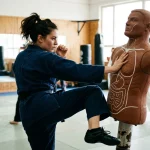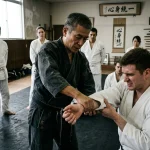

Krav Maga, renowned for its practical self-defense techniques, also incorporates striking fundamentals reminiscent of boxing. Understanding these striking concepts is crucial for anyone looking to enhance their personal safety toolkit. Many practitioners seek clarity on how boxing skills are integrated into Krav Maga, as these skills not only improve effectiveness in real-life scenarios but also boost confidence in handling confrontations. By delving into this topic, we aim to illuminate the essential striking techniques of Krav Maga, emphasizing the balance between aggression and the necessity of controlled response. This exploration promises valuable insights, whether you’re a seasoned martial artist or a newcomer eager to protect yourself effectively.
Does Krav Maga Include Boxing Principles?
Krav Maga integrates boxing principles as an essential part of its striking curriculum, creating a comprehensive framework for self-defense. The system emphasizes practical techniques that are effective in real-world situations, showcasing the importance of punches, footwork, and defensive movements that are characteristic of boxing. Many fundamental striking techniques, such as the jab and cross, play a crucial role in both boxing and Krav Maga, providing a foundation for a fighter’s arsenal.
One of the standout features of Krav Maga is its focus on adaptability; it teaches practitioners to use straight punches and hooks in dynamic environments. By drawing from boxing, Krav Maga emphasizes proper punching technique, ensuring that strikes are not only powerful but also quick and efficient. Footwork, an essential component in boxing, is also highlighted in Krav Maga training, enabling students to effectively maneuver during an encounter while maintaining balance and control.
Moreover, Krav Maga takes the basic boxing concepts and tailors them for self-defense situations, which may include close-quarter scenarios where traditional boxing may not be sufficient. The incorporation of strikes enables practitioners to effectively create distance and disengage from threats, reinforcing the philosophy of utilizing reliable techniques that prioritize safety and effectiveness. Importantly, the training emphasizes not just offensive skills but also defensive ones, preparing students to recognize threats and make calculated decisions while under pressure.
Thus, through the integration of boxing principles, Krav Maga offers a well-rounded approach that not only teaches effective striking but also instills a mindset of awareness and preparedness, crucial for any self-defense practice.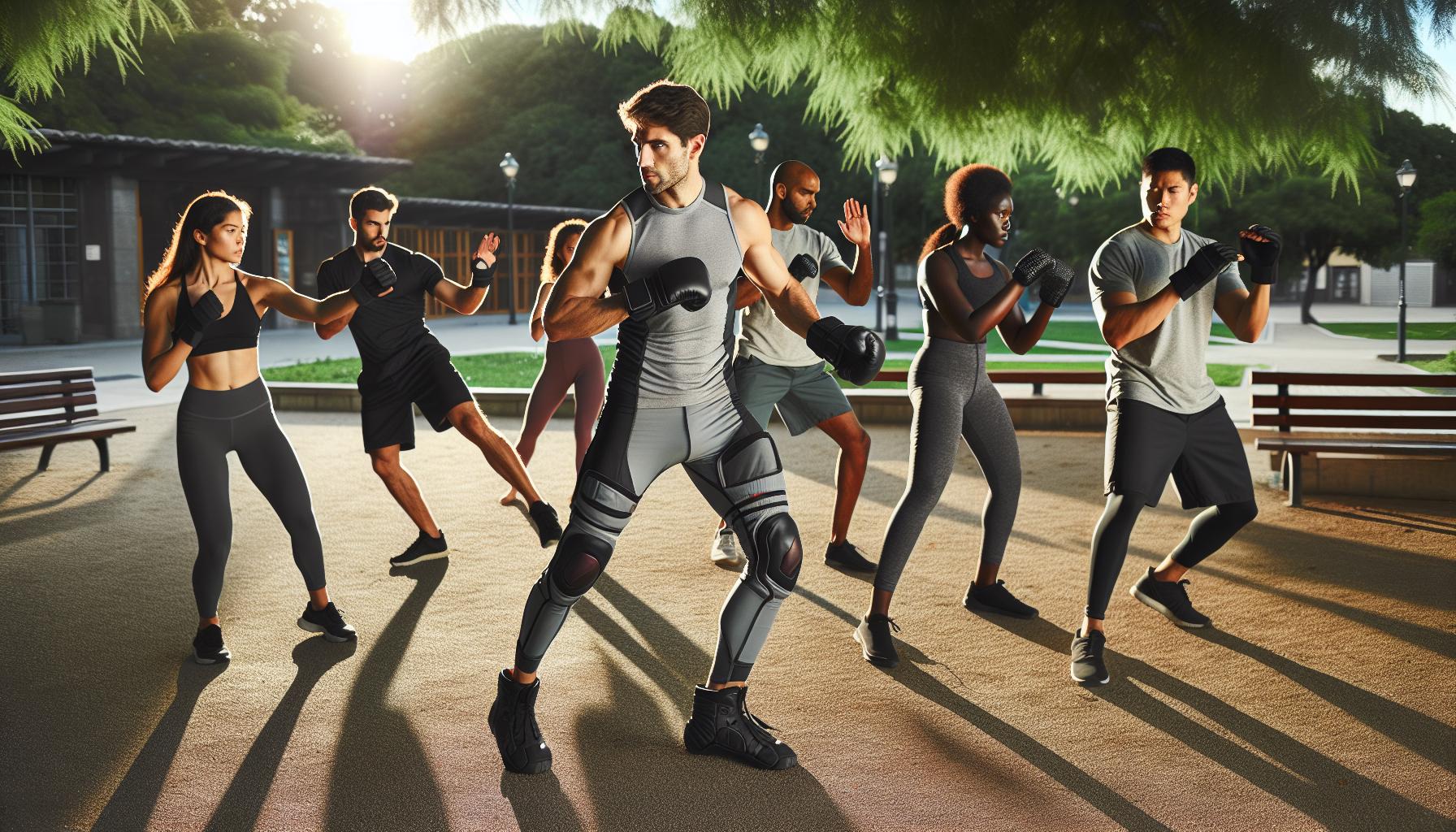
Understanding Striking Fundamentals in Krav Maga
Understanding striking fundamentals is crucial for anyone interested in Krav Maga, particularly because it borrows heavily from boxing techniques. The basics of striking-punching, footwork, and defensive maneuvers-are all integral to mastering self-defense scenarios. Each punch, from the jab to the hook, not only serves as a means to strike but also as a tool for creating space and opportunities to disengage from an attacker.
In Krav Maga, the jab serves as a quick opener, allowing practitioners to gauge distance while keeping the opponent at bay. It is vital to understand how to effectively utilize this punch-not just for scoring hits but for maintaining control of the encounter. Similarly, the cross is employed with power and precision, often following the jab to enhance striking combinations. Practicing these punches in various scenarios prepares students for the unpredictable nature of real confrontations.
Another fundamental aspect is the emphasis on footwork. Unlike traditional boxing, where footwork is often about maintaining a solid stance for offensive strikes, Krav Maga trains individuals to be nimble and adaptable. Practitioners learn to pivot, step back, and sidestep, which helps in avoiding strikes and repositioning themselves effectively. This agility is crucial, especially in situations where multiple attackers may be present or when an escape is necessary.
Moreover, incorporating defensive skills into striking practice cannot be overstated. Understanding when to block, slip, or counter is as essential as learning to throw a punch. In a self-defense scenario, one must balance offensive actions with defensive awareness, aiming to neutralize threats while minimizing the risk of escalation. As such, Krav Maga instructors often stress the importance of controlling the environment through awareness and strategic movement, ultimately leading to safer and more effective outcomes in physical confrontations.
By solidifying these striking fundamentals, practitioners effectively blend the practicality of boxing with the self-defense strategies unique to Krav Maga, creating a robust framework for personal safety and empowerment.
Key Differences: Krav Maga vs. Traditional Boxing
Krav Maga and traditional boxing share a foundation in striking techniques, yet they diverge significantly in their philosophies, applications, and training methodologies. While boxing is often praised for its technical refinement and sport-centric nature, Krav Maga prioritizes real-world self-defense applications and efficiency in confrontational scenarios, reflecting its roots in military training.
One of the primary distinctions lies in the context of practice. Boxing emphasizes competition within a regulated environment, focusing on points, footwork, and offensive strategies designed to outscore an opponent in the ring. In contrast, Krav Maga prepares practitioners for unpredictable street encounters, where the focus shifts from mere striking to a holistic approach that includes situational awareness, escape maneuvers, and defensive tactics, all while considering the legality of force used in self-defense.
Moreover, the techniques themselves differ in application and intent. Boxers develop a repertoire of punches-jabs, crosses, hooks, and uppercuts-refining them through repetitive drills and sparring to develop speed, precision, and endurance. On the other hand, while Krav Maga incorporates these boxing techniques, it also includes defensive moves like blocks and counters, often teaching students to use strikes as a means to create an opportunity for escape or effective response in a high-pressure situation. This integration of offense and defense emphasizes not just the ability to hit, but the importance of self-protection and de-escalation.
Krav Maga practitioners also train to handle multiple attackers and various threats, incorporating situational drills that simulate real-life confrontations, which is less prevalent in boxing training. The mindset in Krav Maga is heavily influenced by the necessity for quick, decisive action that prioritizes personal safety over scoring points or exhibiting skill in a competitive format. This makes Krav Maga a more pragmatic choice for those focused on self-defense rather than sports performance, highlighting its unique approach to striking fundamentals.
The Role of Footwork in Effective Striking
Effective striking in Krav Maga relies heavily on proficient footwork, which serves as the foundation for both attack and defense. Footwork is not merely about moving; it is a dynamic process that enables practitioners to create angles, maintain balance, and effectively evade threats while positioning themselves for counterattacks. Understanding and mastering footwork can make a significant difference in how you execute strikes and the overall effectiveness of your self-defense strategy.
In Krav Maga, footwork allows for quick lateral movements and evasive techniques, helping practitioners avoid incoming attacks while maintaining the readiness to strike. This agility is crucial in real-world self-defense situations where unpredictability is the norm. Here are some key aspects of footwork that contribute to effective striking:
- Distance Management: Good footwork helps you control the distance between yourself and an opponent. Being able to quickly close gaps or create space is vital for executing strikes without becoming a target.
- Angling: Footwork enables you to move off the line of attack, creating angles for strikes that make it harder for an opponent to counter. This principle is essential in both Krav Maga and boxing, where moving to the side can enhance your striking opportunities while lowering the risk of being hit.
- Balance and Stability: Proper footwork ensures that you remain balanced while striking, allowing for more powerful punches. When you are well-balanced, you can generate force quickly, whether you are delivering a jab or a hook, thus enhancing the effectiveness of your attack.
- Speed and Reaction Time: The ability to quickly reposition yourself can make a critical difference in self-defense scenarios. Footwork drills help improve your reaction time, enabling you to act before an attacker can close in or launch an offensive move.
Incorporating targeted footwork drills into your training can cultivate these skills through repeated practice. For example, drills focusing on lateral movement, forward and backward stepping, and pivoting allow practitioners to simulate real combat scenarios. Additionally, pairing footwork with punching techniques fosters a comprehensive skillset where both elements reinforce each other, ensuring that striking is not just about the hands but includes the whole body.
As you practice, always remember the importance of de-escalation and controlling your environment. The goal of effective striking in Krav Maga goes beyond simply winning a confrontation; it’s about ensuring personal safety and being prepared to protect oneself under legal and ethical boundaries. In your journey to master footwork and striking, stay aware of the legal implications of physical confrontation, prioritize self-defense, and remember that the best outcome often lies in prevention rather than confrontation.
Essential Punch Types: Jab, Cross, Hook, and Uppercut
The fundamental punches in Krav Maga incorporate boxing techniques, enabling practitioners to execute effective strikes in real-life scenarios. Understanding and mastering these essential punch types-notably the jab, cross, hook, and uppercut-can greatly enhance your self-defense capabilities while also adding depth to your training.
A jab is typically the first line of offense and defense. This quick, straight punch can disrupt an opponent’s rhythm and is essential for gauging distance. It allows you to maintain control over the fight while setting up more powerful punches. In Krav Maga, utilizing the jab effectively also serves a tactical purpose: it can distract, create openings, or buy you time to evaluate your next move.
The cross complements the jab as a powerful straight punch thrown with the rear hand. This punch is vital in delivering impactful strikes, especially when following up on a jab. A well-executed cross uses body mechanics efficiently, incorporating hip rotation and weight transfer to maximize force. Practitioners should focus on alignment and leverage to ensure that the cross maintains effectiveness while safeguarding their own balance and stability.
Moving to the hook, this punch targets the opponent’s head or body from the side, making it an effective tool for breaking through defenses. In Krav Maga, the hook plays a critical role in close-quarters combat where distance is minimal. By rotating the lead shoulder and pivoting the foot, the hook can deliver significant power; however, it is crucial to protect your own chin while executing this punch to avoid counterattacks.
Lastly, the uppercut proves invaluable in close-range situations, particularly against an opponent who lowers their guard. This punch travels upward from a crouched position and targets the chin or jaw. The key to a successful uppercut lies in using your legs and hips to drive the punch upward while maintaining a defensive stance.
In conclusion, the integration of these punch types into Krav Maga training not only enhances striking capabilities but also prepares practitioners for dynamic self-defense situations. Emphasis on the importance of safety, legality, and ethical considerations in all striking practices cannot be overstated. It’s essential to train with the understanding that every punch must be purposeful and executed with the intent of self-defense, maintaining an awareness of the potential legal implications of your actions.
Integrating Boxing Techniques into Krav Maga Training
significantly enhances a practitioner’s striking capabilities, equipping them with effective tools for real-world self-defense scenarios. By embedding the core principles from boxing-such as proper stance, punch delivery, and footwork-Krav Maga practitioners can cultivate a more comprehensive fighting skill set. Understanding and applying these techniques can not only improve the quality of strikes but also increase situational awareness and control during confrontations.
One of the primary benefits of incorporating boxing techniques is the development of effective striking fundamentals. For instance, the jab-known for its speed and reach-plays a crucial role in creating distance and managing an opponent’s aggression. In Krav Maga, the jab can be coupled with defensive maneuvers, allowing for a transition between offense and defense seamlessly. This fusion of tactics can be practiced through various drills where the jab is followed by defensive movements to return to a safe stance.
Footwork is another critical aspect where boxing principles prove advantageous. In boxing, effective footwork allows for movement, angle changes, and maintaining balance while striking. Practicing lateral movement and pivoting can aid in dodging attacks while preparing to counterstrike. Krav Maga practitioners can benefit from these drills by enhancing their ability to navigate around threats swiftly, positioning themselves for successful defensive or offensive actions.
Furthermore, essential punch types, like the cross, hook, and uppercut, offer strategic advantages in a self-defense context. The cross, an extension of the jab, complements offensive strategies by delivering powerful, straight punches, often used in quick succession following a jab. Incorporating the hook, especially in close-quarter scenarios, allows for effective targeting of vulnerable areas such as the opponent’s head or body. Uppercuts become vital when an assailant lowers their guard, and practicing these punches within Krav Maga frameworks allows for realistic applications of striking skills.
In addition to striking mechanics, training must emphasize safety protocols and ethical considerations of using force. Practitioners should focus not only on physical execution but also on the legal implications of striking in self-defense situations. This entails understanding the proportionate response necessary in a given scenario, reinforcing the principle that every punch thrown must be executed with a clear intent of self-defense rather than aggression.
Incorporating boxing techniques into Krav Maga training ultimately enriches the practitioner’s self-defense strategy, blending effective striking fundamentals with ethical responsibility, preparing them to handle real-world confrontations with both tact and awareness.
Real-World Application: Striking in Self-Defense Scenarios
In a self-defense situation, the ability to strike effectively can be the difference between escaping safely and facing serious harm. Understanding how to apply striking techniques within Krav Maga not only enhances personal safety but also empowers individuals to act with confidence and awareness. Boxing principles, integrated seamlessly into Krav Maga, offer a practical framework for real-world application.
To navigate potential threats, consider the pivotal role of the jab. This punch serves not just as an offensive tool but as a means to measure distance and disrupt an attacker’s rhythm. For instance, if confronted by an aggressor, utilizing a jab can help maintain space, assess intentions, and create openings for further actions, whether defensive or offensive. When combined with evasive footwork, the jab can facilitate a quick exit from a dangerous situation, showcasing its versatility as a self-defense strategy.
Moreover, understanding the legal implications surrounding self-defense is crucial. Self-defense laws vary by location, but the overarching principle remains the same: the response must be proportional to the threat posed. This principle encourages practitioners to think critically about their actions in heated moments. Before throwing a punch, one must assess whether de-escalation or non-violent alternatives may suffice. Such considerations are vital in avoiding unnecessary escalation and legal repercussions.
Scenario Analysis
Engaging in scenario-based training can prepare individuals for real-life confrontations. For example, imagine encountering an aggressive individual in a parking lot. By employing learned striking techniques, such as the cross and hook, practitioners can target vulnerable areas effectively. However, it’s essential to prioritize escape rather than engage if possible. Practicing situational awareness, which includes recognizing escape routes and assessing surrounding environments, can give individuals a distinct advantage in self-defense situations.
In conclusion, integrating boxing principles into Krav Maga not only enriches striking techniques but also cultivates an understanding of the ethical and legal responsibilities that come with them. Training should reinforce that the primary goal of any self-defense technique is to avoid escalation when possible, ensuring individuals are not only effective in striking but also responsible and informed in their actions.
The Importance of Defensive Skills in Striking
Effective striking in self-defense isn’t just about delivering powerful punches; it’s equally about what happens before and after a strike. Defensive skills are crucial in ensuring not just your success in a confrontation, but also your safety and legality in that engagement. Being able to evade, block, or counter an opponent’s attack provides a strategic advantage that can keep you out of harm’s way. Strong defensive techniques allow a practitioner to recognize threats early, choose appropriate responses, and maintain control of the situation, thereby minimizing the risk of injury and escalation.
Incorporating defensive skills into striking practices like those found in Krav Maga draws heavily from boxing principles. Understanding how to slip, duck, or pivot in response to an opponent’s moves allows individuals to remain mobile and unpredictable. For example, a well-timed slip of an incoming punch not only positions you for a counter-strike but also keeps you out of range of further attacks. Practicing these defensive maneuvers alongside offensive techniques helps solidify your combat proficiency, creating a well-rounded skill set.
Moreover, it’s vital to recognize that the legality of self-defense hinges on the response appropriateness. Utilizing defensive skills assists in discerning when to engage and when to retreat. If an opponent initiates an attack, the immediate response should not always be to strike back. Instead, blocking or redirecting the attack and evaluating the threat can pave the way for a de-escalation strategy, significantly reducing legal risks associated with physical confrontation. This critical thinking is what turns a mere reaction into a responsible response.
Training in self-defense should encompass these defensive tactics to ensure students are adequately prepared for real-world scenarios. Engaging in drills that focus on both striking and defensive movements can enhance muscle memory and reflexes. Through consistent practice, individuals can cultivate a mindset geared towards both self-preservation and responsible self-defense, making informed decisions that prioritize personal safety while respecting the legal implications of their actions.
How Krav Maga Enhances Boxing Performance
Integrating Krav Maga into your training regimen can significantly enhance your boxing performance by refining essential techniques and adapting them for real-world scenarios. One striking advantage of Krav Maga is its focus on practical self-defense, which trains individuals to effectively apply boxing principles under pressure. This includes not only delivering strikes but also maintaining awareness of one’s environment, understanding the legalities surrounding self-defense, and developing a mindset attuned to de-escalation strategies.
Krav Maga emphasizes various striking techniques that align closely with boxing. For example, practitioners learn how to execute effective jabs, crosses, hooks, and uppercuts in a way that is supremely practical during confrontations. These techniques are practiced in dynamic drills that mimic real-life situations, enhancing adaptability and improving reaction times. Furthermore, the incorporation of defensive maneuvers, such as slipping and ducking, reinforces the defensive aspects of boxing, allowing learners to dodge incoming strikes while preparing to counterattack. This dual focus fosters a more rounded skill set, enabling fighters to be both offensive and defensive, which is crucial in both boxing and self-defense contexts.
Moreover, the development of footwork in Krav Maga complements boxing performance considerably. The art promotes agility and positioning that can make all the difference during a bout. Effective footwork is essential in boxing for maintaining balance while striking, and the principles learned from Krav Maga-specifically regarding movement in reaction to threats-enhance a boxer’s ability to control the distance and angle of engagement. This adaptability is vital not only for avoiding strikes but also for setting up offensive opportunities at the right moment.
Lastly, by cross-training in Krav Maga, boxers can better prepare themselves for high-stress environments where they must perform effectively despite the adrenaline and chaos of a potential confrontation. Practicing under real-world conditions, including the unpredictability of an opponent’s actions and surroundings, builds a more resilient fighter. This comprehensive approach ensures that the boxing techniques learned are not merely for sport but also serve a significant purpose in self-defense, thereby increasing the overall effectiveness and utility of boxing skills in various scenarios.
Safety Protocols for Striking Practice
Practicing striking techniques safely is essential for anyone training in Krav Maga or boxing. Without proper safety protocols, the learning experience can quickly lead to injury, misunderstandings, and an environment of fear rather than empowerment. Respect for oneself and training partners must underscore every practice session, focusing on controlled movements and gradual progression.
One fundamental aspect of safety in striking practice is the use of appropriate protective gear. This typically includes sparring gloves, headgear, mouthguards, and shin guards. The inclusion of even basic protective equipment can dramatically reduce the risk of injuries such as cuts, bruises, or concussions during practice. Regularly inspecting this gear before training sessions helps ensure they remain in excellent condition, minimizing the chances of malfunctions or failures during pivotal moments.
Additionally, establishing clear communication and rules before engaging in sparring or practice drills is critical. Participants should agree on the intensity and purpose of the session, whether it be focused on speed, accuracy, or specific striking techniques. Practicing at a controlled pace allows each individual to master their movements without the risk of excessive force. The principle of “light contact” should be emphasized, encouraging partners to strike with intent but also with an understanding of limits. Educating practitioners about the legal and moral implications of self-defense actions fosters a mindset geared towards de-escalation and responsible use of force.
Regularly reinforcing the importance of mental readiness and situational awareness cannot be overlooked. Practitioners should simulate scenarios where an understanding of legal ramifications can come into play, such as the appropriate context for self-defense. Knowing when to engage and when to defuse a potentially violent situation is as vital as any physical technique. By practicing scenarios that combine physical and mental elements, students can cultivate not only their striking skills but also an acute awareness of their responsibility within the larger socio-legal context of self-defense.
In all practices, emphasize safe behaviors: making controlled, deliberate movements, training in well-lit environments free of hazards, and maintaining awareness of surroundings. These protocols create a robust training culture, ensuring that both Krav Maga and boxing serve their intended purpose of empowerment through skill-without glorifying violence or neglecting the critical aspects of legality and ethics.
Common Misconceptions About Krav Maga and Boxing
The notion that Krav Maga is merely a derivative of boxing is a common misconception. While both martial forms certainly share striking techniques, each system is designed with distinct purposes and methodologies in mind. Krav Maga, developed for self-defense, incorporates principles from various combat sports, including boxing, but it ultimately prioritizes the context of real-world scenarios over competitive sport. This means that while students might practice the same punches-such as jabs and crosses-they do so with the understanding that these techniques must be adapted for unpredictable and potentially dangerous situations.
Many assume that Krav Maga training equates to learning boxing alone, but this overlooks the comprehensive nature of Krav Maga’s curriculum. Practitioners learn not just striking but also grappling, defense against weapons, and strategies for de-escalation. This holistic approach cultivates a mindset focused on survival and situational awareness, rather than just mastering striking forms for sport. Krav Maga emphasizes effective responses to immediate threats, a contrast to the sport-centric focus of boxing, where the environment is controlled, and the primary goal is scoring points rather than self-preservation.
Another frequent misunderstanding is the role of footwork in both practices. While boxing relies heavily on footwork for movement and positioning to create striking opportunities, Krav Maga integrates footwork as part of a broader defensive strategy. This can include moving out of danger, positioning for an escape, or creating distance from an aggressor. Therefore, footwork in Krav Maga is not exclusively about offensive striking but encompasses a comprehensive awareness of the combat scenario.
Finally, when considering safety and legal implications, many people fail to grasp the ethical responsibility that goes along with both boxing and Krav Maga training. Practitioners must be aware that while they learn to defend themselves effectively, they also need to understand the legal boundaries of self-defense. This awareness is crucial for anyone considering these forms of training, as it prepares them not just physically but also mentally to deal with the realities of confrontation, emphasizing de-escalation and proportional response over aggression and competition.
The Future of Striking Techniques in Krav Maga
The landscape of self-defense training is constantly evolving, and striking techniques in Krav Maga are no exception. As practitioners seek methods that are not only effective but also adaptable to a variety of self-defense scenarios, the incorporation of advanced striking fundamentals, many borrowed from boxing, is paving the way for a more dynamic approach to personal safety.
One key area of development is the integration of high-intensity interval training (HIIT) and functional movement patterns into striking practice. This not only improves physical conditioning but also enhances the practitioner’s ability to react swiftly under pressure. Techniques like shadow boxing, combined with situational drills simulating real-world scenarios, allow students to refine their jabs, crosses, and hooks in a practical context, equipping them with the muscle memory necessary for effective self-defense.
Moreover, the future of Krav Maga emphasizes continuous feedback and adaptation. Instructors are increasingly using video analysis and peer feedback to enhance technique execution and tactical decision-making. This technological integration allows students to visualize their performance, identify weaknesses, and adjust their strategies in real-time. As they gain insight into their striking mechanics, practitioners can cultivate a versatility that adapts to various physical confrontations.
To ensure the ethical use of force, ongoing discussions about legal and moral responsibilities are crucial. As striking techniques evolve, so too must the understanding of proportionality in self-defense. Educating practitioners on the legal ramifications of their actions and emphasizing de-escalation techniques reinforce the importance of using their skills responsibly. By fostering an environment that prioritizes safety and ethical decision-making, the future of Krav Maga striking will not only produce effective self-defense strategies but will do so with a profound respect for life and personal safety.
Frequently Asked Questions
Q: What are the main striking techniques taught in Krav Maga?
A: Krav Maga emphasizes practical striking techniques such as jabs, crosses, hooks, and uppercuts. These strikes are taught to be effective in self-defense situations, focusing on accuracy and speed to neutralize threats quickly. Understanding these fundamentals is essential for effective combat training.
Q: How does Krav Maga differ from traditional boxing in terms of training?
A: While boxing primarily focuses on refined striking and footwork, Krav Maga incorporates self-defense scenarios and real-world applications, including defensive tactics against multiple attackers. This training aims to prepare practitioners for unpredictable confrontations, unlike the more structured environment of boxing rings.
Q: Does Krav Maga focus on self-defense or competitive fighting?
A: Krav Maga is primarily a self-defense system rather than a sport. The techniques are designed for real-life situations, prioritizing practicality over competition. It teaches users to defend themselves in various scenarios, emphasizing quick and effective responses to threats.
Q: Can beginners learn striking fundamentals in Krav Maga?
A: Yes, Krav Maga is suitable for beginners. Training is designed to be accessible, with instructors breaking down striking fundamentals into easy-to-understand techniques. Beginners learn basic strikes and defensive maneuvers while gradually integrating more advanced skills.
Q: What role does footwork play in Krav Maga striking?
A: Footwork is crucial in Krav Maga as it helps practitioners maintain balance and position. It enables effective striking, evasion, and rapid movement during self-defense situations. Practicing footwork enhances overall agility and improves the ability to respond to threats dynamically.
Q: How can Krav Maga enhance overall boxing performance?
A: Krav Maga training can boost boxing performance by improving striking speed, power, and tactical awareness. Incorporating elements from Krav Maga into boxing practice enables fighters to adapt to unpredictable situations, making them more versatile in the ring.
Q: Are safety protocols followed during striking practice in Krav Maga?
A: Yes, safety is a priority in Krav Maga training. Instructors establish clear safety protocols to prevent injuries, including proper warm-up, controlled sparring, and protective gear usage. Adhering to these protocols allows students to practice techniques effectively and safely.
Q: Is it common to combine boxing and Krav Maga training?
A: Yes, many martial artists combine boxing with Krav Maga training to enhance their striking abilities and self-defense skills. Integrating techniques from both disciplines provides a more comprehensive skill set, making practitioners more effective in various combat scenarios.
Insights and Conclusions
As we’ve explored, Krav Maga does incorporate striking fundamentals from boxing, equipping you with practical techniques to enhance your self-defense capabilities. Understanding these striking principles can bolster your confidence and ensure you’re prepared for real-life scenarios, focusing on effective and proportional responses. If you’re eager to deepen your knowledge and refine your skills, consider enrolling in a local Krav Maga class or exploring our additional resources on effective street self-defense strategies.
For more insights, check out our guides on the differences between Krav Maga and traditional martial arts or review our essential self-defense legal guidelines. Don’t miss out-sign up for our newsletter to stay updated on tips and techniques from experienced instructors, and share your thoughts in the comments below. Your self-defense journey begins now, so take the next step and empower yourself with the skills you need!
Get our latest guides, news, and insights highlighted in your Google Search & AI Overviews.