Krav Maga is often touted as one of the most effective self-defense systems, designed for real-life situations where every second counts. This martial art emphasizes immediate reaction, striking vulnerable areas, and incapacitating an attacker, making it especially appealing for those seeking safety in an unpredictable world. As violence and uncertainty seem to lurk around every corner, many wonder: does Krav Maga truly live up to the hype?
In this exploration, we will delve into real-life success stories that highlight the effectiveness of Krav Maga in self-defense scenarios, examining how everyday individuals have protected themselves using its principles. Understanding these experiences not only sheds light on the practical applications of Krav Maga but also empowers readers to consider their own safety in a tangible, responsible manner. Join us as we uncover the realities of this martial art, emphasizing the balance between confidence and cautious awareness in the pursuit of personal safety.
The Effectiveness of Krav Maga in Real Situations
Krav Maga is renowned for its emphasis on real-world applicability, making it a practical choice for self-defense. Designed specifically for defense against armed and unarmed attackers, it focuses on the natural reactions of the human body, enabling students to respond effectively under stress. Success stories abound in which practitioners have utilized Krav Maga techniques to defend themselves against violent attacks. For instance, numerous accounts from individuals reveal instances where simple yet effective techniques such as simultaneous counterattacks or defenses against grabs have turned the tide in their favor during critical moments.
Krav Maga also prioritizes the mental aspect of self-defense, preparing practitioners for the psychological challenges of an encounter. Training includes stress drills, which simulate real-life scenarios involving surprise attacks, pressure, and confusion. This kind of training reinforces the effectiveness of the techniques learned, as it conditions students to respond quickly and efficiently in high-stress situations. Many users report that the intense preparation not only equips them with physical skills but also fosters a mindset that enhances situational awareness and decision-making under duress [[2]].
Real incidents where individuals have successfully defended themselves using Krav Maga reflect its practical effectiveness. These stories often highlight how the system’s adaptability to various situations allows defenders to use techniques effectively against different types of threats. From defenses against multiple attackers to neutralizing armed assailants, Krav Maga’s principles enable individuals to respond decisively without the need for advanced martial arts training. As such, practitioners of all backgrounds can find success in their self-defense journeys with the right training and mindset [[1]].
Overall, stems from a combination of its practical techniques, mental preparedness, and adaptability to various threats. It serves not only as a means of physical defense but also as a way to build confidence and empower individuals to protect themselves in today’s unpredictable world.
Personal Defense Success Stories: Real Experiences
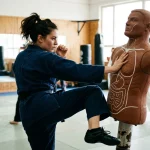
Real-life experiences of individuals who have successfully defended themselves using Krav Maga provide compelling evidence of its effectiveness as a self-defense system. One notable account involves a young woman who was confronted by an assailant in a parking lot late at night. Drawing on her Krav Maga training, she instinctively executed a knee strike to her attacker’s midsection, followed by a swift escape. This encounter illustrates not only the practicality of the techniques but also highlights how mental preparedness and quick reflexes can make a decisive difference when faced with danger.
In another instance, a man walking home was targeted by a group of assailants. Trained in Krav Maga, he utilized his understanding of situational awareness to assess the threat and react accordingly. Instead of panicking, he employed effective defensive maneuvers against one attacker while keeping an eye on the others. By remaining composed and strategically applying techniques like simultaneous defense and attack, he successfully fended off the group, emphasizing how important it is to stay calm under pressure and use one’s training to de-escalate potentially violent situations.
These stories underline a critical aspect of Krav Maga: its adaptability to various threats and scenarios. Practitioners learn to modify their responses based on the dynamics of each encounter, enabling them to tackle everything from unarmed assault to defenses against weapons. Such flexibility is vital in real-world situations where attackers may not conform to expected patterns. The focus on realistic training scenarios in Krav Maga classes allows students to practice and refine their skills under stress, preparing them for the unpredictable nature of real-life confrontations.
Overall, the success stories from those who have used Krav Maga techniques in real situations demonstrate its capacity to empower individuals. Through structured training, students not only develop physical skills but also gain the confidence and mindset necessary to protect themselves. These experiences serve as a motivational testament to the effectiveness of Krav Maga, encouraging others to consider its training as a vital component of personal safety.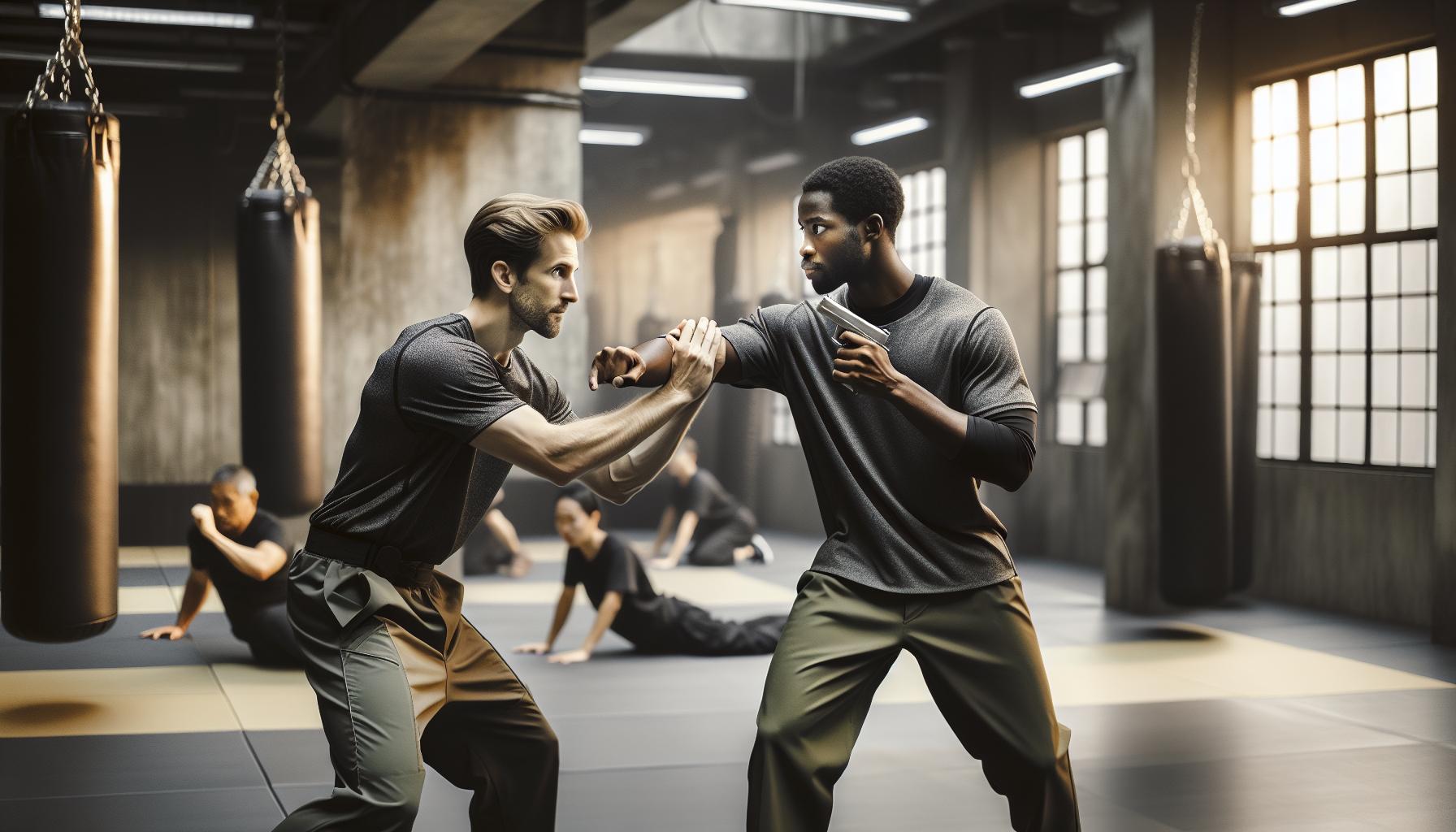
Core Principles of Krav Maga: What Sets It Apart
Krav Maga stands out as a highly effective self-defense system due to its unique approach focused on real-life situations and practical application. Unlike traditional martial arts that may emphasize forms and competitions, Krav Maga trains practitioners to respond instinctively and effectively to violent encounters. Its core principles revolve around simplicity, efficiency, and aggression, enabling individuals to protect themselves in unexpected situations.
Practicality and Realism
Central to Krav Maga’s effectiveness is its emphasis on realism. Training scenarios replicate common self-defense situations, such as escaping from grabs, defending against armed threats, or countering multiple attackers. This practical framework is designed to prepare students for genuine threats they may encounter in their daily lives. For example, students are taught to use their environment, employing items like pens or bags as improvised weapons to gain an advantage. Realistic training also includes simulating high-stress environments, which helps practitioners remain calm and focused during actual confrontations.
Instinctive Movements
Krav Maga techniques are based on natural, instinctive movements. This principle ensures that even those without a martial arts background can learn to defend themselves efficiently. Techniques are designed to maximize impact while minimizing the training time required to master them. For instance, maneuvers such as eye strikes or groin kicks allow individuals to neutralize a threat quickly, which can be crucial during life-threatening situations.
Adaptability
Flexibility is another cornerstone of Krav Maga. Practitioners are taught to adapt their responses based on the dynamics of an encounter. This adaptability enables them to switch between techniques seamlessly, whether facing an unarmed assailant or dealing with a weapon. The training encourages a mindset of continuous assessment and adjustment, enabling students to handle various scenarios effectively.
Empowerment Through Training
Krav Maga instills not only physical skills but also mental resilience. By learning how to stand their ground in situations of fear and uncertainty, practitioners build confidence that extends beyond the dojo. This empowerment goes hand-in-hand with a strong understanding of the legal and ethical considerations surrounding self-defense. Students are taught the importance of proportional response and de-escalation, ensuring that their actions are justified and responsible.
In summary, the core principles of Krav Maga-practicality, instinctive mechanics, adaptability, and empowerment-collectively set it apart as a formidable self-defense system. By focusing on real-world applications and the psychological aspects of confrontations, Krav Maga prepares individuals not only to defend themselves but to approach potential threats with confidence and clarity.
Krav Maga for Beginners: Essential Techniques
Krav Maga offers a condensed yet effective curriculum, making it ideal for beginners looking to learn self-defense quickly. Essential techniques focus on recognizing and responding to threats with practicality and speed, while understanding the legal and ethical implications of one’s actions. For individuals new to self-defense or martial arts, these techniques empower them not only to defend against attackers but also to build confidence in their ability to handle confrontational situations effectively.
Basic Techniques
Krav Maga incorporates straightforward yet powerful techniques. Here are some foundational moves every beginner should learn:
- Defense Against Chokes: Learning to escape from both front and rear chokes is crucial. The focus is on using body movement to create space and leverage to break free.
- Eye Strikes: Targeting the eyes can quickly incapacitate an assailant, allowing for an escape. This technique applies pressure to sensitive areas, making it effective in high-stress situations.
- Groin Kicks: A powerful strike to the groin can momentarily disable an attacker, providing an opening to flee or counter-attack.
- Elbow Strikes: These are effective in close-quarters and can deliver significant damage. Practitioners learn to use their elbows to strike vulnerable points on an assailant’s body.
Principles of Execution
While practicing these techniques, beginners learn essential principles that apply to all self-defense situations:
- Simple and Intuitive Movements: Techniques are based on instinctive movements, ensuring they can be executed under stress.
- Targeting Vulnerable Areas: Focus is placed on striking areas of the body that cause maximum pain, allowing for faster incapacitation.
- Situational Awareness: Practitioners are encouraged to be aware of their surroundings, which helps prevent altercations before they escalate.
Legal Considerations
Understanding the legal aspects of self-defense is vital. *Krav Maga training emphasizes the importance of proportional response,* meaning your defensive actions must be justifiable in the eyes of the law. Beginners must be aware of the laws governing self-defense in their state, as they can vary significantly. Always remember that de-escalation and avoidance are the preferred strategies; physical confrontation should be a last resort.
Krav Maga empowers individuals to protect themselves effectively while respecting legal and ethical boundaries. With the right training and mindset, even a novice can become confident in their self-defense abilities and prepared for unexpected threats.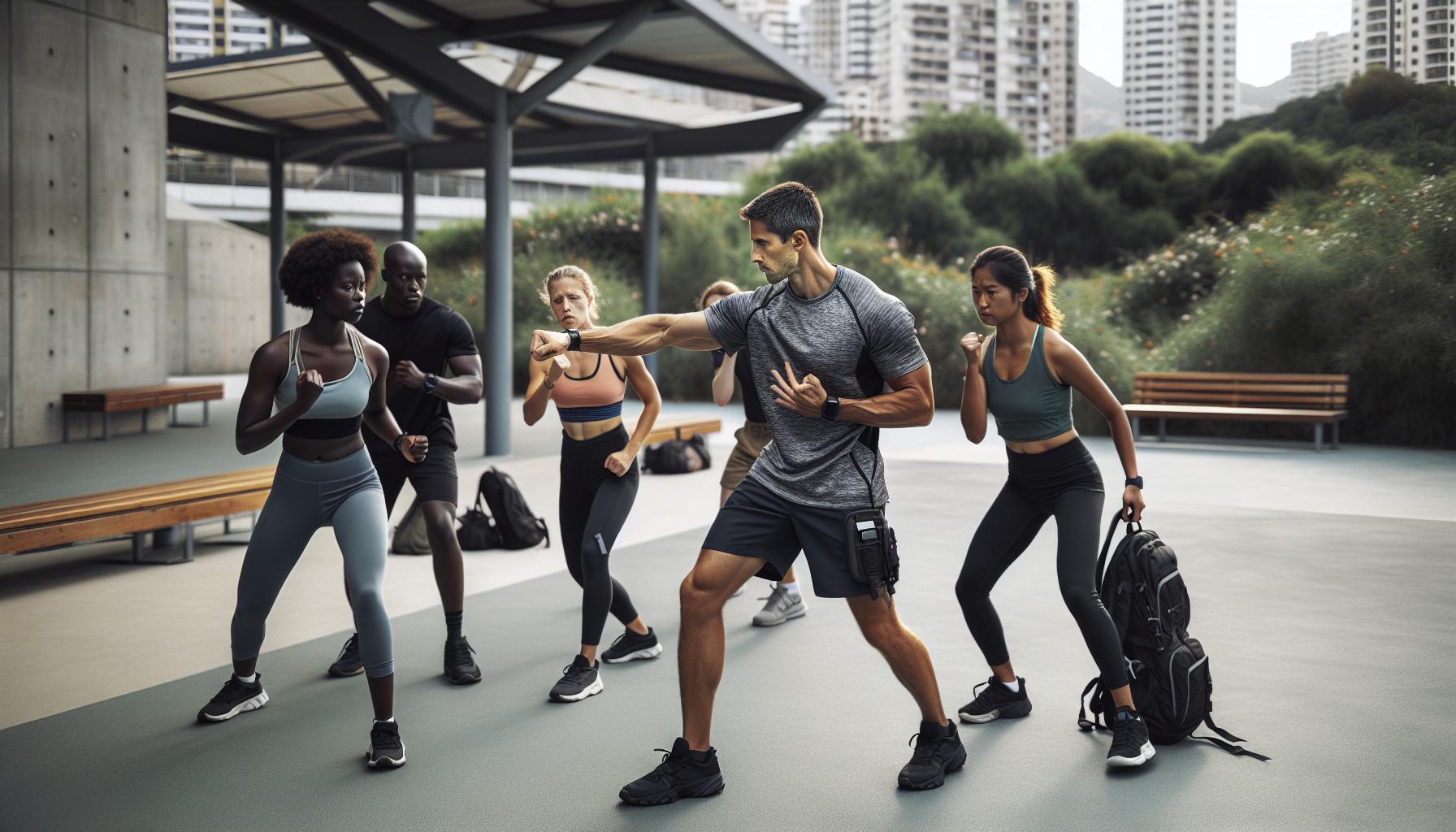
Adapting Krav Maga for Various Scenarios
In a world where threats can arise unexpectedly, understanding how to adapt Krav Maga for various self-defense scenarios is crucial. One of the hallmarks of Krav Maga is its versatility, providing practitioners with tools to respond effectively to a diverse range of situations. Whether facing an unarmed attacker, multiple assailants, or an armed opponent, adapting techniques to fit the context can make all the difference in a real-life confrontation.
To successfully navigate different scenarios, it’s essential to first assess the nature of the threat. For instance, in situations involving unarmed confrontations, techniques such as elbow strikes, groin kicks, and escape maneuvers can be particularly effective. Training should focus on situational awareness, which enables one to spot potential dangers before they escalate. Practitioners will benefit from role-play drills simulating various circumstances-these can prepare them to react instinctively under stress, leveraging Krav Maga’s core principles of practicality and efficiency.
When it comes to dealing with multiple attackers, the strategy shifts. Krav Maga emphasizes movement and creating distance. Techniques that involve striking quickly and then escaping become necessary. Practitioners learn how to position themselves effectively, using barriers or other obstacles to their advantage. Furthermore, de-escalation plays a critical role; using verbal commands or non-confrontational body language can sometimes diffuse a confrontation before it turns physical.
In scenarios where weapons are involved-be it a knife, gun, or baseball bat-the focus is on disarming and escaping rather than engaging directly. Training in weapon defenses should involve detailed instruction on how to safely approach the confrontation and effectively neutralize the threat while minimizing risk to oneself and bystanders. Legal considerations are paramount here; responders must be acutely aware of state laws regarding the use of force and weapons to ensure that their actions remain within legal boundaries.
Ultimately, adapting Krav Maga techniques to various scenarios not only enhances self-defense skills but also promotes a mindset centered on survival and accountability. It’s a reminder that while the ability to react decisively is essential, the responsibility of using those skills ethically is equally important. With practice, awareness, and training, practitioners can confidently navigate real-world challenges while upholding the principles of respect, caution, and legal awareness in their defense strategies.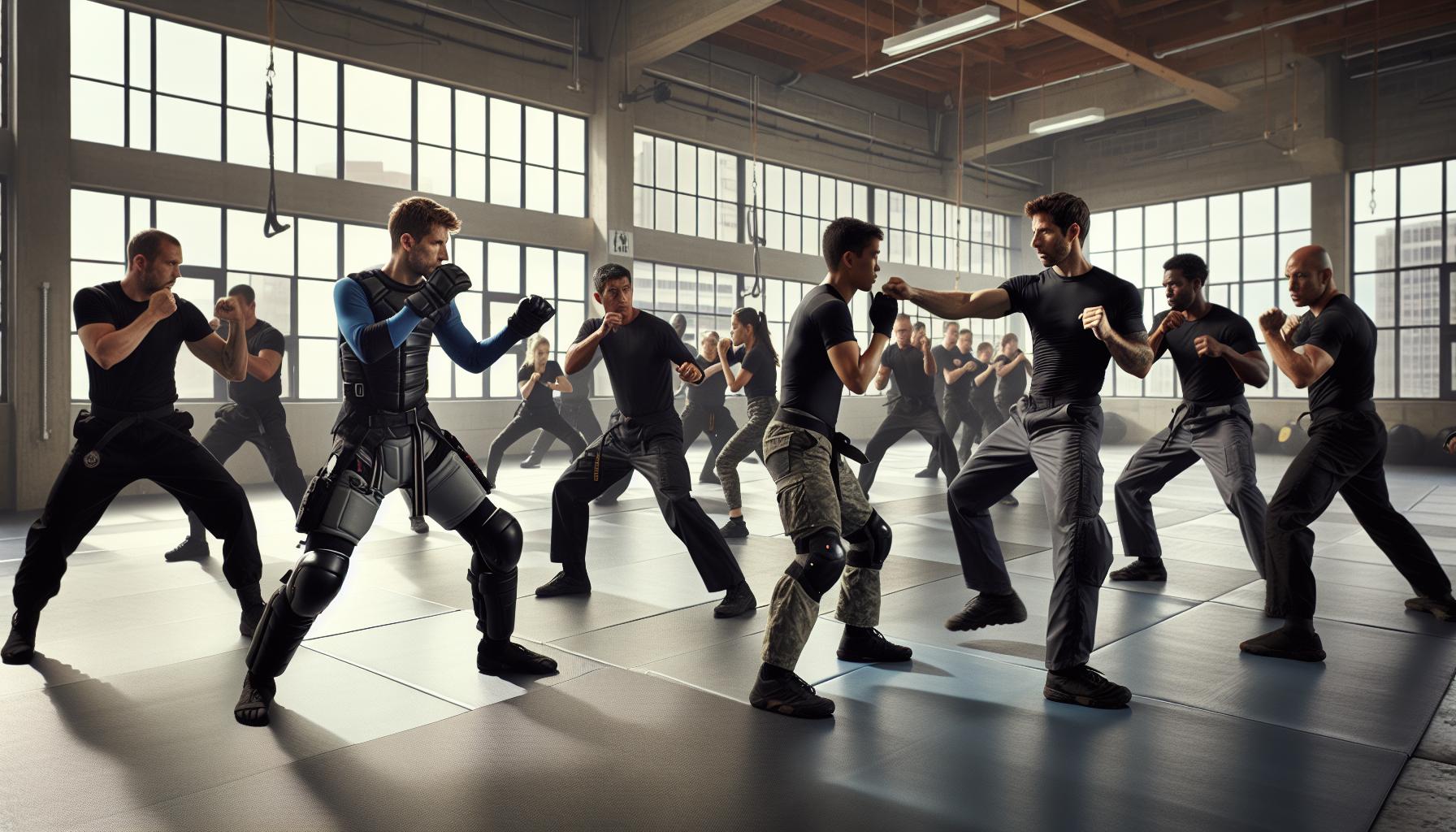
Krav Maga vs. Other Self-Defense Systems
Krav Maga sets itself apart from other self-defense systems by focusing on real-world applicability and efficiency. Unlike traditional martial arts that may emphasize forms or a competitive spirit, Krav Maga is designed for survival in violent confrontations. This practical approach resonates strongly with individuals looking to equip themselves with the skills necessary to handle unpredictable threats. The emphasis on instinctual rather than choreographed movements allows practitioners to react swiftly under stress, enabling them to defend themselves effectively against various forms of attack.
When comparing Krav Maga to systems like Brazilian Jiu-Jitsu (BJJ) or traditional karate, it’s essential to consider the core philosophies and training methods. BJJ, for instance, specializes in ground fighting and submission techniques. While it excels in one-on-one situations, especially with an opponent of equal or lesser size and skill, it may not address the realities of dealing with multiple attackers or armed assailants effectively. In contrast, Krav Maga emphasizes situational awareness and includes techniques for quickly disengaging from encounters, accommodating attacks from various angles and using any available improvised weapons.
Legal and Ethical Considerations
One critical aspect of Krav Maga that should be highlighted is its integration of legal and ethical training into its curriculum. Practitioners learn about the legal implications of self-defense, which is crucial in ensuring one’s actions remain within the law. This focus helps to instill a sense of responsibility, emphasizing that self-defense is not about winning a fight but about safely escaping from a dangerous situation. In contrast, other martial arts may lack this explicit focus on legal boundaries, potentially leading practitioners to misunderstand the appropriate response in a confrontation.
Success Stories from Real-Life Scenarios
Many testimonials from individuals who have trained in Krav Maga illustrate its effectiveness in real-life situations. Practitioners often recount scenarios where their training allowed them to diffuse potential threats or escape dangerous situations with minimal physical confrontation. These success stories reinforce the practicality of Krav Maga, showcasing its ability to empower individuals with the confidence and skills necessary to protect themselves without seeking to engage in violence unnecessarily. By prioritizing de-escalation and situational awareness, Krav Maga serves not just as a defense system-but as a comprehensive approach to personal safety and empowerment.
In conclusion, while there are numerous self-defense systems available, Krav Maga’s focus on real-world applications, legal awareness, and ethical responsibility makes it a compelling choice for those looking to effectively protect themselves while navigating the complexities of personal safety and legal boundaries.
Legal Considerations for Self-Defense in Krav Maga
Understanding the legal implications of self-defense is crucial for anyone practicing Krav Maga, which is designed with real-world scenarios in mind. Engaging in self-defense can have profound legal repercussions, and it’s essential to approach this aspect with a clear understanding of your rights and responsibilities. The principle of proportionality is key-only use the level of force necessary to neutralize a threat. Misjudging this can lead not only to physical harm but also serious legal consequences, including criminal charges.
Different jurisdictions have varying laws regarding self-defense. For example, in some states, the “Stand Your Ground” law permits individuals to use force without retreating, provided they feel threatened. However, in other areas, a deadly force response must be proportionate to the threat encountered. Practitioners must familiarize themselves with local laws and how they apply to self-defense situations. This knowledge can inform not only personal safety practices but also decision-making in critical moments.
In addition to understanding legal statutes, ethical considerations are equally important. Krav Maga training addresses the morality behind self-defense actions, teaching students that the goal is to escape dangerous situations rather than engage in conflict. Emphasizing de-escalation and situational awareness, the training prepares practitioners for potential confrontations and guides them to seek peaceful resolutions where possible. This ethical framework fosters a sense of responsibility, reminding individuals that they must be aware of and accountable for their actions, reinforcing the idea that self-defense is about protection, not aggression.
To further assist practitioners, here are a few practical guidelines:
- Know Your State Laws: Research self-defense laws specific to your state.
- Document Any Incidents: If you ever have to use self-defense techniques, document the encounter and collect witness statements if possible.
- Seek Legal Counsel: Consider consulting a lawyer knowledgeable about self-defense laws in your state to understand the nuances fully.
- Prioritize De-escalation: When confronted, try to diffuse the situation verbally before resorting to physical action.
Incorporating these considerations into your Krav Maga training will not only enhance your physical abilities but will also ensure you approach self-defense with both competence and a strong ethical foundation.
Mental Preparedness: Psychology of Self-Defense
Mental preparedness is a cornerstone of effective self-defense, and understanding the psychology behind it can greatly enhance your readiness for real-life confrontations. In moments of crisis, your mental state can influence your reactions more than any physical technique. Practitioners of Krav Maga are trained not only in physical techniques but also in mental resilience. This dual focus ensures that, in high-pressure scenarios, an individual is capable of both responding effectively and managing their emotional state.
Recognizing the realities of fear is essential, as it is a natural response to threatening situations. Many have experienced a heightened sense of fear when faced with confrontation, which can lead to panic or hesitation. However, Krav Maga training includes strategies for managing this fear through controlled exposure to stressors and situational simulations. By training under pressure, students learn to stay focused, assess threats, and make quick, informed decisions. This prepares them to act decisively rather than overreact or freeze in the moment.
Moreover, the power of positive visualization cannot be overstated. Practicing mental imagery techniques can help reinforce confidence and clarity. Visualizing successful outcomes in various scenarios-such as escaping a confrontation or effectively using a self-defense technique-can mentally script responses, making it easier to respond appropriately when faced with real danger. This technique not only builds confidence but also aligns mental responses with physical actions, creating a seamless integration of mind and body during critical moments.
To enhance mental preparedness, consider the following tips:
- Regular Sparring and Drills: Engage in live training that mimics real-world encounters to develop an instinctual response.
- Mindfulness Practices: Incorporate meditation or breathing exercises to cultivate a calm mind, reducing anxiety in stressful situations.
- Scenario Planning: Discuss and plan for various potential scenarios to mentally rehearse responses, enhancing decision-making clarity.
- Continuous Learning: Read about real-life defense success stories to understand psychological elements that influenced decision-making.
By concentrating on these mental aspects of self-defense alongside physical training, individuals can develop a comprehensive skill set that empowers them to handle threatening situations with confidence and effectiveness. Remember, the goal is not to seek conflict but to be prepared to protect oneself if necessary while prioritizing de-escalation whenever possible.
Training for Real-Life Situations: Tips and Techniques
Training in Krav Maga emphasizes practical skills that prepare individuals for real-life threats and conflict situations. One essential aspect of training is the incorporation of scenario-based drills that replicate potential confrontations. These simulations allow students to experience the chaos and stress of a real attack in a controlled environment. The more exposure practitioners have to high-pressure situations, the better their instinctive reactions become, honing their ability to respond quickly and effectively.
In your training, focus on techniques that utilize your body’s natural movements. For example, practice striking vulnerable areas such as the eyes, throat, and groin, as these techniques require less force and can be particularly effective in self-defense situations. Integrating these strikes into drills ensures that they become second nature, increasing your chances of success during an actual encounter. Remember, the goal of Krav Maga is not to engage in a prolonged fight but to neutralize a threat swiftly and escape.
Mental conditioning is equally essential. Recognize that confrontations can provoke an adrenaline response, often resulting in fear or panic. Regular mindfulness practices and stress management techniques, such as deep breathing exercises, can help mitigate this. By training your mind to remain calm under pressure, you improve your focus and decision-making abilities in critical moments. Visualization techniques, where you mentally rehearse successful outcomes of self-defense scenarios, can also enhance your confidence and preparedness.
Lastly, always stay informed about the legalities surrounding self-defense in your area. Understanding the laws governing what constitutes justified self-defense can help you navigate complex situations more effectively. Emphasizing de-escalation tactics during training is not only smart but often necessary; knowing how to defuse a situation before it escalates into physical confrontation is a vital skill in real-life self-defense contexts. Balancing physical readiness with legal knowledge will empower you to protect yourself while remaining within the bounds of the law.
The Role of Conditioning in Self-Defense Success
Training in self-defense, particularly through systems like Krav Maga, is not just about learning techniques; it fundamentally relies on the concept of conditioning-both physical and mental. Effective self-defense requires an individual to be prepared for the unpredictable nature of real-life encounters, which can often be chaotic and emotionally charged. Conditioning prepares practitioners to act decisively and correctly under pressure, significantly increasing their chances of successfully defending themselves.
Physical Conditioning
Physical conditioning encompasses strength, agility, and endurance training that allows practitioners to execute techniques effectively. Regular training sessions should focus on enhancing overall fitness levels, as a well-conditioned body can respond to threats more efficiently. This includes practicing the fundamental movements of Krav Maga-strikes, escapes, and defensive tactics-until they become second nature. For example, building upper body strength can enhance the power of punches and pushes, while improving cardiovascular endurance can help practitioners maintain energy in prolonged stressful situations.
Moreover, specific conditioning drills that mimic real scenarios are invaluable. This could include partner drills that simulate attacks or stress-inducing exercises, like timed responses to unexpected movements. Such drills equip students with the muscular memory necessary to perform their learned techniques instinctively during an actual confrontation.
Mental Conditioning
Equally critical is mental conditioning, which involves developing a strong psychological framework to handle the stress of potential altercations. In self-defense situations, adrenaline can trigger fight-or-flight responses that cloud judgment. Therefore, training should include mindfulness practices, such as meditation or breathing exercises, to cultivate a sense of calm during high-pressure moments. These techniques can enhance focus, allowing individuals to assess threats accurately and choose appropriate responses rather than react out of fear.
Visualization techniques are another mental conditioning tool that can considerably boost confidence and preparedness. By mentally rehearsing responses to various self-defense scenarios-such as encountering an aggressive individual or dealing with an attempted assault-practitioners can program their minds to respond effectively when faced with a real-life threat.
Legal and Ethical Considerations
Alongside physical and mental preparedness, understanding the legal ramifications of self-defense is paramount. Instructors should ensure students are aware of their legal rights and responsibilities regarding self-defense situations. This knowledge not only helps practitioners make informed decisions but also underscores the importance of de-escalation and proportional response. Emphasizing these skills ensures that students are not only physically prepared to defend themselves but also respectful of the legal and moral weight their actions carry.
In conclusion, the role of conditioning in self-defense extends beyond mastering physical techniques. It encompasses physical readiness, mental resilience, and a comprehensive understanding of legal dynamics, all of which empower individuals to handle real-life situations confidently and responsibly.
Community and Support: Finding the Right Krav Maga School
Finding the right Krav Maga school can significantly influence your self-defense journey, as the quality and focus of instruction directly impact your training experience. The decision should go beyond the school’s popularity; it’s crucial to evaluate factors like instructor qualifications, class structure, and the school’s culture. A strong community can enhance your learning and provide a supportive environment, which is often essential for beginners.
When evaluating potential schools, consider the following aspects:
Instructor Credentials
Make sure the instructors are not only certified in Krav Maga but also possess experience in real-world applications of self-defense. Look for trainers who have a strong background in law enforcement or military, as they can provide valuable insights into practical self-defense techniques. Engaging with instructors who prioritize safety and ethical practices can foster an environment where students feel empowered to learn and grow.
Class Structure and Curriculum
A well-structured curriculum should cater to various skill levels, from beginners to advanced practitioners. Ask about the types of classes offered-are they focused on self-defense techniques, sparring, or physical conditioning? Classes that include situational drills, stress testing, and legal education regarding self-defense scenarios are particularly beneficial. The school’s approach should emphasize de-escalation and proportional response, preparing you for a variety of potential situations.
Community Environment
The atmosphere of the training facility plays a significant role in your learning process. A supportive community can help bolster confidence and provide motivation. Look for a school where students encourage each other, fostering an environment of mutual respect and camaraderie. Attend a trial class if possible; this allows you to assess the culture and vibe of the school firsthand.
State-Specific Legal Guidance
Understanding the legal implications of self-defense is as crucial as physical preparedness. Choose a school that incorporates discussions on the laws surrounding self-defense specific to your state. This ensures that you’re not only learning techniques but also understanding the legal responsibilities that accompany self-defense actions.
Taking these considerations into account will lead you to a Krav Maga school that meets your needs and equips you with the skills essential for effective self-defense. Remember, the ultimate goal is to feel prepared to handle real-life scenarios while maintaining a focus on safety and responsibility.
Empowerment Through Krav Maga: Building Confidence
The confidence gained through Krav Maga training can be transformative, providing individuals not only with physical skills but also with a profound sense of empowerment. This self-defense system, originally developed for the Israeli Defense Forces, emphasizes real-world applicability and situational awareness, which directly translates into increased self-assurance among practitioners. Personal success stories highlight how individuals have effectively defended themselves, showcasing the practical efficacy of Krav Maga in urgent situations.
Training in Krav Maga enhances self-esteem as students learn how to react in a variety of scenarios. Techniques are rooted in instinctive responses, allowing for quicker decision-making under stress. For instance, a woman who took up Krav Maga after experiencing harassment reported feeling more secure and capable in her daily life. This empowerment extends beyond physical confrontations; participants frequently mention a boost in overall confidence, which positively affects their personal and professional interactions.
However, it’s critical to approach empowerment through Krav Maga with a balanced mindset, understanding the nuances of self-defense. Training goes beyond simply acquiring techniques; it involves a serious commitment to ethical decision-making and legal considerations. Practitioners are educated on the legal frameworks surrounding self-defense, reinforcing the importance of using only proportional force when necessary. This foundation ensures that individuals not only feel capable of defending themselves but also understand the weight of their actions and the responsibility that comes with them.
Moreover, building confidence in Krav Maga also encompasses mental preparedness. Engaging in scenario-based training helps individuals visualize and mentally rehearse their responses to potential threats, which is invaluable in high-pressure situations. During these exercises, the emphasis is placed on de-escalation techniques, training students to assess situations carefully and avoid confrontation when possible. By fostering an environment that balances skill acquisition with the ethics of self-defense, Krav Maga cultivates confident individuals who are prepared both physically and mentally to navigate the complexities of real-world situations.
Frequently asked questions
Q: Does Krav Maga work in real-life situations?
A: Yes, Krav Maga is designed for real-life situations. Its practical techniques focus on self-defense against various threats, ensuring effectiveness. Many practitioners have reported successful use of these techniques in encounters, emphasizing its utility in urgent scenarios.
Q: What types of personal defense successes are reported with Krav Maga?
A: Practitioners have shared success stories, including thwarting assaults, escaping dangerous situations, and defending against armed attackers. These accounts highlight Krav Maga’s adaptability to different threats and its role in increasing personal safety and confidence.
Q: How does Krav Maga prepare individuals for actual confrontations?
A: Krav Maga training emphasizes realistic sparring, situational drills, and mental preparedness. This holistic approach boosts readiness and helps students react instinctively during real confrontations, fostering a survival mindset essential for self-defense.
Q: Who can benefit from Krav Maga training?
A: Krav Maga is beneficial for individuals of all ages, sizes, and fitness levels. Its inclusive nature allows anyone seeking to learn effective self-defense to benefit from the training, regardless of their physical capabilities or prior martial arts experience.
Q: Are there legal implications involved in using Krav Maga for self-defense?
A: Yes, understanding legal self-defense boundaries is crucial when applying Krav Maga techniques. Practitioners should familiarize themselves with local laws regarding self-defense to ensure their responses are lawful and appropriate in various scenarios.
Q: What role does conditioning play in Krav Maga’s effectiveness?
A: Physical conditioning enhances one’s effectiveness in self-defense. Krav Maga training includes fitness components to improve strength, agility, and endurance, making practitioners more competent in high-stress situations and better able to execute techniques effectively.
Q: How can I find the right Krav Maga school for my needs?
A: Start by researching local Krav Maga schools that focus on realistic training and personal safety. Visit classes, talk to instructors, and assess the environment to find one that matches your goals, experience level, and comfort.
Q: Can beginners learn Krav Maga effectively?
A: Yes, beginners can learn Krav Maga effectively. Classes are structured to accommodate all skill levels, providing foundational techniques that build confidence and skills needed for effective self-defense. Participating regularly ensures steady progression.
Closing Remarks
As we conclude our exploration of “Does Krav Maga Work? Real-Life Defense Success Stories,” it’s clear that the effectiveness of this self-defense system goes beyond mere technique-it’s about building confidence and empowering individuals to handle real-life threats. Whether you’re a beginner or looking to refine your skills, understanding the psychological and practical aspects of Krav Maga can make a difference in your safety and peace of mind. Don’t wait-consider signing up for a class today and take the first step toward better self-defense awareness!
For those eager to deepen their understanding, check out our articles on “The Principles of Self-Defense Law” and “Krav Maga Techniques for Everyday Situations.” Engage with our community by sharing your thoughts or experiences in the comments below, and don’t forget to subscribe to our newsletter for ongoing tips and success stories. Your journey into effective self-defense starts now-let’s make it a safe one together!
Get our latest guides, news, and insights highlighted in your Google Search & AI Overviews.