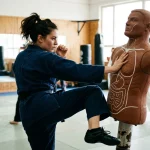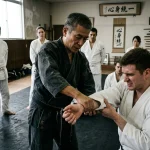

In today’s fast-paced world, self-defense is more crucial than ever, particularly as individuals seek effective means to protect themselves. As practitioners or prospective students of Krav Maga, you may wonder about the impact of remote certification, specifically whether mastering this dynamic martial art involves video testing. Understanding the certification process is essential; it ensures your skills are adequately evaluated while maintaining the integrity of training, especially when training remotely. This article will explore the nuances of video testing in Krav Maga certification, addressing your concerns about competence, safety, and the credibility of remote learning methods. Whether you’re considering taking your first class or are already on your journey, knowing what to expect can empower you to make informed decisions about your training and readiness to respond to real-world threats.
Understanding Krav Maga Certification: A Comprehensive Guide
To truly understand the nuances of Krav Maga certification, it’s essential to grasp its framework, which emphasizes both practical self-defense techniques and the moral responsibilities that come with them. Certification in Krav Maga is not just about mastering physical skills; it’s also about instilling a sense of ethical awareness regarding when and how to apply these techniques. This is especially crucial in self-defense scenarios, where the legal ramifications can be serious if one misuses their training. Participants must not only demonstrate proficiency in various techniques but also comprehend the context in which each technique is applicable-focusing on de-escalation and the responsible use of force.
Video testing has become an increasingly popular method for certification, particularly for those who may not have ready access to traditional in-person classes. Through this innovative approach, aspirants can showcase their skills from home, allowing for flexibility in training and an opportunity to practice in a comfortable environment. However, this also places the onus on practitioners to adhere strictly to safety protocols, ensuring that they practice responsibly and are mindful of their surroundings while performing potentially dangerous techniques.
Key components of Krav Maga certification also necessitate a thorough understanding of the legal aspects surrounding self-defense. For instance, practitioners must be aware of their state’s laws regarding the use of force and the implications of engaging in combat situations. In articulating what constitutes appropriate self-defense actions, instructors often emphasize proportional responses and the importance of understanding legal boundaries. This comprehensive understanding not only prepares practitioners to defend themselves effectively but also fosters a responsible mindset that prioritizes personal and public safety.
Ultimately, achieving Krav Maga certification through either video testing or in-person training is not merely a pathway to learning self-defense; it is also a commitment to developing a profound respect for the power that comes with these skills. Practitioners are called to carry this responsibility beyond the gym or training space and into their daily lives, prepared to navigate complex situations with both confidence and caution.
The Importance of Video Testing in Martial Arts
Video testing represents a transformative approach in the realm of martial arts certification, particularly for disciplines like Krav Maga. As more practitioners seek flexibility in their training regimes, the rise of video testing opens up new avenues for individuals to learn and be evaluated remotely. This method enables students to record their techniques and submissions, providing an opportunity to showcase their skills without needing to attend physical classes, which can sometimes be logistically challenging.
Engaging in video testing necessitates a strong foundation of self-discipline and self-awareness. Students must create a safe training environment at home to effectively demonstrate their skills while adhering to safety protocols. This includes ensuring they have adequate space free of hazards, as well as being mindful of their surroundings to prevent accidents. As they practice and film their routines, students not only hone their techniques but also develop critical abilities to self-assess these recordings. Watching their performances requires a keen eye for detail; practitioners must evaluate nuances in their execution and make adjustments accordingly-a vital skill for anyone serious about mastering Krav Maga.
In addition, video testing can serve as a double-edged sword when it comes to feedback from instructors. It allows for comprehensive evaluation based on actual performance footage, giving instructors valuable insights into a student’s progression. However, it is essential that feedback remains constructive and focused on potential improvements rather than serving as a mere critique. Communication between student and instructor is key; students should feel comfortable discussing their challenges and seeking clarification on techniques where they may struggle.
Above all, employing video testing in Krav Maga certification underscores the importance of ethical self-defense training. Practitioners learn to embody the core values of de-escalation and responsible action, utilizing technology not just as a means of assessment, but as a supportive tool in their journey of continuous improvement. This modern approach to learning helps prepare students for real-world threats, ensuring they can respond with confidence while remaining aware of the legal and moral implications of their actions. As martial arts continue to evolve in the digital age, embracing video testing becomes a vital step in fostering a new generation of knowledgeable and ethically-grounded practitioners.
Remote Certification: How It Works in Krav Maga
To successfully navigate remote certification in Krav Maga, individuals need to adapt to a structured process designed to evaluate their skills through video testing. This innovative approach not only offers convenience, allowing participants to train and submit their evaluations from any location, but also emphasizes the importance of self-discipline and careful planning. At the core, mastering Krav Maga remotely requires a solid understanding of both the technical aspects of the art and the logistical elements tied to video submissions.
When preparing for remote certification, practitioners should establish a safe training environment to demonstrate their skills effectively. This involves selecting a space free from clutter and hazards where they can perform techniques without obstruction. Moreover, students must thoroughly understand the specific requirements for their certification level-different belts may have unique criteria that need to be met during video testing. Familiarity with these standards ensures that the submission accurately reflects the necessary competencies in technique, form, and application.
Feedback plays a crucial role in this remote framework. Instructors typically review the submitted videos, providing detailed insights on both strengths and areas needing improvement. It’s vital that practitioners maintain open lines of communication with their instructors to discuss their performances, ask questions, and gain clarity on techniques they find challenging. This dialogue not only enhances learning but helps cultivate a supportive community atmosphere, even in a virtual setting.
Finally, practitioners should be mindful of the ethical and legal implications surrounding self-defense as they train through remote methods. Achieving certification in Krav Maga is not merely about physical ability; it also encompasses understanding the moral responsibilities tied to self-defense practices. As participants engage with the material, they must ensure their skills are aligned with principles of de-escalation and appropriate use of force, preparing them not only for the tests ahead but for real-world applications of their training.
Benefits of Mastering Krav Maga Through Remote Learning
Mastering Krav Maga through remote learning can be an immensely rewarding experience, particularly as it offers flexibility and accessibility that traditional in-person training may not. One of the key benefits is the ability to design your own training schedule. Participants can practice techniques at their convenience, allowing them to integrate self-defense training with their personal and professional responsibilities. This flexibility not only makes it easier for individuals with busy lives to commit to their training but also encourages self-motivation and discipline.
With remote learning, practitioners gain the opportunity to record their sessions and analyze their performances. Unlike in traditional classes, where mistakes may go unnoticed or uncorrected, video submissions allow students to reflect on their techniques objectively. They can scrutinize their stances, movements, and application of techniques, thereby enhancing their understanding of proper form and execution. Furthermore, instructors can provide tailored feedback, pinpointing specific areas that need improvement, which can lead to accelerated progress.
The remote format can also foster a sense of community among trainees from diverse backgrounds and geographic locations. Online platforms allow for real-time interaction, discussions, and sharing of experiences, creating a vibrant community of learners who can support each other’s journeys. This aspect is particularly beneficial for those who might feel intimidated in a traditional dojo setting, as it replaces the physical presence with an inclusive environment where everyone can share their challenges and successes.
Moreover, as practitioners engage in video testing, they naturally learn the vital skills of self-analysis and constructive criticism. Learning to critique one’s own performance not only sharpens technical abilities but also instills a deeper understanding of the principles of self-defense, such as de-escalation and situational awareness. These critical skills are essential in real-life scenarios where ethical consideration and appropriate force response are paramount.
In summary, remote learning not only empowers individuals by providing flexibility and the capacity for self-paced improvement but also enhances their understanding and application of Krav Maga principles in a safe and supportive virtual environment. Through this method, students emerge not just as adept martial artists but as responsible practitioners equipped to handle various real-world situations with confidence and ethical mindfulness.
Essential Requirements for Krav Maga Video Testing
To successfully navigate the video testing process in Krav Maga, practitioners must be aware of a few essential requirements that ensure their submissions meet instructor standards and the integrity of the martial arts form. Preparing for video testing not only demands technical proficiency but also a grasp of ethical self-defense practices.
- Equipment Requirements: Practitioners should use a high-quality camera or smartphone that can record clear video and audio. Proper lighting and a distraction-free environment are crucial. Potential testers should position the camera to capture the full range of motion during techniques, ensuring that all actions are visible.
- Documented Techniques: Each video submission should clearly demonstrate the required techniques as outlined in the curriculum. This might involve performing specific self-defense moves, sparring sequences, or scenario-based drills that reflect both skill level and understanding of Krav Maga principles.
- Feedback Integration: Testers are encouraged to incorporate feedback from previous submissions. Students should show improvement in their techniques and application of learned concepts. This demonstrates commitment to growth and understanding of the material.
- Positional Awareness: Practitioners must be mindful of their surroundings. Candidates should maintain a clear, unobstructed space for execution while ensuring their movements exhibit awareness and preparedness, showcasing the situational awareness critical in real-life self-defense scenarios.
- Legal and Safety Considerations: Emphasizing legal compliance while practicing any techniques is vital. Understanding the limits of self-defense and applying proportional responses in scenarios reflects proper training. Each submission should also highlight an awareness of safety protocols, ensuring that training does not endanger anyone present.
Undoubtedly, these requirements help maintain the integrity and effectiveness of Krav Maga training, supporting the idea that mastering self-defense is about more than just physical prowess; it’s also about understanding the legal and ethical implications of using force. Practicing self-defense responsibly not only protects oneself but also prepares one for the nuanced realities of handling confrontational scenarios with both confidence and care.
Common Challenges in Remote Certification for Krav Maga
Remote certification in Krav Maga presents unique challenges that practitioners must navigate to effectively demonstrate their skills. With techniques ranging from strikes to disarmament, the ability to convey these skills through a video submission requires careful planning and execution. One major obstacle is the assessment of real-time feedback – a critical component often gained from in-person training that may be lacking in a remote format. Without immediate instructor presence, learners might struggle with understanding their errors, which could hinder their progress in mastering complex techniques.
Another common hurdle involves the technical aspects of video recording. To meet certification requirements, submissions must be visually clear, which means practitioners must have access to quality recording equipment and a proper setup to optimize lighting and camera angles. Many enthusiasts may not have prior experience with filming or editing, resulting in potential miscommunication regarding essential techniques. It’s vital for candidates to practice their setup ahead of time, testing different angles and ensuring that all movements can be viewed clearly.
The self-discipline required for remote certification can be a double-edged sword. While some practitioners thrive under independent study, others may struggle with motivation or consistency when they’re not in a structured environment. Crafting a training schedule akin to in-person classes can help candidates stay on track; setting goals and integrating regular feedback-either through peer reviews or instructor guidance when possible-can foster accountability and clarity on personal growth.
Lastly, the emotional aspect of training remotely cannot be overlooked. The sense of isolation, especially during remote submissions, can impact a practitioner’s confidence when executing techniques. Practitioners should find ways to connect with their instructors or peers through virtual platforms, forming support networks that bolster motivation and provide constructive feedback. By addressing these challenges, Krav Maga practitioners can make the most of remote certification opportunities while ensuring their journey of mastering self-defense remains focused, ethical, and safe.
Comparing In-Person vs. Remote Certification Methods
In the evolving landscape of martial arts, understanding the nuances between in-person and remote certification methods in Krav Maga can significantly impact a practitioner’s learning journey. Traditional in-person training offers the benefit of direct feedback from instructors who can observe and correct techniques in real-time, fostering not only skill mastery but also an immersive learning environment. Students benefit from the physical presence of their peers, which can enhance motivation and accountability while building a sense of community among practitioners.
Conversely, remote certification methods introduce flexibility, allowing practitioners to train in their own spaces and at their own pace. This approach can be particularly advantageous for those with busy schedules or those who may not have access to a nearby training facility. However, the key challenge lies in the practitioner’s ability to accurately demonstrate techniques through video submissions. Without an instructor physically present to provide immediate feedback or corrections, it may be difficult for learners to grasp technical nuances or identify mistakes in real-time.
Key Differences to Consider
- Feedback and Assessment: In-person training allows for immediate adjustments and hands-on corrections, while remote methods rely on the quality of video submissions, which may not capture all nuances of movement.
- Community Engagement: Training in-person fosters camaraderie and peer support, crucial for motivation; remote formats can feel isolating and may require extra effort to connect with other practitioners.
- Accessibility: Remote certification breaks geographical barriers, making it possible for individuals in remote areas to receive training, whereas in-person training is limited to geographic proximity.
- Self-discipline Challenges: Remote certification places the onus on individuals to maintain their training schedule without the structured environment of traditional classes, which can be both a benefit and a barrier.
Understanding these distinctions is essential for Krav Maga practitioners who aspire to achieve certification effectively. Whether choosing in-person or remote methods, it’s crucial to assess personal learning styles and goals. Ultimately, both methods require dedication and a commitment to practice, but practitioners must recognize the inherent differences in how skills are acquired and assessed in each format. Emphasizing safety and ethical self-defense, regardless of the chosen method, ensures students engage with Krav Maga’s principles in a responsible and effective manner.
Success Stories: Achieving Certification via Video
The journey to certification through video testing in Krav Maga has become increasingly common, particularly for those unable to attend in-person classes due to geographical or personal constraints. Many practitioners have found success in this format, enabling them to demonstrate their skills from the comfort of their own homes. A notable example is a student named Mark, who, due to his remote location and demanding work schedule, transitioned into a virtual learning environment. He utilized video testing effectively, carefully capturing each movement in detail to showcase his mastery of techniques.
Practitioners like Mark often emphasize the importance of preparation. Before recording his test, he engaged in regular practice sessions and sought out feedback from peers through video call review sessions. This collaborative approach helped him iron out any kinks in his technique and gain confidence. Most instructors offering video certification programs provide guidelines on what is expected during the test, including specific techniques to be performed and how to position the camera to ensure clarity. This framework empowers students to present their skills accurately.
Among the many success stories, some students have reported that the video testing method has enhanced their self-discipline. The necessity of filming their techniques encouraged them to practice consistently and critically analyze their movements. This self-assessment is crucial in martial arts, where precision and attention to detail are vital. One student remarked that viewing herself on video unveiled nuances of her technique that she would have otherwise overlooked in a traditional practice setting.
While video certification presents unique challenges, including the potential for diminished feedback from instructors, students can still thrive. By adopting innovative training methods, using video submissions thoughtfully, and fostering connections with fellow practitioners, aspiring Krav Maga students can navigate their certification journeys successfully. These stories inspire and demonstrate that remote certification is a viable and effective path in the future of martial arts training.
Legal Considerations for Online Krav Maga Practitioners
As the popularity of remote certification in Krav Maga grows, it is essential for practitioners to understand the legal implications that accompany their training and testing through video. Engaging in martial arts-especially one that emphasizes self-defense-brings with it a host of legal responsibilities that must be navigated carefully. Notably, practitioners should not only be aware of the laws governing self-defense in their jurisdiction but also how these may impact their training, even in a remote setting.
One of the primary considerations is the legality of using techniques demonstrated during video testing in real-world situations. Laws surrounding self-defense vary significantly from place to place, and understanding what constitutes appropriate use of force is crucial. In many jurisdictions, the application of techniques learned in Krav Maga must align with the principles of proportionality and necessity. This means that the force used must be reasonable and justifiable given the context of the threat faced. Practitioners should familiarize themselves with the legal standards of self-defense in their area to avoid any repercussions if they find themselves in a confrontation.
Moreover, when recording video submissions for certification, practitioners should be cognizant of their privacy and the privacy of others. Filming in public spaces can lead to complications, such as invasion of privacy or recording someone without consent. It’s advisable to choose safe and private locations while ensuring that the training environment is free from accidental interference or exposure to individuals not involved in the training.
Finally, it is crucial for instructors and students alike to maintain appropriate insurance coverage that considers the use of remote testing methodologies. This coverage should protect against potential claims that might arise from perceived misuse of techniques taught during video sessions, especially when these techniques are applied in self-defense scenarios. Engaging with organizations that provide legal guidance specific to martial arts practitioners can offer further insights into necessary precautions and best practices.
Understanding these legal aspects not only enhances a practitioner’s journey in mastering Krav Maga but also empowers them to act responsibly during their training. With knowledge comes confidence, and by navigating these critical legal considerations, online practitioners can cultivate their skills while upholding ethical standards in self-defense.
Safety Protocols During Home Training for Certification
When training at home for Krav Maga certification, establishing safety protocols is paramount to ensure a secure environment. Many individuals may underestimate the risks associated with practicing self-defense techniques in a home setting, but understanding and implementing safety measures can help prevent injuries and mishaps. Here are some essential protocols to consider.
Creating a Safe Training Space
- Clear the Area: Designate a specific training area that is free from obstacles. Remove furniture, breakable items, and any tripping hazards. This ensures that you have ample space to move and practice techniques effectively.
- Proper Flooring: If possible, train on a surface that minimizes the risk of injury, such as matting or carpet. Avoid slippery surfaces that could lead to falls.
- Engage a Spotter: If you are performing techniques that require a partner or have the potential for injury, consider having a trusted friend or family member act as a spotter. This person can assist with safety and provide support without engaging in full-contact sparring.
Using Appropriate Equipment
- Protective Gear: Utilize appropriate gear, such as gloves and mouthguards, especially when practicing techniques that may lead to impact. This reduces the risk of injury and helps to instill proper habits during training.
- Safety Equipment: Consider using training weapons, such as padded sticks or training knives, to practicing disarmament techniques safely. Ensure that any equipment used is designed for training purposes to avoid harm.
Understanding Legal Boundaries
Knowing the legal limits surrounding self-defense techniques is crucial when training at home. Be aware of what constitutes reasonable force in your area. Understanding the legal implications of the techniques you practice helps prevent unintended consequences should you need to apply them in real-life situations.
Monitoring Health and Fitness
- Stay Aware of Physical Limitations: Listen to your body and avoid overexertion. Push through limitations can lead to injuries that disrupt your training. Regularly check your physical condition and adapt your training intensity accordingly.
- Warm-Up and Cool Down: Always begin with a thorough warm-up to prepare your body for physical activity, and finish with cooling down stretches to promote recovery and flexibility.
Practicing Krav Maga at home can be an enriching experience, but safety must be prioritized. Following these protocols not only enhances your personal safety but also builds a strong foundation for your skills. By fostering a safe training environment, you empower yourself to focus on mastering techniques and progressing toward your certification with confidence.
Best Practices for Effective Video Submission in Tests
Submitting a video for Krav Maga certification can be intimidating, but mastering some best practices can significantly enhance your chances of success. The clarity and quality of your video will reflect your training and understanding of techniques, so it’s crucial to approach this task with attention to detail and preparation.
One of the most important factors to consider is the video quality. Ensure your camera is set to a high resolution, and choose a well-lit area to capture your movements clearly. Natural light works well, but if indoors, ensure there are adequate artificial lights to eliminate shadows. Maintaining focus is vital; position the camera so that all parts of your training area are visible, allowing evaluators to see your stances, movements, and techniques in full.
Before you begin recording, conduct a thorough rehearsal. This not only helps you become familiar with the techniques you’re demonstrating but also allows you to refine your performance. Make sure to practice your sequences multiple times, paying attention to elements like body mechanics, timing, and fluidity. It may be beneficial to have a training partner provide feedback, mimicking the evaluative experience you would face in an in-person testing scenario.
While recording, aim for a structured presentation of your techniques. Introduce yourself briefly and state the purpose of the video before diving into your demonstration. Clearly label each segment of the video that corresponds to specific skills or techniques, possibly using on-screen text. This structure helps evaluators follow along seamlessly and highlights your organizational skills.
Lastly, don’t underestimate the importance of sound quality. If you’re explaining techniques or concepts during your demonstration, ensure that your voice is clear and audible. Using an external microphone can enhance sound quality and reduce background noise, making it easier for evaluators to understand your explanations. Edit your video to trim any unnecessary parts while keeping the sequence intact, ensuring a smooth and professional final submission.
By adhering to these best practices, you can create an impactful video submission that demonstrates your hard work and dedication to mastering Krav Maga, whether for certification or personal growth.
The Future of Martial Arts Training: Virtual Certification Trends
The landscape of martial arts training is evolving, and virtual certification is becoming an increasingly viable option for practitioners worldwide. In the wake of recent global events and the growing acceptance of digital platforms, the integration of video testing into Krav Maga certification and other martial arts has shifted from being a temporary solution to a long-term trend. This transition not only reflects the demand for flexibility but also recognizes the value of technology in enhancing martial arts education.
One of the key benefits of virtual certification is the accessibility it offers. Students can participate in training and evaluations from the comfort of their own homes, minimizing logistical challenges such as travel and scheduling conflicts. This accessibility can significantly encourage more individuals to pursue martial arts, regardless of their geographical location. Furthermore, remote learning platforms often include a variety of instructional videos and resources, allowing students to review techniques at their own pace, which can enhance their understanding and mastery of the material.
The Role of Technology in Remote Training
Advancements in technology are playing a crucial role in shaping how martial arts are taught and tested online. High-definition video, live streaming, and interactive feedback systems are becoming standard tools in the training process. For instance, some certification programs utilize software that allows instructors to provide real-time commentary and critiques during video submissions, mimicking the traditional dojo experience. This interactive element transforms passive video learning into an engaging, hands-on approach that can improve a student’s performance.
Ensuring Quality and Safety in Virtual Certification
As the trend towards virtual certification continues to grow, it is essential for practitioners to maintain high standards of quality and safety. This includes ensuring that self-training environments are secure and conducive to practice. Students should be aware of potential hazards in their training spaces and prepare to mitigate risks during practice sessions. Moreover, instructors must emphasize ethical training practices and the importance of responsible application of techniques, especially in a self-defense context. Understanding the legal implications of self-defense and ensuring that students receive comprehensive education on these topics is crucial in a virtual setting, where personal guidance may be limited.
In conclusion, the future of martial arts training lies in a harmonious blend of technology and traditional practices. Virtual certification already demonstrates its potential to broaden access and enhance learning experiences, pushing the boundaries of how martial arts are taught and assessed. As instructors adapt to these technological advances, it will be vital to uphold the core principles of martial arts-discipline, respect, and ethical practice-ensuring that students not only become proficient in techniques but also embody the responsible mindset that self-defense requires.
Q&A
Q: What is video testing for Krav Maga certification?
A: Video testing for Krav Maga certification allows practitioners to demonstrate their skills via recorded sessions. This method is essential for remote learners, enabling them to submit videos showcasing techniques, combinations, and sparring for review and grading by certified instructors.
Q: How do I prepare for video testing in Krav Maga?
A: To prepare for video testing, ensure you understand the required techniques and scenarios. Practice regularly, record multiple takes, and select the best performance for submission. Focus on clarity, engaging expressions, and demonstrating proper form to enhance your chances of success.
Q: Are there specific requirements for submitting video tests in Krav Maga?
A: Yes, video test submissions usually require precise demonstration of techniques and combinations as outlined in your training program. Additionally, you should adhere to a specific video quality and format. Always refer to your instructor’s guidelines for details to ensure compliance.
Q: Can I retake video tests if I don’t pass on the first try?
A: Most programs allow retakes for video tests if the initial submission does not meet the standards. However, there may be a waiting period or specific conditions for resubmission. Check your program’s policies for exact guidelines.
Q: What are the benefits of remote certification in Krav Maga?
A: Remote certification in Krav Maga offers flexibility, allowing practitioners to learn and test from home, saving time and travel costs. It also provides access to expert instructors who may not be locally available, enhancing skill development at one’s own pace.
Q: Can video testing replace in-person testing completely in Krav Maga?
A: While video testing is an effective alternative for many, it may not fully replace in-person testing. In-person assessments can provide immediate feedback and personal interaction, valuable for mastering techniques. Practitioners are encouraged to utilize both methods for the best outcomes.
Q: What technology do I need for effective video testing in Krav Maga?
A: You’ll need a camera or smartphone capable of high-quality video recording, a stable internet connection for uploading, and a suitable space for performance. Ensure good lighting and minimal background noise to enhance the quality of your submission.
Q: How can I ensure my video submission is effective for certification?
A: To ensure an effective video submission, follow outlined requirements closely, practice your techniques, and film in a distraction-free environment. Keep videos concise, clear, and focused on demonstrating the required skills accurately to maximize your chances of passing.
In Summary
Mastering Krav Maga through remote certification is not just an opportunity; it’s a vital step towards effective self-defense. With video testing, you can showcase your skills from the comfort of your home while receiving expert feedback to ensure you meet the program’s standards. Ready to take your training to the next level? Don’t wait-seize this chance to empower yourself with practical knowledge and techniques that respect legal and ethical boundaries.
Explore our additional resources, including our comprehensive guides on self-defense laws and technique comparisons, to enhance your understanding further. Be sure to sign up for our newsletter for exclusive tips and updates on upcoming training sessions and tools that can help you progress in your Krav Maga journey. Join our community today and share your thoughts-your journey starts now!
Get our latest guides, news, and insights highlighted in your Google Search & AI Overviews.