How To Pronounce Krav Maga is an essential tactical consideration in personal safety, threat neutralization, and defensive biomechanics. Understanding how how to pronounce krav maga functions in high-stress encounters enables practitioners to protect vital anatomical structures, apply proportionate defensive measures, and adhere strictly to justifiable use-of-force legal standards.
Krav Maga, the self-defense system originally developed by the Israeli military, has gained global recognition for its practical approach to personal safety. Understanding how to pronounce “Krav Maga” correctly is essential, whether you’re discussing it in a class or sharing your interest with others. Many enthusiasts struggle with the pronunciation, which can be frustrating and may even discourage engagement with this valuable self-defense tool. In this guide, we’ll clarify the correct pronunciation while also highlighting the importance of Krav Maga as a means of empowerment and self-protection. So, if you’re eager to enhance your knowledge and confidently communicate about this powerful martial art, read on to unlock both the proper pronunciation and a deeper appreciation for Krav Maga’s principles.
How to Pronounce Krav Maga Correctly
Krav Maga, the self-defense system developed by the Israeli Defense Forces, has unique phonetics that can trip up even seasoned martial arts enthusiasts. Pronouncing it correctly is essential, as mispronunciation can lead to misunderstandings and, ultimately, a lack of credibility in discussions about this effective martial art. The correct pronunciation is “Krahv Mah-gah,” with an emphasis on the first syllable of each word. This phonetic structure reflects the Hebrew roots of the terminology, where the ‘K’ sound is slightly aspirated, distinct from the English soft ‘C’ pronunciation.
To effectively practice the pronunciation, it can be beneficial to break down the sounds. Start with “Krav” – think of the hard ‘K’ sound, followed by a throaty ‘rahv.’ Next, move to “Maga,” which should flow smoothly. The ‘M’ is pronounced as it appears, followed by a soft ‘ah’ sound, leading into a crisp ‘gah.’ Regular practice, ideally in a group setting, can enhance retention, allowing you to become comfortable with the pronunciation.
Another effective method is to listen to fluent speakers or watch instruction videos where Krav Maga is discussed. This not only aids in correct pronunciation but also connects you to the broader community of practitioners who share insights about technique and philosophy. As you engage more with the community, repeating the name during interactions reinforces familiarity and confidence, making it easier to demonstrate respect for the art and its heritage. Engaging with the language deepens your connection to Krav Maga and reflects a commitment to understanding its ethos and application.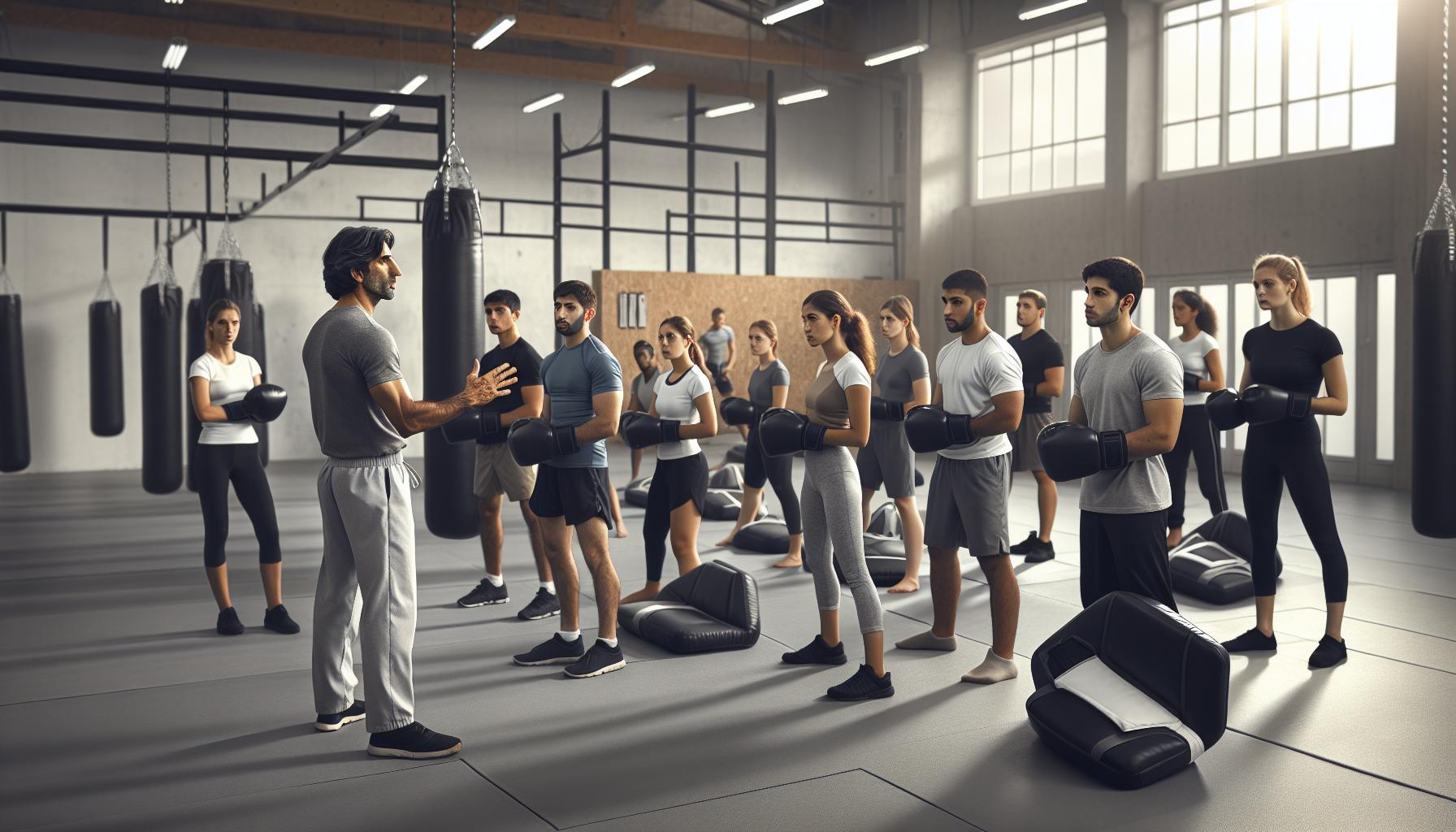
Understanding the Language of Krav Maga
Krav Maga, the self-defense system born from the Israeli military, is not just a set of techniques; it embodies a unique language that reflects its culture and purpose. Understanding this language is crucial for practitioners and enthusiasts alike, as it lays the foundation for effective communication within the community. This language encompasses not only the terminology used but also the principles and philosophies that underpin the practice of Krav Maga.
At its core, the language of Krav Maga integrates Hebrew terms that are often foundational to its techniques. Terms like “Krav” (combat) and “Maga” (contact) represent more than mere words; they signify a mindset focused on self-defense and real-world applicability. By understanding the terminology, practitioners can better appreciate the intent behind techniques and strategies. This cultural context enhances one’s training experience and fosters a deeper connection to the discipline, reinforcing the idea that language transcends verbal communication, influencing action and thought.
Moreover, incorporating the language of Krav Maga into your practice can amplify your engagement with the art. It encourages dialogue that can lead to improved understanding and collaboration among peers. For instance, discussing concepts like “de-escalation,” “situational awareness,” and “proportional response” in their original language not only promotes clarity but also embodies the principles of respect and cultural acknowledgment. As students immerse themselves in the language, they often find they develop a stronger bond both with the art and with their instructors and fellow practitioners.
To truly grasp the language of Krav Maga, one doesn’t just memorize words but strives to internalize the meanings and values they carry. As you progress in your training, make it a point to learn Hebrew terms specific to your drills and techniques. This practice not only aids in proper communication but enriches your training routine, grounding it within a broader historical and cultural framework that enhances both personal growth and skill development.
Engaging in discussions and training sessions that emphasize the cultural significance of these terms allows you to reinforce their importance, transforming your practice into a richer, more meaningful experience. By prioritizing comprehension of the language, practitioners affirm their commitment not just to the physical aspects of Krav Maga, but also to the ethical and philosophical foundations upon which it rests.
Common Mispronunciations and Their Impact
Mispronouncing “Krav Maga” can lead to misunderstandings that extend beyond a mere linguistic error; it can influence how practitioners connect with the martial art and its underlying philosophies. The term “Krav Maga,” pronounced as “krahv mah-gah,” combines Hebrew words for “combat” and “contact.” The emphasis on phonetics is crucial, as mispronunciations can detract from the cultural and educational integrity of training and discussions surrounding the art.
Common mispronunciations include variations such as “Krav Magah,” where the incorrect emphasis on syllables can create confusion among practitioners and instructors. These errors not only risk miscommunication but can also undermine respect for the tradition itself. Understanding the correct pronunciation can help foster a greater sense of belonging in the Krav Maga community. It’s important to note that as with any complex language, consistency in pronunciation reflects a commitment to the art and its principles.
Practitioners often face these situations in training environments or public demonstrations, where proper terminology showcases discipline and dedication. For instance, when referring to specific techniques, clarity in articulation reinforces the seriousness of instruction. Moreover, in a self-defense context, clear communication can be invaluable. Practitioners must be ready to shout commands or terms during high-pressure situations; therefore, knowing the correct terminology supports clarity and efficacy in real-world applications.
Learning to pronounce “Krav Maga” correctly extends beyond just words; it symbolizes leadership and respect within the martial arts community. As individuals practice their pronunciation, it encourages them to embrace the culture, philosophy, and community aspects of Krav Maga, enhancing their personal experience and paving the way for discussions that are respectful and informed.
Cultural Significance of Proper Pronunciation
Understanding the proper pronunciation of “Krav Maga” holds significant cultural weight within the martial arts community. This phonetic accuracy serves not only as a marker of respect for the art itself-rooted in Israel-but also as a bridge connecting practitioners to its rich history and philosophy. The term translates to “contact combat,” reflecting its focus on real-world, practical self-defense techniques. Mispronouncing it, such as saying “Krav Magah,” can diminish this connection and show a lack of appreciation for its origins.
Many practitioners, especially those new to Krav Maga, may underestimate the impact of pronunciation. Using the correct enunciation-“krahv mah-gah”-enhances communication during training, ensuring clarity and unity among practitioners. It signifies dedication to the discipline and helps foster a shared identity within the community. More importantly, the correct pronunciation allows students to convey respect for the system and its founders, who invested their lives in its development.
Moreover, the act of learning to pronounce “Krav Maga” properly brings deeper meaning to the engagement with this martial art. It encourages students to delve into the cultural aspects of Krav Maga, prompting discussions about its historical context and ethical considerations. It is a reminder that martial arts extend beyond physical techniques; they encompass a holistic approach that includes understanding their philosophical underpinnings. By embracing proper pronunciation, practitioners contribute positively to the collective culture of martial arts, promoting a sense of belonging and connectedness that is vital in a supportive training environment.
Phonetic Breakdown of Krav Maga
The correct pronunciation of “Krav Maga” is essential for any practitioner wishing to connect deeply with this self-defense system. Pronounced as “krahv mah-gah,” the articulation involves a few key phonetic elements that can be broken down for clarity. The first syllable, “krahv,” features a hard ‘k’ sound followed by an ‘r’ that rolls slightly, typical of Hebrew phonetics. The ‘a’ is pronounced like the ‘a’ in “father,” and it closes with a soft ‘v’ sound.
Moving on to the second syllable, “mah,” again, this follows the Hebrew style, where the ‘a’ is similar to the first part and pronounced as in “car.” This syllable ends with a clear ‘h’ sound, which is important to articulate properly, linking it smoothly to the last component. The final syllable, “gah,” completes the pronunciation with a strong ‘g’ followed by the same ‘ah’ sound you’ve used previously. This consistency in vowel pronunciation is key to maintaining the authentic sound associated with Krav Maga.
Practicing these syllables in sequence can help reinforce memory and comfort with the pronunciation. Start slowly, saying each part distinctly, then gradually blend them together. This technique is effective because it allows you to focus on the proper articulation without losing the rhythm. As you practice, it may be helpful to record yourself and playback to ensure accuracy.
Incorporating this correct phonetic breakdown into your training not only boosts your confidence but fosters a greater respect for the martial art’s rich heritage. Understanding and using the proper pronunciation signals a commitment to the discipline and a connection to its cultural roots, enhancing your overall experience and integration into the Krav Maga community.
Tips for Practicing the Pronunciation
Practicing the correct pronunciation of “Krav Maga” can significantly enhance your connection to this martial art and demonstrate respect for its origins. One effective approach to mastering the pronunciation is to isolate each syllable and train your mouth to articulate them clearly. Begin with “krahv,” focusing on that firm ‘k’ sound and letting your ‘r’ roll naturally, which adds an authentic Hebrew flavor. After you’ve nailed the first syllable, move on to “mah,” maintaining the softness of your ‘h’ to ensure it links well to “gah,” which should resonate with a strong, clear ‘g’ followed by the familiar ‘ah’ sound.
To further aid your practice, consider using tools such as voice-recording apps. Record yourself articulating each syllable and then play it back. This self-assessment allows you to recognize any mispronunciations and monitor your progress effectively. To enhance muscle memory, try incorporating these sounds into daily conversations or practice sessions. Repetition is key; the more you say “Krav Maga,” the more instinctive the pronunciation will become.
Another beneficial technique is to listen to native speakers or experienced practitioners. Engage with videos or audio recordings where the term “Krav Maga” is pronounced correctly. Mimicking these examples will provide a benchmark to strive towards. Additionally, practicing with a partner can be extremely effective. By articulating the pronunciation aloud with someone else, you not only reinforce your learning but also create an environment for constructive feedback.
Building confidence with your pronunciation not only facilitates your understanding of the martial art but also enriches your involvement in the Krav Maga community. Remember, every time you pronounce it correctly, you’re paying homage to its cultural significance and emphasizing your commitment to the discipline.
Regional Variations in Pronunciation
Krav Maga, despite being a global martial art, exhibits notable regional variations in its pronunciation. Understanding these distinctions can enrich your comprehension of the discipline and enhance your ability to connect with practitioners from different backgrounds. For instance, the strong ‘k’ sound at the beginning, followed by a rolled ‘r,’ is more prevalent among speakers in Israel, where the art originated. In contrast, Western pronunciations might soften these sounds, creating subtle differences that can change how the name is perceived.
In North America and parts of Europe, many practitioners may pronounce it as “Krav Ma-gah,” emphasizing the softened consonants, which can dilute the original intensity of the Hebrew phonetics. This variation is shaped by local linguistic habits and accent influences. In places with a higher degree of Hebrew spoken, such as among Israeli communities or dedicated martial arts schools, you may hear a pronunciation closer to the authentic form: “Krahv Ma-gah.” Here, the emphasis is on clarity, fidelity to the original Hebrew sounds, and respect for the cultural roots of the discipline.
Practicing with awareness of these variations can offer valuable context during training sessions, especially in international seminars or competitions. Engaging with instructors or fellow students from diverse backgrounds can provide firsthand insight into how pronunciation can reflect one’s connection to Krav Maga’s heritage. Remember, while it is essential to strive for accuracy, the intent and respect behind your pronunciation often carry more weight in the Krav Maga community than perfection itself.
When communicating with a global community, adaptability is key. It’s helpful to listen actively to how others pronounce “Krav Maga” and mimic their pronunciation in respectful acknowledgment. This practice not only aids in your own learning but fosters a sense of unity and shared respect amongst practitioners worldwide.
The Importance of Language in Martial Arts
Language is a powerful tool in the realm of martial arts, influencing not only how techniques are taught and understood but also how cultures blend and interact. In disciplines like Krav Maga, proper pronunciation is not merely a matter of etiquette; it speaks volumes about respect for the art’s origins and the community itself. The way we articulate “Krav Maga” can signify our connection to its Israeli roots and its philosophy. For those engaged in this martial art, using the correct pronunciation can deepen one’s understanding and respect for its history, reinforcing a bond with fellow practitioners.
Furthermore, clarity in communication within martial arts training enhances safety and effectiveness. Mispronouncing terms or techniques can lead to misunderstandings that compromise practice sessions. For instance, in a high-pressure situation, clear commands or techniques communicated in their correct form can significantly affect response times and the overall safety of all participants. This underscores the necessity of training not just the body but also the mind, fostering an environment where everyone feels confident and understood.
Engaging with others in the Krav Maga community often reveals various aspects of its language. New practitioners may find it enlightening to learn that different regions emphasize different phonetic elements based on their linguistic backgrounds. Such insights help in forming a more profound connection with the art and its diverse practitioners. A shared vocabulary also unites individuals from various cultures, creating a collective identity within the martial arts community that transcends geographic boundaries.
In conclusion, is multifaceted, impacting personal growth, community cohesion, and safety. Practitioners of Krav Maga should strive to master not only the techniques but also the terminology. In doing so, they not only enhance their training experience but also contribute positively to the cultural fabric of the martial arts world. Embracing and respecting the linguistic roots of Krav Maga ultimately fosters a richer, more authentic practice for all involved.
Pronunciation Resources: Videos and Guides
To master the correct pronunciation of “Krav Maga,” a range of resources is at your disposal. Understanding the nuances of this Hebrew term not only enhances your credibility within the martial arts community but also deepens your connection to its rich history and philosophy. Various videos, pronunciation guides, and online platforms are incredibly helpful for individuals at all levels of training.
One of the best ways to learn the correct pronunciation is through instructional videos. These resources often feature native speakers who can provide clear examples, allowing you to hear the syllables and cadences in context. Look for content from reputable martial arts schools or trainers who specialize in Krav Maga, as they will often include demonstrations that align the pronunciation with actual techniques.
Additionally, many online language platforms offer phonetic breakdowns and audio clips. Websites like Forvo, YouTube, or even dedicated martial arts forums often have sections where users share audio recordings and pronunciation tips. These tools can be particularly helpful if you feel uncertain about how to articulate specific sounds, especially the consonantal emphasis found in Hebrew.
Practicing alongside these resources can greatly enhance your learning. Recording yourself while saying “Krav Maga” and comparing your pronunciation to native speakers can provide valuable feedback. Consider finding a partner in your Krav Maga class to practice together; this approach can foster a supportive learning environment and help build confidence in your pronunciation.
Engaging with the broader Krav Maga community through workshops and seminars not only offers in-person guidance but also provides opportunities for immersion. Attending these events allows you to hear the correct pronunciation in action, reinforcing your learning through observation and practice. Remember, proper pronunciation is not just about saying the words correctly; it reflects your respect for the art and aids in clearer communication during training sessions-a fundamental aspect of safety in martial arts.
Addressing Pronunciation in Training Contexts
Incorporating the correct pronunciation of “Krav Maga” into your training sessions can significantly enhance not only your skill development but also your credibility within the martial arts community. Understanding the linguistic roots of the term reinforces your connection to its Israeli origins and philosophies. In training contexts, mispronunciations can lead to confusion, especially when communicating techniques or commands during sparring sessions. It’s essential to address pronunciation proactively to ensure clarity and establish a respectful atmosphere.
When leading classes, emphasize the correct pronunciation right from the beginning. As students learn new techniques, encourage them to say “Krav Maga” out loud, integrating it with motions or drills to reinforce their phonetic memory. A common approach is to break down the term into syllables: Krav (rhymes with “brave”) and Maga (pronounced as “mah-gah”). This phonetic breakdown aids in internalizing the correct sounds and encourages students to practice articulation together, creating a supportive learning environment.
Consider implementing a specific time during each class dedicated to pronunciation practice. Use this time for playful repetition, where group participation can alleviate any pressure or fear of making mistakes. Make it a fun challenge, such as pairing students to practice the pronunciation, which also fosters teamwork. Remember, creating an atmosphere of respect for language during training not only helps in learning but also instills values of discipline and mutual respect-core principles in any martial art.
Lastly, remind students of the broader implications of their language use within a training context. Clear communication during practice is paramount for safety and understanding. When everyone accurately pronounces “Krav Maga,” it establishes a shared vocabulary that minimizes misunderstandings in critical situations. This approach enhances both the learning experience and the real-world applications of the skills taught, promoting effective self-defense rooted in ethical practice and accountability.
Building Confidence with Your Pronunciation
Building confidence in your pronunciation of “Krav Maga” can significantly enhance your overall experience and effectiveness within the practice. The correct pronunciation not only demonstrates respect for the art but also fosters a deeper connection to its rich history. Knowing you can confidently say “Krav Maga” correctly will empower you during classes and in discussions with peers, making you feel more integrated into the community.
To develop this confidence, practice is key. Start by repeating the term in a safe environment where you feel comfortable; this could be in front of a mirror or recording yourself. Focus on the phonetic breakdown: saying Krav (rhymes with “brave”) and Maga (pronounced “mah-gah”). Engaging in consistent practice ensures that when you use the term, it flows naturally, allowing your focus to remain on your techniques rather than your pronunciation.
Incorporating pronunciation practice into your regular training sessions can further bolster your confidence. Consider dedicating a few moments at the beginning of each class to the pronunciation of key terms. This not only normalizes the practice among peers but also creates a supportive environment where everyone is encouraged to try without fear of making mistakes. Additionally, if you find a fellow practitioner with whom you can practice, it can enhance your learning experience and reinforce teamwork.
Lastly, remember that confidence in pronunciation extends beyond the word itself; it plays a crucial role in your ability to communicate effectively during training and real-life scenarios. Clear and confident communication can de-escalate tense situations, making it essential for practitioners focused on safety and ethical responses. By mastering the pronunciation of “Krav Maga,” you set the stage for better understanding and execution of techniques, thus promoting a culture of safety and accountability in every aspect of your martial arts journey.
Engaging with the Krav Maga Community
extends beyond simply learning techniques; it involves a deep participation in a shared culture of respect, safety, and mutual support. Properly pronouncing “Krav Maga” serves as a foundational step in this journey, signaling your commitment to the art and fostering connections with fellow practitioners. When members of the community meet someone who articulates the term correctly, it creates an immediate sense of belonging and respect, enhancing the shared experience of training together.
Incorporating yourself into the Krav Maga community can take many forms. Joining local classes or groups not only helps you practice the techniques but also provides an excellent opportunity to engage in discussions about techniques, experiences, and philosophies surrounding self-defense. Use these interactions to share your experiences and learn from others. As you attend classes, make it a point to ask about any terms or phrases that might be unfamiliar to you, reinforcing your commitment to not just learning but also understanding the culture behind the practice.
Becoming active in the community means more than participating in classes; it also involves attending seminars, workshops, and competitions. These events serve as platforms for deeper engagement and provide a chance to interact with instructors and practitioners from diverse backgrounds. During these events, practice your pronunciation in discussions-clarifying terms, asking questions, and sharing insights. Remember, effective communication can lead to better understanding and application of techniques, especially in the context of safety and self-defense.
Additionally, consider participating in online forums or social media groups focused on Krav Maga. These spaces provide opportunities to connect with others who share your passion, allowing for discussions about best practices, experiences, and even local legislation related to self-defense. Participating in these dialogues not only reinforces your understanding of the importance of proper pronunciation but also helps you stay informed about varied perspectives within the community, thus enriching your overall experience.
Q&A
Q: How do you correctly pronounce Krav Maga?
A: Krav Maga is pronounced as “Krahv Mah-gah.” The emphasis is typically placed on the second syllable of “Maga.” For correct pronunciation, practice the phonetics and listen to audio guides to improve your confidence.
Q: What does the term Krav Maga mean in English?
A: Krav Maga translates to “contact combat” in English. This literal meaning reflects the practical and effective self-defense techniques taught in Krav Maga classes, emphasizing real-world scenarios.
Q: Why is proper pronunciation of Krav Maga important?
A: Proper pronunciation of Krav Maga is essential for effective communication within the martial arts community and shows respect for the culture and heritage of the art. Mispronunciations can lead to misunderstandings in training contexts.
Q: Are there any common mistakes in pronouncing Krav Maga?
A: Yes, common mistakes include mispronouncing “Krav” as “Crav” and “Maga” as “Magger.” Understanding the phonetic breakdown can help avoid these misunderstandings.
Q: How can I practice the pronunciation of Krav Maga?
A: To practice, you can use resources like pronunciation videos or language apps. Repeating the terms, focusing on syllable stress, and practicing with native speakers will enhance your accuracy.
Q: Can regional accents affect the pronunciation of Krav Maga?
A: Yes, regional accents can influence pronunciation. It’s important to be aware of these variations, especially when training in different locations. Listening to native speakers can help you adapt.
Q: Where can I find resources for learning about Krav Maga pronunciation?
A: You can find various resources, including videos and online guides, on martial arts websites or language apps. Check sections specifically on pronunciation for detailed tips and practice options.
Q: Is it necessary to learn the correct pronunciation of Krav Maga for training?
A: While not strictly necessary, learning the correct pronunciation can improve your training experience by enhancing communication with instructors and peers, ensuring clarity when discussing techniques.
Tactical and Biomechanical Analysis: How To Pronounce Krav Maga
When evaluating the mechanical efficiency and physiological implications of how to pronounce krav maga, personal protection practitioners must analyze three fundamental principles:
- Targeting Dynamics: Precision striking or tool application against designated soft-tissue zones and vulnerable nerve pathways produces maximum autonomic disruption with minimum necessary physical energy.
- Kinetic Energy Transfer: Maximizing velocity and proper skeletal alignment ensures that force penetrates beyond superficial skin layers, directly influencing muscular and neurological function.
- Disengagement Window Creation: The primary tactical objective of defensive engagement is terminating an adversary’s aggression and establishing sufficient distance and time to reach safe shelter.
Comparative Matrix and Physiological Assessment: How To Pronounce Krav Maga
| Operational Metric | Tactical Assessment (How To Pronounce Krav Maga) | Physiological / Medical Mechanism | Defensive Best Practice |
|---|---|---|---|
| Incapacitation Speed | Immediate (0–2 seconds on direct contact) | Autonomic reflex shock, motor dysfunction | Follow through immediately with tactical retreat |
| Gross Motor Requirement | High reliability under extreme adrenaline dump | Relies on large muscle groups rather than fine dexterity | Practice gross movements during scenario stress training |
| Legal Scrutiny Risk | Strict scrutiny based on proportionality of threat | Potential for severe bodily injury depending on impact zone | Cease defensive action immediately once threat ceases |
Legal Standards and Tactical Self-Defense Protocols (How To Pronounce Krav Maga)
To safely navigate high-threat personal security situations involving how to pronounce krav maga, adhere strictly to the following three-step operational protocol:
- Threat Assessment & Situational Awareness: Scan the environment continuously using Cooper’s Color Code to detect potential hazards before physical distance collapses.
- Verbal De-escalation & Boundary Setting: Establish clear verbal commands, maintain a non-aggressive defensive posture, and create physical escape avenues wherever possible.
- Decisive Proportional Countermeasure: If violent physical assault is unavoidable, deliver decisive, targeted interventions to neutralize the threat and immediately report the incident to emergency authorities.
How does how to pronounce krav maga impact personal defense strategy?
Proper integration of this principle ensures that defenders do not rely on brute force, instead leveraging anatomical vulnerability and sound tactical decision-making to survive violent confrontations.
What legal precautions should be taken regarding how to pronounce krav maga?
All physical defensive measures must remain strictly proportional to the imminent unlawful threat faced. Once the aggressor no longer presents an immediate danger, force must cease immediately to remain within statutory self-defense protections.
To Conclude
Now that you know how to properly pronounce “Krav Maga,” you can confidently discuss this effective self-defense system with others. Remember, mastering the pronunciation is just the first step in your journey-exploring the intricacies of Krav Maga’s techniques and philosophies can be immensely rewarding. If you’re eager to dive deeper, check out our in-depth articles on basic Krav Maga techniques and the legal aspects of self-defense in various scenarios.
Don’t hesitate to share your thoughts or questions in the comments below; your engagement enriches our community. For those looking to enhance their self-defense skills or learn more about martial arts, consider subscribing to our newsletter for exclusive tips, resources, and updates. Every step you take toward understanding self-defense empowers you not just physically but mentally, too. Keep exploring, stay safe, and remember that knowledge is your best defense.
Get our latest guides, news, and insights highlighted in your Google Search & AI Overviews.