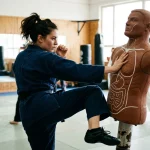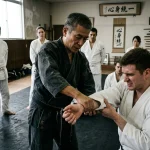
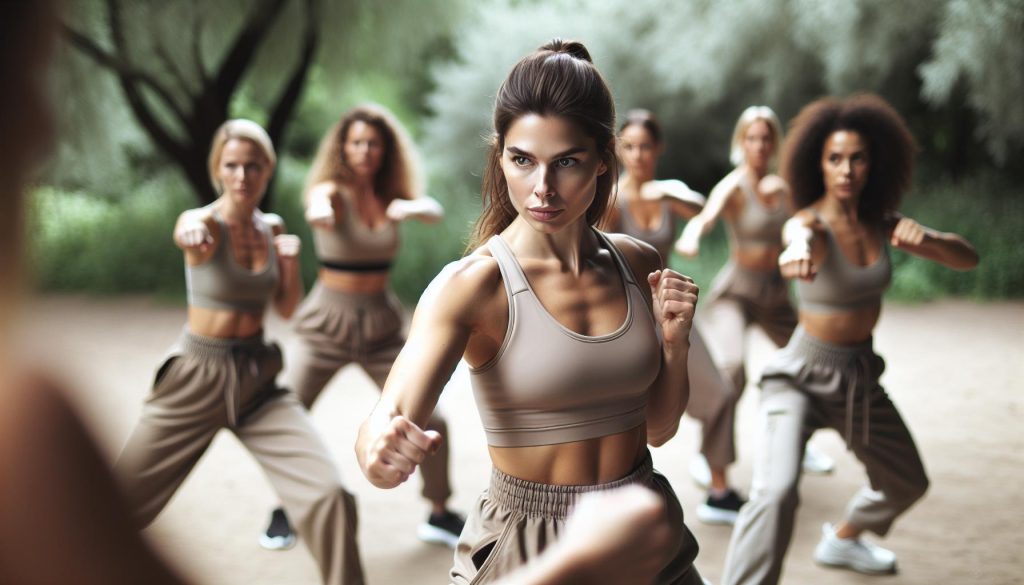
The evolution of female confidence in martial arts, particularly Krav Maga, signifies more than just physical empowerment; it represents a profound shift in societal attitudes about women’s safety and autonomy. As women embrace self-defense not just as a skill but as a means to reclaim their power, Krav Maga has adapted to prioritize techniques that enhance confidence and efficacy for female practitioners. This transformation addresses pressing concerns about personal safety, equipping women with practical tools to effectively respond to threats while fostering a supportive community. Discover how the incorporation of female perspectives has enriched Krav Maga, made it more accessible, and why understanding these changes is crucial for all seeking empowerment through self-defense. Join us on this journey of strength, resilience, and the importance of self-advocacy in today’s world.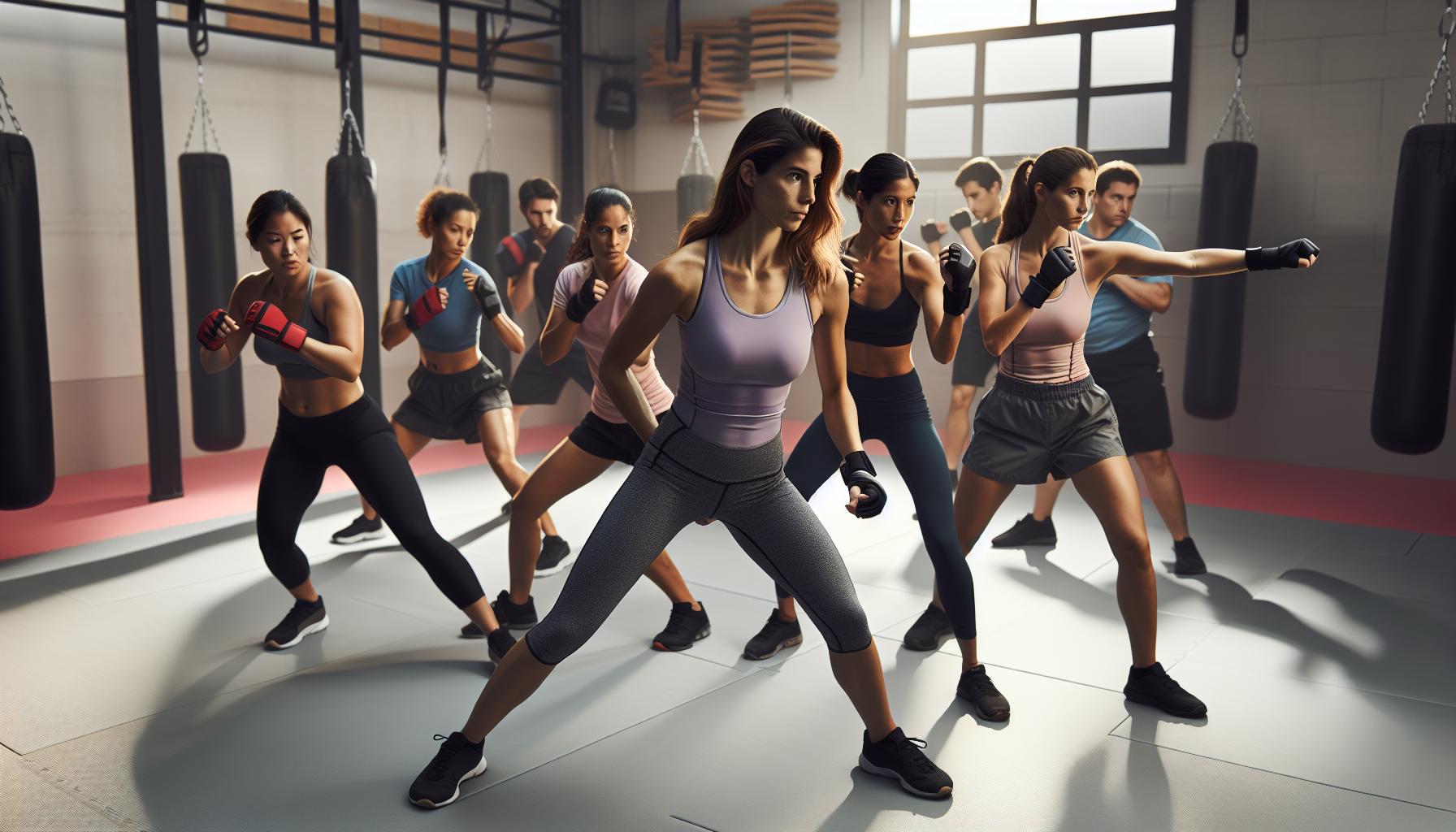
Understanding the Evolution of Krav Maga for Women
The evolution of Krav Maga for women is a compelling narrative steeped in a burgeoning understanding of self-defense as not just a physical necessity but also a profound source of empowerment. Initially designed primarily for military personnel, Krav Maga has transitioned into a form tailored to address the unique needs and concerns of women. This shift reflects a growing recognition that self-defense is as much about mindset and confidence as it is about physical technique.
Through targeted training programs, Krav Maga instructors have developed strategies that focus on the realities women may face in self-defense situations. These programs often emphasize situational awareness, de-escalation tactics, and effective response techniques that are specifically adapted to female practitioners. This evolution has included integrating scenarios that women are statistically more likely to encounter, fostering a deeper sense of preparedness and resilience.
Moreover, the influence of female practitioners and instructors has been profound. Their perspectives have not only changed the curriculum but have also enriched the Krav Maga community. As more women engage in training, they create supportive networks that bolster confidence among participants. Their shared experiences and victories in overcoming personal challenges have made the training environment more inclusive and encouraging, shifting the culture around women’s self-defense from one of fear to one of empowerment.
As we observe these progressive changes within Krav Maga, it is evident that female confidence plays a pivotal role in shaping its methods. Women are not merely passive recipients of instruction; they actively contribute to evolving techniques and strategies, demonstrating that self-defense is not solely about physical prowess but also about mental fortitude and community support. This ongoing evolution is transforming how Krav Maga is perceived, making it an empowering and essential tool for women in the modern world.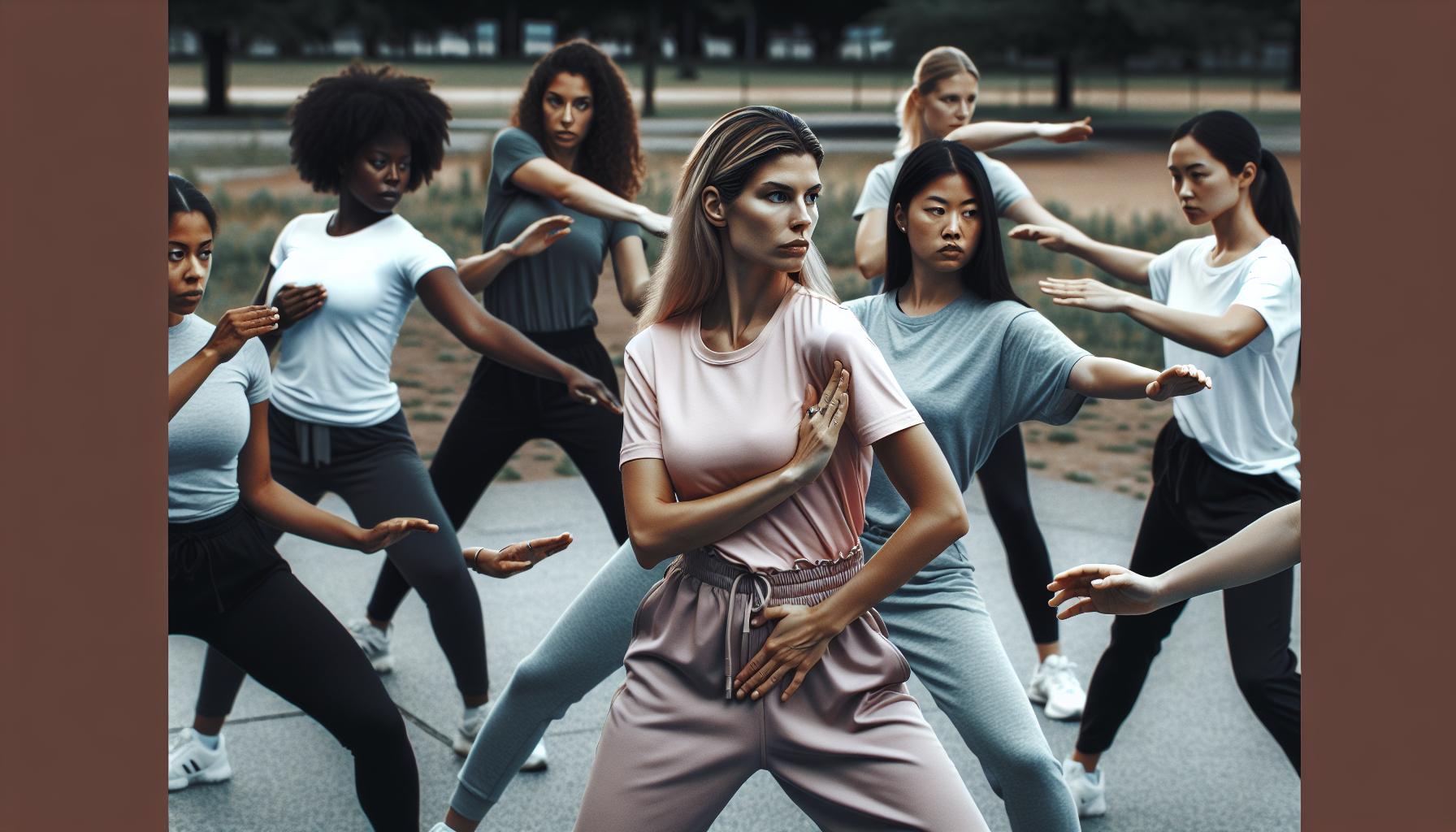
The Role of Female Confidence in Self-Defense
The journey towards empowerment through self-defense is deeply intertwined with the cultivation of female confidence. In the realm of Krav Maga, confidence isn’t just a byproduct of effective training; it is a foundational element that transforms how women perceive themselves and their capacity to defend against threats. Research shows that self-defense training can significantly enhance mental resilience and assertiveness, qualities that are essential in fostering a proactive mindset when facing danger. This empowerment can dramatically alter the way women respond to potentially volatile situations, often deterring aggressors simply by exuding confidence.
Practitioners of Krav Maga learn to recognize their own strengths, which often leads to a profound shift in how they view their bodies and capabilities. Training is designed not only to improve physical techniques but also to enhance mental clarity and focus. Women are encouraged to engage in realistic scenarios that simulate high-stress situations. This approach builds both skills and self-assurance, equipping them to handle unexpected confrontations effectively. Exercises focusing on situational awareness, verbal de-escalation, and tactical retreats teach them that self-defense is not solely about physical combat but can also involve strategic decision-making and promoting personal safety without resorting to violence.
Moreover, the confidence gained through Krav Maga training spills over into various aspects of life. Many female practitioners report feeling more empowered in their personal and professional environments after undergoing training. The support of a community also plays a vital role, as women share their experiences and learn from one another in a safe and affirming space. This collaborative dynamic fosters enhanced self-esteem and a sense of belonging, further reinforcing each individual’s confidence and ability to protect themselves.
In addition to bolstering personal strength, the collective confidence among women in Krav Maga leads to a cultural shift within the training community. As women take active roles in shaping curriculum and teaching methodologies, they influence training to be more inclusive, emphasizing the importance of empathy, responsibility, and respect for oneself and others. This evolution highlights that female confidence is not only crucial for individual empowerment but also pivotal in reshaping the philosophies underpinning Krav Maga as a whole, ensuring that it resonates with current needs and realities faced by women today.
Empowerment Through Physical Training: A New Paradigm
The transformative power of physical training in Krav Maga extends far beyond mere self-defense techniques; it reshapes the very foundation of how women perceive their strength and capabilities. Engaging in this dynamic martial art allows women to break through barriers of self-doubt and insecurity, effectively fostering a sense of empowerment that resonates in every aspect of their lives. Physical training drills not only build essential combat skills but also cultivate resilience, critical thinking, and emotional stability.
Realistic Training Scenarios
By participating in realistic training scenarios that mimic high-stress environments, practitioners learn to navigate challenges with composure and focus. These simulations are crucial, as they help women develop strategies for both avoidance and engagement. Important components include:
- Situational Awareness: Understanding and recognizing potential threats in various contexts.
- Verbal De-escalation: Learning to diffuse situations before they escalate into physical confrontations.
- Tactical Retreat: Knowing when to disengage safely to minimize risk.
Through these exercises, women discover not only how to defend themselves physically but also how to control their emotional responses. This dual empowerment creates mental fortitude that translates into everyday situations, allowing women to approach life’s challenges with newfound confidence.
The Legal and Ethical Landscape
A crucial aspect of empowerment through Krav Maga training is understanding the legal implications of self-defense. Knowing the laws governing self-defense in one’s area is essential for responsible practice. Training should emphasize the importance of using proportional force, ensuring that participants understand when and how to apply their skills ethically. Instructors should make clear distinctions between defensive techniques and aggressive actions, reinforcing that true empowerment is rooted in self-discipline and caution.
In conclusion, the paradigm shift in empowerment through physical training is evident in the evolving dynamics of women’s roles in Krav Maga. As they embrace their capabilities and gain confidence in their skills, they not only transform themselves but also contribute to a broader cultural shift within the martial arts community. The emphasis on empowerment, ethical responsibility, and community support serves to elevate the collective experience, inspiring future generations of women to engage in self-defense training and embrace their strength.
Impact of Women’s Empowerment on Krav Maga Techniques
The integration of women’s empowerment into Krav Maga techniques represents a groundbreaking evolution in self-defense training. As women gain confidence and embrace their strength, the methods and practices of Krav Maga are adapting to reflect this cultural shift. This change extends beyond physical training; it also encompasses the psychological aspects of self-defense, influencing how techniques are taught and understood.
One significant is the emphasis on real-world applicability and mental preparedness. Women are often encouraged to trust their instincts and evaluate situations critically, which is reflected in training programs that prioritize realistic scenarios. Instructors now emphasize not only how to fight, but also when to fight. By incorporating techniques such as verbal de-escalation and understanding situational awareness, women learn to assess potential threats and choose the most appropriate responses, thereby minimizing the likelihood of confrontation.
Additionally, the physical techniques themselves have evolved. As women become more involved in Krav Maga, there is a growing recognition of the need for adaptive techniques that consider different body types and strength levels. For instance, leveraging momentum rather than raw strength can allow smaller practitioners to effectively defend against larger attackers. This adaptive approach not only broadens the accessibility of Krav Maga but enhances its effectiveness, as practitioners learn to use their unique attributes to their advantage.
Moreover, the reinforcement of ethical training within Krav Maga is a direct result of women’s empowerment. As confidence builds, so does the understanding of responsibility. Training sessions increasingly focus on the legal implications of self-defense, stressing the importance of proportional responses and ethical considerations in confrontational situations. This comprehensive approach not only prepares practitioners for potential encounters but also instills a strong moral framework guiding their actions during critical moments.
In conclusion, the is profound and multifaceted. By reshaping the training experience, emphasizing mental preparedness, adapting physical techniques, and reinforcing ethical standards, this transformation not only empowers women but elevates the entire Krav Maga community. The progressive integration of these principles ensures that as women continue to assert their strength, they also cultivate a deeper understanding of self-defense, enhancing personal safety and community resilience.
Real-Life Success Stories: Women in Krav Maga
Empowerment often manifests in inspiring stories, especially in the realm of self-defense training like Krav Maga. Women from different backgrounds are stepping into the dojo, discovering not only physical strength but also newfound confidence that ripples through their lives. For instance, consider the case of Sarah, a former college student living in a bustling city. Initially joining Krav Maga classes to build self-defense skills, she experienced a transformative journey-going from a timid individual to someone who now trains others. Sarah emphasizes the importance of mental resilience learned through training, which has helped her deal with various life challenges, including job interviews and social interactions.
Another compelling story comes from Maria, a mother of two who faced increased concerns for her safety during her daily routines. After enrolling in a Krav Maga class, she not only learned effective techniques to protect herself but also became an advocate for women’s self-defense in her community. Her experience underscores the dual impact of physical and psychological empowerment. Maria now leads workshops, sharing her knowledge and encouraging other women to take the path of self-defense training. She insists that every woman deserves to feel safe and capable of protecting herself, and her journey inspires many to step onto the mat.
Such stories are echoed across various Krav Maga schools, where women regularly report feeling stronger, both mentally and physically. The training emphasizes real-world applications, where participants practice situational awareness and de-escalation techniques alongside physical maneuvers. This multifaceted approach ensures that women are prepared not just to react in threatening situations but to navigate challenges with a proactive mindset.
These narratives are essential as they contribute to a broader community support network, demonstrating how shared experiences encourage women to build confidence together. Each woman’s story adds a layer of richness to the Krav Maga community, showcasing that empowerment is not solely about individual achievements but also about lifting others as we climb. Through these real-life success stories, the impact of women’s empowerment within Krav Maga is vividly illustrated, reinforcing the idea that confidence cultivated in training can translate to every aspect of life.
Community Support: Building Confidence Together
Women stepping into Krav Maga training not only hone their self-defense skills but also forge a vital network of support that bolsters their confidence. This community aspect transforms the training experience into a shared journey where women uplift and inspire one another. Finding camaraderie in a space filled with shared challenges and victories fosters a sense of belonging, which is crucial in building resilience and self-assurance.
One powerful way to cultivate this community support is through regular group activities and workshops. These gatherings can range from self-defense classes to discussions covering personal safety strategies, mental health, and empowerment. Participating in these initiatives allows women to connect, share their experiences, and motivate each other to overcome personal barriers. For instance, organizing workshops that focus on specific self-defense techniques not only provides practical skills but also creates a safe environment for women to practice and ask questions without judgment.
Additionally, mentorship programs within Krav Maga schools can be particularly impactful. Experienced practitioners can guide newer members, sharing insights and strategies that enhance both technical skills and personal growth. This mentorship can take many forms-one-on-one training sessions, encouragement during classes, or simply being available for advice outside the training environment. Such relationships often lead to lasting friendships, reinforcing the idea that training is not solely an individual pursuit but a communal effort to empower each other.
The psychological benefits of engaging within this supportive community are profound. As women share their stories of overcoming fear and adversity, they inspire one another to push through their own challenges. Positive reinforcement from peers fosters an environment where women are encouraged to step out of their comfort zones, try new techniques, and build confidence through practice. The collective experience of facing fears, whether in a self-defense scenario or personal life, creates a powerful affirmation that reinforces self-worth and capability.
By building a strong, interconnected community centered on the principles of empowerment, women in Krav Maga are not just learning how to defend themselves; they are also laying the foundation for a more confident, supportive future that magnifies their strength both on and off the mat.
The Psychological Benefits of Training in Krav Maga
Training in Krav Maga offers profound psychological benefits that significantly enhance female practitioners’ confidence and self-esteem. As students learn combat techniques and self-defense strategies, they also engage in a transformative journey that challenges their mental resilience and self-perception. This martial art not only equips women with practical skills but also fosters the development of a robust mental framework that enhances their overall well-being.
One of the most significant psychological advantages of Krav Maga training is the increase in self-efficacy. Each technique learned translates to a greater sense of personal control over one’s safety and environment. When women practice scenarios that simulate real-life threats, they begin to feel more prepared and less vulnerable. This capability leads to a positive feedback loop where enhanced skills build further confidence, reinforcing the belief that they can face challenging situations head-on. It’s crucial that practitioners understand the legal implications of self-defense, as knowledge of the law further increases their confidence, allowing them to act within legal boundaries while maintaining personal safety.
Moreover, the supportive community within Krav Maga classes plays a vital role in developing psychological resilience. Training alongside fellow women fosters a sense of camaraderie, where shared experiences and mutual encouragement help to diminish feelings of isolation and self-doubt. Regularly confronting physical challenges in a safe environment encourages the cultivation of a growth mindset. Participants learn to embrace discomfort as a pathway to improvement, thus challenging their internal narratives about fear and inadequacy. Building relationships with instructors and peers also provides emotional support, which can be tremendously empowering for women, making them feel valued and understood.
Additionally, the training environment of Krav Maga emphasizes the importance of mental clarity and focus, which are crucial for effective self-defense. Students are trained to remain calm under pressure, turning what could be panic into empowerment. This discipline fosters greater concentration not just in martial arts but in everyday life situations, yielding better decision-making skills and stress management. As women progress through their training, they often report improved overall mental health, which includes reduced anxiety and greater emotional stability.
Incorporating these psychological benefits into the broader narrative of women’s empowerment in Krav Maga illustrates how the art is not solely about physical confrontation but also about fostering a strong, resilient mindset. This comprehensive growth is what makes Krav Maga particularly transformative, allowing women not only to protect themselves but also to thrive personally and socially both on and off the training mat.
Krav Maga vs. Traditional Martial Arts for Women
Krav Maga stands apart from traditional martial arts, particularly for women, due to its focus on practicality, real-world applications, and an empowering philosophy that emphasizes confidence and readiness to respond to threats. Developed with a martial ethos for self-defense, Krav Maga is not just about techniques but ingraining a mindset that prioritizes personal safety in everyday scenarios. Unlike traditional martial arts that may emphasize tournament fighting or combat forms, Krav Maga is grounded in the realities of street encounters, making it especially relevant for women seeking effective self-defense solutions.
One of the key differences is in the training methodology. Traditional martial arts often follow structured forms and patterns, fostering a deep respect for discipline and ritual. While this approach has significant benefits-such as promoting physical fitness, flexibility, and mental focus-the rigid nature can sometimes deter women who are looking for immediate, applicable skills. Krav Maga, on the other hand, trains practitioners to react instinctively to various types of attacks, focusing on natural movements and combat scenarios that a woman may face in real life. This adaptability not only boosts confidence but also lays a critical foundation for quick decision-making, which is vital in self-defense situations.
Moreover, the culture within Krav Maga training environments tends to champion inclusivity and empowerment. Women are encouraged to train alongside men, breaking down barriers and fostering a community that is supportive and understanding of the unique challenges faced in self-defense. This collaborative atmosphere enhances learning and builds a shared sense of resilience. Traditional martial arts classes may not always prioritize this communal ethos, which can sometimes result in women feeling less engaged or empowered to take initiative in their training.
Legal knowledge is another pivotal factor in Krav Maga education. Understanding the legal ramifications of self-defense is crucial, especially for women who might feel unsure about their rights. Krav Maga integrates these teachings into its curriculum, ensuring that women not only learn how to defend themselves physically but also understand the ethical implications of their actions. This dual approach of physical and legal education equips women with a solid grounding in both skill and responsibility.
In summary, while traditional martial arts provide many benefits, Krav Maga offers a tailored approach for women that centers on self-defense’s practical and legal aspects. The methodology, supportive community, and empowering training philosophy effectively resonate with women aiming to build confidence in their abilities to protect themselves. As women increasingly embrace Krav Maga, they not only benefit personally but also contribute to the evolving landscape of martial arts as a whole, promoting greater acceptance and empowerment across the board.
Legal Considerations in Self-Defense for Women
Understanding the legal framework surrounding self-defense is paramount for women engaging in Krav Maga training. Each state has its own laws regarding self-defense, and being informed is key to ensuring both safety and legality when responding to a threat. In many jurisdictions, the use of force must be proportionate to the threat faced; this means that the response should fit the level of danger encountered. For example, if someone is using aggressive verbal threats but is not physically attacking, a physical response would be seen as excessive.
There are primarily two legal principles that guide self-defense laws: imminence and proportionality. Imminence refers to the necessity of acting in the face of an immediate threat. For instance, if attacked, a practitioner must respond right away to protect themselves. The principle of proportionality dictates that the force used must match the aggressor’s threat level. Engaging an aggressor with extreme force may lead to legal repercussions, regardless of the justification. In essence, the response must be appropriate and reasonable in relation to the ongoing situation.
Another critical aspect is the distinction between self-defense and aggression. Legal systems often scrutinize the intent behind an action. If a woman is found to have initiated a confrontation or acted with aggression, her claims of self-defense may not hold. Therefore, Krav Maga training emphasizes not only physical techniques but also the significance of maintaining control, avoiding escalation, and seeking de-escalation techniques where possible. For practitioners, this understanding fosters a mindset not solely focused on combat but also on awareness and thoughtful decision-making in high-stress scenarios.
To empower women in understanding legal self-defense, consider the following guidelines:
- Know the Law: Familiarize yourself with your state’s laws on self-defense. Understanding the specific legal limits around permissible actions is crucial.
- Keep Records: After an incident, document everything. Note the sequence of events and any witnesses to support your case if necessary.
- Prioritize De-escalation: Whenever possible, attempt to defuse a situation verbally or through body language rather than resorting to physical confrontation.
Finally, fostering a community that understands and respects these legal nuances is essential. Practicing Krav Maga alongside peers means engaging in discussions about the ethical and legal dimensions of self-defense. This collaborative learning environment not only enhances self-defense skills but also equips women with a holistic understanding of their rights and responsibilities. Knowledge and preparedness build confidence, empowering women to navigate self-defense scenarios with assurance and legality.
Adaptive Techniques: Tailoring Krav Maga for Female Practitioners
Adaptive techniques in Krav Maga are essential for tailoring the training experience to meet the unique needs of female practitioners. Women often face different physical challenges and social dynamics in self-defense situations, making it crucial to adapt techniques that enhance effectiveness and build confidence. Incorporating these modifications not only acknowledges the varied strengths of women but also promotes a sense of empowerment through practical self-defense training.
One of the primary adaptations in Krav Maga for women involves leveraging core strength and agility rather than relying solely on brute force. While traditional martial arts might emphasize strength, Krav Maga teaches practitioners to use momentum and body mechanics effectively. Techniques like joint locks, leverage points, and pressure points become particularly useful. For instance, using body weight to unbalance an assailant or employing quick, decisive movements can turn a disadvantage into an empowering advantage. This approach shifts the focus from overpowering an opponent to efficiently neutralizing a threat, reinforcing the principle of proportionality in self-defense.
Moreover, situational awareness and non-physical de-escalation tactics are integral parts of the training. Women are often encouraged to practice verbal self-defense techniques, role-playing different scenarios where they can assert boundaries without resorting to physical confrontation. For example, training sessions might incorporate verbal techniques that empower women to communicate assertively in potentially threatening situations, fostering both confidence and practical skills that can diffuse tensions. Engaging in these adaptive techniques fosters a supportive environment where women learn to trust their instincts and abilities, becoming proactive in their self-protection strategies.
Lastly, the community aspect of training cannot be overstated. Women often find solace in practicing with peers who share similar experiences and concerns. This camaraderie not only boosts confidence but also allows practitioners to share insights and strategies unique to female experiences in self-defense scenarios. Through group drills and discussions, women can formulate and adapt techniques that work best for them, strengthening their skills and their sense of empowerment within the Krav Maga framework. As women continue to redefine their roles in martial arts, these adaptive techniques serve as a testament to the evolving nature of self-defense training, emphasizing that the journey towards empowerment starts with tailored, effective strategies that honor individual strengths.
Safety Protocols: Protecting Yourself While Training
Training in Krav Maga can be a transformative experience, especially for women looking to build confidence and empowerment. However, safety during training cannot be overstated; it’s essential to understand the protocols in place to protect yourself while honing your self-defense skills. Many practitioners may not realize that self-defense training encompasses not only effective techniques but also a thorough understanding of safety and legality.
Effective training begins with selecting the right dojo or instructor. Ensure that your Krav Maga school emphasizes a culture of safety and respect. Instructors should be certified and experienced in teaching women’s self-defense, familiar with both physical techniques and the specific legal implications involved in self-defense scenarios. Key safety protocols include:
- Warm-Up and Cool-Down: Always engage in a warm-up to prepare your body for physical activity and a cool-down to prevent injury.
- Protective Gear: Wear appropriate protective gear such as mouthguards, shin guards, and gloves. This is crucial when practicing with partners or during sparring sessions.
- Buddy System: Practice with a partner you trust, especially when learning new techniques. Having a reliable training partner can also increase your comfort level during drills.
- Focus on Technique: Prioritize proper technique over brute strength to avoid injuries to yourself and others.
- Clear Communication: Set boundaries with your training partners. Always communicate your comfort levels, and do not hesitate to stop or pause during drills if you feel unsafe.
It’s also vital to understand the legal implications of self-defense. Different regions have various laws, and it’s essential to be educated on what constitutes justified self-defense in your area. For example, some jurisdictions may have specific criteria regarding proportionality-that is, the response must align with the immediate threat posed. Practitioners must train not only in physical techniques but also develop the ability to assess situations accurately, prioritize de-escalation, and understand when to employ physical force, if necessary.
In high-stakes situations, fear and adrenaline can cloud judgment. Thus, incorporating scenarios into your training that mimic real-life confrontations can be beneficial. Role-playing these scenarios helps reinforce the importance of maintaining situational awareness and being prepared to apply learned techniques judiciously, which can significantly impact your confidence in real situations. Keeping a mental checklist of response options-verbal de-escalation, escape routes, and legal constraints-provides additional mental readiness.
By adhering to these safety protocols, female practitioners can enjoy their Krav Maga training, knowing they are prioritizing not only their growth and empowerment but also their well-being and legal safety. This foundation of safety allows for a more focused learning environment, ensuring that all participants feel secure and confident in their journey towards mastering self-defense.
Future Trends: The Growing Influence of Women in Martial Arts
The increasing presence of women in martial arts, particularly in disciplines like Krav Maga, signifies a shifting attitude toward female empowerment and self-defense. Statistics show that the number of women participating in martial arts programs has more than doubled in recent years, reflecting a growing recognition of the importance of self-defense as an essential skill set. This rise not only transforms how women perceive their physicality but also contributes to a broader societal acceptance that values strength, resilience, and equality.
As women gain confidence through training, they influence not just their peers but also the way martial arts are taught. Instructors are increasingly adapting curricula to be more inclusive and sensitive to the unique challenges women face. For instance, training programs now emphasize techniques that allow practitioners to leverage their agility and speed, core principles of Krav Maga, which can counterbalance physical differences often perceived against male counterparts. This approach not only enhances effectiveness but also fosters a supportive atmosphere where women can thrive in their practice.
Moreover, the community aspect of martial arts plays a vital role in this trend. Women are coming together to form support networks, create mentorship opportunities, and address common challenges faced by female practitioners. This collective empowerment encourages individuals to pursue training with a sense of safety and support, which is critical in ensuring continued participation and growth. Workshops and seminars focused on women’s self-defense are becoming routine, allowing for knowledge sharing and skills refinement in a safe space.
Finally, the influence of women in martial arts is reshaping the narrative around self-defense training. Workshops led by female instructors highlight ethical considerations, the legal implications of self-defense, and the importance of non-violent conflict resolution. As women continue to break barriers and stereotypes in martial arts, they foster an environment where safety, legal understanding, and ethical training are paramount, empowering practitioners to navigate real-life situations with clarity and confidence. This evolution not only benefits female martial artists but enriches the entire community, paving the way for a future where self-defense transcends gender barriers.
Frequently asked questions
Q: How does female confidence influence training effectiveness in Krav Maga?
A: Female confidence significantly enhances training effectiveness in Krav Maga by fostering a more assertive attitude. Confident practitioners are more likely to engage fully in techniques, enhancing retention and skill. Encouraging female empowerment through training creates a supportive community, which is vital for personal growth and self-defense proficiency.
Q: What specific changes in Krav Maga training techniques have resulted from women’s empowerment?
A: Women’s empowerment has led to incorporating techniques that address the unique challenges faced by women. These changes emphasize adaptability and confidence, integrating drills focused on scenarios women may commonly encounter, thus tailoring the training for increased relevance and effectiveness.
Q: What role does community support play in building confidence for women in Krav Maga?
A: Community support is crucial as it creates safe spaces for women to train, share experiences, and motivate one another. This collaborative environment fosters trust and encouragement, which not only enhances individual confidence but also strengthens the overall practice within the Krav Maga community.
Q: How can women leverage Krav Maga training for personal empowerment outside the dojo?
A: Women can leverage Krav Maga for personal empowerment by applying the self-defense principles learned in class to everyday situations. The skills gained can boost self-esteem, instill a proactive mindset in confrontation, and provide practical strategies for real-life safety outside the dojo.
Q: Why is Krav Maga considered more effective for women’s self-defense compared to traditional martial arts?
A: Krav Maga is considered more effective for women due to its focus on practical, real-world scenarios and quick, effective techniques that can neutralize threats. Unlike many traditional martial arts, it emphasizes adaptability and instinctual reactions, which are essential for self-defense in unpredictable situations.
Q: What mental benefits do women gain from practicing Krav Maga?
A: Practicing Krav Maga offers significant mental benefits, such as increased resilience and anxiety reduction. Training not only boosts confidence but helps develop a strong mindset, fostering mental toughness and preparedness in the face of challenges both on and off the mat.
Q: How has the perception of women in martial arts changed in recent years?
A: The perception of women in martial arts has evolved to encourage greater participation and recognition. Increased visibility of female practitioners and instructors in Krav Maga has challenged stereotypes, resulting in a more inclusive approach that emphasizes empowerment and skill development for women.
Q: What are the future trends concerning women’s roles in Krav Maga?
A: Future trends indicate an increasing presence of women as leaders and instructors in Krav Maga. As more women embrace training, there will likely be a broader push for female-focused programs and initiatives, strengthening the community and encouraging participation at all levels.
To Conclude
Female confidence has significantly transformed the landscape of Krav Maga, fostering a culture of empowerment that invites everyone to embrace self-defense and personal safety. If you’re inspired to take charge of your well-being, why not start your journey today? Explore our comprehensive resources on self-defense techniques, safety protocols, and legal considerations to equip yourself with the knowledge you deserve. Don’t forget to check out our related articles on building mental resilience and effective strategies for de-escalation.
Now is the time to take decisive action. Join a local Krav Maga class, connect with a certified instructor, or sign up for our newsletter to stay updated on safety tips and training opportunities. Empower yourself and others by sharing your experiences in the comments below-let’s build a community that advocates for safety and confidence. The journey to empowerment awaits you; let’s make it together!
Get our latest guides, news, and insights highlighted in your Google Search & AI Overviews.