
When considering Krav Maga classes, knowing the costs involved is crucial. This self-defense system not only offers effective techniques for real-life situations but also emphasizes personal safety and ethical responses in confrontation. As prices can vary based on location, instructor experience, and class format, understanding the financial commitment helps you plan effectively. Whether you’re a seasoned martial artist or just starting, budgeting wisely can ensure you receive quality training without breaking the bank. In this article, we’ll explore the cost breakdown of Krav Maga classes and provide valuable tips to help you make informed decisions about your self-defense journey. Your safety and confidence are worth the investment, so let’s dive into the details.
Understanding Krav Maga Class Costs and Factors
Krav Maga is not just a martial art; it’s an effective self-defense system that prioritizes safety as much as skill. Understanding the costs associated with Krav Maga training is essential for anyone considering honing these life-saving techniques. Typically, class pricing varies widely based on several key factors, including geographic location, instructor experience, and facility quality. On average, expect to pay between $100 to $200 per month for unlimited classes, with drop-in rates around $15 to $25 per session.
What affects these prices can be broken down into several components. Class size, for instance, often impacts costs; smaller classes tend to offer more personalized instruction, which could justify higher fees. Additionally, the certification level of instructors plays a significant role. Highly experienced instructors with additional certifications will often charge more, as their expertise can lead to a more effective learning experience.
Location is another influencing factor. Urban centers, where demand for classes is higher, typically have steeper prices than rural areas. Many schools also offer various membership tiers, which can provide savings for those who commit long-term, while pay-as-you-go options remain more flexible for beginners. This flexibility extends into the choice between online and in-person classes, with virtual sessions generally being less costly. As you explore your options, be mindful of additional costs such as uniforms, gear, and potential testing fees. Engaging with a community or academy early can uncover discounts and specials, especially for beginners looking to embark on their Krav Maga journey.
Average Pricing for Krav Maga Classes
Krav Maga classes are often viewed as an investment in personal safety, self-defense, and fitness. The average pricing for these classes can vary widely, but understanding the typical cost can help you make informed decisions. Most enthusiasts can expect to pay anywhere from $100 to $200 per month for unlimited classes, while drop-in rates typically hover between $15 and $25 per session. These fees reflect not only the training you receive but also the overall experience, instructor qualifications, and facility amenities.
When evaluating prices, consider that geographical location plays a significant role. In urban centers where demand for self-defense training is higher, class prices tend to be steeper compared to rural areas. Additionally, the size of classes can affect individual pricing; smaller class sizes often lead to more tailored instruction, potentially justifying higher fees. The qualifications and experience of instructors also weigh heavily on pricing. Highly certified and seasoned instructors may command higher rates, but the benefit is often a more refined, insightful learning experience.
Moreover, many martial arts academies offer flexible membership options, allowing students to choose between long-term commitments for greater savings or pay-as-you-go models that provide flexibility for newcomers. It’s wise to explore these varying options to find what best fits your needs. Budgeting for Krav Maga classes should also include equipment costs such as uniforms and protective gear, along with any testing or belt promotion fees that may arise. Engaging with the academy’s community can reveal new possibilities for discounts or specials, particularly advantageous for beginners embarking on their Krav Maga journey.
What Influences Krav Maga Class Prices?
Understanding the cost structure of Krav Maga classes can be crucial for anyone looking to train effectively while budgeting smartly. Various factors contribute to the pricing of these self-defense classes, making it essential for prospective students to be aware of the elements influencing costs.
One of the primary influences on class prices is the geographical location of the training facility. Urban areas often see higher demand for self-defense training, leading to increased prices compared to rural settings. Additionally, local competition among martial arts schools can drive prices up or down, depending on what similar programs are charging in the area.
The size of the class also plays a significant role. Smaller classes typically offer a more personalized experience, allowing for better instructor attention and tailored instruction. This high level of individual engagement can justify a higher price point. Conversely, larger classes may provide lower rates but might not deliver the same quality of training.
Instructor qualifications are another essential aspect influencing costs. Courses taught by experienced, highly qualified instructors often come with a premium price tag. These instructors bring valuable knowledge and insights that can enhance the learning experience, making the cost worthwhile for serious practitioners. Moreover, the reputation of the dojo or training center can also factor into pricing; well-known facilities with a history of success may charge more due to their established credibility.
Prospective students should also consider hidden costs such as equipment (uniforms, gloves, etc.), testing fees, and promotional belts that might not be immediately apparent when evaluating class costs. Engaging with communities associated with these classes can reveal potential discounts and programs tailored for new students, making it easier to manage overall expenses.
In summary, when assessing the pricing of Krav Maga classes, it’s crucial to consider location, class size, instructor qualifications, and additional expenses. Being informed about these factors helps students make better decisions that align with their budgetary needs while ensuring they receive quality training.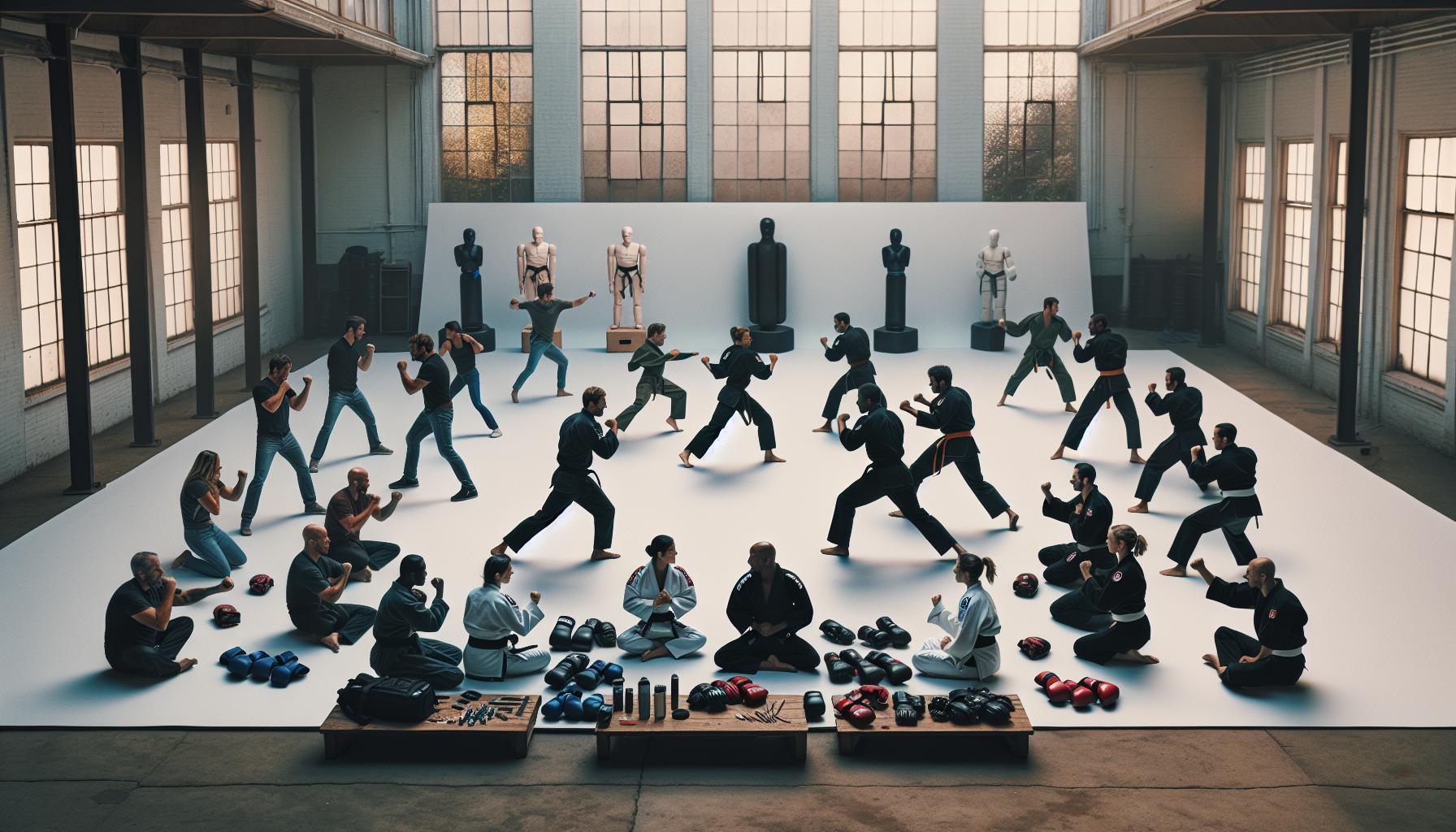
Comparing Krav Maga with Other Martial Arts Costs
When considering the financial commitment to martial arts training, it’s essential to understand how Krav Maga stacks up against other popular forms of self-defense and martial arts. Unlike traditional martial arts that often focus on technique and sparring, Krav Maga emphasizes real-life situations and self-defense scenarios, which can influence pricing due to the specialized instruction required.
Generally, Krav Maga classes might fall within a comparable price range to Brazilian Jiu-Jitsu (BJJ) or kickboxing but can sometimes be higher depending on the factors mentioned earlier, such as instructor qualifications and class size. For instance, while typical monthly memberships for BJJ can range from $100 to $200, Krav Maga classes might be priced similarly or slightly above, reflecting the added emphasis on practical defense strategies.
Another factor to consider is the cost of uniforms and equipment. Krav Maga practitioners often need specific gear, such as gloves and protective equipment, that can add to the initial expenses. In contrast, arts like yoga or straight boxing might have lower equipment costs. The training environment can also affect prices; studios that focus on extensive self-defense training may charge more for their facilities and resources.
In terms of value, Krav Maga’s realistic approach and focus on situational awareness often appeal to individuals looking for effective self-defense strategies rather than traditional martial arts techniques alone. When budgeting for martial arts training, it’s vital to weigh the benefits of what each discipline offers against the costs and ensure that the chosen form of training aligns with personal goals for fitness, self-defense capability, and overall enjoyment.
Ultimately, understanding these comparisons can help prospective students make informed decisions about their martial arts education. Whether you lean towards Krav Maga or another discipline, being aware of the costs involved will empower you to choose the most appropriate path for your needs.
Hidden Costs of Krav Maga Training to Consider
When embarking on your journey with Krav Maga, it’s crucial to be aware of the hidden costs that might not be immediately visible in the basic class pricing. While the tuition covers the core of your training, many additional expenses can sneak up on you, impacting your overall budget significantly. For instance, gear is a primary hidden cost that can vary widely depending on the quality and brand. Essential items like gloves, shin guards, and mouthguards are not just recommended; they’re often mandatory for participation in classes, especially those that involve sparring or contact drills.
In addition to gear, consider the costs associated with attending seminars and special training events, which can be valuable for advancing your skills. These events often incur additional fees that can range from $50 to several hundred dollars, depending on the instructor’s reputation and the length of the training. If your school offers belt testing or advancement fees, you’ll need to factor those into your budget too. These can often come with unexpected costs related to materials or specific uniforms required for different ranks.
Moreover, the necessity for consistent practice can lead to additional expenses. This includes travel costs if you seek out classes beyond your local area or areas that offer specialized training not available at your primary school. You might also find that some students benefit from private lessons, which, while costly, can significantly enhance their skill acquisition and personal confidence.
Finally, don’t overlook the potential costs of injury. While safety protocols are paramount in any martial arts training, injuries can still occur. The occasional need for medical treatment, physical therapy, or rehabilitation can add unexpected financial strains to your training commitment. Understanding these hidden costs upfront can better prepare you and help you make more informed decisions as you step into the world of Krav Maga.
Membership Fees vs. Pay-As-You-Go Options
Choosing between membership fees and pay-as-you-go options for Krav Maga classes can significantly influence your training experience and financial commitment. With membership plans, practitioners generally pay a recurring fee, which typically grants access to unlimited classes over a specific period. This option is ideal for those who intend to train regularly and aim to fully immerse themselves in the practice. The predictability of a membership plan allows for better budgeting. For instance, a monthly membership might range from $100 to $200, offering substantial savings, especially for those attending multiple classes per week.
On the other hand, pay-as-you-go options offer unparalleled flexibility. This model can be particularly beneficial for beginners who want to test the waters before committing to a long-term contract or for individuals with variable schedules. While the per-class pricing can be higher-often between $20 to $30 per class-this approach allows students to attend only when they can, avoiding the financial strain of unused membership fees. However, this flexibility can lead to increased costs over time for regular attendees.
When evaluating these options, consider the long-term implications on your training. If you find yourself attending classes consistently, a membership could be the most economical choice as it encourages regular training and progression in skills. Conversely, if your schedule is unpredictable, opting for a pay-as-you-go plan allows you to maintain your training without the commitment, making it easier to fit in classes as your schedule allows. Ultimately, the choice boils down to personal preferences, financial readiness, and training goals. Prioritize what suits your lifestyle best while still keeping a focus on consistent practice-it’s the key to effective self-defense skills development.
Discounts and Specials for New Students
Many Krav Maga schools offer enticing discounts and specials to attract new students, making it more accessible for those interested in learning self-defense. Take advantage of these promotions, as they not only lower the initial cost but can also provide an ideal opportunity to gauge your interest in the martial art without committing to a full-price membership.
Here are some common discounts offered by various schools:
- Introductory Offers: A reduced rate for the first month or an unlimited trial period is often available. This allows newcomers to attend as many classes as possible to find their rhythm and compatibility with the training.
- Referral Discounts: If you bring a friend who signs up, both of you may receive a discount on your next tuition payment. This encourages community building and can make classes more enjoyable.
- Family Packages: Many studios offer family discounts for multiple members signing up together. Training with family can foster a supportive atmosphere and motivate members to stick with their practice.
- Seasonal Promotions: Keep an eye out for specials around the start of the new year, back-to-school seasons, or during fitness-focused events. Schools may run promotions that lower registration fees or provide limited-time offers on merchandise, such as uniforms or training gear.
When considering these discounts, make sure to read the fine print. You might need to agree to a certain length of commitment after the promotional period, or there may be specific conditions attached to the offers. Also, take advantage of free introductory classes or workshops, which can help you decide if a particular school fits your needs and values.
Utilizing these discounts not only supports your budget but also helps you embark on the journey of mastering effective self-defense techniques. Remember, the beginning of your Krav Maga training is not just about the skills you will learn, but also about building confidence and understanding the principles of safety and legal use of force. Choose the option that best aligns with your personal goals and financial situation, ensuring a solid foundation as you begin your self-defense practice.
Budgeting Tips for Krav Maga Training
Setting a budget for Krav Maga training ensures you can navigate the costs associated with classes while still focusing on your self-defense journey. With average class prices and various expenses to consider, it’s vital to approach budgeting thoughtfully. Engaging in this martial art not only enhances your physical fitness but also equips you with essential skills for personal safety.
To start, assess the primary costs involved in your training experience. Consider the following factors that contribute to the overall expense:
- Tuition Fees: Research local schools to compare their monthly or per-class fees. Some places may offer unlimited classes, while others charge per session. Choose a structure that best fits your training frequency.
- Gear and Uniforms: Depending on the school, you may need specific equipment like training gloves or a uniform. Budget for these initial purchases, as they can range from minor to significant expenses.
- Add-On Classes: Look for opportunities to take special classes, workshops, or seminars. While they may come at an extra cost, these sessions often provide valuable insights and training experiences.
Beyond your regular expenses, there are additional budgeting considerations. Some schools offer discounts for long-term commitments, so if you plan to practice Krav Maga for the long haul, inquire about membership packages. You might also find financial assistance options available for committed students.
Moreover, stay aware of hidden costs, such as competition fees or special events, that can catch you off guard. To maintain a balanced budget, prioritize your spending in line with your training goals. Consider setting aside a small monthly allocation specifically for your Krav Maga expenses, ensuring you can invest in your growth as a practitioner without financial strain. Remember, investing in your skills not only fosters confidence and safety but also contributes to your overall well-being.
Online vs. In-Person Krav Maga Classes: Cost Analysis
The rise of online learning has transformed many fields, including martial arts like Krav Maga. When comparing online to in-person classes, the cost dynamics can be quite different, impacting both your budget and training experience. For many, the most appealing aspect of online classes is the potential for cost savings. Typically, online programs offer lower tuition fees than their physical counterparts due to reduced overhead costs. You can often find subscription-based platforms or one-time purchase options that provide access to a wide range of instructional videos, which can be significantly less expensive than the per-class costs of a local dojo or training facility.
However, while online classes promise affordability, they may lack the personal interaction and immediate feedback that is crucial in martial arts training. The effectiveness of Krav Maga hinges on physical practice and real-time adjustments, which can be difficult to replicate virtually. In-person classes enable students to practice techniques with partners, receive personalized instruction, and adapt their movements based on an instructor’s immediate corrections, adding immense value that might justify the higher cost.
Consider a hybrid approach as well. Some schools offer a blend of online instruction and in-person training, allowing students to benefit from the flexibility of online classes while still engaging in essential face-to-face learning. This model might provide a balance that meets both budgetary constraints and the need for comprehensive training. As you weigh your options, think about your learning style, your self-defense objectives, and your overall budget. Being clear about what you hope to gain from your Krav Maga training can guide you in determining whether the convenience of online classes or the immersive experience of in-person training suits you best.
Ultimately, investing in Krav Maga training-whether online or in-person-should prioritize not just cost but also the quality and effectiveness of your learning experience. It’s essential to ensure that the method you choose aligns with your personal growth in self-defense and martial arts.
Assessing the Value of Krav Maga Training
Understanding the true value of Krav Maga training extends beyond just the price tag; it’s about the skills you gain and the confidence you build. Krav Maga is not merely a system of self-defense techniques; it teaches real-world applications against various threats, instilling a sense of safety and preparedness in practitioners. The cost of classes should be viewed in light of the profound personal empowerment and practical skills one derives from consistent training.
When assessing value, consider the quality of instruction and the credibility of the instructors. Experienced trainers not only teach techniques but also share insights from real-life scenarios, emphasizing situational awareness and de-escalation tactics. The effectiveness of skills learned in Krav Maga can have a significant impact on your ability to respond calmly and assertively during potential confrontations. Moreover, the physical conditioning and mental resilience fostered by training contribute to overall well-being, making this an investment in both personal safety and health.
Another factor influencing value is the community and culture within a training environment. Engaging with like-minded individuals in a supportive atmosphere can enhance your learning experience and motivation. The camaraderie formed in class often leads to long-lasting friendships and a network of support outside the training floor. Thus, attending classes in a reputable school can offer additional psychological benefits that transcend mere physical training.
Ultimately, the value of Krav Maga training is in its comprehensive approach to equipping individuals with essential self-defense skills while fostering personal growth and resilience. When budgeting for classes, reflect on these aspects, as they contribute to a more profound and rewarding experience, ripe with opportunities for both self-improvement and community engagement. Your investment should reflect not only the cost of classes but also the invaluable life skills and confidence gained through diligent practice.
Cost-Saving Strategies for Aspiring Practitioners
Aspiring practitioners of Krav Maga can take several strategic steps to manage training costs effectively without compromising their learning experience. One of the most practical approaches is to explore local schools or instructors to compare tuition rates. Different studios may offer varying prices based on location, facilities, and instructor experience. Leverage this by visiting multiple schools to find a balance between cost and quality of training.
Another effective strategy is to take advantage of trial classes or introductory offers that many martial arts schools provide for new students. These promotions allow you to evaluate the class atmosphere, teaching style, and fit for your personal goals without a significant initial financial commitment. Additionally, many schools offer monthly membership packages which can significantly reduce the cost per class compared to pay-as-you-go options. Committing to a longer-term membership can yield savings that add up over time.
To maximize your budget, consider forming a training group with friends or family members; some schools may offer discounts for group sign-ups. Additionally, inquire about family rates if you are enrolling multiple family members. Staying informed about seasonal promotions, workshops, or events can also provide opportunities for discounted training sessions.
Finally, consider supplementing in-person training with online resources or classes. Virtual training can be a practical, lower-cost alternative when in-person attendance isn’t feasible. Many reputable instructors offer supplemental online courses that can enhance your skills at a fraction of the cost, allowing you to practice techniques learned in class at your own pace. By strategically navigating the options available, you can enhance your Krav Maga journey while maintaining a responsible budget.
Faq
Q: How much do Krav Maga classes typically cost?
A: Krav Maga class costs can vary widely, usually ranging from $15 to $30 per class. Monthly memberships may cost between $100 to $200, depending on the school and location. Always check local schools for precise pricing.
Q: Are there additional fees for Krav Maga training?
A: Yes, in addition to class fees, you may encounter registration fees, uniform costs, and equipment expenses for training. Expect to budget extra for personal protective gear, especially if participating in sparring sessions.
Q: How can I find budget-friendly Krav Maga classes?
A: Look for promotions or introductory offers at local gyms. Many studios offer discounts for first-time students or group rates, which can help reduce overall training costs. Consider attending free trial classes to assess fit before committing.
Q: Do online Krav Maga classes cost less than in-person classes?
A: Generally, online Krav Maga classes are less expensive, often costing $10 to $20 per session. However, the prices vary based on the platform and instructor expertise. Evaluating both formats can help you make an informed choice.
Q: How often should I train in Krav Maga to see results?
A: To see meaningful results, training 2 to 3 times per week is recommended. Consistency is crucial for developing skills and building confidence. Adjust your budget to accommodate this frequency for effective training.
Q: Are there any financing options available for Krav Maga classes?
A: Many Krav Maga schools offer payment plans or financing options to make training more accessible. Check with your school for specific arrangements and see if they provide a trial period to assess value before full payment.
Q: What kind of discounts can I get for Krav Maga classes?
A: Discounts may be available for military personnel, students, or families enrolling multiple members. Additionally, many gyms offer seasonal promotions or loyalty discounts for long-term members, so inquire directly.
Q: Is it worth investing in private Krav Maga lessons?
A: Yes, private lessons can significantly enhance your skills through personalized instruction tailored to your needs. While they may cost more-$50 to $100 per session-the focused attention can lead to faster progress and increased understanding.
Wrapping Up
As you explore the costs of Krav Maga classes and budget effectively, remember, investing in your self-defense skills is also an investment in your personal safety. Our breakdown has aimed to equip you with the essential insights needed to make informed decisions. If you’re ready to take the next step towards empowerment, check out our Krav Maga Training Resources for exclusive tips on maximizing your training budget, or explore our Self-Defense Techniques to further enhance your skills.
Don’t wait to become the confident and capable individual you aspire to be. Sign up for our newsletter to receive updates on new classes, special offers, and expert advice directly to your inbox. Your journey towards mastering self-defense can start today-take a moment to visit our site and uncover additional resources tailored to your needs. Together, let’s pave the way to not just a safer you, but a more informed and prepared individual.
Get our latest guides, news, and insights highlighted in your Google Search & AI Overviews.