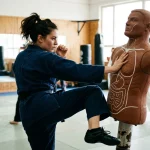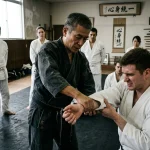

The one-inch punch, famously demonstrated by Bruce Lee, showcases a profound application of technique, strength, and focused intent at close range. This iconic move can empower individuals with the ability to deliver effective strikes without reliance on distance or brute force. In a world where personal safety is paramount, understanding the mechanics of this maneuver can be invaluable. Whether you’re a martial arts enthusiast or someone looking to enhance self-defense skills, mastering the one-inch punch provides a unique insight into the art of combat and a practical tool for conflict resolution. Join us as we explore the nuances of this technique, ensuring you can apply it responsibly, with an understanding of the ethical considerations and the legal implications surrounding self-defense. Your journey towards harnessing this powerful technique begins here, equipping you not just to defend yourself, but to navigate the complexities of physical confrontations with confidence and awareness.
How the One Inch Punch Works: The Mechanics Explained
The one-inch punch, famously demonstrated by Bruce Lee, is not merely a display of strength; it embodies a profound understanding of body mechanics and energy transfer. At its core, this technique hinges on the kinetic chain-a sequence of movements that efficiently initiates force from the feet through the entire body to the striking fist, even when starting from a mere inch away from the target. Proper execution of this punch can produce explosive energy, allowing for a seemingly minimal movement to deliver maximum impact.
To achieve an effective one-inch punch, several key mechanics must be understood. First, the practitioner’s stance and posture play critical roles; the body must be balanced yet ready to generate power. When performing the punch, the legs are engaged to create the necessary stability and support. As the punch is delivered, rotational movement through the hips and shoulders is crucial-this torque generates a rapid acceleration of the fist. The key is not just arm motion; it’s the synchronization of the entire body where every muscle and joint contributes to the striking force.
Additionally, the timing of the punch is paramount. The moment the fist makes contact with the target is crucial; it should blend seamlessly with the explosive energy generated from the legs and hips. The concept of “explosion” is essential in close-range strikes like the one-inch punch; it’s about concentrating the force in such a way that it is delivered in a fractional instant, maximizing its effect while reducing the distance required for the movement.
Above all, understanding the relational dynamics-or the ability to read and respond to an opponent’s movements-is essential. This ensures that the practitioner can apply the one-inch punch effectively in dynamic scenarios, further highlighting its versatility beyond mere technique. Mastery of the one-inch punch is not only about strength but also about mental acuity, making it a powerful technique in self-defense scenarios when executed thoughtfully and ethically.
Essential Techniques for Executing the One Inch Punch
Executing the one-inch punch requires a combination of precise mechanics, timing, and body awareness. At its heart, this technique is not solely reliant on sheer force; it involves a mastery of movement that blends several critical components to deliver impactful results in an incredibly limited range.
To begin with, stability and stance are fundamental. A solid foundation allows for the necessary energy transfer through your body. Position your feet shoulder-width apart or slightly wider, ensuring your weight is evenly distributed. As you prepare to throw the punch, bend your knees slightly. This position not only anchors you but also allows your legs to contribute significantly to the force of the punch.
Engagement of the core and hips is equally vital. As you initiate the punch, use your hips to rotate in a powerful, controlled manner. Your core acts as the central pivot that transmits generated force from your lower body into your upper body. The timing of this motion is critical; explode from the legs upwards and sideways, allowing your hips to lead the motion as the punch connects. This synchronization creates a whip-like effect that enhances impact.
Ensure your fist positioning is optimal. The knuckles should be aligned properly, and when your punch is thrown, the fist should be straight and compact. This reduces unnecessary vulnerability and maximizes the energy transfer at the moment of contact. Focus on not just the punch itself, but the whole body moving together as one unit; engage your shoulders along with your arms to ensure every muscle contributes to the strike.
Lastly, understanding dynamic responsiveness is key. In a real-world scenario, the ability to read and react to an opponent is critical. Before throwing the punch, gauge the distance and their stance. The one-inch punch should feel like an extension of your overall movement rather than a disconnected strike. Practice seamlessly integrating the punch into broader techniques and drills, emphasizing its use in actual self-defense scenarios where precision and control are paramount.
When executed correctly, the one-inch punch is an impressive demonstration of skill, allowing you to deliver significant force in situations where space is minimal, reinforcing the need for practitioners to respect the potential consequences of their actions in any confrontational context.
Safety Measures and Precautions for Practicing
Practicing the one-inch punch can be exhilarating, but it’s crucial to prioritize safety to prevent injuries-not only to yourself but also to your training partner. The power generated by this technique can cause significant impact, so understanding and implementing proper safety measures is essential. Start by ensuring that both you and your partner wear appropriate protective gear. Using padded gloves, hand wraps, and even chest protectors can help mitigate the effects of impact during practice. It’s advisable to train in a controlled environment, such as a dojo, where space is adequate and surfaces are safe.
Another critical precaution is to practice the one-inch punch on soft targets or training pads before attempting it on a partner. This allows you to refine your technique without the risk of causing harm or injury. Employing a gradual increase in intensity can also benefit both practitioners. Start slowly to build confidence and familiarity with the mechanics, only accelerating power as proficiency improves. Supervise all training sessions closely, especially when beginners are practicing, to ensure that everyone is following safety protocols.
Additionally, it’s imperative to understand the legal implications of using the one-inch punch in self-defense situations. Know your state’s laws regarding self-defense, as utilizing force, no matter how effective, could have serious consequences if deemed excessive or unjustified. Remember that the goal of martial arts and self-defense techniques is not to inflict harm but to protect oneself and to de-escalate potential confrontations. Always emphasize the importance of situational awareness and the use of verbal conflict resolution techniques before resorting to physical confrontation.
Lastly, approach the training with a mindset of respect-for yourself, your training partner, and the martial art itself. Acknowledging the gravity of physical confrontation fosters a culture of safety and responsibility within your practice. This understanding not only enhances your skills but also promotes a respectful learning environment, helping you harness the power of techniques like the one-inch punch ethically and safely.
Common Mistakes to Avoid When Training
Training for the one-inch punch is as much about technique as it is about mindset, and overlooking critical details can lead to insufficient practice or even injury. One of the most common mistakes practitioners make is rushing the learning process. Attempting to deliver maximum power before mastering the fundamental mechanics can not only result in ineffective strikes but also pose a serious risk of injury to oneself or a training partner. It’s essential to understand that developing proficiency in this technique requires dedication, patience, and incremental progress.
Another mistake is neglecting the importance of proper body alignment and posture. Many beginners focus solely on the fist’s motion, disregarding how their entire body contributes to the force generated in a one-inch punch. The shockwave of power should originate from your stance and culminate in the strike. This means grounding your feet, engaging your core, and transferring weight effectively through your body. Practitioners must ensure that they practice in front of a mirror or with a partner who can provide constructive feedback on their stance and strike execution.
Furthermore, practicing on hard surfaces without the proper protective gear can lead to severe injuries. Using padded gloves and practicing on soft targets are crucial to safeguard against the high-impact nature of this close-range technique. Lastly, avoid the mistake of poor situational awareness. Training should reflect real-world scenarios, where practitioners recognize when using such a technique could be justified. Awareness of the surroundings and understanding the legal implications of using the one-inch punch in self-defense situations are key to responsible martial arts practice.
By recognizing and addressing these common pitfalls, practitioners can enhance their skills safely and ethically, ensuring that they are not only effective martial artists but also responsible individuals who understand the weight of their actions.
Building Power for Close-Range Strikes
To effectively harness the explosive power required for close-range strikes, such as the renowned one-inch punch, practitioners must learn to maximize their body’s mechanics. Unlike traditional punches that rely heavily on extension, the one-inch punch demands a unique approach that focuses on generating force in an incredibly short distance. This is primarily achieved by utilizing momentum, body alignment, and kinetic energy transfer.
Understanding Body Mechanics
The foundation of generating power in close-range strikes lies in body mechanics. Initiating from your feet, ensure they are firmly planted and aligned with your target. The proper stance involves slightly bending your knees and engaging your core muscles to create a stable base. When you punch, it’s crucial to engage your hips and shoulders in a synchronized motion, allowing the energy to flow through your body and into your fist.
To visualize this: imagine your body as a spring. When you twist your hips and pivot on your feet, you are winding that spring. The release, or the punch itself, should happen in one seamless motion, consisting of a swift retraction of your elbow, followed closely by the extension of your fist.
Using Breathing Techniques
Breath control plays a significant role in maximizing power. As you prepare to deliver the punch, inhale deeply to fill your diaphragm. Upon execution, exhale forcefully, which not only helps to stabilize your core but also increases your striking power. This method creates a pressure wave that amplifies the force of your punch, making it more effective at close range.
Progressive Training for Building Power
Building up strength for this type of strike doesn’t happen overnight. Utilize progressive training techniques to gradually increase your power. Start with resistance training focused on the core, legs, and shoulders, as these muscle groups are essential for generating the required power.
Furthermore, engage in drills specifically tailored to close-range strikes, such as:
– Shadowboxing in front of a mirror to perfect your form.
– Practicing punches against a padded wall, focusing on technique and power.
– Partner drills with someone holding a target pad for accuracy and feedback.
Always be mindful of practicing safely. Ensure that you are using appropriate protective gear and never practicing on hard surfaces without adequate protection.
Approaching the one-inch punch with respect for its mechanics, combined with actionable training tips and a focus on safety, will empower practitioners to execute powerful strikes while remaining conscious of ethical considerations in self-defense situations. Remember, the goal of mastering such techniques is not only about physical power but also about responsible usage in real-life scenarios.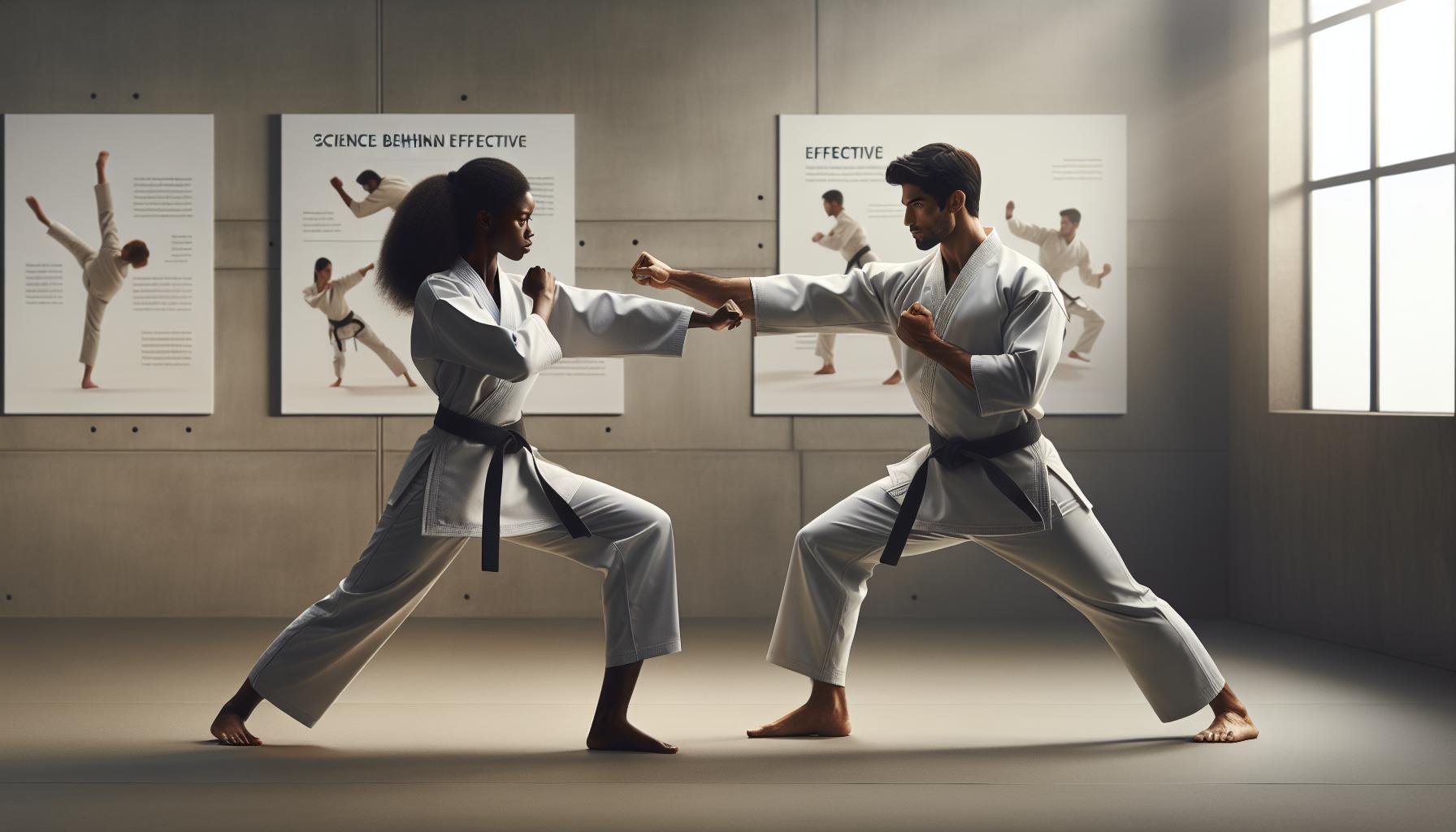
The Science Behind Effective Close-Range Combat
Effective close-range combat requires an intricate understanding of physics and body mechanics, especially when executing a powerful move like the one-inch punch. At its core, this technique necessitates maximizing the kinetic energy generated in a confined space, transforming your body’s movements into a concentrated force that can deliver a significant impact within mere inches. This understanding is not just about brute strength; it hinges on skillful technique and body alignment.
To break it down, the concept of momentum is pivotal in close-range strikes. Momentum is the product of mass and velocity; even at short distances, a quick and explosive action can translate into effective power. As you initiate the punch, engaging your entire body-feet, legs, core, and arms-creates a chain reaction, facilitating a swift transfer of energy. This use of kinetic chain mechanics allows a practitioner to generate considerable force without needing full extension, relying instead on a quick retraction and twist of the body to amplify the punch’s impact.
Breathing also plays a crucial role in effective striking. Proper breath control enhances focus, stabilizes the body, and fosters an increase in core tension, amplifying the energy behind the punch. In practice, when you inhale to prepare and exhale sharply upon impact, the force generated not only contributes to the punch’s power but also helps maintain concentration, allowing the fighter to remain grounded in their technique.
Understanding the legal and ethical implications of close-range strikes cannot be overstated. In self-defense scenarios, the one-inch punch should be seen as a last resort-an option when de-escalation has failed and immediate, proportional response is necessary. Practicing techniques responsibly means recognizing the potential consequences of their application, training not only for effectiveness but also for situational awareness and moral accountability.
In summary, the science underpinning close-range combat techniques like the one-inch punch involves a blend of kinetic energy, momentum, breath control, and an acute awareness of the legal responsibilities that accompany physical confrontation. These principles ensure that practitioners can maximize their effectiveness while upholding the ethical considerations essential in any self-defense strategy.
Comparing the One Inch Punch to Other Techniques
Understanding the nuances of different close-range striking techniques is essential for martial artists and self-defense practitioners alike. The one-inch punch, famously demonstrated by Bruce Lee, distinguishes itself by delivering significant force from a minimal distance without the need for full extension. However, comparing this technique to others can provide valuable insights into their unique applications and effectiveness.
One-Inch Punch vs. Jab
The jab in boxing serves as a primary tool for both offense and defense, allowing fighters to gauge distance and create openings. Unlike the one-inch punch, which focuses on explosive force generated from a compact stance, the jab uses speed and reach to maintain distance and disrupt an opponent’s rhythm. A jab is effective in keeping adversaries at bay and setting up larger strikes, while the one-inch punch is best applied when an opponent closes the distance. Understanding these distinctions can help practitioners appreciate when each technique might be most beneficial.
One-Inch Punch vs. Palm Strike
Another technique that resonates within close-range combat is the palm strike. This option can be less destructive than a one-inch punch but is safer for the striker’s wrist and knuckles. Palm strikes prioritize control and safety, making them effective for self-defense situations where the goal may be to escape rather than severely injure the attacker. In scenarios involving aggression, the one-inch punch, with its severe impact, may be used as a last resort. Always consider the legal and ethical implications depending on the context, as self-defense actions must remain proportional.
Legal and Ethical Considerations
Incorporating the one-inch punch into your self-defense repertoire requires a thorough understanding of both its effectiveness and the legal ramifications of using such a forceful technique. Practitioners must recognize when it is appropriate to utilize that kind of power, particularly since excessive force can lead to legal consequences. Training should emphasize de-escalation techniques first, making clear that physical confrontation should be a last resort. Prioritize strategies that allow for situational awareness and avoidance of conflict whenever possible.
Exploring the one-inch punch alongside other techniques empowers practitioners by providing a broad toolkit for close-range encounters. Each technique has its place, and understanding their strengths and limitations is vital in real-world applications. Always strive to use such skills responsibly, focused on safety and ethical considerations.
Historical Context: The One Inch Punch in Martial Arts
The one-inch punch, made famous by Bruce Lee, is not merely a flashy demonstration; it has deep roots in Chinese martial arts, showcasing the principles of power generation and close-range combat. Originating from traditional martial arts like Wing Chun, this technique emphasizes efficiency and precision, allowing practitioners to deliver a powerful strike with minimal movement. Bruce Lee’s public demonstration in the 1960s didn’t just captivate audiences; it challenged established notions about strength and technique in martial arts, marking a pivotal moment in martial arts history.
Understanding the historical context of the one-inch punch provides valuable insights into its effectiveness and relevance. In various Chinese martial arts, especially those influenced by the principles of Chinese medicine and energy flow, the concept of ‘Jing’ or energy transfer is pivotal. Practitioners are taught to harness body mechanics and align their movements in a way that maximizes force, even from short distances. This reflects a broader philosophical approach in martial arts, where the goal is not simply to hit harder but to hit smartly and effectively.
The one-inch punch’s introduction to the Western world through Bruce Lee significantly shifted perceptions among martial artists and enthusiasts alike. His mastery and fluid execution exemplified a modern interpretation of ancient techniques, allowing practitioners to appreciate the intersection between traditional methods and contemporary training ideals. This historical significance continues to resonate today, as martial artists explore the one-inch punch within mixed martial arts, self-defense programs, and personal protection training.
Incorporating the one-inch punch into modern self-defense means acknowledging its historical lineage while remaining grounded in ethical practices. As a powerful technique, it carries with it the responsibility to use it judiciously. Practitioners must be aware of the gravity of employing such force and should prioritize de-escalation and conflict avoidance where possible. Each training session that incorporates the one-inch punch serves as a reminder of martial arts’ enduring legacy and its potential for practical, responsible application in today’s world.
Training Drills to Improve Your One Inch Punch
Improving your one-inch punch requires deliberate practice of specific drills to refine your technique and enhance power generation. The one-inch punch is not just about speed; it’s about precision, body alignment, and the effective transfer of energy. Engaging in drills can enhance these aspects and help practitioners maximize the effectiveness of their strikes while emphasizing safety and responsible use.
One effective drill involves practicing the chamber position. Start standing comfortably, with your feet shoulder-width apart and your dominant side slightly back. Raise your fist to just an inch away from your partner’s chest. From this position, focus on the mechanics of your stance, ensuring your body is relaxed yet tense in the right places. Aim to deliver the punch while coordinating your hips and shoulders. Repeat this motion multiple times, gradually increasing the speed but maintaining control and precision.
Another essential drill is the weighted punch practice. Use a small weight (like a light dumbbell) in your punching hand as you execute the one-inch punch against a heavy bag or a target. The added resistance helps develop the muscles involved in the strike, reinforcing proper technique and body mechanics. It’s crucial, however, to keep these sessions short and focused. Overdoing it can lead to fatigue, which may compromise your form and increase the risk of injury.
It’s vital to pair these drills with partner exercises. Work with a trained partner who can provide feedback on your form and power. They should hold a focus mitt at an inch’s distance from your punch’s starting point. Practice striking the mitt with controlled power, ensuring that you’re focusing on both your technique and the impact of the strike. This not only simulates real conditions but also helps build confidence while honing the necessary muscle memory.
By consistently incorporating these drills into your training regimen, you’ll improve not only your one-inch punch but also your overall close-range striking abilities. Always remember to prioritize safety; protect yourself and your training partners by using appropriate gear, and be mindful of your surroundings. In martial arts, precision and responsibility go hand in hand, allowing for effective self-defense without glorification of violence.
Real-Life Applications: When to Use the One Inch Punch
In close-range confrontations, the one-inch punch can serve as an effective tool for self-defense when used responsibly and judiciously. This technique, made famous by Bruce Lee, allows for a powerful strike from a minimal distance, making it particularly useful in scenarios where your opponent is within an arm’s length-an environment not uncommon in crowded or confined spaces such as public transport or at a social gathering. However, it’s crucial to remember that the primary focus should always be on de-escalation and seeking to avoid physical confrontation whenever possible.
Appropriate Scenarios for Use
Understanding when to leverage the one-inch punch is essential. Ideal situations include:
- Surprise Attacks: If you are caught off guard and need to respond quickly to an unexpected threat, the one-inch punch allows for a rapid and impactful counter.
- Close Quarters: In situations where retreat is not an option, such as being cornered, the quick power generated by this punch can impede an attacker’s advances.
- Distraction or Breakaway: It can serve as an effective means to create space between you and an aggressor, providing the opportunity to escape.
Legal and Ethical Considerations
Know your local laws regarding self-defense, as these can vary significantly by jurisdiction. Your intent, the level of threat, and the proportionality of your response are often scrutinized in legal situations following a self-defense incident. Use of the one-inch punch should always prioritize safety for all involved; it should never be viewed as a method for aggression but rather as a defensive tool.
Real-World Examples
Consider a scenario where an assailant is attempting to grab you in a crowded area. A well-placed one-inch punch, focused on an area like the solar plexus, can momentarily wind them, allowing you to escape. Alternatively, if an attacker is lunging at you in a confined space, executing this punch can disrupt their balance, providing you with the precious moment needed to flee.
Ultimately, the one-inch punch is a powerful mechanism within a self-defense arsenal, but it requires both skill and an understanding of the moral implications behind its use. By practicing responsibly and prioritizing safety and legal considerations, martial artists and self-defense practitioners can effectively defend themselves while maintaining ethical integrity in their actions.
Legal Considerations in Self-Defense Scenarios
In the realm of self-defense, understanding the legal implications of using techniques like the one-inch punch is paramount. Even a skillful martial artist must navigate the intricate landscape of laws regarding self-defense, as missteps can lead to serious consequences. The right to defend oneself is recognized in many jurisdictions, but how you respond to an attack can determine whether you are perceived as a defender or an aggressor.
When assessing the legality of using the one-inch punch, it is critical to establish a few factors: the level of threat faced, the proportionality of your response, and your intent. Self-defense laws vary widely, but generally, they require that your reaction to a threat be deemed reasonable. This often entails using only the minimal amount of force necessary to neutralize the threat, rather than employing excessive or retaliatory force. For instance, if an attacker lunges at you physically, a reaction using the one-inch punch aimed at creating space may be classified as a justified response. However, if the attacker poses no immediate physical threat, using a powerful strike could be viewed as overly aggressive or illegal.
Proportionality and Reasonableness
Each self-defense situation is unique, and legal systems often consider “proportionality” and “reasonableness” in their evaluations. If you strike an assailant with the one-inch punch, you must be prepared to justify that your response was necessary and appropriate. Demonstrating that you acted to protect yourself and not out of malice can be crucial in legal assessments. For example, if an assailant tries to grab you but does not succeed in causing harm, a well-timed one-inch punch to create distance could be seen as justifiable. However, continuous strikes after the initial threat has been neutralized could place you at risk legally.
State-Specific Laws
Legal standards governing self-defense can vary significantly between states. In some areas, “stand your ground” laws allow individuals to use force without the duty to retreat, while in others, you might have an obligation to escape if possible. Familiarizing yourself with local laws is essential for any martial artist or self-defense practitioner. Some states might mandate duty to retreat, while others may favor self-defense doctrines allowing you to use force even in public spaces.
Real-life scenarios help in grasping these concepts. For instance, if you reside in a state with strict self-defense laws and find yourself using a one-inch punch in a public setting, it might be viewed more critically than if the altercation occurred within the confines of your home. Understanding these nuances can empower you to act with confidence while being aware of your rights and responsibilities under the law.
In conclusion, practicing techniques like the one-inch punch should always be coupled with a thorough understanding of the surrounding legal framework. Keep self-defense as a last resort and prioritize de-escalation whenever possible. A well-trained martial artist is not only competent in physical techniques but also understands the significant legal and ethical weight that accompanies their use.
Advanced Variations: Taking Your One Inch Punch Further
To elevate your one-inch punch repertoire, understanding and practicing advanced variations can significantly enhance its effectiveness and adaptability in real-world scenarios. These variations allow you to apply the principles of the one-inch punch under different conditions, integrating techniques that blend power, precision, and situational awareness.
One notable variation involves the incorporation of body mechanics and positioning. By shifting your weight and utilizing hip rotation, you can amplify the force delivered through your punch. This technique can be further refined by practicing from varied stances-such as a forward stance for quick engagement or a side stance for better evasion and angle. Additionally, consider striking with not only your fist but also emphasizing the use of an elbow strike close to the body for a similarly compact delivery of force. This trains your muscles to adapt to quick transitions between techniques at short range, maintaining control while maximizing impact.
Combining Techniques
Incorporating the one-inch punch with other close-range techniques can create a more comprehensive defensive strategy. For example, following up the punch with a strike to the opponent’s vulnerable areas-like the throat or solar plexus-can capitalize on the initial shock of the punch, giving you a tactical advantage. Moreover, integrating grappling techniques, such as a clinch or takedown immediately after executing the punch, enables you to control your opponent’s movements effectively, potentially neutralizing the threat without escalating violence further.
Real-World Scenarios
Understanding when to apply these advanced variations is crucial. For instance, in a crowded environment where space is limited, a one-inch punch combined with an immediate elbow strike can create enough distance to escape or de-escalate the situation without attracting excessive attention. Practicing these scenarios regularly-preferably with a partner in a controlled environment-will not only improve your technique but also enhance your confidence in applying them effectively.
In conclusion, developing advanced variations of the one-inch punch requires not just physical training but also mental preparation and situational awareness. Always prioritize safety and legal considerations, ensuring that any technique employed is justified and proportional to the circumstances faced. By integrating these strategies, you can cultivate a versatile and effective self-defense skill set that responds adeptly to various threats while respecting the ethical dimensions of martial arts.
Q&A
Q: What is the origin of the one-inch punch?
A: The one-inch punch was popularized by Bruce Lee, who demonstrated it during the 1964 Long Beach International Karate Championships. It draws from traditional Chinese martial arts, showcasing the power generated through proper mechanics and body positioning.
Q: How important is body positioning when performing the one-inch punch?
A: Body positioning is crucial for executing the one-inch punch effectively. Proper alignment of your body can transfer energy efficiently from your legs through your core to your arm, maximizing impact at such a short distance.
Q: Can beginners train for the one-inch punch?
A: Yes, beginners can train for the one-inch punch, but it’s essential to focus on technique and safety first. Start with basic striking drills to build coordination and gradually integrate the mechanics required for the one-inch punch.
Q: What are the key drills to improve the one-inch punch?
A: Key drills include focused striking against a target, working on explosive power through short-range punches, and practicing body mechanics. Each drill should maintain emphasis on generating maximum power from minimal movement.
Q: Is the one-inch punch effective in self-defense scenarios?
A: The one-inch punch can be effective in self-defense if executed with proper technique, as it utilizes explosive force at close range. However, knowing when and how to use it responsibly is important to avoid legal repercussions.
Q: What common mistakes should I avoid when training the one-inch punch?
A: Common mistakes include incorrect hand positioning, relying solely on arm strength instead of body mechanics, and neglecting safety measures. Focus on slow, controlled practice to refine technique without risking injury.
Q: How can I incorporate the one-inch punch into my regular training?
A: Incorporate the one-inch punch by initially focusing on specific drills designed to enhance power and precision. Gradually integrate the technique into sparring sessions to practice it in dynamic situations while ensuring safety.
Q: Are there any precautions to take when practicing the one-inch punch?
A: Yes, always practice in a safe environment with appropriate gear. Begin with controlled partners and avoid excessive force until you master the technique to prevent injuries. Refer to the Safety Measures and Precautions section of our article for more details.
Insights and Conclusions
Unlock the power of the One Inch Punch today! As we’ve explored, this powerful close-range technique is not just about strength; it’s about precision and control. Remember, practice makes perfect, and safety should always be your top priority. If you found this lesson inspiring, check out our in-depth guides on combat strategies and self-defense techniques for more insights and practical tips.
Ready to elevate your skills even further? Don’t hesitate to subscribe to our newsletter for expert advice delivered straight to your inbox, and explore our additional resources on martial arts fundamentals. We encourage your thoughts – leave a comment with your experiences or questions! By investing in your training today, you’re not just learning a skill; you’re building confidence and understanding the importance of responsible self-defense. Empower yourself by continuing your journey with us; the next level of mastery awaits!
Get our latest guides, news, and insights highlighted in your Google Search & AI Overviews.