

In a world where conflict can arise unexpectedly, understanding how to take a punch to the face isn’t about embracing violence; it’s about survival. This essential skill can help you respond effectively when faced with an aggressive encounter, prioritizing your safety while minimizing harm. Learning to absorb a hit, mentally and physically, empowers you to remain grounded in chaotic situations and can prevent further escalation. Many find themselves unprepared or overwhelmed in the face of aggression, worried about the legal and ethical implications of self-defense. By equipping yourself with the right techniques and knowledge, you’ll not only enhance your ability to endure physical confrontations but also develop the confidence to navigate potentially dangerous scenarios. Join us as we explore practical strategies for resilience, legal considerations, and the balance needed to respond thoughtfully and ethically in moments when the stakes are high. Your safety depends on being informed, prepared, and capable.
Understanding the Impact of a Punch on the Body
Understanding the anatomy of a punch is crucial for anyone who wants to effectively prepare for self-defense scenarios. The impact of a punch can vary significantly based on its force, angle, and the specific part of the body that absorbs the blow. A well-executed punch can result in bruising, fractures, or even concussions. For example, a punch aimed at the jaw can not only cause pain but also lead to dislocation or a knockout if it lands correctly. Recognizing these potential injuries emphasizes the importance of defensive training and strategies.
When a punch lands, the body reacts instinctively, often sending shockwaves throughout the skeletal and muscular systems. This reaction can lead to a temporary loss of coordination or balance, making it vital to learn techniques that can help you brace for impact. Proper body positioning-keeping your chin tucked and maintaining a strong stance-can help mitigate these effects. Whether the confrontation occurs on a street or in a controlled setting, the body’s natural response to a punch should be complemented by learned reflexes and an understanding of how to minimize damage while maintaining composure.
Moreover, understanding the psychological component during such encounters is essential. Panic can exacerbate the physical effects of a punch, complicating your ability to respond effectively. By mentally preparing for the possibility of an altercation and practicing self-defense techniques in advance, you can build resilience against fear. This psychological readiness can transform a potentially traumatic experience into one where you can maintain clarity and focus, ultimately aiding your self-defense efforts while ensuring that you respond in a controlled and legal manner.
Overall, the impact of a punch is not just a physical challenge; it encompasses psychological and practical dimensions that require comprehensive training and awareness. Empowering yourself with knowledge about how to take a punch, while also focusing on prevention and de-escalation, can significantly improve your safety and response effectiveness in potentially dangerous situations.
The Psychology of Taking a Punch and Staying Calm
Staying calm in the face of aggression is a skill that can make the difference between escalating a situation or defusing it. Understanding the psychology of taking a punch involves acknowledging both the physical and emotional reactions that occur during a confrontation. The instinct to react with panic or aggression can overwhelm many individuals when faced with the threat of violence. However, training can help you cultivate a mindset that favors control over chaos.
Mental Preparation and Visualization
One effective way to prepare psychologically is through positive visualization. Picture yourself calmly facing an aggressor. Envision the encounter unfolding peacefully and imagine successfully de-escalating the situation. This mental rehearsal prepares your mind for real-life encounters, allowing for a more composed response when faced with a punch. Additionally, practice mindfulness techniques such as focused breathing, which can help regulate your body’s stress response. Inhale slowly, hold for a moment, and then exhale. This not only calms your nervous system but also sharpens your focus, enabling you to assess the situation clearly.
Understanding Fear and Its Impact
Fear is a natural response to potential harm, but it can cloud judgment if not managed effectively. Recognizing that fear can lead to fight-or-flight responses is crucial. Rather than letting fear dictate your actions, acknowledge it and channel that energy into a thoughtful reaction. Focus on the immediate environment, paying attention to possible escape routes or anything that can assist in de-escalation. Techniques like using a calming mantra or finding grounding objects (like holding onto a stable surface) can help maintain mental clarity.
Training Your Emotional Resilience
Building emotional resilience through regular self-defense training can also significantly improve your response to physical aggression. Consider enrolling in classes that focus on defensive arts, where you can learn to absorb impacts safely and effectively. Many martial arts emphasize staying calm under pressure while promoting the ethical use of force, which will prepare you not only physically but also mentally for handling confrontations. Practicing controlled sparring or drills can simulate real encounters, teaching you to maintain your composure amid chaos and providing skillful strategies to manage your reactions.
In summary, learning to take a punch-psychologically and physically-is about preparation, control, and resilience. It’s essential to equip yourself with the tools to stay calm and focused even when faced with potential violence. Through mental conditioning, emotional resilience training, and practical self-defense skills, you can significantly improve how you handle confrontational situations, ultimately protecting yourself while respecting the legal and ethical dimensions of self-defense.
Essential Techniques for Bracing for Impact
Bracing for impact in a confrontational situation is a crucial skill that can significantly mitigate the damage caused by a punch. Understanding the body’s natural responses and employing specific techniques can help you absorb shock effectively and maintain control during an encounter. When you receive a punch, the way you position your body and mind can determine the extent of physical harm and emotional distress.
To begin with, body positioning plays a crucial role. Bend your knees slightly and keep your feet shoulder-width apart to establish a solid base. This stance not only helps to absorb the impact better but also enhances your balance and mobility, allowing for a quick response after receiving a hit. Lean slightly into the punch by positioning your chin down and tucking it into your shoulder, which can protect vulnerable areas and reduce the likelihood of a knockout. By making your body a bit smaller through this alignment, you present a less inviting target.
Another important aspect is relaxation during the impact. Tensing up when anticipating a blow can lead to greater injury. Instead, practice staying relaxed and fluid. This might sound counterintuitive, but when your body is loose, the punch is less likely to cause severe damage. Incorporate breathing techniques, inhaling deeply in preparation and exhaling upon impact. This creates a natural rhythm that can help reduce anxiety and stress while enhancing your focus.
Furthermore, effective shoulder engagement is essential. As the punch approaches, tighten your shoulder muscles to help absorb the shock across a larger area of your body. This technique also employs your upper back and neck, which are stronger regions capable of distributing the force. By softening your posture and allowing your shoulders to absorb some of the impact, you can lessen the strain on your face and jaw.
Remember that every encounter is different, and while these techniques can be effective, they should always be paired with a focus on de-escalation and avoiding physical confrontation whenever possible. Empower yourself with practice through controlled sparring in a safe environment, where these techniques can be applied in a manageable setting. Real-life encounters can escalate quickly, so maintaining composure and readiness to react is key to your safety. Prioritize learning to avoid dangerous situations and only use physical responses when absolutely necessary.
Immediate Aftermath: What to Do Post-Punch
Receiving a punch can be disorienting, but the immediate aftermath is critical for your physical and mental well-being. The first step after taking a hit is to assess your condition. Do you feel dizzy or lightheaded? Are there any signs of serious injury such as swelling, bruising, or pain? If you suspect a concussion or severe injury, seeking medical attention should be your priority. This is particularly important if the effects persist beyond a few minutes or worsen, as early intervention can prevent complications.
Once you’ve established that you are not in immediate danger, it’s essential to take a moment to regain your composure. Ground yourself mentally; take a deep breath and assess your surroundings. What is happening now? Is your opponent still a threat, or is the situation de-escalating? If possible, consider moving to a safer location. Remember, your physical reaction can influence your emotional response. Try to remain calm and focused, which may help you think clearly in the next steps.
A few practical strategies can help in scenarios following a punch:
- Control Your Breathing: Practice deep breathing to manage anxiety and get your heart rate under control. Inhale through your nose for a count of four, hold for four, and exhale through your mouth for a count of four.
- Reposition Yourself: If the situation allows, step back to create space between you and your opponent. Having distance can help reassess the situation while keeping you safer.
- Seek Support: Whether it’s a friend nearby or a responsible adult, having someone you trust can aid in de-escalating any ongoing conflict or help you to get medical attention if necessary.
- Stay Aware: Remain alert to your surroundings. Be conscious of any changes in the demeanor of the aggressor, as they may still represent a threat.
Finally, reflect on the experience. Once the immediate crisis has passed, think about what happened, how you handled it, and what you can learn moving forward. Self-defense training can equip you with strategies to avoid or handle such encounters better in the future, and situational awareness is crucial in preventing escalations. Continuous self-reflection and training will empower you not only to react but also to avoid conflict where possible, emphasizing the importance of de-escalation in self-defense situations.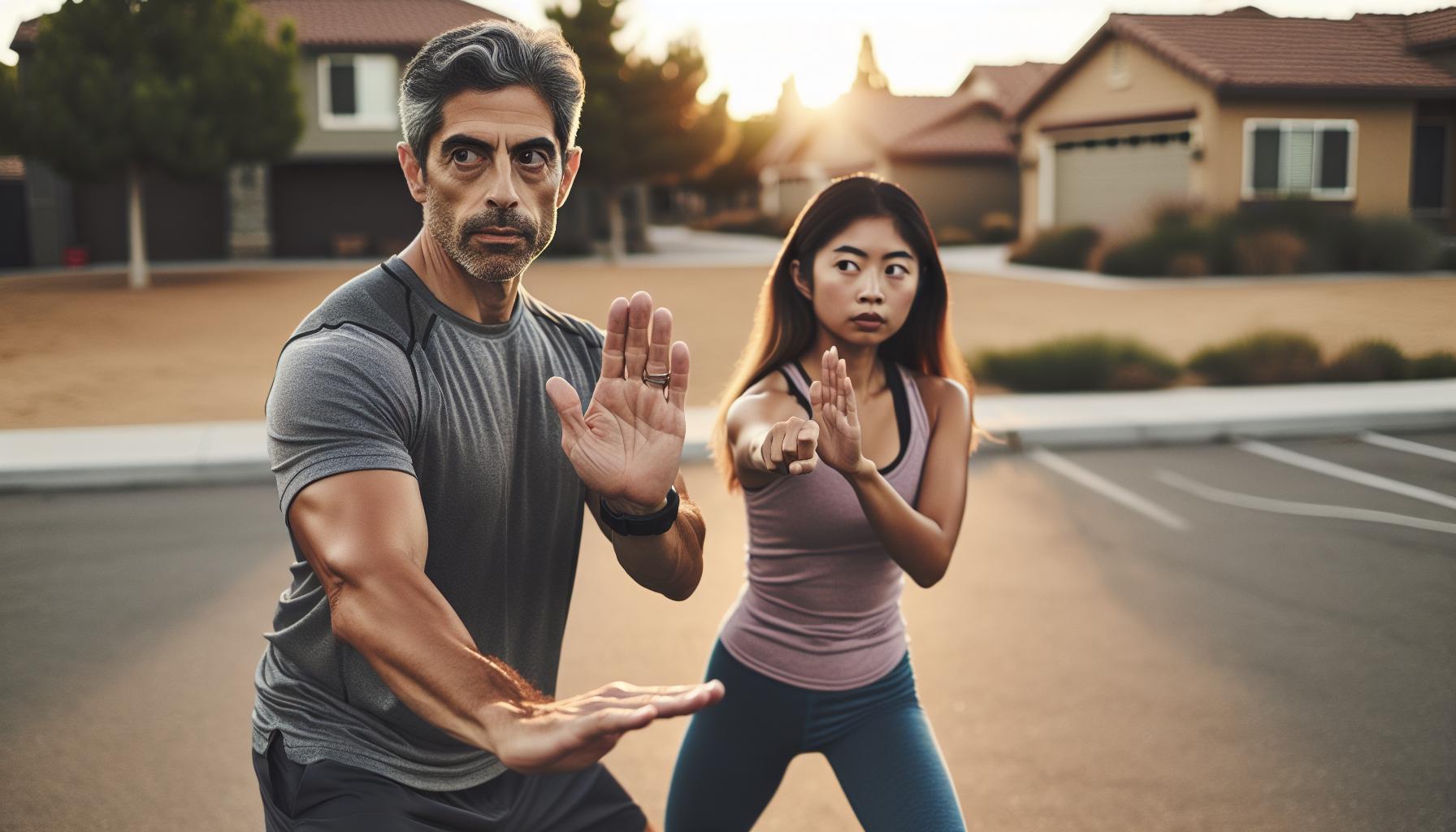
Effective Self-Defense Strategies to Avoid Punches
To effectively navigate confrontational situations and minimize the risk of receiving a punch, it’s crucial to adopt a proactive approach centered on prevention, awareness, and de-escalation. Most altercations can be avoided by recognizing the warning signs early and responding appropriately. A key element to this strategy is understanding your environment and being prepared to disengage before a conflict escalates.
Begin by honing your situational awareness. This means learning to read body language and recognizing aggression cues. For instance, if someone is encroaching on your personal space, clenching their fists, or exhibiting an uneasy posture, it may indicate that a conflict is brewing. By identifying these signs early, you can take steps to de-escalate the situation through verbal communication or by simply distancing yourself. Here are some practical tips:
- Use Verbal De-escalation: Calmly addressing the aggressor can diffuse tension. Phrases like “Let’s talk about this” or “I don’t want any trouble” can signal your intent to resolve matters peacefully.
- Maintain Open Body Language: A relaxed posture signals that you are not a threat, which can help to ease an aggressive person’s tension.
- Exit Strategies: Always have an exit route in mind. If tensions rise and an altercation seems likely, knowing where to escape can be vital.
- Keep Your Distance: Creating physical space can diminish the chances of a punch being thrown. Position yourself at an angle, which is generally safer and can also cue non-aggression.
Moreover, engage in self-defense training to improve your reaction skills, which can provide confidence and enhance your ability to react successfully in threatening situations. Techniques taught in martial arts like Krav Maga or Brazilian Jiu-Jitsu focus not only on counter-attacks but also on evasion and defensive maneuvers, allowing individuals to neutralize threats without escalation. These disciplines also emphasize the importance of using minimal force to address an attack, aligning your actions with legal and ethical standards.
Ultimately, self-defense isn’t solely about physical techniques; it’s equally about making smart choices before a conflict escalates. Understanding the appropriate legal limits of self-defense is vital; you must always act within the bounds of the law. Familiarize yourself with local laws regarding self-defense to ensure your response is both effective and legally sound. Empowering yourself with knowledge and practice not only enhances your abilities in an encounter but also builds confidence, enabling you to navigate the world with a greater sense of safety and awareness.
Realistic Situations Where You Might Encounter Punches
In everyday life, various scenarios might lead to the possibility of encountering a punch. It’s essential to recognize these situations so that you can prepare and respond effectively, minimizing the chances of injury. Whether in social settings, sporting events, or even workplaces, understanding the contexts where aggression might escalate into physical confrontation is vital for personal safety.
Many confrontations begin in crowded environments, such as bars or concerts, where alcohol consumption may impair judgment and increase aggression. Disputes can arise over trivial matters-like bumped shoulders or unintentional spills-that may escalate quickly. Always be mindful of your surroundings in these situations. If tensions rise, consider using verbal de-escalation techniques or simply removing yourself from the environment to avoid any potential physical altercation.
Another common scenario involves personal disagreements, which can occur anywhere from homes to workplaces. Arguments with friends or colleagues can sometimes lead to physical confrontations, particularly if one party feels threatened or humiliated. In these cases, maintaining a calm demeanor and showing respect for the other person’s perspective can go a long way. Techniques such as active listening or validating feelings can defuse potential aggression before it escalates.
Additionally, public transport or other confined spaces pose unique risks. Close proximity to others can raise tempers, especially in high-stress situations like commuting. If a conflict arises, keeping a calm demeanor and allowing personal space are critical strategies. Think of potential escape routes and aim to engage only verbally, which can help neutralize a volatile situation.
Be aware of the legal implications too. Responding to an aggressive advance with proportionality is crucial. Local laws often dictate the extent of permissible self-defense. Knowing these laws can help you navigate situations without overstepping legal boundaries while ensuring your safety and well-being. Always remember that avoiding confrontation is preferable, and being prepared to walk away can sometimes be the best response.
Legal Considerations in Physical Altercations
Understanding the legal landscape surrounding physical altercations is crucial for anyone who may find themselves in a situation where self-defense becomes necessary. The law often differentiates between a justified act of self-defense and an unlawful assault, making it essential to know your rights and responsibilities. Most jurisdictions allow for self-defense, but only when the response is proportional to the threat faced.
Legal Definitions and Justifications
Self-defense laws vary significantly by state, but generally hinge on a few core principles. The defender must reasonably believe they are in immediate danger of bodily harm and that their response is necessary to avert that threat. Key considerations include:
- Immediacy: The threat must be imminent. Preemptive strikes or retaliations, especially after a confrontation has de-escalated, may not be legally defensible.
- Proportionality: The force used must be proportional to the threat. For instance, responding to a verbal threat with physical violence can lead to legal repercussions.
- Duty to Retreat: Some states impose a “duty to retreat” before using force, meaning one must attempt to escape if safely possible.
Potential Legal Consequences
Engaging in a physical altercation, even in self-defense, can lead to serious legal consequences. Charges may range from misdemeanors to felonies, depending on the severity of the incident and the injuries inflicted. Additionally, being accused of excessive force can not only lead to legal fees and possible jail time but also affect future employment opportunities and personal relationships.
Practical Advice
To navigate these complexities successfully, consider adopting a few key practices:
- Document Everything: If confronted, documenting the incident afterward can be invaluable. Descriptions of the encounter, witness statements, and even video footage can help support your version of events.
- Seek Legal Advice: Knowing the legal framework in your area is vital. Consult with a legal expert to understand your rights and responsibilities surrounding self-defense.
- Prioritize De-escalation: Whenever possible, focus on diffusing the situation rather than escalating it. Techniques such as active listening and maintaining a calm demeanor can help resolve conflicts without resorting to violence.
Being informed about the legal implications of physical altercations serves not only as a protective measure but empowers individuals to make reasoned decisions in high-stress situations.
De-escalation Techniques to Prevent Fights
In moments of confrontation, the difference between escalating a situation and diffusing it can often hinge on how we respond. De-escalation techniques are essential tools not just for self-defense, but for navigating any scenario where tensions might rise. By employing techniques such as active listening, maintaining a calm demeanor, and using open-ended questions, individuals can create an environment where aggression is less likely to surface.
Listening attentively and allowing the other party to express their viewpoints can significantly lower defenses. A simple approach could involve asking, “Can you tell me what’s bothering you?” This helps the agitated individual feel heard and can diffuse heightened emotions. It’s crucial, however, to balance this with the need to steer the conversation toward resolution. For instance, after allowing some expression, you might gently redirect by suggesting to move to a quieter area to talk further, reducing distractions and fostering a more constructive dialogue.
Speed is of the essence when dealing with potentially violent situations. If you sense the confrontation escalating, try to establish physical and emotional distance: stepping back physically can often help shift the dynamic. Additionally, using soft and non-threatening body language-such as uncrossing your arms, maintaining eye contact, and not invading their personal space-can significantly contribute to calming the situation. Remember, de-escalation is not about submission but about regaining control of a potentially volatile encounter in a way that prioritizes safety for all involved.
In practice, these techniques require patience and skill. They are not always foolproof, as some individuals might not respond to de-escalation efforts due to various underlying issues such as intoxication or heightened emotional states. However, they often serve as the first line of defense in preventing physical altercations, allowing for a more strategic and thoughtful response to conflict before it escalates into something more serious.
Training Your Body: Conditioning for Resilience
To effectively prepare your body for the impact of a punch, conditioning through physical training is essential. This process goes beyond simply building muscle; it involves enhancing your body’s ability to absorb shock, maintain balance, and recover from unexpected hits. A well-rounded conditioning program can help develop the mental resilience needed to withstand not only the physical blow but also the emotional aftermath of a confrontation.
Strength and Conditioning
A solid foundation in strength training will create a more resilient body. Focus on compound movements, like squats and deadlifts, which engage multiple muscle groups and improve overall body strength. Additionally, incorporating plyometric exercises, such as box jumps and medicine ball throws, can enhance explosive power, aiding in both offensive and defensive strategies in self-defense situations.
- Core Stability: Strengthening the core is pivotal for absorbing impact. Engage in exercises like planks, Russian twists, and leg raises to build a strong midsection that supports the spine.
- Balance and Agility Training: Incorporate drills that enhance coordination and improve reflexes. Activities such as ladder drills or agility cone drills will help your body react quickly to incoming threats, enabling you to evade rather than absorb the full force of an attack.
Shock Absorption Techniques
Conditioning your body for resilience also involves learning how to brace for impact. Practicing techniques that focus on head and neck positioning can mitigate the effects of a punch. For example, turning your head away from the incoming punch can reduce the force transferred to your jaw. Members of combat sports communities often incorporate neck strengthening exercises, such as neck bridges and isometric holds, to enhance neck muscle endurance and stability.
Mental Conditioning
Physical training should be complemented by mental conditioning. Visualization techniques, such as imagining oneself successfully enduring and responding to a punch, can prepare the mind for real-life scenarios. Importantly, this also involves understanding legal implications and ethical considerations surrounding self-defense. Develop a mindset focused on avoiding confrontation, practicing de-escalation strategies, and knowing when it is appropriate to defend oneself.
Preparing your body to withstand a punch is not just about increasing physical resilience; it’s also about fostering a comprehensive approach that blends physical conditioning with mental readiness. This dedication to both aspects ensures optimal preparedness for any confrontational situation, reinforcing the principle that avoidance and de-escalation should always come first.
Comparative Analysis: Martial Arts Techniques for Impact
Understanding the nuances of various martial arts techniques can enhance your ability to prepare for and withstand the impacts of a punch. Different martial arts systems offer unique approaches to impact-and by examining these, one can develop an effective, well-rounded strategy.
Krav Maga is designed for real-world self-defense and emphasizes quick, efficient responses to threats. Its techniques focus on striking vulnerable points while simultaneously defending against blows. In a situation where you might encounter a punch, practitioners are trained to move strategically, using body positioning to minimize damage. Techniques like parrying punches or redirecting them while counter-attacking are integral to this martial art. Such responsiveness is crucial; understanding the legal framework around self-defense means that being proactive can prevent escalation from a simple confrontation to a full-blown attack.
On the other hand, Brazilian Jiu-Jitsu (BJJ) often emphasizes ground fighting and grappling over striking. While it doesn’t directly focus on absorbing punches, it teaches practitioners to control opponents through leverage and positioning. If an individual were to absorb a punch in a scuffle, the techniques learned in BJJ can be invaluable. The emphasis is on mitigating damage through movement and control, allowing you to reposition and escape effectively. This strategic approach can often turn a disadvantageous situation into an opportunity to escape or de-escalate the confrontation.
Moreover, boxing offers techniques aimed specifically at absorbing and evading punches through footwork and head movement. Boxers learn to brace for impact, keeping their chin down and their hands up to protect vital areas. Developing the coordination to slip or duck under punches allows boxers to avoid direct hits altogether and counter-attack effectively. The training in boxing also emphasizes mental resilience-staying calm and collected under pressure and being prepared for the likelihood of receiving a hit.
Ultimately, the best approach to preparing for and dealing with punches is a hybrid understanding of these martial arts techniques. While knowing how to throw or receive a punch is important, the emphasis should always be on de-escalation and self-protection. Training in multiple styles can empower you with diverse strategies to face any confrontation with confidence, legality, and ethical consideration in mind. Balancing the techniques learned across these disciplines enables the development of a well-rounded defensive capability while adhering to the principle of proportional response in physical altercations.
Rehabilitation and Recovery Tips After a Punch
Recovering from the impact of a punch, especially to the face, requires both physical and psychological attention. The body has a remarkable ability to heal, but taking the right steps can significantly influence the healing process, reduce complications, and mentally prepare you for future encounters.
Immediate Care
Following a punch, the first step is addressing any visible injuries. If swelling occurs, apply ice wrapped in a cloth directly to the affected area for 15-20 minutes every hour. This helps reduce swelling and numbs the pain. For cuts or abrasions, clean the area gently with soap and water and apply a sterile bandage. If you notice severe bruising, lingering pain, or any signs of concussion (confusion, dizziness, nausea), seek medical attention immediately to rule out fractures or more serious injuries.
Rest and Recovery
Rest is crucial in the days following an impact. Allow your body to heal naturally; avoid strenuous physical activity that may aggravate your injury. In addition, adopt a diet rich in vitamins A, C, and E, as well as proteins, to aid recovery. Foods like fruits, vegetables, nuts, and lean meats can support your body’s healing processes.
Mental Resilience
Experiencing a punch can cause psychological stress, which affects overall recovery. Focus on developing mental resilience through techniques such as mindfulness or meditation. Reflect on the experience, acknowledging your feelings but reframing it as an opportunity for growth. Practicing breathing exercises can also help manage anxiety or fear that may arise after the incident.
Gradual Reintroduction
Once you feel physically ready, begin to gradually reintroduce physical activity, focusing on low-impact exercises like walking or stretching. This helps to rebuild confidence in your physical capabilities. If you practice martial arts or a fighting sport, consider light sparring with a trusted partner to regain your rhythm. As you train again, employ the defensive techniques you’ve learned to minimize the chances of future impacts.
By taking these steps, you operate within a smart, safety-first mindset while reinforcing the importance of resilience-both physically and psychologically. Remember to consult healthcare professionals whenever you’re unsure about your health post-injury, ensuring a thorough recovery process both inside and out.
Empowering Yourself: Building Confidence Against Aggression
Building confidence in oneself against aggression requires a multifaceted approach that includes mental preparation, physical training, and an understanding of the dynamics of conflict. The fear of being physically confronted can be paralyzing, but by empowering yourself through knowledge and skills, you can transform that fear into confidence and readiness.
One effective way to build confidence is by enrolling in self-defense classes, such as Krav Maga or Brazilian Jiu-Jitsu. These martial arts not only teach you how to react in an aggressive situation but also improve your physical fitness and enhance your self-awareness. Understanding the principles of leverage in these disciplines allows you to defend against larger or stronger aggressors by using their force against them. Training consistently helps your body adapt to the movement patterns necessary to brace for impact and respond effectively in real-life situations.
Moreover, practicing mental resilience techniques, such as visualization and mindfulness, can prepare you psychologically for potentially aggressive encounters. Visualizing scenarios where you calmly navigate confrontation can help reduce anxiety and improve your response time. Mindfulness practices, such as meditation or focused breathing, enhance your ability to stay calm and composed under pressure, enabling you to assess situations objectively instead of reacting impulsively.
While physical and mental preparedness are vital, it’s equally important to understand the legal aspects surrounding self-defense. Familiarize yourself with the laws in your area regarding the use of force. Knowing the legal limits not only influences your actions in a confrontation but also reinforces your confidence. When you understand that self-defense must be proportional and reasonable, you can make better decisions in high-stress situations, thereby minimizing the risk of excessive force and legal repercussions.
Ultimately, confidence against aggression is a blend of skills, knowledge, and mindset. By committing to the practice of self-defense, honing mental resilience, and understanding your legal rights, you can empower yourself to navigate aggressive encounters with assurance and composure. Remember, the goal of self-defense is not to engage in violence but to protect oneself and de-escalate situations effectively.
FAQ
Q: What is the best way to prepare my body for taking a punch?
A: The best way to prepare your body is through conditioning exercises that strengthen your core and neck. Focus on push-ups, planks, and neck bridges to build resilience. Additionally, practicing light sparring can help you become accustomed to impact, enhancing your overall readiness during a real altercation.
Q: How can I mentally prepare for the possibility of being punched?
A: Mentally preparing involves developing a strong mindset to remain calm under pressure. Practice visualization techniques where you imagine encountering a punch and responding effectively. Staying composed will help you react appropriately in difficult situations, as detailed in the section on The Psychology of Taking a Punch and Staying Calm.
Q: What are common mistakes people make when trying to take a punch?
A: Common mistakes include tensing up or turning away, which can increase the risk of injury. It’s crucial to remain relaxed and position your body to absorb the impact effectively. Understanding how to brace for impact, as discussed in our Essential Techniques for Bracing for Impact, can also prevent serious injuries.
Q: Can training in martial arts help me take a punch better?
A: Yes, training in martial arts can greatly improve your ability to take a punch. Techniques learned in styles like Krav Maga or boxing focus on body mechanics and impact absorption. This training offers valuable skills for both taking hits and avoiding them, as highlighted in our Comparative Analysis: Martial Arts Techniques for Impact.
Q: How should I react immediately after being punched?
A: Immediately after being punched, assess your situation and regain composure. Check for injuries, and if safe, consider your next move-whether to retreat or respond. The Immediate Aftermath: What to Do Post-Punch section delves deeper into managing the aftermath effectively while prioritizing safety.
Q: What self-defense techniques can I use to minimize the chance of being punched?
A: To minimize punches, learn de-escalation techniques and assertive body language. Practicing situational awareness allows you to detect threats early and react appropriately. Explore the section on Effective Self-Defense Strategies to Avoid Punches for more in-depth strategies.
Q: What legal considerations should I keep in mind during a physical confrontation?
A: Always understand that self-defense laws vary by location. Use only proportional force to defend yourself. For a detailed understanding of legal ramifications, refer to our section on Legal Considerations in Physical Altercations, which outlines essential points to keep you on the right side of the law.
Q: How can I further develop confidence to handle potential punches?
A: Building confidence requires consistent practice and training. Engage in sparring sessions and scenario-based training to familiarize yourself with the experience. Read the Empowering Yourself: Building Confidence Against Aggression section for additional techniques to bolster your self-assurance in confrontational situations.
In Conclusion
Equipped with the knowledge from “How to Take a Punch to the Face: Survival Skills,” you’re now better prepared to handle confrontational situations confidently and legally. Remember, self-defense isn’t just about physical techniques; it’s about understanding your rights and making smart choices under pressure. For deeper insights, explore our articles on effective martial arts training and legal considerations in self-defense. Don’t leave your safety to chance-stay informed and prepared.
Join our community by signing up for our newsletter, where you’ll receive expert tips and updates on self-defense strategies. Your journey towards empowered self-defense starts now-engage with us by sharing your thoughts or experiences in the comments below. Together, we can create a safer environment for everyone while reinforcing essential skills and knowledge. Continue your exploration and enhance your readiness today!