
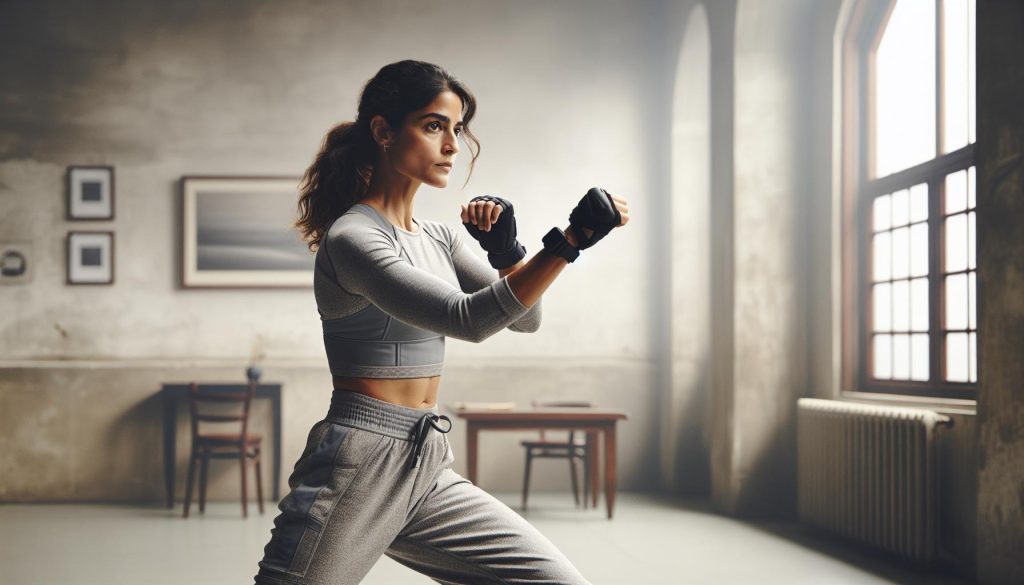
In the fast-paced world of NCIS, Ziva David stands out not only for her sharp intellect but also for her formidable fighting skills. A key aspect of her combat style is Krav Maga, a self-defense system developed for the Israeli military that emphasizes practical techniques for real-life situations. Understanding Ziva’s application of Krav Maga is crucial for fans seeking deeper insights into her character’s resilience and determination. As we explore her fighting methods, we will uncover how Krav Maga’s principles of quick, effective defense and situational awareness resonate with viewers’ desires for empowerment in personal safety. This exploration goes beyond mere entertainment; it addresses the essential skills and mindset needed in self-defense scenarios, making it relevant for anyone interested in martial arts or personal security. Join us as we dive into the intricate details of Ziva’s fighting style and the realities of applying Krav Maga’s techniques in everyday life.
The Fighting Style of Ziva David: An Overview
Ziva David, a standout character from NCIS, exemplifies the versatility and effectiveness of Krav Maga, a martial art developed for real-world self-defense situations. Renowned for her adaptability in combat scenarios, Ziva’s fighting style showcases a blend of aggression, precise technique, and strategic thinking, all hallmarks of Krav Maga. Viewers often witness her seamlessly transitioning between offensive strikes and defensive maneuvers, making her a formidable presence on screen. This dynamic artistry not only elevates the show’s action sequences but also serves as an engaging introduction to the practicality of Krav Maga in everyday self-defense situations.
Krav Maga, which focuses on neutralizing threats quickly and efficiently, emphasizes instinctive movements, practical techniques, and a do-not-give-up mentality, aspects perfectly embodied by Ziva. Throughout the series, her encounters often involve interacting with larger opponents, showcasing the principles of leverage and agility over brute strength. For instance, in several fight scenes, she employs joint locks and throws, which are essential components of Krav Maga, tailored for individuals regardless of size. This reality underscores a crucial theme in self-defense: the effectiveness of technique over sheer physicality.
Moreover, Ziva’s portrayal can be analyzed from a psychological perspective where her confidence and tenacity illustrate how martial arts training can empower individuals. The ability to defend oneself not only provides physical skills but also enhances mental fortitude and decision-making in high-pressure situations. Through Ziva, audiences are introduced to the empowering effects of martial arts training, emphasizing that self-defense skills extend beyond the physical confrontation, nurturing a sense of personal safety and security.
In conclusion, Ziva David’s fighting style in NCIS serves as a compelling representation of Krav Maga, aligning with the principles of effective self-defense. Her character not only entertains but also educates viewers on the importance of practicality, confidence, and preparedness in the face of adversity, reinforcing the notion that self-defense is a vital skill in today’s world.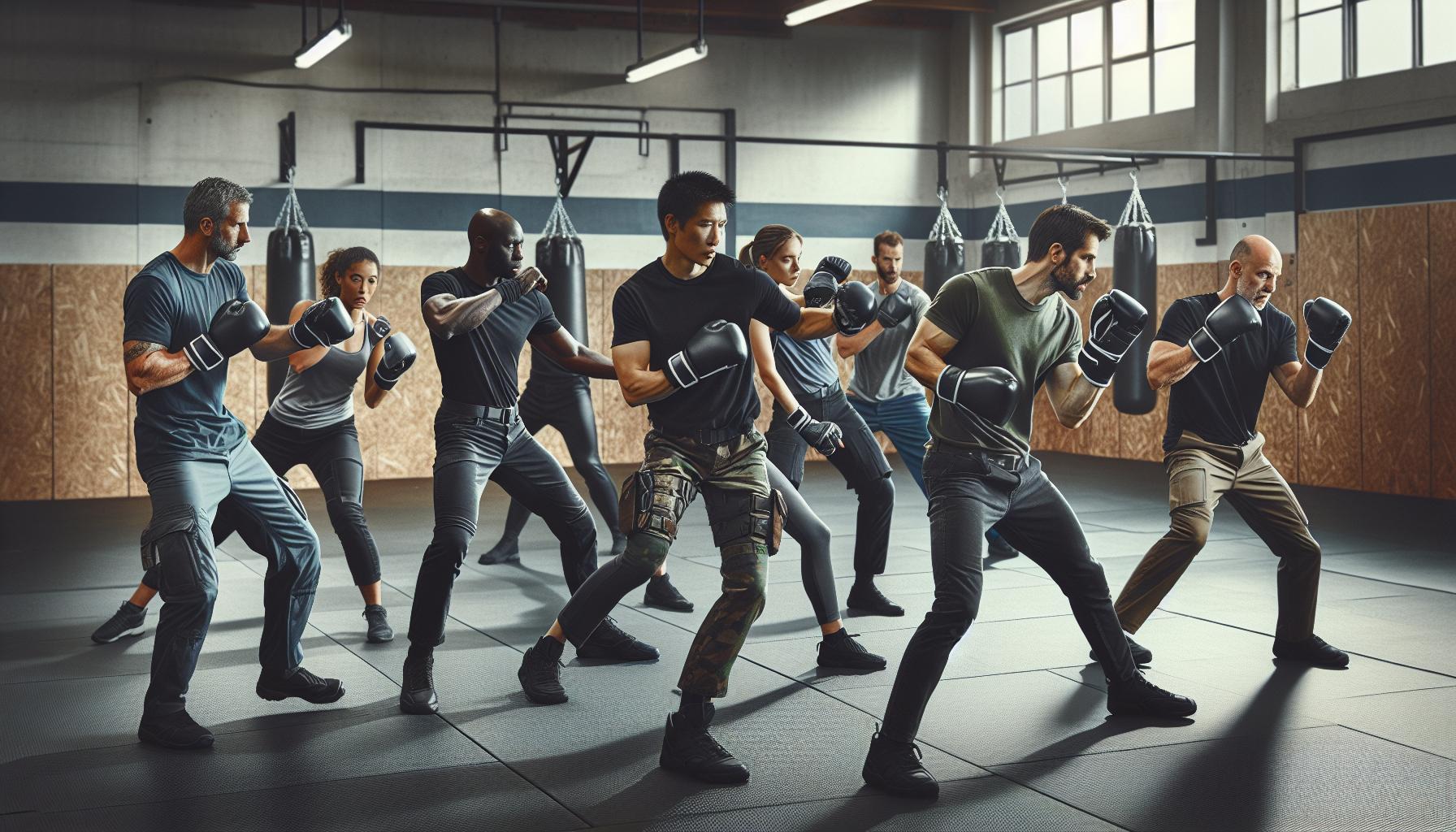
Understanding Krav Maga: Basics You Should Know
Krav Maga is not just a martial art; it’s a comprehensive system of self-defense designed for real-world application, emphasizing rapid responses to threats and efficient counterattacks. Originating in Israel, it integrates techniques from various martial arts, but its focus on instinctive movements and practical responses sets it apart. It is tailored to empower individuals-regardless of size or strength-by teaching them to leverage their agility and vital points of an attacker. This is particularly crucial in situations where attackers may be larger or stronger, a scenario often portrayed in Ziva David’s fight scenes in NCIS.
To truly understand Krav Maga, one must grasp its fundamental principles. The training emphasizes the importance of situational awareness, enabling individuals to recognize potential threats before they escalate. Participants learn to remain calm under pressure, making quick, calculated decisions that usually prioritize de-escalation over violence. Importantly, Krav Maga does not promote aggression for its own sake; instead, it emphasizes a proportional response to threats. This ethical consideration is essential in defensive scenarios, as individuals must navigate the legal and moral implications of their actions.
The techniques taught in Krav Maga include strikes, grappling, and defense against armed attackers, ensuring comprehensive preparation for various self-defense situations. Training often incorporates real-life scenarios that practitioners may encounter, enhancing their ability to respond effectively. Moreover, the methodology fosters confidence-a critical aspect of personal safety-by equipping individuals with the knowledge and skills to protect themselves. Understanding these elements is crucial for anyone considering Krav Maga as both a means of self-defense and a pathway to personal empowerment.
In conclusion, the practical, adaptive nature of Krav Maga, combined with its focus on safety and ethical engagement, provides a robust framework for personal protection. Through the lens of Ziva David in NCIS, viewers witness not only effective fighting techniques but also an empowerment narrative that illustrates the broader benefits of martial arts training.
Krav Maga vs. Other Martial Arts Styles
Krav Maga’s effectiveness in real-world scenarios sets it apart from many traditional martial arts, making it a unique choice for self-defense training, as often depicted through characters like Ziva David on NCIS. While many martial arts focus on point-based sparring or competitions, Krav Maga emphasizes practical techniques designed for immediate application against realistic threats, making it more adaptable for self-defense.
Practicality vs. Philosophy
Unlike disciplines such as Brazilian Jiu-Jitsu (BJJ) or Karate, which may place a stronger focus on forms, discipline, and competition, Krav Maga prioritizes efficiency and instinctive reactions. This approach means that a practitioner can utilize techniques like striking vulnerable areas, escaping holds, or defending against armed attackers with minimal training time. It’s about survival in critical situations, which is heavily reflected in Ziva’s fighting style – fast-paced, effective, and often against larger adversaries.
Training Environment
The training environments also vary significantly. In many traditional martial arts studios, the focus may be on structured classes and gradual skill development. Krav Maga training, however, often incorporates stress drills and real-life scenarios where practitioners face simulated threats. This methodology mirrors the intense situations portrayed in Ziva’s encounters, allowing students to learn how to maintain composure under pressure while effectively defending themselves.
Ethical Considerations
Furthermore, the ethical framework surrounding Krav Maga emphasizes the importance of proportionality in response to threats. While martial arts may teach moves and techniques for scoring points or demonstrating prowess, Krav Maga stresses the moral implications of self-defense. Practitioners learn not only how to protect themselves but also when and how to deploy their skills responsibly, ensuring that any physical response is appropriate to the threat facing them. This balance of empowerment through knowledge and ethical responsibility is crucial for anyone considering martial arts, echoing the thoughtful portrayal of Ziva David’s character in NCIS.
In summary, while traditional martial arts are valuable for physical development and self-discipline, Krav Maga stands out for its focus on practical application in real-life situations, making it a relevant choice for individuals seeking effective self-defense techniques. Understanding these distinctions can empower individuals to choose the right martial arts path for their personal safety needs.
The Role of Krav Maga in NCIS
Ziva David’s character in NCIS is often celebrated for her fierce fighting style, which prominently features techniques reminiscent of Krav Maga. As a former Mossad agent, Ziva embodies the practical and efficient principles of this Israeli martial art. Her combat scenes highlight a blend of speed, agility, and unwavering focus, showcasing that practical self-defense can be executed effectively even against larger opponents. In many episodes, her ability to swiftly neutralize threats underlines the core philosophy of Krav Maga: survival and quick decision-making in high-pressure situations.
Krav Maga’s emphasis on real-life scenarios aligns perfectly with Ziva’s experiences. The depiction of her engaging in combat is not merely for entertainment but serves to illustrate how Krav Maga training prepares individuals to react instinctively to danger. Ziva’s encounters with various adversaries often exemplify techniques designed not just to defend but to escape and create opportunities for counter-attack-key components of Krav Maga. This representation connects viewers with the realities of self-defense, reinforcing the notion that martial arts training is about more than just physical prowess; it’s about mental acuity and the ethical implications of using force.
In a practical sense, Ziva’s portrayal can inspire viewers to consider the importance of self-defense training in their own lives. Krav Maga teaches principles of situational awareness, how to assess threats, and the importance of proportional responses. While entertainment is a primary aspect of her character, the lessons embedded within her fight sequences can resonate with those seeking empowerment through self-defense. Ziva’s commitment to justice and protection serves as a reminder that martial arts, particularly Krav Maga, can be a vital tool for personal safety.
For those inspired by Ziva’s fighting style, it’s essential to approach martial arts training with a clear understanding of its legal and ethical dimensions. Learning the appropriate application of force and understanding the legalities of self-defense within your jurisdiction should be priorities. Krav Maga equips individuals not only with techniques for physical confrontations but also with the mindset necessary for responsible practice, advocating for de-escalation and effective response, in any self-defense situation. In this way, Ziva David’s character becomes more than just a fictional portrayal; she stands as a beacon of empowerment and pragmatism in the realm of self-defense.
Iconic Ziva Fight Scenes: Techniques and Style
Ziva David’s fight scenes in NCIS are not only entertaining but also serve as compelling illustrations of practical self-defense techniques rooted in Krav Maga. Her approach to combat exemplifies the core principles of this Israeli martial art, which emphasizes efficiency, speed, and adaptability. In various iconic scenes, we see Ziva engage multiple adversaries with techniques designed for real-world scenarios, highlighting her training as a former Mossad agent.
Among the standout techniques often demonstrated by Ziva are fast strikes, effective joint locks, and swift counter-attacks. These moves are characteristic of Krav Maga, which prioritizes instilling the ability to act under pressure. In one particularly memorable scene, Ziva employs an elbow strike to disable an opponent quickly, demonstrating the importance of targeting vulnerable areas for maximum effectiveness. This technique not only neutralizes the immediate threat but also exemplifies the Krav Maga tenet of working toward a decisive end.
The adaptability seen in her fight sequences mirrors the practical mindset that Krav Maga instills in its practitioners. For example, during close-quarters combat, Ziva fluidly transitions between defensive and offensive maneuvers, often utilizing her environment to gain an advantage. This can be seen when she uses nearby objects as improvised weapons or barriers, a strategy commonly taught in Krav Maga to ensure one can effectively utilize whatever resources may be at hand during a confrontation.
Ziva’s character embodies the ethos of using force judiciously and ethically. In her fight scenes, there’s a consistent application of de-escalation tactics whenever possible, which aligns with the underlying principles of Krav Maga. Rather than seeking violence for its own sake, Ziva’s actions are imbued with a sense of purpose, emphasizing self-defense over aggression. This responsibility in her combat approach resonates with viewers and reinforces the idea that martial arts training encompasses not just physical techniques but also a nuanced understanding of legal and moral considerations.
The empowerment evident in Ziva’s character can motivate viewers to explore self-defense training, showing that such skills can be invaluable in everyday life. Her iconic fight scenes are more than just entertainment; they represent critical lessons about personal safety and the importance of preparedness in the face of danger.
Real-Life Applications of Krav Maga
In real-life situations, the principles of Krav Maga are designed for self-defense and can be effective tools for personal protection. This martial art focuses on practical techniques that can be used against various types of attacks, emphasizing efficiency and adaptability, much like the combat style exhibited by Ziva David in NCIS. Practitioners learn to assess threats quickly and respond with appropriate actions, targeting vulnerable areas of an attacker to incapacitate them effectively.
Krav Maga equips individuals with the mindset and skills necessary to handle real-world confrontations. Techniques include effective strikes, joint locks, and escape maneuvers that prioritize de-escalation whenever possible. For instance, rather than relying solely on brute force, practitioners are taught to use their surroundings to their advantage, much like Ziva often does in her fight scenes. This mindset is crucial; in self-defense situations, the objective is not just to win the fight but to ensure personal safety while potentially avoiding escalation.
- Focus on Realism: Krav Maga training simulates real-life scenarios, preparing practitioners for various attacks, including punches, grabs, and knife threats.
- Emphasis on Awareness: One of the main components of Krav Maga is situational awareness, helping individuals recognize potential threats before they become physical altercations.
- Legal and Ethical Considerations: Understanding when and how to use force is integral. Practitioners learn to act within legal limits, focusing on self-defense only when necessary.
Safety is paramount in any self-defense training. Those interested in Krav Maga should approach it with caution and commitment, understanding the profound responsibility that comes with such skills. Regular practice can build confidence, but it is essential to pair those skills with knowledge of local laws regarding self-defense. By doing so, individuals can better protect themselves while remaining ethically and legally sound in their responses to threats. Empowerment through self-defense skills can transform fear into confidence, allowing individuals to navigate their environments with greater security and peace of mind.
Safety and Legal Considerations in Self-Defense
When it comes to self-defense, understanding the safety and legal implications is as crucial as mastering the techniques themselves. Engaging in self-defense, particularly using a discipline like Krav Maga-as depicted by Ziva David in NCIS-requires a balanced approach that respects both personal safety and legal guidelines. It’s essential to be aware that using force in a confrontation is not just about the situation at hand; it also involves understanding the legal ramifications that follow any actions taken in defense of oneself.
Self-defense laws vary widely by jurisdiction, but the general principle is that individuals are permitted to use reasonable force to protect themselves from imminent harm. This means that responding to an attack must be proportional; excessive force could lead to legal consequences for the defender. For example, if an individual is threatened with a shove, a physical response such as a punch or a submission hold could be considered excessive and might complicate legal outcomes. Knowing local laws can help practitioners understand where the line is drawn, making it vital for them to familiarize themselves with regulations governing self-defense in their area.
In real-world situations, situational awareness plays a pivotal role not only in avoiding danger but also in assessing the appropriate response. De-escalation tactics should always be considered before resorting to physical actions. Effective self-defense is not just about combat techniques; it’s about protecting oneself while minimizing harm to all involved. Prioritizing escape over confrontation can often be the best strategy, as seen in many of Ziva’s encounters where she cleverly uses her environment to evade rather than engage.
Furthermore, the ethical implications of using martial arts techniques for self-defense should never be overlooked. Practitioners are not only taught how to respond physically but also encouraged to develop a mindset of responsibility. This includes understanding the potential consequences of their actions-including emotional and psychological effects on both the defender and the attacker. Training that includes discussions on legal standards and ethical use of force can help shape well-rounded practitioners who remain grounded even under pressure.
In summary, safety and legal considerations are foundational in the practice of self-defense. As one engages in training like Krav Maga, it’s essential to carry the mindset of responsibility and be prepared to act judiciously-both physically and legally. Empowering oneself with knowledge on these aspects is crucial to navigating real-life confrontations more safely and effectively.
Learning Krav Maga: Resources and Training Options
In today’s world, the ability to effectively respond to threatening situations is invaluable. Learning Krav Maga, similar to the fighting style exhibited by Ziva David in NCIS, can be an empowering journey for anyone. This self-defense system, rooted in practical techniques, offers realistic responses to various threats, making it accessible whether you’re a beginner or have prior martial arts experience.
To start your Krav Maga training, consider enrolling in a local academy that specializes in it. Many gyms and martial arts studios offer classes tailored to different skill levels. Look for ones that emphasize not just physical techniques but also the legal and ethical dimensions of self-defense. A reputable school will guide you through the core principles of Krav Maga, focusing on instinctive movements and real-world applications. Check for affiliations with recognized organizations such as the Krav Maga Global or the International Krav Maga Federation, which ensure quality training standards.
For those unable to attend in-person training, online resources can also be beneficial. Many experienced instructors provide virtual lessons that cover basics, advanced techniques, and situational applications. You can find instructional videos on platforms like YouTube or dedicated websites designed for remote learning. Remember, while online resources are helpful, nothing compares to hands-on training for developing muscle memory and reaction time.
Another valuable resource is literature on Krav Maga principles. Books written by seasoned practitioners and instructors can deepen your understanding of the philosophy behind the techniques. Look for those that tackle scenarios relevant to self-defense situations and discuss the ethical implications of using such techniques. This ensures a comprehensive view of Krav Maga, aligning the physical practice with responsible self-defense training.
Lastly, engaging with community forums or local self-defense workshops can enhance your learning experience. These platforms allow you to share experiences, ask questions, and receive advice from fellow practitioners. In the world of self-defense, continual growth is key, and surrounding yourself with like-minded individuals can help foster both knowledge and confidence. Remember, the ultimate goal of learning Krav Maga is not only to defend oneself but to approach situations with awareness, discipline, and responsibility.
Empowerment Through Krav Maga: Building Confidence
Embracing Krav Maga not only equips individuals with practical self-defense skills but also plays a vital role in building confidence. This martial art system is designed to provide effective responses to real-life threats, fostering a sense of empowerment that extends beyond physical confrontation. By learning and mastering techniques that can be seamlessly applied in various scenarios, practitioners develop a profound understanding of their own abilities and instincts.
Krav Maga emphasizes instinctive movements and practical techniques, allowing individuals to progress from basic to advanced skills effectively. This progression helps practitioners break through mental barriers and gain a clearer perspective on their physical capabilities. Regular training encourages a focus on personal growth, instilling a sense of achievement that fuels further confidence. When individuals train in a supportive environment, as many studios facilitate, they can witness their improvements alongside fellow learners, reinforcing a community spirit.
Additionally, the mental conditioning that comes with Krav Maga training is invaluable. Participants are taught to respond to threats with composure rather than panic, highlighting the importance of de-escalation and situational awareness. This training helps learners approach conflict dynamically, enhancing their problem-solving skills in challenging situations. The confidence derived from mastering such strategies is profound, empowering individuals to navigate not only physical confrontations but also everyday challenges with greater assurance.
Ultimately, Krav Maga is more than just a method of self-defense; it is a journey toward self-discovery and empowerment. Practitioners leave training sessions not only with enhanced fighting skills but also with improved self-esteem and a greater belief in their ability to handle life’s unpredictable challenges. The techniques learned can save lives while solidifying one’s sense of agency and responsibility. These aspects are essential for anyone seeking to build resilience and confidence through martial arts training.
Women’s Self-Defense and Krav Maga
Learning self-defense is vital for women in today’s world, and Krav Maga emerges as a powerful tool tailored to address their unique needs. This Israeli martial art focuses on real-world scenarios, emphasizing practical techniques that enable immediate effectiveness in confrontational situations. Women often find empowerment through Krav Maga, not only as a means to defend themselves but also in cultivating confidence, resilience, and a sense of community.
Krav Maga training is designed to build instinctual reactions that can be harnessed in a variety of self-defense scenarios. For instance, techniques like strikes, escapes, and defensive maneuvers are easily teachable and effectively applicable in real-life situations, catering specifically to individuals regardless of their prior martial arts experience. Classes often foster an encouraging environment where women can enhance their skills alongside fellow practitioners, creating a supportive network that reinforces their personal growth.
It is crucial that anyone considering self-defense training understands the ethical and legal implications of using such techniques. Recognizing the limits of necessary force is essential. Krav Maga not only prepares individuals for physical confrontation but also instills key principles around de-escalation and situational awareness. Women are trained to assess their environment and respond proportionally to threats, aiming to resolve conflicts without resorting to violence when possible.
In summary, Krav Maga serves as an assertive and practical approach to women’s self-defense, prioritizing their safety while building their confidence and understanding of personal empowerment. Classes and resources are widely available, making it accessible for anyone interested in fostering their self-defense skills in a safe and supportive environment. By engaging in this form of training, women can enhance their physical and mental fortitude, equipping them to navigate both confrontational scenarios and daily challenges with greater assurance.
Expert Insights: Krav Maga in Action
In the realm of on-screen combat, Ziva David, portrayed by Cote de Pablo on the TV show NCIS, exemplifies a dynamic fighting style that is heavily influenced by Krav Maga. Developed by the Israeli military, Krav Maga focuses on practical, self-defense techniques that can be applied in real-life situations. Ziva’s combat scenes showcase her ability to blend strikes, grappling, and weapon disarmament, mirroring the foundational principles of Krav Maga. She utilizes efficient movements designed to neutralize threats swiftly and effectively, underscoring the martial art’s emphasis on ending confrontations as quickly as possible.
Ziva’s proficiency in Krav Maga is evident not only in hand-to-hand combat but also in her strategic approach to various scenarios. Real-life self-defense training encourages awareness of surroundings and the importance of de-escalation tactics. In many of her encounters, Ziva assesses her environment and responds proportionally to threats, embodying the ethical stance that self-defense should be a last resort. This responsible use of force resonates with Krav Maga principles, where students are trained to prioritize safety and legal understanding while preparing for potential confrontations.
Krav Maga’s application in Ziva’s fighting repertoire highlights various techniques that can be replicated in real-world training. Techniques such as elbow strikes, knee strikes, and quick escapes from holds allow for effective self-defense regardless of the opponent’s size. Furthermore, Krav Maga training often emphasizes the correct mindset, teaching practitioners how to remain calm under pressure and react instinctively, crucial elements that Ziva showcases when facing adversaries.
Moreover, the portrayal of Ziva David not only entertains but also serves as a catalyst for raising awareness about self-defense techniques, particularly for women. By depicting a strong female character adept in Krav Maga, NCIS brings visibility to the martial art’s benefits, fostering a sense of empowerment among viewers. In real-life contexts, training in Krav Maga can enhance personal safety and provide the skills needed to navigate challenging situations, allowing individuals to defend themselves confidently and responsibly.
Krav Maga Training for Beginners: What to Expect
When you begin your journey in Krav Maga, it’s important to understand that it stands apart from traditional martial arts by focusing primarily on real-world self-defense scenarios. Expect classes to be rigorous yet deeply practical, emphasizing techniques that are designed to neutralize threats as quickly as possible. Beginners will learn to adopt a defensive mindset and recognize potentially dangerous situations, which is a fundamental principle of Krav Maga.
Training sessions typically cover a variety of topics including basic strikes, escapes from holds, and defense against armed attacks. As you progress, you will develop crucial skills such as situational awareness, mental resilience, and effective de-escalation techniques. These skills not only prepare you for confronting physical threats but also instill confidence in your ability to handle challenging encounters safely. It’s key to remember that Krav Maga advocates for proportionate responses, promoting a philosophy where self-defense is only employed when absolutely necessary.
What to Expect in Your First Class
During your first class, you may experience a blend of physical and theoretical instruction. Instructors often begin with an overview of the legal aspects of self-defense, emphasizing the importance of understanding the legal ramifications of your actions. Following this, expect to engage in warm-up exercises aimed at building strength, flexibility, and coordination.
Next, you’ll move into basic techniques that may involve:
- Striking Techniques: Learn to deliver powerful strikes using fists, elbows, knees, and feet.
- Defensive Movements: Practice evading attacks and protecting vital areas of the body.
- Escape Techniques: Gain skills to escape various holds or grips effectively.
It’s advisable to wear comfortable athletic gear and bring water to stay hydrated. Remember, safety is paramount. Classes will focus on controlled sparring or partner drills, allowing you to practice techniques in a safe environment while understanding how to manage adrenaline and fear.
The Importance of Mindset
One of the most significant aspects of Krav Maga training is the development of a strong mental framework. Practitioners are taught to stay calm under pressure, making informed decisions about when to engage or disengage from a confrontation. As Ziva David demonstrates in NCIS, mental acuity and tactical thinking are just as critical as physical skills. Understanding the importance of self-control and ethical responses to aggression will ultimately enhance your effectiveness in real-life situations.
When starting your Krav Maga journey, embrace the learning process and remember that the ultimate goal isn’t just to learn how to fight-it’s about empowering yourself to defend against threats while cultivating a deeper understanding of personal safety and awareness. As you advance, you will find that the skills and attitudes learned in class blend into many aspects of daily life, influencing your confidence and decision-making positively.
Q&A
Q: What martial art does Ziva use in NCIS?
A: Ziva primarily uses Krav Maga, a martial art developed for the Israeli military. It focuses on real-world self-defense techniques, emphasizing practical and efficient methods that align with her character’s training as a former Mossad operative.
Q: How does Krav Maga differ from traditional martial arts in Ziva’s fighting style?
A: Unlike traditional martial arts that often follow structured forms or katas, Krav Maga is more focused on practicality and efficient responses to real threats. Ziva’s fighting scenes showcase these principles, highlighting fast-paced, aggressive approaches that address various combat situations.
Q: Did Ziva ever teach Krav Maga in NCIS?
A: Yes, in certain episodes, Ziva instructs her coworkers, particularly McGee, in Krav Maga. This highlights not only her skills but also the importance of self-defense training within the team dynamic, contributing to character development and interactions [2].
Q: Why was Krav Maga chosen for Ziva’s character in NCIS?
A: Krav Maga was selected for Ziva to reflect her background as an Israeli agent and to provide a realistic combat style that enhances the series’ action elements. It underscores her capabilities and adds depth to her character as a skilled operative in a high-stakes environment.
Q: What are some key techniques used by Ziva that reflect Krav Maga?
A: Key techniques include rapid strikes, knee and elbow attacks, and defensive moves against weapons. Ziva often demonstrates an effective blend of aggression and efficiency, which are hallmarks of Krav Maga, engaging in close-quarters combat situations with speed and precision.
Q: Was Ziva’s Krav Maga fighting style based on real techniques?
A: Yes, Ziva’s fighting style incorporates authentic Krav Maga techniques, grounded in her character’s Mossad training. Real-life practitioners appreciate the realism, as Ziva’s moves often reflect the actual tactics taught in Krav Maga training [3].
Q: How can viewers learn more about Krav Maga like Ziva?
A: Viewers interested in Krav Maga can explore local self-defense classes or online resources detailing techniques showcased by Ziva. Engaging with community classes can help individuals gain practical skills similar to those portrayed in NCIS while understanding the safety and legal implications of self-defense.
Q: What does Ziva’s use of Krav Maga signify about her character?
A: Ziva’s proficiency in Krav Maga signifies her strength, resilience, and capability to handle adversities. It encapsulates her complex personality, balancing a fierce warrior with her more vulnerable aspects, creating a well-rounded character that resonates with viewers.
For further insights into Ziva’s fighting style and how it relates to self-defense, check other sections like The Role of Krav Maga in NCIS and Learning Krav Maga: Resources and Training Options.
To Wrap It Up
As we conclude our exploration of Ziva’s fighting style in NCIS, it’s clear that Krav Maga’s unique blend of efficiency and effectiveness plays a pivotal role in her character development and tactical prowess. If you’re keen to dive deeper into self-defense strategies or learn more about the differences between Krav Maga and other martial arts like Brazilian Jiu-Jitsu, check out our detailed articles on self-defense fundamentals and tactical training tips.
Don’t miss out on our newsletter for more insights and updates on martial arts! Whether you’re a seasoned practitioner or just starting your journey, understanding the legal and ethical dimensions of self-defense is crucial. Share your thoughts or questions below-your engagement helps us create valuable content for our community! Remember, knowledge is power; equip yourself with the right tools to stay safe and informed.