

In the heat of the moment, bar fights can escalate quickly, leaving you questioning your choices and the legal consequences that follow. Understanding whether you can claim self-defense in such scenarios is crucial; not only does it impact potential legal repercussions, but it also helps in navigating conflicts safely. This exploration will untangle the complexities of self-defense laws and emphasize the importance of proportional response and de-escalation strategies. By grasping the legal nuances and ethical considerations associated with self-defense, you empower yourself to make informed decisions that prioritize safety while respecting the law. Join us as we delve into real-world examples and legal insights that could shape your understanding of self-defense in a bar fight scenario.
Understanding Self Defense in Bar Fights
Understanding self-defense in bar fights is crucial for anyone who frequently visits nightlife venues where confrontations can escalate quickly. Bars, often filled with alcohol-fueled patrons, can become unpredictable environments. Knowledge of self-defense principles in these scenarios is not just about personal safety; it also involves navigating the complex legal landscape surrounding the use of force. Understanding the legal definitions and implications of self-defense can significantly affect how individuals respond during a confrontation.
Self-defense laws vary by state, but the core principle remains the same: one must reasonably believe they are in imminent danger of harm to justify the use of force. In the chaotic atmosphere of a bar, it becomes challenging to assess threats accurately, which underscores the importance of self-awareness and quick decision-making. Factors influencing self-defense claims include the perceived threat level, whether the response was proportional, and the availability of alternative solutions. Misconceptions abound, such as the belief that any physical retaliation is justifiable in self-defense or that verbal confrontations can escalate to violent resolution without consequences. It’s essential to understand that the law does not protect individuals who overreact to provocation.
Practical self-defense techniques tailored for bar scenarios can enhance personal safety without escalating violence. Techniques may include defensive stances, awareness of exits, and de-escalation tactics, which are crucial in preventing physical confrontations. The primary objective should always be to avoid conflict when possible and to flee the situation rather than engage. If a confrontation is unavoidable, responding with measured and proportional force, tailored to the circumstances, is paramount.
Despite the best precautions, situations can deteriorate rapidly. Therefore, preparing for potential confrontations by understanding local self-defense laws, learning effective de-escalation strategies, and participating in self-defense training is vital. By instilling awareness and responsibility regarding the legal and ethical ramifications of self-defense, individuals can better protect themselves while avoiding unnecessary violence.
Legal Definitions of Self Defense
Understanding the legal framework of self-defense is essential for anyone involved in the nightlife scene, particularly when encounters can quickly escalate into physical confrontations. In the eyes of the law, self-defense is not a universal shield; rather, it has specific definitions and conditions that must be met to qualify as an acceptable justification for using force. Generally, an individual may claim self-defense if they can demonstrate that they were in imminent danger of harm and that their response was both reasonable and proportional to the threat faced.
When determining whether a self-defense claim holds up in court, various factors come into play. These include the nature of the threat, the perceived intent of the aggressor, and the context of the situation. For instance, if you are in a bar and someone aggressively approaches you, you need to assess whether you genuinely believe you are at risk of physical harm. If you respond by striking the individual, the key question will be whether your reaction was appropriate given the circumstances. The law often does not recognize excessive force; if a verbal altercation escalates to physical violence, retaliation must still be proportional in relation to the initial threat presented.
It’s also vital to understand that laws regarding self-defense can significantly differ between jurisdictions. Some states have “stand your ground” laws allowing individuals to use force without a duty to retreat, while others may impose a “duty to retreat” before responding with physical force. Therefore, it’s crucial for individuals to familiarize themselves with local regulations and nuances surrounding self-defense claims to navigate legal repercussions effectively should a bar fight occur.
Lastly, a common misconception is the belief that any reaction to provocation can be justified in the name of self-defense. This is a dangerous assumption. For a self-defense claim to be valid, the individual must have acted out of genuine fear for their safety and not out of anger or a desire for vengeance. Rationalizing a forceful response as self-defense in the heat of the moment can lead to severe legal consequences. Thus, emphasizing the need for de-escalation techniques and personal safety protocols is paramount, as these approaches can often prevent confrontation before it escalates to violence.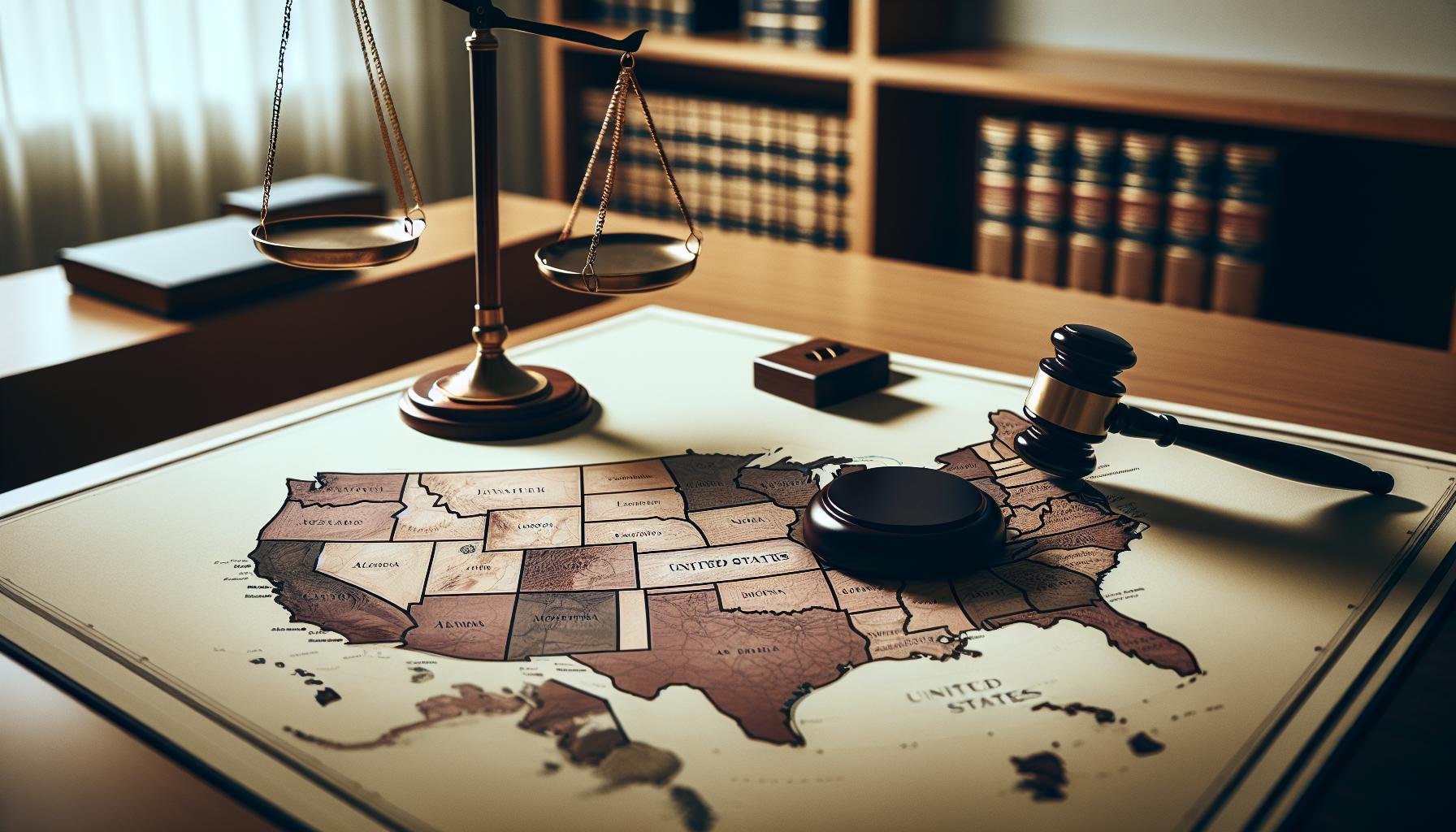
Applicable Laws and Regulations by State
In the complex arena of self-defense, particularly within the high-energy environment of bar fights, understanding state-specific self-defense laws is crucial. Each state in the U.S. has unique regulations that outline when and how individuals can lawfully use force in self-defense. This can vary dramatically, making it essential for anyone who frequents nightlife venues to be aware of the legal landscape in their specific location.
In some states, like Florida and Texas, the “Stand Your Ground” laws empower individuals to use force, including deadly force, without an obligation to retreat if they believe they are facing imminent harm. This means that if an altercation arises in a bar and you genuinely perceive a threat, you may be legally justified in responding with force, provided it’s proportional to the perceived danger. However, it’s important to note that such laws do not grant unlimited freedom; the force used must still be reasonable and necessary under the circumstances.
Conversely, states like New York and New Jersey impose a “duty to retreat” before using force in self-defense. In these jurisdictions, if you’re confronted in a bar setting, you are legally required to attempt to escape or de-escalate the situation before resorting to physical force. This underscores the importance of assessing your surroundings and understanding the dynamics of any potential confrontations, as failure to adhere to these laws can lead to serious legal repercussions.
Moreover, be aware that many states have specific conditions and interpretations concerning what constitutes reasonable force. Factors like the nature of the threat, the presence of weapons, and whether the altercation was provoked can all influence the legality of your response. Recognizing these nuances not only protects your legal standing but also enhances your ability to navigate high-pressure scenarios effectively. Familiarizing yourself with these regulations empowers you to make informed decisions that prioritize your safety while adhering to the law.
Factors Influencing Self Defense Claims
In the heat of a bar fight, the factors influencing self-defense claims can determine not only the outcome of a confrontation but also the potential legal ramifications that follow. Understanding these variables is vital for anyone who might find themselves in a dispute where self-defense is claimed. The context of the altercation plays a crucial role; if the aggressor has initiated the confrontation, this can significantly bolster a self-defense claim. The principle of “who started it” often serves as a key determinant in legal evaluations, implying that individuals who are provoked may have a stronger standing to respond with force.
Moreover, the nature of the threat is another critical factor. For instance, if an individual perceives an imminent physical threat, such as being attacked or confronted with a weapon, their response is more likely to be deemed justifiable under the law. The legal concepts of reasonable force and proportionality also come into play. The force used in self-defense must be proportional to the perceived threat; using excessive force in response to a non-lethal attack can undermine the self-defense claim.
Additional Considerations
- Location and setting: The environment, such as a crowded bar, can affect how a situation escalates and how witnesses perceive the actions taken.
- Previous encounters: If there is a history of conflict between the parties involved, this can influence legal perceptions of threat and self-defense.
- Presence of bystanders: Witness accounts can dramatically shape the narrative presented in court, making the opinions of those present vital in evaluating a self-defense claim.
Understanding these nuances can help individuals navigate the complexities of self-defense claims in bar fights. By being aware of the specifics surrounding their actions and the context of the confrontation, individuals can better prepare themselves not only physically but also legally in the event of such incidents.
Common Misconceptions About Self Defense
In the realm of self-defense, particularly in volatile environments like bars, misconceptions abound that can lead individuals astray when they argue their case in front of authorities or in a court setting. One prevalent belief is that any physical response to a perceived threat is automatically justifiable as self-defense. This assumption is dangerous; the law requires that the response be proportional to the threat faced. For instance, responding to a verbal insult with physical violence could land you in legal trouble, particularly if the aggressor poses no imminent physical threat. Understanding the differences between a justified defensive action and an overreaction is vital.
Another common myth is that retreating in a conflict equates to weakness. Many believe that to claim self-defense, one must stand their ground at all costs. However, in most jurisdictions, the law encourages individuals to de-escalate or retreat if it is safe to do so. This principle is rooted in the idea that avoiding conflict is preferable to engaging in violence, which further reinforces the importance of assessing the situation rather than immediately opting for physical confrontation.
Additionally, some may think that they can claim self-defense regardless of the circumstances or their prior behavior. In reality, factors such as prior encounters with the aggressor, location of the incident, and even the presence of bystanders can heavily influence the validity of a self-defense claim. If a history of conflict exists, it may be harder to argue that a response was purely self-defense, as it could be perceived as provocation.
Finally, it is crucial to dispel the notion that carrying a weapon automatically legitimizes any use of force. The law does not protect individuals who use weapons recklessly or excessively. Proper training and understanding of legal guidelines regarding weapons are essential. Those who intend to use self-defense must ensure that they are well-versed in local laws and practices, as misunderstandings here can lead to severe legal consequences.
By clearing up these misconceptions, individuals can better prepare themselves for the realities of self-defense scenarios, empowering them to make informed decisions that prioritize safety, legality, and ethical considerations. Understanding what constitutes justifiable self-defense is not just about knowing how to react; it’s also about knowing when to avoid confrontation altogether.
Proven Self Defense Techniques for Bar Scenarios
In the chaotic environment of a bar, understanding effective self-defense techniques is crucial. When faced with a potentially dangerous situation, the primary goal should always be to protect oneself while minimizing harm and adhering to legal standards. Many bar fights escalate quickly, and having a clear understanding of the legal limits of self-defense can prevent misunderstandings that lead to severe consequences.
Situational Awareness and Avoidance
The first and foremost technique in self-defense is situational awareness. This involves being conscious of your surroundings and recognizing potential threats before they escalate. If you notice an aggressive individual or a tense situation, it’s often best to remove yourself from the scenario. This could mean leaving the bar, moving to a different area, or avoiding eye contact. Should you be approached aggressively, maintaining a non-threatening posture and using calm verbal communication can de-escalate the situation before it turns physical.
Physical Self-Defense Techniques
If avoidance fails and a physical confrontation is unavoidable, knowing some basic self-defense techniques can be beneficial. It’s essential to use techniques that are proportionate to the threat. Here are a few effective approaches:
- Target Vulnerable Areas: Focus on hitting sensitive areas of the attacker, such as the eyes, nose, throat, or groin. This allows you to incapacitate them quickly, providing you with a chance to escape.
- Use Leverage: Techniques from disciplines like Brazilian Jiu-Jitsu (BJJ) emphasize using leverage rather than brute strength. For instance, joint locks can control an aggressor without causing excessive harm.
- Defensive Maneuvers: Training in martial arts such as Krav Maga can teach simple defensive movements, like blocking or redirecting attacks, which minimizes risk to both parties.
Legal Considerations
Always remember that the law requires your response to be proportional to the threat. If the aggressor is not armed and poses a minor threat, striking back with excessive force could lead to serious legal consequences. In many states, the principle of reasonable force applies, which means you should only use as much force as necessary to prevent harm. Before resorting to physical altercations, think about your legal rights; often, retreat or de-escalation is not just encouraged but required if it’s safe.
In summary, while self-defense techniques can potentially protect you during a bar confrontation, they should always be used cautiously, considering both the physical and legal implications. Understanding the balance between defense and legality helps ensure that your actions are justified and safe, allowing you to manage conflict effectively without escalating violence.
The Role of Escalation in Bar Fights
In a bar fight, escalation can turn a minor disagreement into a violent encounter in an instant. Understanding how escalation works is crucial for anyone wishing to navigate these confrontations safely and legally. A key aspect of escalation lies in recognizing the signs of increasing tension and aggression. For instance, verbal disputes often start with raised voices and aggressive posturing. Paying attention to these cues allows individuals to de-escalate the situation through calm communication or by physically removing themselves from the environment.
One of the most important considerations during escalated confrontations is the principle of proportionality. If an argument escalates to physical aggression, your response must match the level of threat you face. For example, if someone is shoving you, responding with a weapon or excessive force might not only be legally unjustifiable but could also worsen the situation, potentially leading to severe legal consequences. In most jurisdictions, the law on self-defense favors those who can demonstrate that their response was necessary and proportionate to the threat they faced. This means that the more aggressive and threatening the other party’s actions, the more leeway you have for self-defense, but it always needs to be reasonable under the circumstances.
Additionally, physical altercations often have roots in misunderstandings or miscommunication. A common scenario in bars is the escalation of confrontation over something minor, like a spilled drink or a competitive game. Many fights in these settings could be avoided with clear communication and de-escalation tactics. Demonstrating non-aggressiveness and willingness to reconcile can sometimes diffuse the situation before it culminates in violence. For instance, apologizing sincerely, even if it’s not your fault, can help to deflate the tension and redirect the course of the interaction.
It’s also essential to understand the concept of “retreat” as part of escalating situations. Legal frameworks in various states advocate for exhaustion of all reasonable alternatives before resorting to physical self-defense. If you can safely retreat from an escalating confrontation, it’s often the best course of action. This not only keeps you safe but can also serve as a vital factor in any legal proceedings that may follow if the situation does turn violent. Adopting a proactive approach to potential confrontations can make a significant difference in avoiding the devastating outcomes that often accompany bar fights.
The Importance of De-Escalation Strategies
In high-stress environments like bars, where alcohol can exacerbate emotions, cannot be overstated. When conflicts arise, employing the right techniques can prevent a minor disagreement from spiraling into a physical confrontation. Understanding how to diffuse these situations not only safeguards your personal safety but also protects you from potential legal repercussions.
To effectively de-escalate a confrontation, it’s vital to remain calm and composed. Practice active listening; acknowledging the other person’s feelings can help lower their defenses. For example, if someone is upset over a spilled drink, a sincere apology-regardless of fault-can ease tensions. Here are some practical techniques for de-escalation:
- Maintain Non-Threatening Body Language: Keep your hands visible and face relaxed. Avoid crossing your arms or clenching your fists.
- Use a Calm Tone: Speak softly and slowly, which can help lower the intensity of the conversation.
- Avoid Direct Confrontation: Instead of challenging aggressive behavior, use reflective statements to turn the conversation towards a resolution.
- Identify Common Interests: Finding common ground can redirect the focus from confrontation to collaboration.
Additionally, awareness of your environment plays a critical role. Assess the surroundings and identify potential exits to ensure you can retreat if necessary. If the situation seems to escalate despite your best efforts, removing yourself from the confrontation is often the safest option. Legally, jurisdictions typically encourage individuals to exhaust all options for retreat before considering physical self-defense, reinforcing the concept that de-escalation should always be prioritized.
By understanding and implementing these strategies, bar patrons can minimize the likelihood of violence, maintain a more enjoyable atmosphere, and protect themselves legally and emotionally. Remember, the goal is not to engage in confrontation but to defuse it, thus preserving peace and safety for all involved.
Real-Life Case Studies: Legal Outcomes
In discussions surrounding bar fights and self-defense claims, real-life case studies provide critical insights into the legal outcomes that can arise from such confrontations. For instance, in a widely publicized case in Florida, a patron became involved in a brawl after a minor altercation escalated dramatically. When the scenario turned physical, he used self-defense, believing he was under imminent threat. Ultimately, the jury ruled in his favor, recognizing that his actions were a necessary response to an immediate danger, highlighting the importance of perception in determining the legality of self-defense claims.
Legal outcomes can vary significantly based on a multitude of factors including the nature of the threat, the jurisdiction’s laws on self-defense, and the actions taken by all parties involved. In another case from California, a bar patron who initiated a confrontation found himself charged with assault after using physical force. Even though he claimed self-defense, the evidence indicated that he was the aggressor, which led the court to rule against him. This underscores the critical notion that claiming self-defense is more complex than merely reacting; the context of the situation is vital in determining legal innocence.
Understanding the application of self-defense laws through these examples emphasizes the importance of proportionality and escalation. Courts generally look favorably upon individuals who seek to diffuse situations peacefully or who only use force as a last resort. In several states, the “duty to retreat” doctrine is also significant; individuals are often legally required to attempt to escape a situation before resorting to physical defense. This principle was central in a New York case where a defendant successfully argued that he tried to de-escalate the situation before using force, resulting in a more favorable legal standing.
These scenarios serve as stark reminders of the potential consequences following a perceived self-defense action. While the adrenaline of a sudden confrontation can cloud judgment, it is crucial for individuals, particularly those frequenting bars, to grasp the legal implications of their actions. Self-defense should always be viewed as a last resort, and understanding both the legal framework and surrounding circumstances can significantly influence outcomes in these taxing situations.
Insurance and Liability Concerns for Bar Frawls
Understanding the implications of insurance and liability in bar fights goes beyond typical self-defense claims; it is essential for anyone who frequents bars to grasp the potential legal and financial ramifications of their actions. Engaging in a physical altercation may result not only in criminal charges but also in civil liabilities. Whether using self-defense or being the aggressor, individuals can face significant legal consequences that extend to their insurance coverage.
Insurance companies often evaluate the circumstances surrounding claims of self-defense in bar fights carefully. For example, if you defend yourself and cause injury to another party, your liability insurance may cover the associated costs, but this is not guaranteed. Insurers may question whether your actions were justifiable or if you could have avoided the confrontation altogether. Claims can complicate when the individual is found to be the aggressor, leading to potential denials of coverage for intentional acts. Additionally, if a court rules against you in a civil lawsuit stemming from the incident, you may be held personally liable to pay damages out of pocket, which can be financially devastating.
Legal Framework of Liability
Understanding state-specific regulations is crucial. Different states have various laws concerning self-defense and liability. In jurisdictions where “stand your ground” laws exist, individuals may have broader protections when facing perceived threats. However, even in these states, if the use of force is deemed unreasonable, individuals can face civil liability.
Furthermore, some states allow for “inflated claims” against bar owners for injuries sustained during fights, pushing them to challenge your version of events vigorously. The establishment’s security measures and incident response may also be evaluated. If it is found that the bar failed to take adequate precautions, both the bar and the individuals involved could be held liable.
Practical Advice
To navigate the murky waters of insurance and liability in the context of bar fights, consider the following:
- Know Your Policy: Understand the terms of your liability insurance and what is excluded, especially regarding intentional acts or violence.
- Document Everything: Keep records of events leading to an altercation and witness accounts to establish the context of your self-defense claim.
- Consult Legal Counsel: Always seek legal advice post-incident to understand your rights and obligations, especially if charges arise.
- Consider Training: Engage in self-defense training that emphasizes de-escalation and avoidance techniques to minimize physical confrontations.
While the instinct to defend oneself in a bar fight is natural, understanding the broader context of liability, insurance implications, and legal frameworks can help mitigate potential consequences. Always prioritize safety and de-escalation to avoid the need to resort to physical confrontation, as the aftermath can be legally complex and financially burdensome.
Ethical Considerations in Self Defense
Understanding the ethical dimensions of self-defense in bar fights is crucial, especially given the complex blend of legal, moral, and societal expectations surrounding these situations. At its core, self-defense is not merely about the right to protect oneself; it involves the responsibility of ensuring that any response to a perceived threat is both appropriate and justified. Engaging in a physical altercation carries with it the significant weight of potential consequences, not only legally but also ethically and socially.
When evaluating whether to respond to aggression, it’s vital to consider the concept of proportionality. This means that any defensive action taken should correspond to the level of threat posed. For instance, if faced with verbal hostility, escalating to physical violence may not only be unnecessary but also ethically questionable. In many cases, de-escalation techniques can effectively defuse a tense situation without resorting to physical confrontation. Strategies such as maintaining a calm demeanor, using non-confrontational body language, or verbally diffusing the situation can prevent escalation while still prioritizing safety.
Additionally, understanding your own motivations in a confrontation is paramount. Are you acting out of fear, or is there a genuine belief that your safety is at risk? The clarity of intention can greatly influence the ethical considerations surrounding your actions. If you find yourself in a scenario where you perceive a threat, pause to assess the situation: is there a viable alternative to violence? For those who have trained in self-defense, the goal should always be to neutralize threats without causing excessive harm, reflecting an ethical commitment to respect life and minimize injury.
Furthermore, the consequences of resorting to violence can extend beyond personal liability; they can also impact the individuals involved in the altercation and bystanders. Engaging in self-defense in a bar setting can lead to severe ramifications, including criminal charges, civil lawsuits, and damage to one’s reputation. Understanding that every action has repercussions emphasizes the importance of making informed, ethical decisions in high-pressure situations.
In summary, ethical considerations in self-defense are deeply intertwined with legal and social implications. Prioritizing de-escalation, reflecting on intentions, and weighing the consequences of actions can guide individuals to act in a manner that aligns with both legal standards and moral principles, ultimately fostering a safer environment for all involved.
Preparing for Potential Confrontations in Bars
Navigating potential confrontations in bars requires a proactive approach to ensure your safety and legal protection. With alcohol often lowering inhibitions and intensifying tensions, being prepared can help you avoid unnecessary conflicts or mitigate their escalation. To effectively prepare for potential confrontations, familiarize yourself with the surroundings, understand body language cues, and know how to respond to various scenarios.
First, stay aware of your environment. Assess the layout of the bar, including exits and areas that may serve as safer spots if conflict arises. Position yourself away from known trouble areas, and keep an eye on groups that appear overly aggressive or argumentative. If you perceive an escalating situation, trust your instincts-consider leaving the area to avoid confrontation altogether.
Next, recognize and interpret body language. Subtle cues can signal impending conflicts, such as aggressive posturing or raised voices. Engaging in de-escalation techniques becomes crucial here. If someone approaches you with hostility, maintain a calm demeanor, practice non-threatening body language, and use simple, non-confrontational language to diffuse tension. Phrases like “Let’s talk about this” or “I’m not looking for a fight” can help redirect the interaction. If physical confrontation seems unavoidable, understand the importance of proportional response; only use necessary force to defend yourself without excessive escalation.
Finally, familiarize yourself with local laws and regulations regarding self-defense. Each state has different legal standards which dictate when and how you can legally defend yourself. For example, in some areas, you must attempt to retreat before resorting to physical force. Be aware of your state’s specific laws to ensure that your actions are legally justified. Seeking formal self-defense training from experienced instructors can enhance your preparedness, teaching you practical techniques tailored to real-world scenarios you might encounter in a bar setting.
By remaining vigilant, utilizing effective de-escalation strategies, and understanding your legal rights, you can better prepare for the uncertainties that a bar environment may present. Safety is paramount, and being educated on these aspects can empower you to react appropriately and responsibly in tense situations.
Faq
Q: Can you use self-defense in a bar fight?
A: Yes, self-defense can be claimed in a bar fight, but it depends on the situation. The use of force must be reasonable and proportionate to the threat faced. Understanding local laws and factors influencing self-defense claims is crucial. Always prioritize de-escalation when possible.
Q: What factors determine the legality of a self-defense claim in a bar fight?
A: Factors include the level of threat, intent of the parties involved, and whether an opportunity to retreat existed. Each state’s laws vary; thus, knowledge of local regulations is essential. Refer to the state-specific guidelines in our article for detailed insights.
Q: Is physical retaliation always considered self-defense?
A: No, physical retaliation is not always considered self-defense. It must meet the criteria of being a reasonable response to an immediate threat. If actions are deemed excessive or preemptive, they may not qualify as self-defense. Be sure to assess your actions carefully.
Q: When is self-defense not permissible during a bar fight?
A: Self-defense is not permissible if the individual is the initial aggressor or if the threat has been neutralized. Retreating when possible can also negate a self-defense claim. Understanding these nuances is vital for legal protection.
Q: How does state law impact self-defense claims in bar fights?
A: State laws significantly affect self-defense claims, with some adopting “Stand Your Ground” laws while others require a duty to retreat. Familiarize yourself with your state’s regulations to adequately prepare for potential confrontations. Consult the applicable laws section in our article for more details.
Q: What should I do immediately after a bar fight if I claim self-defense?
A: Report the incident to law enforcement and seek medical attention if needed. Document everything that occurred, including witnesses and any injuries suffered. Timely documentation assists in building a strong self-defense case.
Q: Can witnesses influence a self-defense claim in a bar fight?
A: Yes, witnesses can significantly affect a self-defense claim by corroborating your account of the events. Their testimonies may validate your perception of an imminent threat, reinforcing your legal standing. Always collect witness information immediately.
Q: What are the ethical considerations of claiming self-defense in a bar fight?
A: Ethically, one must weigh the necessity of force against potential consequences for all parties involved. Self-defense should be a last resort; seeking de-escalation and avoiding confrontations is paramount. Always aim for peaceful conflict resolution.
The Conclusion
Understanding the legal complexities of self-defense in a bar fight is essential for anyone who values personal safety. Remember, claiming self-defense hinges on proving the immediacy and proportionality of your response. Don’t navigate this situation alone-consider consulting our Self-Defense Legal Resources for tailored advice, or explore our articles on Legal Limits in Self-Defense and De-escalation Techniques to deepen your knowledge.
Now that you’re informed on the realities of self-defense, empower yourself further! Join our newsletter for ongoing insights, or reach out for a consultation on how to best protect yourself legally and physically. Share your thoughts in the comments below or let us know if you have questions-your safety is our priority. Continue your journey to becoming knowledgeable and prepared; the right information can make all the difference in critical moments.