
The “One Inch Punch” is a striking technique famously popularized by Bruce Lee, rooted in the principles of Wing Chun martial arts. This seemingly simple yet devastating method demonstrates the power of precision and body mechanics, making it an exciting endeavor for martial arts enthusiasts and self-defense practitioners alike. Have you ever wondered how a mere inch could unleash such force?
Understanding and mastering the One Inch Punch not only enhances your martial arts skills but also instills confidence and awareness of your physical capabilities. It’s vital to approach such techniques responsibly, acknowledging the legal and ethical implications of self-defense. As you explore this ancient martial arts secret, you’ll learn how to harness explosive power while emphasizing safety and control. Dive deeper into the fascinating mechanics behind this legendary strike and discover how it can benefit both your training and self-defense strategy. Your journey toward mastering this powerful technique starts here.
Understanding the One Inch Punch Technique
The one-inch punch is not merely a demonstration of raw power; it’s a testament to the profound understanding of technique and body mechanics inherent in martial arts. Originating from Chinese martial arts, this striking technique enables a martial artist to deliver an explosive amount of force from a very short distance, typically around 0 to 15 centimeters. This precision and effectiveness can be attributed to the efficient use of body weight, alignment, and muscle coordination, allowing for a concentrated transfer of energy through the arm and into the target.
Executing the one-inch punch involves more than just arm movement; it requires a deep knowledge of kinetic linkages within the body. The key lies in generating power not solely from the arm but from the entire body’s movement, starting from the feet, through the hips, and channeling into the fist. This body mechanic is crucial, as it takes advantage of the martial artist’s stance and posture. By utilizing gravity and proper weight distribution, a skilled practitioner can explode forward with incredible force, even when starting from such a short range.
To effectively master the one-inch punch, practitioners should focus on consistent practice while being conscious of alignment and form. Building strength and speed is essential, yet these should be cultivated through controlled drills that emphasize technique over sheer force. One effective training method involves striking a target from an inch away repeatedly, gradually increasing speed while maintaining proper form. As one becomes more proficient, incorporating elements of timing and rhythm can enhance the power delivered.
In the martial arts community, it is acknowledged that while the one-inch punch can be a powerful tool, training should always be approached with safety in mind. Practitioners are encouraged to spar in controlled environments and use protective gear to reduce the risk of injury. Understanding and respecting the legal implications of striking techniques is crucial. Self-defense scenarios demand a clear comprehension of proportional response and the potential consequences of using such techniques in real-life situations.
The Historical Origins of the One Inch Punch
The one-inch punch is not only a remarkable technique but also a vivid representation of martial arts’ rich history and cultural significance. This striking method originates from Wing Chun, a traditional Chinese martial art that emphasizes close-range combat. Wing Chun itself traces its roots to the Southern Shaolin Temple, where it was developed as a practical solution for those of smaller stature or less brute strength, enabling them to defend against larger or physically stronger opponents. The technique was popularized globally by Bruce Lee, whose demonstrations showcased its effectiveness and power, making it a symbol of martial prowess.
At the core of the one-inch punch lies a philosophy that prioritizes technique and efficiency over sheer force. The ability to generate a high level of impact from such a short distance requires not only physical skill but also an understanding of one’s body mechanics. Practitioners learn to harness their whole body’s motion, integrating their legs, torso, and arm movements to create maximum energy transfer into the punch. This principle reflects a broader martial arts concept: using one’s own body weight and alignment to enhance striking capability.
Understanding the historical origins of the one-inch punch also involves acknowledging the transformations in martial arts through various eras. Originally designed for self-defense, this technique evolved as martial practices intersected with modern philosophy and training methodologies. Today, it serves as both a practical skill in martial arts training and a fascinating example of how ancient techniques continue to influence contemporary self-defense strategies. As practitioners train in this art, they are reminded of the respect and responsibility that comes with wielding such powerful techniques, emphasizing the importance of ethical and legal considerations in martial arts practice.
To master the one-inch punch, one must appreciate its historical roots while committing to the rigorous training necessary to execute the technique properly. As with any discipline, consistent practice, paired with an awareness of safety and ethical use, is essential for not just skill development, but also a deeper connection to the rich traditions that underpin these martial arts. This balance of power and mindfulness is what truly embodies the spirit of martial arts as a whole.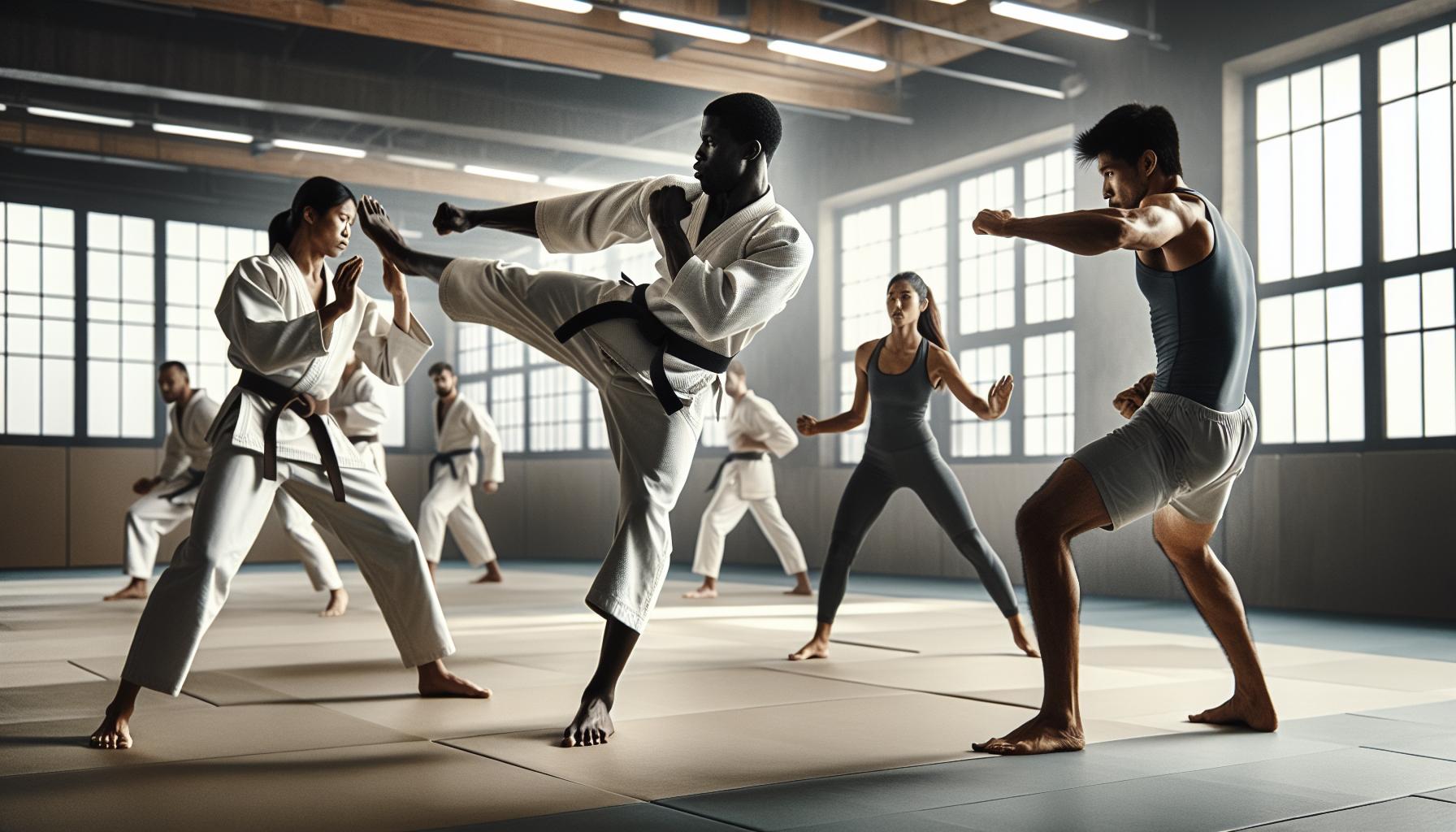
Essential Body Mechanics for Effective Striking
To effectively execute the one-inch punch, understanding and mastering body mechanics is crucial. This technique thrives on the principle that power can be generated from a very short distance by coordinating various aspects of bodily movement. Engaging the core, legs, and arms in unison not only increases the force of impact but also ensures that you’re utilizing your body’s weight and alignment effectively.
Firstly, good posture is fundamental. Stand with your feet shoulder-width apart, one foot slightly forward, creating a solid base. Your knees should be slightly bent, allowing for fluid motion and better balance. This stance helps you transfer weight efficiently, which is key to generating power. When delivered, the punch should involve not just the arm’s movement but a driving force that comes from your legs and torso. The kinetic energy generated begins at your feet, travels up through your legs and hips, and is unleashed through your shoulder and arm.
Next, relaxation is essential before the strike. Tension will hinder speed and fluidity; practice remaining relaxed until the moment of impact. As you prepare to strike, draw back your fist, using this moment to wind up your body. Upon delivery, rapidly reverse the motion while employing a technique known as the pull-back punch, where the fist is pulled back immediately upon contact. This not only shortens the impact time but also increases the effectiveness of the strike, as it enhances force due to the sudden change in motion, as discussed in various analyses of Bruce Lee’s training techniques Key Training Methods to Master the One Inch Punch To master the one-inch punch, practitioners must engage in targeted training that emphasizes core components of the technique and fosters both physical and mental readiness. This remarkable ability, famously demonstrated by Bruce Lee, is not merely about brute strength; it combines skillful technique, precise timing, and a deep understanding of body mechanics. One effective method to develop the one-inch punch is through shadow training. By practicing the motion without a partner or target, you can focus on refining your technique. Visualize the impact, maintain your posture, and emphasize the importance of breathing. While executing the punch, concentrate on minimizing tension in your body until the moment of impact. This exercise can also include variations like starting in different stances to enhance adaptability. Another critical aspect of training involves partner drills. Working with a fellow practitioner allows for feedback and live practice. Begin by setting up a focus pad at the one-inch distance. As you strike, both partners should maintain control to prevent injury. This engagement not only hones accuracy but also helps in adjusting to real-time dynamics. During these drills, emphasize the pull-back motion to reinforce the mechanics of the punch, as it accelerates your striking ability while preventing overcommitment. Incorporating resistance training can also be beneficial. Use resistance bands to facilitate explosive arm movements that mimic the punch’s mechanics. Attach the bands to a sturdy base behind you, and perform one-inch punches while maintaining proper form against the resistance. This method builds the muscles involved in striking and develops the power needed to deliver effective impacts from a short distance. Additionally, incorporating mental techniques such as visualization and focused breathing exercises is crucial for mastering this skill. Visualizing successful executions of the punch can enhance muscle memory and prepare your mind for actual encounters. Coupling this with breath control-where you exhale sharply at the moment of impact-can increase both focus and explosive power. Lastly, remember that training should always be balanced with a keen awareness of its ethical implications. Mastery of techniques like the one-inch punch involves not only physical capability but also a commitment to using such skills responsibly and with respect for personal safety and legal boundaries. Always practice within a framework of de-escalation and proportional response, mindful of the realities of physical confrontation. Training in the one-inch punch can be exhilarating, but many practitioners fall prey to common pitfalls that can hinder their progress. One of the primary mistakes is neglecting proper technique. Rushing to deliver a powerful punch without mastering the foundational mechanics often results in injury and ineffective strikes. Focus on the alignment of your wrist, elbow, and shoulder; each joint must work in concert to transfer energy efficiently. Poor technique not only diminishes the punch’s effectiveness but can also lead to chronic injuries over time. Another frequent error is excessive tension in the body. Many believe that tightening muscles during a strike will enhance power, but this can actually restrict movement and responsiveness. Instead, aim to maintain a relaxed state until the moment of contact. This allows for a more fluid transfer of energy from your hips through to your fist. Practice relaxation techniques and gradually build tension precisely at the point of impact. The key is to train your body to remain agile and quick, not stiff and slow. Additionally, neglecting to integrate mental focus into training can be detrimental. The mind plays a critical role in executing an effective strike. Visualization techniques are invaluable; regularly picture yourself successfully delivering the one-inch punch. This mental practice complements physical training and solidifies muscle memory. Remember, the mind must be as prepared as the body to respond appropriately in a real scenario, especially in self-defense situations. Lastly, a lack of consistent practice can stall your development. Like any skill, the one-inch punch requires regular refinement. Set aside dedicated time for both solo and partnered drills. Utilize tools like focus mitts, allowing for specific feedback on your striking mechanics. Engage with fellow practitioners to critique each other’s techniques, fostering an environment of mutual growth and accountability. Balance the commitment to skill-building with an understanding of its ethical implications, ensuring the techniques foster self-defense awareness rather than promoting aggression. Practicing martial arts techniques, especially powerful strikes like the one-inch punch, demands stringent safety protocols to ensure the well-being of all participants. Whether you are training solo or with a partner, it is essential to create an environment that prioritizes safety, promotes responsible practice, and discourages reckless behavior. The foundation of effective training in the one-inch punch lies not only in mastering the technique, but also in adhering to safety norms that prevent injury and ensure ethical use of martial arts skills. To maintain safety during training, it is crucial to both warm up properly and use appropriate protective gear. This includes items like hand wraps, gloves, and padded gear when practicing with a partner. Warm-ups should involve dynamic stretching, which enhances flexibility and prepares your body for physical activity. Adopting a gradual approach to sparring or striking-starting slow and progressively increasing speed and intensity-allows your body to adapt without the risk of injury. When practicing the one-inch punch, be mindful of your surroundings. Ensure you have ample space to execute strikes without collision, and avoid training where hard surfaces or obstacles are present. Establish clear communication with your training partner about what you are practicing. Using clear signals or code words can help maintain focus on safety. Always strive for control over power; the goal is precision, not unnecessary force, which could lead to injury. Remember, while the punch can generate substantial force in the right hands, delivering it with overconfidence or aggression can have dangerous consequences both physically and legally. Furthermore, understanding the legal implications of using martial arts techniques for self-defense is vital. Familiarize yourself with local laws regarding self-defense and use of force. Different jurisdictions have varying standards on what is deemed “reasonable” force in self-defense scenarios. Always prioritize de-escalation-physical confrontations can often be avoided through effective communication. If a situation escalates, using skills learned in martial arts should only be a last resort, emphasizing defense over attack. In summary, adhering to established safety protocols enhances your training experience, minimizes the risk of injury, and fosters a conscientious approach to martial arts. By prioritizing controlled practice, appropriate protective measures, and informed legal awareness, you can cultivate an environment conducive to both personal growth and responsible training. In high-pressure situations, the one-inch punch showcases remarkable effectiveness and precision, making it a valuable skill for self-defense. This technique isn’t just about brute strength but rather the ability to generate power from minimal distance. With a quick, explosive movement, a martial artist can deliver a devastating blow to an attacker who may be caught off guard. This element of surprise can create an opening for escape, rather than escalating the situation further. When analyzing potential real-world scenarios, consider common situations where the one-inch punch could be applied. For example, if an assailant attempts to grab or hold you, executing a one-inch punch to their torso or face can create enough shock to free yourself. It’s essential to remain aware of your surroundings and the potential outcomes of using such a technique. Always prioritize de-escalation and using the punch as a last resort, ensuring that you are legally justified in your actions. While the one-inch punch can be an effective self-defense tool, it’s crucial to understand the legal ramifications of using any martial arts technique. Many jurisdictions have laws governing the use of force, emphasizing that one must only employ enough force necessary to escape a threat. Knowing your local laws regarding self-defense is imperative. In many areas, using excessive force-even if you are proficient in martial arts-can lead to serious legal consequences. Remember that the ultimate goal is personal safety, not confrontation or aggression. If faced with a potential threat, using verbal de-escalation tactics to diffuse the situation is always preferable. In scenarios where physical confrontation becomes unavoidable, the one-inch punch should be executed with the intention of neutralizing the immediate threat, allowing for a quick escape rather than further engagement. By recognizing the balance between effectiveness and responsibility, martial artists can better prepare themselves for real-life applications of the one-inch punch, ensuring they remain within the limits of the law while also protecting themselves against genuine threats. Stay trained, stay informed, and always prioritize safety. Using martial arts techniques for self-defense, such as the one-inch punch, requires not just skill but also a clear understanding of the legal implications tied to their application. The laws governing self-defense vary significantly by location, and it’s crucial to be well-versed in them to navigate the complex landscape of legal consequences that may arise from using force. Generally, the legal principle of proportionality asserts that your response must align with the threat level; excessive force could result in criminal charges or civil liability. Understanding local laws is imperative. Many jurisdictions endorse the “reasonable person” standard, meaning you must act as a reasonable person would under similar circumstances. This often translates to using only the necessary force to neutralize the threat. Engaging in an aggressive act, such as delivering a one-inch punch with the intent to cause serious harm, may not be legally justified if lesser means could have achieved your goal. Verbal de-escalation tactics should always be prioritized to diffuse confrontations before they escalate. If unavoidable, a one-inch punch might be executed with clear intent: to create an opportunity for escape rather than to continue confrontational engagement. For instance, if an attacker approaches aggressively but does not inflict harm, responding with minimal force may be appropriate, enough to create distance but not to escalate the conflict unduly. In the aftermath of any self-defense incident, documenting the events accurately can provide crucial evidence of your reasoning behind your actions. Keep in mind the following: By being proactive and informed, you not only empower yourself in self-defense situations but also respect the legal structures designed to maintain public safety. Always keep in mind that the ultimate intent behind the use of martial arts techniques in self-defense should be to ensure personal safety while remaining compliant with the law. Building power and speed for short-striking techniques like the one-inch punch is vital for effective self-defense and martial arts practice. These strikes rely on precise mechanics and explosive energy rather than sheer strength. The foundational principle behind these powerful strikes is utilizing the entire body to generate force, tightly coordinating muscle and movement for maximum impact. To begin enhancing your striking capabilities, focus on your stance and posture. A stable base is critical as it enables you to transfer weight efficiently. Practice standing with your feet shoulder-width apart and knees slightly bent, allowing for swift movement. Proper breathing technique is also essential; exhale sharply at the moment of impact to increase power and maintain core stability. Next, consider integrating specific drills aimed at building both speed and strength. Exercises such as plyometrics-particularly box jumps and explosive push-ups-can enhance your fast-twitch muscle fibers. Combine these with targeted strength training for your upper body and core, focusing on exercises that mimic the motion of the one-inch punch, like medicine ball throws. Regularly practicing these drills will also enhance muscle memory, enabling quicker and more effective strikes when needed. Incorporating shadowboxing into your routine offers another valuable training method. This practice not only develops speed and fluidity in your movements but also helps in refining your technique without the distractions of a partner or opponent. Visualize your target clearly as you strike, focusing on form and precision rather than power initially. Over time, these techniques will allow your one-inch punch to become not just powerful, but quick and direct, embodying the explosive energy necessary for successful self-defense. Effective training drills are crucial for mastering the one-inch punch, a technique that requires precision, speed, and explosive power. To develop these attributes, a well-structured regimen of drills can help practitioners quickly realize their potential. The key lies in consistently practicing movements that simulate the mechanics of the one-inch punch while also integrating strength and speed-building exercises. One highly effective drill is the “Impact Drill.” Here’s how it works: using a heavy bag or focus mitt, practice executing a short-range punch, focusing on the speed and technique of the punch rather than power. Start with your hand positioned just an inch away from the target, then deliver a controlled punch while maintaining a stable base and proper breathing. This drill not only enhances muscle memory but also places emphasis on the essential body mechanics that contribute to delivering a successful one-inch punch. Another valuable exercise is “Shadow Punching.” Perform this drill by visualizing an opponent in front of you and practicing your one-inch punch movements in the air. This helps with both speed and accuracy since you can repeatedly refine your form without the need for a partner. Ensure you practice in front of a mirror to observe your technique and make necessary adjustments. Focus on maintaining a strong stance and integrating whole-body movement into each practice punch. Plyometric exercises can significantly contribute to the explosive power needed for this technique. Exercises like clap push-ups or medicine ball throws not only improve your fast-twitch muscle fibers but also enhance your overall explosive strength, vital for a powerful short strike. Aim for sets of high-intensity intervals to simulate the quick, explosive energy required during the one-inch punch. Lastly, it’s crucial to incorporate resistance training that targets your upper body and core, as strength in these areas is essential for generating maximum force. Focus on exercises such as bench presses, shoulder presses, and various forms of row movements. Integrating resistance bands can also provide effective training as they allow for dynamic movement under resistance, which is vital for building the strength needed in your punching muscles. By committing to these targeted drills, you will cultivate the necessary power, precision, and speed to enhance your one-inch punch, ensuring it becomes an effective tool for self-defense when appropriately applied. Always remember to train responsibly, emphasizing safety and effectiveness in all practice scenarios. The one-inch punch is often revered in martial arts as a hallmark of precision and explosive power, differentiating itself from many traditional striking techniques. At its core, while most punches rely on distance for momentum, the one-inch punch emphasizes effective biomechanics and body mechanics to deliver devastating force from a remarkably short distance. This very feature makes it a unique tool in the martial artist’s arsenal, setting it apart from straighter punches found in boxing or more distance-oriented strikes used in kickboxing. When comparing the one-inch punch to boxing punches, one key distinction arises from the distance and preparation required. In boxing, punches like jabs and crosses rely heavily on footwork and range. The boxer steps into the punch, leveraging the entire body’s movement to generate power. In contrast, the one-inch punch is executed almost effortlessly from a standing position, relying on a combination of rotation, alignment, and explosive hip movement to deliver power without requiring prior distance. Another comparison can be made with the techniques used in other martial arts, such as Muay Thai or Karate. The powerful roundhouse kick from Muay Thai and the front kick from Karate demonstrate how distance and body mechanics are crucial for effective striking in those disciplines. Here, power is derived not just from the legs but from the torque generated through the hips and shoulders as the body pivots. While these techniques are formidable in their own right, the one-inch punch excels in close-quarters combat, allowing the practitioner to maintain control over the opponent while inflicting significant damage. In terms of practical application, the one-inch punch is particularly effective in scenarios where distance is limited, such as in self-defense situations or crowd-related conflicts. It’s essential to acknowledge that using any striking technique in a real-life scenario comes with a heavy ethical and legal responsibility. Always prioritize de-escalation and proportional response to threats. Understanding the legal implications of using martial arts techniques for self-defense is crucial; different jurisdictions have varying laws regarding the use of force. Practitioners should be diligent in training the one-inch punch along with other techniques. While it offers unique advantages, it should not replace a well-rounded skill set. Training in diverse striking techniques enables martial artists to adapt to varying situations and opponents more effectively, ensuring that they remain both safe and proficient. The balance of close-quarters techniques like the one-inch punch with longer-range strikes ensures that you are prepared for any encounter. Achieving mastery in martial arts, especially techniques like the one-inch punch, is as much about mental focus as it is about physical skill. When a martial artist stands poised to strike, the power of their intention and the clarity of their mental state can significantly impact the effectiveness of their punch. This balance of mind and body becomes critical, as precision in execution relies heavily on an acute focus that directs energy exactly where it’s needed. To excel at the one-inch punch, practitioners must cultivate a strong mental presence. This can involve visualizing the desired outcome before executing the technique. For example, visualize not just the act of striking, but the precise point of impact, the energy flowing through your body, and the opponent’s reaction. Such visualization helps to align your mental and physical efforts, ensuring that when the moment arrives, your body responds instinctively and accurately. Emphasizing precision in every movement further enhances the effectiveness of the one-inch punch. It begins with proper stance and alignment-critical factors that define the punch’s power. Any slight deviation in body positioning can result in a significant loss of force when striking. Therefore, developing a meticulous attention to detail can mean the difference between a successful strike and a failed attempt. Regular practice underlining these elements, combined with focused breathing, can enhance concentration and reinforce the muscle memory required for precise action. Moreover, practitioners should approach training with an attitude of patience and understanding. Mistakes will happen and should be viewed as learning opportunities rather than setbacks. This mindset not only alleviates the pressure to perform perfectly but also fosters an atmosphere where growth is prioritized. Remember, martial arts is a journey that intertwines physical techniques with mental fortitude, and mastering the one-inch punch exemplifies the synergy of precision and focus within this path. Cultivating these skills will not only enhance striking ability but also empower practitioners with a greater sense of confidence and control in challenging situations. A: The One Inch Punch is a striking technique originating from martial arts, notably popularized by Bruce Lee. It allows a practitioner to deliver powerful strikes from a very short distance, maximizing momentum and energy transfer through proper body mechanics and focus. A: Beginners should start by mastering body mechanics, focusing on stance and alignment. Practicing the technique with a partner who can provide feedback is essential. Consistent drills and visualization techniques can enhance mastery and help develop the required power in strikes. A: Key body mechanics include proper alignment of the wrist, shoulders, and hips, along with generating downward force through the legs. Emphasizing core stability and using rotational movement can significantly increase the punch’s power. A: Yes, safety is paramount. Practitioners should wear protective gear and ensure that the striking surface is safe. Start with controlled practice and gradually increase intensity, avoiding excessively hard contact to prevent injuries. A: Mental focus is crucial; it enhances precision and timing. Visualizing the strike’s trajectory and feeling the energy flow can improve performance. Practicing mindfulness techniques can help maintain concentration during training sessions. A: While the One Inch Punch can be effective for self-defense, it’s essential to consider the legal implications of using force. Proper training in martial arts should include understanding when and how to apply techniques responsibly. A: Common mistakes include poor body alignment, excessive tension in the body, and insufficient practice of footwork. Focus on relaxation during the strike and ensuring proper mechanics to maximize effectiveness. A: Unlike traditional punches that require extensive range, the One Inch Punch emphasizes power from minimal distance. It integrates body mechanics and focus more intensively than broader strikes, making it uniquely effective in close combat scenarios. For more detailed information, check our section on Key Training Methods to Master the One Inch Punch. Keep practicing and stay safe while you train! Congratulations on taking the first step to mastering the one-inch punch! This ancient martial arts technique is not just about power, but also about precision and control, embodying the essence of self-defense. Remember, practicing this skill can enhance your overall martial arts proficiency, but always prioritize safety and ethical considerations when applying any striking techniques. Now, if you’re eager to deepen your understanding of martial arts, explore our comprehensive guide on martial arts training techniques or check out our article on effective self-defense strategies. Don’t miss out-sign up for our newsletter to receive expert tips, training updates, and exclusive resources directly to your inbox! We welcome your thoughts and experiences, so feel free to comment below. Stay empowered and remember, with great power comes great responsibility!Common Mistakes to Avoid While Training
Safety Protocols for Practicing Martial Arts Techniques
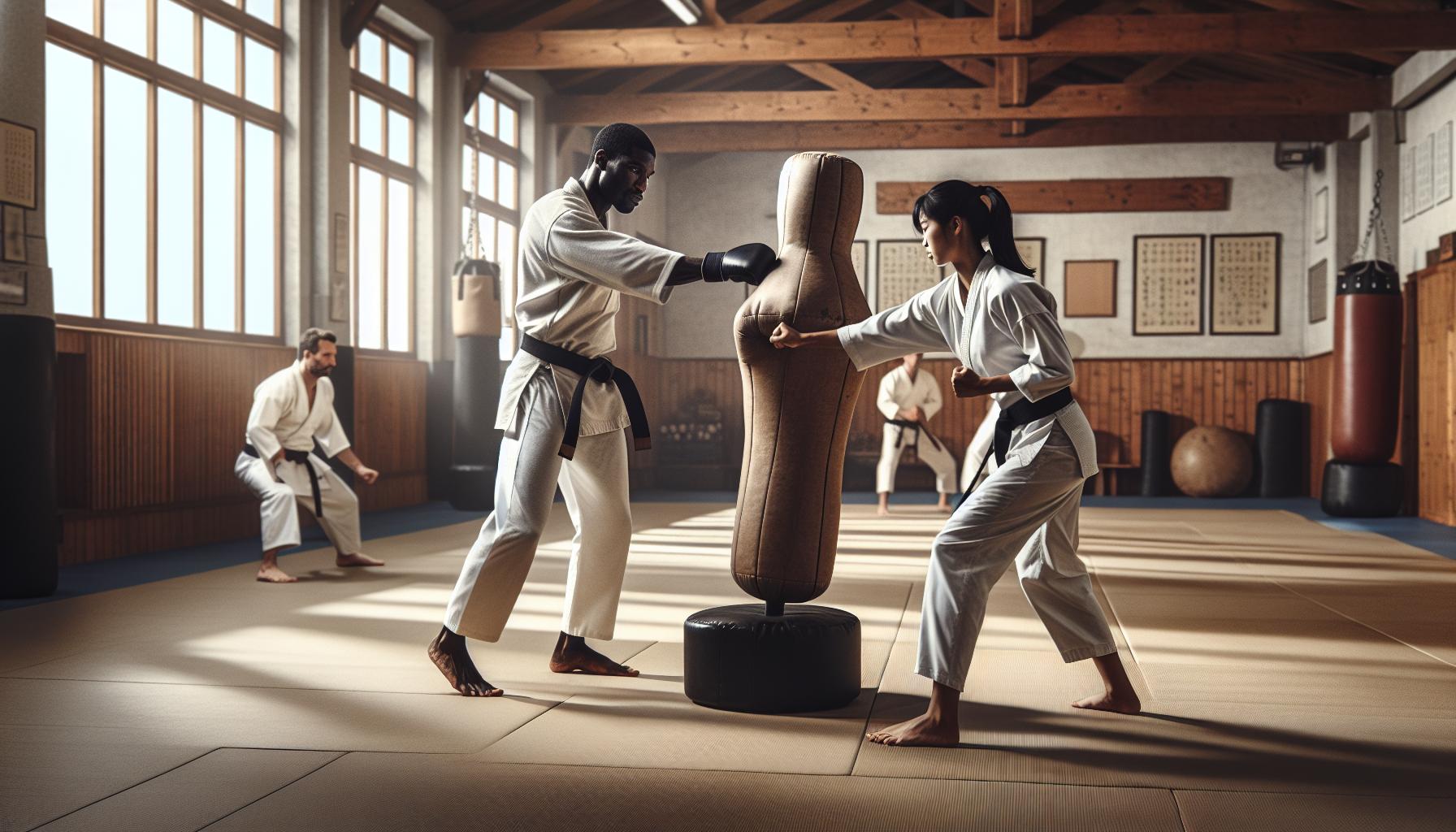
Applications of the One Inch Punch in Real Scenarios
Legal and Ethical Considerations
Legal Considerations When Using Martial Arts for Self-Defense
Documentation and Reporting
How to Build Power and Speed for Short-Striking Techniques
Training Drills to Enhance Your One Inch Punch
Comparing the One Inch Punch to Other Striking Techniques
Comparative Analysis with Other Striking Techniques
Applications and Considerations
The Role of Mental Focus and Precision in Martial Arts
Q&A
Q: What is the One Inch Punch in martial arts?
Q: How can beginners effectively learn the One Inch Punch?
Q: What body mechanics are essential for a successful One Inch Punch?
Q: Are there safety precautions when practicing the One Inch Punch?
Q: How does mental focus influence the effectiveness of the One Inch Punch?
Q: Can the One Inch Punch be used in self-defense situations?
Q: What are common mistakes to avoid when training the One Inch Punch?
Q: How does the One Inch Punch compare to other striking techniques?
Wrapping Up