When it comes to self-defense, choosing the right martial art can be a crucial decision that impacts your safety and confidence. With rising concerns about personal safety in everyday situations, many individuals are seeking effective ways to protect themselves, making this a pertinent topic. The various martial arts available, from Brazilian Jiu-Jitsu and Krav Maga to boxing and wrestling, each offer unique techniques and benefits tailored to different scenarios. Understanding these options not only equips you with practical skills but also empowers you to handle confrontations judiciously. As we explore expert rankings and insights on the best martial arts for self-defense, you’ll uncover which styles resonate with your personal goals and how they can help you stay safe in a complex world. Dive in to learn how to navigate the intricacies of self-defense with knowledge and confidence, and understand the broader implications of your choices in real-life situations.
Understanding Self Defense: Importance of Martial Arts
Martial arts serve as a vital tool in the realm of self-defense, offering individuals the skills and confidence necessary to protect themselves in dangerous situations. One important aspect of self-defense is understanding the psychology behind confrontation; many self-defense encounters can be avoided entirely through verbal de-escalation and awareness. For those moments when physical confrontation is unavoidable, martial arts provide practical techniques that can be applied effectively regardless of one’s physical stature or strength.
Participating in martial arts training not only builds physical capabilities-such as strength, flexibility, and coordination-but also fosters mental resilience and situational awareness. The discipline required in practice often translates into heightened awareness in real-world situations, where the ability to assess threats quickly can be life-saving. Moreover, training emphasizes the importance of proportionality in response; martial artists learn that the use of force must be justified and appropriate to the level of aggression faced.
The focus on ethical principles within many martial arts disciplines also plays a crucial role, teaching practitioners to use their skills responsibly and with respect for others. This ethical grounding helps ensure that martial arts training is not just about learning to fight, but rather about cultivating self-control and a non-violent mindset whenever possible. Understanding legal ramifications is another critical component; training in self-defense includes familiarization with the laws surrounding the use of force, thus equipping practitioners with knowledge that can protect them both physically and legally.
In summary, engaging in martial arts can empower individuals with the necessary skills to defend themselves effectively while instilling a sense of responsibility and ethics that discourages unnecessary conflict. The benefits extend beyond coping with immediate threats to include personal development, mental fortitude, and a deepened understanding of legal considerations in self-defense scenarios.
Key Criteria for Choosing a Martial Art
Choosing the right martial art for self-defense is a decision that can significantly influence your safety and confidence in handling potential threats. An important starting point is to evaluate the specific self-defense needs that resonate with your lifestyle, physicality, and preferences. Each martial art encompasses unique techniques and principles, so it’s crucial to select one that aligns with your values and offers practicality in real-world situations.
When assessing different martial arts, consider the following criteria:
Effectiveness for Self-Defense
Focus on arts renowned for their practical application in self-defense. For example, Krav Maga emphasizes real-life scenarios and threat neutralization techniques, while Brazilian Jiu-Jitsu focuses on ground control and submissions, making it effective for defending against larger opponents.
Training Environment and Instructor Expertise
The quality of instruction and environment can significantly affect your learning experience. Seek schools with qualified instructors who prioritize safety and ethical training. Ideally, instructors should have a background in real-world self-defense applications and a good understanding of de-escalation techniques, as these are essential in avoiding unnecessary confrontations.
Physical Demands and Personal Goals
Consider your own physical condition and fitness goals. Some martial arts, like Muay Thai, require a high level of physical fitness and conditioning, while others, like Aikido, might be more suitable if you’re looking for a less physically demanding practice that emphasizes joint locks and movements based on an opponent’s energy.
Cultural Fit and Community
Martial arts often come with distinct cultures and philosophies. Investigate which clubs or schools foster a supportive and respectful atmosphere, as this can enhance your motivation and dedication. Engaging with a community that values ethical practices can also reinforce the importance of responsible use of martial arts techniques.
Legal Awareness and Ethical Responsibilities
It’s crucial to understand the legal ramifications of using force in self-defense situations. Ensure that your training includes education on local laws concerning self-defense and the appropriate levels of force. Being educated on these aspects not only prepares you to defend yourself physically but also legally and ethically.
By thoughtfully examining these criteria, you’ll be better equipped to choose a martial art that not only empowers you in self-defense situations but also aligns with your personal values and lifestyle. Remember, the ultimate goal of martial arts training is not just to engage effectively in physical confrontations, but to develop skills that encourage peace, awareness, and respect in all interactions.
Top Martial Arts for Self Defense: Ranked
When it comes to self-defense, not all martial arts are created equal. Various systems offer unique approaches to real-world self-defense scenarios. Assessing these can empower you to make informed choices that enhance your personal safety and confidence. Here’s a breakdown of some of the most effective martial arts for self-defense, highlighting their strengths and applicability in threatening situations.
Krav Maga
Celebrated for its focus on real-world situations, Krav Maga is designed for practical self-defense. Originating from Israel, it combines techniques from various martial arts and focuses on neutralizing threats quickly and effectively. Krav Maga practitioners are trained to defend against armed and unarmed attackers, making it a top choice for individuals seeking a no-nonsense approach to personal safety. The emphasis on situational awareness and aggression in technique ensures that practitioners can respond to threats with confidence.
Brazilian Jiu-Jitsu (BJJ)
BJJ is highly regarded for its ground-fighting techniques, which can be crucial in self-defense situations where a confrontation goes to the ground. This art teaches leverage and technique rather than brute strength, making it accessible to individuals of all sizes. With a strong focus on submissions and positional control, BJJ equips practitioners to defend against larger opponents effectively. However, it is essential to recognize that being taken to the ground can have risks, especially in multiple attacker scenarios.
Muay Thai
Often referred to as the “Art of Eight Limbs,” Muay Thai utilizes punches, kicks, elbows, and knees, providing students with a diverse skill set for striking. This martial art’s emphasis on conditioning and powerful striking techniques makes it effective for self-defense, especially in close-range encounters. Understanding how to strike effectively can help deter attackers and may provide a vital edge in self-defense situations where distance closes rapidly.
Boxing
With a strong focus on footwork, timing, and head movement, boxing can enhance your ability to evade and counter attacks. While it may not cover grappling or ground defense extensively, the skills learned can make a notable difference in self-defense situations. A trained boxer is likely to have quick reflexes and better striking ability, which can be advantageous in a confrontation.
| Martial Art | Strengths | Best For |
|---|---|---|
| Krav Maga | Practicality, aggression, quick threat neutralization | Real-world self-defense against armed/unarmed attackers |
| Brazilian Jiu-Jitsu | Leverage, ground control, submissions | Defending against larger opponents, grappling situations |
| Muay Thai | Striking variety, conditioning | Close-range encounters, powerful striking |
| Boxing | Footwork, timing, endurance | Evading and striking in confrontations |
Ultimately, the effectiveness of martial arts for self-defense is significantly influenced by the context of a confrontation and the practitioner’s ability to apply their skills. Having training in multiple disciplines can offer a more rounded approach to self-defense, equipping you with various techniques suited for different scenarios. Regardless of the chosen martial art, it is crucial to approach training with a mindset towards safety, legality, and responsible use of force, ensuring that your self-defense education empowers rather than promotes violence.
Krav Maga vs. Brazilian Jiu-Jitsu: Skill Comparison
The debate between Krav Maga and Brazilian Jiu-Jitsu (BJJ) often emerges among those serious about self-defense, as both martial arts offer unique benefits that cater to different situations. Krav Maga, known for its focus on real-world confrontation, prioritizes quick and effective responses to varied threats. It trains individuals to deal with armed and unarmed attackers, utilizing techniques that are practical and aggressive. This approach aims to neutralize threats swiftly, making it an attractive option for individuals who may face unpredictable and potentially dangerous situations.
On the other hand, Brazilian Jiu-Jitsu excels in scenarios where fights go to the ground. BJJ emphasizes leverage and technique over brute strength, which is particularly beneficial for smaller individuals who need strategies to defend against larger opponents. Its methodology centers on submissions and positional control, equipping practitioners with the skills to manage ground encounters effectively. However, it is crucial to recognize the potential risks, especially in situations where multiple attackers are involved; transitioning to the ground can increase vulnerability.
In evaluating both disciplines, consider the circumstances you are most likely to encounter. If facing a singular adversary in an uncontrolled environment, Krav Maga’s emphasis on situational awareness and rapid defense may provide a decisive advantage. Conversely, if you’re comfortable on the ground and want to develop skills in grappling, BJJ offers a comprehensive understanding of hold techniques and escape maneuvers.
Ultimately, the best choice may also involve training in both. Many self-defense experts advocate for a mixed approach, allowing practitioners to draw on the strengths of each martial art. This combined training not only enhances adaptability in various scenarios but also promotes a well-rounded self-defense skill set that can bridge the gap between standing confrontational tactics and ground defense techniques.
Exploring Traditional Martial Arts for Defense
Exploring traditional martial arts offers a nuanced perspective on self-defense, highlighting techniques and philosophies that have evolved over centuries. Traditional martial arts such as Karate, Taekwondo, and Judo not only provide physical skills but also instill discipline, respect, and mental fortitude in practitioners. Each discipline has its unique focus, variations in striking or grappling, and cultural significance, making them appealing for different individuals depending on their self-defense needs.
Karate: The Way of the Empty Hand
Karate is often characterized by its emphasis on striking techniques using punches, kicks, knee strikes, and elbow strikes. Its structured approach not only develops physical aptitude but also fosters a strong ethical framework. Practitioners learn to channel their energy properly, understanding the importance of self-discipline and the legal implications of physical confrontation. For instance, in many cultures, Karate training emphasizes avoidance of conflict and the importance of de-escalating situations before they escalate to violence.
Judo: Leverage and Technique
Judo primarily focuses on throws and joint locks, making it advantageous for close-quarter self-defense. The principle of using an opponent’s weight and force against them is essential, allowing smaller individuals to effectively defend against larger aggressors. However, like all martial arts, practitioners must remain aware of their surroundings and the potential legal ramifications of using physical force. For example, in a self-defense scenario, utilizing Judo throws can immobilize an attacker without causing excessive harm, aligning with the principle of proportionality in defense.
Taekwondo: Precision and Agility
Known for its high, fast kicks and dynamic footwork, Taekwondo offers practitioners a means to maintain distance from an opponent while delivering powerful strikes. Its training emphasizes agility and speed, which can be an advantage in self-defense situations, as swift movement can create opportunities for escape rather than confrontation. However, it is crucial to balance the striking techniques with an understanding of when to disengage, promoting a mindset that values avoidance of conflict first.
When considering the implementation of traditional martial arts for self-defense training, it’s essential to adopt a mindset grounded in safety and legality. Practitioners should prioritize learning techniques that allow them to evade or deflect attacks rather than engage in prolonged confrontations. In real-life scenarios, proper training can equip individuals with the skills to assess situations accurately, make informed decisions about engagement, and understand the ethical weight of their actions. Traditional martial arts provide more than just fighting techniques; they cultivate a principled approach to personal safety and responsible self-defense.
The Role of Weapons in Self Defense Training
In today’s world, the consideration of weapons in self-defense training is an increasingly relevant topic. Many individuals may find themselves in situations where the mere presence of a weapon can deter an attack, but understanding the legal and ethical implications of using such force is critical. Self-defense instructors emphasize that any training involving weapons must be grounded in responsibility, aiming for de-escalation rather than confrontation.
When incorporating weapons into self-defense training, it’s essential to focus on a few key aspects:
- Types of Weapons: Common self-defense tools include pepper spray, personal alarms, and tactical pens. Each has its advantages and requirements for training to use effectively. For example, learning to deploy pepper spray quickly and accurately can provide a substantial advantage in a threatening situation.
- Legality and Regulations: Different jurisdictions have various laws governing the carrying and use of self-defense weapons. Before carrying any item for self-defense, it is vital to understand local laws related to their legality, usage, and what constitutes reasonable force.
- Technique and Safety: Proper training is non-negotiable. Instructors should ensure that students are not only proficient in using a weapon but also skilled in assessing when it is appropriate to deploy it. This includes understanding that self-defense should always be proportionate to the threat faced.
- Psychological Preparedness: The decision to wield a weapon can have profound psychological consequences. Practitioners must prepare mentally for these realities, ensuring they can navigate the stressors involved in a confrontation where a weapon is drawn.
A practical example can be seen in Krav Maga training, which emphasizes situational awareness, offensive and defensive tactics, and weapon disarming techniques. Students learn how to neutralize threats while prioritizing their safety and the well-being of others. In contrast, Brazilian Jiu-Jitsu (BJJ) focuses more on grappling techniques without weaponry, creating a different skill set that is valuable for close-quarters self-defense but may not prepare individuals for situations involving weapons.
In summary, the role of weapons in self-defense training should always align with a focus on safety, legality, and ethical use. Understanding the implications of carrying a weapon, combined with committed practice and training, can significantly enhance an individual’s ability to protect themselves in critical situations while adhering to the principles of responsible self-defense.
Legal Aspects of Self Defense: Know Your Rights
Understanding self-defense laws is crucial for anyone involved in martial arts or self-defense training. Knowing your rights can not only empower you during a confrontation but also help ensure that your actions remain within legal limits. In many jurisdictions, self-defense is recognized as a right, but the use of force must always be reasonable and proportionate to the threat you face.
The foundational principle in many self-defense laws is the concept of *reasonable force.* This means that if you are faced with an imminent threat, you may take steps to defend yourself; however, the level of force you use should not exceed what is necessary to prevent harm. For example, while Krav Maga teaches effective tactics for neutralizing aggressive actions, it also emphasizes the importance of understanding when to disengage rather than escalate violence unnecessarily. Practicing how to de-escalate a situation can often lead to a safer outcome than relying solely on physical confrontation.
- Self-Defense and Martial Arts: Training can help you respond effectively to threats but remember, the application of martial arts techniques must respect the legal standards for self-defense in your area. Techniques that may be justified in a dojo can lead to legal consequences outside of that environment.
- Documenting Incidents: If you must engage physically, documenting the incident and having witnesses can be crucial. This helps clarify your actions and intention, particularly in the legal aftermath of a self-defense situation.
- State-Specific Laws: Always be knowledgeable about the specific laws in your state or country. Some jurisdictions have “stand your ground” laws which allow you to use deadly force if you feel threatened, while others have “duty to retreat” laws which demand that you avoid conflict if possible.
To effectively apply self-defense tactics and remain on the right side of the law, it’s vital to balance your skills with a thorough understanding of your legal rights. Real-life applications of self-defense training must prioritize not just your safety, but also the safety of others and the ethical implications of your actions. Educating yourself about the legal landscape surrounding self-defense can significantly influence how you train and prepare for potential confrontations.
Understanding Self Defense Scenarios: Real-Life Applications
Being prepared for real-life self-defense scenarios is crucial, as the unpredictable nature of such situations demands both mental and physical readiness. Each encounter is different, influenced by numerous factors including the environment, the aggressor’s intent, and your physical abilities. Understanding the contexts in which self-defense might be necessary can empower you to respond effectively while adhering to legal and ethical standards.
One common scenario involves an attempted mugging in a public area. In this case, de-escalation is often the best approach. Instead of immediately resorting to physical confrontation, consider using verbal communication to diffuse tension. A calm yet assertive demeanor can sometimes prevent the situation from escalating. If verbal de-escalation fails, knowing techniques from martial arts like Krav Maga-focused on quick, effective responses-can provide the skills needed to protect yourself. These techniques emphasize targeting vulnerable areas of an attacker, creating an opportunity to escape rather than engage in prolonged combat.
Environmental Awareness and Preparation
Additionally, being aware of your surroundings can significantly decrease your risk of becoming a victim. Situational awareness allows you to identify potential threats before they become imminent. If you sense danger, trust your instincts and try to remove yourself from that environment if possible. For instance, if you are walking in a less populated area and notice someone acting suspiciously, you might choose to cross the street or enter a nearby store.
Legal Considerations in Real-Life Applications
It’s vital to grasp the legal implications of self-defense. In incidents where you may need to use physical force-such as a bar altercation-understanding concepts like “reasonable force” is key. The force you use must be proportional to the threat you face; excessive force can lead to severe legal consequences. Documenting the incident afterward can be important as well. Gather witnesses, take photos, and make a record of the event, as this can assist in legal matters later on.
Every situation is unique, and practicing various self-defense scenarios through simulations can be helpful. This foundational training not only enhances your martial skills but also builds confidence, enabling you to respond appropriately under stress. Balancing personal safety with the understanding of the laws surrounding self-defense practice can equip you to handle real-world confrontations ethically and effectively.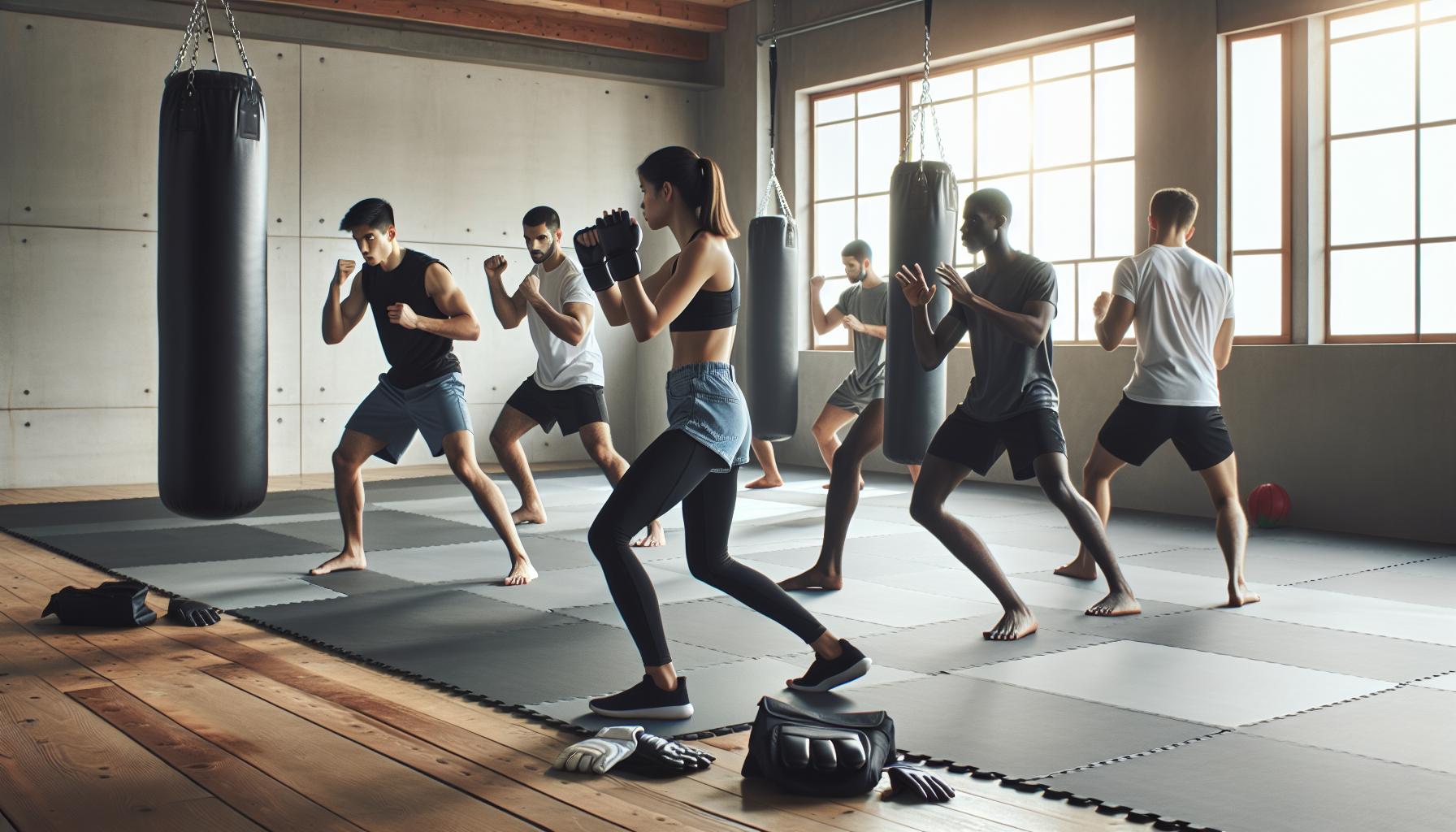
Training for Self Defense: What to Expect
As you embark on your journey to learn self-defense, it’s essential to know what to expect during your training. The right mindset is crucial-self-defense is not about aggression but about empowering yourself to safely navigate potential threats. Training will focus on both mental preparedness and physical techniques, blending them into a comprehensive approach to personal safety.
During your sessions, expect to engage in core practices that emphasize realistic scenarios. Most programs will encourage sparring and simulations that mimic real-life situations, allowing you to practice techniques under pressure. This kind of scenario training not only builds muscle memory but also conditions your mind to react effectively during an actual encounter. For instance, classes may incorporate drills that require quick decision-making, reinforcing the idea that avoiding violence through de-escalation is often the best choice.
Key Elements of Training
- Technique Mastery: You’ll learn fundamental self-defense techniques from various martial arts. Each has its strengths-Krav Maga focuses on quick, combative responses, while Brazilian Jiu-Jitsu emphasizes grappling and ground control.
- Fitness Training: Physical conditioning plays a significant role. Expect to improve your strength, flexibility, and endurance, all of which are vital for responding effectively in high-stress situations.
- Mental Resilience: Building confidence and mental toughness is integral. Your instructors will often discuss psychological preparedness, ensuring you can handle fear and stay focused if confronted.
- Legal Awareness: Understanding the legal aspects of self-defense is non-negotiable. A responsible program will cover the laws surrounding reasonable force, teaching you how to act within legal boundaries and navigate post-incident scenarios.
Remember, training in martial arts for self-defense is as much a commitment to self-improvement as it is about learning to protect yourself. You will find that your self-defense classes will challenge your physical abilities while simultaneously encouraging you to think critically about each encounter. Most importantly, they’ll teach you to prioritize de-escalation techniques whenever possible, fostering a sense of security and confidence that extends far beyond the dojo.
De-Escalation Techniques: Preventing Conflict
In high-pressure situations, the ability to quickly de-escalate potential conflicts can be as critical as any physical self-defense technique. Understanding that not every encounter needs to result in a confrontation is key to effective self-defense. De-escalation techniques, which focus on calming a situation rather than escalating it, can be your first line of defense. By prioritizing communication skills and awareness, you can often avoid physical altercations altogether.
A crucial aspect of de-escalation is mastering the art of verbal communication. Using a calm tone, maintaining a non-threatening posture, and choosing your words wisely can diffuse tension. For instance, if confronted, try to engage the aggressor in conversation, asking open-ended questions that require them to think rather than react impulsively. A simple, “How can we sort this out?” can redirect the focus from aggression to problem-solving. Active listening can also play a pivotal role-showing the other person that you understand their feelings can help lower their defenses.
One effective strategy is to maintain awareness of your environment and body language, as these can either escalate or calm a situation. Using non-verbal cues such as open stances, avoiding direct eye contact (which may be perceived as confrontational), and keeping your hands visible can all help in signaling that you are not a threat. Additionally, recognizing the signs of escalating anger can allow you to alter your approach before the situation deteriorates into physicality.
Moreover, it’s important to know when to disengage. If the situation escalates despite your attempts to calm it, or if you feel unsafe, seeking a safe escape route is the best option. Remember, self-defense isn’t just about fighting; it’s about making smart decisions to protect yourself and avoid unnecessary conflict. Practicing de-escalation techniques in role-play scenarios during martial arts training can prepare you for real-world encounters, enhancing your confidence and readiness to handle a variety of situations effectively.
Female Self Defense: Specialized Approaches
In today’s world, the need for self-defense skills has become increasingly vital, especially for women who often find themselves in vulnerable situations. Understanding specialized approaches to self-defense can equip women with the confidence and skills necessary to protect themselves effectively. Not all martial arts are created equal when it comes to addressing the unique challenges women may face; therefore, selecting the right discipline is crucial.
One effective option for women is Krav Maga, a martial art that focuses on practical self-defense techniques designed for real-world situations. It emphasizes awareness, prevention, and, when necessary, using simple yet effective techniques to counter attacks. Krav Maga training encourages practitioners to be assertive and to use their environment to their advantage. Techniques include targeting vulnerable areas of an attacker’s body, such as the eyes, throat, and groin, which can help level the playing field regardless of physical size or strength.
Another recommended discipline is Brazilian Jiu-Jitsu (BJJ), particularly beneficial for learning ground defense strategies. BJJ focuses on leverage and technique over brute strength, making it effective for smaller individuals to defend themselves against larger opponents. Women who train in BJJ learn to escape from disadvantageous positions and gain control over their attackers, which is crucial in scenarios where one might be taken to the ground.
It’s important to recognize that self-defense training should also incorporate situational awareness and de-escalation techniques. Women should be taught to recognize warning signs and potential threats early, allowing for proactive measures to avoid confrontation. Communication skills are equally essential; practicing assertive verbal responses can be a powerful tool in defusing potentially dangerous situations before they escalate.
Lastly, women pursuing self-defense training should also be informed of their legal rights concerning self-defense actions. Understanding the legal framework surrounding self-defense can empower them to make informed decisions about their actions in a confrontation. Always prioritize safety and ensure that any techniques learned are executed with the mindfulness of proportional response, emphasizing that self-defense is a last resort.
By approaching self-defense with the right mindset and training, women can significantly enhance their ability to protect themselves in various scenarios. Whether through Krav Maga, BJJ, or another discipline, the goal is to instill a sense of confidence that allows for both proactive measures and effective responses when necessary.
Community Support and Self Defense Resources
In today’s world, community support plays a crucial role in enhancing personal safety and self-defense skills. Building a network of like-minded individuals, organizations, and resources can empower individuals to feel more secure and prepared. Many local communities offer self-defense classes tailored to specific demographics, such as women, children, or seniors, providing a safer environment for learning essential skills. These programs often draw on recognized martial arts techniques, providing participants not only with physical self-defense skills but also with confidence and situational awareness.
Local Resources
Finding nearby classes or workshops is easier than ever, thanks to online platforms and community bulletins. Many martial arts dojos host self-defense seminars, and community centers often schedule regular classes. Joining local self-defense groups on social media can also offer insights into upcoming workshops and events. Local YMCAs and community colleges frequently provide accessible self-defense programs, making it simple for anyone to get started.
- Self-Defense Classes: Look for classes led by certified instructors who emphasize personal safety rather than aggression.
- Online Resources: Websites and YouTube channels that focus on self-defense can supplement in-class training, offering lessons in technique and situational awareness.
- Support Groups: Connecting with others who are learning self-defense can provide motivation and community, fostering a supportive environment.
Legal Considerations
Understanding the legal aspects of self-defense is vital. Many communities host workshops on self-defense laws, which can clarify what is considered acceptable force in various scenarios. Engaging with local law enforcement can also be beneficial; many departments offer advice and even training on self-defense tactics. Be aware that laws vary by state, so it’s crucial to educate yourself about your rights and responsibilities when it comes to self-defense actions.
By utilizing community resources, engaging with local experts, and remaining informed about legal rights, individuals can create a comprehensive approach to personal safety. This proactive strategy not only prepares individuals for potential confrontations but also fosters a supportive environment where everyone feels empowered to protect themselves.
Q&A
Q: What are the most effective martial arts for self-defense?
A: The most effective martial arts for self-defense often include Krav Maga, Brazilian Jiu-Jitsu (BJJ), Muay Thai, and Boxing. Each offers practical techniques suitable for real-life situations, focusing on striking, grappling, and self-defense strategies against various attack scenarios.
Q: How long does it take to learn self-defense techniques?
A: Learning basic self-defense techniques can take anywhere from a few weeks to a few months, depending on your dedication and the intensity of training. Regular practice and real-life scenario training enhance retention and skill.
Q: Can martial arts training improve confidence in self-defense situations?
A: Yes, martial arts training can significantly improve your confidence in self-defense situations. As you gain skills and knowledge, you’ll feel more prepared to handle potential confrontations, enhancing your self-awareness and assertiveness.
Q: Are there specific martial arts recommended for women’s self-defense?
A: Yes, martial arts like Krav Maga and Brazilian Jiu-Jitsu are often recommended for women’s self-defense, as they focus on real-world scenarios and leverage, making them effective for individuals regardless of size.
Q: What role does fitness play in self-defense training?
A: Fitness plays a crucial role in self-defense training. Improved strength, agility, and stamina enhance your ability to perform techniques effectively and maintain composure during stressful situations.
Q: How can self-defense be integrated with legal knowledge?
A: Integrating self-defense training with understanding legal knowledge is vital. Knowing your rights and the legal implications of self-defense actions can guide your response in a confrontation, ensuring actions are justified and lawful.
Q: What are common misconceptions about martial arts for self-defense?
A: A common misconception is that martial arts focus solely on fighting. In reality, many emphasize de-escalation, strategy, and personal safety, teaching students to avoid conflict and use techniques responsibly.
Q: How often should you train to be effective in self-defense?
A: To be effective in self-defense, aim for at least 2-3 training sessions per week. Consistent practice helps solidify techniques and builds muscle memory, essential for responding instinctively in real-life situations.
To Conclude
In choosing the best martial art for self-defense, remember that effectiveness relies not only on techniques but also on understanding legal boundaries and personal safety. The insights you’ve gained here will empower you to navigate real-world scenarios with confidence and responsibility. As you contemplate your next steps, consider exploring our detailed comparisons of Krav Maga and BJJ, or dive deeper into self-defense strategies tailored to your needs.
Don’t let uncertainty hold you back-take action today by signing up for our newsletter, where we share expert tips and resources to elevate your training. Your journey toward confidence and safety is just beginning. Share your thoughts in the comments below and connect with others who are passionate about self-defense. Together, let’s build a community that prioritizes safety, legality, and effective self-defense techniques. Your self-defense education starts now-explore more to empower yourself!