
Are you looking to enhance your fitness routine while building muscle? Krav Maga, a self-defense system renowned for its practical approach to real-world situations, offers a dynamic workout that not only teaches effective techniques but also improves physical conditioning. Engaging in Krav Maga training can lead to increased strength, improved flexibility, and a better metabolism, all essential for muscle growth and overall fitness. As you navigate through the demands of today’s stressful life, integrating Krav Maga into your regimen could be a transformative experience. With each session, you not only develop the skills necessary for self-defense but also cultivate confidence and resilience. This article delves into the muscle-building aspects of Krav Maga and other fitness benefits, revealing how this martial art can empower you both physically and mentally. Continue reading to discover how you can achieve your fitness goals while learning invaluable self-defense skills.
Understanding Krav Maga: A Muscle-Building Perspective
The dynamic nature of Krav Maga training offers a unique approach to muscle building that diverges from traditional weightlifting and bodybuilding regimes. While Krav Maga is predominantly recognized for its self-defense techniques, it also serves as an effective muscle-building exercise through functional movements and high-intensity drills. During training, practitioners engage their entire body, which helps develop both strength and agility. This form of training incorporates various exercises, like punching, kicking, and body-weight conditioning, that not only activate multiple muscle groups but also improve core stability and endurance.
One of the core benefits of Krav Maga is its emphasis on high-intensity interval training (HIIT). HIIT engages participants in short bursts of vigorous activity followed by brief rest periods, which can contribute to muscle hypertrophy when performed consistently. Moreover, the versatility of Krav Maga allows for adaptability in training methods, meaning individuals can tailor workouts to target specific muscle groups effectively. For instance, skills like striking and grappling naturally encourage muscle engagement across the arms, chest, legs, and core, promoting balanced physical development.
The combat-based scenario training of Krav Maga simulates real-life encounters, demanding explosive power and strength from its practitioners. As a result, this martial art not only builds muscle but also enhances functional strength relevant to everyday situations. Unlike traditional weightlifting, which may isolate specific muscle groups, Krav Maga promotes overall muscle development and functional fitness. It teaches how to move effectively under pressure, thus enhancing physical conditioning while fostering mental resilience, which is critical in self-defense situations.
In summary, while Krav Maga training is not solely focused on muscle growth, it provides numerous benefits that contribute to overall fitness and muscle development. Practitioners can expect to tone and strengthen their bodies while gaining valuable self-defense skills. By consistently participating in Krav Maga sessions, individuals can achieve a balanced workout that promotes both muscular and cardiovascular health, thus improving their overall physical capabilities.
The Core Principles of Krav Maga Training
Training in Krav Maga is not just about mastering self-defense techniques; it’s rooted in principles that emphasize personal safety, physical fitness, and psychological resilience. This martial art focuses on practical combat scenarios, making it particularly relevant for those who want to build muscle while equipping themselves with effective self-defense skills. Understanding these core principles can help practitioners enhance their training experience and maximize their fitness benefits.
One of the foundational aspects of Krav Maga is its functional movement patterns. Unlike traditional strength training, which often isolates specific muscle groups, Krav Maga encourages exercises that engage multiple muscle groups simultaneously. This multi-dimensional approach improves overall coordination and functional strength, enabling practitioners to perform complex maneuvers under duress. For instance, techniques such as striking, grappling, and defensive movements require the use of the arms, legs, and core, culminating in a full-body workout that builds both muscle and agility.
Additionally, the principle of high-intensity training is integral to Krav Maga. Many sessions incorporate high-intensity interval training (HIIT), consisting of short bursts of intense activity followed by brief recovery periods. This method is highly effective not only for cardiovascular fitness but also for promoting muscle hypertrophy. Practitioners quickly learn to adapt their physical conditioning to the demands of different scenarios, which translates into both improved strength and endurance.
Moreover, Krav Maga places a strong emphasis on mental preparedness. Training involves facing realistic threats and practicing responses that require quick thinking and effective action. This focus on both physical and psychological readiness enhances not just the body but also the mind. Participants learn to manage stress effectively, which is vital for real-life confrontations. This psychological aspect is crucial when discussing self-defense, as awareness and mental resilience are key components of being able to defend oneself effectively and ethically.
In conclusion, create a comprehensive framework that builds muscular strength, endurance, and mental fortitude. By focusing on functional movements, high-intensity training, and readiness to face real-world scenarios, practitioners can develop a well-rounded fitness profile that fortifies their bodies and empowers their minds, all while preparing for potential self-defense situations with a responsible approach.
Does Krav Maga Promote Muscle Growth?
Training in Krav Maga is not only a means of self-defense but also an effective method for promoting muscle growth. Through a combination of dynamic movements and resistance training principles, practitioners engage in exercises that challenge various muscle groups, contributing to overall muscular development. Because Krav Maga incorporates functional movements, such as strikes, grappling, and defensive techniques, it enables users to build lean muscle mass while simultaneously improving agility and strength.
The emphasis on high-intensity training within Krav Maga sessions plays a crucial role in muscle hypertrophy. Many workouts consist of short bursts of intense activity followed by brief recovery periods, a practice known as High-Intensity Interval Training (HIIT). This method not only boosts cardiovascular fitness but also effectively stimulates muscle growth. As the body adapts to the rigorous demands of the training, practitioners often experience significant increases in strength, which can translate into improved performance in both self-defense scenarios and everyday activities.
Moreover, Krav Maga’s focus on multiple muscle engagements rather than isolated training leads to greater overall muscle efficiency. Unlike traditional weightlifting that may focus on isolated movements, Krav Maga encourages the body to work as a cohesive unit. For example, a simple punch engages the shoulder, core, and legs, ensuring a full-body workout that builds strength in a functional manner. This type of training not only contributes to muscle development but also enhances coordination and balance, critical components for effective self-defense.
In summary, Krav Maga promotes muscle growth through its comprehensive training methodology that prioritizes functional movements, high-intensity workouts, and strategic muscle engagement. By participating in Krav Maga, individuals not only achieve a well-toned physique but also develop the strength and resilience necessary to address real-world challenges effectively.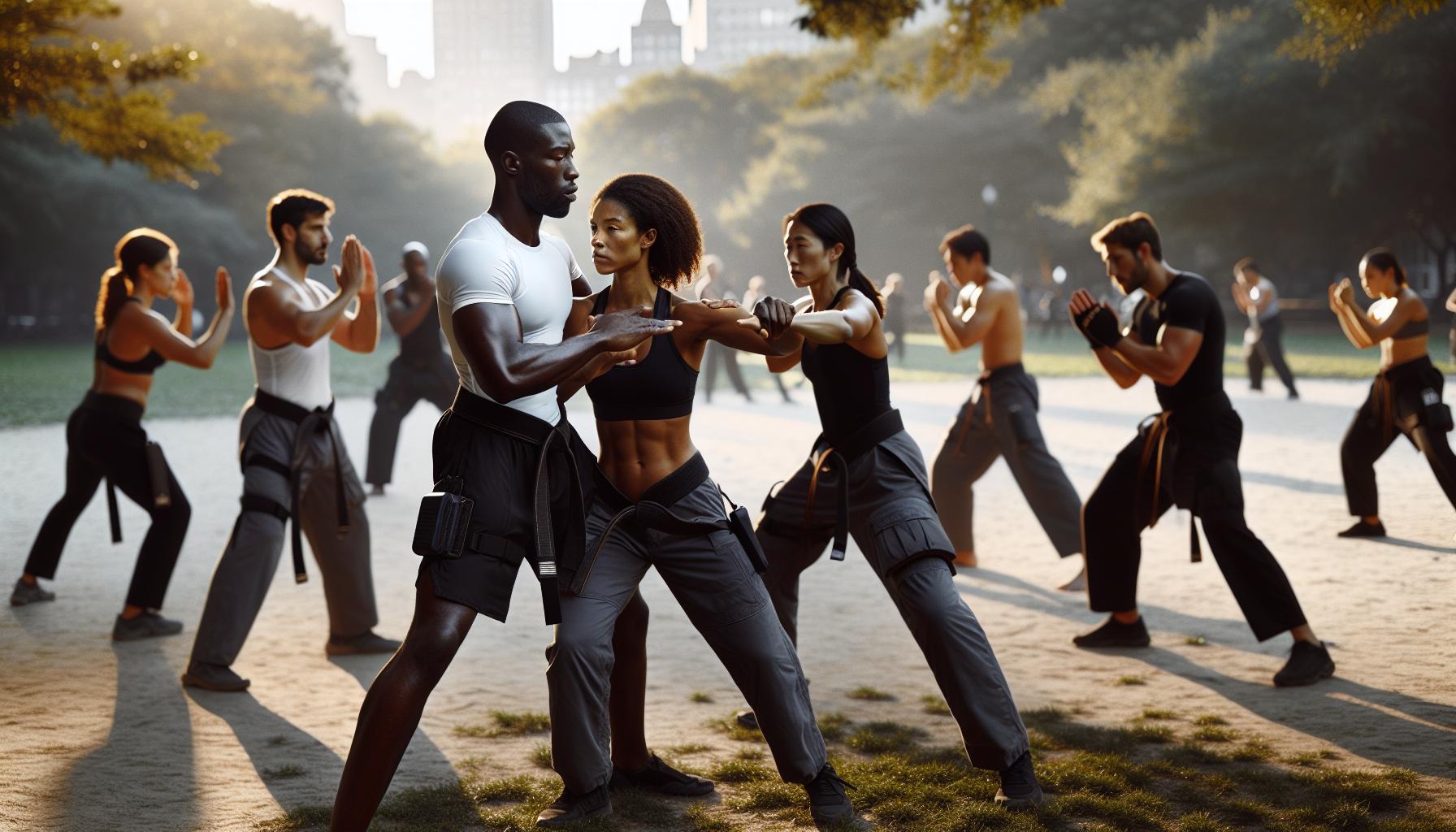
Fitness Benefits Beyond Muscle: Krav Maga Insights
Engaging in Krav Maga offers a plethora of fitness benefits that extend far beyond just muscle growth. While developing strength and muscle tone is a key aspect of the training, it is essential to recognize how this martial art transforms overall health and fitness in other significant ways. Participants not only gain physical advantages but also mental resilience and practical self-defense skills that can enhance everyday life.
One valuable benefit of Krav Maga is its emphasis on cardiovascular fitness. The integration of high-intensity drills and interval training places a substantial demand on the cardiovascular system, promoting heart health and increasing endurance. This conditioning not only improves overall stamina but also helps maintain a healthy weight, as the body burns calories efficiently during intense sessions. Studies have shown that participants can burn a significant number of calories in a single class, contributing to effective weight management and overall fitness improvement.
Moreover, Krav Maga boosts mental acuity and confidence. The focus on situational awareness and quick decision-making drills cultivates a sense of readiness and alertness. Practitioners often report increased confidence in their ability to handle both physical confrontations and stressful situations outside training, which can lead to a more assertive approach in daily life. This transformation extends beyond mere self-defense; it fosters a mindset that values personal safety and preparedness.
On a practical level, Krav Maga equips individuals with self-defense skills that can be applied in real-life situations. Unlike traditional weightlifting, which primarily focuses on muscle isolation, Krav Maga teaches functional movements that mimic real-world scenarios, ensuring that practitioners are prepared to respond effectively when necessary. This training emphasizes de-escalation techniques and proportional response, guiding students to prioritize safety and legality while empowering them to protect themselves.
In summary, engaging with Krav Maga provides comprehensive fitness benefits, including enhanced cardiovascular health, increased mental resilience, and practical self-defense skills, all of which contribute to a healthier, more confident lifestyle. These elements underscore the holistic approach of Krav Maga, making it an ideal choice for those looking to improve their physical condition while gaining valuable self-defense capabilities.
How Krav Maga Improves Overall Fitness Levels
Engaging in Krav Maga dramatically enhances overall fitness levels through a holistic approach that encompasses strength, endurance, flexibility, and mental resilience. Unlike conventional workouts that often focus on isolated muscle groups, Krav Maga incorporates compound movements that challenge multiple muscle groups simultaneously. This method not only builds functional strength but also improves coordination and balance, essential skills for effective self-defense. As practitioners learn to perform techniques that mimic real-life scenarios, their bodies adapt to the demands of these movements, promoting an increase in overall fitness.
High-intensity interval training (HIIT) is a core component of Krav Maga sessions, helping to elevate heart rates and maximize caloric burn. Each class typically includes vigorous drills, sparring, and scenario-based training that engage both the cardiovascular and muscular systems. Reports indicate that individuals can burn upwards of 500 calories in just one hour of training, significantly contributing to weight loss and fat reduction. This calorie deficit not only aids in weight management but also fosters lean muscle development as participants frequently switch between high-energy techniques and strength-focused exercises.
Building Mental Strength
Krav Maga is not just about physicality; it equally emphasizes mental conditioning. Practitioners develop increased focus, quick reflexes, and situational awareness through rigorous training. This mental training is crucial, as it cultivates a mindset geared towards personal safety and decision-making under pressure. By navigating high-stress scenarios during practice, students learn to respond calmly and effectively, skills that translate into improved self-confidence and resilience in everyday situations.
In addition to physical and mental benefits, Krav Maga fosters a supportive community atmosphere. This environment encourages accountability and motivation among students, promoting a culture of fitness and personal growth. When individuals train together, they push each other to achieve their goals, which can lead to higher retention rates and a sustained commitment to fitness. As a result, regular participants not only experience an elevation in their physical capabilities but also build friendships and a support network that fosters continued progress in their fitness journeys.
Caloric Burn: How Krav Maga Affects Weight Loss
Krav Maga workouts are an intense blend of high-energy drills and realistic self-defense techniques, offering significant caloric burn that can facilitate weight loss. Many practitioners can burn upwards of 500 calories in just a single hour, demonstrating how effective these sessions are for shedding unwanted fat. This caloric expenditure is achieved through various activities such as sparring, explosive movements, and scenario-based training that elevate heart rates and push your body to its limits.
One of the primary benefits of Krav Maga is its use of High-Intensity Interval Training (HIIT), which combines short, intense bursts of activity with brief recovery periods. This method not only maximizes calorie burn during the workout but also continues to burn calories post-exercise due to the excess post-exercise oxygen consumption (EPOC) effect. EPOC refers to the increased rate of oxygen intake following strenuous activity, which helps the body to recover and significantly boosts overall caloric expenditure.
When engaging in Krav Maga, practitioners alternate between high-energy techniques-like striking and defensive maneuvers-and strength-focused drills, creating a workout that challenges multiple muscle groups simultaneously. This variety helps to keep metabolism elevated, promoting fat loss while encouraging lean muscle development. In addition to the physical benefits, the mental resilience gained through regular training can support long-term commitment to a fitness regimen, ultimately leading to sustained weight management over time.
For those looking to enhance their weight loss journey, incorporating consistent Krav Maga classes into their routine can yield impressive results. Balancing intense training with a healthy diet and adequate rest is essential to maximizing these benefits. By continually pushing through physical and mental barriers, practitioners not only improve their fitness levels but also cultivate a strong mindset toward achieving their health goals.
Strength vs. Endurance: What Krav Maga Offers
In the realm of fitness, the debate between strength and endurance often leads to a myriad of training methodologies, each with its own unique advantages. Krav Maga, a self-defense system renowned for its practicality and effectiveness, embodies a hybrid approach that caters to both strength and endurance, making it an ideal choice for those looking to enhance their physical capabilities while learning vital self-defense skills.
Krav Maga workouts are inherently dynamic, incorporating high-intensity drills that build both muscular strength and aerobic endurance. Practitioners engage in a variety of exercises that not only develop explosive power through techniques such as striking and grappling but also improve cardiovascular health through sustained high-energy activity. This multifaceted training promotes muscle recruitment across different muscle groups while simultaneously enhancing the body’s capacity to endure prolonged physical exertion. For instance, during a typical class, participants may go from performing push-ups and squat kicks to engaging in fast-paced sparring sessions, all designed to push their limits and enhance overall fitness.
The differentiation between strength and endurance in Krav Maga can be seen in how training techniques are structured. Strength-focused exercises often emphasize controlled movements with added resistance, aimed at building muscle mass and power. In contrast, endurance training in Krav Maga prioritizes longer sequences of movements meant to sustain heart rate and conditioning over time. Practitioners can expect to improve their muscle tone and definition, while simultaneously boosting their stamina and recovery times. This balance creates a well-rounded physical conditioning program, enabling individuals to excel not only in self-defense situations but in general fitness pursuits.
Ultimately, Krav Maga’s strength versus endurance approach reflects a holistic fitness philosophy that caters to diverse physical needs. Whether you’re aiming to increase your strength for personal empowerment or build endurance for heightened resilience in challenging situations, practicing Krav Maga can fortify both aspects effectively. As with any training regimen, combining this practice with proper nutrition and rest will amplify the benefits, ensuring that practitioners achieve their fitness goals while cultivating confidence in their self-defense capabilities.
Real-Life Applications: Strengthening Your Body and Mind
Engaging in Krav Maga not only equips practitioners with vital self-defense skills but also significantly enhances both physical fitness and mental resilience. The practical applications of this martial art extend beyond mere strength training; they contribute to a holistic approach that strengthens your body and mind while preparing you for real-life situations. Krav Maga emphasizes techniques that require not only physical prowess but also critical thinking and emotional stability under stress, which are invaluable in high-pressure scenarios.
Through rigorous training, individuals learn to respond to threats efficiently and effectively, which can translate to greater confidence in everyday life. For instance, practitioners often simulate realistic confrontations that require quick decision-making, teaching them to assess situations and respond appropriately. This training nurtures an understanding of legal and ethical considerations surrounding self-defense, ensuring that practitioners know the importance of proportional response and de-escalation tactics. As practitioners train, they not only gain physical strength but also develop mental fortitude-learning to maintain composure in the face of fear or aggression.
Moreover, the fitness benefits of Krav Maga are substantial. The diverse range of movements, including striking, grappling, and conditioning drills, enhances muscle tone and overall body composition. Practitioners often experience improved core strength, balance, and coordination, which translate into better performance in both self-defense and daily activities. This enhanced physical capability fosters a sense of empowerment and reduces feelings of vulnerability, further bolstering mental resilience.
In addition to self-defense, the lessons learned from Krav Maga carry significant weight in everyday life scenarios. The discipline training teaches respect for oneself and others, reinforcing the notion that true strength lies in the ability to resolve conflicts without resorting to violence. As practitioners understand the seriousness of confrontations, they become more adept at recognizing potential threats and employing preventive measures. Krav Maga ultimately provides a framework not just for physical training, but for building a strong, capable individual ready to face the challenges of life.
Krav Maga Techniques: Building Functional Strength
Krav Maga techniques are uniquely designed to build functional strength, enhancing not only muscle but also agility and responsiveness in real-world situations. Unlike traditional weightlifting, which often isolates muscle groups, Krav Maga integrates combat movements that require coordinated efforts from multiple muscles simultaneously. This interplay fosters a type of strength that is practical and applicable in daily and defensive scenarios, making it an effective training regimen for those seeking both fitness and self-defense proficiency.
Dynamic Movements for Everyday Strength
Krav Maga employs a range of dynamic movements that mimic the demands of real-life altercations. Techniques involve striking, grappling, and defensive maneuvers that engage core stabilizers and promote functional mobility. For instance, executing a punch or performing a knee strike activates not only the upper body but also the legs and core, thereby encouraging overall muscle development. This multi-muscle engagement not only enhances strength but also amplifies endurance and cardiovascular fitness, which are vital when faced with physical confrontations.
Some key techniques that help build functional strength include:
- Striking Techniques: Practicing punches, kicks, and elbows develops upper body power and footwork, while ensuring practitioners maintain a strong, balanced posture.
- Grappling Movements: Techniques like escapes and holds require a combination of strength and flexibility, which can significantly improve muscle control and coordination.
- Ground Defense: Training on the ground teaches leverage and body mechanics, promoting a deeper understanding of balance and strength application against an opponent.
The Role of High-Intensity Training
Krav Maga inherently incorporates principles of High-Intensity Interval Training (HIIT), alternating between short bursts of intense effort followed by brief recovery periods. This approach not only enhances muscle growth but also maximizes fat loss and increases aerobic capacity. As practitioners engage in drills that require rapid bursts of energy and immediate recovery, they develop muscle fibers that are not only stronger but more resilient, preparing them for both athletic and everyday challenges.
When combined with the understanding of legal engagement laws, practitioners are not just building muscle but are also training their minds to assess situations critically and act within ethical boundaries. The physical intensity of training, while demanding, should always be approached with an awareness of one’s personal limits and the legal ramifications of self-defense actions. Practitioners learn to de-escalate when possible, emphasizing that true strength lies in restraint and awareness rather than aggression.
Incorporating these techniques into your routine does more than build muscle; it cultivates a balanced, capable individual ready to face various challenges-both physical and mental. As practitioners hone their skills, the functional strength developed through Krav Maga becomes evident, equipping them not only with physical prowess but also with the confidence necessary to navigate life’s complexities safely.
Comparison: Krav Maga vs. Traditional Weightlifting
When considering the fitness landscape, many individuals find themselves weighing the effectiveness of Krav Maga against traditional weightlifting. Each method has its distinct advantages, but they cater to different goals and preferences. While weightlifting is often viewed as the cornerstone of muscle building through hypertrophy-focused training, Krav Maga offers a dynamic approach that emphasizes functional strength and self-defense capabilities.
Unlike traditional lifting, where the primary goal often revolves around isolating and hypertrophying specific muscle groups through repetitive sets, Krav Maga blends strength training with aerobic conditioning and practical self-defense skills. The combat-centric movements engage multiple muscle groups simultaneously, fostering a more holistic approach to strength development. For instance, executing a punch or kick not only enhances upper body strength but also engages your core and legs, promoting muscle tone and functional flexibility. This multi-faceted training enhances not only physical capability but also agility and endurance, critical aspects during actual physical confrontations.
Holistic Strength vs. Isolated Muscle Building
Krav Maga’s integration of High-Intensity Interval Training (HIIT) principles means practitioners are constantly in motion, shifting between various defensive and offensive techniques. This not only builds muscle but significantly boosts cardiovascular health and overall stamina, making the workout efficient for those seeking both fitness and self-defense skills. In contrast, weightlifting typically focuses on controlled movements and specific muscle isolation, which can lead to significant strength gains but may not translate directly to real-world functionality or agility.
While Krav Maga prepares individuals for unpredictable scenarios, it does introduce considerations regarding safety and the legal implications of self-defense. Practitioners learn not only to engage physically but also to assess situations critically, emphasizing de-escalation and understanding the legal boundaries of their actions. This aspect of training empowers individuals with knowledge that extends beyond mere physical strength, equipping them to handle various confrontations with responsibility and restraint.
In sum, choosing between Krav Maga and traditional weightlifting largely depends on personal fitness goals. For those seeking a multifaceted workout that improves functional strength, aerobic capacity, and self-defense skills, Krav Maga provides a compelling option. In contrast, traditional weightlifting is better suited for individuals primarily focused on muscle mass, strength enhancements, and targeted body sculpting. Ultimately, integrating elements from both can offer a comprehensive fitness regime that maximizes strength and resilience, preparing individuals for a variety of life challenges.
Injury Prevention: Safeguarding Your Body While Training
Injury prevention is a critical aspect of Krav Maga training, ensuring that practitioners can reap the full benefits of their workouts without succumbing to common injuries associated with high-intensity physical activity. Given the dynamic and diverse movements involved in Krav Maga, adopting effective safety measures is paramount. It’s essential to approach training with a mindset geared toward injury prevention while also recognizing the importance of proper technique and listening to one’s body.
One of the most effective strategies to prevent injuries is to warm up thoroughly before each session. A comprehensive warm-up routine that includes dynamic stretches and light cardio can prepare your muscles and joints for the demands of training. This not only improves flexibility but also enhances overall performance during drills. Practitioners should incorporate movements that mimic the kicks, punches, and defensive maneuvers learned in class to ensure the body is primed for action.
In addition to warming up, practicing techniques with a focus on form rather than speed or power is crucial. Poor technique is one of the leading causes of injury in martial arts. Take the time to master each movement with the guidance of a qualified instructor, ensuring that your body mechanics are sound. Whether you’re executing a roundhouse kick or a defensive maneuver, maintaining proper alignment can mitigate the risk of sprains, strains, and other injuries.
Equally important is allowing adequate recovery time. Engaging in high-intensity training without sufficient rest can lead to overuse injuries, particularly in muscles and joints that are heavily relied upon during training. Schedule regular rest days, and pay attention to any signs of fatigue or discomfort. If pain persists, seeking medical advice is crucial to prevent more serious injuries.
Lastly, consider training in a controlled environment with proper safety gear. Utilizing padded equipment can help absorb impact during sparring or striking drills, protecting against bruises and abrasions. Always practice sparring with partners of similar skill levels to reduce the emphasis on power and increase the focus on technique. This cooperative approach promotes a safer training experience for everyone involved.
By incorporating these injury prevention strategies, Krav Maga practitioners can enhance their training effectiveness while safeguarding their physical well-being. Remember, training is a marathon, not a sprint; prioritizing safety today will prepare you for the challenges of tomorrow.
Finding the Right Krav Maga Program for You
Choosing the right Krav Maga program is essential for maximizing your fitness gains and ensuring a safe training experience. With various styles and instructors available, it can be challenging to identify which program aligns with your personal goals, fitness level, and training needs. The right fit will not only help you build muscle but can also improve your overall self-defense skills and physical condition.
When evaluating programs, consider the following key factors:
Instructor Qualifications
It’s vital to train under experienced, certified instructors who are knowledgeable in Krav Maga techniques and safety protocols. Look for instructors with a reputable background in martial arts and those who prioritize the legal and ethical use of force. A good instructor should foster an environment where students feel empowered yet informed about the gravity of physical confrontations.
Class Structure and Focus
Different programs may emphasize various aspects of Krav Maga, such as self-defense techniques, fitness conditioning, or competitive sparring. If your goal is primarily muscle building, seek out programs that incorporate strength-building drills alongside traditional techniques. Classes focusing on High-Intensity Interval Training (HIIT) combined with Krav Maga can enhance muscle growth while improving cardiovascular fitness [[1]](https://www.urbanfitandfearless.com/2023/08/krav-maga-fitness-workout-for-strength-cardio-weight-loss.html).
Environment and Culture
The training environment should be welcoming and supportive. A healthy culture is vital, where students of all skill levels feel comfortable participating and asking questions. A toxic atmosphere can hinder your progress and willingness to engage in stressful training situations. Attend a drop-in class if possible to gauge the overall vibe and the camaraderie among practitioners.
Trial Classes
Taking advantage of trial classes can be invaluable in your search. Observing or participating in a class will give you firsthand experience of the techniques taught, class intensity, and instructor style. Use this opportunity to express any specific goals you have, like muscle building or self-defense readiness, and gauge how the instructor can cater to your needs.
In summary, the choice of a Krav Maga program can significantly impact your fitness journey and mastery of self-defense maneuvers. Prioritize instructor qualifications, class structure, training culture, and trial opportunities to ensure a conducive learning environment that aligns with your fitness aspirations. Balancing effectiveness with ethical considerations will set a strong foundation for your Krav Maga practice, enhancing both your physical fitness and personal safety.
Q&A
Q: How does Krav Maga contribute to muscle building?
A: Krav Maga can contribute to muscle building through intense body-weight exercises like push-ups, squats, and lunges. These movements engage multiple muscle groups, promoting functional strength and endurance. Training sessions often include high-intensity drills that challenge your muscles, leading to improved muscle definition over time. For more insights, see the section on Does Krav Maga Promote Muscle Growth?.
Q: Can I lose weight while building muscle with Krav Maga?
A: Yes, Krav Maga is effective for losing weight while building muscle. The training incorporates high-intensity interval training (HIIT), which burns calories and stimulates muscle growth simultaneously. This combination helps in fat loss while preserving lean muscle mass, creating a balanced fitness approach. For detailed information, refer to the section on Caloric Burn: How Krav Maga Affects Weight Loss.
Q: What are the differences between Krav Maga and traditional weightlifting for muscle gain?
A: Krav Maga focuses on functional strength, incorporating real-life self-defense with body-weight exercises, while traditional weightlifting isolates specific muscle groups. Both build muscle but serve different purposes; Krav Maga enhances agility and practical skills, whereas weightlifting emphasizes muscle mass. Check out the section Comparison: Krav Maga vs. Traditional Weightlifting for deeper insights.
Q: Is Krav Maga suitable for beginners looking to gain muscle?
A: Absolutely! Krav Maga is accessible to beginners and offers scalable workouts that cater to various fitness levels. Beginners can start with modified exercises, gradually increasing intensity as they build strength and confidence. For comprehensive guidance, visit Finding the Right Krav Maga Program for You.
Q: How often should I practice Krav Maga to see muscle-building results?
A: To see effective muscle-building results, practice Krav Maga at least 2-3 times per week. Consistency is key in any fitness program, and regular training enhances muscle adaptation and development. For optimal outcomes, combine your training with a balanced diet tailored for muscle growth.
Q: Does Krav Maga training provide cardiovascular benefits alongside muscle gain?
A: Yes, Krav Maga significantly improves cardiovascular fitness as it includes high-energy drills and aerobic exercises. This dual approach ensures that while you build muscle, you’re also enhancing your overall endurance and heart health. For more benefits, refer to the section Fitness Benefits Beyond Muscle: Krav Maga Insights.
Q: What nutritional support is recommended for muscle building with Krav Maga?
A: A protein-rich diet is essential for muscle building while training in Krav Maga. Aim for lean meats, legumes, and dairy, along with complex carbohydrates for sustained energy. Staying hydrated and consuming nutritious snacks post-training will also support muscle recovery.
Q: How can I prevent injuries while training in Krav Maga for muscle growth?
A: To prevent injuries, it’s vital to use proper technique and gradually increase intensity. Incorporate rest days and listen to your body. Participating in a qualified Krav Maga program ensures guidance from instructors on safety practices. Explore Injury Prevention: Safeguarding Your Body While Training for additional strategies.
The Way Forward
As we’ve explored, Krav Maga offers more than just self-defense skills; it’s a powerful way to build muscle and enhance your overall fitness. By combining effective techniques with intense physical training, you can improve strength, endurance, and flexibility. If you’re ready to experience these benefits for yourself, don’t wait! Start your journey today and consider signing up for a class or our comprehensive workout programs like those at Krav Maga Fitness KM Fitness or Krav Maga NOVA.
Feeling hesitant? It’s normal! Rest assured, our expert trainers prioritize safety and legal responsibility while guiding you through each step. If you’re interested in learning more about the differences between self-defense styles or the legal aspects of self-defense, check out our articles on Krav Maga vs. BJJ and Self-Defense Laws. Join our community and subscribe to our newsletter for tips, updates, and special offers. Your journey towards empowerment starts now-take the first step and get in shape while learning to protect yourself!
Get our latest guides, news, and insights highlighted in your Google Search & AI Overviews.