Krav Maga, originally developed for military and law enforcement, is increasingly being adopted by civilians seeking effective self-defense training. Yet, there is a significant difference in how these techniques are taught depending on the audience. Understanding these distinctions is crucial for anyone looking to empower themselves through self-defense while being aware of the ethical and legal implications involved. As threats in our daily lives evolve, so too must our strategies for personal safety. This exploration will not only highlight the differences between military-style Krav Maga and civilian training but also ensure that you are equipped with the knowledge to make informed decisions about your self-defense journey. Continue reading to discover how these variations affect training methodologies and outcomes, ensuring that you approach self-defense with the seriousness and responsibility it deserves.
Understanding Krav Maga: Origins and Principles
Krav Maga, originally developed for the Israeli Defense Forces, is a martial art that has evolved into a comprehensive self-defense system for civilians. Its origins are rooted in practical, instinctive fighting techniques designed for real-world situations, emphasizing efficiency and effectiveness over elegance. What sets Krav Maga apart is its focus on situational awareness, de-escalation, and a mentality that better prepares practitioners for unexpected encounters. The principles behind Krav Maga highlight that self-defense is not just about physical confrontation; it embodies a mindset that prioritizes safety, awareness, and smart responses to threats.
One of the core tenets of Krav Maga is the principle of proportional response. This means the level of force used in self-defense should correspond to the level of threat faced. For civilians, understanding the legal implications of their actions is crucial. In many jurisdictions, excessive force can lead to significant legal consequences, reinforcing the importance of non-violent conflict resolution wherever possible. A key focus in civilian training is the development of awareness and avoidance strategies that can prevent physical encounters.
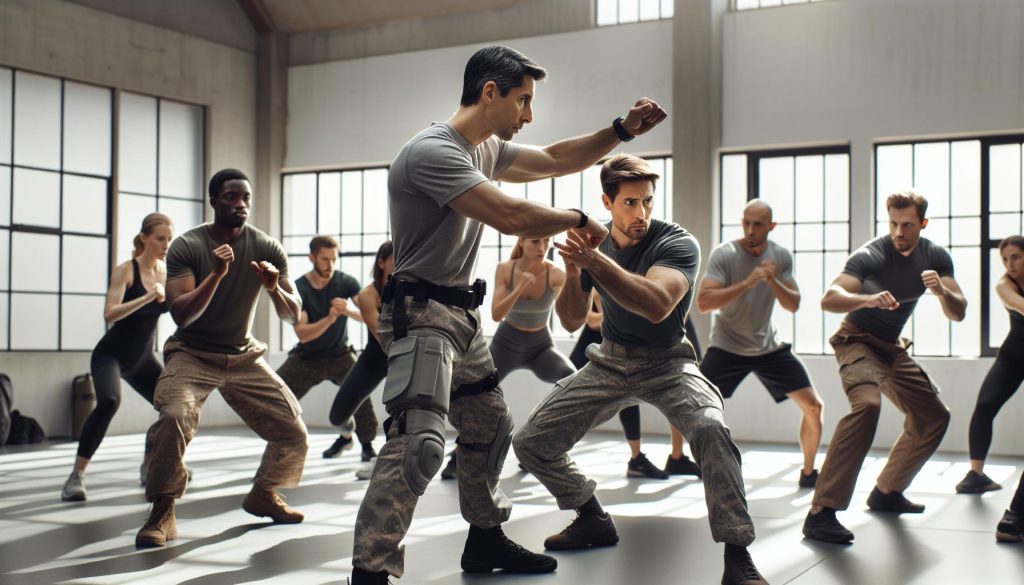
The differences between military and civilian Krav Maga training are significant. Military practitioners train in high-pressure environments that simulate combat scenarios, preparing them for life-or-death situations. In contrast, civilians are taught techniques suitable for personal safety in everyday situations, with stress management and avoidance being highlighted as vital skills. Techniques are adapted to ensure that civilians can effectively defend themselves without the rigorous demands of military training. This includes learning how to recognize potential threats and utilizing quick, effective defensive maneuvers that are justifiable and legally sound.
Training also emphasizes the ethical use of force, urging students to assess situations accurately before engaging. Resources such as specialized safety protocols guide civilians on best practices during training and encounters, reinforcing a responsible approach to self-defense. As awareness of personal safety continues to grow, Krav Maga serves not only as a means of physical protection but as a tool for empowerment, equipping individuals with the tools to navigate today’s complex social landscape with confidence and prudence.
The Basics of Military vs. Civilian Krav Maga
In the realm of self-defense, understanding the nuances between military and civilian Krav Maga is crucial for anyone looking to train effectively and responsibly. Military Krav Maga is designed for high-pressure combat scenarios, instilling practitioners with skills needed in life-or-death situations where the stakes are incredibly high. This approach focuses on realistic training techniques that prepare soldiers for the unpredictability of real combat, with an emphasis on rapid decision-making under stress.
Conversely, civilian Krav Maga takes a different approach, tailoring techniques to everyday self-defense situations that individuals may encounter in daily life. Civilians receive training that prioritizes safety, conflict avoidance, and legal implications of using force. The curriculum involves techniques that are effective yet justifiable, teaching students how to assess threats accurately and respond with proportional force. This emphasis on ethical considerations means that civilians learn to avoid escalation whenever possible. Effective de-escalation techniques, situational awareness, and the legal ramifications of self-defense maneuvers are all integral components of civilian training.
Moreover, while military trainees often engage in rigorous sparring and realistic scenario drills that simulate battlefield conditions, civilians typically focus on techniques that can be performed under less extreme circumstances. Training sessions may include drills that enhance awareness and rapid response skills, rather than the grueling physical conditioning found in military environments. Civilian schools often incorporate practical defense techniques suitable for various real-world scenarios, from street assaults to domestic threats, ensuring that training remains relevant to everyday concerns.
In summary, while there are foundational similarities between military and civilian Krav Maga, the variations in focus and training environment reflect the differing objectives of each group. For civilians, the core aim is to empower individuals with self-defense skills that are effective, ethical, and legally sound-preparing them for potential threats without compromising their safety or moral integrity. Ultimately, understanding these differences is key for anyone considering entering the world of Krav Maga training.
Key Differences in Training Environments
In the world of self-defense training, the environment in which one practices can significantly affect the skills acquired and the mindset developed. Military Krav Maga is typically characterized by high-intensity environments, often replicating the chaos of real battlefields. Training scenarios are designed to push participants to their limits, focusing on aggressive responses and survival instincts. In these settings, trainees might engage in drills that place them in seemingly impossible situations, fostering an ability to react instinctively under immense pressure. The emphasis is on developing skills necessary for life-threatening situations, which can lead to a more aggressive approach to self-defense.
In contrast, civilian Krav Maga training prioritizes safety, situational awareness, and the legal implications of self-defense actions. The training space is designed to ease the psychological burden of confrontation, allowing civilians to learn techniques that are not only effective but also ethically and legally justifiable. Instructors often emphasize de-escalation tactics and conflict avoidance, teaching participants to recognize threats and respond in ways that minimize the risk to themselves and others. This focus helps to cultivate a mindset that values cautious decision-making over aggressive reactions, equipping civilians to handle everyday threats while maintaining moral integrity.
Furthermore, the physical conditioning and sparring methods used in training differ markedly between military and civilian contexts. Military environments might incorporate elements such as rigorous physical fitness regimes and intense sparring under high-stress situations, preparing soldiers for the unpredictability of combat. On the other hand, civilian classes often tailor their drills to be more approachable and relevant, focusing on practical scenarios such as confronting an aggressor in a street setting or dealing with verbal threats effectively. This approach ensures that civilians can learn to protect themselves in realistic, non-life-threatening situations.
Understanding these key differences is crucial not only for choosing the right training program but also for aligning one’s self-defense goals with the appropriate training environment. Whether one is a civilian looking to bolster personal safety or a member of the military seeking to refine combat readiness, the choice of training context can significantly influence the effectiveness and applicability of the skills learned.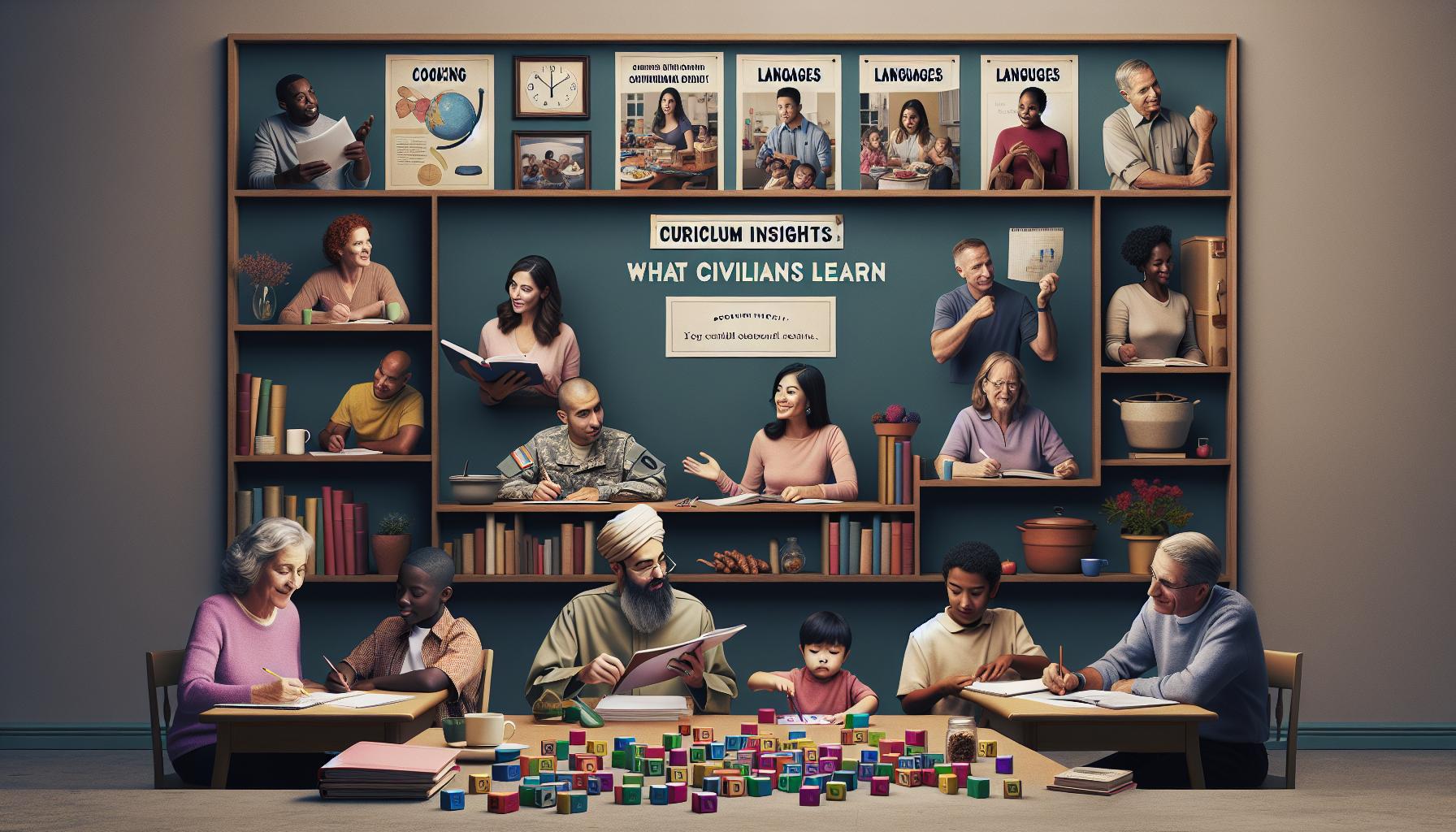
Curriculum Insights: What Civilians Learn
In civilian Krav Maga training, participants are taught practical and effective self-defense techniques that are directly applicable to real-life situations. The curriculum is meticulously designed to prioritize safety, legal considerations, and ethical use of force. Unlike military Krav Maga, which may delve into combat readiness and aggression, the civilian curriculum emphasizes de-escalation strategies and awareness, equipping individuals with the skills to avoid physical confrontations wherever possible.
Civilians typically learn a range of techniques, including striking, grappling, and defenses against various types of attacks. For instance, they are trained to handle situations involving common threats such as chokes, grabs, and strikes while incorporating methods to safely disengage from potentially dangerous interactions. A significant component of this training involves mental preparation, where students are encouraged to assess threats and make quick decisions that prioritize their safety and that of others. This respectful approach acknowledges the trauma that can accompany violent encounters and emphasizes responsible action over reaction.
Key areas of focus include:
- Situational Awareness: Participants learn to recognize signs of aggression and assess their environment to identify potential threats before they escalate.
- Legal Implications: Training includes education on self-defense laws relevant to each individual’s region, ensuring that students understand the legal boundaries of their actions.
- De-escalation Techniques: Instructors teach strategies to defuse conflicts verbally when possible, fostering a mindset that values communication over confrontation.
- Physical Techniques: Civilian training covers practical self-defense moves tailored for real-world scenarios, including how to escape holds and counteract attacks effectively.
By concentrating on these elements, civilian Krav Maga training promotes a well-rounded approach to self-defense that avoids glorifying violence. Instead, it aims to empower individuals through confidence-building exercises that instill a sense of responsibility and ethical thinking in every potential conflict. This balanced approach not only prepares students for the realities of self-defense but also ensures they are equipped to navigate the complexities of legal and moral considerations.
Techniques Unique to Military Krav Maga
Military Krav Maga training is tailored to meet the demands of combat readiness and survival in high-pressure environments. One of the key differences from civilian training is the emphasis on techniques that address armed and multiple attackers, as well as tactics suited for battlefield scenarios. This specialized training often includes advanced scenarios that require quick decision-making and the ability to handle unpredictable threats.
In military settings, practitioners are trained to use their environment to their advantage, which may include employing improvised weapons or utilizing everyday objects in a self-defense context. Training often focuses on instinctive responses to immediate danger, ensuring that soldiers can react effectively without hesitation. This can involve close-combat techniques designed to neutralize an aggressor swiftly, reflecting the underlying principle that survival may depend on quick and decisive action.
Unique Techniques in Military Krav Maga
- Disarming Techniques: Military Krav Maga includes comprehensive training on disarming an assailant armed with firearms or knives, focusing on redirecting the weapon’s force and gaining control.
- Ground Defense: Techniques are adapted to handle assaults that occur while on the ground, emphasizing escapes and counters that reduce vulnerability in such situations.
- Situational Tactics: Training often incorporates terrain awareness, enabling soldiers to use their surroundings strategically, such as utilizing cover and concealment during engagement.
- Team Tactics: Unlike civilian training, which often focuses on individual self-defense, military instruction includes coordinated maneuvers with fellow soldiers to manage threats from multiple attackers.
While these techniques are designed for high-stress combat situations, they do not glorify violence. Instead, they instill the importance of ethical considerations, even amidst chaos. Soldiers are reminded that every defensive action must align with legal and moral standards. Understanding the profound legal implications of their responses is critical; soldiers are trained to think critically about the consequences of their actions, especially in combat situations.
Military Krav Maga empowers participants with the skills needed to effectively protect themselves while imparting a deep awareness of the responsibilities that come with such knowledge. This training not only prepares them for physical confrontation but also reinforces the necessity of minimizing harm and making judicious choices during critical moments.
Safety Protocols in Civilian Training
Safety in civilian Krav Maga training is paramount, as it lays the foundation for responsible self-defense practices. Unlike military training, which often prepares individuals for high-stakes combat scenarios, civilian courses focus on effective self-defense while minimizing the risk of injury to both practitioners and their potential assailants. Central to this approach are established safety protocols that prioritize the health and well-being of students during training.
To maintain a safe training environment, instructors often implement specific rules and guidelines. For instance, students are typically required to wear appropriate protective gear, such as handwraps, shin guards, and mouthguards, to reduce the likelihood of injury during practice. Class structures are carefully organized to ensure controlled sparring sessions, where techniques are practiced at a pace that allows for skill development without excessive force. Instructors emphasize the importance of communication among students, promoting a culture where asking for clarification and expressing discomfort is encouraged.
Alongside physical safety measures, understanding the legal implications of self-defense is crucial. Civilian practitioners learn not only how to defend themselves but also the legal limits of their actions during an encounter. Techniques taught are not designed for aggression or escalation; rather, students are trained in de-escalation strategies and proportional responses to potential threats. This guideline ensures that practitioners are prepared to react effectively while remaining compliant with local laws regarding self-defense.
Lastly, ethical considerations play a vital role in civilian training. Practitioners are reminded that self-defense should always be a last resort, and actions must be taken with the intent to minimize harm. By fostering an environment of respect, awareness, and responsibility, civilian Krav Maga training equips individuals with the skills they need to protect themselves while instilling a profound sense of ethical engagement with their self-defense knowledge.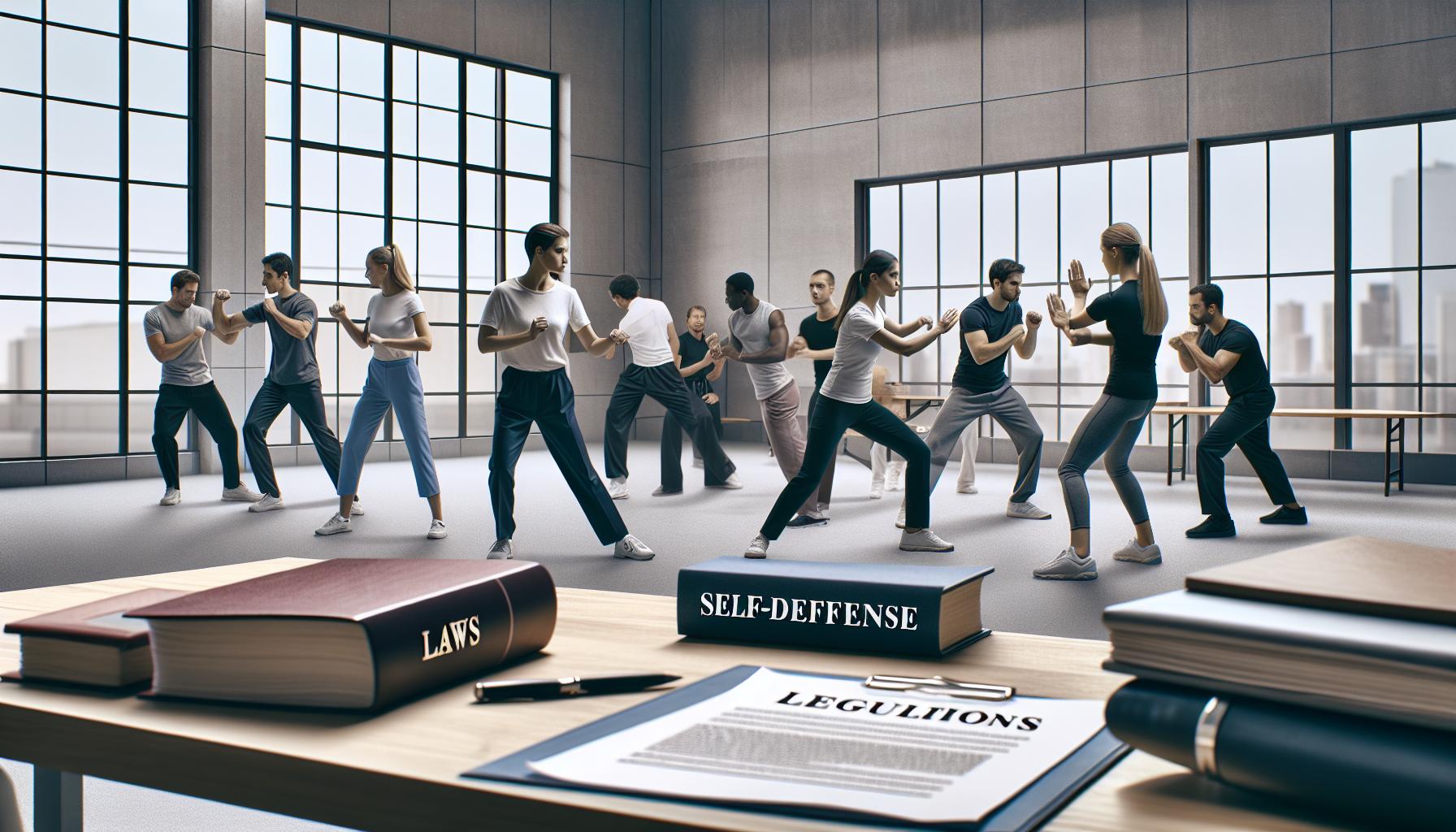
Legal Considerations in Self-Defense Training
Self-defense isn’t just about physical techniques; understanding the legal framework surrounding these actions is equally essential. In a self-defense scenario, the legality of your response can hinge on various factors, including the perceived threat, the level of force used, and local laws regarding self-defense. Practitioners must grasp the principle that self-defense actions should be proportionate to the threat faced. Overstepping these legal boundaries may lead to severe consequences, including criminal charges or civil lawsuits.
Civilians training in Krav Maga not only learn effective techniques but also become familiar with self-defense laws in their jurisdiction. For instance, many states operate under “stand your ground” or “duty to retreat” laws, which dictate whether a person is required to avoid confrontation before resorting to force. Understanding these nuances can significantly influence how individuals prepare for potential encounters. To mitigate legal risks during a confrontation, instructors should emphasize de-escalation tactics that prioritize avoiding physical altercations whenever possible.
Furthermore, instructors often guide students in the importance of post-incident procedures. In the event of a self-defense encounter, it is critical to contact law enforcement and legal representation immediately. Individuals are advised not to discuss the incident until they have consulted a lawyer, as initial statements can be exaggerated or misinterpreted by law enforcement or opposing attorneys.
Teaching comprehensively about these legal responsibilities equips civilians with the tools to navigate real-world confrontations safely and ethically. Practitioners are encouraged to focus on maintaining a clear mindset during altercations and to remember that self-defense is meant to protect oneself from harm, not to seek retaliation or aggression. This careful balancing of self-defense tactics and legal knowledge fosters responsible and informed practitioners who are prepared for the weight their actions carry.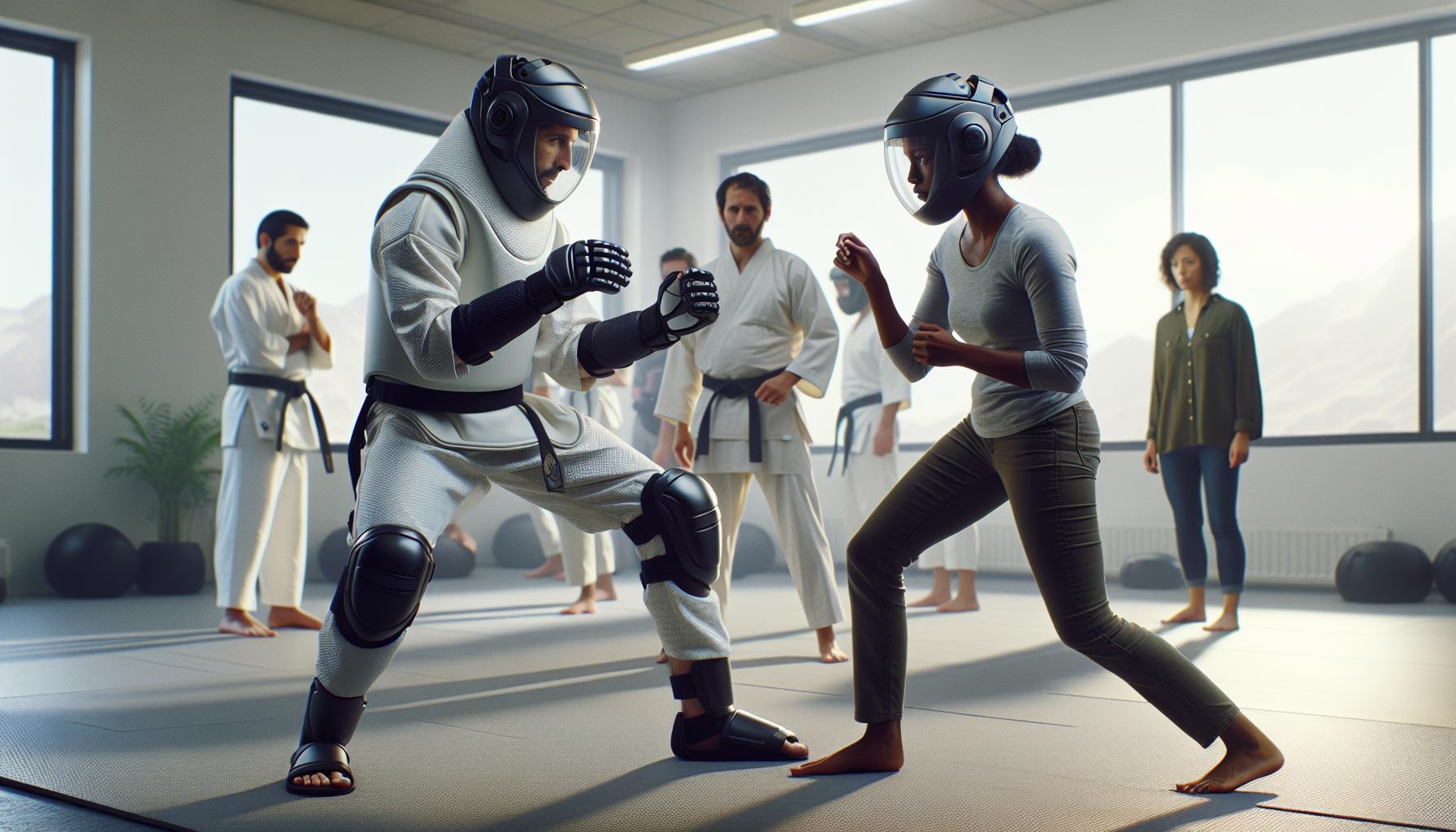
The Role of Sparring and Simulation
Incorporating sparring and simulation into Krav Maga training is essential for developing the skills necessary to respond effectively in a real-life self-defense situation. Unlike traditional martial arts, which often prioritize forms and controlled techniques, Krav Maga emphasizes realistic scenarios and the need to adapt quickly under pressure. By engaging in controlled sparring sessions, students experience the chaos and unpredictability of an actual encounter, allowing them to practice techniques in a dynamic environment. This approach can significantly bolster an individual’s reaction time and decision-making abilities when faced with a potential threat.
Understanding the Impact of Sparring
Sparring serves several crucial functions in Krav Maga training. It helps practitioners understand distance management, timing, and the efficacy of techniques against a resisting opponent. This hands-on experience is invaluable, as it bridges the gap between theoretical knowledge and practical application. For civilians, sparring is not only about building physical skills; it’s also about cultivating mental resilience. Participants learn to maintain composure in high-stress situations, which is critical for responding appropriately and proportionately in self-defense scenarios.
Additionally, sparring helps highlight the importance of legal and ethical considerations in defensive situations. When students engage in simulated confrontations, instructors often introduce elements such as verbal de-escalation techniques. This aspect teaches civilians that avoiding physical confrontation is ideal, and if a situation escalates, their priority should always be to neutralize the threat with the least amount of force necessary.
Simulations: Preparing for the Unexpected
Simulations go beyond sparring, often incorporating various scenarios that reflect real-world situations. This might include practicing responses to surprise attacks, multiple aggressors, or armed assailants. By placing students in these realistic contexts, they can better understand the unpredictable nature of conflicts. For instance, a common simulation might focus on escaping from being grabbed or dealing with an attacker wielding a weapon, reinforcing the principle of safety first and emphasizing the swift exit over prolonged engagement.
To ensure that simulations are both effective and safe, instructors should implement strict safety protocols and emphasize the legal ramifications of using force. By doing so, they empower students to not only defend themselves but also to think critically about their responses, thus fostering responsible and informed practitioners who grasp the profound weight of their actions in tense situations.
In summary, sparring and simulations are indispensable components of Krav Maga training that effectively prepare civilians for potential self-defense scenarios. They encourage adaptability, enhance skills, and instill the importance of ethical decision-making within the context of personal safety.
Focus Areas: Striking, Grappling, and Weapons
In the realm of self-defense, understanding the focus areas of striking, grappling, and weapon defense is essential for civilians learning Krav Maga, particularly when comparing military and civilian training. Each element plays a crucial role in developing a well-rounded skill set for protection against varied threats. However, the approach and intensity differ significantly between military and civilian practitioners.
Striking Techniques
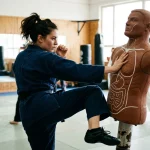
Civilian Krav Maga emphasizes effective striking to neutralize threats swiftly. Techniques such as punches, kicks, and knee strikes are taught with an emphasis on targeting vulnerable areas like the eyes, throat, and groin. The goal is to create openings for escape, not to engage in prolonged confrontation. The striking curriculum focuses on speed and efficacy, helping civilians respond quickly during real-world encounters. Private lessons often cater to individuals with different proficiency levels, ensuring everyone learns at a comfortable pace without feeling overwhelmed.
Grappling Skills
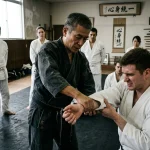
While striking is pivotal, grappling also plays an essential role in self-defense, particularly when the confrontation goes to close quarters. Civilians learn techniques to escape holds or bear hugs, which are common in physical altercations. The principle of “base and space” guides these techniques, allowing individuals to create distance and regain control. For instance, drills might include getting out of headlocks or wrist grabs, reflecting real-life scenarios where strong holds may be encountered. The aim is to equip civilians not just to defend but to escape safely and effectively.
Weapon Defense
Weapon defense training in civilian Krav Maga differs from military methods, which may involve high-risk scenarios. Civilian instruction prioritizes practical and realistic techniques for handling threats from knives, guns, or stick assaults. Students learn to disarm an attacker or redirect their force, focusing on maintaining personal safety first and foremost. Legal considerations during weapon encounters are crucial; civilians must understand the laws in their state regarding self-defense and the use of force. Structured lessons often include role-play scenarios where students can practice these techniques in a controlled environment, stressing that avoiding confrontation is always the preferable option.
In conclusion, while military Krav Maga training may delve deeper into more aggressive tactics and bear a different intensity, civilian training is designed for immediate applicability. It prepares individuals for essential self-defense situations while incorporating physical, legal, and ethical aspects. Understanding these focus areas is key to developing confidence and competence, empowering civilians to protect themselves while navigating the complexities of self-defense laws.
How to Choose the Right Krav Maga School
Finding the right Krav Maga school can be a transformative decision for those seeking effective self-defense training. Not all schools emphasize the same principles or teaching styles, and understanding your specific needs is crucial. Here are several key factors to consider to ensure you choose the most suitable training environment.
Assess Credentials and Experience
Look for schools with certified instructors who have substantial experience in both Krav Maga and teaching self-defense. Check their backgrounds, which may include military or law enforcement experience, as well as training in civilian Krav Maga. Certification from reputable organizations, such as the International Krav Maga Federation (IKMF) or other recognized bodies, can be a strong indicator of quality instruction.
Understanding Curriculum Focus
Krav Maga training varies significantly between military and civilian contexts. Ensure the curriculum offered at the school is designed with civilian needs in mind, focusing on realistic self-defense scenarios, de-escalation techniques, and legal aspects of self-defense. Ask about class content, particularly the emphasis on striking, grappling, and weapon defenses, to determine if it aligns with your self-defense goals.
Trial Classes and Community Atmosphere
Take advantage of trial classes to get a feel for the training environment and the instructors’ teaching styles. Pay attention to how they promote safety and respect among students of varying skill levels. A supportive atmosphere fosters learning, especially for new practitioners who may feel intimidated. Communicate openly with instructors about your expectations and any concerns regarding safety and legal issues.
Reputation and Reviews
Research the school’s reputation through online reviews or by seeking feedback from current or former students. Look for comments on the effectiveness of the training, instructor engagement, class size, and safety measures. Word-of-mouth recommendations can also provide insight into the school’s culture and success stories of students who have effectively used their training in real life.
Overall, choosing the right Krav Maga school hinges on finding a balance between quality instruction, supportive community, and a curriculum tailored to civilian self-defense needs. It’s crucial to approach this decision with the seriousness it deserves, prioritizing your safety and the development of skills that can empower you in real-world situations.
Success Stories: Civilians Who Defended Themselves
Many individuals have transformed their lives through Krav Maga training, equipping themselves with the skills necessary to effectively handle potentially dangerous situations. These success stories highlight not only the effectiveness of Krav Maga but also the profound impact it can have on personal confidence and security.
One inspiring example is that of Sarah, a young woman who faced an attempted mugging in her neighborhood. Utilizing techniques learned in her civilian Krav Maga classes, she was able to employ effective self-defense maneuvers, enabling her to escape the situation unharmed. Sarah credits her training for giving her the mental and physical resilience to act decisively in a moment of fear. She emphasizes that understanding how to de-escalate confrontation plays a crucial role in survival, showcasing the importance of Krav Maga not just as a physical discipline, but as a way to cultivate a mindset geared toward safety and awareness.
Another poignant story comes from John, a father who trained in Krav Maga to protect his family. During a break-in, John was able to neutralize the threat effectively without engaging in unnecessary violence. He recalls how his training stressed the legal implications of self-defense and the necessity for proportional responses. John’s experience highlights the importance of understanding self-defense laws, which can vary by state and are pivotal in determining the legality of defensive actions. He advocates for awareness of one’s surroundings and the ability to react appropriately, illustrating that the ultimate goal of Krav Maga is not merely to fight but to stay safe and diffuse danger when possible.
These stories are not just about physical prowess but emphasize the ethical considerations of self-defense. Both Sarah and John embody the principles taught in Krav Maga: prioritize de-escalation and act only when necessary. Training allows civilians to approach potentially harmful situations with a critical mindset, making informed decisions that seek to minimize harm to themselves and others. Each success story reaffirms that Krav Maga is an effective tool for empowerment, providing individuals with the skills and knowledge to transform fear into confidence while navigating real-world challenges.
Future of Krav Maga in Civilian Self-Defense
The landscape of civilian self-defense continues to evolve, particularly through the lens of Krav Maga, a system originally designed for military applications. As more civilians engage in self-defense training, the future of Krav Maga promises to enhance personal security and awareness across diverse populations.
As training becomes increasingly accessible and more tailored to civilian contexts, instructors are emphasizing techniques that specifically address everyday scenarios. This includes not only physical defense but also mental preparedness and de-escalation strategies. Such an approach allows practitioners to cultivate a personal safety mindset, equipping them to handle potentially dangerous situations without unnecessary confrontation. Awareness of surroundings, understanding social dynamics, and effective communication are now integral components of civilian Krav Maga training.
Additionally, the role of technology in self-defense training is gaining traction. Many schools are beginning to employ tools such as video analysis and virtual reality simulations. These advancements enable trainees to practice techniques in realistic yet controlled environments. This innovative training method offers civilians a chance to experience high-stress situations, preparing them more effectively for real-life encounters while reinforcing the importance of proportional response and ethical use of force.
Another significant trend is the focus on community engagement and awareness. As self-defense programs expand into more diverse neighborhoods, instructors are working to bridge the gap between martial arts training and community safety. This collaborative approach not only provides individuals with skills to protect themselves but also fosters a greater sense of collective responsibility and vigilance within communities.
With Krav Maga’s adaptability and continuing evolution, there is a promising avenue for civilians to gain confidence and competence in self-defense. The key lies in focusing not only on techniques but also on the ethical implications and legal responsibilities of using such skills in real-life encounters. Training in a way that balances empowerment with caution can help individuals navigate dangers while prioritizing safety and responsible behavior in any situation.
FAQ
Q: What is Military Style Krav Maga?
A: Military Style Krav Maga focuses on combat scenarios and strategies used by the military, emphasizing aggression and effectiveness. It includes techniques designed for life-threatening situations. In contrast, civilian Krav Maga approaches self-defense with a focus on escape and safety, prioritizing de-escalation and legal considerations.
Q: How does civilian Krav Maga training differ from military techniques?
A: Civilian Krav Maga is tailored for real-world self-defense situations, focusing on personal safety and conflict resolution. Military Krav Maga may involve more aggressive tactics suited for combat. Training environments also differ, with civilian classes emphasizing safety and control versus military training’s intensity [1].
Q: Are civilians trained to use weapons in Krav Maga?
A: Yes, civilian Krav Maga includes weapon defense techniques. However, these are taught within a legal framework to ensure safety and responsibility. Military Krav Maga may train more extensively on offensive weapons usage, while civilians focus on defense and avoidance [3].
Q: What safety protocols are in place for civilian Krav Maga training?
A: Civilian Krav Maga classes implement strict safety protocols, including controlled sparring and protective gear. These measures are designed to prevent injuries and ensure an environment conducive to learning self-defense effectively while minimizing risks [3].
Q: Can civilians learn similar self-defense techniques as military personnel?
A: Civilian Krav Maga teaches many self-defense techniques found in military methods but tailors them for practical use in daily life. The focus is on enabling individuals to escape threats rather than engage in combat [2].
Q: What mental preparation is included in civilian Krav Maga training?
A: Civilian Krav Maga incorporates mental self-defense strategies, teaching students how to stay calm, assess situations, and make decisions about when to escape rather than confront. This mental component is crucial in real-life self-defense scenarios [2].
Q: Are there age restrictions for civilian Krav Maga training?
A: Typically, there are no strict age restrictions for civilian Krav Maga, but schools often have specific classes for different age groups. It’s essential to check with local instructors for tailored training suitable for various ages and skill levels [1].
Q: How can I determine if a Krav Maga school focuses on civilian or military training?
A: To assess a Krav Maga school’s focus, inquire about their curriculum and philosophy. Schools specializing in civilian training will highlight self-defense, de-escalation, and safety, contrasting with one emphasizing combat readiness and military tactics [3].
Wrapping Up
Understanding the differences between military and civilian Krav Maga training is crucial for anyone considering self-defense options. While both forms prioritize effectiveness and safety, civilians learn techniques tailored for real-life scenarios, emphasizing personal safety and de-escalation. If you’re looking to enhance your skills, now’s the time! Check out our detailed guide on Krav Maga vs. BJJ for further analysis, or dive into essential self-defense techniques to build your confidence.
Don’t forget to subscribe for more insights and resources designed to empower you in self-defense. Whether you’re considering training or seeking to understand your options better, we’re here to help you every step of the way. Your safety is the priority, so take action today-explore our training courses and begin your journey toward personal empowerment and security. Share your thoughts in the comments below, and let’s keep the conversation going!
Get our latest guides, news, and insights highlighted in your Google Search & AI Overviews.