In self-defense, knowing how to leverage pressure points can significantly enhance your effectiveness in a high-stress situation. Krav Maga, a martial art renowned for its practical approach, indeed teaches techniques that target vulnerable areas of the body. These vital targeting techniques can incapacitate an attacker quickly, providing you with a crucial advantage.
For those concerned about personal safety, understanding how to apply these techniques ethically and legally is paramount. As you explore the intricacies of pressure points in Krav Maga, you’ll learn not just the mechanics of these methods but also the importance of de-escalation and proportional response in real-world scenarios. This knowledge can empower you to act decisively and responsibly if confronted with a threat. Delving into this topic will uncover not only the technical aspects of pressure points but also equip you with the mindset necessary for effective self-defense.
Understanding Pressure Points in Krav Maga Techniques
Pressure points are critical components of Krav Maga techniques, serving as strategic targets that can disrupt an opponent’s balance, incapacitate them momentarily, or create an opportunity for escape. Understanding how these points operate not only enhances effectiveness in self-defense situations but also promotes responsible use of force. In Krav Maga, pressure points are not merely arbitrary; they are based on human anatomy and physiology, highlighting areas where the body’s nerves, muscles, and joints can be utilized against an aggressor.
Krav Maga emphasizes the importance of targeting specific areas such as the eyes, throat, solar plexus, and joints. Strikes to these zones can quickly incapacitate an attacker, allowing a defender to create distance and evade further conflict. The beauty of pressure point techniques lies in their versatility; practitioners can employ them regardless of size or physical strength, leveling the playing field in a confrontation. This is especially crucial in real-world scenarios where size disparities exist between opponents.
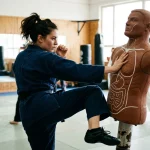
One unique aspect of Krav Maga is its focus on realistic training environments, where practitioners learn to apply pressure point techniques under stress. This training prepares individuals to remain calm and focused during confrontations, enhancing their ability to respond effectively and minimize escalation. Moreover, understanding the legal implications of using force against someone is foundational, as all self-defense actions must be proportionate and justifiable.
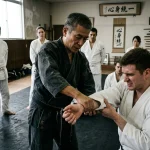
Incorporating pressure point training into your regimen not only builds confidence but also instills an awareness of self-defense principles. Practicing with an experienced instructor ensures that you learn proper techniques and their application in various situations, including potential legal ramifications. As you train, remember that the ultimate goal of Krav Maga is not to glorify violence, but to equip you with the skills needed to protect yourself and de-escalate potentially dangerous encounters.
The Anatomy of Pressure Points: What You Need to Know
Understanding the human body’s response to targeted strikes is crucial in effective self-defense training. Pressure points are defined as specific areas on the body that, when struck or manipulated, can induce pain, incapacitation, or a temporary disorientation of the opponent. In Krav Maga, these points are strategically selected based on anatomy, making them highly effective for self-defense.
Krav Maga practitioners learn to identify and utilize key pressure points such as the eyes, throat, solar plexus, and various joints. Each of these areas has unique neurological and physiological properties that can lead to significant effects on an attacker. For instance, a swift strike to the throat can disrupt breathing, while targeting the solar plexus can momentarily wind an opponent, creating an opportunity for escape.
Key Pressure Points in Krav Maga
Recognizing the following pressure points can enhance one’s self-defense strategy:
- Eyes: A well-pla
How Krav Maga Utilizes Pressure Points for Self-Defense
To effectively safeguard oneself in potentially dangerous situations, understanding how to utilize pressure points within Krav Maga is essential. This self-defense system uniquely integrates the body’s vulnerabilities into practical techniques aimed at neutralizing an attacker swiftly, employing tactics that emphasize efficiency and real-world applicability.
Krav Maga instructs practitioners on recognizing and exploiting various pressure points, which can symbolize the difference between successfully defending against an aggressor or suffering serious harm. The eyes, throat, solar plexus, and joints are among the critical areas targeted during a confrontation. For instance, a strategic jab to the throat can disrupt breathing and immediately incapacitate an assailant, while a focused strike to the solar plexus can temporarily wind them, buying essential time to escape or regroup.
In real-life scenarios, the pressure points targeted in Krav Maga emphasize not only pain but also psychological dissuasion. The aim is to create a swift exit from a violent scenario rather than prolonged engagement. For example, during a street altercation, using these targeted techniques can render an assailant unable to continue their aggression without escalating the situation unnecessarily. Understanding how to deploy such techniques with precision and without excessive force underscores the importance of proportional response and the ethical responsibility to disengage safely.
Instructors emphasize the significance of training in controlled environments to improve reaction times and ensure that these techniques can be executed effectively under pressure. Mastery comes not only from physical practice but also from understanding the legal implications of self-defense actions. Practitioners are encouraged to familiarize themselves with local laws surrounding self-defense to ensure that their response remains within justified limits, thus promoting a responsible and informed approach to personal safety.
Key Differences: Krav Maga vs. Traditional Martial Arts
The effectiveness of Krav Maga in self-defense scenarios is particularly pronounced when compared to traditional martial arts. One fundamental difference lies in the degree of emphasis each discipline places on practical application and real-world situations. While traditional martial arts often focus on forms, katas, and points-based competitions, Krav Maga is uniquely designed to equip practitioners with skills for immediate and effective self-defense.
Krav Maga employs a no-nonsense approach, prioritizing survival over sport. Techniques are crafted around the most vulnerable areas of the human body-pressure points such as the eyes, throat, and solar plexus. These targeting methods are not just theoretical but are integrated into training that simulates real-life threats, preparing individuals for the chaos of an actual confrontation. In contrast, many traditional martial arts may focus on striking and grappling techniques that require a longer engagement, often neglecting the critical need for a quick resolution.
Furthermore, the instructional philosophy in Krav Maga emphasizes instinctive responses, reducing the complexity of techniques so that they can be executed under stress. Practitioners learn to react decisively, focusing on techniques that maximize impact with minimal effort. In comparison, traditional martial arts often involve complex movements and a deep understanding of principles and mechanics, which can take years to master. This difference highlights the importance of training methods that align with the dynamics of unexpected violence.
Understanding the legal aspects of self-defense is another vital distinction. Krav Maga instructors consistently incorporate discussions about the ethical use of force and legal ramifications into their classes. This reflects a commitment to responsible self-defense that is often less emphasized in traditional martial arts, where the focus may be more on the sport or art itself rather than the legal obligations and potential consequences of physical confrontation. The goal is not just to incapacitate an attacker but to do so in a manner that respects the law and promotes the ethical use of force.
In summary, while both Krav Maga and traditional martial arts offer valuable self-defense skills, the practical approach, immediate applicability, and emphasis on legal and ethical considerations in Krav Maga make it a distinctive and often more suitable choice for individuals seeking effective self-defense solutions.

Essential Targeting Techniques for Effective Self-Defense
In any self-defense situation, knowing where to strike can make all the difference. Krav Maga focuses heavily on targeting pressure points-specific areas of the body that can incapacitate an opponent quickly and effectively. These techniques emphasize not just the physical act of defending oneself but also understanding the human anatomy to maximize impact while minimizing risk to the practitioner and the attacker. Pressure points can include vulnerable areas such as the eyes, throat, solar plexus, kneecaps, and groin, each serving as a key target for disruption in an assault.
Effectively utilizing these techniques in real-world scenarios involves understanding how to strike with intention and precision. For example, aiming for the eyes can temporarily blind an aggressor or create an opening for an escape. A swift jab to the throat can disrupt breathing and deter further aggression. Additionally, striking the solar plexus can incapacitate an assailant by affecting their ability to bre
Real-World Scenarios: Applying Pressure Points in Defense
In self-defense situations, the strategic application of pressure points can be crucial, often turning the tide in your favor when faced with aggression. Krav Maga is designed for real-world encounters, emphasizing not just striking but the effective targeting of specific vulnerable areas on the body-these are your pressure points. Understanding how to correctly apply these techniques in actual confrontations can provide a significant advantage.
When dealing with an assailant, consider scenarios such as being grabbed from behind. In this case, targeting the eyes with a quick strike can create an opportunity to escape. Another common situation is when you are confronted face-to-face; a sharp jab to the throat can momentarily incapacitate the attacker, allowing you to flee or follow up with additional defensive moves. Striking directly to the solar plexus can severely affect an aggressor’s ability to catch their breath, which may help you gain crucial seconds to disengage or reposition yourself for further defense.
It’s essential to approach these techniques with a responsible mindset, balancing effectiveness with ethical considerations. Understand the legal implications of using force in self-defense; a reaction must be proportional to the threat faced. Scenarios vary widely, and what might be a justified response in one situation could be deemed excessive or unlawful in another. Therefore, being trained not only in the physical techniques but also in the legal and ethical nuances of self-defense is vital.
Preparation through practice is key. Regular training in simulated situations will help reinforce your responses, ensuring that your reactions become instinctive during an actual encounter. This includes practicing how to maintain calmness under pressure, focus on your target, and apply pressure effectively while being aware of your surroundings and exit routes. Developing adaptability in various environments will further enhance your self-defense capabilities, ensuring you remain composed and decisive if you ever need to defend yourself.
Safety Protocols: Legal and Ethical Considerations
In any self-defense scenario, understanding the legal and ethical implications of using force is crucial. Using pressure points as a means of self-defense in Krav Maga may be effective, but it also carries significant responsibilities. The principle of proportionality must always guide your actions; the force you use in response to an attack should be appropriate to the level of threat you face. Striking an assailant in a vulnerable area, such as the throat or solar plexus, may be justified under immediate threat. However, using excessive force can lead to legal consequences, including criminal charges or civil litigation.
Legal Considerations
Different jurisdictions have varying laws regarding self-defense. Familiarize yourself with local statutes, as what might be acceptable in one area could be deemed excessive in another. For example, the “Stand Your Ground” laws allow individuals to use force without retreat in certain situations, while in other regions, you may be required to attempt de-escalation or escape first. Additionally, documenting the circumstances surrounding an incident can support your legal standing later, showing that your response was a necessary reaction to imminent danger.
Ethical Implications
Ethically, the use of force should prioritize avoiding harm whenever possible. In Krav Maga training, instructors often emphasize de-escalation strategies, highlighting the importance of diffusing a situation before resorting to physical confrontation. Being aware of surroundings and non-verbal cues can help in identifying opportunities to retreat or disengage. Understand that self-defense is not about winning a fight but about protecting oneself and getting to safety.
In real-world scenarios, keeping a clear mind during an encounter is essential. Under stress, the instinctive reaction may be to strike first and ask questions later. Regular training can equip you with the skills to maintain composure, assess the situation accurately, and act within legal and ethical boundaries. Remember that the ultimate goal of self-defense is personal safety, not retribution. Prioritizing your safety while respecting the legal limits of your actions ensures that you remain empowered and responsible in potentially dangerous situations.
Training Methods for Mastering Pressure Points
Mastering pressure points in Krav Maga requires a blend of focused training, anatomical knowledge, and practical application. The effectiveness of pressure point techniques hinges not only on the physical act of applying pressure but also on understanding the underlying principles that govern human anatomy and psychology. Engaging in regular drills, sparring sessions, and dedicated practice of pressure point strikes can enhance muscle memory and reaction times, crucial for self-defense situations.
Focused Drills
Drills designed specifically around pressure points are essential for mastery. Students should practice targeting sensitive areas such as the throat, eyes, and solar plexus under controlled conditions. Start with slow, deliberate movements to ensure precise placement and pressure application, gradually increasing intensity as proficiency grows. Incorporate the following methods into training:
- Partner Drills: Work with a partner to practice targeting techniques, allowing for real-time feedback and adjustments.
- Shadow Training: Without a partner, visualize applying pressure points in various scenarios to build mental acuity.
- Scenario Simulation: Engage in role-play or situational drills where you must apply pressure points under stress, enhancing stress management skills.
Understanding Anatomy
A solid grasp of human anatomy is critical for effectively utilizing pressure points. Students should study the locations of major nerve endings and sensitive areas that can incapacitate an opponent temporarily. Engaging with educational materials or anatomy guides provides deeper insight into how different pressures affect the body, allowing for strategic targeting during training.
Integrating Legal and Ethical Training
It’s vital to incorporate legal and ethical considerations when training with pressure points. Understanding the potential consequences of using force in real situations fosters responsible behavior. Instructors should emphasize scenarios where de-escalation is prioritized over physical confrontation, training students to recognize the context in which self-defense is justified. Regular discussions on the ethical implications of pressure point applications can cultivate a mindset grounded in responsibility and safety.
Real-world application is best achieved through consistent practice and reflection on one’s actions. Regularly evaluating techniques against the principles of self-defense-including legality and proportionality-ensures that students not only become proficient in targeting techniques but do so with the responsibility that martial arts training demands.
Common Misconceptions About Pressure Points in Combat
The effectiveness of pressure points in self-defense is often surrounded by misunderstandings that can lead to unrealistic expectations. One common misconception is that striking a pressure point will always incapacitate an opponent instantly or with minimal effort. In reality, while pressure points can certainly cause pain or momentary disorientation, their effectiveness can vary greatly depending on several factors, including the specific point targeted, the physical condition of the person being struck, and the overall situation.
Another prevalent myth is that mastering pressure point techniques requires extensive training in martial arts or anatomical knowledge. While understanding the human body can enhance a practitioner’s ability to effectively use pressure points, fundamental techniques can often be learned through dedicated practice and are accessible to anyone willing to engage in consistent training. Krav Maga, specifically, emphasizes practicality and efficiency in its approach, meaning that even those new to martial arts can learn to utilize pressure points effectively with proper guidance from a qualified instructor.
Additionally, many people believe that applying pressure points is inherently dangerous or overly aggressive. However, when taught and practiced responsibly, these techniques can be used for self-defense without resulting in severe harm. In fact, Krav Maga emphasizes de-escalation and the use of proportional force. Preparing practitioners to recognize situations that may require defensive tactics-with an understanding of when to use techniques and when to avoid confrontation altogether-can lead to safer outcomes in real-world scenarios.
Finally, some individuals think that targeting pressure points is only for physical confrontations. However, Krav Maga incorporates the concept of pressure points into broader defensive strategies, including de-escalation techniques. Understanding how to apply pressure to sensitive areas can empower practitioners to diffuse potentially violent situations without escalating them into physical altercations, thereby prioritizing safety and ethical considerations in self-defense.
Expert Tips: Maximizing Effectiveness of Targeting Techniques
Capitalizing on the human body’s anatomy is essential for effective self-defense, particularly when utilizing pressure points. Recognizing key areas that can induce pain or incapacitate an assailant is just the beginning; the manner in which you apply that knowledge is what maximizes the impact of your techniques. For Krav Maga practitioners, understanding the subtleties of targeting these pressure points makes a tremendous difference in both practice and real-world scenarios.
Prioritize Precision Over Power
When targeting pressure points, focus on precision rather than sheer force. Accurate strikes to specific locations such as the solar plexus, throat, or knee can produce significant effects without needing to rely on brute strength. Learning to deliver these strikes with precise angles and controlled force enhances effectiveness while minimizing the risk of severe injury to either party involved in the altercation. This approach upholds the ethical standards of self-defense: using just enough force to neutralize a threat without prolonging violence.
Practice with Scenario-Based Training
Integrating pressure point techniques into scenario-based training can significantly enhance your preparedness. Role-playing various attack scenarios accustomed to common street encounters helps you apply techniques in context. Practice targeting under realistic conditions will improve your reflexes and decision-making. For instance, whether responding to a mugging or a confrontation in a bar, rehearsing your precision strikes in simulated settings can help build muscle memory, allowing for quicker, more instinctive reactions.
Understand the Legal and Ethical Implications
Learning effective targeting techniques necessitates a firm understanding of the legal limits of self-defense in your jurisdiction. Different states have varying laws regarding the use of force, and it’s crucial to be aware of what constitutes reasonable force in a self-defense situation. Always be prepared to explain the necessity of your actions: using techniques that adhere to the principle of proportional response can help safeguard against legal repercussions. Your ability to articulate the rationale behind your defensive actions could mean the difference in legal outcomes following an incident.
Focus on De-Escalation Before Engagement
While knowing how to target pressure points for self-defense is valuable, understanding when to engage is equally important. Before resorting to physical techniques, practice de-escalation tactics. Effective verbal communication can sometimes diffuse a potentially violent situation without physical confrontation. Learn cues for recognizing escalating tensions, and rehearse calming strategies to manage confrontations proactively. Developing these skills not only reduces physical conflicts but also enhances your overall self-defense knowledge.
Incorporating these principles into your Krav Maga training will ensure that when the moment arrives, you are not only prepared to defend yourself effectively but also responsibly. Balancing the practical application of pressure points with an understanding of ethical and legal considerations fosters a comprehensive approach to personal safety.
Adapting Techniques for Different Environments and Situations
In a self-defense situation, the environment can significantly impact how you effectively apply Krav Maga techniques, especially when targeting pressure points. Understanding your surroundings-from crowded spaces to confined areas-can dictate your approach and the effectiveness of your strikes. In crowded environments, for instance, using precise strikes to pressure points like the eyes or throat can be more discreet compared to more visible techniques like groin kicks, minimizing backlash from bystanders and keeping you safer from potential legal scrutiny.
When moving through different environments, such as public places or narrow hallways, consider the obstacles and physical constraints that could affect your execution. In an open area, you may have more room to create distance and escape after delivering a strike. In contrast, enclosed spaces may require you to rely more on swift, close-range techniques where pressure points become crucial for quick incapacitation. You can prioriti
The Role of Pressure Points in De-Escalation Strategies
In high-stress situations, such as confrontations, the ability to de-escalate can mean the difference between a minor conflict and a potentially dangerous encounter. Understanding how to utilize pressure points within Krav Maga can aid in diffusing aggression while ensuring safety for all parties involved. Pressure points, when targeted correctly, can create enough pain or distraction to allow you to disengage and escape a threatening scenario without escalating violence.
Utilizing pressure points in a de-escalation strategy requires a nuanced understanding of both the technique and the situational context. For instance, applying gentle pressure to sensitive areas, like the wrist or forearm, can serve to redirect an aggressor’s focus and provide you with the opportunity to speak calmly and assertively. This approach emphasizes control rather than domination. In many situations, taking a non-violent stance while remaining aware of your physical surroundings can effectively lower the tension. This technique helps convey strength through composure rather than hostility.
Moreover, using pressure points strategically can also provide a non-lethal means of self-defense if a verbal de-escalation doesn’t succeed. For example, targeting the side of the neck or the solar plexus can momentarily incapacitate an attacker, giving you a brief window to escape. Understanding when to transition from de-escalation to the necessity of self-defense is crucial, and this requires both legal knowledge of acceptable force and emotional awareness of your own limits in a confrontation.
It’s essential to remember that every confrontation carries ethical and legal weight. Engaging in any form of physical response should always be proportional to the threat presented. Misusing pressure points can lead to lasting harm and potential legal consequences. Always prioritize de-escalation techniques first; they can resolve conflicts without physical engagement and help preserve safety and dignity for both you and the aggressor.
Frequently asked questions
Q: What are pressure points in self-defense?
A: Pressure points are specific locations on the body that, when targeted, can cause pain or incapacitation. In self-defense, including Krav Maga, these points can be used to effectively disable an attacker quickly.Q: How does Krav Maga teach the use of pressure points?
A: Krav Maga incorporates pressure points into its training by teaching practitioners to strike or apply pressure to these areas during confrontations, focusing on efficiency and effectiveness in real-world scenarios.Q: Can pressure points be learned by beginners in Krav Maga?
A: Yes, beginners can learn about pressure points in Krav Maga. Training often includes foundational techniques that emphasize understanding body mechanics and targeting vulnerable areas to maximize self-defense potential.Q: What are some common mistakes when targeting pressure points?
A: Common mistakes include improper targeting, inadequate force application, and neglecting the importance of situational awareness. Practitioners should strive for accuracy and control to avoid unintended harm.
Q: Do pressure points work on everyone?
A: Pressure points can be effective, but their impact may vary based on the individual’s anatomy, pain tolerance, and adrenaline levels during a confrontation. Training emphasizes adaptability for diverse situations.
Q: How important is timing when using pressure points in Krav Maga?
A: Timing is crucial when using pressure points. Striking at the right moment can enhance the effectiveness, allowing for a quick response and increased chances of disabling an attacker before they can react.Q: Is it ethical to use pressure points in self-defense?
A: Using pressure points can be ethical if applied within the bounds of self-defense laws. Practitioners must understand legal implications and use techniques responsibly to ensure they act proportionately to threats.
Q: What additional training is recommended for mastering pressure points?
A: To master pressure points, practitioners should engage in regular sparring, attend advanced seminars, and receive mentorship from experienced instructors. Continued practice and feedback are essential for skill improvement.The Way Forward
As we’ve explored, Krav Maga does indeed encompass pressure point techniques that can enhance your self-defense skills by effectively neutralizing threats. Understanding these vital targeting techniques is crucial for anyone interested in mastering self-defense. If you’re serious about enhancing your safety and response strategies, consider diving deeper into our related articles on self-defense laws and effective de-escalation methods.
Don’t wait-take action today by signing up for our newsletter to receive exclusive insights and updates on Krav Maga training and techniques. Your journey towards confidence and preparedness starts here. For those who have questions or need further guidance, our community is here to support you. Join the conversation in the comments below, and keep exploring the vital resources available to empower your self-defense journey.

Get our latest guides, news, and insights highlighted in your Google Search & AI Overviews.