Krav Maga is not just a martial art; it’s a practical self-defense system developed for real-world situations. Whether you find yourself facing a potential threat or simply want to enhance your confidence and awareness, learning Krav Maga can empower you. This dynamic discipline emphasizes quick, effective techniques to manage confrontations while prioritizing safety and legal considerations. Understanding the principles behind Krav Maga can demystify the process and help alleviate fears you may have about self-defense training. In this article, we’ll explore your questions about learning Krav Maga, addressing common concerns, and outlining what to expect as you embark on this journey toward greater self-protection and peace of mind. Your safety matters, and being informed is the first step in taking control of your personal security.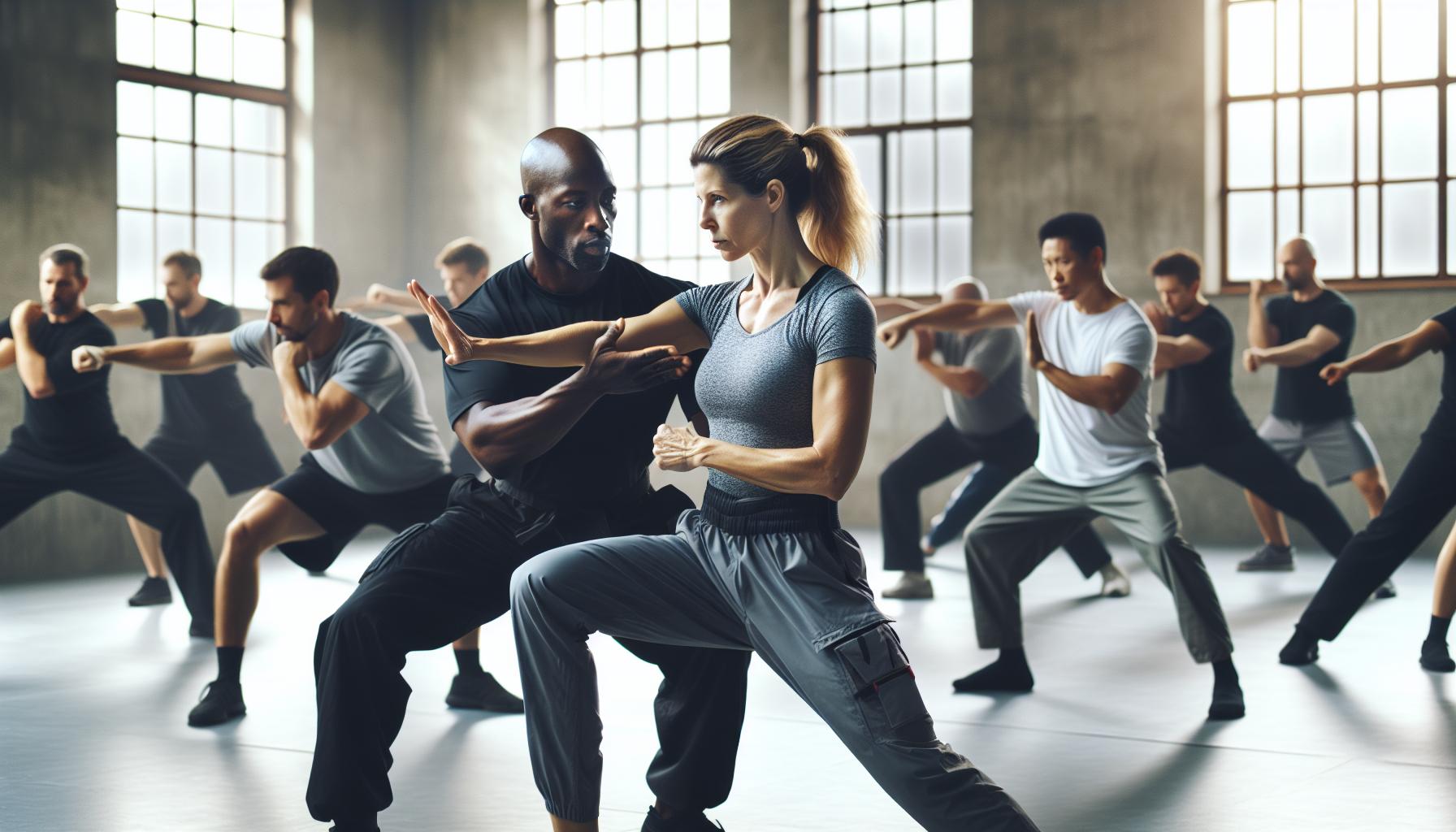
Can Anyone Learn Krav Maga?
Krav Maga is designed as a self-defense system that is accessible to everyone, regardless of age, fitness level, or previous martial arts experience. This uniquely practical system prioritizes simplicity and effectiveness, focusing on techniques that can be employed under the duress of real-life situations. Whether you are a beginner looking to boost your self-confidence or an experienced martial artist wanting to add effective defense skills to your repertoire, Krav Maga provides a foundation where anyone can learn essential techniques.
The supportive learning environment in most Krav Maga classes helps individuals progress at their own pace. Importantly, instructors are trained to cater to different abilities, ensuring that no one feels overwhelmed or inadequate. Classes often include drills that focus on fundamental skills, allowing all participants to build strength, speed, and awareness gradually. This approach emphasizes personal growth over competition, fostering a sense of community among practitioners.
While learning Krav Maga can be empowering, it is also crucial to approach it with responsibility and caution. Understanding the ethical implications of using self-defense techniques is a key component of the training. Students are taught not only how to defend themselves but also when and how much force is appropriate in various situations. Overall, anyone willing to learn, stay committed, and adhere to safety protocols can effectively engage in Krav Maga training and benefit from its teachings.
Understanding the Basics: What is Krav Maga?
Krav Maga is not just a martial art; it’s a practical and adaptable self-defense system that is rooted in reality. Developed in Israel, it emphasizes real-world scenarios and teaches individuals how to effectively respond to threats and violence. The core of Krav Maga lies in its simplicity and efficiency. Techniques focus on instinctive movements that are easy to learn and execute, allowing practitioners to react swiftly under stress, fear, or chaos.
This system is designed to be inclusive, welcoming individuals of all ages, fitness levels, and backgrounds. A typical class will introduce students to basic strikes, defensive maneuvers, and techniques for disarming an attacker. Unlike many traditional martial arts, which often involve complex forms and rituals, Krav Maga prioritizes direct application. It’s about ensuring that anyone can learn to protect themselves effectively and efficiently.
Understanding the legal and ethical implications of using self-defense techniques is also a vital part of training. Students are educated about when and how much force is appropriate, fostering a sense of responsibility alongside empowerment. This dual focus not only prepares them physically but also ethically for any encounters they may face. As a student progresses, they will encounter scenarios that prepare them for both assault prevention and conflict de-escalation, ensuring they can act with confidence in a variety of situations.
In essence, Krav Maga embodies a philosophy of proactive personal safety. It empowers individuals to face potential threats with both knowledge and skill, while also instilling the importance of using that training judiciously and ethically. Whether you’re looking to build self-confidence or equip yourself with the skills to confront difficult situations, Krav Maga offers a robust framework that adapts to each learner’s journey.
Is Krav Maga Right for Me? Evaluating Your Goals
Determining if Krav Maga aligns with your personal goals is a crucial step in your self-defense journey. This martial art is suited for anyone seeking an effective method of personal safety, and it places a strong emphasis on practical techniques that focus on real-world scenarios. If you’re looking to build confidence, improve your physical fitness, or learn how to handle confrontational situations, Krav Maga could be the right fit for you. It’s structured to accommodate all experience levels, making it an inclusive option for those who may feel intimidated by traditional martial arts.
Before committing, it’s essential to honestly evaluate your motivations. Are you primarily interested in self-defense, or do you wish to enhance your fitness and discipline? Krav Maga uniquely addresses these aspects by combining effective self-defense tactics with a rigorous workout, leading to significant improvements in strength, coordination, and mental resilience. Additionally, the community within Krav Maga classes often fosters a supportive atmosphere, encouraging growth and camaraderie among participants.
Moreover, understanding the ethical and legal implications of using self-defense techniques is a fundamental aspect of Krav Maga training. Classes will educate you on appropriate responses to threats, instilling a sense of responsibility in your actions. This knowledge is crucial for ensuring the safety of all involved and helps develop a mindset focused on de-escalation rather than violence. As you progress, you will learn not only how to defend yourself but also how to assess situations critically, enabling you to respond sensibly and proportionately.
When evaluating if Krav Maga is right for you, also consider practical aspects such as location accessibility, class times, and instructor qualifications. Engaging with trained professionals will provide insights and feedback tailored to your individual journey. By reflecting on your objectives and connecting them with the core principles of Krav Maga, you can confidently take the first step toward enhancing your personal safety and wellbeing.
Essential Gear for Krav Maga Training
To train effectively in Krav Maga, having the right gear is crucial. Unlike traditional martial arts that may require extensive or specialized equipment, Krav Maga focuses on practicality. The main objective is to ensure that practitioners can train safely and effectively without unnecessary distractions or hindrances. Here’s a breakdown of essential gear that will enhance your training experience and ensure your safety.
Basic Equipment
- Comfortable Clothing: Wear loose-fitting athletic wear that allows for a full range of motion. Avoid clothing with zippers or buttons that can catch or cause injury during training.
- Footwear: Closed-toe athletic shoes with good grip are recommended. Some practitioners prefer training barefoot, which can provide better movement and feel for the ground.
Protective Gear
- Headgear: A lightweight helmet or headgear can help protect against accidental strikes, especially during sparring or partner drills.
- Gloves: MMA-style gloves offer knuckle protection while allowing for grip and hand mobility. These are vital for striking and self-defense scenarios.
- Shin Guards: To protect the shins and prevent injuries during kicks and close-quarter combat, shin guards are strongly recommended.
- Groin Protectors: Particularly important for male practitioners, a groin guard offers necessary protection during more intense training sessions.
Training Accessories
- Water Bottle: Staying hydrated is essential, especially during high-intensity training sessions.
- Training Bag: A sturdy bag can help carry your gear and keep your training essentials organized.
Before starting your Krav Maga training, it’s also worth discussing with your instructor what additional equipment might be recommended based on your skill level and the specific curriculum of your class. Having the appropriate gear not only enhances your comfort but is pivotal for your safety as you hone your skills. Always prioritize protective equipment that is durable and fits well to minimize the risk of injury.
Krav Maga Training Options: Classes vs. Online Lessons
Different avenues exist for learning Krav Maga, each tailored to varying preferences and circumstances. Engaging in in-person classes provides the immediacy of real-time feedback from experienced instructors and the opportunity for physical practice with partners, allowing for a deeper understanding of techniques through practical application. In a classroom setting, students benefit from peer support and communal motivation, which can help push individuals past their limits. The hands-on nature of these classes means immediate corrections can be applied, fostering a safer and more effective learning environment.
However, for those with busy schedules, limited access to local gyms, or even preferences for self-paced learning, online lessons present a viable alternative. Many platforms now offer comprehensive Krav Maga training courses that include instructional videos, training schedules, and community forums. Such courses allow learners to practice at their convenience, accommodating varying learning speeds. Online training is particularly beneficial for foundational knowledge or those who are hesitant about joining a physically demanding class environment. It can also allow for repeated viewing of techniques to ensure mastery before attempting them in a more intense setting later on.
When comparing classes and online options, it’s essential to consider personal learning styles and circumstances. Each method has its advantages and challenges. In-person training emphasizes direct interaction, safety protocols, and live sparring opportunities, while online resources offer flexibility and the chance to learn in a comfortable environment. Ultimately, the decision should align with one’s self-defense goals and lifestyle, ensuring that training remains effective and engaging for the practitioner. Regardless of the method chosen, maintaining an emphasis on safety, proper technique, and legal implications is crucial in developing effective self-defense skills.
What to Expect in Your First Krav Maga Class
Stepping into your first Krav Maga class can be both exhilarating and daunting. As a self-defense system designed for real-world situations, Krav Maga focuses on practical techniques that can empower individuals to respond in life-threatening scenarios. Immediately, you’ll find that the emphasis is on safety, legal considerations, and responsible self-defense tactics. Instructors prioritize creating a supportive environment, welcoming participants of all backgrounds and fitness levels.
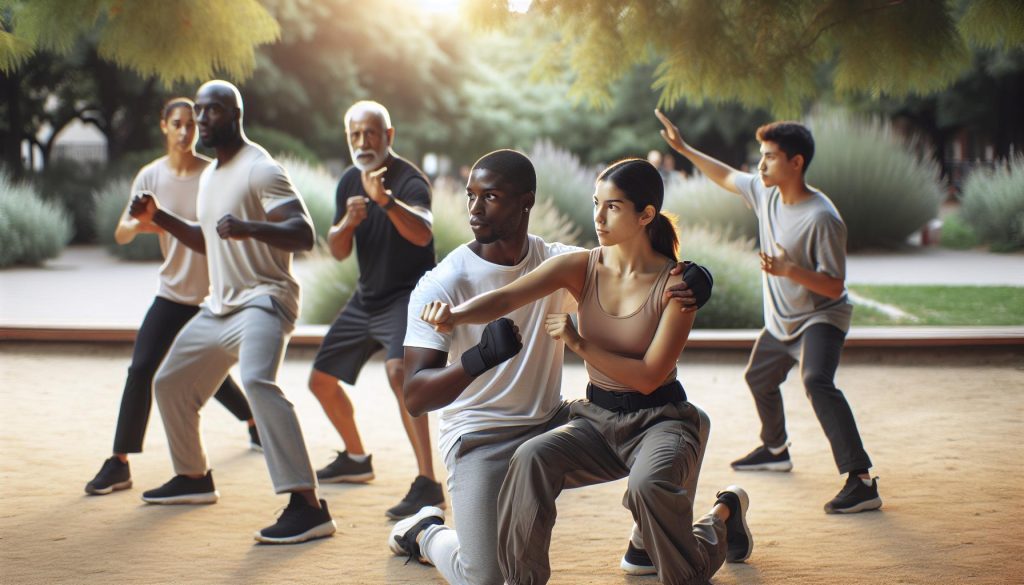
Once you arrive, expect a structured class that begins with a warm-up to prepare your body for the physical demands ahead. This may include dynamic stretches and basic conditioning to enhance flexibility and strength. After warming up, the instructor will typically introduce fundamental techniques to familiarize you with Krav Maga’s core principles, such as situational awareness, de-escalation tactics, and basic strikes. It’s vital to maintain an open mind-be prepared to learn not just physical techniques but also the mindset needed for effective self-defense.
During the class, you’ll engage in partner drills, which allow you to practice newly learned techniques in a controlled setting. It’s common to feel anxious about physical contact, but instructors will guide you through each movement, always stressing the importance of control and safety. Focus on executing the techniques with accuracy rather than force, as Krav Maga’s goal is to neutralize threats while minimizing the risk of injury to yourself and your partner. If any exercise feels uncomfortable, communicate with your instructor; they will be more than willing to modify drills or accommodate your needs.
As the session comes to a close, instructors often lead a brief cooldown and recap the day’s teachings, reinforcing crucial concepts like the ethical implications of self-defense. This is a great opportunity to address any questions or concerns you might have, ensuring you leave with clarity on what you learned and how you can apply it responsibly. Whether you’re interested in self-defense for personal safety or simply want to build confidence and physical fitness, the first class is just the beginning of a transformative journey in martial arts.
The Physical Demands of Krav Maga: Fitness Requirements
Krav Maga is not just about learning self-defense techniques; it demands a significant level of physical fitness and mental preparedness. As a martial art rooted in practicality, it challenges participants to engage in high-intensity workouts that enhance strength, endurance, agility, and flexibility. Those new to Krav Maga should recognize that while prior fitness is beneficial, the art is accessible and can be adapted to various fitness levels. It is essential to approach training with an understanding of personal limitations and a willingness to improve.
Much of the training involves rigorous cardiovascular activities and functional strength exercises. Expect to engage in drills that promote stamina, such as running, circuit training, and high-intensity interval training (HIIT). These exercises mimic the physical distress you might experience in real-life confrontations, enhancing your ability to think critically and respond effectively under pressure. Building endurance is vital, as Krav Maga techniques often require explosive movements and quick recovery periods.
As you progress, you will encounter a variety of techniques that include striking, grappling, and weapon defenses, which will require increasing core strength and balance. Training should include:
- Cardiovascular workouts (e.g., running, cycling)
- Strength training (body weight exercises like push-ups, squats)
- Agility drills (such as ladder drills or cone drills)
- Flexibility exercises (yoga or dynamic stretching)
Understanding the physical demands of Krav Maga prepares you for the challenges ahead while fostering an environment conducive to learning. It is crucial to remember that improvement is a gradual process, and the adaptability of techniques allows practitioners to progress at their own pace. Maintaining communication with instructors about any physical concerns can further ensure a safe training environment, emphasizing that every participant’s journey in Krav Maga is unique and valuable.
Krav Maga Techniques: An Overview of Key Moves
Krav Maga techniques are a blend of practicality and efficiency, designed to empower individuals to defend themselves effectively in real-world situations. Understanding the foundational moves can significantly enhance your confidence and readiness. Key techniques include strikes, defenses against grabs and holds, and responses to knife and firearm threats. These techniques are not just about physical confrontation; they also emphasize the importance of de-escalation and situational awareness.
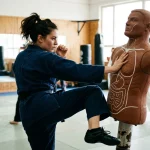
One of the most fundamental techniques in Krav Maga is the Krav Maga straight punch. This simple yet powerful strike can be taught quickly and enables practitioners to effectively deliver force to an assailant. Practicing this punch helps build a solid foundation for all subsequent strikes. Additionally, the elbow strike is an effective close-range maneuver; it delivers a powerful blow while allowing for natural body mechanics.
Hinging on the philosophy that survival is paramount, Krav Maga also teaches defense techniques against various attacks. For example, the 360 defense is used to protect against incoming strikes from multiple angles, while the defensive front kick can create distance and give you a chance to escape a dangerous situation. Practitioners learn to adapt these moves based on the attacker’s positioning and type of assault, ensuring that response actions are contextually appropriate.
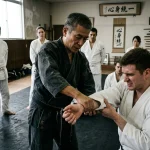
Beyond striking, Krav Maga encompasses grappling techniques that address situations where attackers try to grapple or hold you against your will. Techniques like the release from a wrist grab focus on breaking free and quickly transitioning to counterattack or escape. It’s crucial to remember that while learning these methods, an emphasis on safety, continuous practice, and adhering to legal limits around self-defense is essential. This balance allows for effective and responsible self-defense training.
Overall, Krav Maga empowers individuals through practical techniques designed for real-life scenarios, offering both a sense of security and the tools necessary to protect oneself when needed.
Safety First: Understanding the Risks of Krav Maga
In the practice of Krav Maga, the focus is on self-defense and situational awareness; however, engaging in any martial art can carry inherent risks. Understanding these risks is essential for anyone considering training. Injuries, even minor ones, often occur during classes. Common injuries include sprains, strains, and bruises, but more severe injuries, such as fractures or concussions, can also happen, particularly in high-intensity or sparring situations. It is crucial for students to be aware of their physical limits, practice proper techniques under the supervision of qualified instructors, and utilize safety gear, such as mouthguards and shin guards, to minimize injury risks.
Legal and Ethical Considerations
Engaging in self-defense training also brings legal implications. Students should familiarize themselves with local laws regarding self-defense. The use of excessive force can lead to legal consequences, so understanding the principle of proportional response is vital. This means responding to a threat in a manner that is reasonable and necessary given the situation. In many jurisdictions, the law expects individuals to de-escalate a situation where possible before resorting to physical force. Consequently, Krav Maga training should always emphasize the importance of conflict resolution and avoidance strategies alongside physical techniques.
Responsibility in Training
A responsible Krav Maga practitioner understands that training is about empowerment and safety, not glorifying violence. Instructors must instill a mindset focused on de-escalation and ethical decision-making rather than purely on combat effectiveness. Real-world scenarios should be incorporated into training to prepare students for potential confrontations while reinforcing the importance of assessing when to engage or disengage.
By approaching Krav Maga with an awareness of these risks and responsibilities, practitioners can better equip themselves not only to protect themselves but also to act reasonably and ethically in challenging situations. Emphasizing safety, legality, and moral considerations is crucial in transforming martial arts training into a pathway for personal growth and self-assurance.
Krav Maga for Self-Defense: Legal Considerations
Understanding the legal landscape around self-defense is crucial for anyone considering Krav Maga training. Students must be aware that self-defense laws vary widely by location, and the consequences of using physical force can be serious. Many jurisdictions follow the principle of proportional response: individuals are expected to respond to threats with a level of force that is reasonable and necessary. This means that if faced with an aggressive confrontation, your response should be measured against the level of threat posed to you. Engaging in excessive force, even if perceived as justified at the moment, can result in legal repercussions.
It’s essential to instill a mindset of de-escalation and conflict resolution in Krav Maga training. This involves recognizing that physical confrontation should always be a last resort. Techniques taught in class must be complemented by strategies for managing disputes without violence. Practicing scenarios where you have alternatives to fighting allows students to understand that the goal isn’t to engage, but rather to avoid confrontation wherever possible. When training includes discussions about the legal implications of one’s actions, practitioners become more equipped to make smart, informed decisions in the heat of the moment.
For those in training, being proactive about legal knowledge is also vital. Familiarizing yourself with self-defense laws in your state or country can help clarify when force is acceptable and when it is not. Some areas have “stand your ground” laws, while others impose a “duty to retreat” before using force. Being literate in these nuances can be the difference between legally justified actions and facing criminal charges. Additionally, understanding aspects such as whether a weapon can be legally carried and used in self-defense situations directly influences how you train and prepare.
In conclusion, Krav Maga offers valuable self-defense skills, but it must be practiced with an acute awareness of the legal responsibilities that come with self-defense. A strong emphasis on safety, legality, and ethical conduct not only enhances personal confidence but also cultivates a culture of responsibility among practitioners. By prioritizing these principles, students can ensure that their training becomes a tool for empowerment, rather than a path to unnecessary risk or legal trouble.
Advanced Training: Taking Your Skills to the Next Level
Taking your Krav Maga skills to the next level requires dedication, a solid understanding of tactics, and a commitment to physical conditioning. The journey does not end with mastering basic techniques; rather, it’s about continuous improvement, advanced techniques training, and real-world application. Students are encouraged to engage in sparring sessions, which increase situational awareness and stress management in high-pressure scenarios.
To truly advance, practitioners should focus on refining specific techniques, enhancing reflexes, and developing tactical decision-making skills. Advanced classes typically cover scenarios that might be encountered outside the training environment, such as multiple attackers, weapon defenses, and escapes from holds. This progression allows for deepening both skill and understanding of the dynamics of self-defense. Here’s a quick overview of what advanced training may include:
- Complex Techniques: Focus on integrating strikes and defenses into fluid movements, improving reaction times.
- Weapons Familiarization: Understanding how to deal with common threats like knives or firearms is crucial.
- Self-Defense Law Insights: Continuing education on legal implications of self-defense can equip practitioners with the necessary knowledge to navigate real situations responsibly.
- Scenario-Based Training: Simulations that mimic real-life confrontations help build confidence and prepare for unexpected situations.
Another vital aspect of advanced training is the emphasis on the ethical and legal implications of using force. Students should already have a foundation in self-defense laws specific to their location, but as training progresses, discussions may become more nuanced. For example, understanding when to de-escalate and when to engage can save not only potential legal consequences but also ensure personal safety.
Training in Krav Maga is as much about mental preparedness as it is about physical prowess. This journey is designed to empower individuals, fostering confidence while retaining a respect for the weight of their actions in a confrontation. While physical skills can be honed through rigorous practice, the ability to assess a situation critically and make sound decisions under pressure is an essential component of advanced training.
Success Stories: Real-Life Applications of Krav Maga
In the world of self-defense, Krav Maga stands out not only for its practical effectiveness but also for the powerful stories that emerge from its application in real-life situations. One such inspiring account comes from a young woman who, after months of Krav Maga training, faced an unexpected attack while walking home one night. Utilizing her training, she remained calm under pressure, executed a series of defensive maneuvers, and successfully neutralized the threat, allowing her to escape safely. This experience profoundly reinforced her belief in the importance of self-defense education and the capability to protect oneself amid danger.
Power of Community and Empowerment
Krav Maga isn’t just about individual encounters; it fosters a sense of community and empowerment among its practitioners. Many women’s self-defense workshops have reported significant shifts in participants’ confidence levels. For instance, a group of female students, who initially entered the program out of fear, transformed into advocates for self-defense within their community. Not only did they learn effective techniques, but they also engaged in public speaking events to share their newfound knowledge, emphasizing that self-defense is a crucial skill for everyone, regardless of gender or fitness level.
Training Realism and Legal Awareness
Moreover, real-life applications of Krav Maga often highlight the importance of understanding legal ramifications. In one case, a participant trained specifically to handle a workplace harassment scenario. After practicing various de-escalation techniques alongside physical defense skills, he encountered a situation where he was confronted by an aggressive colleague. Thanks to his training, he utilized verbal de-escalation strategies first, successfully diffusing the tension without physical confrontation. Should it have escalated, he was equipped with the knowledge of his legal rights regarding personal safety, ensuring he could respond appropriately while remaining within legal boundaries.
These stories demonstrate how Krav Maga not only equips individuals with self-defense skills but also builds resilience and community awareness. As practitioners learn to navigate these situations, they cultivate a sense of responsibility towards themselves and others, embodying the principle of defending oneself while upholding respect for life and legality in every interaction.
Frequently asked questions
Q: Can I learn Krav Maga if I’m not in great shape?
A: Yes, you can learn Krav Maga regardless of your current fitness level. Training is designed to accommodate all participants, helping you gradually improve your strength and endurance. Start with basic classes focused on technique, and consult with your instructor for a personalized fitness plan.
Q: What age can I start learning Krav Maga?
A: There’s no strict age requirement for starting Krav Maga. Many schools offer classes for children from around age 8 and adults of any age. The curriculum can be adjusted to suit different ages, ensuring that everyone can learn effectively and safely.
Q: How long does it typically take to become proficient in Krav Maga?
A: Proficiency in Krav Maga varies by individual and depends on factors like training frequency, commitment, and previous martial arts experience. Generally, you may see noticeable improvements in your skills within 3 to 6 months of regular training.
Q: Are there any specific health conditions that would prevent me from learning Krav Maga?
A: While many can train in Krav Maga, certain health conditions may require consultation with a healthcare provider before starting. Conditions such as severe injuries, chronic pain, or cardiovascular issues should be discussed with a doctor to ensure safety in training.
Q: Can I practice Krav Maga online?
A: Yes, many platforms offer online Krav Maga lessons. These can be a great way to learn techniques and practices from home. However, joining in-person classes can provide better feedback and opportunities for sparring with partners.
Q: Is gear important for Krav Maga training?
A: Yes, proper gear is essential for safety and effectiveness in Krav Maga. Beginners typically need comfortable athletic wear and may eventually invest in protective gear like gloves, shin guards, and mouthguards for sparring sessions. Check the “Essential Gear for Krav Maga Training” section of our article for more details.
Q: How can I find a good Krav Maga class near me?
A: To find a reputable Krav Maga class, start by searching online for local martial arts schools or community centers offering self-defense programs. Reading reviews and visiting classes to observe the instruction style can also help you choose the right fit.
Q: What should I expect during my first Krav Maga class?
A: During your first class, expect a brief introduction to the basics of Krav Maga, including fundamental techniques and safety protocols. Classes typically begin with a warm-up, followed by instruction on key moves, and conclude with practice drills. Be prepared to learn in a supportive environment!
To Conclude
Now that you have a clearer understanding of whether you can learn Krav Maga, it’s time to take action! Remember, Krav Maga is not just about self-defense; it’s a powerful tool for personal empowerment, enhancing your physical fitness, and boosting your confidence. If you’re feeling inspired, consider signing up for a local class or exploring online resources. The sooner you start, the sooner you can harness these skills for your safety and well-being.
Don’t forget, our articles on self-defense techniques and legal aspects of personal safety can further enhance your knowledge and prepare you for real-life scenarios. If you have any lingering questions or personal experiences to share, we’d love to hear from you in the comments below-your insights may help others in their journey.
Ready to dive deeper? Explore our beginner’s guide to martial arts or check out the comparison of Krav Maga and Brazilian Jiu-Jitsu to find out which best suits your needs. The journey to self-defense mastery begins with just one step. Engage with us further and take charge of your safety today!
Get our latest guides, news, and insights highlighted in your Google Search & AI Overviews.