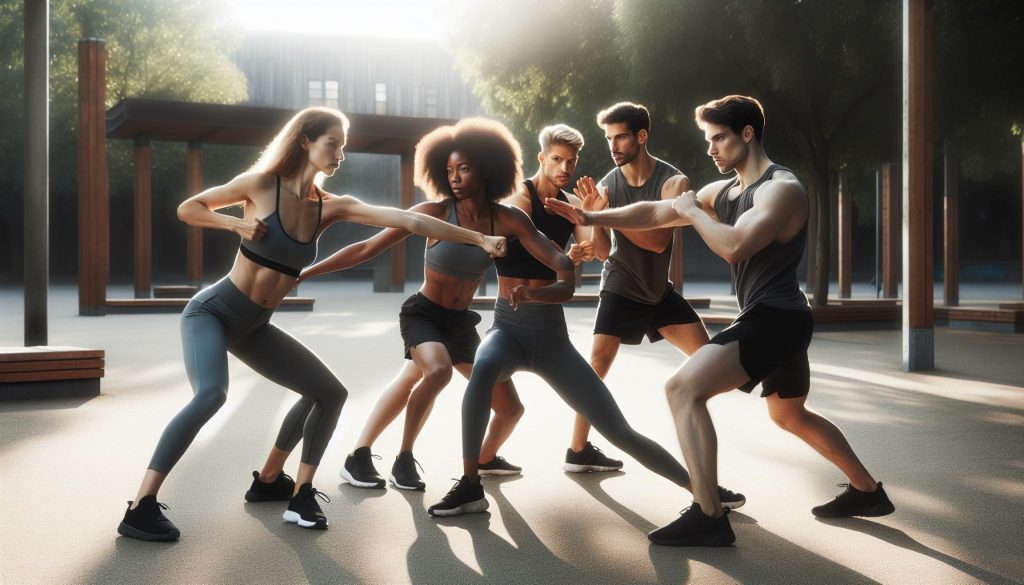
In a world where personal safety can never be taken for granted, the question, “Can Krav Maga save your life?” becomes alarmingly relevant. This dynamic self-defense system, originally developed for the Israel Defense Forces, emphasizes practical and effective techniques to address real-life threats. By learning Krav Maga, individuals can not only enhance their self-defense skills but also gain the confidence to respond appropriately in high-stakes situations. With numerous success stories illustrating how these techniques have empowered people to fend off attackers, understanding Krav Maga’s principles can be transformative. This exploration of real defense success stories aims to educate readers on the importance of readiness and responsible action, honing in on legal boundaries and the moral implications of self-defense. Are you prepared to uncover how Krav Maga could change your approach to personal safety?
Understanding Krav Maga: A Life-Saving Martial Art
In an unpredictable world where personal safety can never be taken for granted, effective self-defense training becomes essential. Krav Maga, developed originally for the Israel Defense Forces, stands out as a pragmatic and accessible martial art, particularly due to its focus on real-life situations. This system prioritizes simplicity and efficiency in techniques, allowing anyone to learn quickly how to defend themselves against various threats, making it a life-saving skill for many.
Krav Maga is not just about combat; it embodies principles of awareness, prevention, and de-escalation. Practitioners are taught to recognize potential dangers and avoid confrontations whenever possible. However, should an encounter escalate, the training emphasizes swift, decisive actions aimed at neutralizing threats. By employing a combination of strikes, grappling, and weapon defenses, individuals are empowered to react effectively in critical situations. Each technique is designed to be straightforward and capable of being executed under stress, which is crucial when dealing with sudden aggression.
Moreover, the adaptability of Krav Maga makes it suitable for diverse demographics. Whether young or elderly, fit or not, anyone can benefit from the lessons it teaches. The training emphasizes the importance of proportional response, reminding students that while self-defense is crucial, so too is responsibility. Understanding local laws regarding self-defense is integral to training; being well-informed protects both the individual and their right to defend themselves.
Through stories shared by individuals who have experienced real threats, we can see the transformative power of Krav Maga. These accounts often highlight not only the physical defense capabilities gained but also a significant increase in confidence and mental preparedness. Regular practice fosters a resilient mindset, enabling individuals to handle emergencies with clarity and composure. In a world where the unexpected can happen, Krav Maga offers not just techniques but a life-enhancing philosophy of readiness and empowerment.
Real-Life Scenarios: How Krav Maga Makes a Difference
In unexpected confrontations, individuals often find themselves relying on instinct and training to navigate potentially perilous situations. Krav Maga, with its emphasis on real-world applicability, equips practitioners with the necessary tools to respond effectively to a variety of threats. For instance, consider a scenario where someone is cornered in a parking lot by an aggressive individual. In this moment, the ability to quickly recognize danger and employ de-escalation techniques learned in Krav Maga can be critical. Instead of escalating the situation, practitioners are trained to communicate effectively and utilize their environment-such as seeking an open pathway-to avoid physical confrontation whenever possible.
However, if avoidance is not an option, Krav Maga provides practitioners with techniques designed for high-pressure environments. One compelling example involves an individual who faced a surprise attack during a late-night jog. Thanks to their Krav Maga training, they reacted instinctively, delivering targeted strikes to vulnerable areas and quickly neutralizing the threat. This rapid response not only ensured their safety but also illustrated the effectiveness of the training in real-life scenarios. The specific techniques learned can help turn the tide in moments of crisis, reinforcing the idea that preparedness can indeed make a life-saving difference.
It’s essential to remember that the true essence of Krav Maga lies in its philosophy-while the techniques are powerful, the ultimate goal is to survive and escape a threatening situation with the least amount of harm to oneself and the aggressor. This balance between assertiveness and restraint fosters a mindset of proportional response. For example, if a practitioner finds themselves in a scuffle but sees an opportunity to disengage rather than escalate, they are trained to take it. By instilling these decision-making processes, Krav Maga not only prepares individuals for physical confrontations but also teaches critical thinking under duress.
Krav Maga’s focus on adaptability is particularly admirable, as it caters to a wide range of demographics, including women and older adults. This inclusivity not only helps diversify the community of practitioners but ensures that a greater number of people are armed with the knowledge and skills necessary to protect themselves in daily life.
Overall, the real-world success stories emanating from Krav Maga training emphasize the importance of preparedness, effective communication, and the preservation of life above all else. These stories serve as powerful reminders that the benefits of training extend beyond physical techniques, fostering resilience and confidence that can positively impact many aspects of one’s life.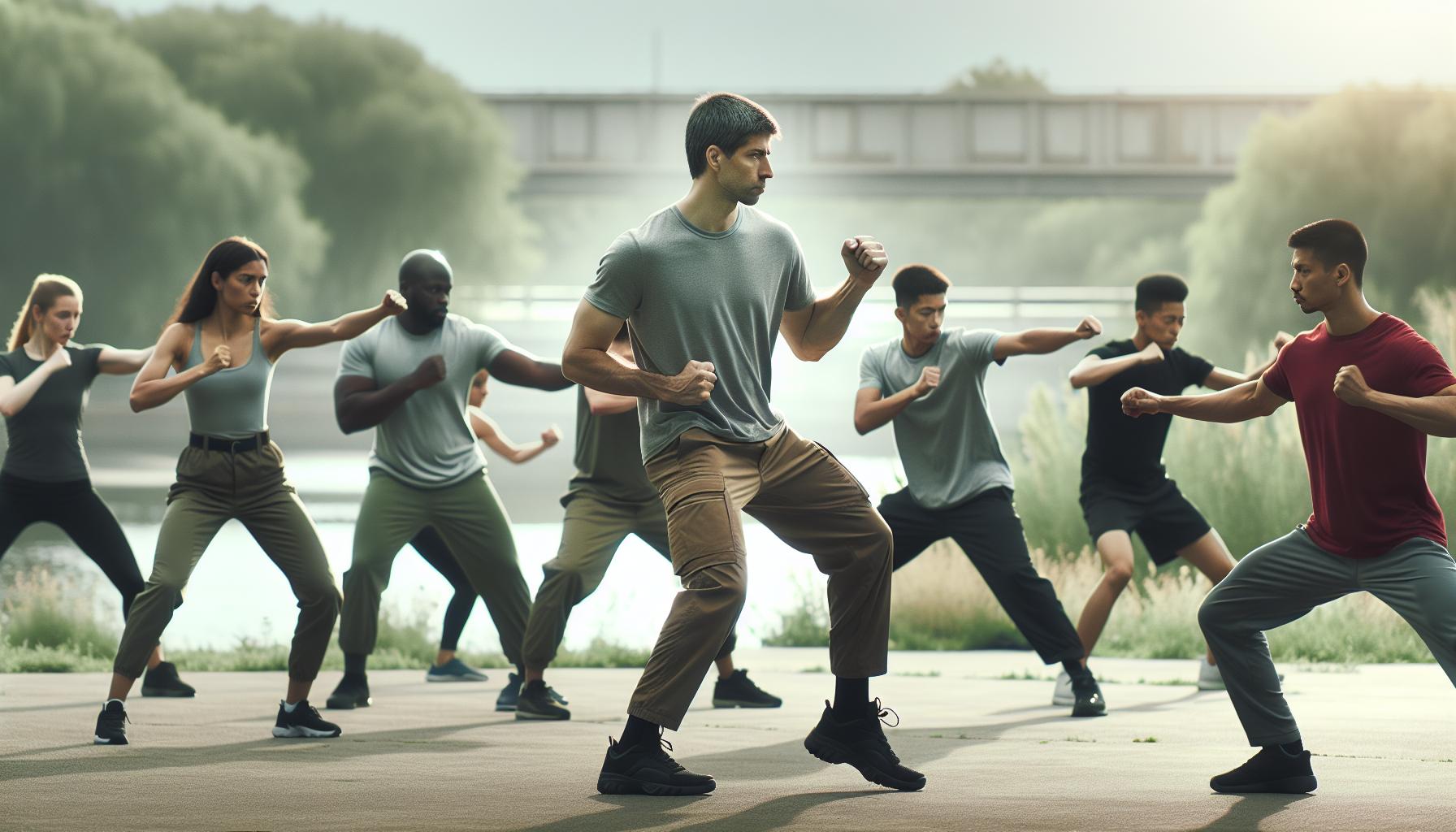
Success Stories: Individuals Who Transformed with Krav Maga
Krav Maga is not just a martial art; it’s a transformative experience that can dramatically change lives. The stories of individuals who have trained in Krav Maga reveal how this self-defense system goes beyond physical techniques-it empowers practitioners to cultivate resilience, confidence, and a deep understanding of personal safety. Many who have faced real-life threats have utilized the skills learned in Krav Maga to defend themselves and escape dangerous situations, reinforcing the martial art’s real-world applicability.
One profound example is a woman who encountered an aggressive individual while walking home alone at night. Previously fearful and disengaged from her surroundings, her Krav Maga training transformed her mindset. Instead of panicking, she recalled the de-escalation techniques and situational awareness drills she had practiced. By confidently asserting her boundaries and verbalizing her intent to move away, she successfully deterred the aggressor without needing to engage physically. This incident highlights that Krav Maga’s teachings extend beyond combat, emphasizing the importance of situational awareness and communication.
Equally compelling are stories from men who have faced unexpected assaults. One man, during a casual jog, was ambushed by an assailant. Thanks to his rigorous training in Krav Maga, he was able to quickly react and execute effective counter techniques that allowed him to neutralize the threat. By targeting vulnerable areas and leveraging his surroundings, he escaped unharmed. This experience underscored not only the effectiveness of Krav Maga techniques but also the mental preparedness that training instills-allowing individuals to respond rather than react.
These real-life scenarios show that the benefits of Krav Maga training extend far beyond the dojo. Practitioners frequently report improved self-esteem, heightened awareness of their surroundings, and a clearer understanding of their personal limits. The stories of transformation serve as inspirations, reminding us that adequate preparation and knowledge can empower individuals to protect themselves and make sound decisions in the heat of the moment.
Krav Maga vs. Other Self-Defense Techniques: A Comparative Analysis
Understanding the distinctiveness of Krav Maga in comparison to other self-defense techniques reveals why it is often considered a top choice for individuals seeking practical and effective defense skills. Unlike traditional martial arts, which may emphasize forms and sport applications, Krav Maga is designed for real-life situations, focusing on instinctive movements and rapid responses to threats. This practical approach equips individuals with the tools to defend against common attacks, ranging from assaults to active shooter scenarios.
Krav Maga training integrates sense-memory techniques that allow practitioners to react quickly under stress. For example, in contrast to the point-based sparring found in karate or taekwondo, Krav Maga emphasizes situational awareness and de-escalation. This method stresses understanding one’s surroundings and employing verbal techniques to deter aggression before it escalates to physical confrontation. Practitioners often train with realistic scenarios, preparing them not just physically but also mentally, enhancing their decision-making under pressure.
Another important aspect when comparing Krav Maga with other self-defense techniques, such as Brazilian Jiu-Jitsu (BJJ) or self-defense courses that focus solely on striking, is its versatility. Krav Maga encompasses a variety of techniques, including strikes, grappling, and defenses against weapons, making it a comprehensive self-defense system. In scenarios where an aggressor may be armed, for instance, the ability to counter a knife attack is crucial. While BJJ excels in ground fighting, it may not always address how to handle an armed opponent effectively. Hence, Krav Maga offers a broader skill set that may better prepare individuals for unpredictable confrontations.
It’s essential to emphasize safety and legal considerations when engaging in self-defense training. Understanding the legal ramifications of using force is crucial, as laws vary widely by location. For instance, the principle of proportionality – responding to a threat in a manner that is commensurate with the level of danger – is vital in determining the appropriateness of one’s response. Training in Krav Maga reinforces these legal concepts, preparing individuals not only to defend themselves but also to understand the moral and ethical implications of their actions during a crisis. This comprehensive approach sets Krav Maga apart, ensuring that practitioners are well-equipped not just physically but also psychologically and legally to navigate high-stake situations.
Safety Protocols: Legal Considerations in Self-Defense
In the high-stakes world of self-defense, understanding the legal ramifications of your actions is paramount. Whether engaged in Krav Maga training or any other self-defense practice, every practitioner must navigate a complex landscape of laws that govern the use of force. A solid grasp of these legal standards not only protects you when confronted with aggression but also reinforces the ethical foundations of self-defense training.
The principle of proportionality is crucial; it dictates that any defensive action must correspond to the level of threat faced. For instance, using deadly force in response to a minor assault can lead to severe legal consequences. It’s imperative to assess the situation accurately and respond with appropriate force. This means that a trained Krav Maga practitioner should not only focus on physical techniques but also cultivate a keen sense of situational awareness and de-escalation strategies. Engaging in verbal conflict resolution can often prevent a confrontation from escalating to a point of needing physical defense.
Training in Krav Maga often includes discussions on legality and ethics, reinforcing the importance of understanding when self-defense is justified. Many instructors emphasize the significance of knowing local laws regarding self-defense. These can vary significantly; some jurisdictions permit the use of force only in immediate threats, while others may allow for pre-emptive actions under specific conditions. Being aware of these nuances can significantly impact not only your safety but also your legal standing after an encounter.
Real-world scenarios emphasize the need for this knowledge. For instance, if a practitioner finds themselves facing an aggressor with a weapon, understanding the legal thresholds for use of force becomes vital. A response that could be deemed reasonable and justifiable in one state might lead to criminal charges in another. Therefore, ongoing education regarding the laws affecting self-defense, paired with practical training in Krav Maga, equips individuals with the necessary tools to protect themselves while also remaining within the bounds of the law.
Techniques for Everyday Situations: Practical Applications of Krav Maga
In the realm of self-defense, mastering practical techniques can significantly enhance your confidence and preparedness for real-life encounters. Krav Maga, developed for the Israeli Defense Forces, emphasizes efficient, straightforward techniques that are applicable in everyday situations. The true strength of this self-defense system lies not just in its physical techniques, but in its holistic approach to personal safety, including awareness, de-escalation, and immediate response under pressure.
Effective responses in Krav Maga focus on addressing common threats, such as street assaults or aggressive encounters in public places. Practitioners learn to use their surroundings to their advantage, incorporating elements like environmental awareness and strategic positioning. For example, if confronted by an aggressor, you are taught to use basic techniques such as:
- Defensive Posture: Assume a protective stance with hands raised, enabling you to respond quickly to any attack.
- Quick Strikes: Deliver fast, powerful strikes to vulnerable areas like the eyes, throat, or groin to incapacitate an attacker.
- Escape Techniques: Utilize wrist grabs and holds to break free from an aggressor’s grip, allowing for a safe exit.
These techniques are designed not only for effectiveness, but also for safety, ensuring that practitioners can defend themselves without escalating violence unnecessarily. The philosophy of Krav Maga encourages self-defense advocates to consider de-escalation techniques as viable solutions, urging individuals to understand the importance of assessing their environment and options before engaging in physical confrontation.
When applying Krav Maga in everyday situations, you may encounter scenarios involving multiple attackers, or heightened stress from confrontational confrontations. For instance, in a crowded environment, using quick footwork and strategic movements can help navigate the space effectively while keeping distance from potential threats. Understanding the legality of your responses is equally crucial; being prepared to justify your actions if faced with a legal challenge is a fundamental aspect of responsible self-defense. This includes recognizing the boundary between self-defense and escalation, allowing individuals to act within their rights while managing the potential consequences of their actions.
By integrating these practical applications into your daily mindset, you not only equip yourself with vital skills but also cultivate a sense of confidence that empowers your interactions in potentially unsafe situations. Always remember, the primary goal is safety for yourself and those around you.
Building Confidence: Psychological Benefits of Training in Krav Maga
Training in Krav Maga offers more than just physical self-defense techniques; it profoundly impacts practitioners’ psychological well-being and confidence. Engaging in this martial art cultivates resilience and a mindset poised to handle real-life threats, transforming how individuals perceive challenges both on and off the mat. Each training session builds not only physical skills but also mental fortitude, as participants learn to remain calm under pressure and face potential dangers with composure.
The structured nature of Krav Maga training fosters a sense of accomplishment and empowerment. As practitioners practice scenarios that mimic real-life attacks, they gain the knowledge and assurance that they can defend themselves effectively. This repeated exposure to simulated stressors helps reduce anxiety related to confrontations. In a supportive training environment, individuals often discover newfound confidence, enabling them to approach life’s challenges with a stronger, more positive mindset.
Moreover, the communal aspect of training in Krav Maga should not be overlooked. Practicing alongside others who share similar goals creates a supportive network that encourages personal growth. As individuals witness others overcoming their challenges, they draw motivation from their peers, reinforcing their belief in their capabilities. The camaraderie formed within these classes creates an uplifting atmosphere, further enhancing the psychological benefits and confidence stemming from the training.
Ultimately, the psychological advantages gained through Krav Maga training extend beyond self-defense. They instill a profound belief in one’s ability to face adversity, manage fear, and respond to threats with a responsible approach. This holistic development not only prepares individuals for potential physical altercations, but also enriches their overall quality of life, empowering them to navigate daily challenges with greater assurance and resilience.
Training Realities: What to Expect in Krav Maga Classes
In Krav Maga classes, participants are often surprised by the realistic approach to self-defense training. Classes integrate physical techniques with psychological preparation, simulating potential threats to ensure that each student is fully prepared for real-life confrontations. Expect to engage in high-energy drills that focus not only on striking and grappling but also on scenario-based training that reflects what you might encounter outside the studio. Each session is designed to build confidence, teaching practical skills that can be applied in various situations, from handling aggressors to defending against armed attacks.
Safety is a cornerstone of Krav Maga training. Instantly recognizable moves such as the 360 Defense or techniques to disarm an assailant are taught with a strong emphasis on control and restraint. Instructors highlight the importance of using necessary force, stressing that self-defense should never escalate into violence unless absolutely necessary. This ethical framework is crucial, particularly given the legal implications surrounding self-defense situations. Students are encouraged to think critically about their actions and to prioritize de-escalation tactics wherever possible.
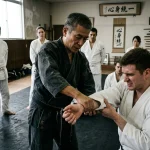
Training sessions typically feature a mix of solo drills, partner work, and group scenarios. Expect to spend time warming up, practicing strikes (like punches and kicks), and working on ground defense techniques. The balance of physicality and strategy helps cultivate a well-rounded skill set while promoting overall fitness. For many, the camaraderie developed during training enhances the experience-training alongside others not only fosters a supportive atmosphere but also serves as a motivating force as individuals witness their peers pushing through challenges.
Real-life success stories abound from individuals who have transformed their lives through Krav Maga. Many have recounted experiences of using the skills learned in class to diffuse potentially dangerous encounters. This underscores not just the effectiveness of the techniques taught, but also the confidence and decisiveness that come with training. By consistently practicing under controlled conditions, students develop reflexes and responses that can save their lives when faced with real danger.
Empowering Women: Krav Maga as a Tool for Female Self-Defense
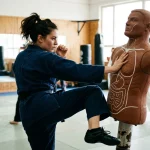
In a world where personal safety is often a concern for women, Krav Maga has emerged as an empowering tool for self-defense. This martial art, originally developed for military training, emphasizes practical and effective techniques that can be applied in real-life situations. Unlike many traditional martial arts, which may focus on sport or style, Krav Maga is rooted in instinctive movements and immediate response. Training sessions are designed to equip women with the skills and confidence needed to defend themselves against various types of attacks, including grabs, chokes, and even potential armed assaults.
Krav Maga’s training framework is particularly beneficial for women because it emphasizes both physical technique and mental preparedness. Participants learn how to leverage their body mechanics to counteract larger aggressors effectively. For instance, techniques such as palm strikes, knee strikes, and targeted defenses form a core part of the curriculum. Practical drills simulate real-life scenarios women may face, fostering a mindset focused on de-escalation and awareness. This approach not only builds physical strength but also encourages mental resilience-an essential component in effectively handling threatening situations.
Incorporating personal safety strategies, Krav Maga instructors teach participants about legal considerations surrounding self-defense. Understanding the legal context of self-defense helps empower women to act confidently in threatening scenarios, knowing they can use proportionate force when necessary. The focus on ethical considerations ensures that students are equipped with the mindset to avoid violence where possible, reinforcing the principle that self-defense should always be a last resort.
As the popularity of Krav Maga continues to rise, many women have shared their success stories of transformation-both physically and mentally. They have learned to confront their fears, gain control over their safety, and cultivate a strong, supportive community during their training. These experiences highlight how Krav Maga not only prepares women for potential threats but also fosters a sense of empowerment, helping them reclaim their agency in a world that can feel unsafe. By choosing to train in Krav Maga, women take proactive steps towards ensuring their safety while gaining valuable life skills that extend beyond the mat into their daily lives.
Krav Maga for All Ages: Tailoring Training for Different Demographics
Krav Maga is designed to be accessible to individuals of all ages, making it a viable self-defense option for children, teenagers, adults, and seniors alike. By tailoring training programs to different age groups, instructors can address the specific needs and capabilities of each demographic, promoting both safety and effectiveness in self-defense practices. Adapting the methodology not only ensures the students’ physical and mental readiness but also maximizes the potential for successful application in real-life scenarios.
For children and teenagers, Krav Maga training can serve as a powerful tool to build confidence and resilience. Instruction focuses on age-appropriate techniques that emphasize awareness, prevention, and personal safety without instilling a fear of confrontation. Kids can learn to identify potentially dangerous situations and develop reflexes that prepare them to act decisively, whether it’s escaping or using basic self-defense moves if necessary. Instructors often incorporate fun drills and role-playing to maintain engagement while instilling critical lessons on conflict resolution and de-escalation tactics, which are valuable for all ages.
Adults benefit from Krav Maga’s pragmatic approach to self-defense by learning to navigate high-stress situations effectively. Classes are structured to encompass a wide range of skills, from striking techniques to ground defense, tailored to the fitness levels and experiences of the participants. Furthermore, training can take the form of scenario-based learning that addresses common street threats, focusing on situational awareness and risk assessment strategies. This comprehensive training helps adult practitioners feel empowered and prepared, emphasizing the importance of proportional response and ethical legal considerations in the use of force.
Senior citizens can also find immense value in Krav Maga. Tailored to accommodate the unique physical capabilities and concerns of older participants, programs focus on techniques that enhance mobility, balance, and reaction time, all while remaining efficient and effective in self-defense. Instructors might emphasize avoidance strategies and verbal de-escalation over physical confrontation, aligning with the need for seniors to engage safely and confidently with their surroundings. Additionally, the camaraderie found in training can offer a supportive environment, helping older adults foster community ties that can enhance their overall mental well-being.
By embracing a variety of training methodologies and approaches, Krav Maga offers a comprehensive self-defense system suitable for any age group. This flexibility not only empowers individuals but also nurtures a communal spirit of understanding and proficiency in personal safety across diverse demographics. In doing so, Krav Maga fosters an environment where everyone, regardless of age, can take proactive steps to defend themselves while navigating the complexities of modern-day safety concerns.
Overcoming Fear: Mental Preparedness and Krav Maga
In a world that often feels unpredictable, fear can be a paralyzing barrier to trusting oneself in dangerous situations. However, Krav Maga instills mental preparedness that empowers individuals to overcome this fear, transforming their anxiety into actionable confidence. Training not only focuses on physical techniques, but also on developing a strong mental framework to handle encounters with poise. By simulating high-pressure scenarios during training, practitioners learn to respond instead of react, crucial for survival in real-life confrontations.
The Importance of Scenario-Based Training
Krav Maga prioritizes scenario-based training, allowing students to experience various types of attacks in a controlled environment. This type of training fosters familiarity with potential threats, breaking down the mental barriers associated with confrontation. Practitioners learn to recognize the signs of aggression and anticipate the next move, which helps them remain composed. Techniques emphasize de-escalation and awareness, ensuring that participants are prepared to assess situations calmly before resorting to physical self-defense.
Building Resilience Through Repetition
Repetition in training helps solidify muscle memory, which is vital when adrenaline takes over during an encounter. Students practice strikes, escapes, and defensive maneuvers until these actions become second nature. This preparation reduces hesitation and builds confidence, as individuals transform knowledge into instinctual responses. Additionally, confronting fear through controlled sparring sessions allows students to test their limits, fostering resilience and a clear understanding of their own capabilities.
Understanding Ethical and Legal Boundaries
It’s crucial that individuals involved in self-defense training grasp the ethical and legal implications of their actions. Krav Maga instructors emphasize proportional response, teaching students to assess when to engage and when to de-escalate. This ethical training balances the instinct to protect oneself with the responsibility of using force judiciously. Familiarization with local laws regarding self-defense can further demystify the legal landscape, equipping practitioners with the knowledge to act within their rights while maintaining respect for the law.
By developing a mindset rooted in mental preparedness, Krav Maga practitioners emerge not only as capable defenders but as individuals who understand the gravity of confrontation. This training fosters a sense of agency, urging participants to take proactive steps towards their safety while mitigating fear through preparedness and ethical informality.
Maintaining Ethical Boundaries: The Morality of Self-Defense
In a world where self-defense scenarios can rapidly escalate, understanding the ethical and moral dimensions of using force is crucial. Self-defense is not just about physical techniques; it’s about navigating complex decisions that weigh heavily on both the individual and society. Practitioners of Krav Maga are taught from the outset that their training comes with significant responsibilities. The primary rule is to utilize force only when absolutely necessary and to avoid any escalation of violence whenever possible.
Proportional Response and De-Escalation
Before any physical confrontation, efforts should always be made to de-escalate the situation. This involves remaining calm, assessing the environment, and attempting to communicate with potential aggressors. Krav Maga emphasizes techniques that focus on avoiding violence, such as using verbal skills and body language to mitigate tension. Instructors encourage students to ask themselves whether the threat warrants a physical response, teaching them to gauge the situation thoughtfully. Engaging in physical self-defense should always be a last resort, undertaken only when no other option remains.
Understanding Legal Implications
Being aware of the legal parameters surrounding self-defense can significantly impact one’s actions in a threatening situation. Different states have diverse laws regarding self-defense; some allow for the use of force only when there is an immediate threat to personal safety, while others have ‘Stand Your Ground’ laws that offer broader protections. It’s essential for practitioners to familiarize themselves with local laws to ensure they remain within legal boundaries when acting in defense. Knowledge of these legal frameworks can prevent potential civil liabilities that arise from misinterpretation of self-defense rights.
Real-World Implications and Ethical Considerations
The ethics of self-defense are underscored by real-world scenarios where force may be warranted but can lead to unintended consequences. Training in Krav Maga involves preparing for these scenarios-not only to react physically but to weigh the moral implications of one’s actions. For instance, using excessive force during a confrontation can escalate an already dangerous situation, potentially causing harm to innocent bystanders and leading to legal repercussions for the defender. Practitioners learn that harm should never be inflicted recklessly; rather, the aim is to protect oneself while ensuring the safety of others whenever possible.
In conclusion, Krav Maga serves as an effective tool for personal protection, but it is equally important for practitioners to embrace the serious ethical considerations that accompany this knowledge. By focusing on proportional responses, legal awareness, and ethical contemplation, individuals can protect themselves while maintaining respect for the law and the value of human life.
Frequently Asked Questions
Q: Can Krav Maga really save a life in a dangerous situation?
A: Yes, Krav Maga is designed for real-life scenarios, focusing on practical self-defense techniques that can be effective under pressure. Training emphasizes quick responses and situational awareness, potentially preventing harm in dangerous encounters. Understanding the nuances of personal safety is addressed further in the article.
Q: What are some real success stories from Krav Maga practitioners?
A: Numerous practitioners have successfully defended themselves using Krav Maga techniques during assaults, demonstrating its effectiveness. These real-life examples showcase how confidence and skills gained through training can lead to life-saving decisions in critical moments. Explore individual transformations highlighted in our success stories section.
Q: How does Krav Maga training impact personal safety?
A: Krav Maga training significantly enhances personal safety by teaching individuals to react swiftly and effectively in confrontational situations. Participants learn to assess threats and utilize self-defense strategies that can de-escalate or neutralize an attack. For insights on psychological benefits, refer to our section on building confidence.
Q: What makes Krav Maga different from other self-defense systems?
A: Unlike traditional martial arts, Krav Maga focuses on real-life applications rather than competition. Its techniques are designed to handle various threats, incorporating defenses against armed and unarmed attacks. A detailed comparison with other self-defense methods can be found in the article’s comparative analysis section.
Q: Is Krav Maga training suitable for everyone?
A: Yes, Krav Maga is adaptable for all ages and fitness levels. Classes often tailor training based on individual capabilities, making it accessible for beginners and experienced practitioners alike. Check our section on Krav Maga for all ages for more details.
Q: How can mental preparedness enhance self-defense skills in Krav Maga?
A: Mental preparedness is crucial in self-defense. Krav Maga training includes psychological conditioning to help practitioners remain calm and focused during a confrontation, maximizing their response effectiveness. Learn more about overcoming fear in our article.
Q: What legal considerations should one be aware of when using Krav Maga in self-defense?
A: It’s essential to understand the legal boundaries of self-defense. Krav Maga teaches not only physical techniques but also emphasizes using appropriate force proportional to the threat. For an in-depth discussion on safety protocols, see our legal considerations section.
Q: Are there specific techniques in Krav Maga that can be used in everyday situations?
A: Yes, Krav Maga teaches practical techniques that can be applied in everyday scenarios, such as escaping holds or defending against surprise attacks. Our section on practical applications outlines simple techniques for real-life situations you can practice.
The Conclusion
In a world where safety is paramount, understanding the life-saving potential of Krav Maga can transform how you protect yourself and your loved ones. Real stories highlight how effective techniques can neutralize threats swiftly, and you too can equip yourself with these critical skills. Don’t wait-start your journey today. Explore our comprehensive guides on self-defense laws, essential techniques, and how Krav Maga compares to other martial arts like BJJ to make informed choices for your personal safety.
For more insights, check out our article on optimizing your fighting techniques or join our online community for updates on the latest self-defense strategies. Remember, preparedness is key; take the first step now by signing up for our newsletter to receive expert tips directly to your inbox. Share your thoughts below and connect with fellow learners-let’s foster a safer, more informed community together. Your journey to empowerment begins here!
Get our latest guides, news, and insights highlighted in your Google Search & AI Overviews.