
Every 73 seconds, an American is assaulted, making self-defense skills an essential resource for women seeking empowerment and safety. This guide explores Krav Maga, a martial art designed for real-world self-defense, emphasizing effective techniques that can be employed regardless of physical stature. By learning the principles of Krav Maga, women can gain not only the tools for personal protection but also the confidence to navigate their environments with assurance. Understanding the legal implications and the ethical use of force is crucial in this journey; empowerment comes not solely from physical skills but also from knowing how to respond judiciously in high-stress situations. Join us as we delve into the transformative benefits of Krav Maga, equipping you with knowledge and skills to defend yourself, all while respecting the legal and moral boundaries of self-defense.
Understanding Krav Maga: A Self-Defense System for Women
Krav Maga is an effective self-defense system that was originally developed for the Israeli military, focusing on practical and efficient responses to real-world threats. What sets Krav Maga apart, especially for women, is its emphasis on simplicity and instinctive movements. This makes it accessible to individuals of all fitness levels and backgrounds, allowing women to learn techniques that can be immediately applicable in dangerous situations.
Understanding the foundational principles of Krav Maga is crucial for effective self-defense. The system is built on the idea of using an attacker’s energy against them, employing techniques such as striking sensitive areas, utilizing leverage, and instilling an awareness of one’s surroundings. These principles empower women by fostering not just physical skills but also a mental readiness that is essential in a crisis. For example, being able to recognize potential threats before they escalate can be just as vital as physical training, enabling women to avoid dangerous situations altogether.
In addition to physical techniques, a significant aspect of Krav Maga training is its focus on psychological readiness. Women are taught to assess and respond to threats realistically, differentiating between when to de-escalate and when to defend themselves vigorously. This aspect of training emphasizes that self-defense is not about seeking confrontation; rather, it’s about ensuring personal safety and making informed decisions in critical moments.
Ultimately, Krav Maga equips women with the skills not only to defend themselves physically but also to cultivate confidence and assertiveness in daily life. The combination of self-defense techniques, situational awareness, and mental preparedness creates a robust framework for empowerment that extends far beyond the practice mat, affecting how women interact with the world around them.
The Empowering Benefits of Krav Maga Training
Krav Maga training offers women a transformative path to empowerment, encompassing not just physical skills but also vital psychological and emotional tools necessary for navigating today’s world. The principles of Krav Maga are designed to be intuitive, enabling women to utilize their natural instincts. This practicality is invaluable, as it allows for immediate application in real-life situations. By focusing on simple yet effective techniques such as targeting vulnerable areas and leveraging an attacker’s force, participants can gain the confidence needed to face potential threats decisively.
One of the most significant benefits of Krav Maga training is its emphasis on situational awareness. Women learn to observe their environment and recognize subtle cues that might indicate danger. This proactive mindset fosters preparation rather than reaction, allowing for better decision-making when confronted with risky situations. The training often includes simulations and scenarios that reflect real-world encounters, ensuring that women are not only prepared to defend themselves but also equipped to avoid confrontations when possible.
Furthermore, Krav Maga instills a sense of community and support among practitioners. Many women find empowerment in a shared learning environment, where they can connect with others who have similar experiences and challenges. This supportive network not only enhances personal growth but also reinforces the importance of mutual assistance in times of need. By engaging in this form of self-defense, women are not just learning to protect themselves; they are also contributing to a culture of empowerment and resilience.
Lastly, the psychological impact of training cannot be overstated. The skills learned in Krav Maga foster a stronger sense of self-worth and confidence. Participants leave classes not only with techniques to handle threatening situations but also with an enhanced belief in their own capabilities. This internal strength extends well beyond the dojo, influencing how women perceive their interactions and assert themselves in daily life, all while understanding the ethical implications of self-defense and the importance of responsible engagement in potentially violent situations.
In summary, the benefits of Krav Maga training for women are profound and multifaceted, intertwining physical strength with psychological resilience, community support, and personal empowerment.
Basic Techniques Every Woman Should Know
Understanding basic self-defense techniques is vital for women who wish to feel empowered and safe. The core of Krav Maga lies in its efficiency and straightforward nature, allowing anyone to learn practical techniques quickly and effectively. In dangerous situations, your ability to respond swiftly can determine the outcome; therefore, learning a few key techniques can bolster both your physical safety and your confidence.
Target Areas
One principle of Krav Maga is to target the most vulnerable areas of an attacker’s body. These include the eyes, throat, groin, and knees. Learning how to strike-whether using your fists, elbows, or knees-can create a moment of surprise, allowing you to escape. For instance, a quick jab to the eyes can temporarily blind your attacker, giving you an opportunity to get away. Practicing these strikes in a controlled environment helps you internalize the mechanics so that they may be utilized instinctively in a moment of need.
- Building Mental Resilience: Regular training offers the chance to push personal limits, cultivating mental toughness that extends beyond the dojo or training center. Overcoming physical challenges during practice can translate into resilience in daily life, where challenges may arise that feel daunting.
- Community Support: Joining a Krav Maga class often means becoming part of a supportive community. This camaraderie can provide a network of encouragement that reinforces confidence, particularly for women navigating the often-male-dominated world of martial arts.
- Escalation of Force: It’s essential to assess the situation continuously. If the threat diminishes or can be resolved through de-escalation techniques, the focus should shift to retreating or diffusing the encounter. Using Krav Maga techniques should emphasize control and defense rather than aggression.
- Legal Context: Familiarize yourself with local laws regarding self-defense. Some states have “Stand Your Ground” laws that allow individuals to use reasonable force without the obligation to retreat first, while others mandate a duty to avoid confrontation when safe to do so.
- Focus on Self-Defense: Krav Maga emphasizes immediate survival and de-escalation, whereas many martial arts, like Judo or Karate, can involve point scoring and competition that detracts from practical application.
- Use of Environment: In Krav Maga, students learn to utilize their surroundings (objects as barriers, improvised weapons) rather than strictly adhering to technique, allowing for adaptive responses.
- Real-World Scenarios: Training in Krav Maga often includes scenarios with multiple attackers or threats from weapons, aiming to prepare practitioners for challenging, unpredictable situations.
- Legal and Ethical Training: Unlike many martial arts which may not address legal ramifications, Krav Maga includes education about the legal aspects of self-defense, empowering students to understand their rights and responsibilities during confrontations.
- Warm-Up and Stretching: Always begin classes with proper warm-ups to prevent injuries. Stretching helps maintain flexibility and prepares the body for physical activity.
- Controlled Sparring: Engage in controlled sparring sessions where both partners agree on intensity levels. This creates an atmosphere where both can practice techniques effectively while minimizing the risk of harm.
- Use of Protective Gear: Wearing appropriate protective equipment such as mouthguards, gloves, and shin guards can significantly reduce injury risk during training and sparring.
- Clear Communication: Establish a system for students to signal discomfort or the need to stop during practice. Encourage open dialogue among partners for a safe practice environment.
- Legal Awareness: Incorporating discussions about the legal aspects of self-defense ensures practitioners understand their rights and responsibilities, particularly when applying techniques in real-life scenarios.
- Instructor Qualifications: Instructors should not only have solid backgrounds in Krav Maga but also experience in teaching women and understanding the specific challenges they might face. Ensure they prioritize safety and responsibility over mere aggression.
- Class Size: A smaller class size can provide more personalized attention and allow for a supportive training environment. This can foster a sense of community where participants feel comfortable learning at their own pace.
- Trial Classes: Many schools offer trial classes or introductory sessions. Take advantage of these to assess the environment, teaching style, and overall dynamics. Pay attention to how instructors engage with students and their emphasis on safety protocols.
- Training Methods: The methods used should include controlled sparring, situational drills, and discussions around legal and ethical considerations in self-defense. Practicing in a safe, controlled manner reduces the risk of injury and builds confidence.
- Situational Awareness: Develop the habit of being aware of your surroundings. Pay attention to people and actions that seem out of place. This acute awareness can often help you to avoid dangerous situations before they escalate.
- Use Everyday Objects: Familiarize yourself with how common items can be used for defense if needed. Objects like keys, pens, or even a handbag can serve as effective tools in an emergency, reinforcing the principles learned in training.
- Safe Routes and Locations: Map out your routes to frequently visited places. Choose well-lit streets and avoid isolated areas, especially at night. Knowing where you’re going and how to get there safely can reduce anxiety and enhance your preparedness.
- Practice De-escalation Techniques: In daily interactions, use communication skills learned in Krav Maga training to defuse potential confrontations before they become physical. Understanding verbal cues can help you maintain control in tense situations.
How Krav Maga Boosts Confidence and Awareness
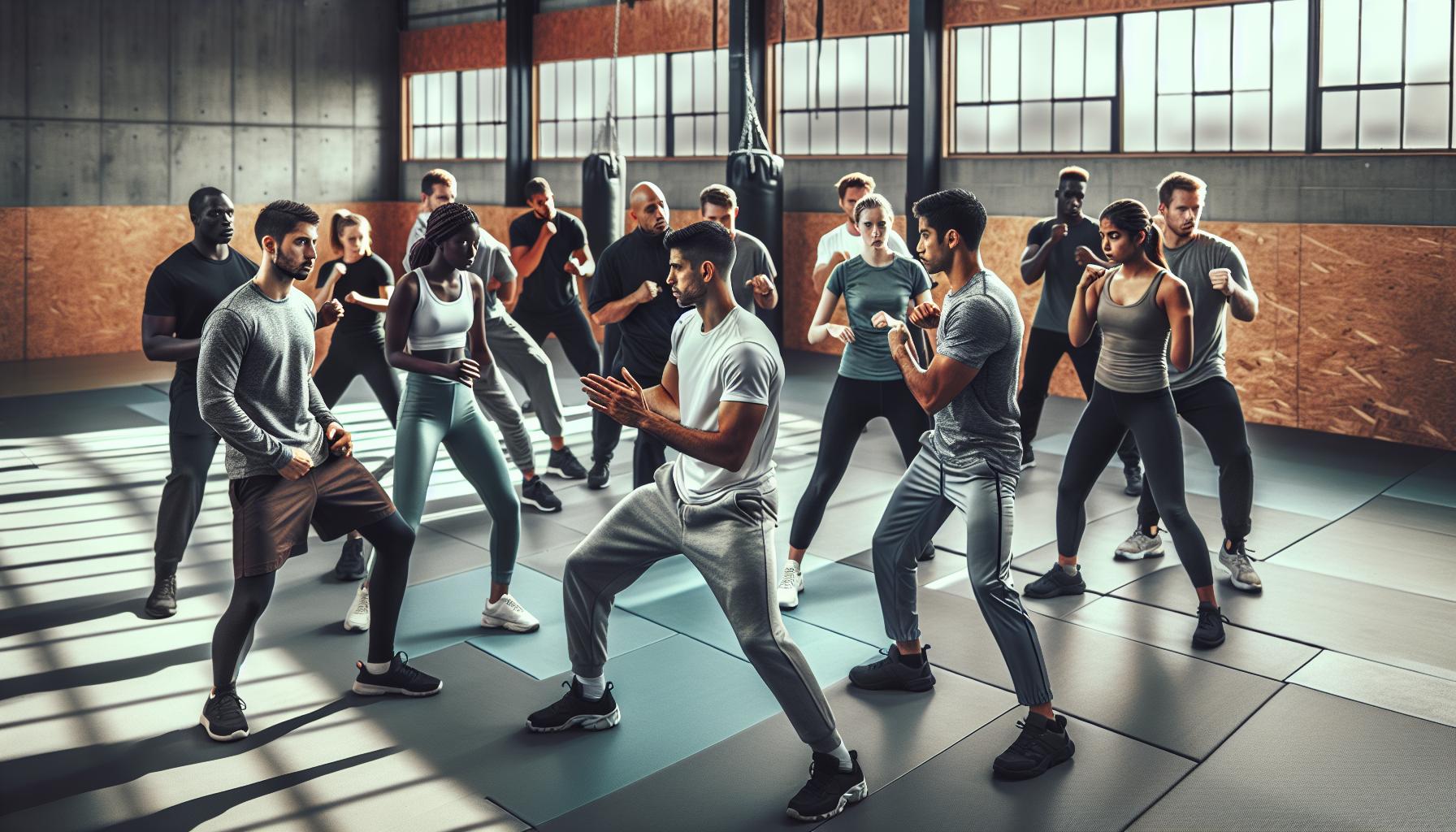
Engaging in Krav Maga training significantly enhances one’s confidence and awareness, key attributes necessary for personal safety. The practice is not solely about learning self-defense techniques; it fosters a mindset of alertness and readiness that empowers practitioners, particularly women, to navigate potentially dangerous situations with more assuredness. The very nature of Krav Maga-emphasizing practical responses to real-world threats-instills a sense of competence. By mastering specific striking techniques and defensive moves, individuals learn that they have the ability to defend themselves, which inherently boosts self-esteem.
Furthermore, Krav Maga training encourages situational awareness, which is a pivotal aspect of self-defense. Participants learn to assess their environment critically, identifying potential threats and the safest routes of escape. This heightened awareness enables practitioners to respond to threatening situations before they escalate, often through de-escalation techniques learned during training. For instance, a practitioner might recognize the signs of aggression in another individual and choose to avoid confrontation altogether, a skill that can be more effective than physical confrontation.
Safety and awareness do not just stem from technique; they are enhanced by a thorough understanding of the legal implications of self-defense. As practitioners learn about the appropriate use of force, they become more confident in their decision-making abilities in crisis situations. Understanding the boundaries of legal and ethical self-defense ensures that women feel empowered without the fear of legal repercussions hanging over their heads. In summary, through practical training coupled with strategies for situational awareness and community support, Krav Maga serves as a powerful tool for building confidence and vigilance in women, equipping them to confront threats with both readiness and respect for the gravity of self-defense.
Legal Considerations in Self-Defense Training
Understanding the legal landscape surrounding self-defense is crucial for anyone training in Krav Maga, particularly women who may be more vulnerable in dangerous situations. Self-defense laws vary widely by jurisdiction, but the overarching principle is that individuals have the right to protect themselves against imminent harm. However, the force used in self-defense must be proportional and reasonable; otherwise, the defender could face legal consequences.
Understanding Proportional Force
In most areas, the law allows individuals to use reasonable force in self-defense when confronted with a threat. This means that if an attacker poses a physical threat, a woman trained in Krav Maga can respond with techniques appropriate to the perceived level of danger. For instance, if an assailant attempts to push or strike, using a defensive maneuver or strike may be justified. However, escalating to lethal force when the threat is not life-threatening can lead to legal repercussions.
Documenting Incidents and Legal Preparedness
When involved in a self-defense incident, accurate documentation can be invaluable in a legal context. If a defensive situation arises, it’s beneficial to have a clear narrative of events, including the time, location, participants, and the escalation of actions leading to the use of force. Evidence such as witnesses or surveillance footage can also serve to support your case.
Moreover, before starting Krav Maga training, consider attending workshops or seminars that focus on self-defense law. Understanding the legal implications of every technique can enhance your confidence in training while ensuring you remain within the boundaries of the law.
It’s vital to approach self-defense with an ethical mindset; remember that the goal is not to win a fight but to safely escape and prevent harm. With a focus on situational awareness, de-escalation tactics, and legal understanding, women can navigate their self-defense training with both empowerment and responsibility.
Real-Life Scenarios: Applying Krav Maga in Danger
In critical moments of danger, the application of Krav Maga techniques can be both empowering and life-saving for women. Imagine walking alone at night and suddenly being confronted by an assailant. With Krav Maga training, you are equipped with skills that enable you to respond effectively and safely. This self-defense system emphasizes instinctive movements, practical techniques, and real-world applications, making it invaluable during high-stress situations.
When faced with an immediate threat, one of the first lessons in Krav Maga is situational awareness. Being aware of your surroundings can lead to avoiding potential dangers altogether. However, if confronted, responses should always be proportional to the threat. For instance, if someone attempts to grab your arm, techniques such as wrist releases and strikes to vulnerable areas, like the eyes or throat, can create opportunities for escape. These actions prioritize defense, allowing you to disengage from the confrontation rather than escalating it unnecessarily.
Another real-life application involves encounters with multiple assailants. Krav Maga stresses the importance of maintaining movement and utilizing your environment. If cornered, using nearby objects as barriers or even weapons can significantly enhance your defense strategy. Techniques such as striking and quickly transitioning into evasive maneuvers can distract attackers, buy time, and facilitate a safe escape.
Crucially, understanding local laws surrounding self-defense is essential. For example, some jurisdictions allow for aggressive defensive postures if an individual feels threatened, while others may require demonstrable attempts to retreat. Knowing these legal guidelines helps you to act confidently in a real scenario, ensuring that your actions remain within legal bounds. By cultivating this understanding alongside technical skills, women can navigate dangerous situations with a sense of empowerment and responsibility.
Overall, the ability to effectively apply Krav Maga techniques in real-life scenarios not only enhances personal safety but fosters a sense of confidence that resonates in all areas of life. The focus on de-escalation, control, and ethical force usage underscores the importance of self-defense as a means of empowerment rather than aggression.
Krav Maga vs. Other Martial Arts: A Comparative Analysis
Krav Maga stands out among martial arts due to its direct focus on practical self-defense and real-world applicability, particularly for women looking to defend themselves. Unlike traditional martial arts such as Karate or Taekwondo, which often emphasize form and sport competition, Krav Maga prioritizes instinctive reactions and survival strategies. This pragmatic approach makes it especially relevant for individuals who may face unexpected threats in everyday situations.
In a comparative analysis, it is important to note that while Brazilian Jiu-Jitsu (BJJ) and other grappling arts can be effective in controlling an opponent, they often require a certain level of physicality and ground fighting skills that may not be accessible to everyone. Krav Maga, on the other hand, incorporates techniques that aim to neutralize threats in various environments-standing or on the ground. It teaches defenses against armed and unarmed opponents alike, focusing on quick counters and disarming techniques rather than prolonged engagements.
Key Differences Between Krav Maga and Other Martial Arts
While any martial art can provide physical training and confidence, the unique strengths of Krav Maga lie in its combat effectiveness and real-life application, particularly for women. Its structured environment allows for progression through skill levels while constantly reinforcing the importance of situational awareness and legal considerations-key aspects of responsible self-defense.
In conclusion, Krav Maga serves as an empowering tool for women seeking to defend themselves. Its principles are designed not just for physical confrontation but to foster mental resilience and assertiveness, making it a viable complement to other martial arts in a self-defense toolkit.
Safety Protocols: Training Responsibly and Effectively
Training in Krav Maga is not just about learning techniques; it’s an opportunity to instill a mindset centered on safety, awareness, and responsibility. One essential aspect of effective training is understanding and implementing strict safety protocols that protect both the practitioners and others around them. Being well-prepared means not only knowing how to react physically to threats but also understanding the legal and ethical implications of those actions.
To ensure safe training, instructors should create an environment that emphasizes controlled scenarios, where practitioners can practice techniques without the risk of injury. This can include using protective gear and employing specific training methods that reduce the likelihood of accidents. For example, using padded equipment during sparring and practicing techniques in slow motion before speeding up can help students gain proficiency while ensuring their safety and that of their partners.
Key Safety Protocols to Follow
Understanding the laws surrounding self-defense is as critical as mastering the physical techniques of Krav Maga. In various jurisdictions, the use of force is regulated, and practitioners must know the legal thresholds that justify self-defense actions. For instance, actual physical confrontation might be seen as justified under circumstances of imminent threat, but any excessive force can lead to legal consequences. Therefore, instructors should integrate legal discussions into their training to equip students with the knowledge necessary to navigate real-life situations legally and ethically.
Ultimately, the goal of practicing Krav Maga is to prepare individuals to protect themselves while recognizing that physical confrontation should always be a last resort. By instilling a framework of safety and responsibility, women can learn to advocate for themselves effectively and confidently, armed with the knowledge they need to respond appropriately within the context of self-defense.
Finding the Right Krav Maga Class for Women
When seeking the right Krav Maga class, it’s crucial to consider factors that align with your personal needs, goals, and comfort level. The journey to becoming proficient in self-defense isn’t solely about mastering techniques; it also involves finding an instructor and a training environment that prioritize safety, ethics, and a supportive atmosphere. A class designed specifically for women can offer unique advantages, such as tailored instruction and a focus on scenarios relevant to women’s experiences.
Start by researching schools or instructors who emphasize a holistic approach to self-defense. Look for classes that are explicitly labeled as women’s Krav Maga programs or those that advocate inclusivity and safety for female participants. Check the curriculum to ensure that it covers a range of self-defense situations, from common threats to de-escalation techniques, which are just as vital as physical skills.
Key Considerations
Building relationships with fellow students can also enhance the training experience. A strong support network among peers can provide motivation and understanding in navigating the challenges of self-defense training. As you progress, participating in group discussions or workshops can further deepen your knowledge and empower you to advocate for yourself both in and outside the dojo.
Ultimately, choosing the right class is about finding a balance where you feel both challenged and supported, equipping yourself not just with the physical skills of Krav Maga but with the confidence to use them responsibly and effectively. This careful selection sets the stage for an enriching journey toward self-empowerment and personal safety.
Overcoming Fear: Mental Preparation for Self-Defense
Fear is a natural response to potential threats, and understanding how to manage that fear is crucial for anyone learning self-defense, particularly women. Mental preparation involves recognizing fear as a common element of self-defense training, rather than something to be ashamed of or avoided. Acknowledging this fear can be the first step toward transforming it into a powerful motivator for effective self-defense training.
To effectively prepare mentally, it’s vital to engage in visualization techniques. Picture yourself in various scenarios, from minor confrontations to serious threats. Imagine responding with confidence and skill. This practice can help desensitize you to the fear associated with real-life confrontations, enabling a swift, calm response when faced with danger.
Another essential aspect is to familiarize yourself with the legal and ethical implications of self-defense. Understanding the boundaries of acceptable force is not just about preparing for a physical encounter, but about feeling justified and empowered in your choices. This knowledge can alleviate the anxiety surrounding the notion of using force when necessary, ultimately enhancing your confidence.
Building a support network is also crucial. Training with others who share similar goals can provide encouragement and motivation. Join classes specifically designed for women, where instructors understand the unique concerns and experiences female students may face. Sharing experiences and discussing fears with peers can foster resilience and create a sense of community, reinforcing the journey towards personal empowerment in self-defense.
Lastly, practice mindfulness to maintain emotional calm during stressful situations. Techniques like deep breathing can ground you in the moment, promoting clarity and focus when it counts. By fostering both mental strength and awareness, you can transform fear into a catalyst for growth, making you not only a more effective self-defender but also a more confident individual in all aspects of life.
Incorporating Self-Defense into Daily Life
Incorporating self-defense techniques, particularly those from Krav Maga, into daily life can significantly enhance personal safety and empower women to navigate various environments with more confidence. With the realism that Krav Maga brings to self-defense, its principles can be practically applied to everyday situations. Learning to recognize potential threats and implementing preventive measures are crucial first steps in this journey.
To start integrating self-defense into your daily routine, consider applying the following strategies:
Integrating these measures into your life not only boosts your security but also reinforces the mindset required for effective self-defense. Consider joining a Krav Maga class focused on women, where you’ll learn more than techniques; you’ll also form a community that supports your growth in self-defense. Regular practice is key; even integrating short drills into your routine can enhance muscle memory and confidence.
Additionally, understanding the legal implications of self-defense is crucial. Familiarize yourself with the laws governing self-defense in your state to ensure you know the boundaries of acceptable action. This knowledge will not only empower you but also alleviate fears regarding the consequences of defending yourself, fostering a sense of security that you carry with you every day.
Ultimately, embracing the principles of Krav Maga in your daily life encourages a proactive approach to personal safety and empowers women to feel empowered and prepared against potential threats.
Support Networks: Community and Resources for Women
Building a support network is critical for women who are training in self-defense, especially when practicing an effective system like Krav Maga. These networks not only provide a sense of community but also enhance personal safety through shared experiences and resources. Many women find empowerment in connecting with others who share their goals, fears, and aspirations for self-protection.
Joining local co-ed or women-only Krav Maga classes can be a stepping stone to forming meaningful relationships and support systems. Instructors often foster a collaborative atmosphere where participants can share their insights and progress. Consider bringing a friend to class-having a training partner can boost motivation and create a safe space to practice techniques and scenarios. Strong female instructors can offer tailored insights and encourage participants to engage confidently with the training material.
Beyond the dojo, support networks can be expanded through online communities, workshops, and self-defense seminars. Online forums and social media groups dedicated to Krav Maga can serve as platforms for women to ask questions, share concerns, and celebrate achievements. These platforms often feature tips from seasoned practitioners and opportunities to attend special events or trainings focused on women’s self-defense.
It’s also essential to connect with organizations that advocate for women’s safety and empowerment. Many local and national self-defense groups offer resources, workshops, and even mentorship programs. Engaging with these resources can provide crucial legal information about self-defense rights and the ethical use of force, ensuring that practitioners are informed and confident in real-life scenarios. Remember, creating a supportive safety network is as much about building connections as it is about acquiring skills. The more informed and confident women feel in their abilities, the more empowered they will be to face challenges in daily life.
Frequently Asked Questions
Q: Can women effectively use Krav Maga for self-defense?
A: Yes, women can effectively use Krav Maga for self-defense. The system emphasizes practical techniques that leverage natural instincts and the body’s strengths. Women learn to defend against various attacks, enhancing their safety and confidence in real-life situations.
Q: What are the key self-defense techniques in Krav Maga for women?
A: Key self-defense techniques in Krav Maga for women include escaping holds, striking vulnerable areas, and situational awareness strategies. Training focuses on practical moves that can be executed quickly, empowering women to respond effectively under stress.
Q: How does Krav Maga improve confidence in women?
A: Krav Maga training boosts confidence by teaching women how to handle potentially dangerous situations. As they practice techniques and develop skills, participants gain self-assurance in their ability to protect themselves, fostering a stronger mindset against fear.
Q: Are there specific classes for women in Krav Maga?
A: Yes, many schools offer Krav Maga classes specifically designed for women. These classes often create a supportive environment, focusing on techniques that address women’s unique self-defense needs while also building community and mutual support.
Q: How does Krav Maga compare to other self-defense systems for women?
A: Krav Maga is often more focused on practical, real-world scenarios compared to other martial arts. It teaches defenses against various attacks and emphasizes adaptability and efficiency, making it particularly effective for women seeking to defend themselves in everyday situations.
Q: What should beginners expect in a women’s Krav Maga class?
A: Beginners in a women’s Krav Maga class can expect a welcoming atmosphere, foundational techniques training, and the development of situational awareness. Classes typically include physical training, drills, and discussions on safety strategies tailored for women’s self-defense.
Q: Can Krav Maga help in scenarios beyond physical confrontation?
A: Absolutely! Krav Maga training not only prepares women for physical confrontations but also enhances awareness and response strategies in potentially dangerous situations. It teaches de-escalation techniques and how to avoid conflicts before they escalate.
Q: What are the safety protocols during Krav Maga training for women?
A: Safety protocols in Krav Maga training for women include proper warm-ups, controlled sparring sessions, and guidelines for physical contact. Instructors emphasize personal safety, legal considerations, and ethical self-defense practices to foster a responsible training environment.
Future Outlook
In conclusion, empowering yourself with Krav Maga not only equips you with practical self-defense skills but also enhances your confidence and situational awareness. Remember, mastering these techniques requires practice and understanding of legal and ethical considerations surrounding self-defense. Take the first step today-enroll in a local Krav Maga class to experience the transformation firsthand!
For deeper insights, check out our articles on the effectiveness of self-defense techniques and a comparison of Krav Maga and other martial arts. Don’t forget to sign up for our newsletter for tips on staying safe and informed about self-defense strategies. Share your thoughts or experiences in the comments below-we’d love to hear from you! Take charge of your safety and start your journey to empowerment now!