Krav Maga is often linked to the elite Israeli intelligence agency, Mossad, leading many to believe it originated solely as a tactical tool for spies and soldiers. However, this perception overlooks the broader applicability of Krav Maga for everyday self-defense. Understanding the origins and evolution of this martial art is crucial for anyone considering self-defense training, as it combines effective techniques with a focus on personal safety and legal considerations. As we explore whether Krav Maga truly originated within Mossad, we’ll uncover the myths surrounding its development and clarify its practical use in real-life self-defense scenarios. This insight not only enhances your knowledge of Krav Maga but also empowers you to make informed choices about your own safety training. Continue reading to unravel the facts from fiction and discover how Krav Maga can be a valuable resource in your self-defense arsenal.
Origins of Krav Maga: A Historical Overview
Krav Maga, initially developed in the 1930s and 1940s, is a blend of self-defense techniques with roots firmly planted in the need for realistic, effective combat methods under dire circumstances. It emerged in Czechoslovakia and was later refined in Israel, thanks to the contributions of Imi Lichtenfeld. Seeking to protect the Jewish community from rising antisemitism, Lichtenfeld created a system that incorporated elements from various martial arts to address real-world conflicts. The system focused on practical techniques applicable in life-threatening scenarios, emphasizing instinctive movements, simplicity, and efficiency.
As the Israeli state was established, the need for a self-defense system became paramount, leading to the further development of Krav Maga within the Israeli Defense Forces (IDF). This provided the martial art with a context rooted not only in personal defense but also in military application. Importantly, Krav Maga is characterized not by glamour but by its raw practicality-students learn how to defend against various attacks while understanding the necessary legal and ethical implications of self-defense. This design caters to people from all walks of life, making Krav Maga a widely accessible form of self-defense.
While some may erroneously associate Krav Maga primarily with the Mossad, Israel’s national intelligence agency, it is vital to clarify that its origins are more affiliated with military training and civilian self-defense. As it evolved, Krav Maga became essential in both military and civilian contexts, growing into a global phenomenon that prioritizes personal safety and empowerment. As practitioners engage with Krav Maga, they not only learn how to defend themselves but also how to assess situations critically, responding proportionately and responsibly to threats.
Overall, understanding the historical roots of Krav Maga highlights its practical focus and connection to the broader Israeli struggle for security-differentiating it from the myths that may surround its ties to Mossad or centralized intelligence strategies. It serves as a reminder that this martial art is less about glamor and more about equipping individuals with the tools they need to safeguard themselves effectively in today’s world.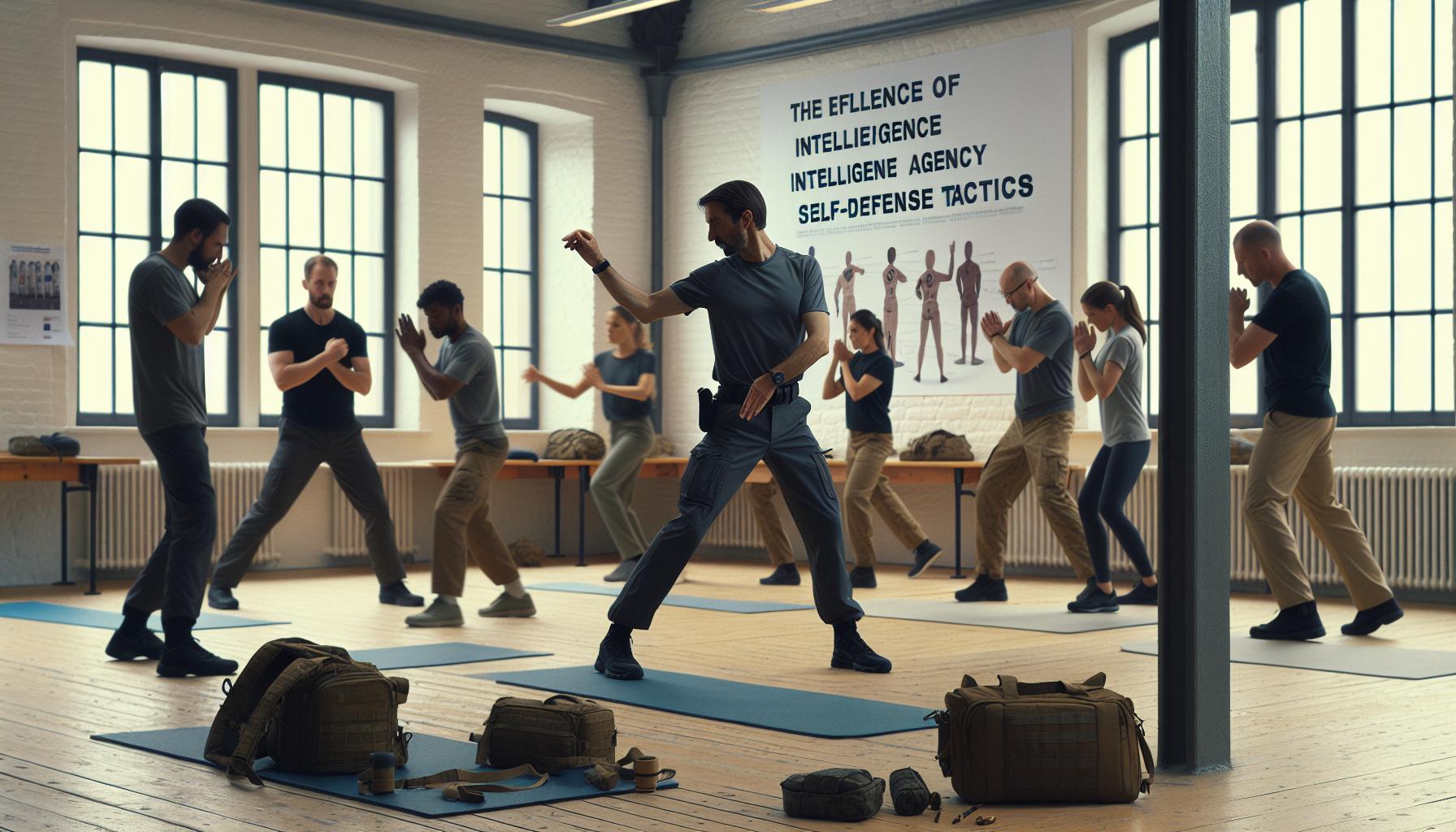
Mossad’s Influence on Self-Defense Tactics
The idea that Krav Maga originated with the Mossad is a common myth that deserves clarification. While the Israeli intelligence agency is renowned for its operational effectiveness and training, Krav Maga was established primarily as a means of self-defense and military training for the Israeli Defense Forces (IDF) in the mid-20th century. Its origins trace back to the 1930s and 1940s when Imi Lichtenfeld developed the martial art as a way to protect Jewish communities facing antisemitism in Eastern Europe. He aimed to create a practical, efficient system of defense that catered to life-threatening situations, laying a foundation that strived for realism over showmanship.
Krav Maga’s inherent focus on real-world application is a stark contrast to the covert, often high-stakes nature of Mossad operations. As Krav Maga evolved, especially within the IDF, its techniques were tailored for both civilian self-defense and military use, emphasizing instinctive movements and efficient strategies that could be learned by individuals with varying abilities. This system was never meant to mirror the clandestine tactics used by intelligence operatives; rather, it was built for direct confrontation, teaching practitioners how to neutralize threats quickly and effectively.
Moreover, training in Krav Maga also encompasses essential elements of de-escalation and proportional response, encouraging students to first seek peaceful resolutions before resorting to physical confrontations. This reflects a broader, ethical perspective on self-defense that is often overlooked when discussing its relation to organizations like Mossad. Prospective students should understand that the emphasis on ethical force usage, along with the legal implications of self-defense, is fundamental to Krav Maga instruction.
In essence, while the Mossad may employ various techniques and training methodologies that could align loosely with the principles of Krav Maga, the martial art’s roots and primary focus remain on civilian self-defense and military application, distancing it from the unique tactics used in intelligence operations. Understanding this context is crucial for anyone interested in learning Krav Maga, as it highlights the important distinctions between self-defense training and the strategic missions typical of intelligence agencies.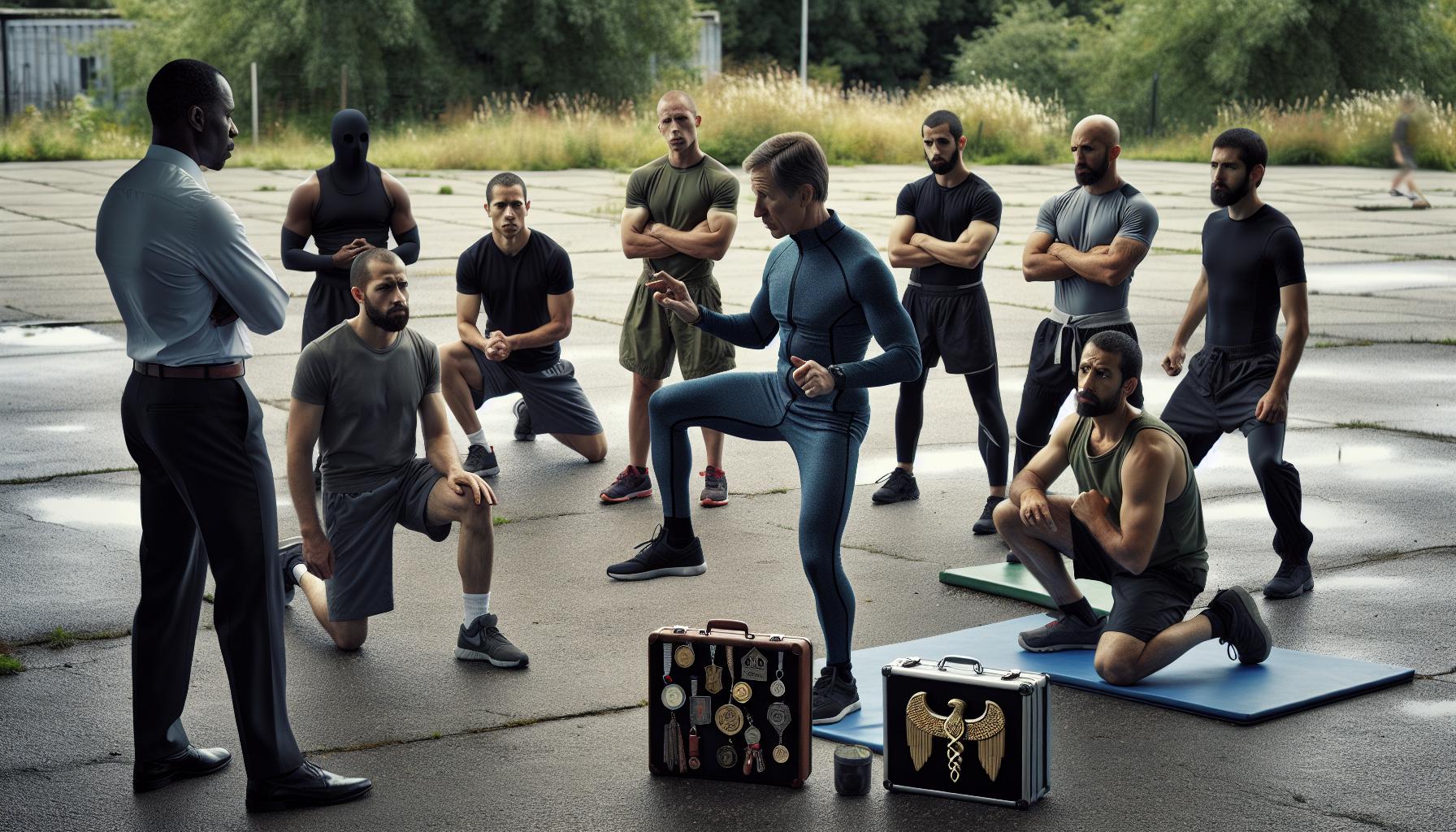
Debunking the Myths: Krav Maga vs. Mossad
The myth that Krav Maga originated with the Mossad is persistent, yet it overlooks the martial art’s true roots and intentions. Imi Lichtenfeld, the founder of Krav Maga, developed this self-defense system during the 1930s and 1940s primarily for the Jewish community in Europe who faced rising antisemitism. The core purpose was to create an effective means of personal defense against real threats, fundamentally distinct from the covert operations associated with intelligence agencies like the Mossad. Understanding this historical context is critical for anyone interested in learning Krav Maga, as it emphasizes the art’s focus on direct confrontation and practical defense rather than clandestine tactics.
Clarifying the Distinctions
Krav Maga’s methodology is inherently different from the operational techniques employed by the Mossad. While Mossad agents are trained in a variety of specialized combat and evasion tactics, Krav Maga is designed to prepare practitioners for immediate scenarios where they might face aggression. The training emphasizes instinctive responses and quick resolutions to conflicts, tailored for practitioners of all skill levels, rather than the slow, methodical approaches often associated with intelligence work.
Contrary to popular belief, Krav Maga does not glorify violence. A key component of its training is the principle of de-escalation. Practitioners are taught to prioritize peaceful resolution of conflicts when possible, utilizing physical responses only as a proportional measure in self-defense situations. This ethical framework is crucial, as it instills a sense of responsibility and awareness regarding the legal implications of using force.
Understanding Training and Ethics
Prospective students should recognize that although some elements of Krav Maga may resonate with aspects of covert operations-such as situational awareness and quick decision-making-the two are not synonymous. Training in Krav Maga provides individuals with the tools for personal safety while fostering an understanding of the moral responsibilities involved in defensive actions. To illustrate this, consider real scenarios where the application of Krav Maga principles can defuse tense situations without escalating into confrontation, adhering to local laws regarding self-defense.
In conclusion, breaking down the myth connecting Krav Maga to the Mossad not only clarifies the martial art’s true objectives but also empowers individuals with a solid foundation in self-defense that respects both ethical considerations and legal boundaries. Understanding the real purpose of Krav Maga can significantly influence how one approaches self-defense training, ensuring that it remains a force for personal empowerment rather than a tool for glorifying violence.
The Evolution of Krav Maga Techniques
Krav Maga techniques have evolved significantly since their inception, tailored to meet the realities of modern self-defense needs. Imi Lichtenfeld, the founder, designed this system not merely as a series of combat techniques but as a comprehensive methodology focused on practicality and efficiency. From its early roots aimed at the Jewish community facing existential threats, Krav Maga has morphed into a globally recognized self-defense system used by civilians, military personnel, and law enforcement agencies alike.
One of the distinguishing features of Krav Maga is its adaptability. As real-world scenarios have changed, so too have the techniques taught. Traditional martial arts often rely on formal katas or pre-defined sequences, but Krav Maga emphasizes instinctive responses to unpredictable situations. Techniques in Krav Maga are developed based on principles of leverage, timing, and directness, allowing practitioners to defend against various attacks-including strikes, grabs, weapons, and multiple attackers.
Technique Categories
Krav Maga primarily entails several categories of techniques that form the foundation of its training. These include:
- Striking Techniques: Utilizes punches, kicks, elbows, and knees for quick incapacitation.
- Defensive Techniques: Focuses on blocking and redirecting attacks to create openings for counter-attacks.
- Weapon Defense: Teaches practitioners how to disarm attackers armed with knives or firearms.
- Ground Defense: Addresses situations where a confrontation goes to the ground, emphasizing escapes and counters.
- Multiple Attackers: Strategies to handle confrontations involving several aggressors, crucial for real-world applicability.
Krav Maga emphasizes situational awareness and de-escalation, reminding practitioners that the goal is to avoid confrontation when possible. This ethical approach underscores the importance of understanding legal limits and the implications of force, ensuring that self-defense remains a responsible action rather than an invitation to violence.
Evolution and Modern Adaptations
As conflicts become more varied and complex, Krav Maga has incorporated newer strategies reflecting current societal needs, such as handling violence in public spaces, dealing with active shooter scenarios, and responding to street harassment. Each training session not only hones physical skills but also develops mental resilience, teaching students to remain calm and make quick decisions under pressure.
The ongoing evolution of Krav Maga is a testament to its robust nature, ensuring it remains relevant in a world where threats can arise unexpectedly. Practitioners are encouraged to think critically about their responses, understanding that real strength lies in the ability to de-escalate tensions before they become violent. This balanced approach equips individuals with the capability to protect themselves while fostering respect for the legal and ethical boundaries surrounding self-defense situations.
Krav Maga in Military and Civilian Contexts
Krav Maga’s origins and applications are deeply rooted in both military and civilian contexts, presenting a fascinating interplay between self-defense tactics and practical combat training. While some may romantically associate its techniques with covert operations of the Mossad, the reality is more nuanced. Krav Maga was primarily conceived as an efficient self-defense system for the civilian population, aimed at protecting individuals from threats and dangers arising in everyday life. This foundational aspect remains central to its training and application.
Military applications of Krav Maga have been honed to address the specific needs of armed forces. Israeli Defense Forces (IDF) adopted and adapted Krav Maga as a core component of its combat training, emphasizing real-life scenarios that soldiers might face during operations. This includes hand-to-hand combat, disarming opponents, and defending against armed assailants. The military focus on situational awareness, aggression management, and tactical decision-making cultivates not just physical prowess but also a mindset prepared for survival under duress.
Conversely, in civilian contexts, Krav Maga serves as a vital tool for personal safety and empowerment. Training programs are designed for individuals of all backgrounds, teaching them to respond effectively to unexpected confrontations or dangerous situations. Among the key tenets is the concept of de-escalation; practitioners learn to assess situations and employ avoidance strategies when possible, stressing that physical confrontation should always be the last resort. This emphasis on restraint aligns with ethical considerations of self-defense, underscoring the legal boundaries regarding the application of force.
Krav Maga’s adaptability to both military and civilian needs highlights its versatility and relevance. Techniques evolve based on emerging threats and societal changes, ensuring instruction remains practical. As practitioners undergo training, they are instilled with the confidence and skills needed to navigate various scenarios. Learning to defend oneself responsibly fosters a culture of safety and awareness, reinforcing the understanding that real strength comes not from violence, but from the ability to prevent it and protect oneself within the boundaries of the law.
Key Figures in the Development of Krav Maga
The development of Krav Maga is closely linked to a few key figures who shaped its principles and practices. Understanding the contributions of these individuals dispels myths linking Krav Maga exclusively to intelligence agencies like the Mossad. Primarily, Krav Maga was founded by Imi Lichtenfeld, a martial artist and wrestler who innovatively adapted techniques from various disciplines to create an effective self-defense system suitable for everyday use. His experiences defending Jewish neighborhoods in Bratislava against fascist thugs in the late 1930s were instrumental in shaping his approach, which prioritized practical and straightforward responses to attacks.
Imi’s transition to Israel marked a pivotal moment for Krav Maga, as he began integrating it into the training programs of the Israeli Defense Forces (IDF). In doing so, he established a foundation that emphasized not only physical skills but also the psychological aspects of self-defense. This holistic approach ensured that students learned to remain calm under pressure and make sound decisions in high-stress situations, reflecting the real-world scenarios that both military and civilian practitioners might encounter.
Other notable figures in the evolution of Krav Maga include Avraham “Avy” Lichtenfeld, Imi’s son and a prominent instructor, who further developed and spread the system globally. Additionally, many practitioners and instructors, such as the founders of various Krav Maga organizations post-Imi’s passing in 1998, have contributed to refining techniques and standardizing training protocols. These efforts help ensure that the teachings remain relevant to contemporary threats while upholding ethical standards in self-defense, emphasizing de-escalation when possible.
In addressing the myth that Krav Maga originated solely with the Mossad, it’s essential to recognize that while some techniques may have found their way into the training of covert operatives, the essence of Krav Maga continues to be about empowering individuals across various contexts. This includes training civilians in self-defense to navigate real-world threats safely and effectively, with a focus on situational awareness and responsible engagement.
Legal Considerations: Using Krav Maga for Self-Defense
Understanding the legal framework surrounding self-defense is crucial for practitioners of Krav Maga. The principles of this martial art stress the necessity of responding appropriately to threats without crossing the line into excessive violence. Legal standards for self-defense vary widely between jurisdictions, but a common thread is the concept of proportional response: the force used must be reasonable and necessary to repel an imminent threat.
In many regions, self-defense laws permit individuals to protect themselves against physical harm, but there is a strict emphasis on the idea that one should de-escalate situations whenever possible. Using Krav Maga techniques involves a responsibility to assess the risk you face and respond proportionally. Here are key considerations to keep in mind:
- Imminence: The threat must be immediate. Engaging a person who is not currently attacking you can expose you to legal liability.
- Proportionality: Your response must match the severity of the threat. For instance, responding to verbal threats with physical force may be viewed as excessive.
- Retreat: Some jurisdictions require that you attempt to retreat from a dangerous situation if it is safe to do so, before resorting to physical self-defense.
- Documentation: After an incident, documenting the encounter and gathering witnesses can be invaluable in any legal proceedings.
Moreover, individuals should familiarize themselves with local laws regarding the use of weapons and physical force. Certain areas have specific regulations about carrying pepper spray, stun guns, or other self-defense tools, which could influence your approach to personal safety. For example, what may be legal in one state could lead to serious consequences in another.
Real-world scenarios also underline the importance of these legal principles. If confronted by an aggressor, one must remain calm and evaluate the situation. Should a physical confrontation become unavoidable, utilizing Krav Maga techniques should aim to incapacitate the attacker only as much as necessary to escape or secure safety. Always remember that while the skills of Krav Maga provide mechanisms for self-defense, the ultimate goal remains the preservation of oneself and others without escalation to lethal force.
In essence, training in Krav Maga can empower individuals with the means for self-defense, but it must be paired with a thorough understanding of the legal and ethical implications of those actions. Practitioners are encouraged to continually educate themselves on self-defense laws in their areas and to engage in realistic training scenarios that foster not only technique but also sound judgment in high-pressure situations.
Training and Effectiveness: What to Expect
Training in Krav Maga is designed to prepare individuals for real-world confrontations by developing not just physical skills, but mental acuity as well. As a practitioner, expect to engage in rigorous and immersive training that emphasizes adaptability and situational awareness. Classes typically cover a variety of self-defense techniques against common attacks, which are broken down into manageable drills to reinforce muscle memory.
In addition to physical conditioning and technique, participants learn to assess threats and make quick decisions under pressure. Effective training will include realistic scenarios simulating actual attack situations, providing students with the experience needed to respond appropriately in stressful environments. The focus on realistic engagement helps cultivate a mindset that prioritizes de-escalation whenever possible, ensuring that students understand when to engage and when to retreat.
Understanding the legal ramifications of using Krav Maga techniques is also an integral part of the training. Practitioners are taught the principles of proportional response, emphasizing that any defensive action must be reasonable and necessary given the circumstances. In some jurisdictions, this includes considering whether retreat is an option before resorting to physical defense. Documentation of encounters, as well as having an understanding of local laws surrounding self-defense, are encouraged to prepare students not just physically but also legally and ethically for their responsibilities as self-defense practitioners.
Ultimately, the effectiveness of Krav Maga training lies in its practical application and the responsibility that comes with it. Engaging consistently in training allows practitioners to develop both confidence in their abilities and a profound respect for the weight of their power. With a clear understanding of legal limitations, ethical force usage, and the psychological aspects involved in self-defense, students are better prepared to protect themselves while mitigating risk and fostering a culture of safety and responsibility in the community.
Krav Maga vs. Other Martial Arts: A Comparison
Krav Maga stands out among martial arts systems not only for its origins but also for its distinct approach to self-defense. Developed in the 1930s for the Israeli military, it emphasizes efficiency and practicality in real-world situations. Unlike traditional martial arts that may focus on forms, competition, or spiritual elements, Krav Maga is rooted in the idea of neutralizing threats quickly and effectively. This pragmatic approach is what** distinguishes it most clearly from systems like Brazilian Jiu-Jitsu and Karate.
Practicality vs. Tradition
While many martial arts spend years perfecting forms and techniques, Krav Maga is designed for immediate application. The emphasis is on instinctive movements to handle threats quickly, with techniques derived from various combat styles, including boxing and wrestling. This practical focus means that students are not only learning how to perform techniques accurately but are also developing the ability to react under stress. In contrast, Brazilian Jiu-Jitsu (BJJ) often focuses on ground-fighting techniques and submissions, creating scenarios that can take significant time to master. Karate and similarly traditional systems may emphasize striking techniques with set forms and kata, potentially limiting adaptability in unexpected confrontations.
Self-Defense Mindset
Krav Maga cultivates a self-defense mindset that prioritizes de-escalation and avoiding conflict whenever possible. Practitioners learn to assess threats quickly, make tactical decisions under pressure, and understand the legal implications of their actions. This extends beyond technique into a deeply ingrained responsibility towards ethical force usage. While many martial arts celebrate winning tournaments or scoring points, Krav Maga prepares individuals for real-life confrontations where physical altercations can lead to severe consequences. It teaches effective escape tactics and how to create distance in a threatening situation.
In summary, whether training in Krav Maga or another martial art, a practitioner’s journey is shaped by a unique set of principles tailored to their chosen discipline. Krav Maga’s emphasis on practicality, situational awareness, and ethical self-defense makes it a compelling choice for those looking to protect themselves in a variety of scenarios. However, the effectiveness of any martial art ultimately lies in the maturity of the practitioner, their understanding of legal and moral responsibilities, and their commitment to continuous training and improvement.
Popular Misconceptions About Krav Maga
Krav Maga is often shrouded in a veil of myths and misconceptions, particularly regarding its relationship with Mossad, the Israeli intelligence agency. A common belief is that Krav Maga originated as a direct creation of Mossad tactics, implying that the martial art is solely designed for espionage and covert operations. However, this is a significant oversimplification of its history and purpose. Krav Maga was developed in the 1930s and ’40s by Imi Lichtenfeld as a self-defense system for the Israeli military, focusing on practical combat techniques that could be readily applied in confrontational scenarios.
Many people perceive Krav Maga as an aggressive, lethal fighting style. In reality, the system emphasizes de-escalation, conflict avoidance, and legal self-defense principles. Practitioners are taught how to assess threats and employ proportional responses to ensure their safety without inflicting unnecessary harm. This perspective is essential for anyone considering training in Krav Maga, as it reflects a serious commitment to ethical force usage and personal safety. The training does not glorify violence; instead, it seeks to empower individuals to protect themselves effectively while understanding the weight of their actions.
Another misconception is the belief that Krav Maga is only suitable for an elite group or that it requires heightened physical abilities. In truth, Krav Maga is designed for people of all fitness levels and backgrounds. Its principles can be adapted to suit personal capabilities and contexts, making it an accessible option for anyone interested in self-defense. The focus on instinctual reactions and simple movements means that even beginners can quickly learn and apply effective techniques, providing them with the confidence and skills to respond to threats in everyday life.
In summary, addressing the myths surrounding Krav Maga is crucial for a comprehensive understanding of its purpose and effectiveness. As a self-defense system rooted in practical application rather than secretive combat techniques of espionage, Krav Maga serves as a valuable tool for self-protection that emphasizes safety, legality, and responsible action. Those interested in training should approach it openly, ready to learn not just the techniques, but also the deeper ethical considerations of self-defense.
The Role of Krav Maga in Modern Security Practices
Krav Maga has become a key component in modern security practices, aligning itself with the evolving needs of personal safety in an increasingly unpredictable world. This self-defense system is not merely rooted in physical confrontation but emphasizes safety, legal considerations, and ethical use of force. As a dynamic discipline initially designed for military applications, Krav Maga is now adapted for civilian security needs, making it relevant for anyone looking to enhance their personal safety.
One of the primary roles of Krav Maga in modern security is its focus on de-escalation and conflict resolution. While it features effective techniques for self-defense, practitioners are trained to assess situations and adopt strategies that prioritize avoidance of violence whenever possible. This mindset is crucial for anyone involved in security-related fields, as it helps them respond proportionately to threats rather than resorting immediately to force. In real-world situations, knowing how to defuse a potential altercation can have more significant long-term benefits than the ability to deliver a powerful strike.
Moreover, Krav Maga’s training methodologies are designed to accommodate individuals with varying physical capacities and backgrounds, which enhances its accessibility and application among diverse groups, from security personnel and corporate employees to everyday citizens. This adaptability is particularly beneficial in sectors like corporate security, where teams may need tailored training that also involves communication skills and situational awareness, alongside physical techniques. By fostering a comprehensive skill set, Krav Maga empowers individuals to manage threats effectively while understanding the legal implications of their actions.
Additionally, while the relationship between Krav Maga and agencies like Mossad is often exaggerated, the core principles of Krav Maga-such as practicality, responsiveness, and real-life application-are integral to contemporary security frameworks. As security threats continue to evolve, the integration of Krav Maga principles can provide valuable insights into developing comprehensive security protocols that not only protect individuals but also ensure that their responses are responsible and legally sound.
In summary, Krav Maga’s role in modern security practices goes well beyond its combat techniques; it instills a mindset of awareness, preparedness, and safety that is essential in today’s world. Practitioners are not merely equipped to fight; they are trained to think critically and respond judiciously, reflecting a responsible approach to personal and collective security.
Finding Authentic Krav Maga Training Programs
Selecting a legitimate Krav Maga training program can be a daunting task, especially with the plethora of options available that often vary widely in quality and authenticity. When seeking to learn this effective self-defense system, it’s essential to discern which programs truly uphold the original principles of Krav Maga, rather than those that may merely pay lip service to its reputation. A well-structured program will not only teach you how to defend yourself but also emphasize the importance of legal considerations, conflict de-escalation, and the ethical use of force.
Begin your search by looking for schools or instructors affiliated with recognized Krav Maga organizations. Check if they are certified by reputable entities such as the International Krav Maga Federation (IKMF) or Krav Maga Global (KMG). These affiliations often ensure that instructors adhere to standardized training methodologies and philosophy, helping to guarantee a consistent and quality learning experience. When examining potential programs, consider asking these critical questions:
- Instructor Qualifications: What credentials do the instructors hold? Look for instructors with extensive experience in martial arts and specific training in Krav Maga.
- Curriculum Structure: Does the program cover a wide range of scenarios beyond combat, such as situational awareness and conflict resolution?
- Student Feedback: What do current and former students say about their experiences? Reviews and testimonials can provide insights into the effectiveness of the training.
Training should focus not only on physical techniques but also on psychological readiness, including how to manage fear and anxiety in high-stress situations. Programs that emphasize sparring and controlled practice scenarios offer valuable experience in real-world-like conditions, allowing you to build confidence while understanding the legal ramifications of defensive actions.
Additionally, be cautious of schools that market Krav Maga solely as a means for aggressive combat. Authentic Krav Maga training emphasizes de-escalation and proportional responses to threats. A reputable school will train students in how to avoid confrontations whenever possible, demonstrating that the primary objective is not to fight, but to ensure personal safety while respecting the legal and moral weight of defensive actions.
In conclusion, requires due diligence. Look for schools with qualified instructors, comprehensive curriculums, and an emphasis on ethics, legality, and safety in self-defense, fostering a responsible and effective approach to personal security.
Q&A
Q: Did Krav Maga originate from military training techniques?
A: Yes, Krav Maga originated as a self-defense system for the Israeli military, focusing on practical and effective techniques for combat. Its development was greatly influenced by the need for efficient training methods that could be quickly learned by soldiers in high-pressure situations.
Q: How is Krav Maga different from traditional martial arts?
A: Krav Maga differs from traditional martial arts in its focus on real-world situations and practicality. Unlike many martial arts, which prioritize forms or point-based competition, Krav Maga emphasizes self-defense techniques that can be utilized in life-threatening scenarios, making it applicable in various environments.
Q: Is there a connection between Krav Maga and espionage?
A: While Krav Maga has been associated with the military and Israeli security agencies, including Mossad, there is no direct evidence to suggest that the system was specifically designed for espionage. Its main purpose is personal defense and combat readiness.
Q: Can Krav Maga techniques be adapted for civilian self-defense?
A: Absolutely, Krav Maga techniques are widely adapted for civilian self-defense. The methods taught focus on simple, effective responses to real-life threats, ensuring that civilians can protect themselves effectively without complex maneuvers.
Q: What role did Imi Lichtenfeld play in the development of Krav Maga?
A: Imi Lichtenfeld is considered the founder of Krav Maga. He developed the system in the 1930s to help Jewish communities defend against aggression, and later formalized it for Israeli military training, enhancing its global reach and applicability.
Q: Are there misconceptions about Krav Maga?
A: Yes, many misconceptions surround Krav Maga, such as the belief that it is purely a combat sport or that it emphasizes aggressive fighting. In reality, Krav Maga focuses on self-defense, de-escalation, and survival strategies rather than promoting violence.
Q: What type of training is involved in Krav Maga?
A: Krav Maga training involves various methods, including sparring, drills, and scenario-based practices. Students learn striking, grappling, and defense against weapons, all designed to build practical skills for real-world situations.
Q: How can someone find authentic Krav Maga training programs?
A: To find authentic Krav Maga training programs, seek out certified instructors who are affiliated with recognized Krav Maga organizations. Research local classes and read reviews to ensure quality training that aligns with the core principles of Krav Maga.
In Conclusion
Thank you for exploring the intriguing question: “Did Krav Maga Originate with Mossad? Intelligence Agency Myths.” To truly grasp the roots and evolution of Krav Maga, it’s essential to dive deeper into its self-defense techniques and their real-world applications. If you’re interested in enhancing your personal safety strategies, check out our detailed guide on Krav Maga techniques and philosophies, or read our article comparing Krav Maga to other martial arts, like BJJ.
We encourage you to share your thoughts in the comments-what’s your take on the myths surrounding Krav Maga? Don’t miss out on staying updated; subscribe to our newsletter for insights, training tips, and exclusive content that supports your journey in self-defense. Remember, knowledge is your first line of defense. Explore more, and equip yourself with the skills to navigate and de-escalate conflicts effectively. Stay safe, and see you in the next article!
Get our latest guides, news, and insights highlighted in your Google Search & AI Overviews.