In the world of mixed martial arts, the question of whether any UFC fighters incorporate Krav Maga into their training is both intriguing and complex. While Krav Maga is renowned for its effectiveness in self-defense situations, it is not traditionally suited for competition-based environments like the Octagon. Many viewers may wonder how this combative system, designed for real-life confrontations, aligns with the structured and regulated nature of MMA fighting. As we explore the nuances of Krav Maga’s applicability in the UFC, it’s essential to consider the differences between self-defense and sport, the legal and ethical implications, and how these all affect an athlete’s training and performance. By understanding these factors, we can gain insight into the broader dialogue about martial arts effectiveness and safety in high-stakes scenarios. Join us as we delve into this fascinating intersection of combat sports and self-defense techniques.
Do UFC Fighters Use Krav Maga? An Overview of Techniques
In the world of mixed martial arts (MMA), the techniques used are diverse, but not all martial arts find their way into the octagon. While Krav Maga is widely recognized for its effectiveness in self-defense scenarios, its application in competitive environments like the UFC is not straightforward. Krav Maga focuses on practical combat scenarios, including defenses against armed attacks and multiple attackers, which makes it incredibly effective in real-life confrontations. However, the very elements that make it suitable for self-defense-such as non-regulated strikes to vulnerable areas and the use of any means necessary to neutralize a threat-can conflict with the structured rules of MMA competitions.
UFC fighters primarily employ techniques from disciplines like Brazilian Jiu-Jitsu, wrestling, and Muay Thai, which are tailored for sport. These martial arts not only allow for a safe competition environment but also focus on skill development within a framework of rules. In contrast, Krav Maga’s revolutionary approach includes techniques like aggressive defense and counterattacks, which, while effective against immediate threats, may lead to unsportsmanlike conduct or severe consequences in a regulated fight, thereby making it impractical for use in the octagon [[1]](https://www.yourkravmaga.com/blog/the-difference-between-mma-and-kravmaga-ufc259).
For UFC fighters, understanding basic principles from Krav Maga can be beneficial, particularly in enhancing their situational awareness and defensive strategies outside the ring. This is not to suggest that they will implement Krav Maga techniques directly in a fight but rather to gain insights into self-defense scenarios that could translate into instinctive reactions during competitions. Training in Krav Maga can bolster overall martial arts training, providing unique perspectives on threat assessment and personal safety strategies.
In essence, while Krav Maga may not be a primary training method for UFC fighters, its philosophies can enhance their approach to fighting and self-defense. By integrating conceptual understanding from Krav Maga into their training regimes, fighters can develop a more comprehensive toolkit for handling not just competitive aspects of MMA but also real-world confrontations.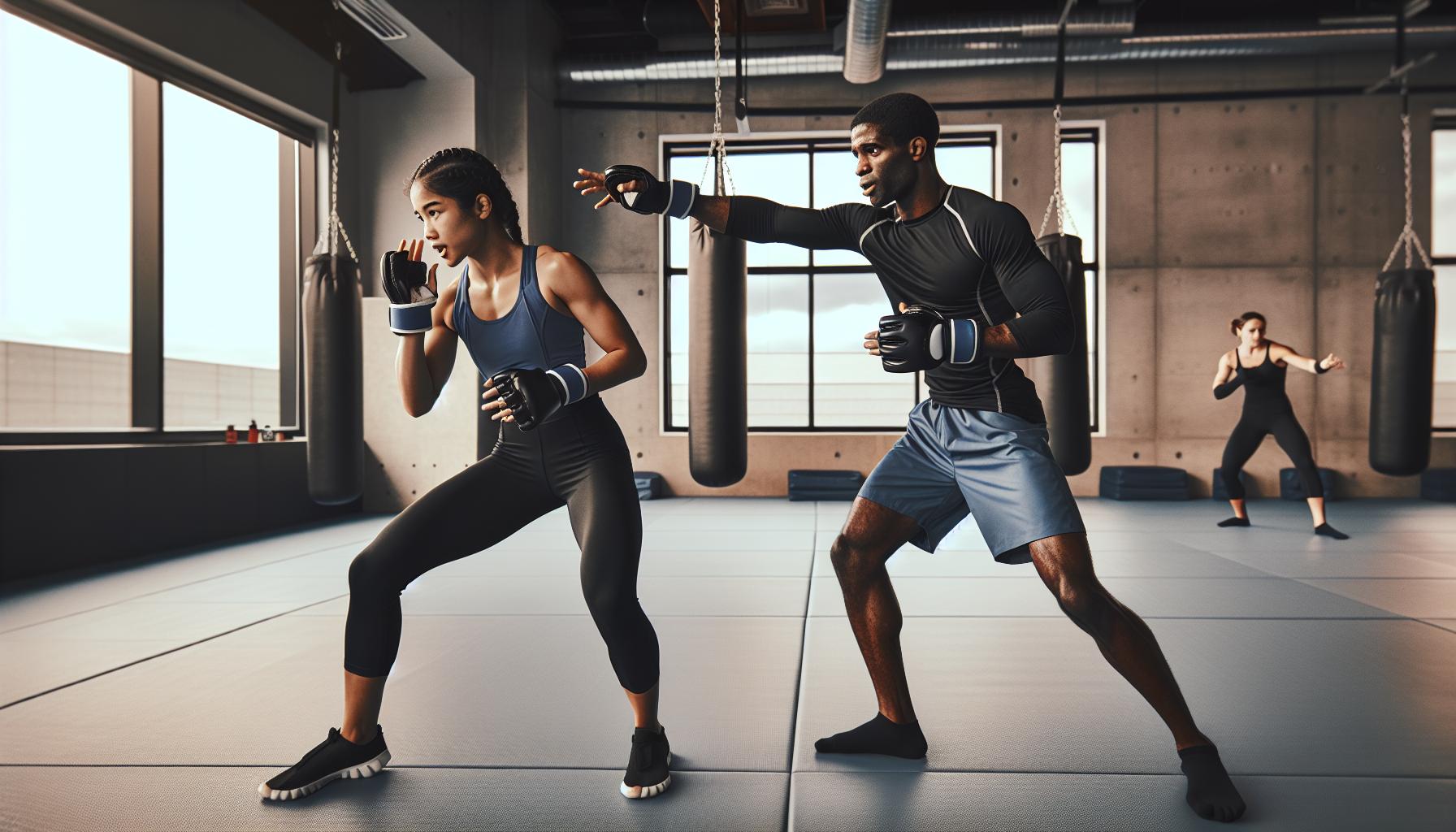
Krav Maga Fundamentals: What UFC Fighters Need to Know
In the world of combat sports, understanding the fundamentals of any martial art can provide fighters with a significant edge. For UFC athletes, grasping the principles of Krav Maga offers valuable insights into real-life self-defense situations. Krav Maga is designed to empower individuals to defend themselves against various threats, emphasizing instinctual responses and practical techniques. Unlike traditional martial arts, which often focus on competition, Krav Maga prepares practitioners for unpredictable encounters, teaching them to react swiftly and effectively.
One of the foundational concepts in Krav Maga is the idea of awareness and avoidance. UFC fighters can benefit from refining their situational awareness, which can aid them not only in the octagon but also in day-to-day encounters. Recognizing potential threats early can prevent a confrontation altogether. Apart from avoiding danger, if confrontation is unavoidable, fighters are trained to resolve the situation as quickly as possible using the most efficient means available.
In a traditional MMA context, UFC fighters primarily rely on techniques from Brazilian Jiu-Jitsu, wrestling, and Muay Thai. In contrast, Krav Maga incorporates a broader array of techniques that address various scenarios, including defenses against armed attackers and multiple assailants. This practical approach can enhance a fighter’s self-defense mindset, pushing them to think critically about their environment and potential threats, thus fostering a comprehensive understanding of conflict resolution.
Moreover, Krav Maga places a strong emphasis on striking vulnerable areas of the body, such as the eyes, throat, and groin. While these techniques may not be permissible in the regulated environment of the UFC, the underlying knowledge of targeting an opponent’s weaknesses can inform a fighter’s strategy during an MMA bout. It’s crucial for fighters to balance this understanding with the commitment to sportsmanship, ensuring that techniques are executed within the ethical and legal frameworks of competitive fighting.
Ultimately, while Krav Maga is not a primary training method for UFC fighters, incorporating its fundamentals can enrich an athlete’s repertoire. By learning to assess threats, strategize responses, and maintain situational awareness, fighters can be better prepared not only for their matches but also for unpredictable altercations outside the ring. This proactive approach fosters not just physical readiness but also mental clarity and ethical responsibility in conflict situations.
Comparing Krav Maga and Traditional MMA Techniques
In the realm of mixed martial arts (MMA), understanding the nuances among various techniques is crucial for effective competition. While traditional MMA fighters integrate techniques from Brazilian Jiu-Jitsu (BJJ), wrestling, and Muay Thai to create a well-rounded skill set, Krav Maga presents a different philosophical approach to combat. This self-defense system, designed primarily for real-world scenarios, diverges significantly from the sport-oriented methodologies employed in the UFC.
Krav Maga emphasizes practical self-defense strategies that prioritize survival over competition. This includes targeting vulnerable areas of the opponent’s body, such as the eyes, throat, and groin. In a sport like UFC, such actions are typically prohibited under the rules of competition, which are designed to ensure the safety and fairness of the fight. Unlike MMA fighters who learn to implement their strategies within a regulated framework, Krav Maga practitioners are taught to respond with aggression and efficiency, aiming to neutralize threats quickly, sometimes in life-and-death situations. This discrepancy in objectives leads to fundamentally different training methodologies.
Technique Comparison
- Ground Fighting: In BJJ, ground control, submissions, and positional dominance are key components of an effective strategy. Krav Maga, however, often teaches its practitioners to avoid the ground altogether unless necessary, focusing instead on getting back to their feet or escaping.
- Striking: While Muay Thai incorporates a variety of striking techniques, emphasizing powerful kicks and elbow strikes, Krav Maga teaches strikes that focus on incapacitating the opponent with the intent to escape or dominate an attack in a self-defense context.
- Defensive Techniques: MMA techniques include block-and-counter strategies, tailored for a competitive environment. In contrast, Krav Maga emphasizes instinctive reactions, with training focused on scenarios of surprise attacks, multiple assailants, or armed threats.
The training environments also differ markedly; MMA gyms promote controlled sparring sessions that replicate fight conditions, while Krav Maga emphasizes drill-based scenarios that prepare students for unpredictable, uncontrolled encounters. UFC fighters are conditioned to think strategically, adhering to rules and sportsmanship, whereas Krav Maga practitioners are prepared for the ethical complexities of real-life confrontations.
Understanding these distinctions helps in crafting specialized training programs that can integrate Krav Maga principles for UFC fighters without compromising the rules of the sport. By recognizing when to scale their responses and integrate core self-defense strategies, fighters can enhance their situational awareness and adaptability within the octagon.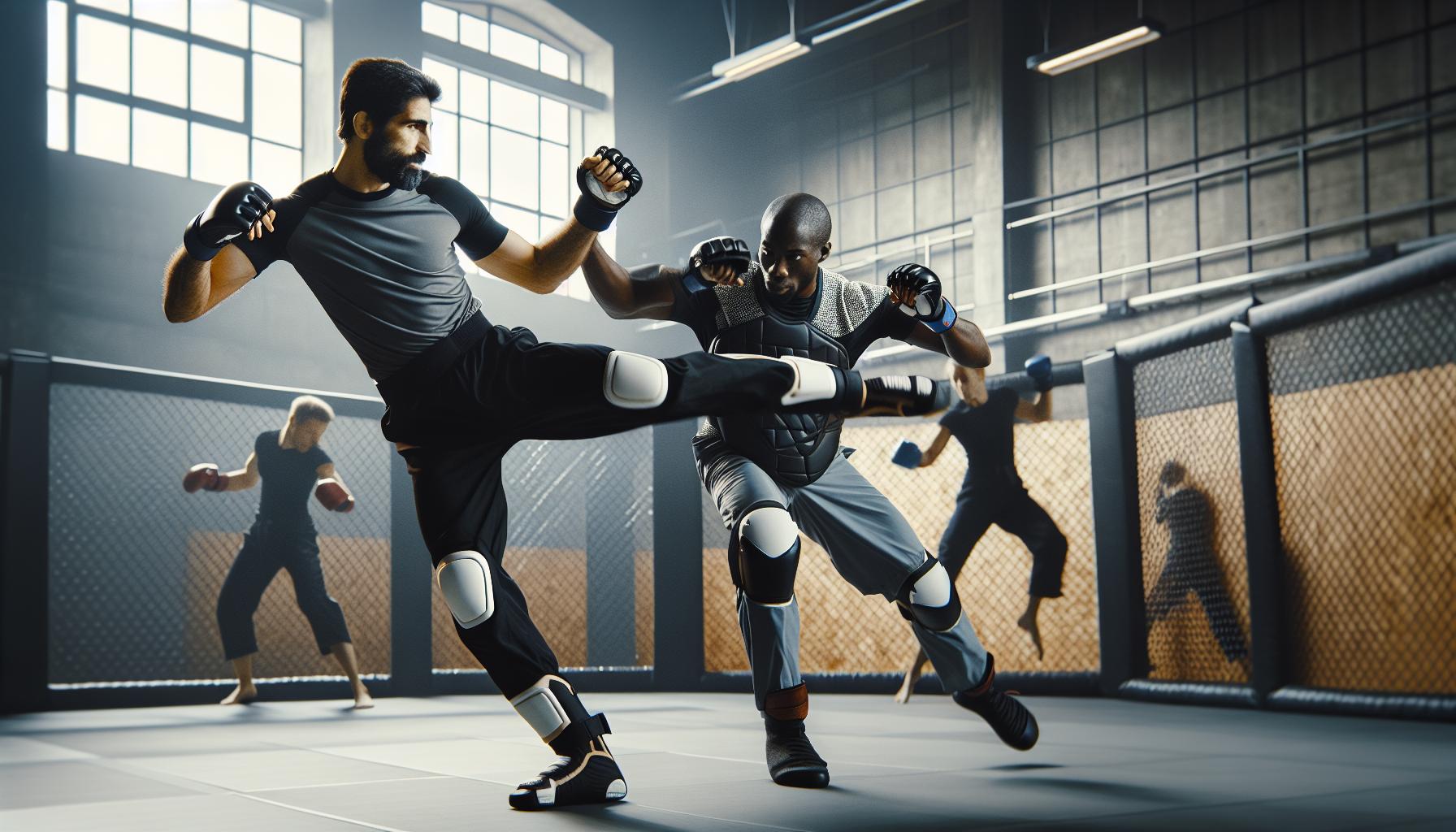
Real-Life Applications: Krav Maga in the Octagon
In the high-stakes environment of the octagon, UFC fighters constantly seek an edge through diverse training methodologies. While Krav Maga is primarily designed for real-world self-defense situations, some principles can inform a fighter’s mindset and approach in the cage. Though it is not explicitly used in UFC competition due to its focus on neutralizing threats swiftly, certain techniques and concepts from Krav Maga can indirectly influence an MMA fighter’s strategy and adaptability.
Krav Maga emphasizes situational awareness and aggression, key qualities that can benefit any fighter. Practitioners are trained to assess threats rapidly and respond effectively, skills that translate well to the dynamic nature of an MMA bout. For instance, the ability to recognize an opponent’s movement and anticipate their actions can provide a tactical advantage. Fighters who incorporate some of the situational awareness techniques from Krav Maga may find themselves better equipped to handle unexpected situations, such as a sudden shift in the opponent’s strategy or an aggressive takedown attempt.
Moreover, the principles of de-escalation and control are vital in both Krav Maga and mixed martial arts. In the octagon, fighters must maintain composure under pressure and choose when to engage or disengage. The emphasis in Krav Maga on targeting vulnerable points can inform striking strategies within the rules of MMA without escalating beyond acceptable limits. Fighters can draw on the instinctive response tactics of Krav Maga to enhance their counter-striking abilities while remaining within the legal framework of competition.
While direct application of Krav Maga techniques might be impractical due to rules against targeting critical areas, the underlying philosophy-adaptability, situational awareness, and efficiency-can enrich a fighter’s toolkit. By melding these concepts with traditional MMA training, athletes may enhance their ability to navigate the complexity of an MMA fight, ultimately leading to more effective performance in the octagon. However, it is crucial for fighters to remain conscious of the ethical and legal implications of using any self-defense techniques within a competitive context to ensure safety and fairness in the sport.
Top UFC Fighters with Krav Maga Backgrounds
While Krav Maga might not be the go-to discipline for many UFC fighters, its principles have found their way into the training regimens of some notable athletes within the sport. Fighters with backgrounds in self-defense systems, including Krav Maga, often emphasize situational awareness and aggressive strategies that align with the demands of an MMA fight.
One prominent example is Henri Hooft, a celebrated coach and former kickboxing champion who incorporates Krav Maga techniques into his fight training programs. His fighters, such as Rashad Evans and Michael Chandler, benefit from this diverse approach, capitalizing on Krav Maga’s emphasis on real-world scenario training that sharpens instinctual responses in high-pressure environments.
Additionally, Jason Miller has been known to utilize principles of Krav Maga during his fighting career. His understanding of threat assessment and rapid response mechanics from Krav Maga provided him insights that can be crucial in the Octagon. These elements, while not explicitly noted as Krav Maga, reflect the adaptable mindset that such training instills in practitioners.
Moreover, several fighters blend Krav Maga techniques with more traditional martial arts disciplines to create unique fighting styles. Fighters like Tim Kennedy emphasize the strategic response to threats, highlighting how Krav Maga’s focus on aggression and control can align with MMA’s competitive rules.
In conclusion, while there may be no dedicated Krav Maga practitioners solely identified within the UFC, the overarching principles present in this self-defense martial art are undeniably influential. Fighters who draw from a diverse set of techniques-including Krav Maga-can maintain a tactical advantage, enhancing their performance and adaptability in the unforgiving arena of mixed martial arts.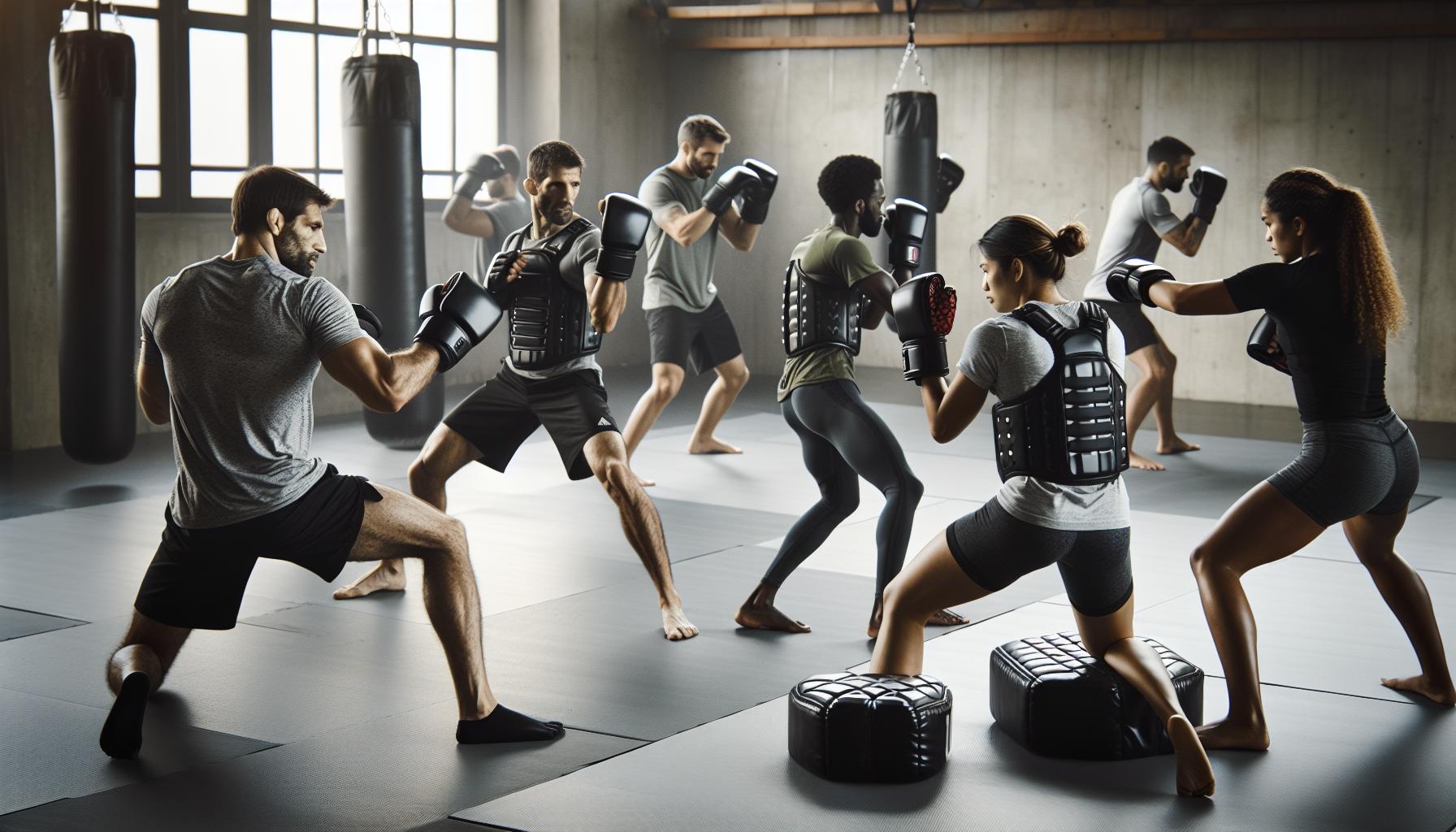
Krav Maga Training: Focus Areas for UFC Competitors
Integrating elements of Krav Maga into UFC training can enhance a fighter’s overall capability by focusing on essential skills that mirror the unpredictable nature of real combat situations. One of the primary focus areas of Krav Maga training is situational awareness, which allows fighters to anticipate threats and respond swiftly. This is crucial in the fast-paced environment of the Octagon where every second counts. By training to assess surroundings and opponent behavior, UFC competitors can make better tactical decisions in the heat of the moment.
Another vital aspect is the emphasis on aggressive counters and efficiency in movement. Krav Maga teaches practitioners to disable threats using the least amount of energy necessary, promoting techniques that mimic the principles of effective striking and grappling. Techniques such as swift footwork, direct strikes to vulnerable areas, and finding quick exits after engagements are tactics that UFC fighters can incorporate into their arsenal. Moreover, the psychological element of Krav Maga-focusing on neutralizing threats quickly-can be vital for maintaining mental clarity under pressure.
Key Training Components
- Close-Quarters Combat: Techniques that facilitate quick reactions in tight spaces can be especially beneficial during clinch exchanges.
- Weapon Defense: Practicing defenses against various weapons prepares fighters for any unexpected scenarios, albeit in a UFC context, this translates to anticipating strikes effectively.
- Self-Defense Strategies: Understanding principles of defending against larger opponents can enhance a fighter’s confidence and strategy planning.
Additionally, mental toughness is a cornerstone of Krav Maga. The training instills resilience, teaching fighters to push through discomfort and exceed perceived limits. This is particularly relevant in the grueling environment of MMA, where fatigue and psychological pressures can decisively impact performance.
Integrating Krav Maga’s distinct focus areas can lead to improved performance in both striking and grappling within the Octagon. Athletes who can blend these practical self-defense strategies with their existing techniques position themselves favorably against opponents, enhancing adaptability and fight IQ during competitions. Through such cross-disciplinary training, UFC fighters can not only become more formidable athletes but also cultivate a heightened sense of situational awareness that serves them well beyond the Octagon.
Effectiveness of Krav Maga in Self-Defense and MMA
Krav Maga is widely regarded as one of the most effective self-defense systems in the world, emphasizing quick, decisive action against threats. Originating from military training in Israel, its focus on real-world confrontations makes it attractive not only for self-defense but also for its potential applications in mixed martial arts (MMA) contexts like the UFC. When evaluating the effectiveness of Krav Maga for UFC fighters, it’s critical to understand how its principles translate into the dynamic environment of the Octagon.
One of the core strengths of Krav Maga lies in its direct and pragmatic approach to combat. Techniques are designed to neutralize threats swiftly, which can benefit fighters during high-pressure situations in the cage. For instance, the emphasis on targeting vulnerable areas can enhance both offensive and defensive tactics. Fighters who integrate these approaches may find that their ability to strike effectively while under pressure improves significantly. Moreover, Krav Maga’s training in situational awareness equips UFC competitors with the mental acuity necessary to read their opponent’s intentions and react accordingly, fostering split-second decision-making capabilities essential in high-stakes bouts.
Additionally, Krav Maga emphasizes the importance of mental toughness-a quality that resonates deeply within the MMA community. Practitioners train to handle stress and maintain composure in chaotic environments. This psychological resilience, cultivated through rigorous training, provides UFC fighters the fortitude needed to withstand the physical and mental challenges of a match. Learning to operate effectively despite fatigue or adversity is paramount in both training scenarios and competitive fights.
However, it is important to recognize that while Krav Maga offers valuable self-defense techniques, its application in a regulated sport has limitations. The techniques often emphasize decisive physical aggression, which can conflict with the UFC’s rules and the principles of sportsmanship. For instance, moves specifically designed for rapid incapacitation, like strikes to the eyes or throat, would be illegal within the octagonal cage. Thus, while the underlying skills developed through Krav Maga can enrich a fighter’s toolkit, practical application must always align with the regulations of the sport and the ethical considerations surrounding fair play.
Overall, the integration of Krav Maga into MMA training can enhance a fighter’s skill set by improving striking efficiency, situational awareness, and mental resilience. However, successful application in the UFC requires careful consideration of the sport’s unique context, legal frameworks, and safety protocols. Balancing these elements is crucial for fighters striving for both effectiveness and adherence to the competition’s integrity.
Safety Protocols in Krav Maga Training for Fighters
Proper training in Krav Maga emphasizes the necessity of safety protocols, particularly for fighters looking to apply these techniques in environments like the UFC. While the techniques of Krav Maga are rooted in self-defense and situational awareness, the integration into a competitive sport presents unique challenges. Effective training must prioritize the safety of both practitioners and opponents, ensuring that the intense nature of Krav Maga does not compromise the inherent regulations of mixed martial arts.
In Krav Maga training, fighters should focus on several critical safety protocols:
- Use of Protective Gear: Always wear appropriate safety gear during training, including headgear, mouthguards, shin guards, and gloves. This minimizes the risk of injury while allowing fighters to practice techniques at a realistic intensity.
- Controlled Sparring: Incorporate structured sparring sessions where intensity can be gradually increased while maintaining full awareness of safety measures. Emphasizing reflexive responses rather than aggressive intent helps in reducing the potential for serious injury.
- Technique Review: Regularly review and practice techniques under controlled conditions to ensure understanding and mastery. This includes emphasizing legal techniques permissible in the UFC context and avoiding those that are deemed illegal or excessively dangerous.
- Emotional and Mental Preparedness: Krav Maga training should also include mental conditioning to prepare fighters for the psychological stresses of both training and competition. This reinforcement of mental resilience is vital for maintaining composure during high-stress situations in the cage.
Understanding the legal implications of Krav Maga techniques is essential for fighters. Moves designed for real-world confrontations, like strikes to sensitive areas, may not be allowed in the cage and could result in penalties or disqualifications. This distinction underlines the importance of training with integrity and a clear understanding of what is permissible within sports rules.
Recognizing that self-defense should never escalate to unnecessary aggression is vital. Fighters should be taught to de-escalate situations whenever possible, focusing instead on controlled responses. Ethical training in Krav Maga can promote responsible use of techniques both in practice and in competition, allowing fighters to protect themselves while adhering to the fundamental principles of sportsmanship.
Ultimately, the effective application of Krav Maga in any MMA context hinges on respect for the sport’s regulations, collaboration with fellow practitioners for safe training practices, and a commitment to ethical conduct in every confrontation.
Legal Implications of Using Krav Maga Techniques
Utilizing Krav Maga techniques in the cage presents unique legal implications that fighters must navigate carefully. Unlike traditional martial arts, Krav Maga is rooted in self-defense, focusing on neutralizing threats with an emphasis on efficiency and effectiveness. This often involves techniques that target vulnerable areas of the body, which may not be permissible under Unified Rules of MMA or specific UFC regulations. Striking to the back of the head, groin, or knees, for example, could result in disqualification or penalties, hence fighters need to fully understand the legal landscape.
To protect themselves and ensure compliance, fighters should focus on the following legal considerations:
- Understand Legal Techniques: Each fighting technique must be within the bounds of legality set by MMA rules. Techniques deemed dangerous or inappropriate, such as eye gouging or attacks to the throat, are illegal and could lead to serious repercussions.
- Scenario Training: Practicing under simulated conditions where potential legal challenges might arise can help fighters become adept at making quick, informed decisions that respect these standards.
- Continuous Rule Review: Staying updated with any changes in the regulations governing professional MMA is essential. Fighters should engage with their coaches and legal advisers to ensure that their training methods align with current rules.
- Ethical Training: Promoting an ethical approach to combat that prioritizes safety and respect can further ensure that fighters do not feel pressured to deploy potentially illegal or overly aggressive techniques.
An in-depth understanding of these legal implications helps fighters incorporate Krav Maga effectively while remaining compliant and ethical. This strategy not only protects fighters from disqualifications but also fosters a mindset geared towards responsible self-defense in both training and competition. Proportional response and de-escalation should always take precedence, reinforcing the need for a well-rounded perspective on combat that values safety without sacrificing effectiveness. This approach nurtures a competitive spirit grounded in sportsmanship, ultimately reinforcing the integrity of the sport.
Krav Maga vs. Other Martial Arts in UFC Context
In the competitive world of UFC, the techniques employed by fighters can vary significantly based on their martial arts backgrounds. While Krav Maga is primarily rooted in self-defense and focuses on neutralizing threats effectively, its principles often contrast with the strategies employed in traditional MMA disciplines like Brazilian Jiu-Jitsu (BJJ), Muay Thai, and wrestling. Understanding these differences not only clarifies how UFC competitors can benefit from diverse styles but also highlights the specific applications of Krav Maga within the confines of an octagon.
Krav Maga emphasizes real-world self-defense scenarios, teaching practitioners to respond swiftly and decisively in high-stress situations. This contrasts sharply with traditional martial arts that focus on sportsmanship, scoring points, and adhering to competition rules. For example, where BJJ might emphasize positional control and submission holds, Krav Maga would teach a practitioner to target vulnerabilities for an immediate escape or neutralization of a threat. However, adopting Krav Maga techniques in the octagon presents serious challenges due to the legal and safety restrictions within MMA rules. Moves that target the eyes or groin, for instance, may be effective in a self-defense scenario but could lead to disqualification in a fight.
Moreover, the cultural attitudes toward combat in Krav Maga versus other martial arts play a significant role in their applicability. Krav Maga’s focus on survival techniques and aggressive responses may clash with the sportsmanlike conduct of MMA fighters, who must train with respect for their opponents and the sport’s ethical boundaries. In practice, this means that while a fighter may incorporate Krav Maga principles-such as creating distance and employing rapid strikes-they must do so within safe, legal parameters set forth by organizations like the UFC.
Ultimately, the effectiveness of Krav Maga within the UFC context hinges on a fighter’s ability to adapt its principles to a sport-centric framework. Those who successfully integrate quick, decisive moves that comply with MMA rules can leverage their Krav Maga training effectively while still embracing the foundational skills of traditional martial arts. This balancing act not only enhances their performance in the cage but also exemplifies the evolution of combat sports, where diverse practices can coexist and contribute to a fighter’s overall toolkit.
Building a Winning Strategy: Incorporating Krav Maga into MMA Training
Incorporating Krav Maga techniques into MMA training offers fighters a unique set of tools that can enhance their performance while adhering to the sport’s regulations. Krav Maga, designed for real-world self-defense, emphasizes quick thinking and decisive responses, which can be advantageous in the high-pressure environment of the octagon. Here are essential aspects to consider when integrating Krav Maga into MMA training:
- Situational Awareness: One of the cornerstones of Krav Maga is the ability to assess and respond to one’s environment. Fighters can benefit from this by training to remain aware of their surroundings during a match, recognizing potential openings or threats from opponents more effectively.
- Targeting Vulnerabilities: While MMA focuses on points and rules, understanding how to exploit an opponent’s vulnerabilities-like angles and body posture-can give a fighter a strategic edge. Practicing Krav Maga’s targeting methods can enhance striking precision and efficiency without breaching MMA rules.
- Distance Management: Krav Maga teaches practitioners how to control the distance between themselves and an opponent. This principle can help fighters in MMA create optimal striking ranges, deciding when to attack or defend based on proximity to their opponent.
- Quick, Decisive Strikes: The emphasis on rapid strikes in Krav Maga aligns well with the need for effective striking in MMA. Fighters can incorporate Krav Maga’s striking techniques-using elbows, knees, and various punches-into their arsenal for versatility and unpredictability.
Legal and Safety Considerations
Safety and legality are paramount when incorporating Krav Maga into MMA training. Fighters must understand the rules governing what techniques are allowed during competition. While Krav Maga’s principles can guide effective self-defense, not all techniques can be legally applied in the octagon.
- Prohibition of Dangerous Techniques: Moves that target sensitive areas like the eyes or throat may be effective in self-defense scenarios but can lead to disqualification in MMA contexts. Training must therefore focus on legal techniques that align with MMA rules.
- Controlled Sparring: Engaging in sparring sessions that simulate real fight conditions while emphasizing controlled techniques can help fighters practice Krav Maga strategies safely and legally.
- De-escalation and Ethical Use of Force: Part of training should include discussions about the moral implications of using force. Students should learn not only how to defend themselves but also when to de-escalate a situation, reinforcing the importance of proportionate responses.
By strategically integrating Krav Maga techniques into their training, MMA fighters can enhance their skill sets while maintaining legal and ethical standards. The focus on situational awareness, targeting vulnerabilities, and rapid responses can ultimately contribute to a more adaptable and resolute fighter in the octagon.
Common Misconceptions About Krav Maga in Fighting Sports
Many people hold misconceptions about Krav Maga, particularly its role within combat sports like MMA and UFC. One prevalent belief is that Krav Maga techniques are overly aggressive and thus unsuitable for regulated environments like the octagon. In reality, while Krav Maga is characterized by its focus on real-world self-defense, its principles can be adapted for safe application in competitive settings.
- Krav Maga is All About Brutality: While Krav Maga emphasizes effective striking and self-defense, it is not solely about causing harm. In training, students learn to assess situations critically, aiming for de-escalation whenever possible. In a sport context, this can translate into smart decision-making during fights, where a fighter prioritizes safety and technique over sheer aggression.
- It’s Only for Street Fighting: Another misconception is that Krav Maga doesn’t belong in the ring or cage. However, many MMA fighters recognize its practical applications and the strategic mindset it cultivates. For instance, training in distance management and situational awareness can enhance an athlete’s performance, providing them with tools to navigate complex fight scenarios more efficiently.
- All Techniques Are Legal in MMA: Some may assume that all Krav Maga techniques can be directly applied in MMA competitions. However, fighters must adhere to strict regulations regarding which moves are permissible. Techniques that attack vulnerable areas, like the eyes or throat, are not allowed. Therefore, fighters must train specifically to modify Krav Maga techniques to comply with MMA rules.
Understanding these misconceptions is crucial for any fighter looking to enhance their training regimen by incorporating Krav Maga. Notably, the focus on quick, effective strikes and enhanced situational awareness can significantly contribute to a fighter’s toolkit-provided these elements are adapted to fit the sport’s safety and legal standards. In essence, Krav Maga can serve as a complementary skill, enriching an MMA fighter’s versatility and responsiveness in the octagon.
FAQ
Q: Do any UFC fighters use Krav Maga techniques in their training?
A: While Krav Maga is not a primary focus in UFC training, some fighters incorporate its techniques for self-defense and situational awareness. Fighters often blend various martial arts to enhance their overall strategy, but the sport’s rules favor techniques more suitable for a controlled environment.
Q: How does Krav Maga compare to traditional martial arts in the octagon?
A: Krav Maga emphasizes real-world self-defense, focusing on quick, aggressive responses. In contrast, traditional martial arts, like Brazilian Jiu-Jitsu, prioritize technique, submissions, and points. This difference makes Krav Maga less practical in the octagon, where scoring and safety protocols are paramount.
Q: Can Krav Maga be effectively integrated into MMA training for fighters?
A: Yes, Krav Maga can be integrated into MMA training for its focus on self-defense principles and situational awareness. Fighters can benefit from its techniques, especially in learning to counter attacks quickly. However, they must adapt these skills for the rules of the octagon.
Q: What are the safety protocols for using Krav Maga techniques in MMA?
A: Safety protocols for incorporating Krav Maga into MMA include practicing techniques at controlled intensity, ensuring compliance with MMA rules, and avoiding strikes that could lead to severe injuries. Proper sparring and training with experienced partners also help mitigate risks.
Q: Why is Krav Maga not commonly used in professional UFC fights?
A: Krav Maga is not commonly used in UFC due to its focus on survival and street defense rather than competitive scoring or sport-specific strategy. Its aggressive techniques may be too dangerous or impractical within the structured environment of professional fights.
Q: Are there any legal considerations for using Krav Maga techniques in a fight?
A: Yes, using Krav Maga techniques in a fight brings legal considerations, such as the proportionality of force and the context of self-defense laws. Fighters should understand the legal limits of self-defense to avoid criminal charges or civil liability.
Q: How can fighters benefit from Krav Maga training?
A: Fighters can benefit from Krav Maga training by enhancing their ability to defend against unexpected attacks, improving situational awareness, and learning to respond decisively in high-pressure scenarios. Incorporating these skills can enrich their MMA repertoire and strategy.
Q: What misconceptions exist about Krav Maga in competitive fighting?
A: A common misconception is that Krav Maga is suitable for competitive fighting, but its techniques focus more on real-world survival than on sport. Many believe it is too brutal for the UFC ruleset, which prioritizes safety and technique within a structured format.
The Conclusion
As we’ve explored, while Krav Maga offers unique self-defense techniques, its application in the UFC is limited due to the sport’s rules and the inherent dangers of the style. Krav Maga is designed for real-life confrontations, not structured competitions. If you’re intrigued by self-defense or the blending of martial arts styles in the UFC, check out our articles on “MMA Training Essentials” and “The Role of Traditional Martial Arts in Modern Combat Sports.”
Don’t miss the chance to delve deeper into how different fighting systems intersect in the Octagon-your journey to understanding the martial arts landscape starts here! For more insights and exclusive content, be sure to sign up for our newsletter and join our community discussions. Share your thoughts or experiences with Krav Maga or other martial arts in the comments below; we’d love to hear from you! As you continue your exploration of martial arts, remember to prioritize safety and ethical practices in all your training endeavors.
Get our latest guides, news, and insights highlighted in your Google Search & AI Overviews.